

P0018 on 2015-2016 Lincoln MKS: Crankshaft Camshaft Correlation Causes and Fixes
On a 2015-2016 Lincoln MKS, P0018 is most often caused by a sticking Variable Camshaft Timing (VCT) solenoid due to dirty or low engine oil. An oil change and replacing the Bank 2 intake VCT solenoid (around $30-$80 for the part) is the most common fix. If a rattling noise is present on startup, a stretched timing chain is the next likely cause, which is a significantly more expensive repair.
- P0018 means the Bank 2 (front) intake camshaft is out of sync with the crankshaft.
- Always check your engine oil level and condition first. A simple oil change with the correct oil can sometimes fix the issue.
- The most common failed part is the Bank 2 intake VCT solenoid, which gets stuck from oil debris. This is a relatively inexpensive fix.
- Do not immediately assume you need a costly timing chain replacement unless you hear a distinct rattling noise or have diagnosed the simpler causes first.
What's Unique About the 2015-2016 Lincoln MKS
The 3.7L and 3.5L V6 engines in the MKS use a Variable Camshaft Timing (VCT) system that is highly sensitive to oil quality and level. Ford and Lincoln have issued multiple Technical Service Bulletins (TSBs) acknowledging that small debris in the oil can cause the VCT solenoids to stick, triggering correlation codes like P0018. Furthermore, these 'Cyclone' family engines feature an internal, timing-chain-driven water pump. A failure of this pump's seal can leak coolant directly into the engine oil, contaminating it and accelerating wear on the timing chain, guides, and phasers, which can also lead to P0018.
Diagnostic Flowchart
Tap your situation to follow the diagnostic path that matches what you're seeing on this vehicle.
Symptoms You May Notice
- Check Engine Light is on
- Rough idle
- Reduced engine power and poor acceleration
- Decreased fuel economy
- Engine may stall or hesitate
- A distinct 'chain rattle' or 'marbles in a can' sound from the front-right (passenger) side of the engine, especially on cold starts, lasting 2-5 seconds 🎬 See this video to identify that specific cold start rattle (a strong indicator of a stretched timing chain or failing tensioners).
- Replacing the camshaft position sensor without first checking the oil or VCT solenoid.
- Assuming a catastrophic timing chain failure without diagnosing the simpler, more common causes first.
- Replacing only the timing chain without also replacing the tensioners, guides, and potentially the cam phasers and water pump, leading to a repeat failure.
Most Likely Causes
- Low, Dirty, or Incorrect Viscosity Engine Oil 🔴 High Probability The VCT system uses oil pressure to adjust timing. The passages in the VCT solenoids are very small and easily clogged by sludge or debris from old or contaminated oil, a fact highlighted in numerous Ford TSBs.
How to confirm: Check the oil level on the dipstick and inspect its color and consistency. If it's low, dark, thick, or has a milky appearance (indicating coolant contamination), it needs to be changed immediately.
Typical fix: Perform an oil and filter change using the manufacturer-specified grade of full synthetic oil (typically 5W-30).
Est. part cost: $40-$80 - Sticking or Failed VCT Solenoid (Oil Control Valve) 🔴 High Probability → Shop Engine Variable Valve Timing (VVT) Solenoid As confirmed by multiple TSBs (SSM 50067, SSM 48423), these solenoids are prone to sticking due to small debris in the engine oil. This is the most common component failure for P0018.
How to confirm: A technician can use a scan tool to command the solenoid to activate and monitor the camshaft angle response. The solenoid can also be removed and tested for resistance (typically 5-14 ohms). Swapping the intake and exhaust solenoids on Bank 2 is a common diagnostic trick; if the code changes to P0019 (exhaust cam correlation), the solenoid is confirmed bad.
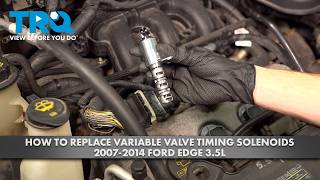
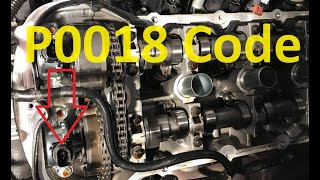
Typical fix: Replace the Bank 2 intake VCT solenoid. 🎬 Watch: How to test and fix the P0018 correlation code It's recommended to replace the valve cover gasket 🎬 Watch: A step-by-step walkthrough for replacing the VCT solenoids and solenoid seal at the same time. Many technicians suggest replacing both the intake and exhaust solenoids on the affected bank simultaneously.
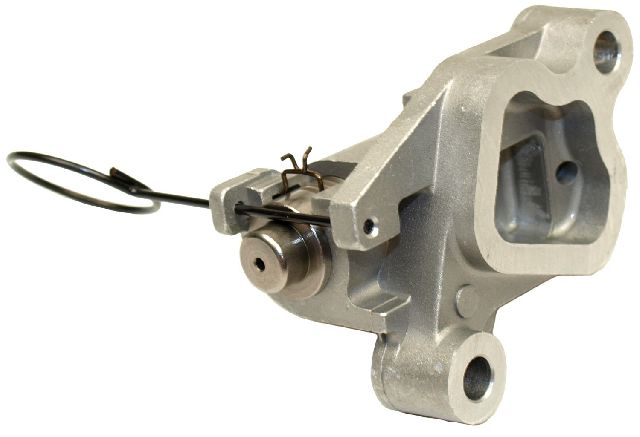
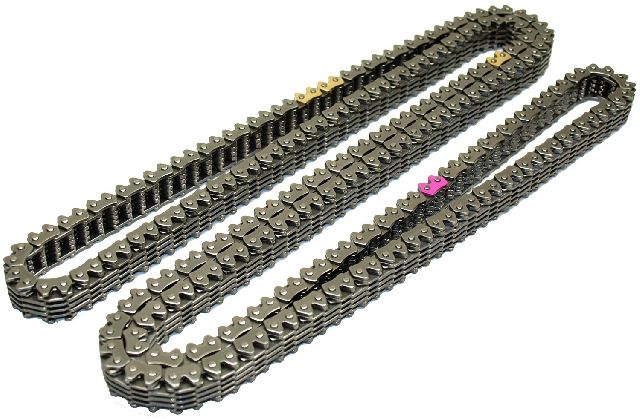
Est. part cost: $30-$80 - Stretched Timing Chain or Worn Guides/Tensioners 🟡 Medium Probability → Shop Engine Timing Chain The long primary timing chain on the 3.5L and 3.7L V6 engines is a well-documented weak point that can stretch over time, particularly on higher-mileage vehicles or those with delayed oil changes. This causes a permanent mechanical timing error that the VCT system cannot correct. TSB 16-0027 was issued for this issue on the 3.5L EcoBoost.
How to confirm: Listen for a rattling sound from the front of the engine (timing cover area), especially on a cold start. A technician can measure timing chain deflection or use a scan tool to view timing deviation PIDs. Definitive confirmation requires removing the timing cover for visual inspection.
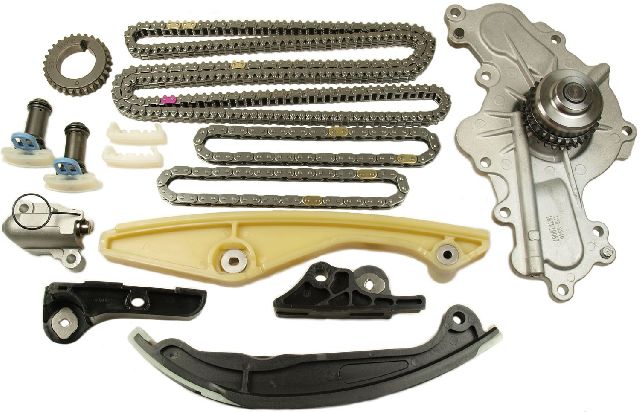
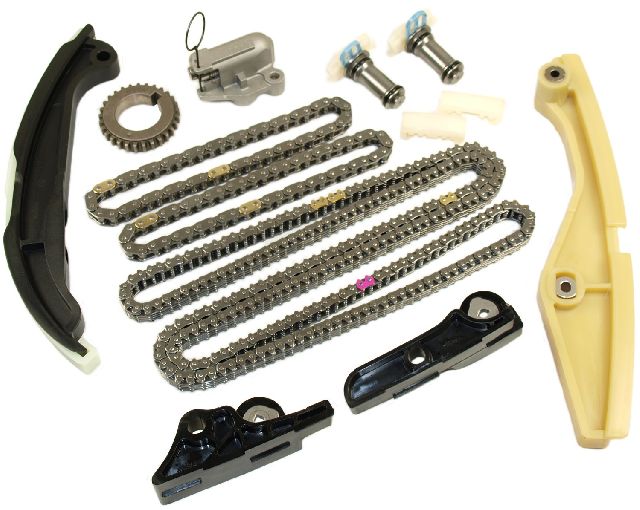
Typical fix: Replace the primary timing chain, all guides, and tensioners. This is a labor-intensive and expensive repair, often costing $2,000-$3,000+. The water pump is often replaced at the same time since it is driven by the timing chain.
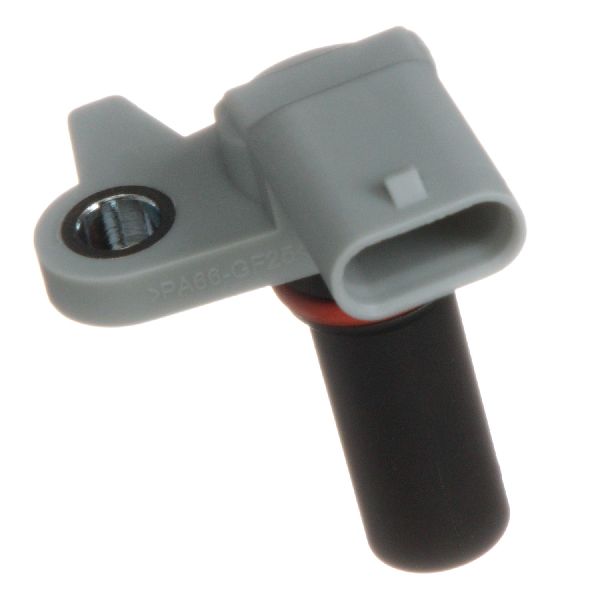
Est. part cost: $400-$800 - Failed Camshaft Position Sensor ⚪ Low Probability → Shop Engine Camshaft Position Sensor While less common than VCT solenoid issues, a sensor can fail and send incorrect data to the PCM, triggering a false correlation code.
How to confirm: Swap the Bank 2 intake sensor with the Bank 1 intake sensor. If the code changes to P0016 (the Bank 1 equivalent), the sensor is bad. A multimeter can also be used to test the sensor's output.
Typical fix: Replace the Bank 2 intake camshaft position sensor.
Est. part cost: $25-$60
Rare But Worth Checking
- Failed Camshaft Phaser: → Shop Engine Camshaft The phaser is the gear on the end of the camshaft that is hydraulically adjusted by the VCT solenoid. It can fail mechanically (often causing noise), but this is less common than a solenoid or chain issue. They are often replaced during a full timing chain job.
- Clogged Oil Passages: In cases of severe engine sludge from lack of maintenance, the oil passages within the cylinder head that feed the VCT system can become blocked, starving the components of oil pressure.
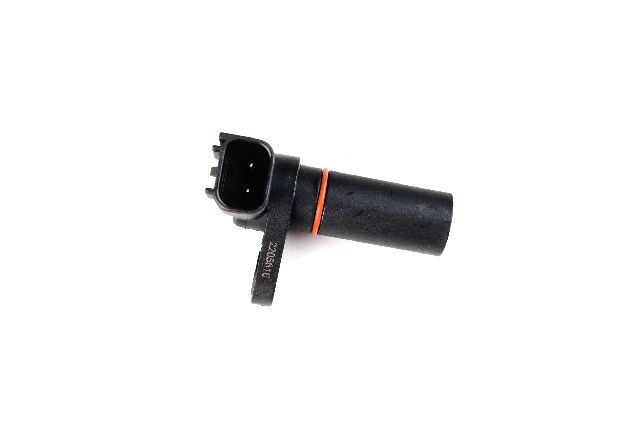
- Failed Crankshaft Position Sensor: → Shop Engine Crankshaft Position Sensor This is rare, as a failing crankshaft sensor usually causes more severe running problems or a no-start condition, but it can contribute to correlation codes.
Diagnosis Steps
- Verify the engine oil level and condition. If low, dirty, or overdue for a change, perform an oil and filter change with the correct OEM-specified oil. Clear the codes and see if P0018 returns.
- Use a professional scan tool to monitor desired vs. actual camshaft position PIDs for Bank 2, Intake. This can help determine if the camshaft is not moving as commanded.
- Command the Bank 2 intake VCT solenoid on and off with the scan tool. Listen for a click and watch for a change in engine idle. TSB SSM 50067 suggests cycling the solenoid multiple times to potentially clear debris.
- If the solenoid is suspected, inspect the wiring and connector for damage. If the wiring is good, swap the Bank 2 intake and exhaust VCT solenoids. Clear codes and re-test. If the code changes to P0019, the solenoid is faulty and should be replaced.
- If the VCT system appears to function electronically, test the camshaft position sensor. Swap it with the sensor from Bank 1 and see if the code follows (changes to P0016).
- If all electronic and hydraulic components test good, the issue is likely mechanical. Listen for a cold-start rattle. A definitive diagnosis of a stretched timing chain requires removing the valve cover and/or timing cover for inspection, which is a significant job.
Parts You'll Likely Need
- Variable Camshaft Timing (VCT) Solenoid
(OEM #BR3Z-6M280-E (or superseded -F))— This is the most frequent cause of P0018 on this platform, often due to sticking from oil debris, as noted in multiple TSBs.
Trusted brands: Motorcraft, Dorman, SKP
OEM price range: $50-$90
Aftermarket price range: $30-$60 - Timing Chain Kit
(OEM #AT4Z-6D256-A (Primary chain and guides, verify by VIN))— If the chain is stretched or the guides are worn, a complete kit including the chain, tensioners, and guides is required. This is a common failure on higher mileage 3.5L and 3.7L engines.
Trusted brands: Motorcraft, Cloyes
OEM price range: $500-$800
Aftermarket price range: $300-$500 - Camshaft Position Sensor
(OEM #DY1136 (Motorcraft # for BR3Z-6B288-A))— Though less common, a faulty sensor can send incorrect signals, causing the code. It's a relatively inexpensive part to rule out.
Trusted brands: Motorcraft, Bosch, NGK
Related Codes That Often Appear With This One
- P0016 — This is the same correlation error but for Bank 1. Seeing both codes together strongly points to a systemic issue like low oil pressure or a stretched primary timing chain affecting both banks.
- P0021 — This code for 'Bank 2 Camshaft Position - Timing Over-Advanced' often appears with P0018 because it relates to the same VCT system on the same bank failing to control timing, often pointing to a VCT solenoid stuck open.
- P0019 — This is the correlation error for the exhaust camshaft on Bank 2. If seen with P0018, it suggests a problem affecting the entire bank. It can also appear if you swap a faulty intake VCT solenoid with the exhaust solenoid for diagnosis.
Technical Service Bulletins (TSBs) & Recalls
- SSM 54366
- SSM 50067
- SSM 48423
- TSB 16-0027 / 18-2305
Platform-Specific Known Issues
- TSB SSM 54366, SSM 50067, and SSM 48423 all point to P0018 on 2015-2021 Ford and Lincoln vehicles being potentially caused by small debris making the VCT solenoid stick.
- TSB 16-0027 (superseded by 18-2305) specifically addresses a cold-start rattle on 3.5L EcoBoost engines caused by a stretched primary timing chain, a root cause for correlation codes like P0018.
- The internal water pump design is a critical vulnerability. Its failure contaminates the oil with coolant, leading to rapid destruction of the entire timing system.
Mechanic-Grade Diagnostic Values
- VCT Solenoid Internal Resistance — expected: 5 - 14 Ohms. Failure: A reading outside this range, especially an open circuit (infinite resistance) or a short (near zero), indicates a faulty solenoid.
- VCT Solenoid Control Voltage (Key On, Engine Off) — expected: Greater than 10.5 V. Failure: Voltage below 10.5 V points to a problem in the power supply circuit to the solenoid, not the solenoid itself.
- Camshaft Position Sensor (CMP) Power Supply Voltage (3-wire Hall-Effect, KOEO) — expected: 4.8 to 5.2 Volts DC. Failure: Voltage outside this range suggests a wiring or PCM issue rather than a failed sensor.
- Ford IDS Scan Tool VCT Error PID (e.g., VCT_A_ERR2) — expected: Close to 0 degrees at hot idle. Failure: A persistent deviation from 0 degrees indicates the camshaft is not at its commanded position, pointing to a VCT system fault.
Scan Tool Commands That Help
- Ford IDS (or FORScan): VCT Solenoid Duty Cycle / Actuator Test — This bidirectional control commands the solenoid on and off while the engine is running. A healthy system will cause a noticeable change in engine RPM or smoothness. No change suggests a stuck solenoid, clogged oil passage, or faulty phaser. TSBs recommend cycling it multiple times to attempt to clear debris before replacement.
- Ford IDS (or FORScan): Power Balance Test — While not directly a VCT test, observing the power balance graph can help determine if the timing issue on Bank 2 is causing specific cylinders to contribute less power, helping to isolate the effects of the fault.
- Ford IDS: Reset VCT Adaptations — In some documented cases, after mechanical parts like phasers or solenoids are replaced, the code may persist until the learned VCT adaptation values are cleared from the PCM using a dealer-level scan tool.
Wiring & Ground Locations
- Power Distribution Box — Located in the engine compartment on the driver's side (left-side).. This box contains high-amperage fuses and relays that control essential powertrain components, including the PCM and power feeds to the VCT system. A fault here could interrupt power to the system.
- Passenger Compartment Fuse Panel — Located under the instrument panel to the left of the steering wheel, behind a cover.. This panel powers various control modules. While less likely to be the primary cause, checking relevant fuses here is part of a complete electrical diagnosis.
- Engine/Gearbox to Chassis Ground Strap — A primary ground strap typically runs from the gearbox to the inner wing, often located below the underhood fuse box.. A poor or corroded main engine ground can cause erratic voltage readings from all engine sensors, including the camshaft and crankshaft position sensors, leading to false correlation codes.
Real Owner Repair Stories
- Ford F150 Forum user 'jkmelendez' (Ford F-150 with 3.5L/3.7L engine (similar timing setup)) — P0018 code appeared immediately after a DIY timing chain replacement.
❌ Tried (didn't work) Initial timing chain replacement.
✅ What actually fixed it The user discovered the bottom crank gear had jumped a tooth upon initial startup after the repair. The problem was resolved by tearing the front of the engine down again and correctly re-timing the engine from scratch, then verifying by rotating the engine by hand several times before final assembly.
OEM Part Supersession History
BR3Z-6M280-E→BR3Z-6M280-F— Standard part revision by the manufacturer.
Heads up: The part number BR3Z-6M280-B is frequently and incorrectly cited for the 3.5L/3.7L V6. That part is for the 4.6L/5.4L V8 engines and should not be used. The correct VCT solenoid for the MKS V6 is typically AT4Z-6M280-A/B/C. Always verify by VIN.
Helpful Videos

We Have This Part in Stock

The information in this article is provided for general reference and educational purposes only. Vehicle specifications, procedures, and part compatibility can vary by production date, trim level, and region. Always consult your vehicle's factory service manual and verify part numbers before purchasing or performing repairs. Safety-critical components such as airbags, seat belts, and braking systems should be installed by a qualified professional.
- Lincoln MKS:
- 🧭 Diagnostic Flowchart
- 🎬 Helpful Videos
- 🛍️ Shop This Part
- What's Unique About the 2015-2016 Lincoln MKS
- Symptoms You May Notice
- Most Likely Causes
- Rare But Worth Checking
- Diagnosis Steps
- Parts You'll Likely Need
- Related Codes That Often Appear With This One
- Technical Service Bulletins (TSBs) & Recalls
- Platform-Specific Known Issues
- Mechanic-Grade Diagnostic Values
- Scan Tool Commands That Help
- Wiring & Ground Locations
- Real Owner Repair Stories
- OEM Part Supersession History
- 🎟️ Get 5% Off