

P0018 on 2015-2019 Lincoln MKT: Crankshaft Camshaft Correlation Causes and Fixes
P0018 on a 2015-2019 Lincoln MKT most often indicates a problem with the Variable Camshaft Timing (VCT) system, usually a sticking VCT solenoid on Bank 2. This is frequently caused by dirty, low, or coolant-contaminated engine oil. The most common first step is an oil change and replacing the Bank 2 intake VCT solenoid. If symptoms persist, especially with a startup rattle, a stretched timing chain is the next likely cause.
- The most likely cause of a P0018 code on your Lincoln MKT is a sticking Variable Camshaft Timing (VCT) solenoid on Bank 2 (front of the vehicle).
- Before replacing any parts, check your engine oil. Low or dirty oil is a primary trigger for this issue. An oil change may resolve the problem.
- Due to multiple manufacturer TSBs, the VCT solenoid is a known weak point. If an oil change doesn't work, this part is the next logical component to replace.
- Diagnosing by swapping the intake and exhaust VCT solenoids on Bank 2 is a cost-effective way to confirm a failed solenoid before buying a new part.
- Replacing the VCT solenoids on this engine requires removing the valve cover, making it a moderately difficult DIY job.
What's Unique About the 2015-2019 Lincoln MKT
The 3.5L and 3.7L V6 engines (Cyclone family) used in the Lincoln MKT and its platform mates are known for two key vulnerabilities that lead to P0018. First, the Variable Camshaft Timing (VCT) system is highly sensitive to oil quality, and debris can cause the VCT solenoids to stick, as noted in multiple Ford TSBs. [SSM 50067, SSM 48423, SSM 47170] Second, and more critically, these engines feature an internal water pump. When the water pump fails, it can leak coolant directly into the crankcase, contaminating the engine oil. This coolant-oil sludge mixture accelerates wear on the timing chains, guides, and phasers, leading to chain stretch and eventual timing correlation codes like P0018.
Diagnostic Flowchart
Tap your situation to follow the diagnostic path that matches what you're seeing on this vehicle.
Symptoms You May Notice
- Check Engine Light is on
- Rough or unstable idle
- Engine stalling, especially at low speeds or when stopping
- Reduced engine power and poor acceleration
- Decreased fuel economy
- Rattling noise from the engine, especially a brief 'diesel-like clatter' or 'marbles in a can' sound on cold startups, indicating timing chain slack.
- Replacing the camshaft position sensor when the root cause is a sticking VCT solenoid or dirty oil.
- Replacing the crankshaft position sensor, which is rarely the cause for a single-bank correlation code.
- Performing a costly timing chain replacement when a simple VCT solenoid or oil change would have solved the issue.
- Not addressing a root cause of oil contamination, such as a failing water pump, leading to repeat failures of new timing components.
Most Likely Causes
- Dirty, Low, or Contaminated Engine Oil 🔴 High Probability The VCT system is hydraulically operated by engine oil. The passages in the VCT solenoids are very small and can become clogged by sludge or debris. Furthermore, a failing internal water pump can contaminate the oil with coolant, creating a sludge that is particularly damaging to all timing components.
How to confirm: Check the engine oil dipstick for level and clarity. If the oil is dark, gritty, or below the 'add' line, this is a likely cause. If the oil appears milky or like chocolate milk, it indicates coolant contamination from a likely water pump failure.
Typical fix: Perform a complete engine oil and filter change using the manufacturer-specified grade of oil. If coolant contamination is suspected, the water pump and timing components must be inspected.
Est. part cost: $40-$80 - Sticking or Failed VCT Solenoid 🔴 High Probability → Shop Engine Variable Valve Timing (VVT) Solenoid Manufacturer TSBs #SSM 50067, #SSM 48423, #SSM 47170, and others state that P0018 can be caused by small debris making the VCT solenoid stick. [SSM 50067, SSM 48423, SSM 47170] Ford even advises technicians to attempt to clear debris by cycling the solenoid with a scan tool before replacement.
How to confirm: Use a bidirectional scan tool to command the Bank 2 intake VCT solenoid on and off; listen for a click and watch for a change in engine RPM. A more definitive test is to swap the suspect solenoid with an identical one (e.g., the exhaust solenoid on the same bank) and see if the trouble code follows the part to the new location (e.g., changes to P0019). 🎬 Watch: How to test and fix the P0018 correlation code.
Typical fix: Replace the Bank 2 intake VCT solenoid. It is recommended to replace them in pairs (intake and exhaust on the same bank) or all four at once. This requires removing the valve cover, so replacing the valve cover gasket is also necessary. 🎬 See this walkthrough for replacing the VCT solenoids.
Est. part cost: $30-$80 per solenoid - Stretched Timing Chain or Worn Timing Components 🟡 Medium Probability → Shop Engine Timing Chain Timing chain stretch is a well-documented issue on higher-mileage Ford 3.5L/3.7L engines, often precipitated by the internal water pump failure. This is a persistent issue that solenoid/sensor replacement won't fix. The repair is labor-intensive and expensive.
How to confirm: This is a complex diagnosis. After ruling out all other causes, a technician will need to physically inspect the timing chain, guides, and phasers for slack or damage, which requires significant engine disassembly (removing the front timing cover).
Typical fix: Replace the primary and secondary timing chains, all tensioners, guides, and often the camshaft phasers and water pump at the same time. This is a major, labor-intensive job. 🎬 Watch: Full timing chain and internal water pump replacement guide.
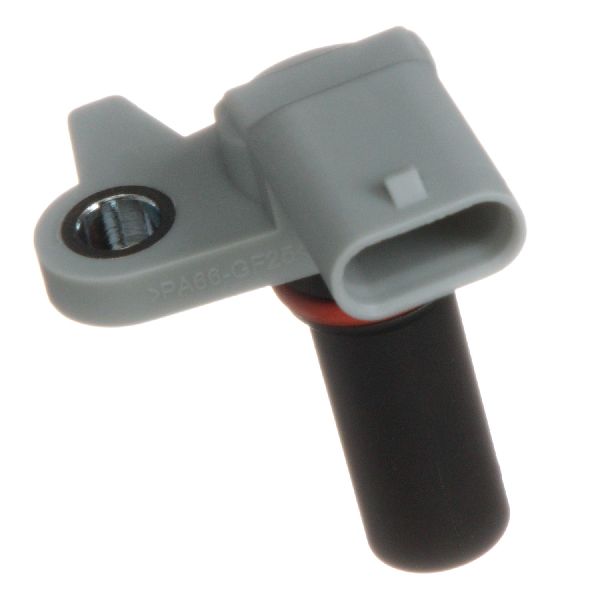
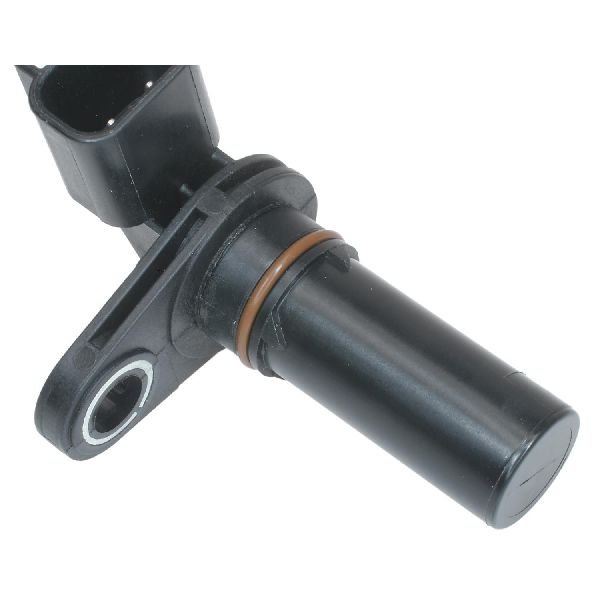
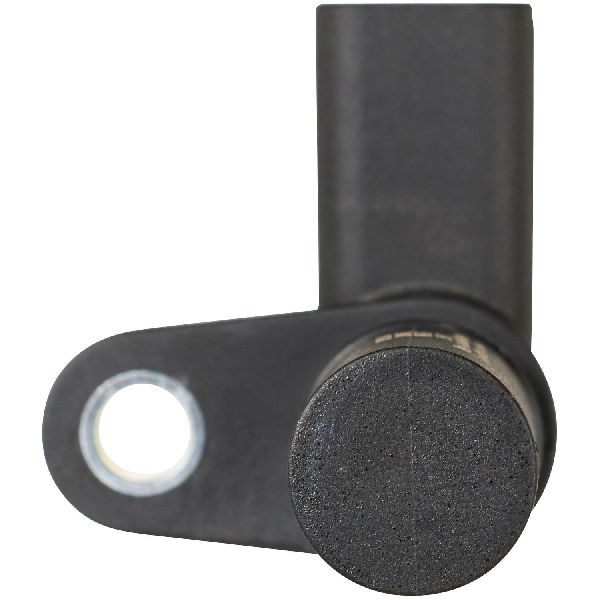
Est. part cost: $500-$1200 - Failed Camshaft Position Sensor ⚪ Low Probability → Shop Engine Camshaft Position Sensor
How to confirm: Inspect the sensor and its wiring for damage. Use a multimeter to test the sensor's resistance against specifications or a scan tool to monitor its live data for dropouts.
Typical fix: Replace the Bank 2 intake camshaft position sensor.
Est. part cost: $25-$60
Rare But Worth Checking
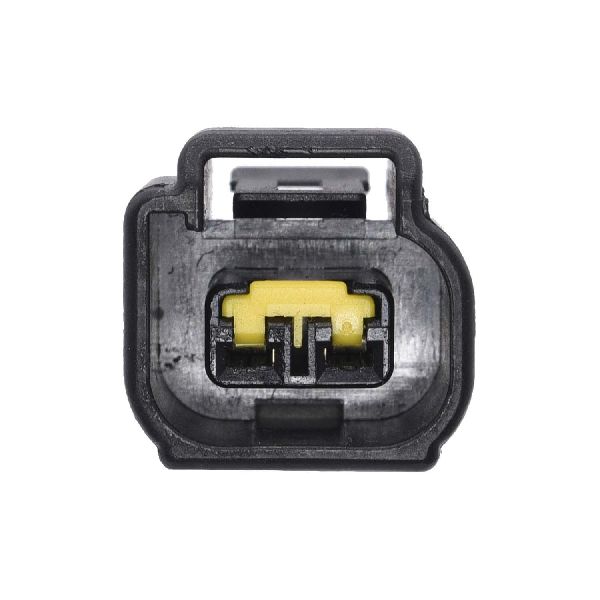
- Damaged Wiring or Connectors: A damaged wire or corroded connector for the camshaft sensor or VCT solenoid can mimic a failed component. Always inspect the harness before replacing parts.
- Failed Camshaft Phaser: → Shop Engine Camshaft The cam phaser itself, the mechanical gear that the VCT solenoid controls, can fail. This is often replaced during a full timing chain job but can fail independently.
- Faulty Powertrain Control Module (PCM): → Shop Engine Control Module (ECM) In very rare cases, the PCM itself can be the source of the problem, but this should only be considered after all other possibilities have been exhaustively ruled out.
Diagnosis Steps
- Check engine oil level and condition. If low, dirty, or milky (coolant contamination), perform an oil and filter change, clear the code, and re-test. If oil is contaminated, further diagnosis of the water pump is required.
- Use an OBD-II scanner to check for any other related trouble codes.
- Inspect the wiring and connector for the Bank 2 intake camshaft position sensor and VCT solenoid for any visible damage, corrosion, or loose connections.
- Using a bidirectional scan tool, monitor live data from the crank and cam sensors. Per TSB SSM 50067, use the scan tool to command the Bank 2 intake VCT solenoid to cycle multiple times to attempt to clear debris. [SSM 50067] Observe if the camshaft angle changes as expected.
- If the solenoid doesn't respond, test for power and ground at its connector.
- If power and ground are present, swap the Bank 2 intake VCT solenoid with the Bank 2 exhaust VCT solenoid. Clear codes and drive the vehicle. If the code changes to P0019, the solenoid is faulty and must be replaced.
- If the code remains P0018 after the swap, the issue is likely not the solenoid. The next step is to test the camshaft position sensor.
- If sensors and solenoids test good and there is a startup rattle, the final step is to suspect a mechanical timing issue, such as a stretched timing chain or failed phaser, which requires physical inspection of the timing components.
Parts You'll Likely Need
- Variable Camshaft Timing (VCT) Solenoid
(OEM #AT4Z-6M280-A / AT4Z-6M280-B)— This is the most common point of failure for P0018 on this platform, as confirmed by multiple TSBs. It gets stuck due to oil debris.
Trusted brands: Motorcraft, Dorman, Gates
OEM price range: $60-$130
Aftermarket price range: $30-$80 - Engine Oil and Filter — Clean oil is essential for the VCT system to function. An oil change is the first and most important step in diagnosis and prevention.
Trusted brands: Motorcraft (Synthetic Blend), Mobil 1, Valvoline
OEM price range: $40-$80
Aftermarket price range: $40-$80 - Valve Cover Gasket Set
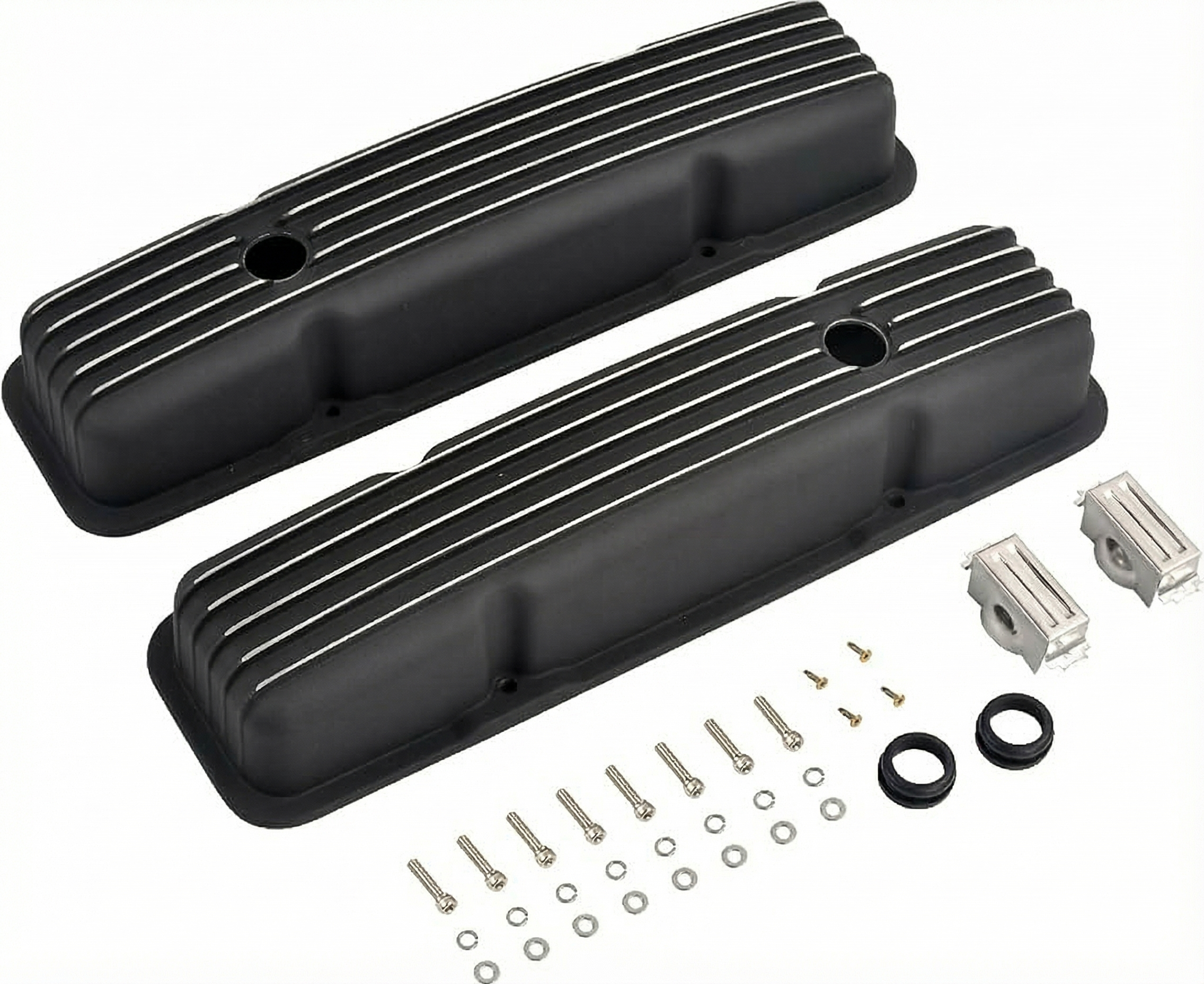
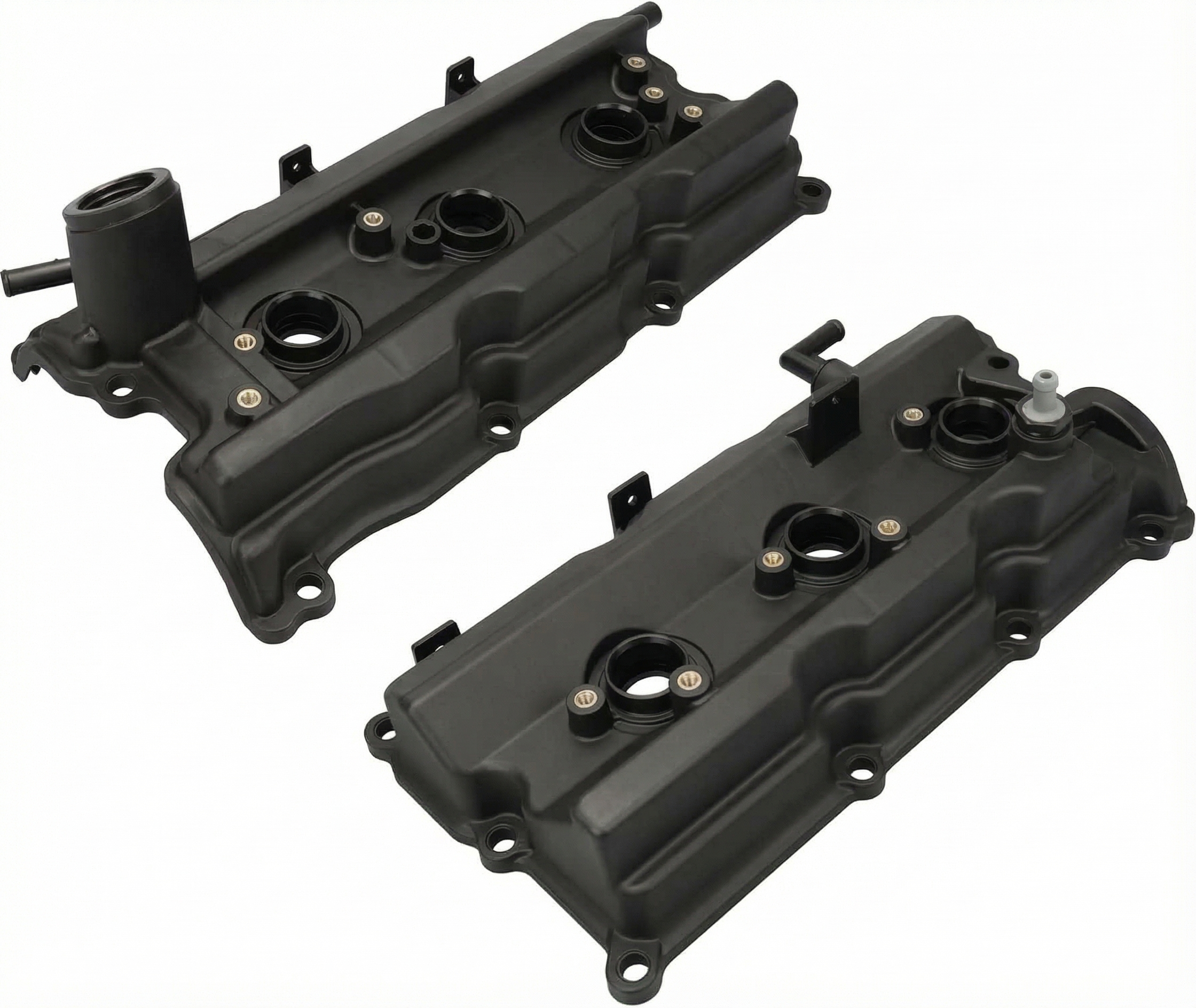
(OEM #ML3Z-6584-G (Driver Side - Bank 1), HL3Z-6584-A (Passenger Side - Bank 2))— The valve cover must be removed to access the VCT solenoids on the 3.5L/3.7L engines. The gasket is typically replaced to prevent oil leaks after the service.
Trusted brands: Motorcraft, Fel-Pro, Mahle
OEM price range: $30-$60 per side
Aftermarket price range: $20-$40 per side - Camshaft Position Sensor — If the VCT solenoid is not the cause, the sensor providing the camshaft position data to the PCM is the next logical part to test and potentially replace.
Related Codes That Often Appear With This One
- P0016 — This is the same correlation error but for Bank 1, Intake Camshaft. Seeing both may indicate a systemic issue like low oil pressure or a stretched primary timing chain affecting both banks.
- P0017 — Correlation error for Bank 1, Exhaust Camshaft. Often appears with other VCT codes.
- P0019 — Correlation error for Bank 2, Exhaust Camshaft. If you swap the intake and exhaust solenoids on Bank 2 for diagnosis and the code changes from P0018 to P0019, you have confirmed a bad solenoid.
- P0021 — This code indicates 'Intake Camshaft Position Timing - Over-Advanced (Bank 2)'. It often appears with P0018, pointing more strongly toward a stuck VCT solenoid or a faulty cam phaser on the Bank 2 intake cam.
Technical Service Bulletins (TSBs) & Recalls
- SSM 50067
- SSM 48423
- SSM 47170
- SSM 54366
Platform-Specific Known Issues
- A series of Technical Service Bulletins (TSBs), including #SSM 50067, were issued for 2015-2021 Ford and Lincoln vehicles. They state that codes like P0018 may be caused by 'small debris causing the VCT solenoid to stick.' The TSB advises technicians to use a scan tool to cycle the solenoid 10 times to attempt to clear the debris before replacing it.
- The internal water pump is a significant design characteristic of this engine family. Its failure leads to coolant mixing with oil, which owners on forums for the Ford Flex and F-150 have linked directly to subsequent timing chain failures and codes like P0018.
- Owners on forums frequently report that a simple VCT solenoid replacement fixes the P0018 code, especially if caught early. One owner of a high-mileage Expedition with P0018 reported a complete fix after replacing just the solenoid.
Mechanic-Grade Diagnostic Values
- Camshaft Position Sensor (3-wire Hall Effect) Signal Voltage — expected: Approximately 4.8-5.0 Volts DC with key on, engine off (backprobing the signal and ground wires).. Failure: Voltage does not drop to near 0V when a metal object is passed in front of the sensor tip, or voltage is constantly 0V or incorrect.
- VCT Solenoid Internal Resistance — expected: Approximately 5-15 Ohms across the two pins. (Note: This value is from a 5.4L V8 but is a reasonable ballpark for similar Ford solenoids).. Failure: A reading of 0 Ohms (short circuit) or infinite/OL (open circuit).
Hidden / Shadow Codes Worth Checking
- P052C: Intake Camshaft Timing Over-Advanced During Cold Start (Bank 2). This code is highly significant when seen with P0018, as it indicates the timing is already incorrect before the engine starts and builds oil pressure. This strongly points to a mechanical failure (e.g., a faulty new cam phaser that didn't lock in the base position, or incorrect timing chain installation) rather than a hydraulic issue like a sticking solenoid. (see via A professional-grade OBD-II scanner or Ford-specific diagnostic software like FORScan or IDS.)
- Mode 6, Test ID $81, Component ID $11-$14: Represents the VCT position error monitor. While not a 'code,' viewing Mode 6 data allows a technician to see the raw test values for the camshaft position correlation monitor. This can reveal if the timing is close to the failure threshold even before the PCM has set a pending or active DTC. (see via An OBD-II scanner that supports Mode 6 data.)
Scan Tool Commands That Help
- Ford IDS / FORScan / High-End Bidirectional Scanner: VCT Solenoid On/Off Command (often found in PCM Active Commands or Output State Control) — As specified in Ford TSBs, this command is used to rapidly cycle the suspect VCT solenoid with the engine running at idle. The goal is to dislodge small debris that may be causing the solenoid to stick. A change in engine idle quality or RPM should be observed if the solenoid is functioning. [SSM 50067]
- 12V Power Source (e.g., Power Probe or battery with jumper wires): Manual Solenoid Actuation Test — With the solenoid removed from the engine, applying 12V and ground directly to its pins should cause the internal plunger to move with an audible click. This is a definitive bench test to confirm the solenoid's mechanical and electrical integrity, ruling it out as the cause if it passes.
Real Owner Repair Stories
- YouTube channel 'Truck Lab' (2019 Ford F-150 3.5L EcoBoost) — Check Engine Light with codes P0018 and P0021, occasional power loss, and a cold start rattle.
❌ Tried (didn't work) Initial diagnosis could have pointed towards a major timing job due to the cold start rattle.
✅ What actually fixed it The issue was resolved by replacing only the faulty Bank 2 intake VCT solenoid. Notably, this also fixed the cold start rattle, which is typically attributed to failing cam phasers. - Reddit user on r/AskMechanics (2014 Ford Explorer 3.5L AWD (same engine family)) — Stalling, rough running, loss of power, and codes P0018, P0365, P0369, plus multiple cylinder misfires (P0300, P0301, P0302, P0303).
❌ Tried (didn't work) Replaced the camshaft position sensor., Swapped sensors to see if the code followed the part.
✅ What actually fixed it After sensor replacement failed, a physical inspection revealed the secondary timing chain on Bank 1 had failed completely. The final fix was a complete timing chain job. - Ford F150 Forum user (2018 Ford F-150 3.5L EcoBoost with 48k miles) — After replacing all 4 cam phasers to fix a startup rattle, the truck developed a rough idle and threw new codes P0018 and P052C.
❌ Tried (didn't work) The timing marks were confirmed to be perfectly aligned during the phaser replacement.
✅ What actually fixed it The user suspected an issue with the installation or a faulty new phaser. Another user confirmed that code P052C (cold start timing over-advanced) points directly to a mechanical timing problem that exists before oil pressure is a factor, indicating the timing job itself was the source of the new code, likely due to improper cam locking or a defective new phaser.
"I Checked Everything" — The Actual Cause
- In the context of P0018, the equivalent of a 'smoke test clean' scenario is when sensors and solenoids are tested or replaced, but the code persists. In a documented case on a 2014 Ford Explorer with the 3.5L engine, the owner first replaced the camshaft position sensor, which did not fix the issue. The actual cause was only found after removing the valve cover, which revealed a completely failed secondary timing chain that required a full timing job to resolve.
When the Usual Fixes Don't Work
- While a startup rattle combined with P0018 is a strong indicator of a stretched timing chain and failing cam phasers, it is not definitive. In a documented case involving a 2019 F-150 3.5L EcoBoost, these exact symptoms were present, but the root cause was found to be only a single sticking VCT solenoid. Replacing the solenoid resolved both the trouble codes and the mechanical rattle, preventing a much more expensive and labor-intensive timing chain replacement.
OEM Part Supersession History
AT4Z-6M280-A→AT4Z-6M280-B— Part revisions are common to improve durability, change materials, or enhance performance. For VCT solenoids, updates often involve improved internal seals and stronger resistance to debris and oil sludge, which is the primary failure mode.
Heads up: AT4Z-6M280-B is the correct and current part for the 2015-2019 MKT 3.5L/3.7L engines and is widely used across many Ford and Lincoln models from 2011-2022+.
Model Year Variations Within This Range
- 2017-2019 (3.5L EcoBoost only): For the 2017 model year, Ford introduced the second generation of the 3.5L EcoBoost engine. This updated engine features both port and direct fuel injection (the Gen 1 was direct injection only) and was paired with a 10-speed automatic transmission (vs. the previous 6-speed). While the VCT system is conceptually the same and the solenoids are a known failure point on both generations (as per TSBs), the cam phasers, PCM, and engine calibration are different. This is important to note when ordering parts for a full timing job.
Helpful Videos

Used OEM Parts in Stock
New Aftermarket Parts Available


The information in this article is provided for general reference and educational purposes only. Vehicle specifications, procedures, and part compatibility can vary by production date, trim level, and region. Always consult your vehicle's factory service manual and verify part numbers before purchasing or performing repairs. Safety-critical components such as airbags, seat belts, and braking systems should be installed by a qualified professional.
- Lincoln MKT:
- 🧭 Diagnostic Flowchart
- 🎬 Helpful Videos
- 🛍️ Shop This Part
- What's Unique About the 2015-2019 Lincoln MKT
- Symptoms You May Notice
- Most Likely Causes
- Rare But Worth Checking
- Diagnosis Steps
- Parts You'll Likely Need
- Related Codes That Often Appear With This One
- Technical Service Bulletins (TSBs) & Recalls
- Platform-Specific Known Issues
- Mechanic-Grade Diagnostic Values
- Hidden / Shadow Codes Worth Checking
- Scan Tool Commands That Help
- Real Owner Repair Stories
- "I Checked Everything" — The Actual Cause
- When the Usual Fixes Don't Work
- OEM Part Supersession History
- Model Year Variations Within This Range
- 🎟️ Get 5% Off