

P0018 on 2015-2020 Lincoln MKZ: Crank/Cam Correlation Causes and Fixes
On 2015-2020 Lincoln MKZ V6 models, code P0018 is most often caused by a sticking Variable Camshaft Timing (VCT) solenoid due to oil contamination, as noted in multiple manufacturer TSBs. Other common causes include low/dirty oil or a stretched timing chain, which is a known issue on the 3.7L engine.
- P0018 on a V6 MKZ indicates a timing sync issue between the crankshaft and the front (Bank 2) intake camshaft.
- Before suspecting major mechanical failure, check your engine oil. Low or dirty oil is a primary cause of this code.
- Manufacturer TSBs strongly suggest the VCT solenoid for the Bank 2 intake cam is a common failure point, often due to sticking from oil debris.
- Repair can be simple (oil change, VCT solenoid) or very expensive (timing chain replacement). Proper diagnosis is crucial to avoid unnecessary costs.
- Due to the complexity of timing systems, professional diagnosis and repair are highly recommended for this code.
What's Unique About the 2015-2020 Lincoln MKZ
For this generation of Lincoln MKZ with V6 engines (3.7L Cyclone and 3.0L EcoBoost), the P0018 code is specifically addressed in several Technical Service Bulletins (TSBs). These bulletins from Ford state a common culprit is not necessarily a failed sensor, but a Variable Camshaft Timing (VCT) solenoid that is sticking due to small debris in the engine oil. Furthermore, the 3.7L Cyclone V6 has a known design characteristic where the water pump is driven internally by the timing chain; a failure of this pump can contaminate the oil with coolant, leading to timing system failures.
Diagnostic Flowchart
Tap your situation to follow the diagnostic path that matches what you're seeing on this vehicle.
Symptoms You May Notice
- Check Engine Light is on
- Rough or erratic idle
- Engine stalling or hesitating on acceleration
- Reduced engine power
- Decreased fuel economy
- Rattling noise from the engine, especially on cold startup
- Replacing the camshaft or crankshaft position sensors when the root cause is a mechanical issue like a stretched timing chain or a hydraulic problem like a sticking VCT solenoid.
Most Likely Causes
- Sticking/Failing VCT Solenoid 🔴 High Probability → Shop Engine Variable Valve Timing (VVT) Solenoid Multiple manufacturer TSBs (SSM 47170, SSM 50067, SSM 48423) state that small debris in the oil can cause the VCT solenoid to stick, leading to this code. Dirty oil is the number one cause of VCT solenoid failure.
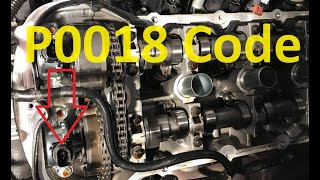
How to confirm: Use a scan tool to command the Bank 2 intake VCT solenoid on and off while monitoring cam angle data (PID). A lack of change in cam angle suggests a stuck solenoid. You can also remove the solenoid and test its mechanical and electrical function with a 12v source, and check its internal resistance (typically 8-12 ohms). 🎬 See how to test and fix the Bank 2 intake sensor.
Typical fix: Replace the Bank 2 intake VCT solenoid. It is highly recommended to perform an oil and filter change at the same time. Many technicians recommend replacing the solenoids in pairs (intake and exhaust) on the affected bank.
Est. part cost: $72-$81 - Low or Dirty Engine Oil 🔴 High Probability The VCT system is entirely dependent on clean oil at the correct pressure to function. Ford's Cyclone and EcoBoost engines can be sensitive to oil level and quality, making regular oil changes with the specified oil (e.g., Motorcraft 5W-20 or 5W-30 Synthetic Blend) critical.
How to confirm: Check the oil level on the dipstick and inspect its condition. If it's low, dark, sludgy, or smells of coolant (on 3.7L), this is a likely contributor.
Typical fix: Perform an engine oil and filter change using the manufacturer-specified grade of oil. If the oil was very dirty, some mechanics may recommend a second, short-interval oil change to help flush out contaminants.
Est. part cost: $50-$100 - Stretched Timing Chain 🟡 Medium Probability → Shop Engine Timing Chain Over time, timing chains can stretch, causing a permanent correlation error that the VCT system cannot compensate for. This is a known issue on the 3.7L Cyclone engine family. A startup rattle is a common symptom of a failing tensioner or stretched chain.
How to confirm: This is a complex diagnosis. After ruling out oil and VCT solenoid issues, a mechanic will need to remove the timing cover to physically inspect the chain, tensioners, and guides for slack or damage. This is a labor-intensive job with estimated labor times between 14-18 hours.
Typical fix: Replace the timing chain, tensioners, and guides. On the 3.7L engine, the water pump is driven by the timing chain and should always be replaced at the same time to prevent future failure and oil contamination.
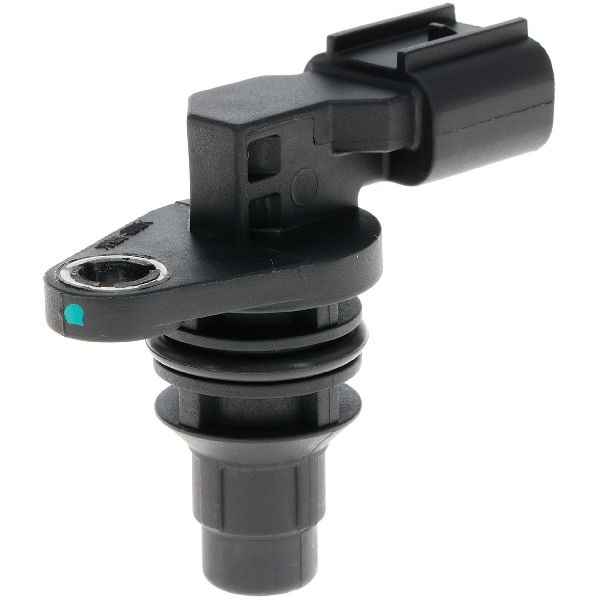
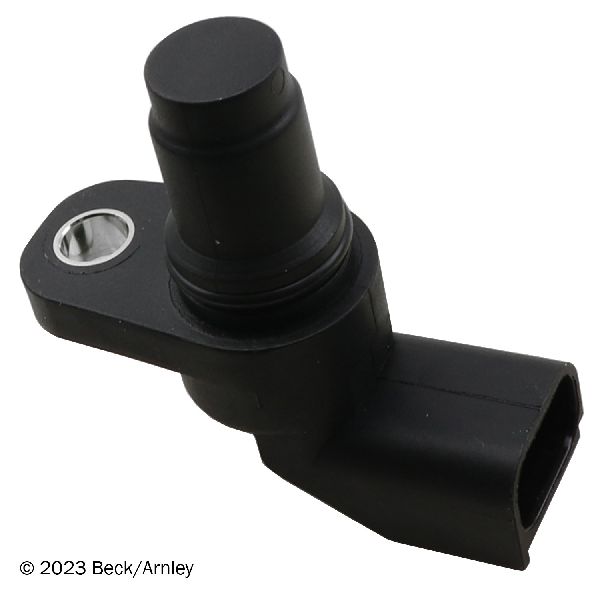
Est. part cost: $200-$450 for a kit - Failed Camshaft Position Sensor ⚪ Low Probability → Shop Engine Camshaft Position Sensor
How to confirm: Monitor the sensor's output with a scan tool or test its resistance with a multimeter to see if it's within the manufacturer's specifications. A common diagnostic step is to swap the suspect sensor with the corresponding sensor from Bank 1 and see if the trouble code follows (e.g., changes to P0016).
Typical fix: Replace the Bank 2 intake camshaft position sensor.
Est. part cost: $30-$80
Rare But Worth Checking
- Failed VCT Phaser (Cam Sprocket): The phaser itself can fail mechanically, getting stuck in one position or having broken internal components. This is less common than a solenoid failure but is a possibility if other checks pass.
- Damaged Crankshaft Reluctor Wheel: → Shop Engine Crankshaft The tone ring that the crankshaft position sensor reads can be damaged or slip, sending incorrect signals to the PCM. This is rare and difficult to diagnose without an oscilloscope to analyze sensor waveforms.
- Clogged Oil Passages: In cases of severe oil sludging, the oil passages leading to the VCT solenoids and phasers can become blocked, starving the system of the oil pressure needed to operate, even if the solenoid itself is functional.
Diagnosis Steps
- Check the engine oil level and condition. Top up or change the oil if necessary. This is the first and most important step.
- Use an OBD-II scanner to confirm P0018 and check for any other related trouble codes.
- With a capable scan tool, monitor the desired vs. actual camshaft position for the Bank 2 intake cam (PIDs like RCAM2 vs. actual, and VCT2ERR). A significant, persistent deviation points to a problem.
- Command the Bank 2 intake VCT solenoid on and off with the scan tool. A lack of change in cam angle suggests a stuck solenoid or oil flow issue.
- Swap the Bank 2 intake VCT solenoid with the Bank 1 intake VCT solenoid. Clear the codes and drive the vehicle. If the code changes to P0016, the solenoid is faulty.
- Inspect the wiring and connector for the Bank 2 intake cam sensor and VCT solenoid for any damage, corrosion, or loose connections.
- If the solenoid is suspected, remove it for a bench test (using a 12v source to check for clicking) and to inspect its internal screens for debris.
- If oil and VCT system checks pass, the next step is a mechanical inspection of the timing chain, guides, and tensioners, which is a labor-intensive job requiring removal of the engine front cover.
Parts You'll Likely Need
- Variable Camshaft Timing (VCT) Solenoid
(OEM #AT4Z-6M280-A or AT4Z-6M280-B (verify by VIN))— This is the most likely cause according to manufacturer TSBs, which state it can stick due to debris in the oil.
Trusted brands: Motorcraft, Standard Motor Products (SMP), Dorman
OEM price range: $70-$90
Aftermarket price range: $40-$80 - Timing Chain Kit — If the timing chain has stretched, it must be replaced to restore the correct mechanical timing. This is a known failure point, particularly on the 3.7L engine.
Trusted brands: Motorcraft, Cloyes
OEM price range: $350-$500
Aftermarket price range: $200-$400 - Camshaft Position Sensor — While less common, a faulty sensor can send incorrect data, causing this code. It's often replaced as part of a thorough diagnosis.
Trusted brands: Motorcraft, Bosch, NGK/NTK, Delphi
OEM price range: $50-$90
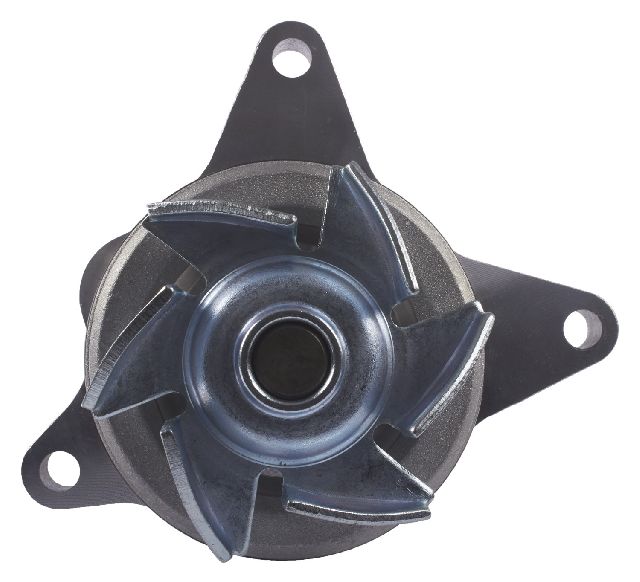
Aftermarket price range: $30-$60 - Water Pump (3.7L V6) — On the 3.7L V6, the water pump is internal and driven by the timing chain. It is critical to replace it during a timing chain job, as a future failure would require repeating the entire labor-intensive process and can cause catastrophic engine damage by leaking coolant into the oil.
Trusted brands: Motorcraft, Gates, AISIN
OEM price range: $150-$250
Aftermarket price range: $80-$150
Related Codes That Often Appear With This One
- P0016 — This is the correlation code for Bank 1, Intake Cam. Issues affecting the entire timing system (like a stretched chain, low oil pressure, or a failed crankshaft sensor) can cause codes for multiple cams to appear.
- P0017 — This is the correlation code for Bank 1, Exhaust Cam. It can appear with P0018 for similar reasons as P0016.
- P0019 — This is the correlation code for Bank 2, Exhaust Cam. It often appears with P0018 since they share the same cylinder bank and may indicate a problem with the bank's timing as a whole.
Technical Service Bulletins (TSBs) & Recalls
- SSM 47170: Notes that various VCT codes, including P0018, may be due to debris causing the VCT solenoid to stick.
- SSM 54366: Mentions a group of VCT codes including P0018 and refers to specific diagnostic tests in the service manual.
- SSM 50067: Repeats the information from SSM 47170, indicating debris in the VCT solenoid as a potential cause.
- SSM 48423: Another TSB that points to a sticking VCT solenoid from debris as a cause for P0018 and related codes.
Platform-Specific Known Issues
- TSB SSM 47170, SSM 50067, and SSM 48423 all note that for some 2015-2020 Ford and Lincoln vehicles, an illuminated MIL with code P0018 may be due to small debris causing the VCT solenoid to stick.
Mechanic-Grade Diagnostic Values
- VCT Solenoid Internal Resistance — expected: 8.3 to 12 ohms. Failure: A reading that is significantly higher (open circuit) or lower (short circuit).
- VCT Solenoid Power Supply Voltage — expected: Battery voltage (approx. 12V) with ignition on.. Failure: No voltage indicates a wiring or fuse issue upstream of the solenoid.
- Scan Tool PID: VCT_ADV_ERR (or VCTxERR) — expected: Should hover around 0° at idle and during steady-state driving.. Failure: A consistent deviation of more than +/- 5 degrees for an excessive time indicates a correlation error that the PCM cannot correct.
- Scan Tool PID: VCTxDC (Solenoid Duty Cycle) — expected: Duty cycle for Bank 1 and Bank 2 should be similar under the same conditions.. Failure: A significant and persistent difference in duty cycle between banks suggests one bank is working harder to achieve the desired cam angle, pointing to a restriction or mechanical issue on that bank.
Hidden / Shadow Codes Worth Checking
- Mode 6, Test ID $81 (Cylinder 7 Misfire Data): While not a shadow code for P0018 itself, Ford's Mode 6 data can reveal underlying issues. It provides raw misfire counts per cylinder before a misfire code like P030x is set. A timing correlation issue on Bank 2 can lead to misfires on its cylinders (4, 5, 6 on a V6). Monitoring these counts can help confirm which bank is affected. (see via A capable scan tool that can access OBD-II Mode 6 data, such as FORScan or some Snap-on/Autel models.)
Scan Tool Commands That Help
- Ford IDS (or equivalent high-level scan tool): VCT Solenoid Actuator Test / Output State Control — This command allows the technician to manually activate and deactivate a specific VCT solenoid while the engine is running. If commanding the Bank 2 intake solenoid ON and OFF causes the engine to hesitate, run rough, or stall, it confirms the solenoid is mechanically capable of moving and that oil is flowing. If there is no change in engine operation, it points to a stuck solenoid, a wiring issue, or a clogged oil passage.
Wiring & Ground Locations
- Bank 2 VCT Solenoid Connector — On the front valve cover of the engine (the one closer to the radiator). The intake solenoid is typically one of the two solenoids on that cover.. This is the primary electrical connection for the component most likely to cause P0018. Checking for 12V power at this connector with the key on is a critical first electrical diagnostic step.
- Bank 2 Camshaft Position Sensor Connector — Located on the front of the cylinder head (Bank 2), near the camshafts. For the 3.0L V6, it is accessible on the top front of the engine.. A poor connection or damaged wiring at this sensor can interrupt the signal the PCM uses to track the camshaft's position, directly causing a correlation code.
- Main Engine Ground Strap — Typically a braided metal strap connecting the engine block to the vehicle's chassis/frame. One common location is from the bell housing area to the firewall or frame rail.. A poor engine ground can cause a host of bizarre electrical issues and incorrect sensor readings. While not a direct cause, verifying the engine ground is clean and tight is a fundamental step in diagnosing any electronic engine control problem.
Real Owner Repair Stories
- Reddit user on r/AskMechanics (2013 Ford Taurus 3.5L V6 (engine shared with MKZ)) — P0018 code appeared immediately after a major service.
❌ Tried (didn't work) Changing the oil twice.
✅ What actually fixed it The user reported the code appeared after replacing the water pump and timing chains. This strongly implies the root cause was a mistake during the timing chain installation, where the Bank 2 camshaft was set incorrectly relative to the crankshaft, leading to the correlation code. The fix would be to re-time the engine correctly. - BobIsTheOilGuy forum user (Vehicle with a V6 engine (specific model not mentioned, but MZ family which is related)) — P0018 code appeared after a timing belt replacement.
❌ Tried (didn't work) The user was advised that swapping sensors or solenoids would likely not fix the issue.
✅ What actually fixed it The consensus in the thread was that the mechanical timing was set incorrectly during the repair. One user noted that timing the rear bank (Bank 2 on a transverse engine) is tricky due to line-of-sight issues and that the engine needs to be re-timed correctly to resolve the code.
OEM Part Supersession History
AT4Z-6M280-A→AT4Z-6M280-B— This is a common supersession for Ford parts, often indicating a minor revision for improved reliability, a change in supplier, or consolidation of similar parts.
Heads up: The -A and -B versions are generally interchangeable for this application. However, it is always best practice to use the latest revision (-B) when replacing the part.
Model Year Variations Within This Range
- 2015-2016: These models primarily used the naturally-aspirated 3.7L Cyclone V6. P0018 on these engines is strongly associated with the known timing chain/water pump issues, in addition to the common VCT solenoid failures.
- 2017-2020: These models introduced the Lincoln-exclusive 3.0L Twin-Turbo V6 (EcoBoost family). While still susceptible to VCT solenoid failure from oil contamination, this engine has a different timing chain architecture and does not have the same internal water pump design as the 3.7L. Some early EcoBoost engines had issues with cam phaser rattle, but this was more common on other platforms.
Helpful Videos

We Have This Part in Stock


The information in this article is provided for general reference and educational purposes only. Vehicle specifications, procedures, and part compatibility can vary by production date, trim level, and region. Always consult your vehicle's factory service manual and verify part numbers before purchasing or performing repairs. Safety-critical components such as airbags, seat belts, and braking systems should be installed by a qualified professional.
- Lincoln MKZ:
- 🧭 Diagnostic Flowchart
- 🎬 Helpful Videos
- 🛍️ Shop This Part
- What's Unique About the 2015-2020 Lincoln MKZ
- Symptoms You May Notice
- Most Likely Causes
- Rare But Worth Checking
- Diagnosis Steps
- Parts You'll Likely Need
- Related Codes That Often Appear With This One
- Technical Service Bulletins (TSBs) & Recalls
- Platform-Specific Known Issues
- Mechanic-Grade Diagnostic Values
- Hidden / Shadow Codes Worth Checking
- Scan Tool Commands That Help
- Wiring & Ground Locations
- Real Owner Repair Stories
- OEM Part Supersession History
- Model Year Variations Within This Range
- 🎟️ Get 5% Off