

P0018 on 2015-2021 Lincoln Navigator: Crank/Cam Correlation Causes and Fixes
For a 2015-2021 Lincoln Navigator, code P0018 is most often caused by a sticking VCT (Variable Camshaft Timing) solenoid on the driver's side of the engine, often due to dirty oil or small debris. A technician can sometimes clear this by electronically cycling the solenoid. If you hear a loud rattling noise from the engine for 2-5 seconds on cold starts, the more expensive cause is a stretched timing chain and failed cam phasers, a well-documented issue on this engine. Always check your oil leve
- First, check your engine oil. Low, old, or incorrect oil is a simple but common cause of this code.
- Listen for a loud rattle from the engine when starting it cold. If you hear this, the problem is almost certainly a stretched timing chain and/or bad cam phasers, which is an expensive repair.
- If there is no rattle, the most likely cause is a faulty VCT solenoid on the driver's side of the engine, which is a much cheaper fix.
- Do not ignore this code. While the vehicle may seem to drive okay, a timing issue can lead to stalling, poor performance, and potentially catastrophic engine failure.
What's Unique About the 2015-2021 Lincoln NAVIGATOR
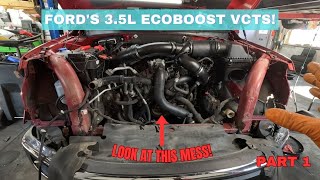
The 3.5L Twin-Turbo V6 in the Navigator is known for two key issues that directly cause this code. First, as documented in multiple manufacturer Technical Service Bulletins (TSBs), the VCT solenoids are prone to sticking from small debris in the oil. Second, this engine platform has a well-documented history of timing chain stretch and cam phaser failure, which typically creates a loud rattling noise for a few seconds on a cold start. Ford has released TSB 20-2315 specifically for this rattle on 2018-2020 Navigators 🎬 Watch: Everything you need to know about the cold start rattle., which points to worn VCT units (cam phasers) and requires replacement and a PCM update. While the code could be a simple sensor, on this specific vehicle, it's highly probable the cause is either a VCT solenoid or a major timing system problem.
Diagnostic Flowchart
Tap your situation to follow the diagnostic path that matches what you're seeing on this vehicle.
Generation note: This range covers the end of the third generation (2015-2017) and the beginning of the fourth generation (2018-2021). Both generations use a 3.5L Twin-Turbo V6 engine and are susceptible to the same VCT solenoid and timing chain issues. The fourth generation (2018+) uses the 'Gen 2' 3.5L EcoBoost which has significant changes including a dual-injection system and redesigned timing components. TSB 20-2315 specifically addresses the cold start rattle in 2018-2020 models, indicating a known issue with the newer generation's cam phasers.
Symptoms You May Notice
- Illuminated Check Engine Light
- Rough or unstable idle.
- Engine stalling, especially at low speeds or when coming to a stop.
- Noticeable loss of engine power and poor acceleration.
- Reduced fuel economy.
- A loud rattling, tapping, or knocking noise from the front of the engine for 2-5 seconds on a cold start (after sitting for several hours).
- Engine may run erratically or hesitate.
- Replacing only the camshaft position sensor without investigating the more common causes like oil condition, VCT solenoids, or a stretched timing chain.
- Replacing the crankshaft position sensor, which is rarely the cause of this specific correlation code.
- Replacing only the cam phasers without also replacing the stretched timing chain and worn guides, leading to a repeat failure.
Most Likely Causes
- Sticking Bank 2 (Driver's Side) Intake VCT Solenoid 🔴 High Probability → Shop Engine Variable Valve Timing (VVT) Solenoid Multiple Ford/Lincoln TSBs (like SSM 50067) state that small debris in the engine oil can cause the VCT solenoids to stick, preventing proper cam timing adjustment. This is the most common starting point for diagnosis.
How to confirm: A technician can use a scan tool (like FORScan) to monitor PIDs for desired vs. actual cam angle and VCT error percentage (e.g., VCT_ADV_ERR). TSBs suggest cycling the solenoid with the scan tool to try and dislodge debris. A common physical test is to swap the suspect solenoid with another one (e.g., the exhaust solenoid on the same bank) and see if the trouble code changes (e.g., to P0019).
Typical fix: Replace the Bank 2 intake VCT solenoid. It is often recommended to replace all four VCT solenoids at the same time due to labor overlap and similar wear. An oil and filter change is mandatory with this repair.
Est. part cost: $30-$80 per solenoid - Low, Dirty, or Incorrect Viscosity Engine Oil 🔴 High Probability The VCT system is entirely dependent on clean oil of the correct viscosity (full synthetic 5W-30) to function. Extending oil change intervals beyond 5,000 miles can lead to sludge and debris that clog the fine passages in the VCT solenoids and phasers.
How to confirm: Check the oil level on the dipstick and inspect its color and consistency. If it's very low or looks like dark sludge, this is a likely contributor. Check service records for oil change frequency.
Typical fix: Perform an engine oil and filter change using the manufacturer-specified full synthetic oil (e.g., Motorcraft 5W-30) and a high-quality filter (e.g., Motorcraft FL-500S). Clear the codes and drive to see if the issue returns.
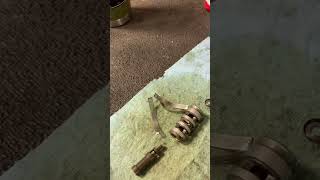
Est. part cost: $60-$120 - Stretched Timing Chain and/or Failed Cam Phasers 🟡 Medium Probability → Shop Engine Timing Chain The 3.5L EcoBoost engine family is known for premature timing chain stretch and cam phaser failure. TSB 20-2315 directly addresses a "ticking/tapping or rattle type noise" on 2018-2020 Navigators due to worn VCT units (phasers). The phaser's internal locking pin can fail, allowing oil to drain out and causing slack on startup.
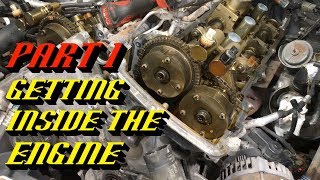
How to confirm: The primary symptom is a distinct rattling noise from the front of the engine on cold starts that lasts 2-5 seconds. A mechanic must remove the engine's front cover to physically inspect the chain for slack against the guides and check the phasers for damage. This is a labor-intensive diagnosis.
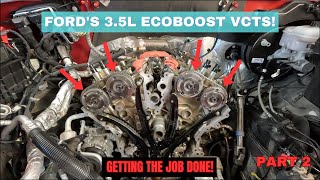
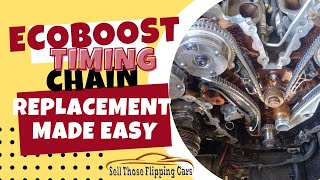
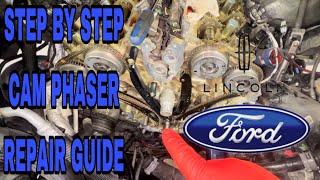
Typical fix: This is a major repair requiring the replacement of the primary timing chain 🎬 Watch: A professional walkthrough of the timing chain replacement process., all four cam phasers, tensioners, and guides. It is always done as a complete kit using updated parts. The PCM must also be reprogrammed per TSB 20-2315.
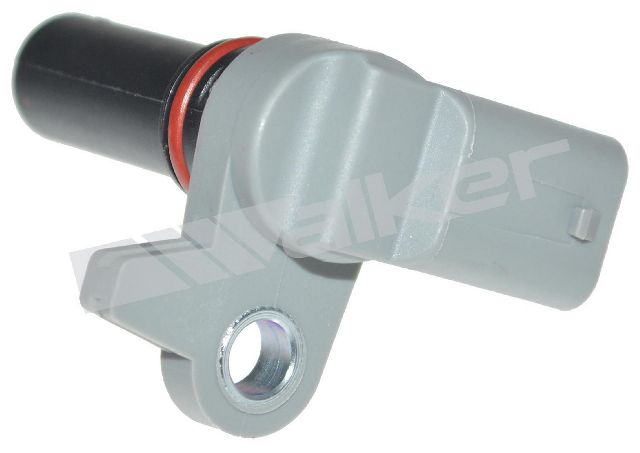
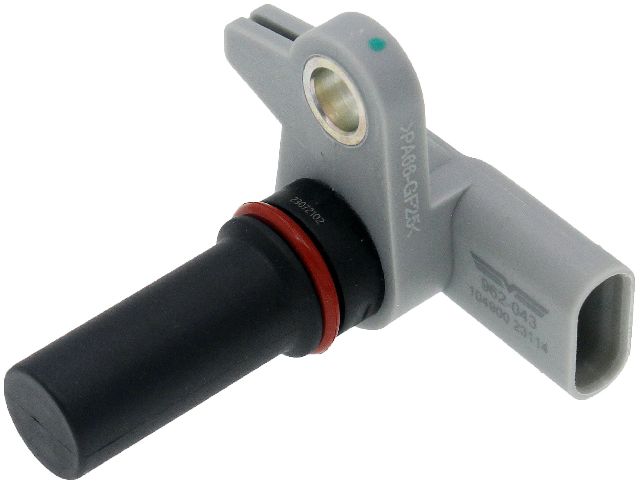
Est. part cost: $800-$1500 for a complete OEM kit - Failed Bank 2 Camshaft Position Sensor ⚪ Low Probability → Shop Engine Camshaft Position Sensor
How to confirm: Test the sensor's signal with a multimeter or oscilloscope. A simpler method is to swap it with the sensor from another location (like Bank 1) to see if the code follows (e.g., to P0016).
Typical fix: Replace the Bank 2 intake camshaft position sensor (CMP).
Est. part cost: $25-$70
Rare But Worth Checking
- Damaged Crankshaft Reluctor Wheel: → Shop Engine Crankshaft The tone ring that the crankshaft position sensor reads can become damaged, shift, or accumulate metallic debris, causing a correlation error. This is uncommon but possible.
- Faulty Powertrain Control Module (PCM): → Shop Engine Control Module (ECM) In very rare cases, the engine computer itself can be the source of the problem, but all other possibilities, including wiring harness issues, must be exhausted first.
- Low Oil Pressure: While often related to dirty oil, a failing oil pump or clogged pickup tube can starve the VCT system of the pressure it needs to operate, leading to timing codes.
Diagnosis Steps
- Check Engine Oil: Verify the oil level is full and the oil is clean and of the correct viscosity (full synthetic 5W-30). If low, dirty, or overdue for a change, perform an oil and filter change with OEM-spec products. Clear the code and see if it returns.
- Scan for Other Codes: Use an OBD-II scanner to check for any other related trouble codes (e.g., P0016, P0019, P0021) that could provide more clues.
- Listen for Noise: On a cold start (after the vehicle has sat for 6+ hours), listen for a loud rattle from the front of the engine lasting 2-5 seconds. The presence of this noise strongly suggests a timing chain/phaser issue as described in TSB 20-2315.
- Scan Tool VCT Test: Use a capable scan tool to monitor VCT PIDs (Parameter IDs). Compare commanded vs. actual cam angles for Bank 2 Intake. Use the tool's functional tests to command the Bank 2 intake solenoid on and off. Per TSB SSM 50067, cycling the solenoid 10 times may clear debris. If the angle doesn't change as commanded, the solenoid is a primary suspect.
- Inspect VCT Solenoids: If the scan tool test points to a solenoid, remove the Bank 2 (driver's side) intake VCT solenoid. Inspect its screens for metallic debris or sludge. You can test it by applying 12V to see if it actuates. Consider swapping with the exhaust solenoid to see if the code follows.
- Test Camshaft Position Sensor: If solenoids appear to be working, test the Bank 2 intake camshaft position sensor and its wiring. A simple test is to swap it with the Bank 1 sensor and see if the code changes to P0016.
- Professional Timing System Inspection: If the steps above do not resolve the issue
Parts You'll Likely Need
- Variable Camshaft Timing (VCT) Solenoid
(OEM #HL3Z-6M280-A)— These solenoids control oil flow to the cam phasers and are cited in TSBs as a common failure point due to sticking from oil debris. Replacing them is a common first step before a full timing job.
Trusted brands: Motorcraft
OEM price range: $40-$90
Aftermarket price range: $30-$60 - Timing Chain and Cam Phaser Kit
(OEM #ML3Z-6268-A (Kit often contains this primary chain and other parts like ML3Z-6C525-A phasers))— Required when the timing chain has stretched or the phasers have failed, often indicated by a cold start rattle. The entire system (chains, all four phasers, guides, tensioners) should be replaced at once with updated parts to prevent a comeback.
Trusted brands: Motorcraft, Cloyes
OEM price range: $800-$1500
Aftermarket price range: $600-$1200 - Camshaft Position Sensor
(OEM #BL3Z-6B288-C)— Though a less common cause for this specific code, a faulty sensor can send incorrect data to the PCM. It's a relatively inexpensive part to rule out if VCT and timing chain issues are not apparent.
Trusted brands: Motorcraft, Delphi, Standard Motor Products
OEM price range: $30-$55
Aftermarket price range: $20-$40
Related Codes That Often Appear With This One
- P0016 — This is the same correlation error but for Bank 1 (passenger side). Seeing both P0016 and P0018 strongly indicates a base timing issue, like a stretched timing chain affecting the whole engine.
- P0017 — This is a correlation error for the exhaust camshaft on Bank 1. It can appear with P0018 if multiple components in the VCT system are failing.
- P0019 — This is a correlation error for the exhaust camshaft on Bank 2. If you have P0018 and P0019 together, it strongly points to a problem on the driver's side bank, like failed phasers or solenoids on both intake and exhaust cams.
- P0021 / P0022 — These codes indicate that the Bank 2 camshaft timing is over-advanced (P0021) or over-retarded (P0022). They often appear with P0018 because the underlying cause (sticking solenoid, bad phaser) leads to both a correlation error and a failure to achieve the commanded timing angle.
Technical Service Bulletins (TSBs) & Recalls
- SSM 50067: Notes that various VCT codes including P0018 can be caused by small debris causing the solenoid to stick and advises cycling the solenoid with a scan tool before replacement.
- TSB 20-2315: Supersedes previous bulletins. Specifically addresses a 2-5 second ticking/tapping or rattle noise on cold start for 2018-2020 Navigator/Expedition and 2017-2020 F-150s. It identifies worn VCT units (cam phasers) as the cause and prescribes replacement of the VCT units and a PCM update.
- SSM 48423 / SSM 47170: Earlier bulletins also pointing to sticking VCT solenoids from oil debris as a cause for a range of VCT-related DTCs.
Platform-Specific Known Issues
- TSB SSM 50067, SSM 48423, and SSM 47170 specifically mention that P0018 (among other codes) on these vehicles may be due to small debris causing the VCT solenoid to stick, and advise against immediate component replacement without diagnosis.
- TSB-16-0093 notes these timing codes can appear on low-mileage vehicles.
Mechanic-Grade Diagnostic Values
- VCT Solenoid Coil Resistance — expected: Generally between 5 and 25 ohms, but can be more specific, like 8-12 ohms for some models. Always verify with the specific part's service manual.. Failure: A reading of 0 ohms indicates a short, and an infinite reading (OL) indicates an open circuit.
- 3-Wire Camshaft Position Sensor Voltage (Signal Wire) — expected: Approximately 5V or 4.8V with the key on, engine off (KOEO). The voltage should drop to near 0V when a ferrous metal object passes in front of the sensor.. Failure: No voltage, constant 0V, or voltage that does not change when tested indicates a failed sensor or wiring issue.
- FORScan VCT Error PID (e.g., VCT_INT_ERR2) — expected: The value should hover close to 0 degrees at idle and under load.. Failure: Large, erratic fluctuations, or a value that is consistently off from zero by several degrees, especially one that swings wildly (e.g., +/- 40 degrees), points to a problem with the VCT solenoid or phaser.
Scan Tool Commands That Help
- FORScan / Ford IDS: VCT Solenoid On/Off Test (Bidirectional Control) — This command is used to manually cycle a specific VCT solenoid (e.g., Bank 2 Intake). A healthy solenoid will produce an audible click and cause a change in engine idle and cam angle PIDs. This helps isolate a sticking or electrically failed solenoid from a mechanical phaser or timing issue. TSBs suggest this can sometimes dislodge debris.
- FORScan / Ford IDS: Monitor VCT PIDs (RCAM, RCAM_DSD, VCT_ADV_ERR) — These Parameter IDs are crucial for live data diagnosis. RCAM shows the actual camshaft angle, RCAM_DSD shows the desired angle commanded by the PCM, and VCT_ADV_ERR shows the difference between the two. Monitoring these while driving or performing tests can show if the cam is not responding as commanded, pointing to a solenoid, oil pressure, or phaser problem.
Wiring & Ground Locations
- Bank 2 Camshaft Position Sensors — The sensors are located on the back of the driver's side cylinder head, near the firewall. There is one for the intake cam and one for the exhaust cam.. P0018 specifically relates to the Bank 2 Intake sensor ('Sensor A'). The wiring harness in this tight, high-heat area can become brittle or damaged, leading to signal issues that can mimic a failed sensor.
- Bank 2 VCT Solenoids — The VCT solenoids are mounted on the top of the valve covers, one for intake and one for exhaust on the driver's side.. The external connectors for the solenoids are exposed and can become corroded or have loose connections, causing intermittent operation. This is a primary check before replacing the solenoid itself.
Real Owner Repair Stories
- Ford F150 Forum (2018 Ford F-150 3.5L EcoBoost, 48k miles) — Cold start rattle and a tapping at idle. Later developed P0018 and P052C (Camshaft Over Advanced) after a repair attempt, with a rough idle.
❌ Tried (didn't work) The owner replaced all four cam phasers but did not replace the timing chain, believing the low mileage (48k) meant it was unnecessary.
✅ What actually fixed it The forum discussion concluded that even at low mileage, the timing chain should have been replaced with the phasers as a complete set. The codes P0018 and P052C appearing immediately after the repair strongly indicated a mechanical timing misalignment, either from an installation error or a stretched chain that was not addressed. The final fix requires re-opening the engine to correctly set timing and likely replace the chain.
OEM Part Supersession History
3L3Z-6M280-EA→8L3Z-6M280-A, then 8L3Z-6M280-B— Updated design to improve reliability and address sticking issues in earlier 3-valve engines. The principles apply to later VCT systems as well.
Heads up: While these specific part numbers are for earlier engines, they show a history of Ford revising VCT solenoids. For the 2015-2021 Navigator, it is critical to use the VIN to get the latest correct part, such as HL3Z-6M280-A for later Gen 2 EcoBoost engines.N/A - Pre-TSB 20-2315 phasers→Updated VCT units (cam phasers) specified in TSB 20-2315.— The original phasers were prone to wear, causing the cold start rattle and timing correlation codes. The updated parts are designed to be more durable.
Heads up: Installing the new phasers without performing the corresponding PCM update required by the TSB can lead to improper VCT operation and continued issues.
Model Year Variations Within This Range
- 2015-2017: These models use the first generation 3.5L EcoBoost (in the context of this vehicle platform). While still prone to timing chain issues, the specific cam phaser and timing chain design differs from the 2018+ models.
- 2018-2021: These models use the second generation (Gen 2) 3.5L EcoBoost. This engine was a significant redesign featuring both port and direct fuel injection, new turbochargers, and a completely different timing chain setup with two shorter chains instead of one long one. TSB 20-2315, which addresses the common cam phaser rattle, is specific to these Gen 2 engines in the 2018-2020 model years.
Helpful Videos
Used OEM Parts in Stock
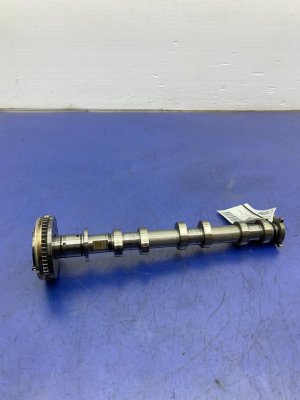
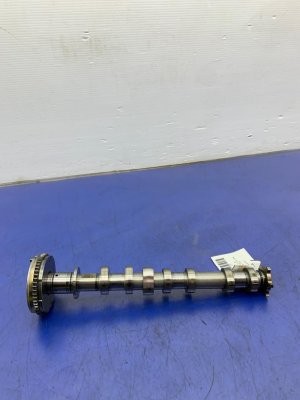
New Aftermarket Parts Available
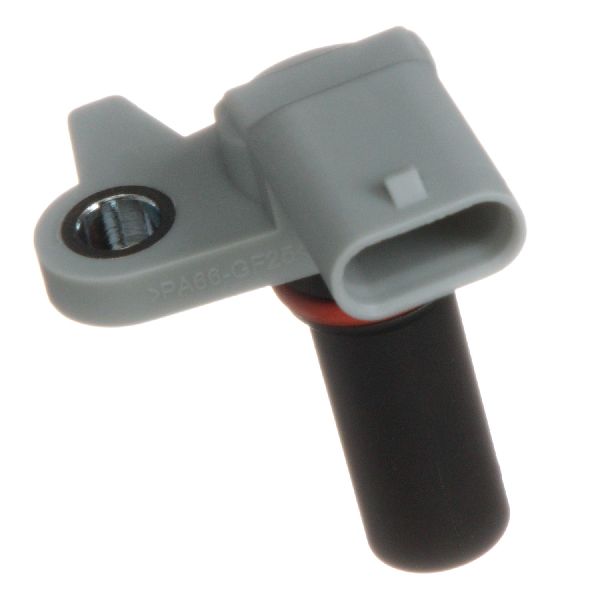

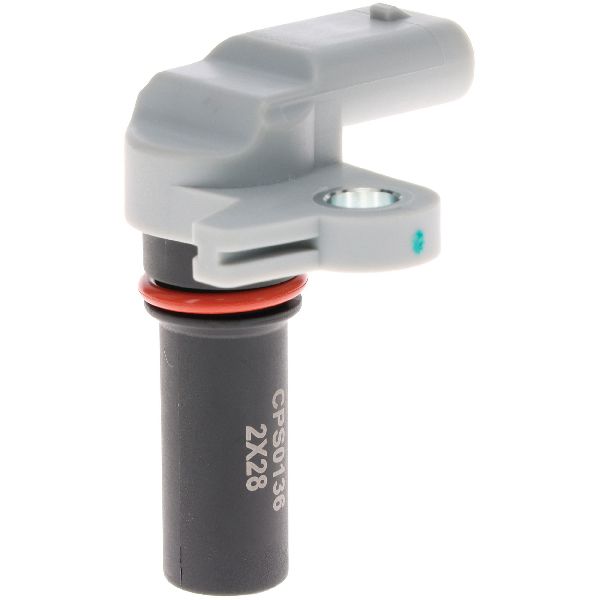

The information in this article is provided for general reference and educational purposes only. Vehicle specifications, procedures, and part compatibility can vary by production date, trim level, and region. Always consult your vehicle's factory service manual and verify part numbers before purchasing or performing repairs. Safety-critical components such as airbags, seat belts, and braking systems should be installed by a qualified professional.
- Lincoln NAVIGATOR:
- 🧭 Diagnostic Flowchart
- 🎬 Helpful Videos
- 🛍️ Shop This Part
- What's Unique About the 2015-2021 Lincoln NAVIGATOR
- Symptoms You May Notice
- Most Likely Causes
- Rare But Worth Checking
- Diagnosis Steps
- Parts You'll Likely Need
- Related Codes That Often Appear With This One
- Technical Service Bulletins (TSBs) & Recalls
- Platform-Specific Known Issues
- Mechanic-Grade Diagnostic Values
- Scan Tool Commands That Help
- Wiring & Ground Locations
- Real Owner Repair Stories
- OEM Part Supersession History
- Model Year Variations Within This Range
- 🎟️ Get 5% Off