

P0018 on 2007-2009 Saturn Aura 3.6L: Crank-Cam Correlation and Stretched Timing Chain Fixes
On a 2007-2009 Saturn Aura with the 3.6L V6 engine, the P0018 code almost always indicates stretched timing chains. This is a well-documented, serious, and expensive repair, often caused by a combination of the original chain design and long oil change intervals. Before condemning the chains, check the engine oil level and quality. The correct fix involves replacing the chains with an updated design kit.
- P0018 on a 3.6L V6 Saturn Aura is a very strong indicator of stretched timing chains, a known and serious issue with this engine.
- Do not waste money replacing the camshaft or crankshaft sensors as a first step; they are rarely the cause of the problem.
- Always check engine oil level and condition first, as low or dirty oil can cause VVT system faults that may trigger this code.
- This is a complex and expensive repair that is not recommended for a DIY mechanic. Expect shop costs to be in the range of $1500-$2800.
- Addressing this code promptly is critical to avoid the risk of the chain breaking, which would lead to catastrophic and non-repairable engine damage.
What's Unique About the 2007-2009 Saturn AURA
The 2007-2009 Saturn Aura XR models use the GM 3.6L V6 (LY7) engine, which is notorious for premature timing chain stretching. This isn't a random part failure but a well-documented pattern issue, so much so that GM issued multiple Technical Service Bulletins (TSBs) about it. The problem is often attributed to the design of the original timing chains combined with extended oil change intervals recommended by the factory Oil Life Monitor (OLM) system. 🎬 Watch: Why these GM 3.6L timing chains fail so often. The OLM's algorithm allowed for excessively long intervals, which could lead to oil degradation, sludge, and accelerated wear on the chains and tensioners.
Diagnostic Flowchart
Tap your situation to follow the diagnostic path that matches what you're seeing on this vehicle.
Symptoms You May Notice
- Check Engine Light is on
- Reduced engine power and poor acceleration
- Rough or uneven idle
- Engine rattling or clacking noise, especially on a cold start, often heard from the passenger side of the engine bay
- Engine stalling, especially when coming to a stop
- Decreased fuel efficiency
- Engine surging
- Replacing only the camshaft position sensor. This is the most common misdiagnosis. The sensor is usually just doing its job by reporting the timing error caused by the stretched chains. Replacing it will not fix the root cause.
- Replacing only the VVT solenoids. While solenoids can fail, they are often replaced as a cheaper, hopeful fix when the underlying problem is the timing chains. If the chains are loose, new solenoids won't solve the issue.
- Performing an oil change and assuming the problem is fixed. Fresh, clean oil can increase pressure and temporarily quiet a noisy chain or even clear the code, but the mechanical stretch remains and the code will inevitably return.
Most Likely Causes
- Stretched Timing Chains 🔴 High Probability → Shop Engine Timing Chain The original timing chains on the 3.6L LY7 V6 engine were prone to premature wear and stretching, a fact acknowledged by GM in multiple service bulletins like #12-06-01-009F. This was exacerbated by long oil change intervals.
How to confirm: A mechanic can use a scan tool to monitor the desired vs. actual camshaft position angles. A consistent deviation greater than 4-5 degrees at idle is a strong indicator of a stretched chain. 🎬 See how a pro uses a labscope to confirm stretching. Definitive confirmation requires removing the timing cover to physically inspect for chain slack and extended tensioners.
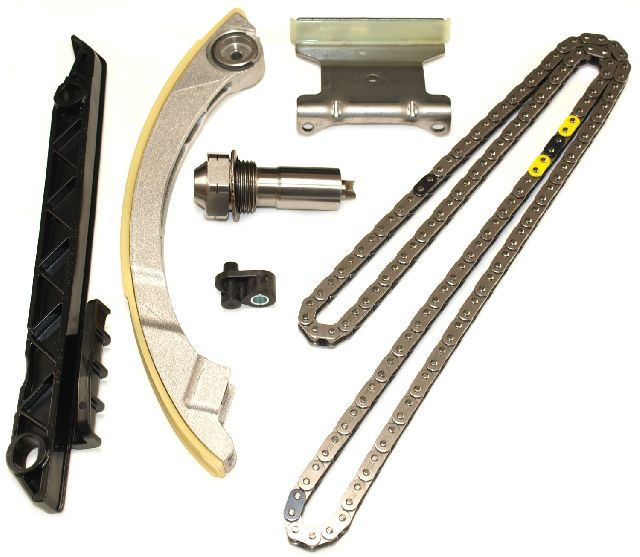
Typical fix: Replace all three timing chains, the tensioners, and the guides with an updated design kit specified by GM. This is a major, labor-intensive repair.
Est. part cost: $300-$700 - Low or Dirty Engine Oil 🟡 Medium Probability The camshaft phasing system (VVT) and chain tensioners are hydraulically operated by engine oil pressure. Low or sludgy oil, often a result of following the original long oil change intervals, can impede the function of the tensioners and cam phasers, causing timing correlation errors.
How to confirm: Check the oil level on the dipstick and inspect the oil's condition. If it is very dark, gritty, or below the 'add' line, this is a likely contributing factor. An oil change can temporarily quiet the noise or clear the code, but it will return if the chains are already stretched.
Typical fix: Perform an engine oil and filter change using a high-quality full synthetic 5W-30 oil that meets GM's Dexos specifications. Clear the codes and see if the problem returns. This is a good first step but rarely a permanent fix.
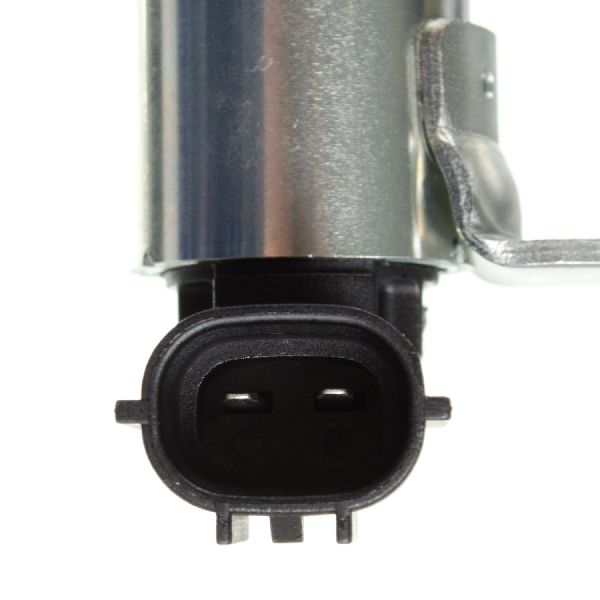
Est. part cost: $50-$100 - Faulty Camshaft Position Actuator Solenoid (VVT Solenoid) ⚪ Low Probability → Shop Engine Camshaft These solenoids can become clogged with oil sludge or fail electronically, causing them to stick and not adjust cam timing correctly. While they can fail, they are often replaced mistakenly when the chains are the real issue.
How to confirm: Swap the Bank 2 intake solenoid with the exhaust solenoid on the same bank (or with the Bank 1 intake solenoid). Clear the codes and drive the vehicle. If the code changes to P0019 (exhaust) or P0016 (Bank 1), the solenoid is faulty. A scan tool can also be used to command the solenoid and observe the response. 🎬 Watch: How to replace the VVT solenoid yourself.
Typical fix: Replace the faulty VVT solenoid. It is often recommended to replace them in pairs (intake and exhaust) or as a full set of four.
Est. part cost: $30-$80
Rare But Worth Checking
- Shifted Crankshaft Reluctor Wheel: → Shop Engine Crankshaft TSB #PIP3423P and its successors mention that the reluctor wheel, which the crankshaft position sensor reads, can physically move on the crankshaft. This will set timing codes and mimic a stretched chain. The TSB provides a measurement (25-26mm from a specific point on the crank throw) to verify its position, sometimes possible with a borescope through the crank sensor hole. The fix requires crankshaft replacement.
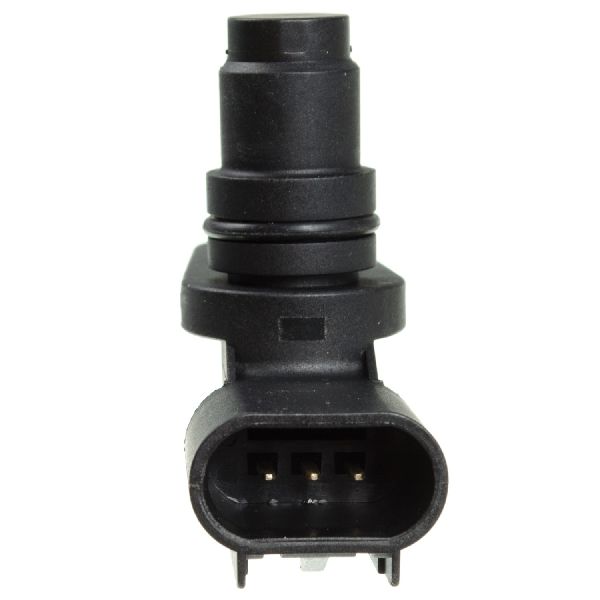
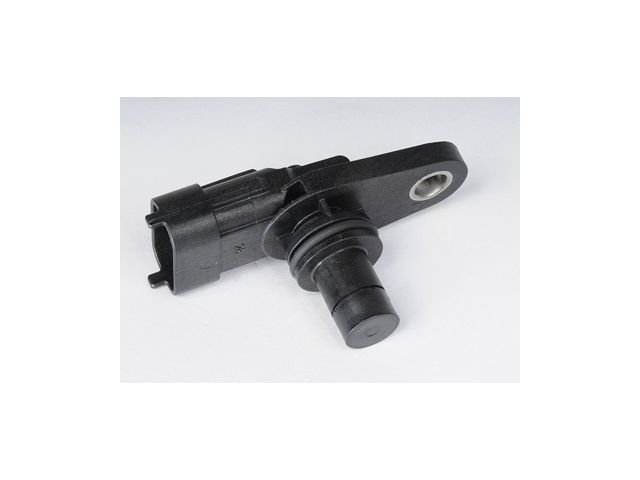
- Faulty Camshaft or Crankshaft Position Sensor: → Shop Engine Crankshaft Position Sensor While possible, sensor failure is much less common than the mechanical timing chain issues on this engine. The code is usually an accurate report of a real timing problem, not a false report from a bad sensor. Replacing sensors is a common misdiagnosis.
Diagnosis Steps
- Check the engine oil level and condition. Top up or change the oil if necessary, using full synthetic 5W-30 oil.
- Use an OBD-II scanner to confirm P0018 and check for other related codes like P0008, P0016, P0017, or P0019. The presence of multiple codes strengthens the diagnosis of stretched chains.
- Inspect the wiring and connectors for the Bank 2 camshaft position sensor and VVT solenoid for any damage or corrosion.
- Using a capable scan tool, monitor the desired versus actual camshaft position angles for the Bank 2 intake camshaft. A significant and consistent lag (e.g., >4 degrees) indicates a mechanical timing problem.
- Test the VVT solenoid. You can command it with a scan tool or swap it with an adjacent solenoid to see if the fault code follows the part.
- If all previous steps fail to find the issue, or if scan tool data points to a mechanical fault, a physical inspection of the timing chains is required. This involves removing the timing cover to check for slack in the chains and wear on the guides and tensioners.
Parts You'll Likely Need
- Engine Timing Chain Kit
(OEM #12650230 (for 2007 models), newer kits may supersede this.)— This is the definitive fix for the most common cause of P0018 on this engine: stretched timing chains. A complete kit includes all three chains, tensioners, and guides. It is critical to use the updated chain design specified in GM TSBs.
Trusted brands: ACDelco (GM Original), Cloyes
OEM price range: $400-$600
Aftermarket price range: $250-$450 - Camshaft Position Actuator Solenoid (VVT Solenoid)
(OEM #12655421 (Intake), 12655420 (Exhaust))— If the timing chains are confirmed to be in good condition, a sticking or failed VVT solenoid is the next most likely cause. It's wise to have part numbers for both intake and exhaust solenoids.
Trusted brands: ACDelco, Delphi
OEM price range: $50-$90
Aftermarket price range: $25-$60
Related Codes That Often Appear With This One
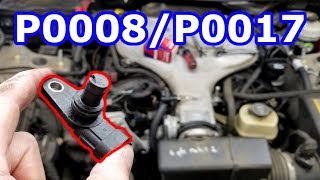
- P0008 — This is a general engine position system performance code for Bank 1 and is often the first to appear when the timing chains begin to stretch.
- P0016 — This is the same correlation error but for Bank 1 (firewall side). Seeing both P0016 and P0018 strongly indicates a widespread timing issue affecting multiple chains, likely the primary chain.
- P0017 — This is a correlation error for the exhaust camshaft on Bank 1. It often appears with other timing codes when the chains are stretched.
- P0019 — This is the companion code to P0018, indicating a correlation error on the Bank 2 exhaust camshaft. Seeing both together points to a problem on Bank 2.
Technical Service Bulletins (TSBs) & Recalls
- PIP3423P: Mentions P0018 and points to loose timing chains or a shifted crankshaft reluctor wheel as potential causes across the entire HFV6 engine family.
- 12-06-01-009F: The most relevant TSB, which announces the availability of updated timing chain kits specifically to fix stretched chains causing codes including P0018. It lists the Saturn Aura as an affected vehicle.
Platform-Specific Known Issues
- Stretched Timing Chains & Updated Kits: → Shop Engine Timing Chain TSB #12-06-01-009F announces the availability of updated timing chain kits to repair stretched chains that cause DTCs P0008, P0009, P0016, P0017, P0018, and/or P0019. It advises against replacing other components like sprockets or actuators for a simple stretched chain issue.
- Loose Timing Chains or Shifted Reluctor: → Shop Engine Timing Chain TSB #PIP3423P advises technicians to first inspect for loose timing chains or tensioners. It also notes that if a cause isn't found, the crankshaft reluctor wheel may have shifted, which requires crankshaft replacement.
- Owner Repair Story: A user on Reddit with a 2007 Saturn Aura XR reported codes P0016, P0017, P0018, and P0019. Community members immediately identified these as classic symptoms of stretched timing chains on the 3.6L engine, advising the owner to check for chain slack.
Mechanic-Grade Diagnostic Values
- Camshaft Actuator Solenoid (VVT Solenoid) Resistance — expected: Typically 8-12 Ohms or more specifically 6.9-7.9 Ohms at 68°F (20°C).. Failure: A reading of no resistance (open circuit), infinite resistance (short circuit), or a value significantly outside the specified range indicates a faulty solenoid coil.
- Scan Tool Cam/Crank Correlation Degrees — expected: Near 0 degrees at idle.. Failure: A consistent deviation greater than 8-9 degrees at idle is a strong indicator of a mechanical timing issue like a stretched chain. Some sources note the code can trigger with as little as 6 degrees of deviation.
Scan Tool Commands That Help
- GDS2 (GM Global Diagnostic System 2): Camshaft Position Actuator Solenoid Control — This bidirectional command allows a technician to manually activate and deactivate the VVT solenoid while monitoring live data to see if it responds correctly. This helps isolate a faulty solenoid from a wiring or mechanical issue.
Wiring & Ground Locations
- ECM (Engine Control Module) — On the 3.6L V6, the ECM is located in the left (driver's) side of the engine compartment, in front of the battery.. The ECM is the computer that receives signals from the cam and crank sensors and determines if they are out of correlation. All related wiring terminates here.
- G106 — On the right front of the engine block for the 3.6L V6. Other GM documentation places a G106 on the front center of the frame cross rail, under the crank pulley. Both should be checked.. This is a primary engine ground. A poor or corroded connection at this point can cause erratic sensor readings and phantom codes, as the sensors may lack a stable ground reference.
- Cylinder Head Grounds — The engine wiring harness has ground retaining bolts to both the left and right bank cylinder heads.. These grounds are critical for the components located on the cylinder heads, including the camshaft position sensors and VVT solenoids. A loose or corroded ground here could directly impact the signals for the components related to P0018.
Real Owner Repair Stories
- 2CarPros Forum User (Vehicle with GM 3.6L engine) — P0018 and P0019 codes appeared after a timing chain replacement.
❌ Tried (didn't work) Verifying the new timing chain installation was correct., Performing leak-down and compression tests., Checking wiring to the ECM for resistance and shorts.
✅ What actually fixed it The user swapped the camshaft position sensors from Bank 2 (the faulting bank) to Bank 1. The code then changed to P0017, proving that the fault followed the sensor. Replacing the indicated camshaft position sensor resolved the issue. - Reddit user in r/MechanicAdvice (Vehicle with GM 3.6L engine) — Persistent P0017 code (Bank 1 equivalent of P0018) after a timing job.
❌ Tried (didn't work) Replacing the timing chain, tensioners, and guides., Replacing both VVT sprockets (cam phasers)., Testing the VVT solenoids, which were confirmed to be working.
✅ What actually fixed it The user discovered the dowel pin on the exhaust camshaft had broken off. This prevented the cam phaser from locking into its correct position relative to the camshaft, causing a timing correlation fault even though all the timing components were new.
When the Usual Fixes Don't Work
- While the overwhelming cause of P0018 is a stretched timing chain, it is not the only possibility. In one documented case involving a GM 3.6L, a complete timing chain replacement did not resolve the P0018 and P0019 codes. The technician then swapped the Bank 2 cam sensors with the Bank 1 sensors, which caused the fault code to move to Bank 1 (P0017). This proved the root cause was a faulty camshaft position sensor, a part that is often replaced incorrectly as a guess but in this rare instance was the actual failure point after the primary mechanical issue was addressed.
OEM Part Supersession History
12650230→12700434— GM periodically updated the timing chain kits with more durable chains, guides, and tensioners to address the premature stretching and wear issues found in the original parts.
Heads up: While older kits will physically fit, it is critical to use the latest available part number to get the most durable, updated components and to avoid a repeat failure. TSB #12-06-01-009F specifically calls out PN 12650230 for 2007 models.
Helpful Videos
We Have This Part in Stock



The information in this article is provided for general reference and educational purposes only. Vehicle specifications, procedures, and part compatibility can vary by production date, trim level, and region. Always consult your vehicle's factory service manual and verify part numbers before purchasing or performing repairs. Safety-critical components such as airbags, seat belts, and braking systems should be installed by a qualified professional.
- Saturn AURA:
- 🧭 Diagnostic Flowchart
- 🎬 Helpful Videos
- 🛍️ Shop This Part
- What's Unique About the 2007-2009 Saturn AURA
- Symptoms You May Notice
- Most Likely Causes
- Rare But Worth Checking
- Diagnosis Steps
- Parts You'll Likely Need
- Related Codes That Often Appear With This One
- Technical Service Bulletins (TSBs) & Recalls
- Platform-Specific Known Issues
- Mechanic-Grade Diagnostic Values
- Scan Tool Commands That Help
- Wiring & Ground Locations
- Real Owner Repair Stories
- When the Usual Fixes Don't Work
- OEM Part Supersession History
- 🎟️ Get 5% Off