

P0018 on 2011-2018 Subaru Forester 2.5L: Crank-Cam Correlation Causes and Fixes
On a 2011-2018 Subaru Forester, P0018 is almost always caused by low/dirty engine oil or a failing driver's side (Bank 2) intake Oil Control Valve (OCV). Always check your oil first; if it's clean and full, the OCV is the next likely culprit, costing around $100-$150 for the part. In some cases, a software update may be needed to fix overly sensitive logic.
- Do not immediately replace the camshaft or crankshaft sensors; they are rarely the cause.
- Your first step should always be to check the engine oil level and condition. An oil change may fix the problem.
- The most likely failed part is the driver's side (Bank 2) intake Oil Control Valve (OCV). Swapping it with the passenger side OCV is a definitive way to diagnose it.
- If the oil and OCV are good, the problem is likely a more serious mechanical issue like a stretched timing chain, which requires professional repair.
- Ignoring the code can lead to poor performance and risks severe engine damage if the underlying cause is mechanical.
What's Unique About the 2011-2018 Subaru Forester
The Subaru FB25 boxer engine's variable valve timing system (AVCS) is hydraulically operated and notoriously sensitive to oil level and quality. Unlike many other engines where this code might point to a sensor, on the FB25, it's overwhelmingly an oil-related or oil-pressure-related issue. Owners often mistakenly replace the camshaft position sensor, when the problem usually lies with the Oil Control Valve (OCV) that directs oil flow, or the oil itself. The FB25 engine was also subject to a class-action lawsuit for excessive oil consumption due to piston ring design, making low oil a very common precursor to this code.
Generation note: This range covers the end of the third generation (SH; 2011-2013) and the beginning of the fourth generation (SJ; 2014-2018). Both generations used the FB25 2.5L engine, and the causes and fixes for P0018 are consistent across these model years. However, early FB25 engines (approx. 2011-2014) were more prone to excessive oil consumption issues which can lead to this code.
Symptoms You May Notice
- Check Engine Light is on
- Rough or unstable idle
- Reduced engine power and poor acceleration
- Hesitation or 'bucking' during acceleration
- Engine stalling, especially at low speeds or when stopping
- Decreased fuel economy
- A ticking or rattling noise from the front of the engine, particularly at idle or on startup
- Replacing the Camshaft Position Sensor. The code indicates a correlation (timing) fault, not a sensor reading fault. Forum users frequently warn against replacing the cam or crank sensors as a first step, as it rarely solves the problem.
- Replacing the Crankshaft Position Sensor. Similar to the camshaft sensor, this is almost never the cause of a P0018 code.
Most Likely Causes
- Low or Dirty Engine Oil 🔴 High Probability The FB25 engine's AVCS system relies on clean oil at the proper pressure to function. Early production FB25s were part of a class-action lawsuit for excessive oil consumption due to faulty piston rings, making low oil levels a chronic issue. Sludge from infrequent oil changes or low oil levels can starve the system, causing the camshaft phasers to respond slowly and trigger a correlation code.
How to confirm: Check the engine oil dipstick. The oil level should be at the full mark. Inspect the oil's color and consistency; if it is black, thick, or sludgy, it needs to be changed. Be aware that some owners report oil consumption as high as 1 quart every 1200 miles. 🎬 See how oil sludge and consumption issues trigger these codes.
Typical fix: Perform an engine oil and filter change using the correct viscosity oil (Subaru specifies 0W-20 for this engine). If the code was caused by low oil, investigate the cause of oil loss, which may require an oil consumption test performed by a dealer per TSB 02-157-14R.
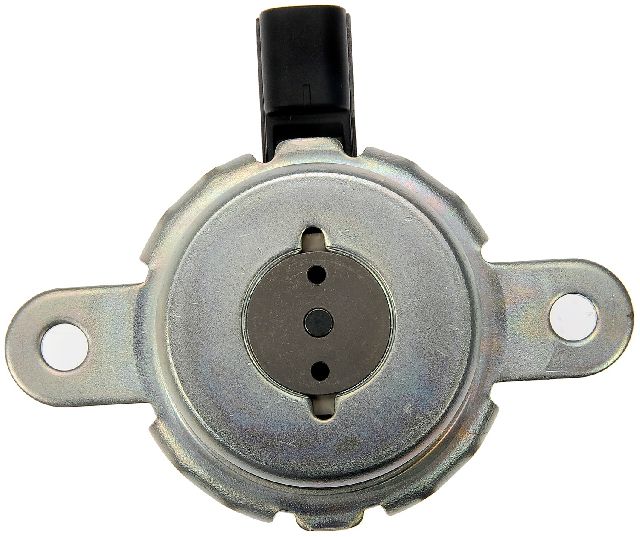
Est. part cost: $40-$80 - Faulty Bank 2 (Driver's Side) Intake Oil Control Valve (OCV) 🔴 High Probability → Shop Engine Variable Valve Timing (VVT) Solenoid This solenoid is the most common component failure for this code. It can get clogged with debris from dirty oil or fail electrically, preventing it from properly directing oil to the cam phaser. The internal screen on these valves can become clogged, restricting oil flow.
How to confirm: A common diagnostic technique is to swap the driver's side intake OCV with the passenger's side intake OCV. Clear the codes and drive the vehicle. If the code returns as P0016 (the equivalent code for Bank 1), the OCV is confirmed to be faulty. You can also test the solenoid's resistance or apply 12V to see if it actuates.
Typical fix: Replace the Bank 2 intake Oil Control Valve. One owner on Reddit reported that replacing the OCV also eliminated a ticking noise that had been present for a year.
Est. part cost: $90-$180 - Stretched Timing Chain 🟡 Medium Probability → Shop Engine Timing Chain Over time and with high mileage (typically over 100k miles), the timing chain can stretch. This is often accelerated by poor maintenance and running the engine with low or dirty oil. This causes a permanent timing offset between the crank and cams that the tensioner can no longer compensate for, leading to a correlation code.
How to confirm: This is a complex diagnosis that requires measuring timing chain slack, often by removing the timing cover. A rattling noise from the front of the engine upon startup is a strong indicator. A professional diagnosis is recommended.
Typical fix: Replace the timing chain, tensioners, and guides. This is a labor-intensive job, with costs often exceeding $1,500.
Est. part cost: $400-$800
Rare But Worth Checking
- Failed Camshaft Sprocket (AVCS Actuator): → Shop Engine Camshaft The actuator itself, located on the end of the camshaft, can fail internally. This is less common than an OCV failure but is a possibility if other causes have been ruled out. One owner on a Reddit forum reported a shop quoted a new ECM along with the timing chain, suggesting long-term incorrect values can be an issue.
- Clogged OCV Filter Screen: There are small filter screens in the oil passages leading to the OCVs, sometimes in the banjo bolts on older engines, but integrated into the OCV itself on the FB engine. If the engine has a history of sludge, these can become clogged, restricting oil flow. Cleaning or replacing them can be difficult.
- ECM Software Logic: Subaru has issued TSBs for other models with FB engines (e.g., TSB 11-174-17R, though not for this specific Forester) where the ECM logic for detecting P0016/P0018 was too sensitive. An ECM software update from a dealer could resolve the issue if no mechanical fault is found.
Diagnosis Steps
- Check Engine Oil Level and Condition: Pull the dipstick. If the oil is low, top it off, clear the code, and see if it returns. If the oil is dark or sludgy, perform an oil and filter change. This is the most critical first step.
- Inspect the Bank 2 Intake Oil Control Valve (OCV): Locate the intake OCV on the driver's side of the engine. Check the wiring and connector for damage or oil intrusion into the connector itself.
- Test the OCV: The most effective DIY test is to swap the Bank 2 (driver's side) intake OCV with the Bank 1 (passenger's side) intake OCV. They are typically identical parts.
- Re-Scan for Codes: After swapping the OCVs, clear the codes and drive the vehicle. If the code changes to P0016 (Bank 1 Correlation), you have confirmed the OCV you moved is faulty. 🎬 Watch: How to test and fix the Bank 2 intake sensor. Replace it.
- Check for TSBs/Software Updates: Contact a Subaru dealer with your VIN to see if any ECM software updates related to cam/crank correlation codes are available for your vehicle. TSBs exist for other models with this engine to correct overly sensitive logic.
- Professional Diagnosis: If the P0018 code returns after the swap and software checks, the issue is not the OCV. The problem is likely a deeper mechanical issue like a stretched timing chain, faulty cam sprocket, or clogged oil passage. This level of diagnosis requires checking oil pressure and potentially removing the timing cover, and typically requires a professional mechanic.
Parts You'll Likely Need
- Engine Oil and Filter — The most common cause is low or dirty oil. An oil change is the first and cheapest step.
Trusted brands: Subaru (OEM), Idemitsu, Mobil 1
OEM price range: $50-$70
Aftermarket price range: $40-$60 - Intake Oil Control Valve (VVT Solenoid)
(OEM #10921AA231)— This is the most common part to fail that triggers P0018 after oil issues are ruled out. It controls oil flow to the cam phaser. This part number supersedes 10921AA230 and 10921AA220. 🎬 Watch this walkthrough on how to upgrade the oil control valve.
Trusted brands: Subaru (OEM), Denso, Dorman
OEM price range: $120-$180
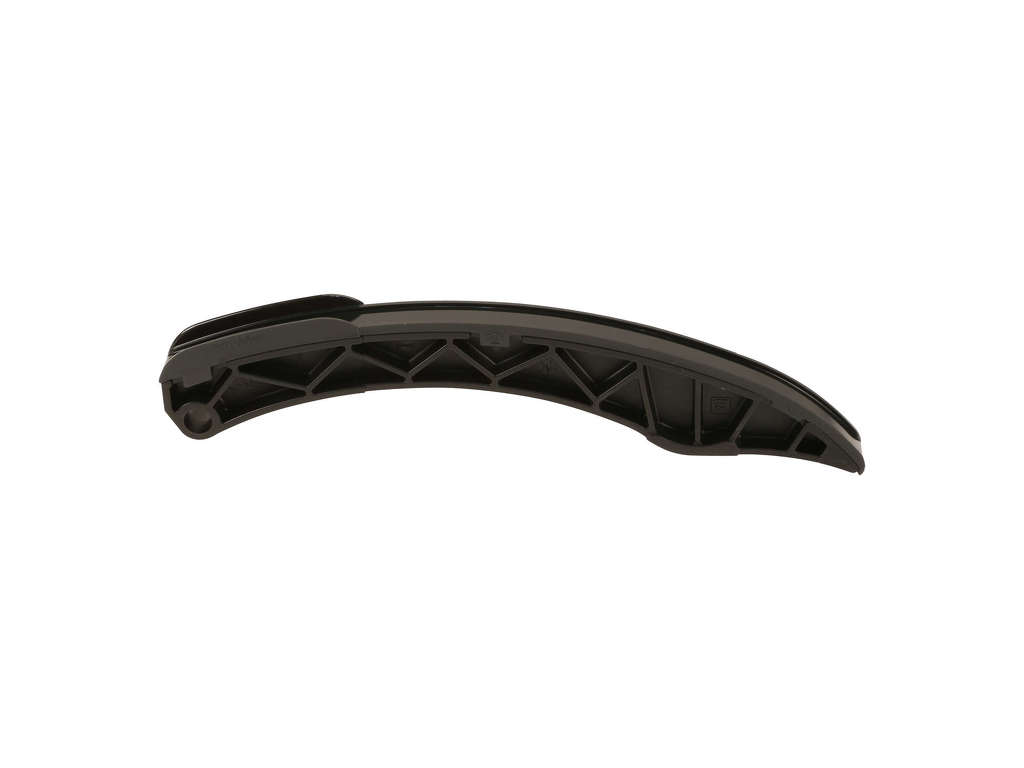
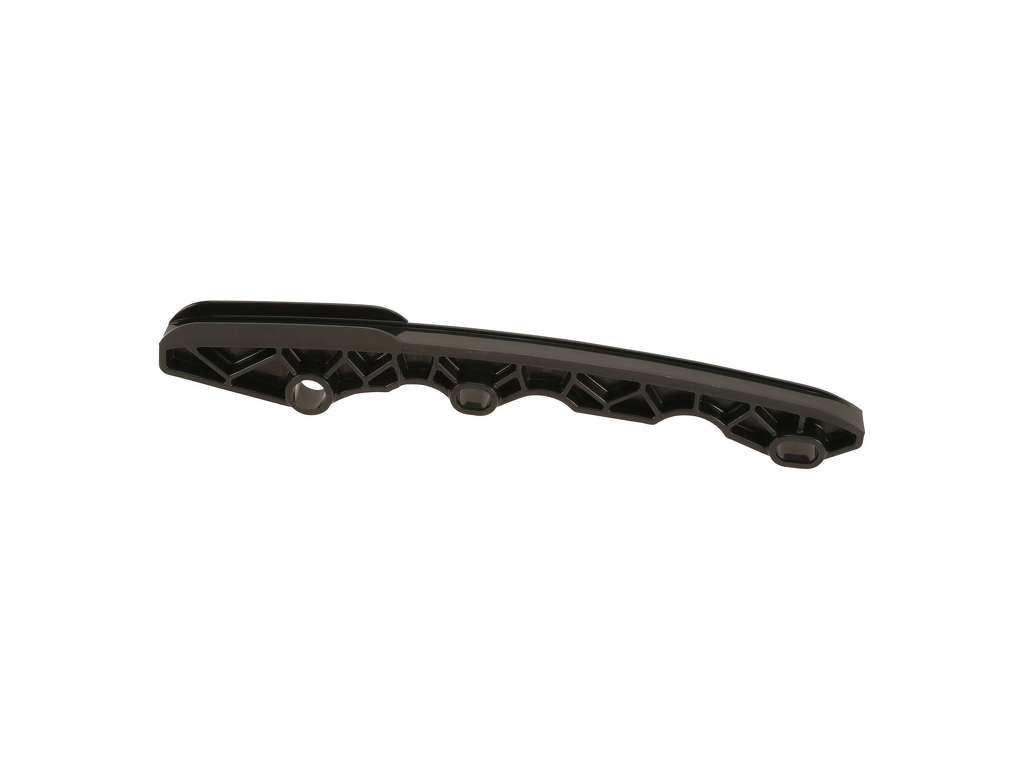
Aftermarket price range: $50-$100 - Timing Chain Kit — If the chain has stretched, it must be replaced along with its guides and tensioners to restore correct mechanical timing. This is a major repair. Repair estimates range from $972 to over $2500.
Trusted brands: Subaru (OEM), Cloyes
OEM price range: $500-$800
Aftermarket price range: $300-$500
Related Codes That Often Appear With This One
- P0016 — This is the same correlation error but for Bank 1 (passenger's side). Seeing both P0016 and P0018 strongly suggests a systemic issue affecting the whole engine, like severely low/dirty oil or a stretched timing chain.
- P0019 — This is a correlation error for the exhaust camshaft on the same Bank 2 (driver's side). If it appears with P0018, it points to a more significant timing or oil pressure problem on the driver's side of the engine.
- P0420 — Catalyst System Efficiency Below Threshold (Bank 1). This is often seen on higher mileage Subarus. While not directly related to the P0018 fault, it can be triggered by the same root cause: excessive oil consumption from bad piston rings can foul the catalytic converter.
Technical Service Bulletins (TSBs) & Recalls
- 02-157-14R: Details the diagnosis and repair procedure for excessive oil consumption on early FB25 engines, a root cause for P0018.
- 02-163-16R: Provides a troubleshooting guide for a range of cam-crank correlation codes including P0018.
- 16-115-18: Details the CVT warranty extension, which is a separate common issue for this vehicle.
- TSB Bulletin #09-120-24: Announces the availability of new reprogramming files for the Engine Control Module (ECM) specifically developed to remedy DTCs P0016, P0017, P0018, and P0019.
- TSB Bulletin #09-120-24R: A manufacturer service bulletin that further details crankshaft and camshaft position correlation faults for both Bank 1 and Bank 2 (Sensors A and B), including P0018.
Platform-Specific Known Issues
- Subaru TSB 02-157-14R addresses the excessive oil consumption issue on 2011-2014 Foresters. While not for P0018 directly, it's highly relevant as low oil is a primary cause. The TSB outlines an oil consumption test and, if failed, the remedy was updated from piston ring replacement to a full short block replacement.
- Subaru TSB 02-163-16R provides a detailed diagnostic flowchart for P0016, P0017, P0018, and P0019, emphasizing checking oil condition and performing an oil flush before replacing components.
Mechanic-Grade Diagnostic Values
- Oil Control Valve (OCV) Solenoid Resistance — expected: 6.9 to 7.9 Ohms at 68°F (20°C). Failure: A reading outside this range, or an open/short circuit, indicates a faulty solenoid coil.
- Engine Oil Pressure at Idle (Warm Engine) — expected: > 10 PSI. Failure: Pressure below 10 PSI indicates an oiling problem (e.g., worn pump, clogged pickup tube) that will starve the AVCS system and trigger correlation codes.
- Engine Oil Pressure at 3,000 RPM (Warm Engine) — expected: > 30 PSI. Failure: Pressure below 30 PSI under load points to a significant oil supply issue that cannot operate the cam phasers correctly.
- Scan Tool Live Data: VVT Advance Angle Amount (with OCV disconnected) — expected: Near 0 degrees. Failure: A significant angle reading with the OCV unplugged suggests the cam phaser (actuator) is stuck in an advanced position.
Hidden / Shadow Codes Worth Checking
- Permanent DTC (P-DTC): This isn't a different code number, but a status. After a repair, a standard scanner may show 'No Codes,' but a P-DTC for P0018 can remain stored in the ECM. This 'permanent' code will keep the Check Engine Light on until the car's internal monitors complete a full, successful drive cycle. In some cases, it may require a dealer-level tool to fully clear. (see via Advanced scan tools (like Autel, Launch, or Subaru Select Monitor) can display the status of a DTC, showing if it is Active, Pending, or Permanent.)
Scan Tool Commands That Help
- Subaru Select Monitor (SSM) or equivalent (Autel, Launch): AVCS Duty Cycle Command / Actuator Test — This is a bidirectional control used when the engine is running. A technician commands the Bank 2 intake OCV to activate (e.g., 50% duty cycle) and watches the 'VVT Advance Angle' PID in live data. If the angle changes as commanded, it confirms the OCV, oil passages, and AVCS phaser are all working hydraulically. If the angle doesn't change, it pinpoints a failure in that circuit.
- Subaru Select Monitor (SSM) or equivalent: Clear ECM Memory / Reset Learned Values — This should be used after a major repair like a timing chain or AVCS phaser replacement. If the engine ran with a fault for a long time, the ECM may have stored extreme fuel and timing trim adjustments that won't reset with a simple code clear. This function forces the ECM to relearn from a baseline.
Wiring & Ground Locations
- Main Engine Ground — A primary grounding point for the ECU and its sensors is located on the top of the intake manifold.. A poor ground at this location can introduce electrical noise and voltage discrepancies, potentially causing the ECU to misinterpret the signals from the crank and cam sensors, leading to a false correlation code.
- Camshaft Position Sensor Connector — On the front of the cylinder head cover, near the top of the timing cover for Bank 2 (driver's side).. When diagnosing a persistent code, you can test the 3 pins on the harness side with the key on: one should have battery voltage (power), one should have ~5V (signal reference), and one should be ground. Loss of any of these indicates a wiring issue, not a sensor failure.
Real Owner Repair Stories
- Reddit user murf_9x in r/subaru (Subaru (model not specified, but FB engine context)) — Check Engine Light with code P0018, plus several other codes that were side-effects.
❌ Tried (didn't work) Initial diagnosis was unclear, owner was seeking advice.
✅ What actually fixed it The final diagnosis was a stretched timing chain. The repair shop quoted $3,800 for the timing chain replacement AND a new ECM, stating that the long-term learned values in the original ECM could not be properly cleared and would cause issues even with the new chain.
"I Checked Everything" — The Actual Cause
- For code P0018, the equivalent of a 'smoke test clean' scenario is when basic checks pass but the code persists. Technicians report situations where the engine oil is clean and full, and swapping the OCVs side-to-side does not move the fault from Bank 2 to Bank 1. In these cases, the root cause is almost never the cam or crank sensor. The next step is to suspect a deeper issue: 1) A piece of debris or sludge has broken loose and is now clogging an oil galley or the tiny filter screen leading to the Bank 2 AVCS phaser, starving it of pressure. 2) The AVCS phaser (cam sprocket) itself has mechanically failed internally and is stuck. 3) The ECM has stored 'permanent' fault data that a basic scanner cannot clear, requiring a specific drive cycle or a dealer-level tool to reset after the initial problem (like low oil) was fixed.
OEM Part Supersession History
10921AA220, 10921AA230→10921AA231— Subaru often updates parts to improve reliability, material composition, or internal design. While the specific reason isn't published, supersessions for electronic components like OCVs typically address issues like coil failure or susceptibility to clogging.
Heads up: The older part numbers are no longer available and will be automatically replaced by 10921AA231. There are no known incompatibility issues when using the newest part on an older vehicle within this range.
Model Year Variations Within This Range
- 2011-2013 (SH Generation): These earlier FB25 engines are more widely known for the oil consumption issue due to piston ring design. This makes low oil level a more probable root cause for P0018 in these specific years compared to later models where the issue was partially addressed.
- 2014-2018 (SJ Generation): This generation marked a significant redesign, including a new CVT. While the core engine is the same, TSBs related to overly sensitive ECM logic for cam/crank codes (like TSB 09-120-24R for later models) suggest that software-related false positives for P0018 may be more common in this later generation.
Diagnostic Flowchart
Other Known Issues on This Vehicle
Issues unrelated to this code that are worth knowing about as an owner of this generation:
- Excessive Oil Consumption 🔴 High — Most common on 2011-2014 models with the FB25 engine. Caused by defective piston rings. Can lead to engine damage if oil level is not monitored closely. (Ref: TSB 02-157-14R; Subject of a class-action lawsuit which extended warranties and provided remedies.)
- CVT Transmission Failure/Hesitation 🔴 High — Common enough that Subaru extended the powertrain warranty on the CVT to 10 years/100,000 miles for many models, including the 2014-2018 Forester. Symptoms include shuddering, jerking, or complete failure. (Ref: Warranty Extension Program (TSB 16-115-18 for 2016-17 models, other years covered by similar programs))
- Cracked Windshields 🟡 Low — A high number of owner complaints exist regarding windshields cracking easily, particularly on the 4th generation (2014-2018).
- Failing Front Oxygen (A/F) Sensor 🟠 Medium — A common failure item that will illuminate the Check Engine Light. Some models were subject to a recall for this issue. (Ref: Recall exists for some models)
- Rear Suspension Spring Failure 🟠 Medium — Some reports of rear coil springs breaking, particularly on 2014 models. A recall was issued for this problem. (Ref: Recall issued for faulty rear suspension springs)
Used vs. New Parts: Buying Guide for This Vehicle
When a used part is the smart pick: A used Oil Control Valve (OCV) can be a cost-effective option if sourced from a reputable dismantler with information on the donor vehicle's mileage. Since the part can be easily tested with a 12V power source (it should click audibly), you can verify its basic function before installation.
Donor-vehicle mileage cap: roughly under 80000 miles for the part to have meaningful remaining life.
What to inspect on the donor part:
- Ask for the VIN of the donor car to check its history for accidents or poor maintenance.
- Inspect the OCV's mesh screen. If it's full of metallic particles or thick sludge, reject the part as it suggests the donor engine had severe internal problems.
- Ensure the electrical connector is not cracked, corroded, or full of oil.
OEM-only on this vehicle (don't cheap out):
- Timing Chain Kit (Chain, Guides, Tensioner): This is a highly labor-intensive job. The risk of premature failure from a lower-quality aftermarket kit far outweighs the cost savings.
- Camshaft Sprocket (AVCS Phaser): This is a precision hydraulic part. Aftermarket versions may not have the same internal tolerances or durability, leading to a repeat failure.
- Engine Control Module (ECM): If required, this must be an OEM part programmed specifically for the vehicle's VIN and options.
Aftermarket brands forum-validated for this vehicle:
- Denso: Denso is the original equipment manufacturer for many of Subaru's electronic parts. A Denso-branded OCV is generally considered equivalent to the Subaru OEM part.
Brands owners have reported issues with on this vehicle:
- Generic, unbranded parts from online marketplaces. While tempting due to low cost, these solenoids often have incorrect coil resistance or use inferior seals and screens, leading to premature failure and re-triggering the P0018 code.
Real Owner Stories
Aggregated from forums and TSBs cited above. Mileages and costs reflect what owners reported in those sources.
2018 Subaru Impreza 2.0L
Symptoms: P0018 code triggered with no noticeable engine trouble. Owner replaced the cam sensor and changed the oil, but the code persisted.
What fixed it: Diagnosis pointed to a stretched timing chain resulting from poor maintenance or extended oil change intervals by a previous owner.
Source hint: Car Talk Community - P0018 No noticeable engine trouble
Subaru WRX (FB Architecture)
Symptoms: P0018 code accompanied by a persistent ticking noise at idle that had been present for a year.
What fixed it: Replacing the Oil Control Valve (solenoid) resolved the code and eliminated the ticking noise.
Source hint: Reddit r/WRX - The Dreaded P0018
Subaru Forester FB25
Symptoms: Scan tool showed P0018 among other codes. Shop diagnosed a timing chain issue.
What fixed it: The repair required a timing chain replacement and a new ECM.
Cost: $3800-$3800
Source hint: Reddit r/subaru - How bad is this
Related OBD-II Codes
Frequently Asked Questions
Does TSB 02-157-14R apply to my 2014 Forester's P0018 code?
Is there a specific diagnostic procedure Subaru recommends for P0018 on the FB25 engine?
Can I swap parts between banks to diagnose which Oil Control Valve is bad?
What oil should I use in my 2011-2018 Forester to prevent these timing codes?
I have a ticking noise at idle along with P0018; what does that mean?
Is there a software update for the P0018 code on my Subaru?
Helpful Videos

We Have This Part in Stock


The information in this article is provided for general reference and educational purposes only. Vehicle specifications, procedures, and part compatibility can vary by production date, trim level, and region. Always consult your vehicle's factory service manual and verify part numbers before purchasing or performing repairs. Safety-critical components such as airbags, seat belts, and braking systems should be installed by a qualified professional.
- Subaru Forester:
- 🧭 Diagnostic Flowchart
- 🎬 Helpful Videos
- 🛍️ Shop This Part
- What's Unique About the 2011-2018 Subaru Forester
- Symptoms You May Notice
- Most Likely Causes
- Rare But Worth Checking
- Diagnosis Steps
- Parts You'll Likely Need
- Related Codes That Often Appear With This One
- Technical Service Bulletins (TSBs) & Recalls
- Platform-Specific Known Issues
- Mechanic-Grade Diagnostic Values
- Hidden / Shadow Codes Worth Checking
- Scan Tool Commands That Help
- Wiring & Ground Locations
- Real Owner Repair Stories
- "I Checked Everything" — The Actual Cause
- OEM Part Supersession History
- Model Year Variations Within This Range
- Other Known Issues on This Vehicle
- Used vs. New Parts: Buying Guide for This Vehicle
- Real Owner Stories
- 2018 Subaru Impreza 2.0L
- Subaru WRX (FB Architecture)
- Subaru Forester FB25
- Related OBD-II Codes
- Frequently Asked Questions
- 🎟️ Get 5% Off