

P0018 on 2014-2018 Subaru Forester XT: Crank/Cam Timing Correlation Causes and Fixes
On a 2014-2018 Forester XT, P0018 is almost always caused by low/dirty engine oil or a failing driver's side intake Oil Control Valve (OCV). Always check your oil level and condition first. Replacing the OCV is a common DIY fix for under $150.
- First, check your engine oil. Low or dirty oil is the #1 cause of P0018 on this engine.
- The second most likely culprit is a faulty driver's side intake Oil Control Valve (OCV). This is a relatively inexpensive and accessible part to replace.
- Do not immediately replace the camshaft or crankshaft position sensors. They are rarely the cause of this specific correlation code.
- If fresh oil and a new OCV do not fix the problem, the issue is likely a more serious mechanical problem like a stretched timing chain or failed AVCS cam sprocket, which requires professional diagnosis.
What's Unique About the 2014-2018 Subaru Forester
The FA20DIT engine in the Forester XT is a direct-injected and turbocharged platform that heavily relies on its oil-pressure-driven AVCS (variable valve timing) system. Unlike other vehicles where this code might point directly to a stretched timing chain, on the FA20DIT, the issue is very frequently linked to the oiling system itself. The most common culprits are low/dirty oil or a faulty Oil Control Valve (OCV), making these the first and most crucial items to check before suspecting more expensive mechanical problems.
Symptoms You May Notice
- Check Engine Light is on
- Reduced engine power and sluggish acceleration
- Rough or uneven idle
- Hesitation or 'bucking' when accelerating
- Decreased fuel economy
- Engine may enter 'limp mode' with heavily restricted power
- Rattling or ticking noise from the engine bay, which may disappear after replacing a faulty OCV
- Replacing the camshaft position sensor. The sensor is usually reporting the problem correctly; it's not the cause. A correlation code points to a mechanical or hydraulic timing issue, not a failed sensor.
- Replacing the crankshaft position sensor. Similar to the camshaft sensor, this sensor is rarely the cause of a correlation fault.
Most Likely Causes
- Low or Dirty Engine Oil 🔴 High Probability The AVCS system is hydraulic and extremely sensitive to oil pressure and cleanliness. Sludge, low levels, or using the wrong viscosity oil can prevent the cam phasers from adjusting correctly, triggering the code.
How to confirm: Check the oil dipstick for proper level and inspect the oil's condition. If it's dark, gritty, or past its change interval, it needs replacement.
Typical fix: Perform an oil and filter change using the correct viscosity oil (Subaru recommends 5W-30 synthetic for the turbo engine).
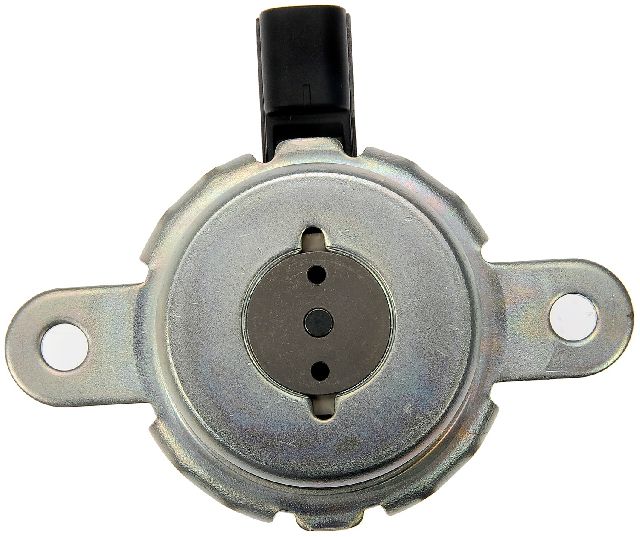
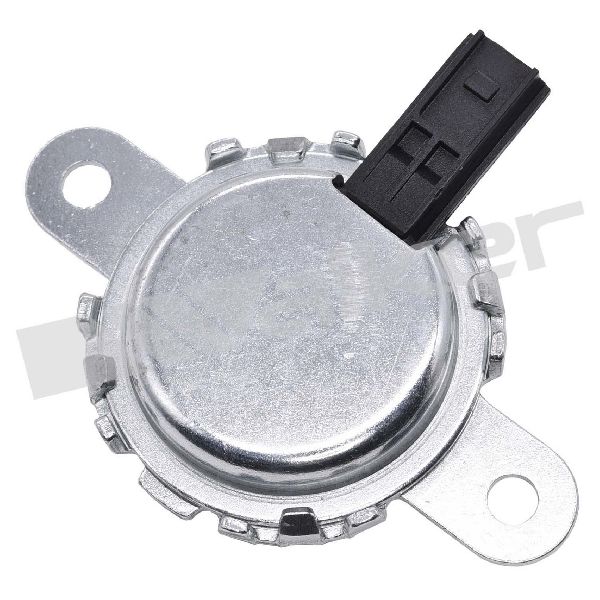
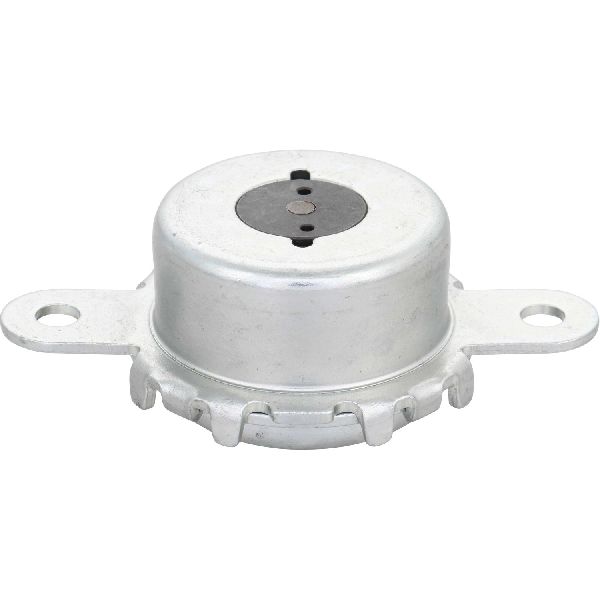
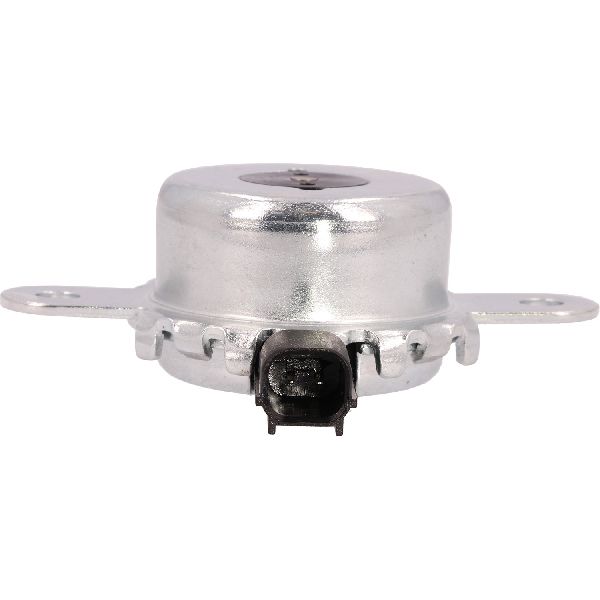
Est. part cost: $50-$100 - Faulty Oil Control Valve (OCV) / VVT Solenoid 🔴 High Probability → Shop Engine Variable Valve Timing (VVT) Solenoid The OCV for the Bank 2 intake camshaft is a known failure point. It can get clogged with debris from dirty oil or fail electronically.
How to confirm: Swap the Bank 2 (driver's side) intake OCV with the Bank 1 (passenger's side) intake OCV. They are identical and interchangeable. Clear the codes. If the code changes to P0016 (Bank 1), the OCV is confirmed as the faulty part. The OCV can also be tested with a multimeter for proper resistance, which should be between 6-12 ohms. 🎬 See how to test and replace the Bank 2 OCV.
Typical fix: Replace the Bank 2 intake Oil Control Valve. It is highly recommended to use an OEM part.
Est. part cost: $80-$150 - Stretched Timing Chain ⚪ Low Probability → Shop Engine Timing Chain While less common than oil issues on the FA20DIT, a stretched chain can occur, especially on higher-mileage vehicles or those with a history of infrequent oil changes leading to poor lubrication of guides and tensioners. It's often the final diagnosis after oil and OCVs are ruled out.
How to confirm: This is a complex diagnosis. A professional mechanic can use a scan tool to check cam/crank deviation values as per TSB 02-163-16R. Physical confirmation requires partial engine disassembly to measure chain slack or check timing marks.
Typical fix: Replace the timing chain, tensioners, and guides. This is a major, labor-intensive repair.
Est. part cost: $400-$800
Rare But Worth Checking
- Failing AVCS Cam Sprocket (Phaser): If oil and OCVs are good, and the timing chain is in spec, the internal mechanism of the cam sprocket itself can fail or stick. This is an expensive repair but has been documented by owners as the ultimate culprit after all other steps fail.
- Outdated ECM Software / Retained Memory: Subaru has issued TSBs for other models where reprogramming the ECM fixed persistent P001x codes. More importantly, TSB 02-163-16R notes that the ECM can retain 'learned values' and may continue to set a code even after a mechanical fix. A specific reset procedure using a Subaru scan tool may be required.
Diagnosis Steps
- Check Engine Oil: Verify the oil level is full and the oil is clean. If low, top it off. If old or dirty, perform a full oil and filter change with OEM-spec 5W-30 synthetic oil. Clear the code and drive to see if it returns.
- Inspect OCV Connector: Check the wiring and connector for the Bank 2 (driver's side) intake Oil Control Valve for any damage or loose connections.
- Test the OCV: The most effective test is to swap the driver's side intake OCV with the passenger's side intake OCV. They are located on the front of the timing cover and are identical. Clear the codes and drive. If the code returns as P0016, you have a bad OCV. Replace it with a new OEM part.
- Professional Diagnosis: If the code persists after the steps above, the issue is likely more serious. The vehicle should be taken to a qualified mechanic to follow the diagnostic procedure in Subaru TSB 02-163-16R. This involves using a scan tool to check the VVT advance angle and learned values before condemning expensive parts like the timing chain or AVCS cam sprocket.
- ECM Learned Value Reset: If parts (like a sprocket) are replaced and the code returns, ask the technician to perform the 'VVT learned value' reset procedure as the ECM may be holding old fault data.
Parts You'll Likely Need
- Intake Oil Control Valve (OCV) / VVT Solenoid (Bank 2)
(OEM #10921AA231 (supersedes 10921AA230))— This is the most common part to fail after ruling out oil issues. It controls the oil flow that adjusts cam timing and is prone to clogging or electronic failure. Part number 10921AA230 was the original, but has been replaced by 10921AA231.
Trusted brands: Subaru (OEM)
OEM price range: $100-$150
Aftermarket price range: $50-$100 - Engine Oil and Filter — Low or dirty oil is the leading cause of P0018. An oil change is the first and most critical diagnostic step.
Trusted brands: Subaru, Idemitsu, Mobil 1, Pennzoil
OEM price range: $70-$100
Aftermarket price range: $50-$80
Related Codes That Often Appear With This One
- P0016 — This is the same correlation error but for Bank 1 (passenger's side). Seeing both P0016 and P0018 strongly suggests a systemic issue like very low/dirty oil or a stretched timing chain affecting the whole engine.
- P0019 — This is a correlation error for the exhaust camshaft on the same bank (Bank 2). If seen with P0018, it points to a broader timing or oiling problem on the driver's side of the engine. TSB 02-163-16R groups these codes 🎬 Watch: Troubleshooting FA20 correlation codes and common sensor issues. in the same diagnostic family.
Technical Service Bulletins (TSBs) & Recalls
- 02-163-16R: Provides detailed inspection and repair procedures for AVCS-related DTCs (including P0018) on FA/FB engines. The diagnostic flow is to first check oil level and pressure. Next, use a scan tool to check the cam advance angle with the OCV unplugged to verify mechanical timing. If timing is good, the OCV is tested. If all else fails, it points toward a faulty cam sprocket.
- Bulletin #09-120-24: This bulletin announces the availability of new reprogramming files for the Engine Control Module (ECM) specifically developed to remedy DTCs P0016, P0017, P0018, P0019, and P0087.
- Bulletin #09-120-24R: A manufacturer service bulletin that identifies P0018 as a Crankshaft Position - Camshaft Position Correlation Bank 2 Sensor A fault within the electrical system diagnostics.
Mechanic-Grade Diagnostic Values
- Oil Control Valve (OCV) / VVT Solenoid Resistance — expected: 6 to 12 Ohms. Failure: A reading outside this range indicates a faulty solenoid.
- Camshaft Advance Angle (with OCV unplugged) — expected: Close to 0°. Failure: A value of +/- 10° or more suggests the timing chain has skipped a tooth. Each tooth on the cam sprocket equals approximately 10°.
- VVT Initial Position Learning Value (on Subaru Select Monitor or equivalent) — expected: Values for left and right banks should be within 10° of each other and within 10° of the standard value in the service manual.. Failure: A value skewed far from the opposing bank or standard value, which does not reset after clearing codes, indicates a 'stuck' learned value in the ECM's EEPROM.
Scan Tool Commands That Help
- Autel/Launch or similar aftermarket scan tool: VVT Learned Value Reset via 'Test Mode Change' — This is critical after replacing a mechanical timing component like a cam sprocket. The ECM stores learned values in non-volatile memory (EEPROM), and a standard code clear will not erase them, causing the P0018 to return immediately even with new parts. This procedure forces the ECM to relearn the new component's base position.
- Subaru Select Monitor (SSM) or equivalent: Current Data Display > VVT Advance Angle — Used during diagnosis as per TSB 02-163-16R to check the mechanical timing. By unplugging the OCV and running the engine, the reading for the advance angle should be near zero. If it's off by ~10 degrees, the chain has likely jumped a tooth.
Wiring & Ground Locations
- OCV Wiring Harness Connector — On the front of the engine timing cover, connecting to the Oil Control Valve solenoid for the Bank 2 (driver's side) intake camshaft.. A known issue involves engine oil leaking from a failing OCV seal and 'wicking' into the harness connector and wiring. This oil contamination can disrupt the signal, causing AVCS-related codes like P0018 even if the OCV itself is still functional electronically. The harness may need to be thoroughly cleaned with a degreaser or replaced if heavily contaminated.
Real Owner Repair Stories
- Reddit r/WRX user post (2020 Subaru WRX (FA20DIT engine)) — Check Engine Light with codes P0016 and P0018.
❌ Tried (didn't work) Oil and filter change., Swapping camshaft position sensors., Swapping Oil Control Valves (OCVs)., Cleaning all sensors and MAF.
✅ What actually fixed it A diagnostic test revealed the LH (Bank 2) intake AVCS cam sprocket/phaser had a VVT value that was out of range. The owner replaced both intake sprockets and all other timing components. After the mechanical repair, an ECM reset (clearing the fault memory/learned values) was performed with a ThinkDiag2 scanner to prevent the code from returning. The final cost for parts was around $1200 for a DIY repair.
OEM Part Supersession History
10921AA230→10921AA231— The updated part features a redesigned internal oil seal to prevent oil from leaking and wicking into the wiring harness, a known failure mode.
Model Year Variations Within This Range
- 2017-2018: For the 2017 model year refresh, the Forester 2.0XT received minor aesthetic updates and the turbo engine gained a brake-based torque vectoring system. While this doesn't directly affect the P0018 cause, it's a notable change in the driveline management system. No significant changes to the FA20DIT engine's core timing components or OCVs occurred within the 2014-2018 range.
Diagnostic Flowchart
Other Known Issues on This Vehicle
Issues unrelated to this code that are worth knowing about as an owner of this generation:
- Intake Valve Carbon Buildup 🟠 Medium — A common issue for all direct-injection (DIT) engines. Noticeable symptoms like rough idle or power loss can begin around 40,000-60,000 miles. Service (walnut blasting) is often performed as preventative maintenance.
- High-Torque CVT (TR690) Reliability 🟠 Medium — While many units are reliable, the TR690 CVT paired with turbo engines has documented cases of shuddering, hesitation, or outright failure, sometimes requiring full replacement. Problems are noted more in the 2014-2015 model years. Proper fluid maintenance is critical. (Ref: Subaru extended the CVT warranty for some earlier model years, but this specific generation may not be covered.)
- Excessive Oil Consumption 🟡 Low — While a class-action lawsuit targeted the 2.5L non-turbo engine, some FA20DIT owners also report oil consumption. It's critical to monitor oil levels frequently, as low oil is a primary trigger for AVCS-related codes like P0018.
Used vs. New Parts: Buying Guide for This Vehicle
When a used part is the smart pick: Given the relatively low cost of a new OEM OCV and the high labor involved in accessing deeper timing components, using used parts for this specific repair is generally not recommended. A used OCV carries the same risk of failure as the part being replaced. A used cam sprocket or timing chain is never advisable due to unknown wear and history.
Donor-vehicle mileage cap: roughly under 50000 miles for the part to have meaningful remaining life.
What to inspect on the donor part:
- For an OCV, ensure the screen is perfectly clean and the plunger moves freely.
- Verify the donor vehicle had a documented history of regular oil changes.
- Inspect the connector pins for any signs of oil contamination or corrosion.
OEM-only on this vehicle (don't cheap out):
- Oil Control Valve (OCV) / VVT Solenoid
- AVCS Cam Sprocket (Phaser)
- Timing Chain and related components (tensioners, guides)
Aftermarket brands forum-validated for this vehicle:
- Hitachi (often the OEM supplier for VVT components)
Brands owners have reported issues with on this vehicle:
- Generic, unbranded solenoids from online marketplaces like Amazon or eBay are frequently reported by forum users to fail quickly or be dead-on-arrival.
- Dorman has a mixed reputation; while some newer parts may be reliable, many professional technicians advise against using their VVT solenoids for Subaru applications due to past quality issues.
Real Owner Stories
Aggregated from forums and TSBs cited above. Mileages and costs reflect what owners reported in those sources.
2014 Subaru Forester XT — 152000 miles
Symptoms: Recurring CEL after clearing, car is slower than normal, mild bucking when pushed, smell of burning rubber.
What fixed it: A commenter suggested checking for a leaking oil pressure sensor as a common cause, though the owner was still in the diagnostic phase.
Source hint: r/MechanicAdvice thread 'Subaru forester XT 2014 P0018: Crankshaft Position Bank 2 Sensor A. DIY Fix possible?'
2015 Subaru Forester XT
Symptoms: Very rough cold starts that sometimes results in a P0018 or P0010 CEL code. This goes on for about 30 seconds before the RPMs drop and the roughness disappears.
What fixed it: The owner reported that dealerships replaced everything from the ECU to the spark plugs under warranty, but the issue persisted.
Source hint: r/SubaruForester
2014 Subaru Forester XT — ~100000 miles
Symptoms: P0018 code appeared; identified as a timing chain issue.
What fixed it: Replacement of the timing chain and a new ECM.
Cost: $3800-$3800
Source hint: Reddit r/subaru - 'How bad is this'
2020 Subaru WRX (FA20DIT)
Symptoms: P0016/P0018 Camshaft Position Crankshaft Position Correlation codes.
What fixed it: After ruling out oil and OCVs by following the TSB, the owner diagnosed a failed AVCS cam sprocket.
Source hint: Reddit r/WRX - '2020 WRX FA20 - p0016/p0018 Camshaft Position Crankshaft Position Correlation'
Related OBD-II Codes
Frequently Asked Questions
Is there a specific Subaru technical service bulletin for P0018 on my Forester XT?
Can I swap parts between banks to diagnose which Oil Control Valve is bad?
What type of oil should I use in my 2.0L turbo Forester to prevent AVCS issues?
If I replace the cam sprocket, is there a specific software step required?
Could my P0018 code be related to the CVT transmission issues common in 2014-2015 models?
What is the resistance specification for testing the OCV with a multimeter?
Helpful Videos

![How to Fix P0018 Engine Code in 6 Minutes [4 DIY Methods / Only $6.99]](https://img.youtube.com/vi/Q5hH0fs65Y8/mqdefault.jpg)
We Have This Part in Stock


The information in this article is provided for general reference and educational purposes only. Vehicle specifications, procedures, and part compatibility can vary by production date, trim level, and region. Always consult your vehicle's factory service manual and verify part numbers before purchasing or performing repairs. Safety-critical components such as airbags, seat belts, and braking systems should be installed by a qualified professional.
- Subaru Forester:
- 🧭 Diagnostic Flowchart
- 🎬 Helpful Videos
- 🛍️ Shop This Part
- What's Unique About the 2014-2018 Subaru Forester
- Symptoms You May Notice
- Most Likely Causes
- Rare But Worth Checking
- Diagnosis Steps
- Parts You'll Likely Need
- Related Codes That Often Appear With This One
- Technical Service Bulletins (TSBs) & Recalls
- Mechanic-Grade Diagnostic Values
- Scan Tool Commands That Help
- Wiring & Ground Locations
- Real Owner Repair Stories
- OEM Part Supersession History
- Model Year Variations Within This Range
- Other Known Issues on This Vehicle
- Used vs. New Parts: Buying Guide for This Vehicle
- Real Owner Stories
- 2014 Subaru Forester XT — 152000 miles
- 2015 Subaru Forester XT
- 2014 Subaru Forester XT — ~100000 miles
- 2020 Subaru WRX (FA20DIT)
- Related OBD-II Codes
- Frequently Asked Questions
- 🎟️ Get 5% Off