

P0018 on 2003-2009 Toyota 4Runner 4.0L: Crankshaft Camshaft Correlation Causes and Fixes
On the 4.0L V6 4Runner, code P0018 most often points to a faulty Oil Control Valve (OCV) for Bank 2, which is a relatively inexpensive part ($50-$120) and simple to replace. However, it can also indicate a more serious stretched timing chain, a much more expensive repair. Low or dirty oil is a frequent underlying cause for both issues.
- Always check your oil level and condition first; it's the easiest and cheapest potential fix.
- The most likely failed part is the Bank 2 (driver's side) Oil Control Valve (OCV). Swapping it with the Bank 1 OCV is a free and effective diagnostic step.
- Do not immediately replace the camshaft or crankshaft sensors. This code indicates a timing *correlation* issue, not a sensor failure.
- If the issue is not oil-related or the OCV, the cause is likely a stretched timing chain, which is a major repair that should be handled by a professional.
What's Unique About the 2003-2009 Toyota 4Runner
The Toyota 1GR-FE engine is known for its durability, and its VVT-i (Variable Valve Timing with intelligence) system is generally robust. However, this system relies heavily on clean, correct-viscosity engine oil and adequate oil pressure to function. Consequently, issues like a clogged Oil Control Valve (OCV) screen or a sticky OCV solenoid are common culprits for timing correlation codes. While less frequent, stretched timing chains can also occur at higher mileage (typically over 150,000 miles), which is a more significant mechanical issue.
Symptoms You May Notice
- Check Engine Light is on
- Rough idle or stalling
- Reduced engine power and poor acceleration
- Decreased fuel economy
- Engine rattling or ticking noise, especially on startup (if timing chain is the cause)
- Engine may 'stutter' or hesitate at speed
- Replacing the camshaft position sensor. The sensor is usually just reporting the timing misalignment, it is not the cause of it. The code P0018 is a correlation code, not a sensor circuit code. Many owners replace this sensor first with no change in results.
Most Likely Causes
- Low or Dirty Engine Oil 🔴 High Probability The VVT-i system is hydraulic and highly sensitive to oil pressure and cleanliness. Infrequent oil changes can lead to sludge that clogs oil passages and the fine mesh screens on the OCVs, impeding their function.
How to confirm: Check the engine oil level on the dipstick and inspect its condition. If it's low, black, or sludgy, this is a likely contributor. The code may temporarily disappear after an oil change, only to return, pointing to a deeper issue.
Typical fix: Perform an engine oil and filter change using the manufacturer-recommended oil viscosity (typically 5W-30). Using a high-quality OEM filter is also recommended, as some aftermarket filters have been anecdotally linked to oil pressure issues.
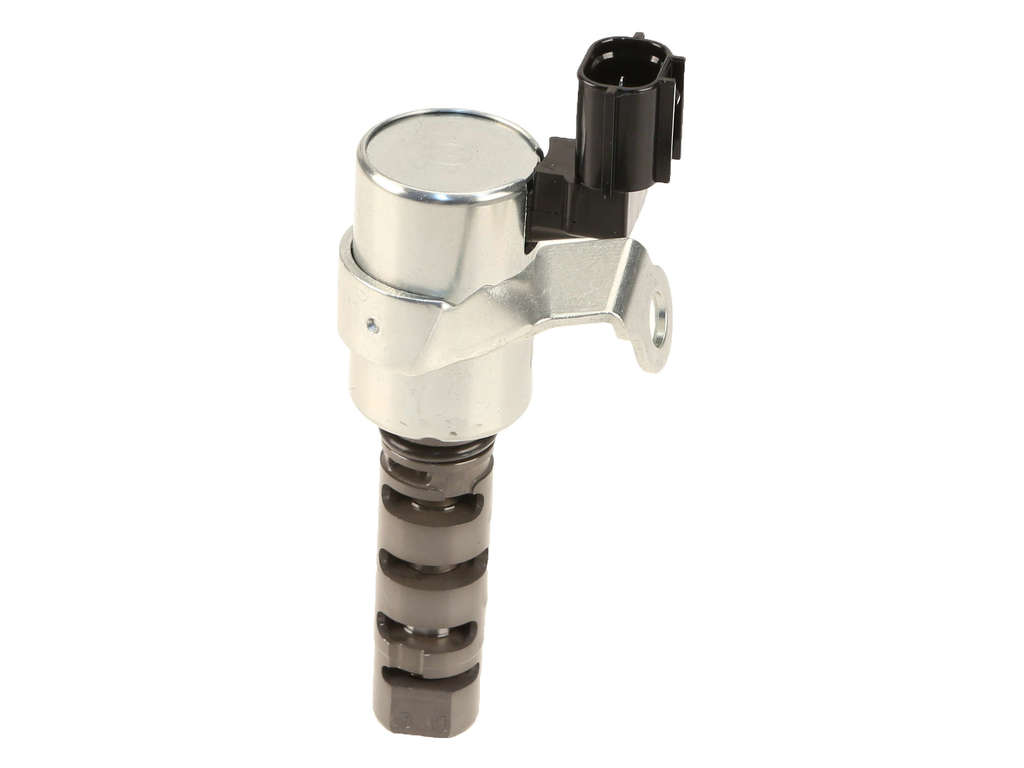
Est. part cost: $40-$80 - Faulty Camshaft Oil Control Valve (OCV) / VVT Solenoid - Bank 2 🔴 High Probability → Shop Engine Variable Valve Timing (VVT) Solenoid The OCV can get clogged with debris from infrequent oil changes or fail electronically over time, causing it to stick. This prevents it from properly regulating oil flow to the VVT actuator, leading to a timing correlation fault.
How to confirm: Swap the Bank 1 (passenger side) and Bank 2 (driver's side) OCVs. They are identical parts. Clear the codes and drive the vehicle. If the code changes to P0016 (Bank 1), the OCV is confirmed to be faulty. You can also test its resistance with a multimeter (should be 6.9-7.9 ohms at 68°F). The Bank 2 OCV is located on the driver's side, partially under the throttle body.
Typical fix: Replace the Bank 2 Oil Control Valve. It is also wise to inspect and clean the small filter screen located near the OCV if it is clogged.
Est. part cost: $50-$120 - Stretched Timing Chain 🟡 Medium Probability → Shop Engine Timing Chain While the 1GR-FE uses a timing chain designed to last the life of the engine, stretching can occur at higher mileage (typically over 150,000 miles), leading to timing correlation issues. This is a known, though not universal, issue on high-mileage 1GR-FE engines.
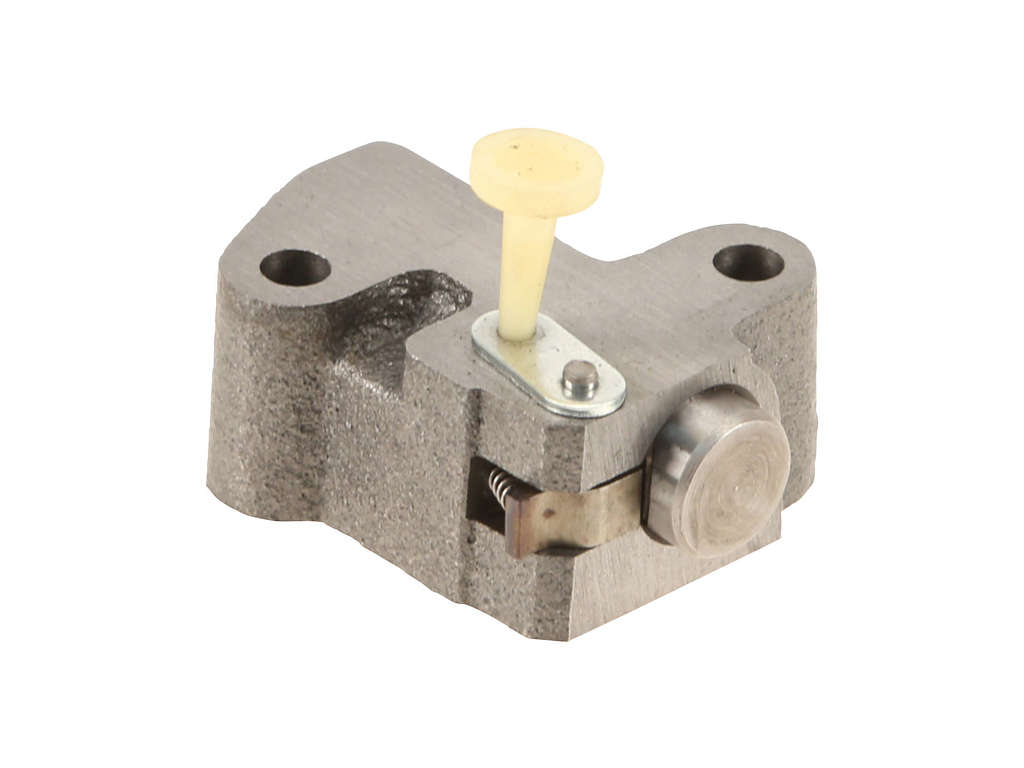
How to confirm: This is a mechanical issue that requires inspection. A simple preliminary check involves removing a small inspection plate on the front timing cover to view the timing chain tensioner. If the tensioner's plunger is extended significantly (e.g., more than 1/2 to 3/4 inch), it's a strong indicator the chain has stretched. A definitive diagnosis requires removing the valve covers to check timing marks.
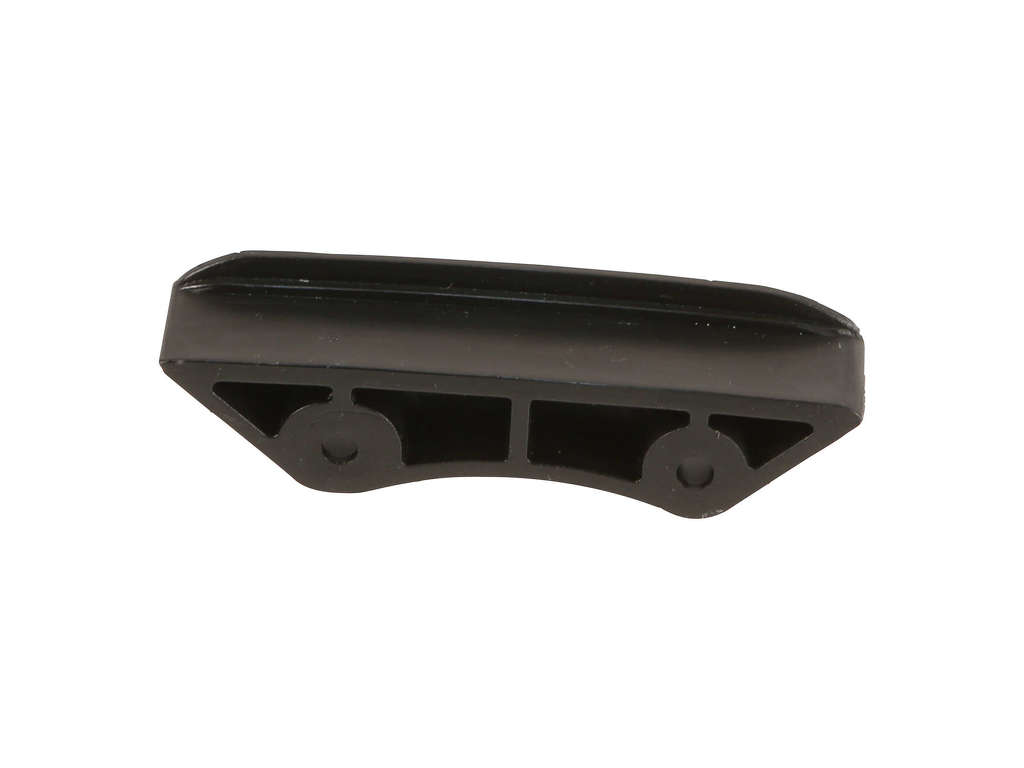
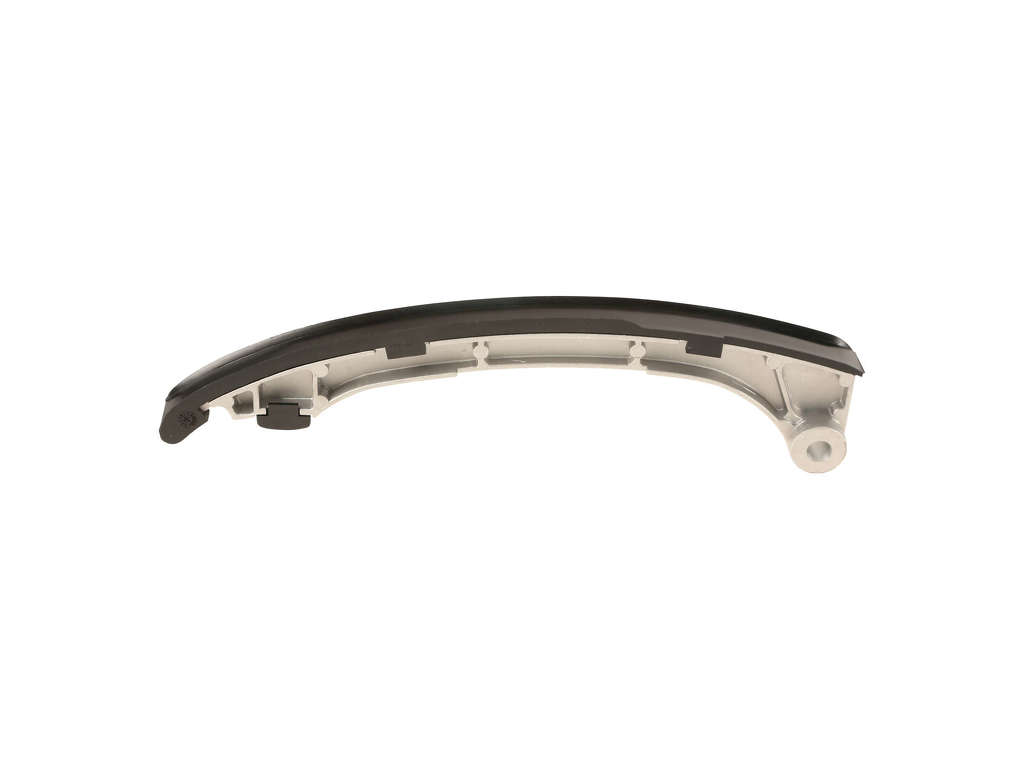
Typical fix: Replace the primary timing chain, secondary chains, all guides, and tensioners. This is a labor-intensive job often costing several thousand dollars at a shop.
Est. part cost: $400-$700 for a full kit
Rare But Worth Checking
- Faulty VVT-i Camshaft Gear/Actuator: → Shop Engine Camshaft The actuator itself can fail, getting stuck or developing an internal oil leak. This is less common than an OCV failure but should be considered if a new OCV doesn't solve the problem.
- Faulty Crankshaft or Camshaft Position Sensor: → Shop Engine Camshaft Position Sensor While possible, a sensor failure is more likely to produce a sensor-specific code (like P0335 or P034x). P0018 specifically indicates a *correlation* problem, meaning the sensors are likely reading correctly, but the timing is mechanically off. Replacing the sensor is a common misdiagnosis.
- Jumped Timing: In rare cases, often after a recent timing belt or water pump service on a related engine, the timing chain can be installed incorrectly by one tooth, causing this code to appear immediately.
- Clogged OCV Filter Screens: The 1GR-FE has small, thimble-like filter screens for the VVT oil passages in the cylinder heads. These can become clogged with sludge, starving the OCVs and VVT phasers of oil pressure, even if the OCV itself is functional. They are difficult to access, especially on the driver's side (Bank 2).
Diagnosis Steps
- Check Engine Oil: Verify the oil level is correct and the oil is clean. If low or dirty, perform an oil and filter change, clear the code, and see if it returns.
- Scan for Other Codes: Use an OBD-II scanner to check for any other pending or active codes that could provide more clues.
- Inspect OCV Wiring: Check the wiring and connector for the Bank 2 (driver's side) Oil Control Valve for any signs of damage or corrosion.
- Swap OCVs: A simple and effective test is to swap the OCVs between Bank 1 and Bank 2. They are identical parts. Clear the codes. If P0018 disappears and P0016 appears, you have a bad OCV.
- Test OCV: If you don't want to swap them, you can remove the Bank 2 OCV and test it by applying 12V power to its terminals to see if the internal plunger moves. You can also check its internal resistance with a multimeter.
- Inspect OCV Filters: While the OCVs are out, inspect the small, thimble-sized mesh filters in the cylinder head. If they are clogged with sludge, clean or replace them.
- Mechanical Timing Inspection: If all else fails, the problem is likely mechanical. The first step is to inspect the timing chain tensioner through its access port on the front timing cover. If it shows significant extension, the chain is stretched and the vehicle should be taken to a professional to replace the timing components.
Parts You'll Likely Need
- Engine Variable Valve Timing (VVT) Solenoid / Oil Control Valve
(OEM #15340-0P010 (supersedes 15340-31010))— This is the most common failure point for a P0018 code on the 1GR-FE engine, as it can get clogged or fail electronically.
Trusted brands: Denso (OEM supplier), Aisin, Dorman
OEM price range: $90-$150
Aftermarket price range: $40-$90 - Timing Chain Kit — If the timing chain has stretched, a complete kit including the chain, guides, and tensioners is required to properly restore engine timing.
Trusted brands: AISIN, Cloyes
OEM price range: $500-$700
Aftermarket price range: $300-$500
Related Codes That Often Appear With This One
- P0016 — This is the same correlation error but for Bank 1 (passenger side). Seeing both may point towards a more systemic issue like a stretched timing chain affecting the entire engine, or could occur if OCVs were swapped for diagnosis.
- P0022 — This code indicates 'Camshaft Position 'A' Timing Over-Retarded (Bank 2)', which is a more specific timing fault on the same bank and is often caused by the same components (OCV, VVT actuator, timing chain).
- P0300, P0302, P0304, P0306 — Misfire codes for Bank 2 (Cylinders 2, 4, 6). If the cam timing is sufficiently off on Bank 2, it can cause misfires on that entire bank.
Technical Service Bulletins (TSBs) & Recalls
- TSB-0135-08 (EG045-07 in some markets) - This TSB was found to be for a 1ZZ-FE engine in Corollas regarding lean conditions in sub-freezing temperatures and is NOT relevant to the 4Runner's P0018 code. The original citation was incorrect. No specific TSB for P0018 on this platform was found during research.
Platform-Specific Known Issues
- On T4R.org and TacomaWorld forums, numerous owners have documented solving P0018 and related codes (P0016) by first swapping the OCVs to confirm the failure, then replacing the faulty valve. This is the universally recommended first step after checking oil.
- A user on Reddit with a similar engine experienced P0018 after a timing belt service, and the cause was found to be that the timing was off by one tooth, which the shop corrected.
- A TacomaWorld forum member with P0018 was quoted nearly $6,000 CAD by a dealership for a timing chain replacement, illustrating the high cost if that is the root cause.
Mechanic-Grade Diagnostic Values
- Camshaft Oil Control Valve (OCV) Solenoid Resistance — expected: 6.9 to 7.9 Ohms at 68°F (20°C). Failure: No resistance (open circuit) or significantly lower/higher resistance indicates a faulty solenoid coil.
- Crankshaft Position Sensor Resistance — expected: A general range for this type of sensor is 200 to 900 Ohms, but the vehicle-specific manual should be checked for the exact specification.. Failure: A reading outside the specified range, or an open/short circuit, indicates a failed sensor.
- VVT Learning Value (via Techstream) — expected: The ECM stores a learned value for the VVT system at idle. A normal value is not explicitly defined, but the malfunction threshold is.. Failure: The ECM will set a DTC if the VVT learning value is less than 22.5°CA or more than 45.2°CA for 18 seconds or more.
Scan Tool Commands That Help
- Toyota Techstream: Active Test: 'Control the VVT System (Bank 2)' or 'Operate OCV' — This bidirectional command allows a technician to manually command the Bank 2 Oil Control Valve to operate. It's used to verify if the solenoid is responding to ECU commands and can help determine if the OCV is stuck or if there's a wiring issue, without having to remove the part initially.
Wiring & Ground Locations
- Engine Ground (Main) — On the 1GR-FE, a primary engine ground point with two wires is located on the engine block, accessible from underneath, near the lower control arm and behind a small heat shield.. A poor engine ground can cause erratic behavior and incorrect readings from critical sensors like the crankshaft and camshaft position sensors, which rely on a stable ground reference. While not a direct cause of P0018, checking this is good practice for any electrical diagnosis.
- ECM (Engine Control Module) — Located behind the right end of the dashboard, near the glove box area.. This is the location for checking sensor signal wires directly at the source. For example, the camshaft position sensor wires can be tested for continuity and voltage at the ECM connectors to rule out harness damage between the sensor and the computer.
- Ground Point EF — On the rear of the left cylinder head (Bank 1 side).. While this is on the opposite bank, wiring diagrams show it as a key ground point for the engine harness. A problem here could potentially affect shared sensor grounds or create electrical noise that impacts the Bank 2 sensors.
Real Owner Repair Stories
- TacomaWorld Forum User (2012 Toyota Tacoma 4.0L 1GR-FE with 230,000 KM) — P0018 code that comes and goes. The code would sometimes clear after an oil change. Engine ran rough for a few seconds on one occasion when the light came on.
❌ Tried (didn't work) The owner was quoted $6,000 CAD for a timing chain replacement by the dealership and $1,000 CAD to replace the sensor, but had not yet performed these repairs.
✅ What actually fixed it The community strongly advised the owner to first inspect and clean/replace the VVT filters (OCV screens) and the VVT solenoids (OCVs) themselves, as this is a very common cause for these symptoms, especially when the issue is intermittent and related to oil changes. - Camry Forums User (similar dual VVT-i engine) (2010 Toyota Camry 2.5L with 127,000 miles) — P0012 code (Bank 1 timing over-retarded) appeared after an oil change. Code would return a few weeks after being cleared.
❌ Tried (didn't work) Replacing the Oil Control Valve (OCV) only provided a temporary fix. The new OCV was found to have debris in it shortly after installation.
✅ What actually fixed it The root cause was debris circulating in the oil, repeatedly clogging the OCV. The user identified that the next step was to locate and clean or replace the VVT oil filter screen, which is located under the valve cover, to stop the contamination of the new OCV.
OEM Part Supersession History
15340-31010→15340-0P010— Part update/revision by Toyota. The newer part is the correct service replacement.N/A→N/A— The VVT Oil Filter Screen (Part # 15678-46020 or similar) is a separate, serviceable part that is often overlooked. While not a supersession, it's a critical related part.
Heads up: This filter is located in the cylinder head and is crucial for protecting the OCV and VVT actuator from sludge and debris.
Model Year Variations Within This Range
- 2003-2004 vs 2005-2009: There were minor changes to the 1GR-FE engine between the 03-04 and 05-09 model years, including changes to some sensor wiring (e.g., from 2-wire to 3-wire cam sensors). While the core cause of P0018 is the same, sourcing a used engine or certain electrical components requires matching the correct year range. Additionally, the 4-speed automatic was replaced by a 5-speed in 2005.
- 2009+: Starting in 2009 for some models (and 2010+ for the 4Runner), the 1GR-FE was updated to Dual VVT-i, which added variable timing to the exhaust cams as well. The 2003-2009 4Runner has the single VVT-i version (intake cams only), which simplifies the system and means there are fewer components that can fail compared to the later version.
Diagnostic Flowchart
Other Known Issues on This Vehicle
Issues unrelated to this code that are worth knowing about as an owner of this generation:
- Premature Head Gasket Failure 🔴 High — More common on early models (2003-2005). Can occur after 100,000-150,000 miles. Symptoms include coolant loss, overheating, and gurgling sounds from the dash.
- Frame Rust/Corrosion 🔴 High — A widespread and severe issue for this generation, particularly in salt-belt regions. Frames can rust from the inside out, compromising structural integrity. Led to class-action lawsuits. (Ref: No official recall for the 4Runner, unlike the Tacoma/Tundra, but subject of major litigation.)
- Cracked Exhaust Manifolds (V8 Models) 🟡 Low — Primarily affects the 4.7L 2UZ-FE V8 engine, causing an audible ticking noise, especially when cold. Rarely causes a check engine light.
- Seized Front Brake Calipers 🟠 Medium — Pistons within the front brake calipers are prone to seizing, causing brake drag, overheating, and premature pad/rotor wear. A common issue reported by many owners.
- Water Pump Failure 🟠 Medium → Shop Engine Water Pump — Water pumps can fail, typically after 100,000 miles, leading to coolant leaks. While a common wear-and-tear item, it's a frequent point of failure on the 1GR-FE.
Used vs. New Parts: Buying Guide for This Vehicle
When a used part is the smart pick: For this repair, buying used parts is generally not recommended, especially for wear-and-tear items. The only exception might be a major component like a cylinder head or a complete engine assembly from a verified low-mileage, well-maintained donor vehicle. Avoid used electronic sensors and timing components.
Donor-vehicle mileage cap: roughly under 100000 miles for the part to have meaningful remaining life.
What to inspect on the donor part:
- For a complete engine, ask for service records to verify regular oil changes.
- Inspect for external oil leaks, corrosion, and any signs of physical damage.
- If possible, remove the oil fill cap and look for heavy sludge buildup on the valvetrain as a sign of poor maintenance.
OEM-only on this vehicle (don't cheap out):
- Timing Chain Kit: Given the catastrophic potential of a timing failure, using an OEM (Toyota/Aisin) or high-quality OEM-supplier kit is critical for longevity.
- Camshaft/Crankshaft Position Sensors: While some aftermarket sensors work, many forums are filled with stories of issues caused by cheap electronic sensors. Using Denso (OEM) is the safest bet.
- VVT-i Camshaft Gear/Actuator: This is a precision component. Aftermarket versions may not meet the exact tolerances, leading to persistent codes. Go with OEM.
Aftermarket brands forum-validated for this vehicle:
- Aisin (Often the OEM supplier for Toyota timing and hydraulic components)
- Denso (OEM supplier for Toyota electronics, including OCVs and sensors)
- Cloyes (A reputable name in timing components, often considered a high-quality alternative to OEM)
- NTK/NGK (Well-regarded for sensors, some users report success with their VVT solenoids)
Brands owners have reported issues with on this vehicle:
- No-name/generic brands from online marketplaces (e.g., Amazon, eBay). Many users report these parts failing quickly or being dead-on-arrival, especially for electronic components like OCVs and sensors.
Real Owner Stories
Aggregated from forums and TSBs cited above. Mileages and costs reflect what owners reported in those sources.
2003-2009 Toyota 4Runner 4.0L V6
Symptoms: The owner experienced a rough idle and a P0018 code.
What fixed it: The issue was a sticking Oil Control Solenoid (OCV).
Source hint: TacomaWorld.com - Thread 'p0018 code, how to check; what can I do before bringing it in'
2005-2015 Toyota Tacoma 4.0L V6 — ~160000 miles
Symptoms: The owner was quoted for a timing chain replacement due to P0018.
What fixed it: Timing chain replacement.
Cost: $4,000-$6,000
Source hint: TacomaWorld.com - Thread 'p0018 code, how to check; what can I do before bringing it in'
Toyota 4.0L V6 (1GR-FE)
Symptoms: P0018 appeared immediately after a timing belt service.
What fixed it: The shop found the timing was off by one tooth and corrected it.
Source hint: vehicle_specific_issues - Reddit user report
2005-2015 Toyota Tacoma 4.0L V6
Symptoms: P0018 appearing alongside multiple misfire codes (P0302, P0304, P0306) on Bank 2.
What fixed it: Significant timing issue on the driver's side bank, such as a skipped tooth or failed guide.
Source hint: TacomaWorld.com - Thread 'Timing Chain P0018 P0302,304,306'
Related OBD-II Codes
Frequently Asked Questions
Does TSB-0135-08 apply to my 4Runner's P0018 code?
Can I use an aftermarket oil filter on my 4.0L V6 4Runner?
How can I tell if my P0018 code is a bad sensor or a stretched timing chain without a full teardown?
Are the Bank 1 and Bank 2 Oil Control Valves the same part on the 1GR-FE?
Is the 1GR-FE engine prone to timing chain failure?
What is the resistance specification for the VVT solenoid on this vehicle?
Helpful Videos

We Have This Part in Stock


The information in this article is provided for general reference and educational purposes only. Vehicle specifications, procedures, and part compatibility can vary by production date, trim level, and region. Always consult your vehicle's factory service manual and verify part numbers before purchasing or performing repairs. Safety-critical components such as airbags, seat belts, and braking systems should be installed by a qualified professional.
- Toyota 4Runner:
- 🧭 Diagnostic Flowchart
- 🎬 Helpful Videos
- 🛍️ Shop This Part
- What's Unique About the 2003-2009 Toyota 4Runner
- Symptoms You May Notice
- Most Likely Causes
- Rare But Worth Checking
- Diagnosis Steps
- Parts You'll Likely Need
- Related Codes That Often Appear With This One
- Technical Service Bulletins (TSBs) & Recalls
- Platform-Specific Known Issues
- Mechanic-Grade Diagnostic Values
- Scan Tool Commands That Help
- Wiring & Ground Locations
- Real Owner Repair Stories
- OEM Part Supersession History
- Model Year Variations Within This Range
- Other Known Issues on This Vehicle
- Used vs. New Parts: Buying Guide for This Vehicle
- Real Owner Stories
- 2003-2009 Toyota 4Runner 4.0L V6
- 2005-2015 Toyota Tacoma 4.0L V6 — ~160000 miles
- Toyota 4.0L V6 (1GR-FE)
- 2005-2015 Toyota Tacoma 4.0L V6
- Related OBD-II Codes
- Frequently Asked Questions
- 🎟️ Get 5% Off