

P0019 on 2012-2015 Audi A6 3.0T: Crank-Cam Correlation Causes and Fixes
P0019 on the Audi A6 3.0T most often indicates a serious mechanical timing issue, such as failing timing chain tensioners. This is a very expensive, engine-out repair costing $4,500-$8,000+. Less common causes are a faulty camshaft position sensor or adjuster solenoid, which are much cheaper to fix.
- P0019 on a 2012-2015 Audi A6 3.0T is a serious code that most often points to a failing timing chain system.
- A rattling noise from the back of the engine on a cold start is the key symptom of failing timing chain tensioners.
- Always check the simple things first: ensure engine oil is clean and full, and consider swapping the inexpensive cam sensor and adjuster solenoid before committing to major repairs.
- Repairing the timing chains is an engine-out job with costs typically exceeding $5,000. Do not ignore this code, as continued driving risks catastrophic engine failure.
What's Unique About the 2012-2015 Audi A6
On the 3.0L TFSI V6 engine, a P0019 code is a significant concern and rarely a simple sensor fault. This engine platform is known for premature failure of its timing chain tensioners and plastic guides. The problem is made worse because the entire timing system is located at the rear of the engine, against the firewall. This design means that replacing the chains and tensioners is not a simple task; it requires the entire engine to be removed from the vehicle, making it a very labor-intensive and costly repair.
Symptoms You May Notice
- Check Engine Light is on
- A metallic rattling noise from the back of the engine for 1-3 seconds on cold starts
- Rough or uneven idle
- Hesitation or poor acceleration
- Reduced fuel economy
- Engine may stall at low speeds
- Noticeable loss of power, especially at higher RPMs
- Replacing only the camshaft position sensor without checking for mechanical timing issues. On this engine, a correlation code is very often a sign of a deeper mechanical problem, and a new sensor will not fix it.
- Replacing the camshaft adjuster solenoid without first performing an oil change. Dirty oil can cause a good solenoid to stick, and the problem may be resolved with fresh oil.
Most Likely Causes
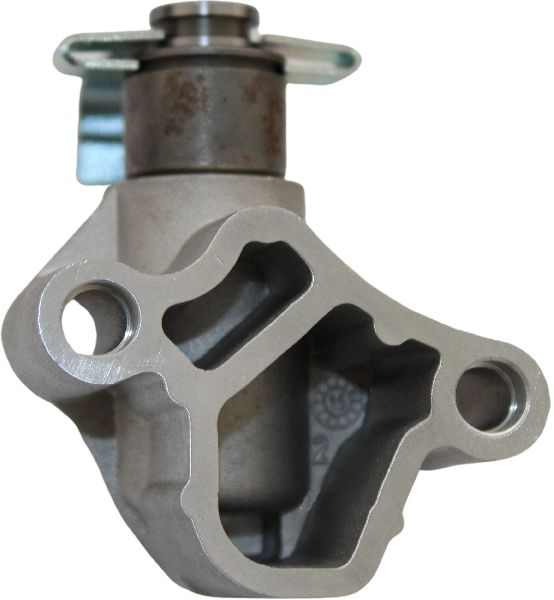
- Failing Timing Chain Tensioners and/or Stretched Timing Chain 🔴 High Probability → Shop Engine Timing Chain The original upper timing chain tensioners are a known weak point. The hydraulic pressure can bleed off when the engine is off, causing chain slack on startup. The plastic guides also become brittle with age and heat cycles. This is a well-documented issue with the 3.0T engine.
How to confirm: The most common symptom is a 1-3 second rattle from the rear of the engine on a cold start. A mechanic can use a scan tool (like VCDS) to check camshaft phase deviation in Measuring Value Block 93. A deviation beyond -8 degrees is often considered the threshold for needing replacement. Some forums suggest anything beyond -5 degrees warrants concern.
Typical fix: A complete timing chain service is required. This involves removing the engine to replace all timing chains, tensioners, and guides with updated parts. It is also wise to replace other 'while you're in there' parts like the PCV valve, thermostat, water pump, and rear main seal.
Est. part cost: $1000-$1800 for a complete OEM or high-quality aftermarket timing kit. - Low or Dirty Engine Oil 🟡 Medium Probability The camshaft adjusters and timing chain tensioners are hydraulic, meaning they rely on clean oil at the correct pressure to function. Long oil change intervals or using incorrect oil can lead to sludge that clogs the small oil passages in the VVT system, causing correlation faults.
How to confirm: Check the engine oil level and service history. If the oil is low, past its change interval, or looks like sludge, this is a likely contributor. An oil pressure test can confirm if system pressure is below specification.
Typical fix: Perform an oil and filter change using an OEM-approved oil (e.g., VW 502 00 spec) and a quality filter. Clear the codes and see if the problem returns. If sludge is suspected, an engine flush may be attempted with caution.
Est. part cost: $80-$150 for oil and a quality filter. - Faulty Camshaft Adjuster Solenoid (VVT Solenoid) ⚪ Low Probability → Shop Engine Camshaft These solenoids can become clogged with debris from infrequent oil changes or fail electrically over time.
How to confirm: The solenoid for Bank 2 Exhaust (often labeled N319) can be tested with a scan tool's output tests. A simpler method is to swap the suspected faulty solenoid with the identical one for the intake cam on the same bank. Clear the codes. If the fault code changes to P0018 (Bank 2 Intake), the solenoid is bad. The resistance should be between 6.9 and 7.9 ohms.
Typical fix: Replace the faulty camshaft adjuster solenoid. It is held in by one T30 Torx screw and is located on the back of the cylinder head cover, accessible from the top of the engine.
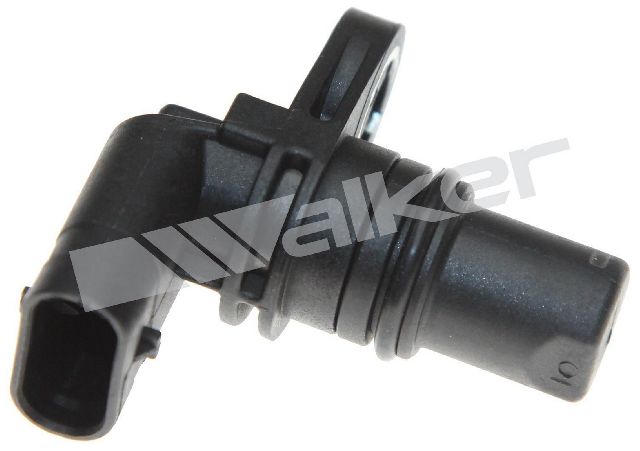
Est. part cost: $100-$200 - Faulty Camshaft Position Sensor (CMP) ⚪ Low Probability → Shop Engine Camshaft Position Sensor
How to confirm: Swap the Bank 2 exhaust camshaft position sensor with the sensor from another location (e.g., Bank 2 intake or Bank 1 exhaust). Clear the codes and drive the car. If the fault code 'follows' the sensor to the new location (e.g., P0018 or P0017 appears), the sensor is faulty. The sensor for Bank 2 Exhaust is G301.
Typical fix: Replace the camshaft position sensor. It is located on the upper timing cover/valve cover and is held in by a single screw.
Est. part cost: $30-$100
Rare But Worth Checking
- Failed Camshaft Adjuster (Phaser): → Shop Engine Camshaft
Diagnosis Steps
- Check Engine Oil: Verify the engine oil is at the correct level, condition, and viscosity (VW 502 00). If low, old, or incorrect, perform an oil and filter change, clear codes, and re-test.
- Scan for Codes: Use an Audi-specific scanner (like VCDS or OBDeleven) to confirm P0019 and check for other codes. Record the freeze-frame data.
- Check Camshaft Adaptation Values: In VCDS, go to Engine -> Measuring Value Blocks (MVB) -> Group 093. The third and fourth fields show the phase deviation for Bank 1 and Bank 2. A value more negative than -8° on Bank 2 strongly indicates stretched chains or failed tensioners.
- Listen for Noise: On a cold start, listen carefully for a 1-3 second metallic rattle from the rear of the engine, near the firewall. The presence of this noise is a classic symptom of failing upper tensioners.
- Swap Test the Camshaft Position Sensor (G301): Swap the Bank 2 exhaust sensor with the Bank 2 intake sensor (G300). Clear codes and drive. If the code changes to P0018, the sensor is bad. If P0019 returns, the sensor is likely good.
- Swap Test the Camshaft Adjuster Solenoid (N319): Swap the Bank 2 exhaust solenoid with the Bank 2 intake solenoid (N318). Clear codes and drive. If the code changes to P0018, the solenoid is bad. If P0019 returns, the solenoid is likely good.
- Mechanical Timing Inspection: If the steps above do not resolve the issue and MVB 093 shows significant deviation, the problem is mechanical. A professional technician must perform a full timing system inspection, which requires engine removal.
Parts You'll Likely Need
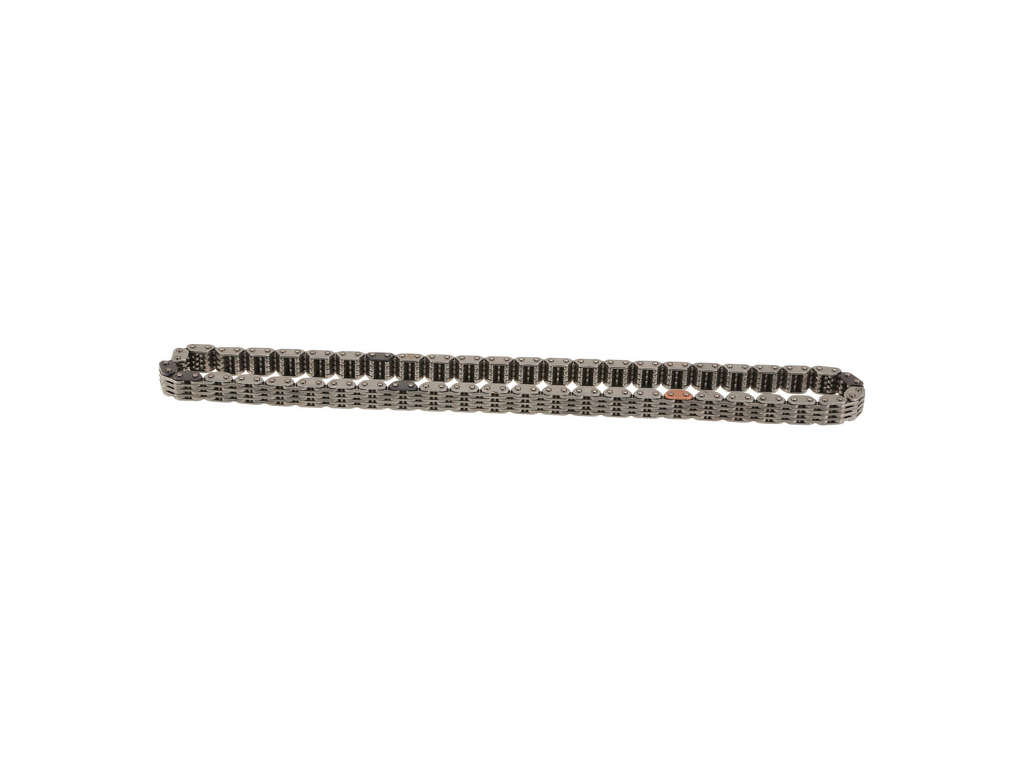
- Timing Chain Kit (Chains, Tensioners, Guides)
(OEM #Multiple parts; kit often sold as 06E109218AKKT (upper tensioners only) or a comprehensive kit with chains like 06E109465AS, 06E109465BC, etc.)— This is the most common root cause of P0019 on the 3.0T engine due to known issues with tensioner and guide longevity.
Trusted brands: Audi Genuine Parts, Iwis (OEM chain manufacturer), INA
OEM price range: $1200-$1800
Aftermarket price range: $700-$1100 - Camshaft Position Sensor (G301)
(OEM #07L905163C)— A less common but possible cause. It's a relatively inexpensive part to replace as a diagnostic step.
Trusted brands: Bosch, Audi Genuine Parts
OEM price range: $70-$100
Aftermarket price range: $25-$50 - Camshaft Adjuster Solenoid (N319)
(OEM #06E109257P)— Can become clogged or fail, preventing proper camshaft adjustment. It's another less common but possible cause that is much cheaper to fix than the timing chains.
Trusted brands: Audi Genuine Parts, Pierburg
OEM price range: $150-$200
Aftermarket price range: $80-$120
Related Codes That Often Appear With This One
- P0018 — Crankshaft Position - Camshaft Position Correlation Bank 2 Sensor 'A' (Intake). If the timing chain for Bank 2 has stretched or jumped, it can affect both the intake and exhaust cam timing on that bank.
- P0300, P0304, P0305, P0306 — Random or specific misfire codes for Bank 2 (cylinders 4, 5, and 6). Incorrect camshaft timing disrupts the combustion process, leading to misfires on the affected bank.
- P052E — Positive Crankcase Ventilation (PCV) Regulator Valve Performance. A failing PCV is a common issue on this engine and can cause various drivability problems that may be investigated at the same time.
Technical Service Bulletins (TSBs) & Recalls
- TSB 2039995/2 (or TSB 15-13-89 in the US): Addresses the cold start rattle noise from the timing chain area on 3.0T models, recommending the installation of updated upper timing chain tensioners. The TSB notes the noise will not cause immediate damage, but it is the primary indicator of the problem.
- TSB 2044640: While for the 4.0T engine, it highlights issues with oil starvation and clogged oil screens that can lead to turbo and timing component failure, emphasizing the importance of clean oil in these complex engines.
Platform-Specific Known Issues
- The timing chain system is located at the rear of the engine, requiring engine removal for a full service, which dramatically increases labor costs.
- Audi issued a Technical Service Bulletin (TSB) for the startup rattle associated with failing tensioners, indicating it's a recognized problem by the manufacturer.
Mechanic-Grade Diagnostic Values
- Camshaft Adaptation Phase Position (VCDS) — expected: 0 to -2 degrees for a healthy engine.. Failure: Values from -4 to -6 degrees indicate significant wear and risk. Values more negative than -8 degrees are a definitive sign that timing chain service is required.
- Camshaft Adjuster Solenoid (N319) Resistance — expected: 6.9 to 7.9 Ohms at 68°F (20°C).. Failure: A reading outside this range, or an open circuit (no reading), indicates a faulty solenoid.
- Camshaft Position Sensor (G301) Power Supply — expected: 5 Volts at the harness connector with the ignition on.. Failure: No voltage at the connector points to a wiring issue, blown fuse, or faulty ECM, not a bad sensor. If 5V is present and the code persists after swapping, the sensor is not the root cause.
- High-Pressure Fuel Pump (HPFP) Pressure — expected: Can exceed 1500-2900 PSI.. Failure: While not a direct cause of P0019, HPFP issues can occur concurrently. Low pressure would trigger other codes but is a data point to check on a poorly running 3.0T.
Scan Tool Commands That Help
- VCDS (VAG-COM): Engine -> Advanced Measuring Values -> Search for 'Camshaft Adaptation' — This is the primary diagnostic step after checking oil and basic codes. It provides a direct measurement of timing chain stretch, allowing a technician to condemn the chains without disassembly.
- VCDS (VAG-COM): Engine -> Basic Settings -> Resetting Camshaft Adjustment Adaptation — A user on a Ross-Tech forum mentioned this function, but also noted a warning from VCDS about using it. It should only be attempted after part replacement (like a sensor or solenoid) to see if it resolves a persistent code before assuming a major mechanical fault, but with extreme caution.
Wiring & Ground Locations
- Engine to Body Ground Strap — Main ground strap connecting the engine block to the chassis, typically on the left (driver's side in US) of the engine compartment.. A corroded or loose main ground strap can cause all manner of bizarre electrical issues and sensor reading errors. While not a direct cause, verifying the main grounds are clean and tight is a crucial early step in any electrical diagnosis.
- G301 Sensor Connector — On the upper timing chain cover for Bank 2 (driver's side in US), at the rear of the engine near the firewall.. The connector and its pigtail are exposed to extreme heat. Brittleness, damaged locking tabs, or oil wicking into the connector can cause intermittent signal loss from the camshaft position sensor, triggering P0019 even if the sensor itself is good.
- Earth point, in engine compartment, right — A diagram shows a main ground point near the alternator on the right side of the engine bay.. This serves as a grounding point for various engine components. Poor connection here could affect sensor readings.
Real Owner Repair Stories
- Ross-Tech Forums user (2015 Audi 3.0T with CREC engine) — Slight judder at idle, different engine tone, and P0019 code.
❌ Tried (didn't work) Replaced the Bank 2 exhaust CMP sensor with a new OEM unit., Swapped the intake and exhaust VVT solenoids on Bank 2.
✅ What actually fixed it The user noted that clearing the code with VCDS would make the engine run perfectly for 5-10 seconds before the code returned, leading them to question if it was purely mechanical. The thread concluded with a senior member suggesting the Bank 2 exhaust phaser was likely jammed, and that a full timing service (chains, guides, tensioners, and phasers) was the only reliable fix, as the engine had to be removed for access anyway.
OEM Part Supersession History
06E109257J, 06E109257M, 06E109257N, 06E109257S→06E109257T— For the camshaft adjuster solenoid (VVT Solenoid). Successive revisions were made to improve reliability and address issues like the internal filter screen failing or the solenoid sticking.
Heads up: While older revisions may fit, it is always recommended to install the latest available part number (ending in T) to get the most robust design.
Model Year Variations Within This Range
- 2012-2015: The 3.0T engine in this range is largely the same (engine codes CGWB, CGXB). A more significant update occurred for the 2016 model year (C7.5 facelift) with the introduction of the CREC engine, which featured dual injection (MPI+DI) and other changes. While the timing chain issue is still relevant, some electronics and the PCV system differ.
Diagnostic Flowchart
Other Known Issues on This Vehicle
Issues unrelated to this code that are worth knowing about as an owner of this generation:
- PCV Valve / Oil Separator Failure 🔴 High — Common after 60,000-80,000 miles. Failure can cause oil leaks, high oil consumption, and a loud whistling noise. (Ref: An updated PCV valve was released to help with oil consumption concerns.)
- Water Pump & Thermostat Failure 🔴 High → Shop Engine Water Pump — Very common. The plastic housings can crack, leading to coolant leaks and overheating. Failure can occur as early as 30k miles, but is more typical around 80k-100k miles.
- Engine Mount Failure 🟠 Medium — The hydraulic engine mounts frequently fail around 50,000-70,000 miles, causing excessive vibration at idle and a 'thud' noise when accelerating or decelerating.
- Carbon Buildup on Intake Valves 🟠 Medium — As a direct-injection engine, carbon buildup is inevitable and typically requires cleaning every 60,000-80,000 miles to prevent misfires and performance loss.
Used vs. New Parts: Buying Guide for This Vehicle
When a used part is the smart pick: For this specific repair, used parts are generally not recommended for core timing components. However, obtaining simple, non-wear items like sensor connectors, brackets, or engine covers from a junkyard is a smart way to save money.
Donor-vehicle mileage cap: roughly under 70000 miles for the part to have meaningful remaining life.
What to inspect on the donor part:
- For electrical parts like sensors or solenoids, look for a donor vehicle with lower mileage.
- Check for signs of a front-end collision; rear-engine components are often undamaged.
- Avoid parts from vehicles that show signs of sludge in the oil filler cap or have a neglected appearance.
- Ask for the VIN to check the service history if possible.
OEM-only on this vehicle (don't cheap out):
- Timing Chain Kit (Chains, Tensioners, Guides): The failure of these parts is catastrophic. Given the immense labor cost, using anything other than new, updated OEM or OEM-supplier (Iwis, INA) parts is an unacceptable risk.
- Camshaft Adjusters (Phasers): These are precision hydraulic components. The risk of getting a worn or failing used part is too high.
Aftermarket brands forum-validated for this vehicle:
- Iwis (Timing Chains - often the OEM supplier)
- INA (Tensioners and Guides - often the OEM supplier)
- Bosch (Camshaft Position Sensors)
- Pierburg (Camshaft Adjuster Solenoids)
Brands owners have reported issues with on this vehicle:
- Unnamed, 'white-box' timing chain kits from online marketplaces. The quality of the plastic guides and tensioner hydraulics is critical, and unproven brands pose a significant risk of premature failure, forcing another engine-out repair.
Real Owner Stories
Aggregated from forums and TSBs cited above. Mileages and costs reflect what owners reported in those sources.
2012 Audi A6 3.0T
Symptoms: Owner received a P0019 code and sought professional diagnosis.
What fixed it: Timing chain replacement.
Cost: $4,500-$4,500
Source hint: AudiWorld forum thread titled 'P0019 Code - Camshaft Position Correlation'
2013 Audi A6 3.0T
Symptoms: Engine was difficult to start and throwing a P0019 code.
What fixed it: Full timing job as diagnosed by the dealer.
Cost: $10,000-$10,000
Source hint: Audizine forum thread titled 'Engine difficult to start, P0019'
C7 Audi A6 3.0T
Symptoms: Owner documented both P0018 and P0019 codes with a -9.75 degree reading in VCDS block 93.
What fixed it: Full engine-out timing chain service.
Cost: $6,500-$8,000
Source hint: Audizine forum thread titled 'C7 A6 3.0T - P0018 & P0019 Cam/Crank Correlation'
Related OBD-II Codes
Frequently Asked Questions
Is there a Technical Service Bulletin for the metallic rattle I hear on my 2012 Audi A6 3.0T at startup?
How can I use VCDS to check if my 3.0L TFSI timing chain is stretched?
Can I fix the P0019 code on my A6 by just replacing the sensors?
Why is the labor cost so high for timing chain repairs on the 2012-2015 A6 3.0T?
What oil specification should I use to prevent VVT and correlation issues in my Audi A6?
Which specific solenoid is associated with the P0019 code on this engine?
Used OEM Parts in Stock
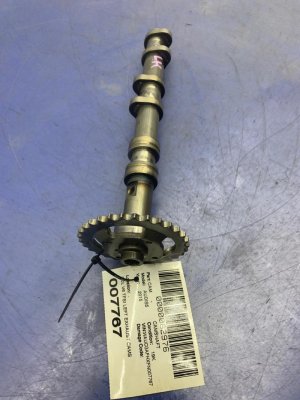
New Aftermarket Parts Available
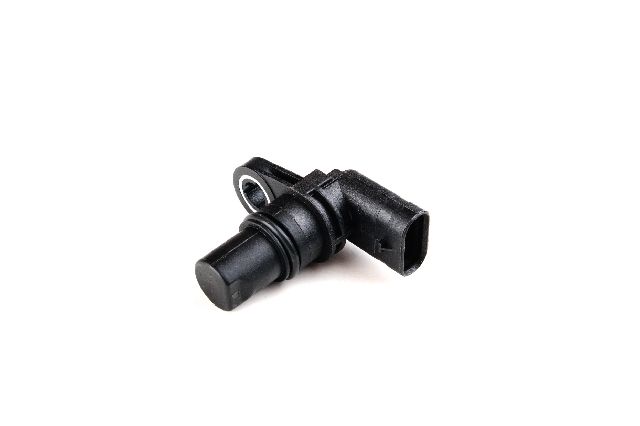
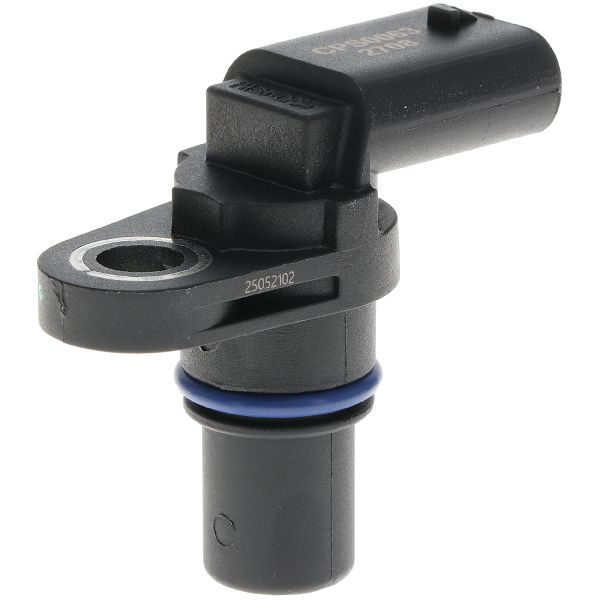

The information in this article is provided for general reference and educational purposes only. Vehicle specifications, procedures, and part compatibility can vary by production date, trim level, and region. Always consult your vehicle's factory service manual and verify part numbers before purchasing or performing repairs. Safety-critical components such as airbags, seat belts, and braking systems should be installed by a qualified professional.
- Audi A6:
- 🧭 Diagnostic Flowchart
- 🛍️ Shop This Part
- What's Unique About the 2012-2015 Audi A6
- Symptoms You May Notice
- Most Likely Causes
- Rare But Worth Checking
- Diagnosis Steps
- Parts You'll Likely Need
- Related Codes That Often Appear With This One
- Technical Service Bulletins (TSBs) & Recalls
- Platform-Specific Known Issues
- Mechanic-Grade Diagnostic Values
- Scan Tool Commands That Help
- Wiring & Ground Locations
- Real Owner Repair Stories
- OEM Part Supersession History
- Model Year Variations Within This Range
- Other Known Issues on This Vehicle
- Used vs. New Parts: Buying Guide for This Vehicle
- Real Owner Stories
- 2012 Audi A6 3.0T
- 2013 Audi A6 3.0T
- C7 Audi A6 3.0T
- Related OBD-II Codes
- Frequently Asked Questions
- 🎟️ Get 5% Off