

P0019 on 2013-2018 Cadillac ATS 3.6L V6: Causes for Timing Correlation Errors
On a 2013-2018 Cadillac ATS with the 3.6L V6 engine, code P0019 almost always indicates a stretched timing chain. This is a serious and well-documented issue for this engine family, requiring a complex repair that can cost over $3,000. Driving the vehicle is not recommended as complete chain failure can lead to catastrophic engine damage. While cheaper fixes like sensors or solenoids are possible, they are rarely the root cause on this platform.
- P0019 on a 3.6L V6 Cadillac ATS is a strong indicator of a stretched timing chain.
- Do not continue to drive the vehicle, as you risk catastrophic engine failure.
- Always check the engine oil level and condition first, as low or dirty oil can cause timing system issues.
- This is not a DIY-friendly repair; it requires extensive labor and specialized tools.
- The repair is expensive, often costing between $1,500 and $3,000 or more at a professional shop.
What's Unique About the 2013-2018 Cadillac ATS
This code is particularly significant on the Cadillac ATS equipped with the 3.6L V6 engine (options LFX or LGX). These engines, while improved over their predecessors (LY7/LLT), still have a documented history of premature timing chain stretching. While the code could point to a simple sensor, on this specific platform, it is very frequently the first warning of this much more serious and expensive mechanical issue. The problem was common enough that GM issued multiple Technical Service Bulletins (TSBs) and even a Special Coverage Adjustment for earlier versions of this engine, highlighting the prevalence of the issue.
Diagnostic Flowchart
Tap your situation to follow the diagnostic path that matches what you're seeing on this vehicle.
Symptoms You May Notice
- Check Engine Light is on
- Rough or unstable idle
- Engine hesitation or stumbling on acceleration
- Reduced engine power
- Poor fuel economy
- Rattling or slapping noise from the engine, especially on startup
- Engine cranks but won't start
- Replacing only the camshaft or crankshaft sensors without diagnosing the underlying timing chain issue. The sensors are reporting a real problem, they are not usually the cause of it on this engine.
- Replacing the VVT solenoids when the timing chain is actually stretched. While a solenoid can fail, it's a less common cause for this code on the LFX/LGX than the chains themselves.
Most Likely Causes
- Stretched Timing Chains 🔴 High Probability → Shop Engine Timing Chain The GM High Feature (HF) V6 engine family has a widely documented history of premature timing chain wear and stretching, even in the updated LFX/LGX versions. This can happen at mileages as low as 60,000 miles.
How to confirm: A technician will use a scan tool to monitor camshaft deviation angles. Physical inspection is the ultimate confirmation, but it is labor-intensive as it requires removing the engine's front cover. A Reddit user described a dealership confirming the issue after seeing excess play in the chain.
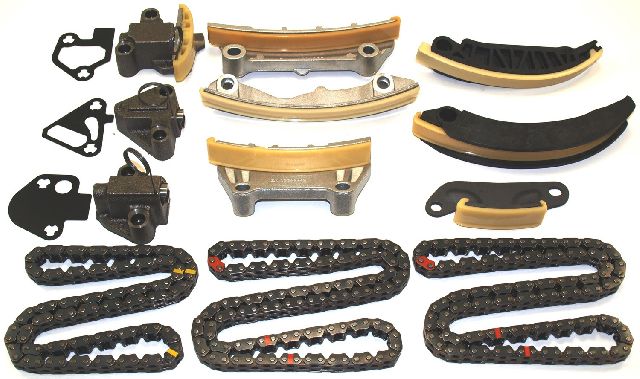
Typical fix: Replace all three timing chains, the tensioners, guides, and sprockets. This is typically done as a complete kit. It is a major job that can cost over $3,200 at a dealership.
Est. part cost: $300-$600 - Low or Dirty Engine Oil 🟡 Medium Probability The camshaft phasers (actuators) and chain tensioners are hydraulically operated by engine oil pressure. Insufficient or contaminated oil can cause them to malfunction, leading to correlation errors. Using oil that is not GM dexos-certified can contribute to sludge and premature wear.
How to confirm: Check the oil level on the dipstick and inspect its condition. If it's low, very dirty, or past its change interval, this is a likely contributing factor.
Typical fix: Perform an oil and filter change using the correct specification oil (ACDelco dexos) and a quality filter. If the code returns, the problem is likely mechanical.
Est. part cost: $50-$100 - Failed Camshaft Position Actuator Solenoid (VVT Solenoid) ⚪ Low Probability → Shop Engine Camshaft
How to confirm: A technician can command the solenoid with a scan tool to check for response. They can also be removed and inspected for clogged screens or tested for resistance. A YouTube video on a Chevy Colorado with the same engine showed the variance lagging on a scan tool, pointing to a bad solenoid.
Typical fix: Replace the faulty solenoid for Bank 2 Exhaust. This is a relatively simple repair located on the front of the engine. One owner of a Chevy Colorado with the 3.6L fixed a P0019 code this way.
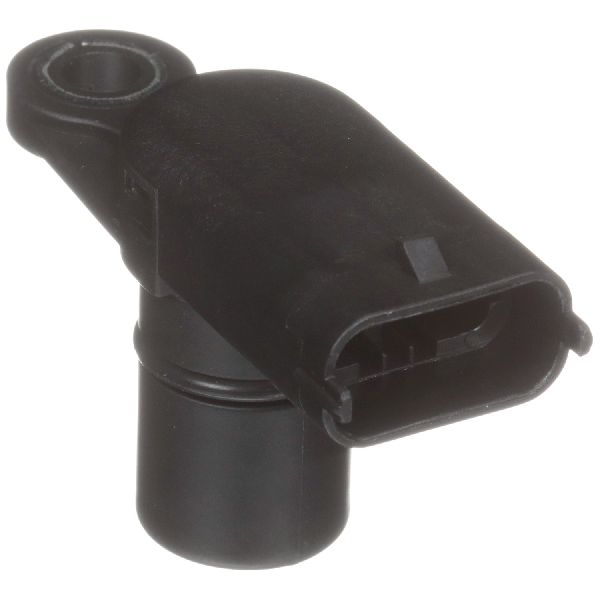
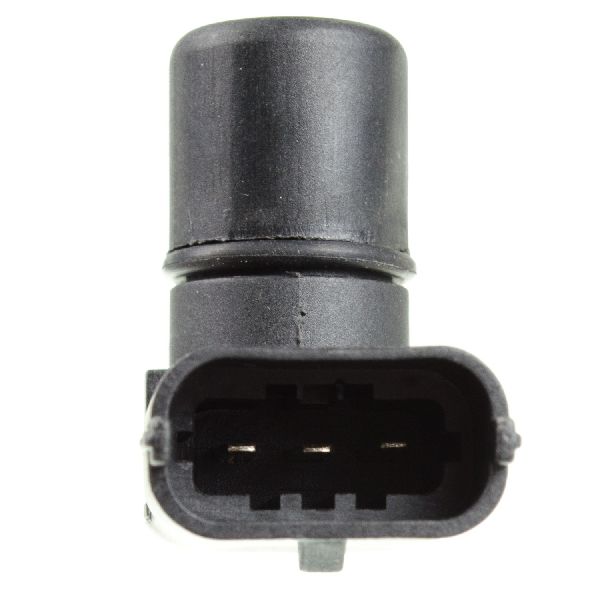
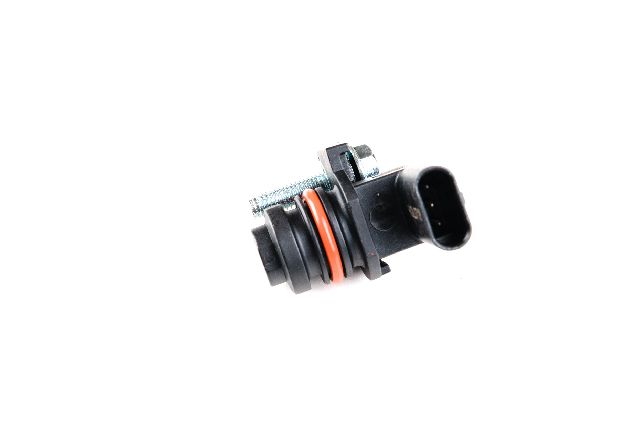
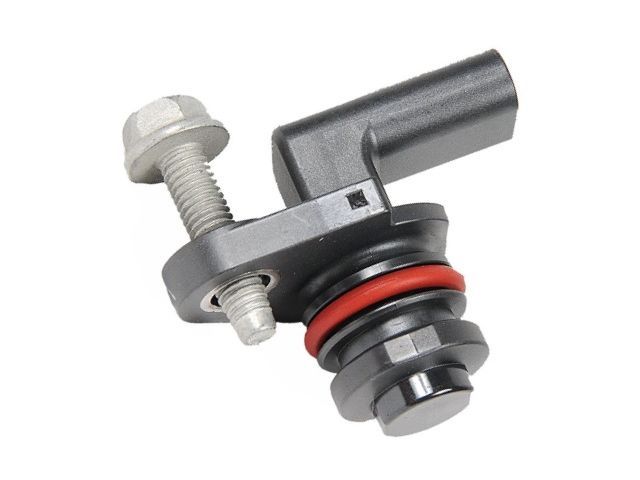
Est. part cost: $40-$90 - Failed Camshaft Position Sensor ⚪ Low Probability → Shop Engine Camshaft Position Sensor
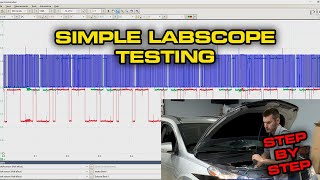
How to confirm: Check the sensor's signal with an oscilloscope 🎬 Watch: How to use a labscope to diagnose timing chain stretch. or swap it with the corresponding sensor from Bank 1 to see if the code follows the sensor (e.g., changes to P0017). The sensor is located on the valve cover.
Typical fix: Replace the Bank 2 exhaust camshaft position sensor. This is generally considered unlikely to be the root cause if a timing chain issue is suspected.
Est. part cost: $30-$70
Rare But Worth Checking
- Slipped Crankshaft Reluctor Wheel: → Shop Engine Crankshaft TSB #PIP3423K (superseding PIP3423P) mentions inspecting the crankshaft reluctor ring. While rare, if it has moved on the crankshaft, it will cause persistent correlation codes that a timing chain replacement won't fix. The TSB provides a specific measurement (25-26mm) to verify its position.
- Failing ECM: This is extremely rare. The Powertrain Control Module should only be considered after all other mechanical and electrical possibilities have been exhaustively ruled out.
Diagnosis Steps
- Verify the Check Engine Light is on and code P0019 is present using an OBD-II scanner.
- Check engine oil level and condition. Ensure the correct dexos-certified oil is being used. If low or dirty, perform an oil change and re-evaluate.
- Using an advanced scan tool, monitor the live data for camshaft position variance on all four cams while the engine is running. A significant, lagging deviation on the Bank 2 exhaust cam points to a mechanical issue.
- Inspect the wiring and connectors for the Bank 2 exhaust camshaft position sensor and actuator solenoid for any damage or loose connections.
- If scan tool data suggests a solenoid issue, command the Bank 2 exhaust VVT solenoid to check for proper response. It can also be removed and cleaned or tested.
- If sensors and solenoids appear to be functioning, the next step is to suspect a mechanical timing issue. This requires proceeding with the labor-intensive process of inspecting the timing chains, guides, and tensioners for wear, stretch, or damage, as outlined in TSB #PIP3423K.
Parts You'll Likely Need
- Timing Chain Kit
(OEM #12651450 (often superseded by newer numbers like 12693218 or 12700436))— This is the most common failure point for this code on the 3.6L V6. A complete kit ensures all wearable components (3 chains, 3 tensioners, guides, seals) are replaced at once.
Trusted brands: ACDelco (GM OE), Cloyes
OEM price range: $400-$600
Aftermarket price range: $250-$450 - Camshaft Position Actuator Solenoid (Bank 2 Exhaust)
(OEM #12679099 (or 12681018))— Can get clogged with debris or fail electrically, causing incorrect cam phasing. It's a much cheaper potential fix than a timing chain and worth testing first.
Trusted brands: ACDelco, Delphi
OEM price range: $60-$100
Aftermarket price range: $40-$80
Related Codes That Often Appear With This One
- P0008 — A general engine position system performance code for Bank 1, often set with other timing codes when a chain has stretched.
- P0009 — A general engine position system performance code for Bank 2, often set with other timing codes.
- P0016 — Crank/Cam correlation error for Bank 1 Intake.
- P0017 — Crank/Cam correlation error for Bank 1 Exhaust.
- P0018 — Crank/Cam correlation error for Bank 2 Intake.
Technical Service Bulletins (TSBs) & Recalls
- PIP3423P: Advises technicians that codes including P0019 may be set due to loose timing chains or tensioners.
- PIP3423K: Supersedes previous versions and adds instructions to check for a moved crankshaft reluctor wheel if timing chains are not found to be the cause. It covers the 2013-2014 ATS.
- 12-06-01-009D: Announces comprehensive timing chain service kits for the High Feature V6 engine and advises against replacing non-wear items like sprockets and guides unnecessarily.
Platform-Specific Known Issues
- The 3.6L V6 engines (LFX, LGX) used in this vehicle are widely known for issues with premature timing chain stretching, which is the primary cause of code P0019.
- GM issued TSB #PIP3423K which directly links codes P0016, P0017, P0018, and P0019 to loose timing chains, tensioners, or a slipped crankshaft reluctor wheel.
- While GM issued a Special Coverage Adjustment (#14552) for timing chains on some earlier 2.4L and 3.6L engines, it may not apply to all model years of the ATS. Owners should check with a dealer using their VIN.
Mechanic-Grade Diagnostic Values
- Camshaft Oil Control Valve (VVT Solenoid) Resistance — expected: 6.9 to 7.9 Ohms at 68°F (20°C). Failure: A reading outside this range, or an open/short circuit, indicates a faulty solenoid.
- Crankshaft Reluctor Wheel Position — expected: 25 to 26 mm from the end of the machined surface of the crankshaft throw to the edge of the open space in the reluctor.. Failure: A measurement outside this range indicates the reluctor has slipped on the crankshaft, which will set timing correlation codes.
Scan Tool Commands That Help
- GDS2 (GM Techline): Camshaft Position Actuator Solenoid Test — This bidirectional command allows the technician to manually activate and deactivate the VVT solenoid while monitoring camshaft position data to verify if the solenoid is physically responding to ECM commands. This helps isolate a faulty solenoid from a wiring or mechanical issue.
- GDS2 (GM Techline): Camshaft Position Variance Live Data — This data PID should be monitored while driving or power braking to see if the actual camshaft position deviates significantly from the desired position. A large, persistent variance on the Bank 2 exhaust cam, especially when compared to the other cams, strongly suggests a mechanical problem (stretched chain) or a failing actuator/solenoid.
Wiring & Ground Locations
- G104 / G109 — On the front of the right cylinder head (Bank 2).. These are key engine ground points. Poor contact at these locations can cause erratic sensor readings and unpredictable electrical behavior for components on Bank 2, potentially leading to false correlation codes. A voltage drop test between the sensor connector ground and the battery negative post can verify ground integrity.
- Main Engine Block Ground — A large ground cable connecting the engine block to the vehicle's frame.. While not specific to this sensor, a loose or corroded main block ground can cause widespread electrical havoc, as the starter and other components draw heavy current through it. This can create voltage fluctuations that affect sensitive electronics like the ECM and its sensors, leading to a variety of DTCs.
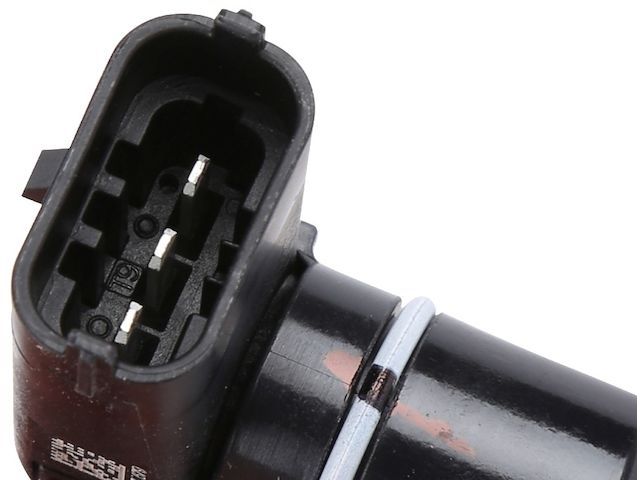
- Camshaft Position Sensor Connector — On the valve cover, connecting to the camshaft position sensor for Bank 2 Exhaust.. The connector and its wiring are common points of failure. Check for corrosion on pins, stretched or frayed wires, and ensure the connector is fully seated. The sensor is a 3-wire connector (typically 5V reference, signal, and ground).
Real Owner Repair Stories
- Camaro6 forum user (2016+ Chevrolet Camaro 3.6L V6 (LGX Engine)) — Check Engine Light with code P0014 (Camshaft Position Bank 1 Exhaust), but no noticeable driveability issues.
❌ Tried (didn't work) The user first disconnected the visible sensor on the driver's side (Bank 2) to test a theory.
✅ What actually fixed it The user correctly identified Bank 1 as the passenger side. By disconnecting the Bank 2 sensor and getting an 'open circuit' code, they confirmed the fault was on the opposite bank. They then replaced the Bank 1 exhaust VVT solenoid (GM Part #12687167), which was hidden under foam insulation, resolving the code. This demonstrates a logical diagnostic process of elimination. - YouTube channel FIXIK GARAGE (GMC Acadia 3.6L V6) — P0019 code appeared immediately after a timing chain replacement job.
❌ Tried (didn't work) The timing chain, tensioners, and guides had just been replaced.
✅ What actually fixed it Upon disassembly and inspection using camshaft locking tools, the mechanic discovered the Bank 2 exhaust camshaft was still out of time by a small amount, even with the new chain. The fix required re-timing the engine correctly. This story highlights that even after performing the most common, major repair, it is critical to verify mechanical timing perfectly, as the job is complex and prone to error.
"I Checked Everything" — The Actual Cause
- In the context of P0019, the equivalent of a 'smoke test clean' scenario is when all sensors and solenoids test perfectly fine with a multimeter and scan tool commands, yet the code persists. The actual cause in this case is often a slipped crankshaft reluctor wheel. Technicians may replace sensors and solenoids chasing the issue, but the underlying mechanical misalignment between the reluctor wheel and the crankshaft is the true root cause, which can only be verified by physical measurement as described in GM TSB PIP3423P.
OEM Part Supersession History
12651450→12693218, which was then superseded by 12700436— GM often updates parts to improve durability and address known failure points. For the HFV6 timing chains, updates were made to improve longevity and reduce stretching.
Heads up: While the parts are physically interchangeable, it is critical to use the latest revision (12700436) for any repair to get the benefit of the improved design.12679099→12681018 / 12687167 (varies by application/intake vs exhaust)— Part revisions for VVT solenoids are common to improve resistance to oil contamination and electrical failure.
Heads up: Always verify the correct part number for the specific position (Intake/Exhaust) and Bank using the vehicle's VIN, as they are not always interchangeable.
Model Year Variations Within This Range
- 2016-2018: Starting in model year 2016, the Cadillac ATS 3.6L received the updated LGX engine, replacing the LFX. The LGX is the 'Generation IV' of the GM High Feature V6 family and features numerous internal changes. While the fundamental timing chain architecture is similar and the stretching issue can still occur, the LGX was a significant redesign intended to improve on the LFX. Diagnostic procedures remain largely the same.
Helpful Videos
We Have This Part in Stock

The information in this article is provided for general reference and educational purposes only. Vehicle specifications, procedures, and part compatibility can vary by production date, trim level, and region. Always consult your vehicle's factory service manual and verify part numbers before purchasing or performing repairs. Safety-critical components such as airbags, seat belts, and braking systems should be installed by a qualified professional.
- Cadillac ATS:
- 🧭 Diagnostic Flowchart
- 🎬 Helpful Videos
- 🛍️ Shop This Part
- What's Unique About the 2013-2018 Cadillac ATS
- Symptoms You May Notice
- Most Likely Causes
- Rare But Worth Checking
- Diagnosis Steps
- Parts You'll Likely Need
- Related Codes That Often Appear With This One
- Technical Service Bulletins (TSBs) & Recalls
- Platform-Specific Known Issues
- Mechanic-Grade Diagnostic Values
- Scan Tool Commands That Help
- Wiring & Ground Locations
- Real Owner Repair Stories
- "I Checked Everything" — The Actual Cause
- OEM Part Supersession History
- Model Year Variations Within This Range
- 🎟️ Get 5% Off