

P0019 on 2016-2019 Chevrolet Camaro 3.6L V6: Timing Chain and Sensor Guide
On the 2016-2019 Camaro with the 3.6L LGX V6, code P0019 is most often caused by a stretched timing chain, a serious mechanical issue. Other common causes include a faulty camshaft actuator solenoid or low/dirty engine oil. A timing chain repair can cost $2,000-$4,000, with some owner quotes exceeding this.
- P0019 on a 2016-2019 Camaro 3.6L is a serious code that should not be ignored, as it often points to a stretched timing chain.
- Before assuming the worst, always check the engine oil level and condition. Low or dirty oil is a common cause of VVT system faults.
- A simple and effective diagnostic step is to swap the Bank 2 exhaust and intake VVT solenoids to see if the trouble code changes from P0019 to P0018.
- Do not replace the camshaft position sensor unless it has been tested and proven faulty; it is rarely the cause.
- Continued driving is not recommended due to the risk of the timing chain breaking, which would cause catastrophic engine damage.
What's Unique About the 2016-2019 Chevrolet Camaro
The GM 3.6L V6 engine family has a well-documented history of premature timing chain wear, particularly in the older LY7 and LLT versions. While the LGX engine in the sixth-generation Camaro features an improved and more durable timing system, it is not immune to stretching, which remains a primary cause for this code, especially with higher mileage or inadequate oil maintenance. For the 2019-2020 model years specifically, GM issued a Technical Service Bulletin (TSB 20-NA-085) for some 3.6L engines that may have been built with a missing timing chain guide insert, causing premature chain slack and triggering codes like P0019. This TSB indicates a specific manufacturing defect that can accelerate the failure.
Symptoms You May Notice
- Check Engine Light is on
- Rough or erratic idle
- Engine hesitation on acceleration
- Reduced engine power
- Decreased fuel economy
- Rattling noise from the engine, especially on startup
- Engine stalling
- Replacing the camshaft position sensor without testing it. The sensor itself is rarely the cause of correlation codes; the problem is usually the timing mechanism it is monitoring (chain, solenoid, phaser).
- Replacing only one component of the timing system. If the chains are stretched, the phasers, guides, and tensioners have also experienced wear and should be replaced as a complete kit to prevent a repeat failure.
Most Likely Causes
- Stretched Timing Chain(s) 🔴 High Probability → Shop Engine Timing Chain The GM 3.6L V6 engine family has a known history of timing chain issues. While the LGX design is improved, wear can still occur, especially with extended oil change intervals or higher mileage. TSB 20-NA-085 also notes a specific manufacturing defect for some 2019-2020 models where a timing chain guide insert may be missing, leading to rapid failure.
How to confirm: A technician can use a scan tool to monitor desired vs. actual camshaft position angles. A consistent deviation (often >9 degrees) that the VVT system cannot correct points to a mechanical timing issue. A physical inspection for chain slack by removing the engine front cover is the definitive confirmation. Manufacturer Bulletin #PIP3423P advises technicians to specifically inspect for loose timing chains or tensioners when P0019 is set.
Typical fix: Replace all three timing chains, all tensioners, and all guides with a complete kit. This is a major, labor-intensive repair. RepairPal estimates the cost for a timing chain replacement on a 2016-2019 Camaro to be between $3,687 and $5,164, though some forum users report quotes near $4,000.
Est. part cost: $400-$950 - Faulty Camshaft Position Actuator Solenoid (VVT Solenoid) 🟡 Medium Probability → Shop Engine Camshaft These solenoids control oil flow to the cam phasers. They can become clogged with sludge from dirty oil or fail electrically, causing them to respond slowly or get stuck, preventing proper camshaft adjustment.
How to confirm: The easiest test is to swap the Bank 2 exhaust solenoid with another known-good solenoid (e.g., the Bank 2 intake solenoid). Clear the codes and drive the car. If the code changes to P0018 (Crank-Cam Correlation, Bank 2, Sensor A), the solenoid is confirmed to be faulty. A technician can also command the solenoid with a scan tool and observe the camshaft angle response.
Typical fix: Replace the faulty solenoid. It is highly recommended to use an OEM part like ACDelco. The exhaust solenoid is part number 12679100.
Est. part cost: $30-$70 - Low or Dirty Engine Oil 🟡 Medium Probability The camshaft phasing system (VVT) is operated by engine oil pressure. Low oil levels or oil that is dirty, degraded, or the wrong viscosity can cause the phasers to respond slowly or get stuck, triggering a correlation code. Neglecting oil changes is a primary contributor to timing system wear.
How to confirm: Check the oil level on the dipstick and inspect its condition. If the level is low or the oil is dark and sludgy, this is a likely contributor. Some owners report an oil change alone has resolved an intermittent code.
Typical fix: Perform an engine oil and filter change using the correct full synthetic oil (5W-30 Dexos specification). Clear the codes and see if the problem returns.
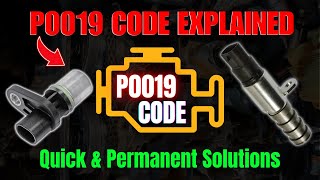
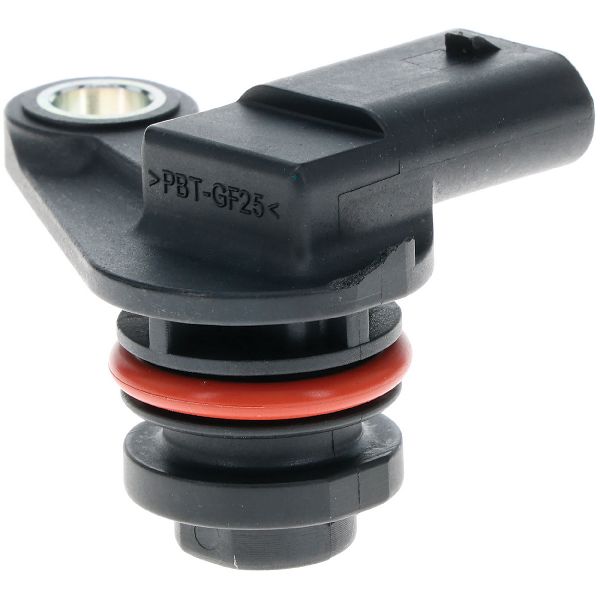
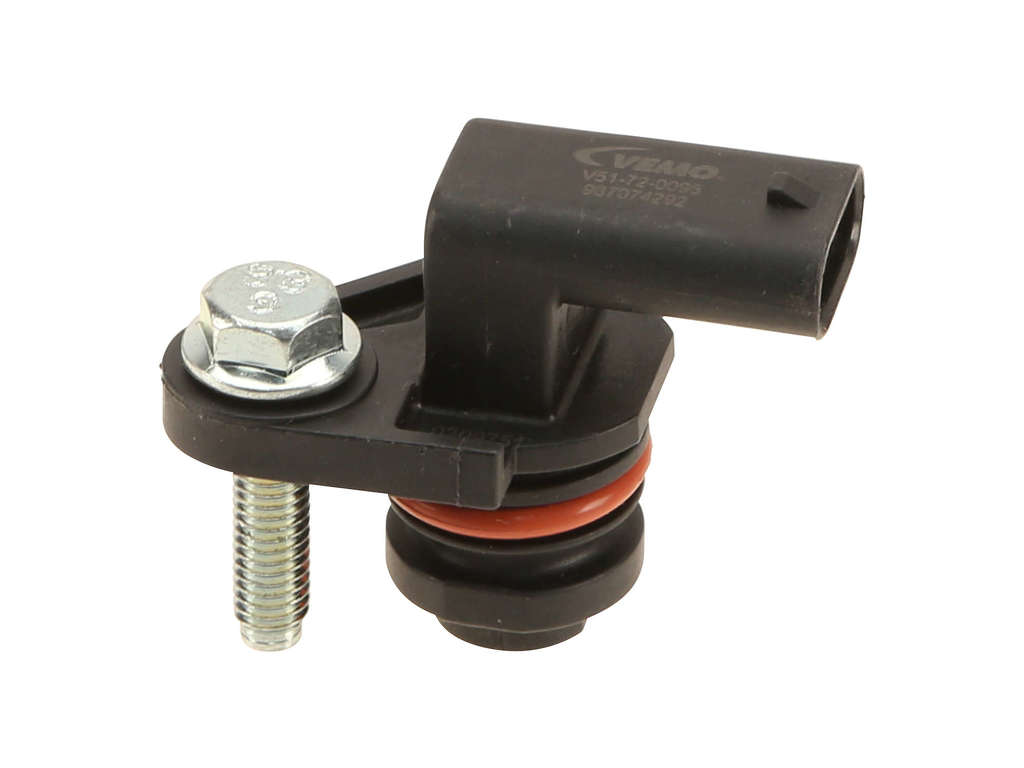
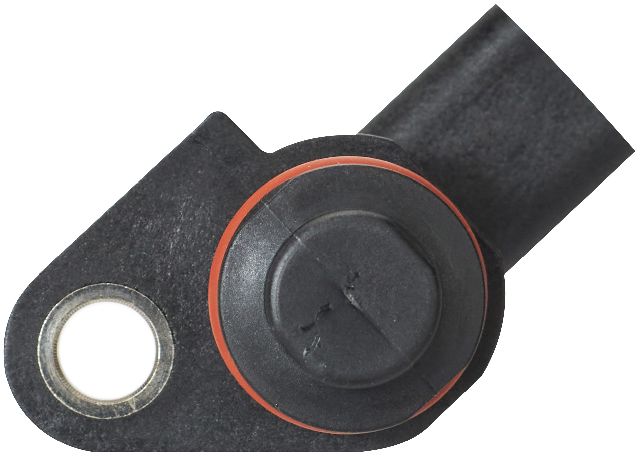
Est. part cost: $50-$100 - Failed Camshaft Position Sensor ⚪ Low Probability → Shop Engine Camshaft Position Sensor
How to confirm: The sensor can be tested with a multimeter for proper resistance according to factory specifications. However, sensor failure is much less common than solenoid or mechanical issues for a correlation code. A sensor failure usually throws a specific sensor circuit code, not a correlation code.
Typical fix: Replace the Bank 2 exhaust camshaft position sensor.
Est. part cost: $25-$60
Rare But Worth Checking
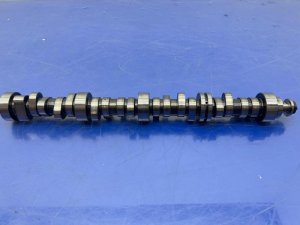
- Failed Camshaft Phaser (Actuator): → Shop Engine Camshaft The gear on the end of the camshaft that actually adjusts the timing can fail internally, get clogged with debris, or get stuck. This is a mechanical failure that often requires timing chain removal to replace and is usually replaced during a full timing chain service.
- Slipped Crankshaft Reluctor Wheel: → Shop Engine Crankshaft The tone ring on the crankshaft, which the crank sensor reads, can slip from its original position. This is a rare but serious issue that causes persistent timing codes even after a chain replacement. GM has a bulletin (an older version is PIP3423J) describing how to measure for this condition.
- Blocked Oil Passages: Severe engine sludge from lack of maintenance can block the small oil passages leading to the VVT solenoids and cam phasers, starving them of the oil pressure needed to operate. This often requires significant engine disassembly to clean.
Diagnosis Steps
- Check Engine Oil: Verify the oil level is full and the oil is clean and of the correct viscosity (5W-30 full synthetic, Dexos rated). If low or dirty, perform an oil and filter change, clear the code, and re-test.
- Scan for Other Codes: Use an OBD-II scanner to check for any other related timing codes (P0016, P0017, P0018, P0008, P0009). The combination of codes can help pinpoint the problem area.
- Inspect VVT Solenoid: Inspect the wiring and connector for the Bank 2 (driver's side) exhaust camshaft actuator solenoid for any damage or corrosion.
- Swap VVT Solenoids: Swap the Bank 2 exhaust solenoid with the Bank 2 intake solenoid. Clear the codes and drive the vehicle. If the code changes to P0018, the solenoid is faulty and must be replaced. This is a common and effective diagnostic step.
- Analyze Live Data: If the code returns as P0019, use an advanced scan tool to monitor the desired vs. actual camshaft position angles for all four cams. While the engine is running, command the VVT solenoids and watch the response. A slow or non-responsive cam, or a large variance at idle, points to a mechanical fault.
- Mechanical Inspection: If all other tests pass, a mechanical timing issue is highly likely. The front engine cover must be removed to inspect the timing chains for stretch/slack, check for broken guides, and verify the timing marks on the phasers and sprockets are correctly aligned. This step is best left to a professional.
Parts You'll Likely Need
- Engine Timing Chain Kit
(OEM #12700435)— This is the most common cause of P0019 on the 3.6L LGX engine, especially at higher mileage. A complete kit ensures all worn components (chains, guides, tensioners) are replaced. Bulletin #12-06-01-009F highlights the use of these kits for repairing stretched timing chains that trigger P0019.
Trusted brands: ACDelco, Cloyes
OEM price range: $450-$850
Aftermarket price range: $250-$500 - Camshaft Position Actuator Solenoid (Exhaust)
(OEM #12679100)— A common failure point that gets clogged or fails electrically, preventing proper cam phasing. It's a relatively inexpensive part to replace as a primary diagnostic step.
Trusted brands: ACDelco, Delphi
OEM price range: $40-$70
Aftermarket price range: $25-$50
Related Codes That Often Appear With This One
- P0018 — This code is for the intake camshaft on the same bank (Bank 2). Seeing P0018 and P0019 together strongly suggests a problem affecting the entire bank, such as a jumped secondary timing chain for Bank 2 or an issue with the primary timing chain.
- P0016 & P0017 — These are the correlation codes for Bank 1 (passenger side). If all four codes (P0016, P0017, P0018, P0019) are present, it points to a global timing issue, most likely a stretched primary timing chain or a slipped crankshaft reluctor wheel.
- P0008 & P0009 — These are more general engine position system performance codes for Bank 1 and Bank 2, respectively. They are often precursors to or companions of the more specific P0016-P0019 codes and are strongly indicative of a timing chain problem on GM 3.6L engines.
Technical Service Bulletins (TSBs) & Recalls
- TSB 20-NA-085: Notes that some 2019-2020 3.6L engines may have been built with a missing timing chain guide insert, causing premature chain slack.
- Bulletin #PIP3423P: A Preliminary Information communication stating that P0019 may be set due to loose timing chains or tensioners, requiring a thorough inspection of the timing system.
- Bulletin #12-06-01-009F: Provides details on V6 timing chain kits and chain guide replacements specifically for repairing stretched timing chains that set DTC P0019.
- PIP3423J (superseded): An older Preliminary Information bulletin that describes diagnosing a slipped crankshaft reluctor wheel as a rare cause for persistent P0016-P0019 codes.
Platform-Specific Known Issues
- TSB 20-NA-085: Notes that some 3.6L LGX engines built between January 2019 and March 2020 may have been manufactured with a missing timing chain guide insert, causing premature chain slack and triggering timing codes like P0018 and P0019.
Mechanic-Grade Diagnostic Values
- Camshaft Position Actuator Solenoid (VVT Solenoid) Resistance — expected: 7 to 13 Ohms. Failure: A reading of 0 Ohms (short), infinite/OL (open), or a value significantly outside the expected range.
- Scan Tool Camshaft Position Variance (Desired vs. Actual) — expected: Near 0 degrees at idle and steady RPM.. Failure: A consistent deviation greater than 4-6 degrees at idle or 2500 RPM points to a mechanical timing problem like a stretched chain.
- Camshaft Position Sensor (CMP) 5V Reference Circuit Voltage — expected: 4.8 to 5.2 Volts (with ignition ON, engine OFF). Failure: Voltage below this range suggests a short to ground or an open/high resistance in the reference circuit from the ECM.
- Camshaft Position Sensor (CMP) Low Reference Circuit Resistance to Ground — expected: Less than 5.0 Ohms. Failure: Resistance greater than 5.0 Ohms indicates a poor ground connection for the sensor.
Scan Tool Commands That Help
- GDS2 (GM Global Diagnostic System): Camshaft Position Actuator Solenoid Control/Test — Use this bidirectional control to command the exhaust VVT solenoid on and off while the engine is running. A noticeable change in engine idle (like a stumble) confirms the solenoid is mechanically working and oil passages are likely clear. No change points to a failed solenoid, clogged oil passage, or a stuck phaser.
- GDS2 (GM Global Diagnostic System): Data Display > Engine > Engine Control Data — This function is used to monitor the desired vs. actual camshaft position angles for all four cams in real-time. It is the primary data screen for diagnosing correlation codes and observing the degree of deviation.
- GDS2 (GM Global Diagnostic System): Crankshaft Position Variation Learn — This procedure MUST be performed after replacing the crankshaft, crankshaft position sensor, or ECM. It allows the system to learn the minor variations in the crankshaft reluctor wheel for accurate misfire detection and timing control. Failure to perform this can cause other codes to set incorrectly.
Wiring & Ground Locations
- Bank 2 Camshaft Position Sensor Connector — Bank 2 (driver's side) is the cylinder bank on the left side of the engine. The camshaft position sensors are located on the back of the cylinder heads, near the firewall.. This is the connector for the sensor that provides the camshaft position signal to the ECM. The 'B' sensor is for the exhaust camshaft. Checking for 5V reference, ground, and signal at this connector is a key diagnostic step.
- Bank 2 Exhaust VVT Solenoid Connector — The VVT solenoids are located on the front of the engine, on the front timing cover. The Bank 2 exhaust solenoid is on the driver's side.. This connector provides power and control signals to the solenoid that adjusts the exhaust cam timing. Testing for power and resistance at this connector helps diagnose a faulty solenoid or wiring issue.
- Engine Block Grounds — The 3.6L LGX engine has multiple ground wires bolted directly to the cylinder heads and engine block. A key ground point on related platforms is G104/G109 on the front of the right (Bank 1) cylinder head.. A loose or corroded engine ground can cause erratic voltage and incorrect readings from sensors like the camshaft and crankshaft position sensors, leading to false timing codes.
Real Owner Repair Stories
- L1 Automotive Training YouTube Channel (GM 3.6L V6 (unspecified model, but same engine family)) — Check Engine Light with P0366 (Exhaust Camshaft Position Sensor Performance Bank 1), which is a related sensor performance code.
❌ Tried (didn't work) Replacing the camshaft position sensor with a new ACDelco part from the dealer did not fix the issue and, in fact, caused a different code (P0346) to appear., A second new sensor from the dealer produced the same incorrect result., A sensor from an aftermarket supplier (CarQuest) also produced an incorrect waveform.
✅ What actually fixed it The technician found that multiple brand-new sensors (both OEM and aftermarket) were faulty out of the box. The issue was finally resolved by installing a used, known-good OEM sensor from a salvage vehicle (eBay), which produced the correct waveform on an oscilloscope and cleared the codes. - Technical forum discussion (generic GM 3.6L) (GM vehicle with 3.6L V6 (LGX/LLT family)) — P0018 code returned immediately after a complete timing chain and phaser replacement job.
❌ Tried (didn't work) Verifying mechanical timing marks were perfectly aligned., Checking sensor wiring and connectors.
✅ What actually fixed it The technician discovered the reluctor wheel on the brand-new replacement camshaft for Bank 2 was not clocked correctly from the factory. Replacing the faulty new camshaft with another new one resolved the code.
Model Year Variations Within This Range
- 2016-2019: The 3.6L LGX V6 is a 'clean sheet' redesign compared to the previous LFX/LLT engines. It features a quieter roller timing chain, a two-stage oil pump, and intermediate-park cam phasers to support the stop/start system. While improved, it is not immune to timing chain wear.
- 2019-2020: Per TSB 20-NA-085, a batch of 3.6L engines manufactured in this period may be missing an insert on the left primary timing chain guide. This manufacturing defect can cause premature and rapid chain slack, leading to codes P0018 and P0019.
Diagnostic Flowchart
Other Known Issues on This Vehicle
Issues unrelated to this code that are worth knowing about as an owner of this generation:
- A8 (8L45/8L90) Automatic Transmission Shudder 🟠 Medium — Very common on 2016-2019 models with the 8-speed automatic. Often appears between 25,000 and 60,000 miles. Feels like driving over rumble strips at light throttle. (Ref: TSB 18-NA-355. The fix involves multiple fluid flushes with an updated Mobil 1 Synthetic LV ATF HP fluid. In some cases, a new torque converter is required.)
- Intake Valve Carbon Buildup 🟠 Medium — Common to all direct-injection (DI) engines, including the LGX. Buildup can occur gradually over 30,000-60,000+ miles, potentially causing rough idle or misfires. The fuel injectors spray directly into the cylinder, so they do not clean the back of the intake valves. (Ref: No specific TSB. This is a known characteristic of DI engines. The remedy is a manual cleaning service, such as walnut blasting, every 60k-100k miles.)
- Water Pump Failure 🟡 Low → Shop Engine Water Pump — Some owners have reported premature water pump failures, leading to coolant leaks. This is not widespread but is a known potential failure point.
Used vs. New Parts: Buying Guide for This Vehicle
When a used part is the smart pick: For electronic components like VVT solenoids or camshaft position sensors, a used OEM part from a low-mileage donor vehicle can be a cost-effective and reliable option, sometimes even more reliable than a new aftermarket part. One documented repair showed that multiple new sensors were faulty out of the box, and a used OEM sensor ultimately fixed the problem.
Donor-vehicle mileage cap: roughly under 75000 miles for the part to have meaningful remaining life.
What to inspect on the donor part:
- Verify the donor vehicle's mileage if possible.
- Inspect sensor connectors for corrosion, cracks, or damaged pins.
- For solenoids, check that the screens are intact and free of metallic debris.
- Ask the seller for a return policy in case the part is non-functional.
OEM-only on this vehicle (don't cheap out):
- Timing Chain Kit: This is a critical wear item. Only a new, complete kit from a reputable brand (OEM/ACDelco or high-quality aftermarket like Cloyes) should be used. Installing used timing components is asking for a repeat failure.
- Camshaft Phasers: These are complex hydraulic/mechanical parts subject to wear and sludge. They should always be replaced new, ideally as part of a complete timing kit.
- Tensioners and Guides: These are wear items made of metal and plastic that degrade over time. They must be replaced new with the timing chains.
Aftermarket brands forum-validated for this vehicle:
- Cloyes (for timing chain kits)
- Delphi (for sensors and solenoids)
Brands owners have reported issues with on this vehicle:
- Unbranded or 'white box' sensors and solenoids from online marketplaces should be avoided. While inexpensive, their quality control can be poor, leading to parts that are dead-on-arrival or fail prematurely.
Real Owner Stories
Aggregated from forums and TSBs cited above. Mileages and costs reflect what owners reported in those sources.
2016-2019 Chevrolet Camaro 3.6L V6
Symptoms: The owner received a quote for a timing chain replacement after experiencing issues with the 3.6L V6 engine.
What fixed it: Timing chain replacement (major labor-intensive repair including chains, tensioners, and guides).
Cost: $3,687-$5,164
Source hint: Reddit r/camaro: Quoted almost $4,000 for timing chain replacment
2019 Chevrolet Camaro 3.6L LGX
Symptoms: Premature timing chain slack and timing correlation codes due to a manufacturing defect.
What fixed it: Repairing the timing chain assembly, specifically addressing a potentially missing timing chain guide insert.
Source hint: TSB 20-NA-085
Related OBD-II Codes
Frequently Asked Questions
I have a 2019 Camaro 3.6L; is there a specific manufacturing defect I should know about for P0019?
Can I just swap parts to see if the VVT solenoid is the problem on my LGX V6?
What specific oil should I use in my 2016-2019 Camaro to prevent VVT issues?
Is the P0019 code related to the 'shudder' I feel while driving my 8-speed automatic Camaro?
What is the part number for the replacement VVT solenoid on the LGX exhaust side?
How much should I expect to pay for a full timing chain replacement on my Camaro V6?
Helpful Videos

Used OEM Parts in Stock
New Aftermarket Parts Available


The information in this article is provided for general reference and educational purposes only. Vehicle specifications, procedures, and part compatibility can vary by production date, trim level, and region. Always consult your vehicle's factory service manual and verify part numbers before purchasing or performing repairs. Safety-critical components such as airbags, seat belts, and braking systems should be installed by a qualified professional.
- Chevrolet Camaro:
- 🧭 Diagnostic Flowchart
- 🎬 Helpful Videos
- 🛍️ Shop This Part
- What's Unique About the 2016-2019 Chevrolet Camaro
- Symptoms You May Notice
- Most Likely Causes
- Rare But Worth Checking
- Diagnosis Steps
- Parts You'll Likely Need
- Related Codes That Often Appear With This One
- Technical Service Bulletins (TSBs) & Recalls
- Platform-Specific Known Issues
- Mechanic-Grade Diagnostic Values
- Scan Tool Commands That Help
- Wiring & Ground Locations
- Real Owner Repair Stories
- Model Year Variations Within This Range
- Other Known Issues on This Vehicle
- Used vs. New Parts: Buying Guide for This Vehicle
- Real Owner Stories
- 2016-2019 Chevrolet Camaro 3.6L V6
- 2019 Chevrolet Camaro 3.6L LGX
- Related OBD-II Codes
- Frequently Asked Questions
- 🎟️ Get 5% Off