

P0019 on 2012-2019 Chevrolet Impala 3.6L V6: Timing Chain Causes and Fixes
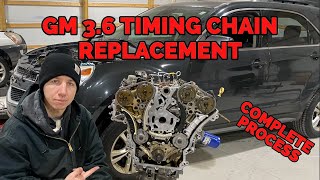
On a 2012-2019 Impala with the 3.6L V6, P0019 almost always indicates stretched timing chains. This is a complex and expensive repair, often costing between $1,800 and $3,500+ at a shop, that requires replacing the full timing chain kit. While sensors or solenoids can be the cause, it's far less likely on this specific engine.
- P0019 on a 2012-2019 Impala 3.6L V6 is a serious code that strongly suggests a stretched timing chain.
- Do not continue to drive the vehicle, as a complete chain failure can destroy the engine.
- The correct repair is a full replacement of all timing chains, guides, and tensioners. Replacing only a sensor will not fix the underlying mechanical problem.
- This is a very expensive repair due to the high labor involved; expect shop quotes to be in the $1,800 to $3,500 range.
- Using the correct specification engine oil and changing it regularly is the best preventative measure to prolong the life of the timing components.
What's Unique About the 2012-2019 Chevrolet IMPALA
The 3.6L High Feature V6 engine family (including the LFX in the Impala) is widely known for premature timing chain stretching. This issue is often attributed to a combination of factors including the original chain design and overly optimistic oil life monitor (OLM) calibrations from GM, which could lead to oil degradation and accelerated wear. Unlike many vehicles where P0019 might point to a simple sensor, on this platform, it's a strong indicator of this underlying mechanical issue. The problem is so common that GM issued multiple Technical Service Bulletins (TSBs) like 12-06-01-009F, which introduced updated timing chain kits to address the problem.
Diagnostic Flowchart
Tap your situation to follow the diagnostic path that matches what you're seeing on this vehicle.
Generation note: This range covers the end of the ninth generation (2012-2013, 2014-2016 as 'Limited') and the entire tenth generation (2014-2019). Both generations offered the 3.6L LFX V6 engine, which is the primary engine affected by the timing chain issues that cause code P0019. While the core engine is the same, the Impala LFX was rated at 300 hp, slightly detuned from the Camaro version due to different intake and exhaust plumbing.
Symptoms You May Notice
- Check Engine Light illuminated
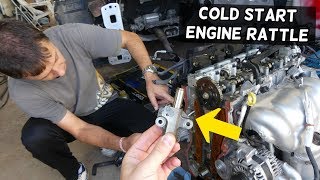
- Engine rattling noise, especially a brief rattle on cold startups 🎬 See a video example of this engine rattle on cold start.
- Rough, unstable, or fluctuating idle
- Hesitation or loss of engine power, especially when accelerating
- Decreased fuel economy
- Engine stalling or difficulty starting in severe cases
- Disabled remote start functionality as a safety precaution
- Replacing only the camshaft position sensor without checking for mechanical timing stretch. This is a very common mistake that fails to fix the root cause.
- Replacing only the VVT solenoid when the timing chain is the actual root cause.
- Performing an oil change and expecting it to fix a chain that has already physically stretched beyond its service limit.
Most Likely Causes
- Stretched Timing Chains and/or Worn Tensioners & Guides 🔴 High Probability → Shop Engine Timing Chain The GM 3.6L V6 has a documented history of premature timing chain wear across many models, as acknowledged in TSBs PIP3423P and 12-06-01-009F. The issue is often linked to long oil change intervals and the original chain design.
How to confirm: A mechanic can use a scan tool to monitor camshaft deviation angles in real-time; significant and erratic variance points to chain slack. Definitive confirmation requires removing the engine's front cover to physically inspect the chains and measure slack, which is a labor-intensive process. An oscilloscope can also be used to compare cam and crank sensor signals to a known-good pattern to confirm timing electronically.
Typical fix: Replace all three timing chains, all tensioners, and all guides as a complete kit. It is also highly recommended to replace the water pump (which is driven by the timing system) and the crankshaft position sensor during this service.
Est. part cost: $200-$500 - Low or Dirty Engine Oil 🟡 Medium Probability The VVT system, which controls the camshaft phasers, is entirely dependent on clean oil at the correct pressure. GM's own Oil Life Monitor (OLM) system in this era was often calibrated to allow excessive mileage between changes, leading to oil breakdown that accelerated wear on the timing chains.
How to confirm: Check the oil level on the dipstick and inspect the oil's condition. If it is low, excessively dark, or sludgy, this is a likely contributing factor to accelerated wear.
Typical fix: Perform an oil and filter change with a full synthetic oil meeting the GM Dexos specification (5W-30 is specified). However, if the chain has already stretched and set code P0019, an oil change alone will not fix the mechanical problem.
Est. part cost: $50-$100 - Faulty Camshaft Position Actuator Solenoid (VVT Solenoid) ⚪ Low Probability → Shop Engine Camshaft These solenoids can become clogged with sludge from dirty oil or fail electrically. While less common than chain stretch on the LFX, it's a possible cause.
How to confirm: A mechanic can command the solenoid on and off with a bidirectional scan tool while observing camshaft angle data. The solenoid can also be removed, cleaned, and tested for resistance (typically 8-12 ohms) and operation by applying 12v.
Typical fix: Replace the Bank 2 exhaust camshaft position actuator solenoid. They are located on the front of the cylinder head for Bank 2.
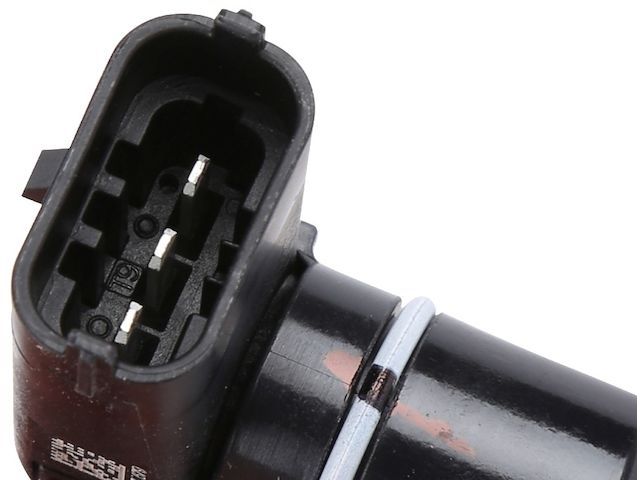
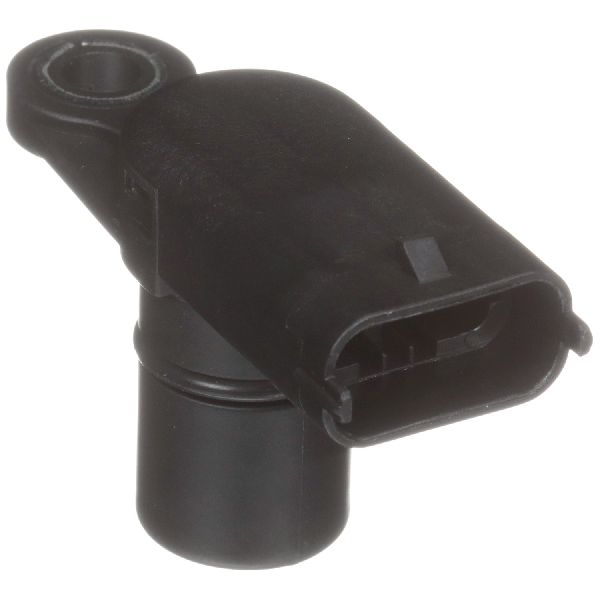
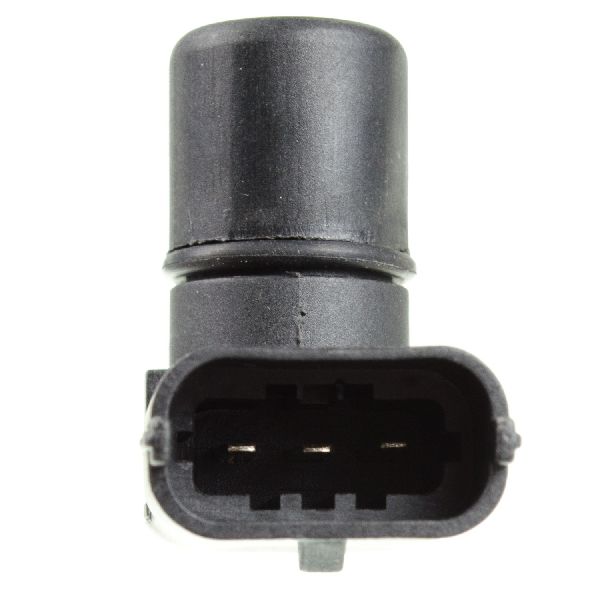
Est. part cost: $30-$70 - Faulty Camshaft or Crankshaft Position Sensor ⚪ Low Probability → Shop Engine Crankshaft
How to confirm: Test the sensor's output signal with an oscilloscope or multimeter. Swapping the suspect sensor with a known good one from another position (e.g., the intake sensor on the same bank) can also be a valid diagnostic step, as a faulty sensor will cause the problem to move with it.
Typical fix: Replace the faulty sensor (Bank 2 exhaust camshaft position sensor or crankshaft position sensor).
Est. part cost: $25-$60
Rare But Worth Checking
- Failed Camshaft Phaser (Actuator): → Shop Engine Camshaft The gear on the end of the camshaft can fail internally, getting stuck in one position or having a broken locking pin. This is less common than chain stretch but can cause the same code. It is typically replaced as part of a full timing chain job.
- Slipped Crankshaft Reluctor Wheel: → Shop Engine Crankshaft The tone ring on the crankshaft, which the crank sensor reads, can physically move from its pressed-on position, causing a mismatch with the cam signals even if the timing chain is perfect. TSB #PIP3423P/L explicitly mentions this as a possibility to inspect, sometimes possible with a borescope through the crank sensor hole. Repair requires crankshaft replacement.
Diagnosis Steps
- Check the engine oil level and condition. Ensure it is full and clean. If not, perform an oil and filter change using Dexos-approved 5W-30 synthetic oil.
- Use a professional scan tool to check for any other related trouble codes (e.g., P0018, P0009, P0008).
- Monitor live data, specifically the 'Camshaft Position Variance' for Bank 2 Exhaust. On a healthy engine at idle, this value should be stable and close to 0 degrees. A value that is erratic or consistently off by several degrees indicates a problem.
- Use the scan tool's bidirectional controls to command the Bank 2 exhaust VVT solenoid on and off. Listen for an audible click and watch for a change in engine idle and cam variance data. If it doesn't respond, test the solenoid's resistance and wiring.
- Test the Bank 2 exhaust camshaft position sensor and its circuit to rule out a sensor failure. An oscilloscope is the best tool for this.
- If sensors and solenoids test good, the diagnosis points overwhelmingly to a mechanical timing issue. The final step is to inspect the timing chains for excessive slack. This is an advanced procedure that requires removing the engine's front timing cover for visual inspection.
Parts You'll Likely Need
- Engine Timing Chain Kit
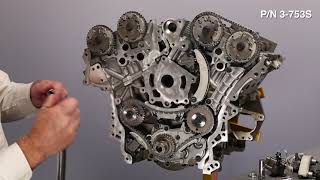
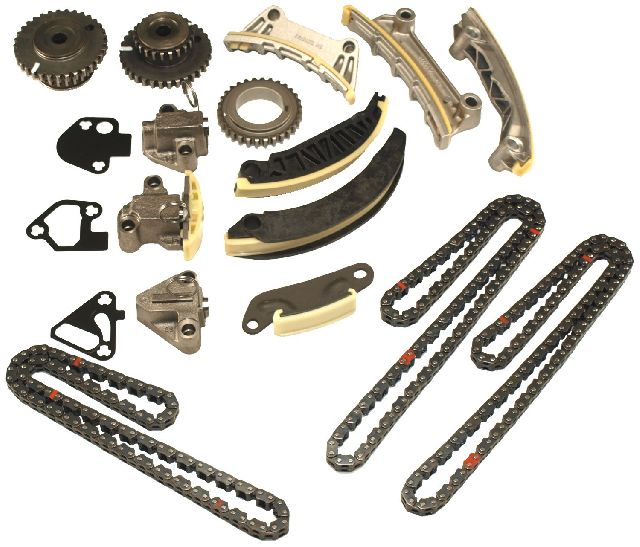
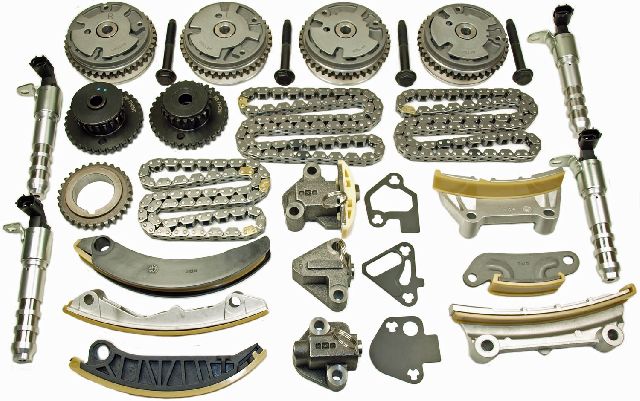
(OEM #12651450 (superseded by 12700436))— This is the primary fix for the common cause of P0019 on the 3.6L V6. A complete kit ensures all worn components (3 chains, 3 tensioners, guides) are replaced with updated parts.
Trusted brands: ACDelco (OEM), Cloyes (e.g., 9-0753S), Melling
OEM price range: $250-$450
Aftermarket price range: $150-$300 - Water Pump
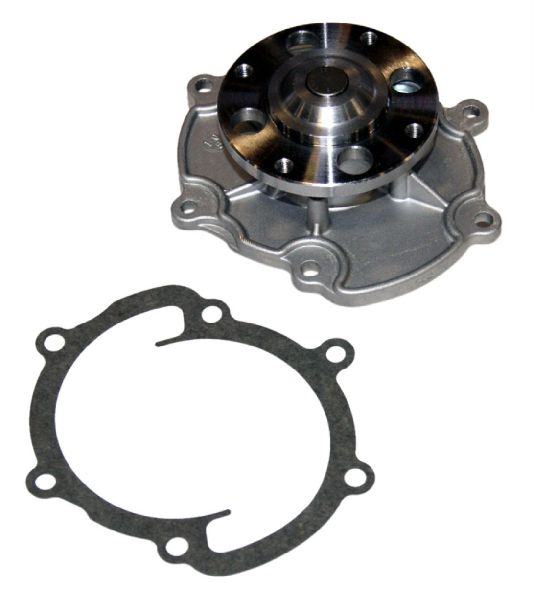
(OEM #12682295 (ACDelco))— The water pump is located behind the timing cover and is driven by the timing system. It is highly recommended to replace it during a timing chain job to avoid paying for the same significant labor cost again in the near future.
Trusted brands: ACDelco, Gates
OEM price range: $100-$200
Aftermarket price range: $50-$120 - Camshaft Position Actuator Solenoid
(OEM #12633734 (Exhaust))— If diagnosis points to a faulty VVT solenoid rather than the entire chain system, this part is needed. It controls oil flow to the cam phaser.
Trusted brands: ACDelco, Delphi, Dorman
OEM price range: $40-$70
Aftermarket price range: $25-$50
Related Codes That Often Appear With This One
- P0009 — This code indicates a correlation issue on Bank 2 (the front bank), but for the entire bank, not just one camshaft. It is often set along with P0018 and P0019 when timing chains are stretched.
- P0018 — This is the companion code to P0019, indicating a correlation issue for the intake camshaft ('Sensor A') on Bank 2. Seeing both P0018 and P0019 together strongly points to a base timing issue like a stretched primary or secondary chain affecting the entire bank.
- P0008 — This is a general engine timing position performance code for Bank 1. When seen with Bank 2 codes like P0019, it reinforces the diagnosis of a significant timing problem, likely the primary chain that serves both banks.
Technical Service Bulletins (TSBs) & Recalls
- PIP3423P: Mentions that codes P0016, P0017, P0018, P0019, P0008, or P0009 may require inspection for loose timing chains or a slipped crankshaft reluctor wheel.
- 12-06-01-009F: Announces the availability of updated, comprehensive timing chain service kits for repairing stretched timing chains that cause these codes. Advises against replacing sprockets or phasers unless they are found to be worn.
Platform-Specific Known Issues
- The 3.6L LFX V6 engine has a well-documented and widespread issue with premature timing chain stretching. This is not an isolated problem but a known pattern for this engine family across multiple GM vehicles.
Mechanic-Grade Diagnostic Values
- Camshaft Position Actuator Solenoid (VVT Solenoid) Resistance — expected: 8 to 12 Ohms at 68°F (20°C).. Failure: A reading outside the specified range, or a reading in the mega-ohm (millions of ohms) range, indicates a failed solenoid.
- Camshaft Position Sensor Low Reference Circuit to Ground — expected: Less than 5 Ohms.. Failure: A reading higher than 5 Ohms indicates high resistance in the ground circuit, which can cause sensor signal issues.
- Crankshaft Reluctor Wheel Position Measurement — expected: 25 to 26 mm from the end of the machined surface of the crankshaft throw to the edge of the open space in the reluctor.. Failure: Any measurement outside this range indicates the reluctor wheel has slipped on the crankshaft, requiring crankshaft replacement. This can be inspected with a borescope through the crank sensor hole.
Scan Tool Commands That Help
- GDS2 or equivalent professional scan tool: Camshaft Position Actuator Solenoid Test / Actuator Test — This bidirectional command allows the technician to manually activate the VVT solenoid while the engine is running. A functional solenoid will produce an audible click and a noticeable change in engine idle or even cause it to stall. If there is no change, it points to a faulty solenoid, clogged oil passage, or failed phaser.
- GDS2 or equivalent professional scan tool: Camshaft Position Variance Data Parameter — This live data PID should be monitored at idle and while driving. On a healthy engine, the variance should be stable and near 0 degrees. If the value is erratic or consistently shows a deviation of several degrees, it is a strong indicator of a stretched timing chain or other mechanical timing issue.
Wiring & Ground Locations
- G111 — On the lower left rear of the engine block.. This is a primary engine ground. A poor connection here can introduce electrical noise and cause erratic behavior from various engine sensors, including the camshaft and crankshaft position sensors.
- ECM/TCM Ground — Part of the main negative battery cable harness, located at the left front of the engine block.. The Engine Control Module (ECM) and Transmission Control Module (TCM) rely on this main ground. A compromised connection can lead to a host of seemingly unrelated codes and incorrect sensor readings, as the modules lack a stable reference voltage.
- Engine Harness Grounds — The LFX engine harness typically has three smaller ground connections bolted directly to the engine block, often on the rear and side of the cylinder heads.. These grounds are for the sensor and actuator circuits within the engine harness. A loose or corroded ground stud for the bank 2 sensors could directly cause signal integrity issues for the camshaft position sensor, leading to a P0019 code.
Real Owner Repair Stories
- Technician notes on a GMC Acadia with the same 3.6L engine and codes. (GMC Acadia 3.6L) — Check Engine Light on, rough running.
❌ Tried (didn't work) Initial diagnosis confirmed codes P0019 and others.
✅ What actually fixed it The technician used a scan tool to command the camshaft actuators and noted a significant delay in response from the exhaust camshafts. Based on this data and a related TSB (#21-NA-278), the final diagnosis was a stretched timing chain. The fix was the replacement of the timing chains, tensioners, guides, and camshaft actuators.
OEM Part Supersession History
12651450→12679117, 12693218, and finally 12700436— GM has updated the timing chain kits for the 3.6L V6 multiple times to improve durability and address the premature stretching issue. The latest part number represents the most current design.
Heads up: While older kits may physically fit, only the latest part number (12700436) should be used to ensure the most updated and durable components are installed.
Model Year Variations Within This Range
- 2012-2016: The 2012-2013 Impala and 2014-2016 Impala Limited were based on the older GM W-body platform. The LFX engine in these models was rated at 300 hp.
- 2014-2019: The 2014-2019 Impala was a new design based on the Epsilon II platform. It used the same LFX 3.6L V6 engine and 6T70 transmission, with similar power ratings and the same susceptibility to timing chain issues. The physical location of some components and grounds may differ slightly between the two platforms.
Helpful Videos

Used OEM Parts in Stock
New Aftermarket Parts Available

The information in this article is provided for general reference and educational purposes only. Vehicle specifications, procedures, and part compatibility can vary by production date, trim level, and region. Always consult your vehicle's factory service manual and verify part numbers before purchasing or performing repairs. Safety-critical components such as airbags, seat belts, and braking systems should be installed by a qualified professional.
- Chevrolet IMPALA:
- 🧭 Diagnostic Flowchart
- 🎬 Helpful Videos
- 🛍️ Shop This Part
- What's Unique About the 2012-2019 Chevrolet IMPALA
- Symptoms You May Notice
- Most Likely Causes
- Rare But Worth Checking
- Diagnosis Steps
- Parts You'll Likely Need
- Related Codes That Often Appear With This One
- Technical Service Bulletins (TSBs) & Recalls
- Platform-Specific Known Issues
- Mechanic-Grade Diagnostic Values
- Scan Tool Commands That Help
- Wiring & Ground Locations
- Real Owner Repair Stories
- OEM Part Supersession History
- Model Year Variations Within This Range
- 🎟️ Get 5% Off