

P0019 on 2017-2024 Chrysler Pacifica 3.6L: Crank-Cam Correlation Causes and Fixes
P0019 on your Pacifica indicates a timing mismatch between the crankshaft and the front exhaust camshaft. The most common cause is low or dirty engine oil. If the oil is clean and full, the next likely culprits are a faulty VVT solenoid or camshaft position sensor on the front of the engine, which are affordable and relatively easy to replace. In some cases, this code can be a symptom of deeper mechanical issues like loose oil galley plugs or failing rocker arms.
- Always check your engine oil level and condition first. Low, old, or incorrect oil is the most common cause of P0019 on the 3.6L Pacifica.
- The code refers to the exhaust camshaft on the front cylinder bank (near the radiator), where the sensor and solenoid are relatively easy to access.
- A simple, no-cost diagnostic step is to swap the suspect VVT solenoid or cam sensor with an identical one nearby to see if the trouble code follows the part.
- If an oil change and sensor/solenoid replacement do not fix the code, the issue is likely a more serious mechanical problem like a stretched timing chain, which requires professional service.
What's Unique About the 2017-2024 Chrysler Pacifica
The 3.6L Pentastar V6 is widely used across Chrysler, Dodge, and Jeep vehicles and is known for its Variable Valve Timing (VVT) system being highly sensitive to engine oil condition. Simple issues like using the wrong oil viscosity, a low oil level, or a non-OEM oil filter can restrict oil flow to the cam phasers and trigger timing codes like P0019 🎬 Watch: A quick overview of P0019 causes and solutions before any hard parts have failed. This engine family is also known for specific mechanical failure points that can cause this code, including loose oil galley plugs under the valve covers causing localized oil pressure loss, and failing rocker arms ('Pentastar Tick') which can affect camshaft performance.
Symptoms You May Notice
- Check Engine Light illuminated
- Rough or erratic engine idle
- Hesitation or stumbling during acceleration
- Reduced fuel economy
- Engine may stall, especially at low speeds
- Rattling noise from the engine on cold starts (if related to timing chain wear)
- Audible ticking noise from the top of the engine (if related to rocker arm failure)
- Replacing the crankshaft position sensor. While related to timing, P0019 specifically points to a correlation issue with the Bank 2 exhaust camshaft, making the cam sensor or VVT system the more likely cause.
- Replacing the wrong sensor. The code is specific to Bank 2 (front of the engine) and Sensor B (exhaust). Replacing the Bank 1 (rear) sensor will not fix the issue.
Most Likely Causes
- Low, Dirty, or Incorrect Viscosity Engine Oil 🔴 High Probability The Pentastar's cam phasers are hydraulically actuated by engine oil pressure. Insufficient pressure or flow due to old, sludgy, or incorrect oil is the leading cause of VVT-related codes.
How to confirm: Check the oil level on the dipstick and inspect its color and consistency. Verify the oil viscosity used during the last oil change matches the manufacturer's recommendation (typically 0W-20 or 5W-20 depending on the year).
Typical fix: Perform an oil and filter change using a high-quality OEM or equivalent oil filter and the correct viscosity oil.
Est. part cost: $40-$80 - Failed VVT Solenoid (Oil Control Valve) 🟡 Medium Probability This solenoid controls oil flow to the cam phaser. It can get clogged with sludge or fail electrically, causing it to stick. TSB 09-009-16 for other 3.6L vehicles points to VVT solenoids as the fix for P0019.
How to confirm: The Bank 2 exhaust VVT solenoid is on the front valve cover and is relatively accessible. You can test its resistance with a multimeter or swap it with the adjacent intake solenoid (they are identical). Clear codes and see if the fault changes to P0018 (Bank 2 Intake). If it does, the solenoid is bad.
Typical fix: Replace the Bank 2 exhaust VVT solenoid.
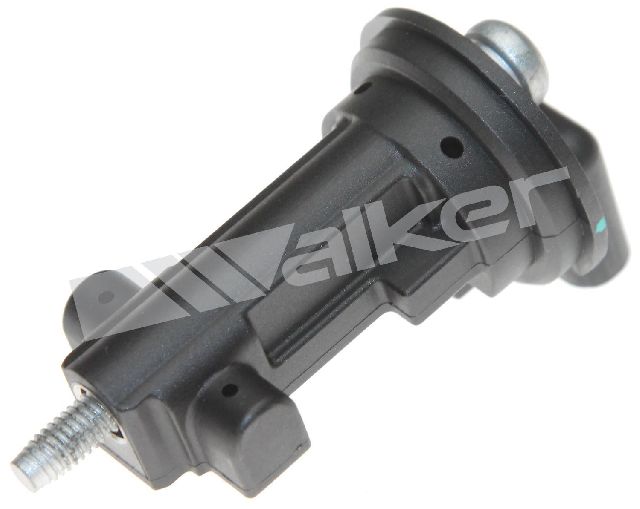
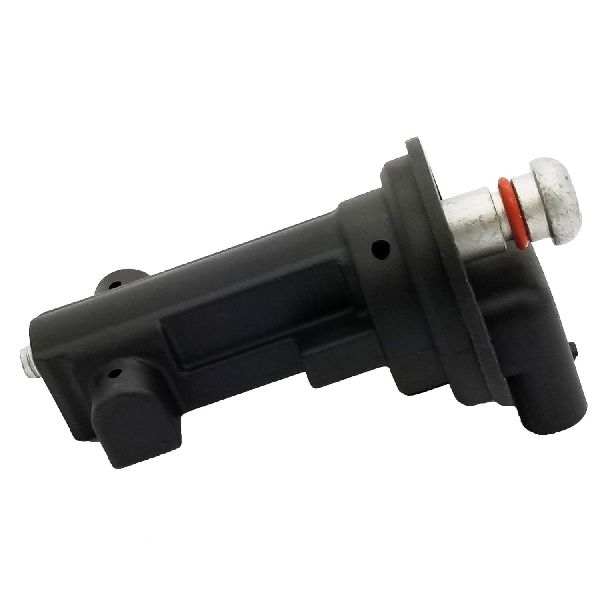
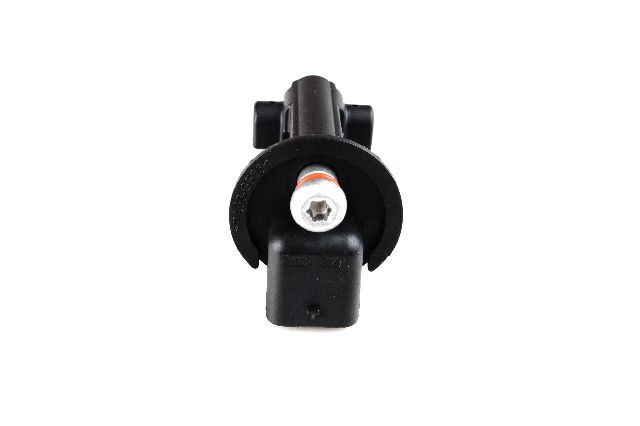
Est. part cost: $30-$80 - Failed Camshaft Position Sensor 🟡 Medium Probability → Shop Engine Camshaft Position Sensor The sensor provides the critical timing signal to the PCM. Like any electronic component, it can fail with age and heat cycles, sending an incorrect or intermittent signal.
How to confirm: The Bank 2 exhaust camshaft sensor is located on the front valve cover. Inspect its wiring and connector. Since all four cam sensors on the 3.6L are often the same part, you can swap the suspect sensor with another one (e.g., the Bank 2 intake sensor) and see if the code follows the sensor (e.g., changes to P0018).
Typical fix: Replace the Bank 2 exhaust camshaft position sensor.
Est. part cost: $25-$60 - Stretched Timing Chain or Worn Timing Components ⚪ Low Probability → Shop Engine Timing Chain At higher mileage (typically over 100,000 miles), the timing chain can stretch, or the plastic guides and hydraulic tensioner can wear out, creating slack in the system and causing a correlation fault.
How to confirm: This is a mechanical issue requiring significant disassembly. A key symptom is a rattling noise on a cold start. A mechanic can use a scan tool to view desired vs. actual cam positions or physically inspect the timing components by removing the timing cover.
Typical fix: Replace the timing chain, tensioners, and guides. This is a labor-intensive job.
Est. part cost: $400-$800
Rare But Worth Checking
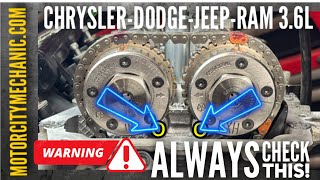
- Loose Oil Galley Plugs: Underneath the valve covers are small plugs for oil passages. These have been known to work loose, causing a localized drop in oil pressure to the phasers and VVL system on that cylinder head, which can trigger timing codes. Technicians on forums report this is a common check item whenever the valve cover is removed. 🎬 See why checking these loose oil galley bolts is critical
- Failed Rocker Arms / Lifters: The 3.6L Pentastar is known for rocker arm bearing failure, causing a 'tick'. A seized or failed rocker arm can disrupt valvetrain stability and potentially lead to camshaft scoring, which may manifest as a timing correlation code like P0019.
- Failed Camshaft Phaser: → Shop Engine Camshaft The phaser is the gear on the end of the camshaft that actually adjusts the timing. It can get stuck or fail internally, but this is less common than a solenoid or sensor failure.
- Slipped Crankshaft Reluctor Wheel: → Shop Engine Crankshaft The tone ring on the crankshaft that the sensor reads can physically move, causing all timing correlation codes. This is a major mechanical failure and is very rare.
Diagnosis Steps
- Verify Code: Use an OBD-II scanner to confirm P0019 is the active code and check for any other related codes.
- Check Engine Oil: This is the most critical first step. Check the oil level on the dipstick. If it is low, top it off, clear the code, and drive to see if it returns. If the oil is old or looks dirty, perform a complete oil and filter change using the manufacturer-specified oil (e.g., 0W-20 or 5W-20) and a quality filter.
- Inspect Wiring: Locate the Bank 2 (front) exhaust camshaft position sensor and VVT solenoid. Visually inspect the electrical connectors and wiring for any signs of damage, fraying, or oil contamination.
- Test the VVT Solenoid: With the engine off, disconnect the Bank 2 exhaust VVT solenoid. You can test its internal resistance with a multimeter (should be around 7-8 ohms). A no-cost diagnostic is to swap it with the adjacent intake VVT solenoid, clear the codes, and see if the fault code changes to P0018 (Bank 2 Intake). If it does, the solenoid is bad.
- Test the Camshaft Position Sensor: Similarly, you can swap the Bank 2 exhaust cam sensor with the Bank 2 intake sensor. Clear the codes and drive the vehicle. If the code changes to P0018, the sensor is faulty.
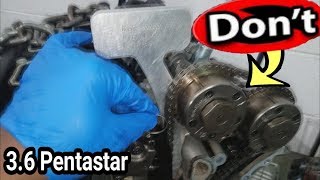
- Advanced Mechanical Diagnosis: If all the above steps do not resolve the issue, the problem is likely mechanical. This could be a failed camshaft phaser, stretched timing chain, or worn guides. If the valve cover is removed for inspection, it is critical to check the torque on the oil galley plugs, as they are known to back out and cause oil pressure issues. This level of diagnosis is best left to a professional mechanic as it requires significant engine disassembly. 🎬 Watch: Full walkthrough of camshaft and timing chain replacement
Parts You'll Likely Need
- Engine Variable Valve Timing (VVT) Solenoid
(OEM #5047901AC)— This solenoid is a frequent failure point and directly controls the timing of the camshaft specified in the code. It can become clogged or fail electrically. Note: This part is sometimes called a Variable Valve Lift (VVL) solenoid but serves the VVT system. - Engine Camshaft Position Sensor
(OEM #5149141AF)— This sensor provides the position data to the PCM. A faulty sensor can send incorrect signals, triggering the correlation code. All four sensors on the 3.6L are typically the same part number. - Engine Oil and Filter — Clean oil of the correct viscosity is essential for the proper function of the VVT system. This is the first and most important step in troubleshooting.
Related Codes That Often Appear With This One
- P000C — This code means 'Bank 2 Exhaust Camshaft Position Slow Response' and often appears with P0019, pointing strongly to an oil pressure/flow issue or a failing VVT solenoid on that same camshaft.
- P0390 — This code indicates a circuit malfunction for the same sensor (Bank 2, Sensor B). Seeing it with P0019 could suggest a wiring problem or a completely failed sensor.
- P0016, P0017, P0018 — Seeing multiple correlation codes at once (P0016, P0017, P0018, P0019) is a strong indicator of a base timing issue, such as a stretched timing chain or a slipped crankshaft reluctor ring, affecting the entire engine.
- P0300, P0302, P0304, P0306 — Misfire codes on Bank 2 cylinders can be a symptom of the underlying mechanical issue causing P0019, such as failed rocker arms or a severe timing problem.
Technical Service Bulletins (TSBs) & Recalls
- TSB 09-009-16: While specifically for 2016 Grand Cherokee and Durango, this TSB addresses P0019 by replacing VVT solenoids, confirming it's a known issue on the 3.6L platform.
- TSB 09-002-14 REV. B: Pertains to 2011-2013 models with the 3.6L engine regarding a left cylinder head issue causing misfires (P0302, P0304, P0306). While not directly for P0019, a severe mechanical issue on Bank 2 could be a root cause.
- PIP3423N: A GM bulletin that is relevant by analogy, discussing how multiple timing codes (including P0019) on similar V6 engines can be caused by a slipped crankshaft reluctor wheel, confirming this rare failure mode.
Mechanic-Grade Diagnostic Values
- VVT Solenoid Internal Resistance — expected: 7.0 to 8.0 Ohms at 68°F (20°C). Some sources allow a wider 5-15 Ohm range.. Failure: A reading of OL (Open/infinity) or near-zero ohms indicates a failed solenoid.
- VVT Solenoid Connector Voltage (Key On, Engine Off) — expected: One pin should show battery voltage (approx. 12.6V).. Failure: No voltage suggests a problem in the power supply circuit from the ASD relay or a blown fuse.
- Camshaft Position Sensor Signal Voltage (Bench Test or Back-probe) — expected: The signal wire should switch between ~5V and ~0V when a magnet or metal object is passed over the sensor tip.. Failure: No change in voltage, or a constant 0V or 5V, indicates a failed sensor.
- Camshaft/VVT Solenoid Wiring Harness Continuity to PCM — expected: Less than 5.0 Ohms.. Failure: Resistance higher than 5.0 Ohms indicates an open or high-resistance in the wire, requiring repair.
- Oil Galley Plug Torque — expected: 156 inch-pounds (13 ft-lbs).. Failure: Plugs are found to be loose or backed out upon inspection under the valve cover.
Scan Tool Commands That Help
- wiTECH or equivalent professional scanner (Autel, Snap-on): VVT Solenoid Actuation Test / Bidirectional Control — This command allows a technician to manually cycle a specific VVT solenoid with the engine running. A change in engine idle or sound confirms the solenoid is mechanically responding. No change points to a stuck/failed solenoid or a wiring issue, helping to diagnose the component without removal.
- wiTECH or equivalent professional scanner: Cam/Crank Relearn — This function should be performed after replacing any timing components (chain, phasers, sensors) or the PCM. It resets the stored correlation values in the computer, preventing false timing codes after a repair.
Wiring & Ground Locations
- Bank 2 Camshaft Position Sensor Connector — On the front valve cover (closer to the radiator). The 3.6L uses a single sensor body containing both intake and exhaust sensors, with a 4-pin connector.. This is the primary point for testing the sensor. P0019 relates to the 'Sensor B' (exhaust) signal from this component. The connector is prone to oil contamination from valve cover leaks, which can disrupt the signal.
- Bank 2 Exhaust Camshaft Sensor Signal Wire — Pin 1 of the 4-pin Bank 2 camshaft sensor connector. This wire runs to the PCM.. This specific wire carries the signal that the PCM uses to determine the exhaust camshaft's position. Testing for a clean square wave pattern with an oscilloscope on this pin is the definitive test of sensor function.
- Bank 2 Exhaust VVT Solenoid Connector — On the front valve cover, typically held by three small Torx bolts. It is a 2-pin connector.. This is the connection point for the solenoid that controls oil flow to the Bank 2 exhaust cam phaser. Testing for resistance across the solenoid's pins and for voltage at the harness connector is done here.
Real Owner Repair Stories
- Multiple forum and video reports from mechanics (Various Chrysler/Dodge/Jeep vehicles with 3.6L Pentastar engine (e.g., Jeep Wrangler, Ram ProMaster)) — Persistent P0019 or other cam/crank correlation codes (P0016, P0017, P0018).
❌ Tried (didn't work) Replacing camshaft position sensors, Replacing VVT solenoids, Performing multiple oil changes
✅ What actually fixed it The root cause was found to be loose oil galley plugs located under the valve covers, directly behind the cam phasers. The fix was to remove the valve cover, access the 13mm plugs, and tighten them to the correct torque (approx. 13 ft-lbs). Some mechanics apply Loctite for a more permanent repair.
When the Usual Fixes Don't Work
- In many documented cases involving persistent P0019 codes on the 3.6L Pentastar, the common fixes of replacing the camshaft sensor and VVT solenoid did not resolve the issue. The ultimate fix was often mechanical, related to a loss of localized oil pressure. The most frequently cited 'surprise' culprit was loose oil galley plugs found under the valve cover, which bleed oil pressure from the circuit that feeds the cam phasers. This highlights that while sensors and solenoids are common failure points, they are not always the root cause, and investigating oil pressure integrity is critical if the code returns.
OEM Part Supersession History
5149141AE→5149141AF— Standard part revision and update by the manufacturer.
Heads up: The parts are interchangeable. 5149141AF is the current recommended replacement for earlier versions.
Model Year Variations Within This Range
- 2016+: Starting with the 2016 model year, the 3.6L Pentastar received a significant update (sometimes called the Pentastar Upgrade or PUG). Changes included a two-step variable valve lift (VVL) system, an increased compression ratio (to 11.3:1), and a cooled EGR system. While the fundamental causes of P0019 remain the same, the addition of VVL adds another layer of complexity to the valvetrain and oil pressure system.
Diagnostic Flowchart
Other Known Issues on This Vehicle
Issues unrelated to this code that are worth knowing about as an owner of this generation:
- Cracked Oil Filter/Cooler Housing 🔴 High — Extremely common, often occurs between 60,000 and 100,000 miles. The plastic housing becomes brittle and cracks, causing a significant oil leak into the engine valley.
- Rocker Arm Bearing Failure ('Pentastar Tick') 🔴 High — Common across all Pentastar applications, can occur as early as 50,000 miles. Needle bearings in the rocker arm fail, causing a distinct ticking noise, misfires (P030x), and potential camshaft damage. (Ref: Related to TSBs 09-011-25 and 09-013-20 REV. A which list misfire codes as a symptom.)
- Left Cylinder Head Failure (Early Pentastar Design) 🔴 High — Primarily affected 2011-2013 models, but the design weakness is notable. Caused misfires on Bank 2 and required cylinder head replacement. (Ref: TSB 09-002-14 REV. B, covered by extended warranty X56.)
- Stalling in Hybrid Models 🔴 High — Specific to Pacifica Hybrid models (2017-2023). An internal transmission wiring connector could short, causing an unexpected engine shutdown. (Ref: Covered under recalls like Z11 and Z48.)
Used vs. New Parts: Buying Guide for This Vehicle
When a used part is the smart pick: Used parts are generally not recommended for the key components related to this code. The cost savings on sensors and solenoids are minimal compared to the risk of getting a part that is near the end of its service life. A complete used engine assembly from a low-mileage, warrantied donor can be a cost-effective alternative to a full timing chain job on a high-mileage engine.
Donor-vehicle mileage cap: roughly under 75000 miles for the part to have meaningful remaining life.
What to inspect on the donor part:
- For a complete engine, ask for video of the engine running before it was pulled.
- Check for a vehicle history report on the donor vehicle to verify mileage and check for accidents.
- Inspect electrical connectors on any part for corrosion, brittleness, or oil contamination.
- Ensure any warranty offered by the salvage yard is in writing.
OEM-only on this vehicle (don't cheap out):
- Timing Chain Kit: Given the labor-intensive nature of the job, using OEM or a top-tier OEM supplier for chains, guides, and tensioners is critical to ensure longevity.
- Camshaft Phasers: Aftermarket phasers have a mixed reputation; OEM is the safest bet to avoid premature failure or noise issues.
Aftermarket brands forum-validated for this vehicle:
- Dorman: Offers a wide range of replacement parts including VVT solenoids, often addressing known OE failure points.
- NTK/NGK: A well-regarded OEM supplier for sensors, including camshaft and crankshaft position sensors.
- Standard Motor Products (SMP): A long-standing aftermarket brand with a reputation for quality electrical components and sensors.
Brands owners have reported issues with on this vehicle:
- No-name, unbranded sensors and solenoids from online marketplaces should be avoided. These parts have a high failure rate and can cause significant diagnostic frustration, costing more in time and labor than the savings on the part.
Real Owner Stories
Aggregated from forums and TSBs cited above. Mileages and costs reflect what owners reported in those sources.
2017 Chrysler Pacifica 3.6L V6
Symptoms: Multiple engine codes including P0019, P0300, P0345, and P000A; audible 'Pentastar tick' and oil found on the air filter.
What fixed it: The owner reported multiple cascading failures requiring significant engine attention after purchasing the vehicle at auction.
Source hint: Reddit r/MechanicAdvice: 2017 chrysler pacifica engine issue
2016 Jeep Grand Cherokee 3.6L V6
Symptoms: Active P0019 correlation code.
What fixed it: Replacement of the VVT solenoids (Oil Control Valves).
Source hint: TSB 09-009-16
3.6L Pentastar V6 (General Application)
Symptoms: Timing codes and VVT system malfunctions.
What fixed it: Tightening or replacing loose/missing oil galley plugs located under the valve cover that were bleeding off oil pressure.
Source hint: Jeep Gladiator Forum: Loose Oil Galley Bolts in Engine
Related OBD-II Codes
Frequently Asked Questions
Does TSB 09-009-16 apply to my 2017-2024 Chrysler Pacifica?
I have a 'Pentastar tick' and a P0019 code; are they related?
Can using the wrong oil viscosity cause P0019 on my Pacifica?
Where is the Bank 2 exhaust VVT solenoid located on the Pacifica?
Is there a specific mechanical check I should perform if the valve covers are removed?
Can I swap parts to diagnose P0019 without buying new ones?
Helpful Videos
We Have This Part in Stock


The information in this article is provided for general reference and educational purposes only. Vehicle specifications, procedures, and part compatibility can vary by production date, trim level, and region. Always consult your vehicle's factory service manual and verify part numbers before purchasing or performing repairs. Safety-critical components such as airbags, seat belts, and braking systems should be installed by a qualified professional.
- Chrysler Pacifica:
- 🧭 Diagnostic Flowchart
- 🎬 Helpful Videos
- 🛍️ Shop This Part
- What's Unique About the 2017-2024 Chrysler Pacifica
- Symptoms You May Notice
- Most Likely Causes
- Rare But Worth Checking
- Diagnosis Steps
- Parts You'll Likely Need
- Related Codes That Often Appear With This One
- Technical Service Bulletins (TSBs) & Recalls
- Mechanic-Grade Diagnostic Values
- Scan Tool Commands That Help
- Wiring & Ground Locations
- Real Owner Repair Stories
- When the Usual Fixes Don't Work
- OEM Part Supersession History
- Model Year Variations Within This Range
- Other Known Issues on This Vehicle
- Used vs. New Parts: Buying Guide for This Vehicle
- Real Owner Stories
- 2017 Chrysler Pacifica 3.6L V6
- 2016 Jeep Grand Cherokee 3.6L V6
- 3.6L Pentastar V6 (General Application)
- Related OBD-II Codes
- Frequently Asked Questions
- 🎟️ Get 5% Off