

P0019 on 2011-2016 Dodge Durango 3.6L: Crank-Cam Correlation Causes and Fixes
On the 3.6L Pentastar, P0019 is most often caused by low/dirty engine oil or a faulty VVT solenoid on the driver's side. Always check your oil first; if it's full and clean, the next most likely fix is replacing the Bank 2 exhaust VVT solenoid, which costs about $30-$80. Using a non-OEM oil filter is also a known cause of oil pressure issues that can trigger this code.
- Always check your engine oil level and condition first; use an OEM-spec filter for changes.
- P0019 on a Durango 3.6L refers to the DRIVER'S side exhaust camshaft.
- The most common parts to fail are the VVT solenoid and the camshaft position sensor on the driver's side.
- An audible engine tick is a strong indicator of rocker arm failure, a known issue that can cause this code.
- If you remove the valve cover, always check the torque on the oil galley plugs.
What's Unique About the 2011-2016 Dodge Durango
The 3.6L Pentastar engine is known for its sensitivity to oil quality and pressure, which directly operates the Variable Valve Timing (VVT) system. This code frequently appears due to oil-related issues or common Pentastar-specific problems like failing rocker arm bearings (the 'Pentastar tick') and loose oil galley plugs under the valve cover. These mechanical issues can disrupt oil flow or camshaft movement, leading directly to this timing correlation fault.
Symptoms You May Notice
- Check Engine Light illuminated
- Rough or unstable idle
- Hesitation or stumbling during acceleration
- Reduced engine power
- Decreased fuel economy
- Engine stalling, especially at low speeds
- Audible ticking or rattling noise from the top of the engine (if related to rocker arms).
- Replacing the crankshaft position sensor. While possible for it to fail, it is a much less common cause for this specific code than the camshaft sensor or VVT components.
- Immediately assuming a stretched timing chain without first checking oil, solenoids, and sensors. This leads to a very expensive and often unnecessary repair.
- Replacing only the camshaft sensor multiple times when the root cause is a mechanical issue like a worn cam phaser or loose oil galley plug.
Most Likely Causes
- Low, Dirty, or Incorrect Viscosity Engine Oil 🔴 High Probability The Pentastar's VVT system uses oil pressure to adjust cam timing. Incorrect oil level, viscosity, or cleanliness directly impacts the system's ability to function, making it the most common cause of VVT-related codes.
How to confirm: Check the engine oil dipstick for proper level and inspect the oil's condition. If it's dark, gritty, or past its service interval, it needs changing.
Typical fix: Perform an oil and filter change using the manufacturer-specified oil viscosity (e.g., 5W-20) and a high-quality OEM-spec oil filter. Using a non-OEM filter is a known cause of oil pressure issues that can lead to filter collapse or improper flow.
Est. part cost: $40-$80 - Faulty VVT Solenoid (Oil Control Valve) 🔴 High Probability This solenoid controls oil flow to the cam phaser. It can become clogged with sludge from dirty oil or fail electronically, which is a frequent issue on this engine.
How to confirm: A common DIY test is to swap the Bank 2 (driver's side) exhaust VVT solenoid with the intake solenoid on the same bank. Clear the codes. If the code changes to P0018 (Bank 2, Sensor A - Intake), the solenoid is faulty. A scan tool can also be used to command the solenoid on and off to check for a change in engine idle.
Typical fix: Replace the Bank 2 exhaust VVT solenoid. It is located on the driver's side valve cover and is relatively easy to access.
Est. part cost: $30-$80 - Failed Rocker Arms 🟡 Medium Probability A widely documented weakness of the 3.6L Pentastar is the failure of needle bearings in the rocker arms, causing the infamous 'Pentastar tick'. This failure can score the camshaft lobe and introduce metal debris into the oil, affecting the VVT system and potentially leading to timing codes.
How to confirm: Listen for a distinct ticking/tapping sound from the upper engine. Remove the Bank 2 (driver's side) valve cover and inspect the rocker arms for excessive play and the camshaft lobes for scoring.
Typical fix: Replace all rocker arms and any damaged lifters/lash adjusters on the affected cylinder head. If the camshaft is scored, it must also be replaced. This is a labor-intensive job.
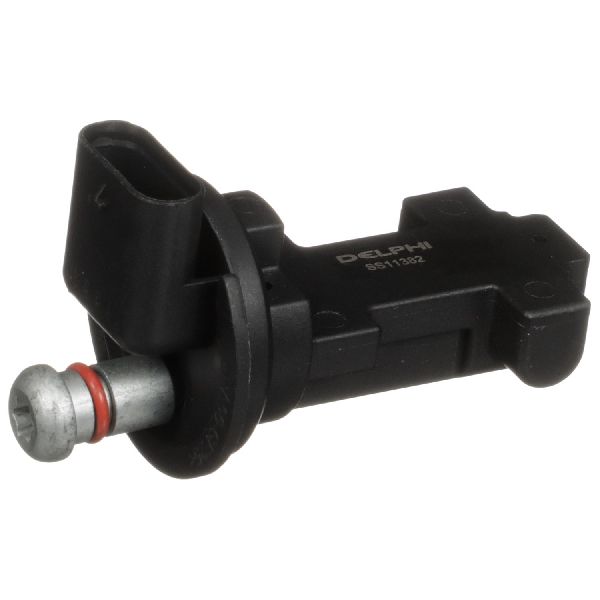
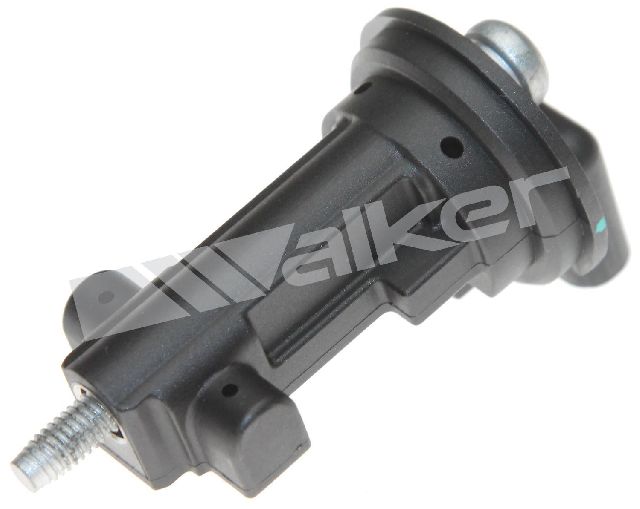
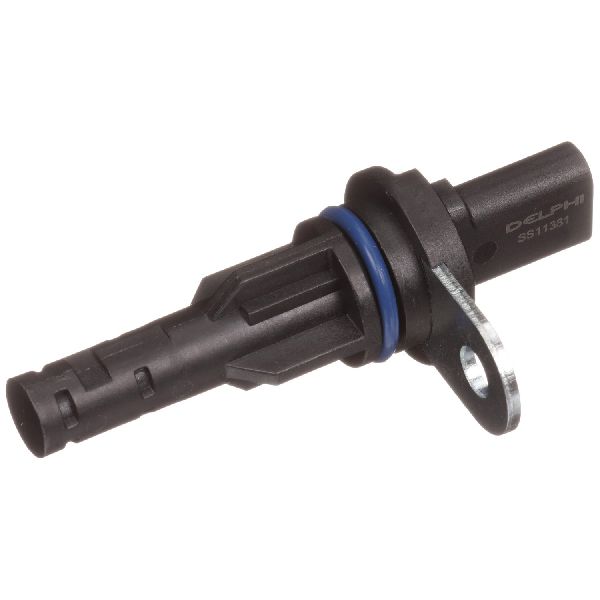
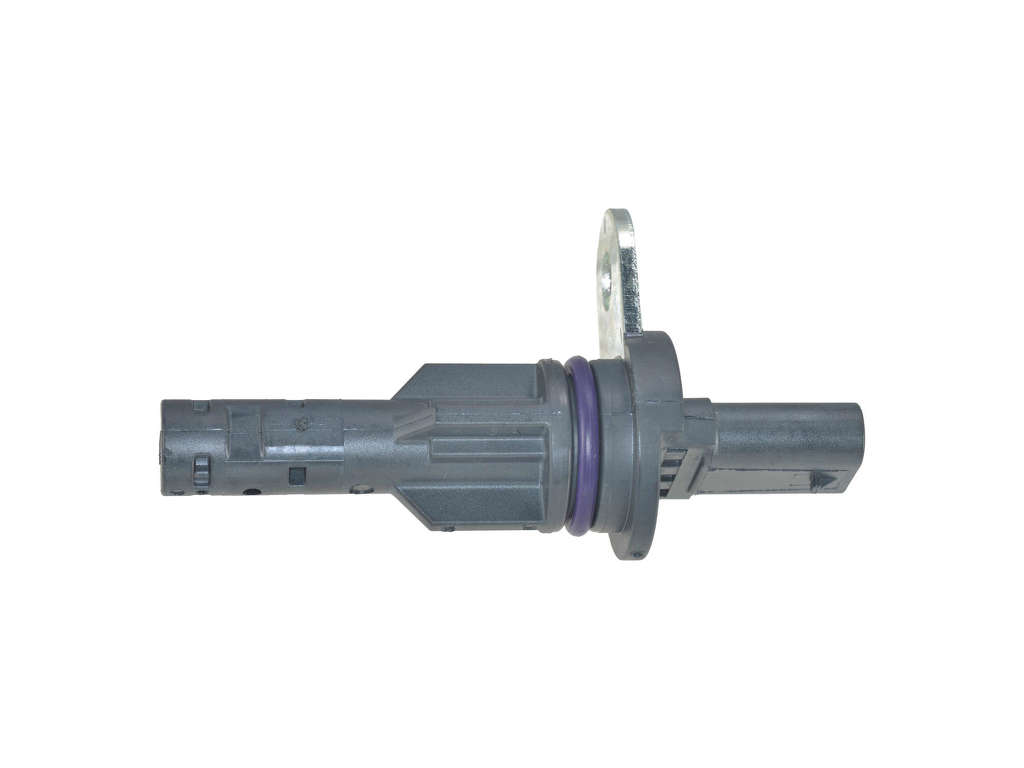
Est. part cost: $150-$400 (for rockers, lifters, and gaskets) - Faulty Camshaft Position Sensor 🟡 Medium Probability → Shop Engine Camshaft Position Sensor
How to confirm: Swap the Bank 2 exhaust camshaft sensor with the Bank 1 exhaust camshaft sensor (passenger side). Since all four cam sensors on the 3.6L are typically identical, you can also swap it with the intake sensor on the same bank. If the code changes to P0017 (Bank 1 Exhaust) or P0018 (Bank 2 Intake), the sensor is bad.
Typical fix: Replace the Bank 2 exhaust camshaft position sensor.
Est. part cost: $25-$60
Rare But Worth Checking
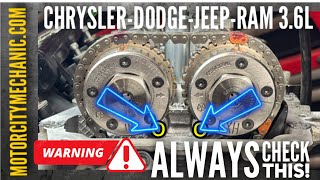
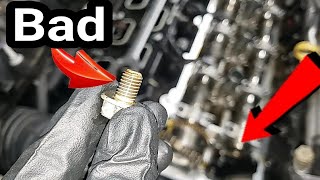
- Loose Oil Galley Plugs: Underneath the valve cover, there are two 13mm bolts that plug oil galleys. These are known to work themselves loose, causing a loss of oil pressure to the phasers and valvetrain on that bank. While you have the valve cover off to inspect rocker arms, it is critical to check the torque on these plugs. The factory torque spec is 156 inch-pounds (13 ft-lbs).
- Stretched Timing Chain or Failed Phaser: → Shop Engine Timing Chain On higher mileage engines, the timing chain can stretch, or the cam phaser itself can fail mechanically. A rattling noise on cold startup is a primary symptom of a stretched chain. This is a major repair that should only be considered after all other causes have been ruled out.
- Slipped Camshaft Tone Ring: → Shop Engine Camshaft In very rare instances, the reluctor wheel (tone ring) that the cam sensor reads can physically shift on the camshaft. This will cause a correlation code even if the mechanical timing is perfect. This requires camshaft replacement.
Diagnosis Steps
- Check Engine Oil: Verify the oil level is correct and the oil is clean. If in doubt, perform an oil and filter change with OEM-spec products. Using a quality filter is critical on the Pentastar.
- Scan for Other Codes: Check for any other related codes that could point to a more specific issue (e.g., sensor circuit codes like P0394 or slow response codes like P000C).
- Test the VVT Solenoid: Swap the Bank 2 (driver's side) exhaust VVT solenoid with the intake solenoid on the same bank. Clear codes and test drive. If P0019 is gone and P0018 appears, replace the faulty solenoid.
- Test the Camshaft Position Sensor: If the solenoid swap doesn't isolate the problem, swap the Bank 2 exhaust cam sensor with the Bank 1 exhaust cam sensor (or the Bank 2 intake sensor). If the code moves to Bank 1 (P0017) or changes to an intake code (P0018), replace the faulty sensor.
- Mechanical Inspection: If the code persists, remove the Bank 2 (driver's side) valve cover. Inspect for the 'Pentastar tick' source: check all rocker arms for play and the camshaft lobes for scoring. While the cover is off, check the torque on the two 13mm oil galley plugs located behind the phasers. They should be torqued to 156 in-lbs (13 ft-lbs).
- Advanced Diagnostics: If no issues are found, the problem may be a stretched timing chain or a failed cam phaser. This requires a significant teardown and should be confirmed by a professional. Listen for a startup rattle as a key indicator.
Parts You'll Likely Need
- VVT Solenoid / Oil Control Valve (Bank 2 Exhaust)
(OEM #5184332AA)— This is one of the most common failure points for P0019 after ruling out oil issues. It's an electro-mechanical part that gets clogged or fails over time.
Trusted brands: Mopar, Dorman, Standard Motor Products
OEM price range: $50-$90
Aftermarket price range: $30-$60 - Camshaft Position Sensor (Bank 2 Exhaust)
(OEM #5149141AF)— The sensor providing the position data can fail, sending incorrect signals to the PCM. All four cam sensors on the 3.6L are typically the same part number.
Trusted brands: Mopar, NGK, Delphi, Bosch
OEM price range: $45-$70
Aftermarket price range: $25-$60
Related Codes That Often Appear With This One
- P0018 — Crankshaft Position - Camshaft Position Correlation (Bank 2, Sensor A - Intake). Often appears after swapping a faulty exhaust VVT solenoid with the intake solenoid during diagnosis.
- P0390 / P0394 — Camshaft Position Sensor 'B' Circuit (Bank 2). These codes point specifically to an electrical problem with the sensor or its wiring, rather than a mechanical correlation issue.
- P0300 / P0302 / P0304 / P0306 — Multiple or specific cylinder misfires on Bank 2 (the driver's side). Incorrect cam timing can easily lead to misfires on the affected bank.
- P000C — Bank 2 Exhaust Camshaft Position Slow Response. This code is often seen with P0019 and points to a problem with the VVT solenoid, oil pressure, or the cam phaser itself.
Technical Service Bulletins (TSBs) & Recalls
- TSB 09-009-16 (June 08, 2016): While specifically for the 2016 Grand Cherokee and Durango, this TSB is highly relevant. It addresses DTCs P0017, P0019, P000A, or P000C and recommends replacing both intake VVT solenoids, highlighting that issues with intake components can sometimes trigger exhaust cam codes.
- Warranty Extension (D-14-12 / 09-002-14 REV. B): For 2011-2013 models, Chrysler extended the warranty on the left cylinder head to 10 years/150,000 miles due to premature wear issues that could cause misfires and related codes.
Platform-Specific Known Issues
- TSB 09-009-16: For 2016 models, this bulletin addresses P0019 by recommending the replacement of BOTH intake VVT solenoids, suggesting a complex interaction within the VVT system. Manufacturer TSB Bulletin #09-009-16 specifically notes that P0019 (Crankshaft Position - Camshaft Position Correlation Bank 2 Sensor 2) may be set in the PCM alongside other timing misalignment or slow response codes.
- Rocker Arm Failure
Mechanic-Grade Diagnostic Values
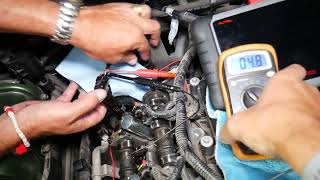
- VVT Solenoid (Oil Control Valve) Coil Resistance — expected: 7.0 to 12.0 Ohms. Failure: A reading of infinite resistance (OL) indicates an open coil, while a reading near 0 Ohms indicates a shorted coil.
- Camshaft Position Sensor Supply Voltage — expected: 4.5 to 5.2 Volts DC with key on, engine off.. Failure: No voltage or voltage outside this range points to a wiring or PCM issue, not a faulty sensor.
- Camshaft Position Sensor Signal Wire (Hall Effect Test) — expected: Switches between ~5V and 0V as a magnet is passed over the sensor tip.. Failure: Voltage does not switch, indicating a failed sensor.
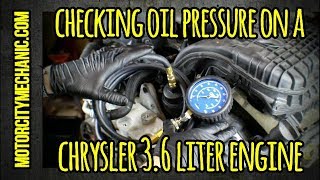
- Engine Oil Pressure (Warm Idle) — expected: Minimum 5 PSI, but typically 25-35 PSI.. Failure: Pressure below specification can indicate worn bearings, a failing oil pump, or internal leaks (like from a loose galley plug).
- Engine Oil Pressure (Warm, >3500 RPM) — expected: 62-139 PSI. The two-stage oil pump switches to high-pressure mode.. Failure: Failure to build higher pressure under load points to a problem with the oil pump or its control solenoid.
- Sensor/Solenoid Circuit Wire Resistance to PCM — expected: Below 5.0 Ohms.. Failure: Resistance above 5.0 Ohms indicates an open or high-resistance fault in the wiring harness.
Scan Tool Commands That Help
- wiTECH or equivalent professional scanner: VVT Solenoid Actuator Test — This bidirectional command allows the technician to manually cycle a specific VVT solenoid on and off while monitoring engine RPM or timing data. It directly tests the solenoid's electrical and mechanical function without having to swap it with another.
Wiring & Ground Locations
- Bank 2 Camshaft Position Sensor Connector — On the rear of the driver's side cylinder head, closest to the transmission.. This is the primary connection point for the sensor that provides the 'Sensor B' (exhaust) signal for Bank 2. It is a 4-pin connector; damage, corrosion, or oil contamination here will directly cause signal faults.
- CMP Sensor Connector Pinout (3.6L) — At the sensor connector.. The 4 pins are a shared 5V supply (Circuit K856), a shared ground (Circuit K900), and two separate signal wires for the intake and exhaust cams. Knowing the pinout is essential for accurately testing for power, ground, and signal integrity back to the PCM.
- Engine Ground Strap — Typically connects the engine block to the chassis frame rail.. A poor main engine ground can create a floating ground reference for all engine sensors, including the cam and crank sensors, leading to erratic signals and correlation codes that are difficult to trace.
Real Owner Repair Stories
- Multiple YouTube mechanic channels (Various Chrysler/Dodge/Jeep vehicles with 3.6L Pentastar engines) — Check engine light with various cam/crank correlation codes (P0019, P0394, etc.), ticking noises, rough running, and sometimes low oil pressure warnings.
❌ Tried (didn't work) Replacing camshaft position sensors, Replacing VVT solenoids
✅ What actually fixed it Found one or both of the 13mm oil galley plugs under the valve cover had backed out or fallen out completely. This caused a massive internal oil pressure leak to the valvetrain on that bank. The fix was to retrieve the bolt (if missing) and torque both plugs to the factory spec of 156 in-lbs (13 ft-lbs). - YouTube user 'Fixing cars and stuff' (2012 Dodge Grand Caravan 3.6L) — Multiple cylinder misfire codes, rough running.
❌ Tried (didn't work) Initial diagnosis pointed to bad camshafts.
✅ What actually fixed it The owner bought aftermarket camshafts that did not come with the tone rings pressed on. Believing it to be impossible to swap them, he almost returned the parts. As a 'Hail Mary', he created a jig to carefully remove the tone rings from the old cams and press them onto the new ones. After the swap, the engine ran with the same misfire symptoms as before, but importantly, it did *not* set any cam/crank correlation codes, proving the tone ring swap was successful. The underlying misfire was a separate pre-existing issue.
"I Checked Everything" — The Actual Cause
- The diagnostic equivalent for this timing code is 'all timing components and sensors check out, but the code persists.' The most common cause for this scenario on the 3.6L Pentastar is a loose oil galley plug under the valve cover. A technician can replace the timing chain, phasers, guides, sensors, and solenoids, but if they fail to check the torque on these two hidden 13mm bolts, the internal oil pressure leak will remain and the code will return.
When the Usual Fixes Don't Work
- While faulty VVT solenoids and sensors are common, a significant number of P0019 cases on the Pentastar engine are ultimately resolved by addressing mechanical issues inside the engine, even after sensors were replaced. The most prevalent 'real fix' found after common parts are swapped is tightening the oil galley plugs located under the valve cover, which are notorious for backing out and causing a localized oil pressure drop to the cam phasers.
OEM Part Supersession History
05184101AG→5184101AH— Likely an internal revision for improved reliability or performance.
Heads up: This is the likely part number for the VVT Solenoid, as the number provided in Pass 2 (5184332AA) is for a valve lash adjuster/lifter.
Model Year Variations Within This Range
- 2016: The 3.6L Pentastar engine was significantly updated ('Pentastar Upgrade'). It features a two-stage variable valve lift (VVL) system, a higher compression ratio (11.3:1 vs 10.2:1), cooled EGR, and redesigned cylinder heads. These changes, particularly the addition of VVL, add complexity and may be related to TSB 09-009-16 which addresses P0019 on 2016 models.
- 2011-2013 vs 2014+: The oil filter and cap design changed. A special tool (oil filter cap with a pressure port) is required to test oil pressure, and different versions of the tool are needed for 2011-2013 models versus 2014 and newer models.
Diagnostic Flowchart
Other Known Issues on This Vehicle
Issues unrelated to this code that are worth knowing about as an owner of this generation:
- Cracked Oil Filter Housing / Cooler Assembly 🔴 High — Extremely common, especially on models from 2011-2015. The plastic housing becomes brittle from heat cycles and cracks, causing significant oil and/or coolant leaks.
- Rocker Arm / Lifter Failure ('Pentastar Tick') 🔴 High — Very common across all years. Failure of needle bearings in the rocker arms leads to a distinct ticking sound. If ignored, it will destroy the camshaft.
- Faulty Totally Integrated Power Module (TIPM) 🔴 High — Common on 2011-2013 models. An internal fuel pump relay fails, causing no-start conditions, stalling, or a dead battery. Other electrical issues like wipers or horns acting erratically are also symptoms. (Ref: Partial recalls and a class-action lawsuit exist for this issue.)
- Left Cylinder Head Failure (Early Models) 🔴 High — Affected a small percentage of 2011-2013 models. Excessive wear on valve guides/seats on the left head would cause misfires and check engine lights. (Ref: Chrysler extended the warranty to 10 years/150,000 miles for the left cylinder head on affected vehicles (Service Bulletin 09-002-14 REV. B).)
- Water Pump Failure 🟠 Medium → Shop Engine Water Pump — Fairly common. The water pump can fail, leading to coolant leaks and potential engine overheating.
Used vs. New Parts: Buying Guide for This Vehicle
When a used part is the smart pick: For this repair, used parts are generally not recommended due to the nature of the failures. However, purely mechanical, non-wear items like a valve cover or a wiring harness connector pigtail could be sourced from a reputable salvage yard if a new part is unavailable or cost-prohibitive.
Donor-vehicle mileage cap: roughly under 60000 miles for the part to have meaningful remaining life.
What to inspect on the donor part:
- For a wiring pigtail, ensure the plastic is not brittle and the locking tab is intact.
- Check for any signs of overheating (discoloration) or oil contamination on the part.
- Verify the donor vehicle was not in a front-end collision that could have stressed the engine components.
OEM-only on this vehicle (don't cheap out):
- Oil Filter: The use of a Mopar-spec oil filter is critical. Aftermarket filters are a known cause of oil pressure issues that trigger VVT codes like P0019.
- Rocker Arms / Lifters: Given the high failure rate of the original bearings, installing new, updated OEM or high-quality aftermarket rocker arms is essential to prevent a repeat failure.
- Camshaft Position Sensor: While some aftermarket sensors work, many forum users report issues with cheaper brands, leading to repeat diagnoses. Using an OEM Mopar sensor is the safest bet.
Aftermarket brands forum-validated for this vehicle:
- VVT Solenoid: Standard Motor Products (SMP), Dorman (often with a lifetime warranty)
- Camshaft Sensor: NGK/NTK, Delphi, Bosch
Brands owners have reported issues with on this vehicle:
- Unbranded, 'white-box' sensors and solenoids from online marketplaces are frequently cited as being dead-on-arrival or failing shortly after installation.
Real Owner Stories
Aggregated from forums and TSBs cited above. Mileages and costs reflect what owners reported in those sources.
2012 Dodge Durango 3.6L Pentastar V6 — ~150000 miles
Symptoms: The engine developed a distinct ticking and tapping sound from the upper engine area along with the P0019 code.
What fixed it: Replacement of all rocker arms and damaged lifters/lash adjusters on the affected cylinder head.
Source hint: dodgedurango.net / jeeptforum.com / allpar.com forum threads regarding 'Pentastar tick' and rocker arm failure
2014 Dodge Durango 3.6L Pentastar V6
Symptoms: P0019 code persisted even after replacing the camshaft position sensor three times.
What fixed it: Investigation revealed the issue was not the sensor but worn mechanical parts, specifically the cam phasers.
Source hint: YouTube (Online Mechanic Tips) - '3rd Cam Sensor and it's still not FIXED. Here's how to deal with P0340 P0019. 3.6 Pentastar'
2016 Dodge Durango 3.6L Pentastar V6
Symptoms: Check engine light with code P0019 (and potentially P0017, P000A, or P000C).
What fixed it: Replacement of both intake VVT solenoids as per manufacturer recommendations for this specific model year.
Source hint: TSB 09-009-16 (June 08, 2016)
2013 Dodge Durango 3.6L Pentastar V6
Symptoms: VVT-related codes including P0019; owner was advised to check for internal oil leaks.
What fixed it: Tightening the two 13mm oil galley plugs located behind the phasers to the correct torque of 156 in-lbs.
Source hint: YouTube (MotorCity Mechanic) - 'WARNING: Chrysler, Dodge, Jeep, Ram 3.6L Pentastar engine loose oil galley bolts'
Related OBD-II Codes
Frequently Asked Questions
I have a 2012 Dodge Durango with a ticking noise and P0019. Is there a warranty extension for this?
My 2016 Durango is throwing P0019. Does TSB 09-009-16 apply to my vehicle?
Can using a cheap oil filter cause P0019 on my Pentastar 3.6L?
I've replaced the sensors on my Durango but P0019 won't go away. What else should I check?
What is the 'Pentastar tick' and is it related to my P0019 code?
How can I tell if my P0019 is a bad sensor or a bad VVT solenoid without buying parts?
Helpful Videos

We Have This Part in Stock


The information in this article is provided for general reference and educational purposes only. Vehicle specifications, procedures, and part compatibility can vary by production date, trim level, and region. Always consult your vehicle's factory service manual and verify part numbers before purchasing or performing repairs. Safety-critical components such as airbags, seat belts, and braking systems should be installed by a qualified professional.
- Dodge Durango:
- 🧭 Diagnostic Flowchart
- 🎬 Helpful Videos
- 🛍️ Shop This Part
- What's Unique About the 2011-2016 Dodge Durango
- Symptoms You May Notice
- Most Likely Causes
- Rare But Worth Checking
- Diagnosis Steps
- Parts You'll Likely Need
- Related Codes That Often Appear With This One
- Technical Service Bulletins (TSBs) & Recalls
- Platform-Specific Known Issues
- Mechanic-Grade Diagnostic Values
- Scan Tool Commands That Help
- Wiring & Ground Locations
- Real Owner Repair Stories
- "I Checked Everything" — The Actual Cause
- When the Usual Fixes Don't Work
- OEM Part Supersession History
- Model Year Variations Within This Range
- Other Known Issues on This Vehicle
- Used vs. New Parts: Buying Guide for This Vehicle
- Real Owner Stories
- 2012 Dodge Durango 3.6L Pentastar V6 — ~150000 miles
- 2014 Dodge Durango 3.6L Pentastar V6
- 2016 Dodge Durango 3.6L Pentastar V6
- 2013 Dodge Durango 3.6L Pentastar V6
- Related OBD-II Codes
- Frequently Asked Questions
- 🎟️ Get 5% Off