

P0019 Ford C-MAX (2015-2018): Crankshaft Camshaft Correlation Causes and Fixes
On a 2015-2018 Ford C-MAX, code P0019 is most often caused by a sticking Variable Camshaft Timing (VCT) solenoid, frequently due to dirty oil or debris. An oil change and VCT solenoid replacement is the most common fix, costing around $40-$90 for the part. Always check oil level and condition first.
- P0019 on your C-MAX points to a timing mismatch between the crankshaft and the exhaust camshaft.
- The most likely cause is a sticking Variable Camshaft Timing (VCT) solenoid, often due to dirty engine oil, an issue acknowledged by Ford in service bulletins.
- Start your diagnosis by checking the engine oil level and condition. An oil and filter change is a recommended first step.
- If an oil change doesn't resolve the issue, the exhaust VCT solenoid is the next part to inspect and likely replace.
- While less common, a faulty camshaft position sensor or a stretched timing chain can also cause this code.
What's Unique About the 2015-2018 Ford C-MAX
The Ford 2.0L engine platform is known for VCT solenoid issues. Ford has released multiple Technical Service Bulletins (TSBs) acknowledging that small debris in the engine oil can cause the VCT solenoids to stick, leading to a variety of timing correlation codes, including P0019. This suggests a high sensitivity to oil condition and is a well-documented pattern for this and its platform-mate engines like those in the Fusion and MKZ Hybrid.
Diagnostic Flowchart
Tap your situation to follow the diagnostic path that matches what you're seeing on this vehicle.
Symptoms You May Notice
- Check Engine Light is on
- Rough or fluctuating idle
- Engine hesitation or stumbling on acceleration
- Reduced engine power
- Decreased fuel economy
- Engine may stall at low speeds or when coming to a stop
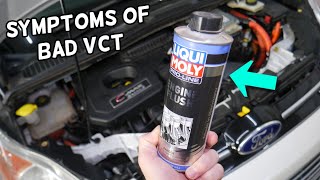
- Engine may run rough only during certain conditions, like initial cold start or after warming up 🎬 Watch: A breakdown of common bad VCT solenoid symptoms.
- Replacing the camshaft position sensor when the root cause is a sticking VCT solenoid or dirty engine oil.
- Replacing the crankshaft position sensor, which is rarely the cause for this specific correlation code.
- Proceeding with a timing chain replacement without first ruling out the much cheaper and more common VCT solenoid and oil-related issues.
Most Likely Causes
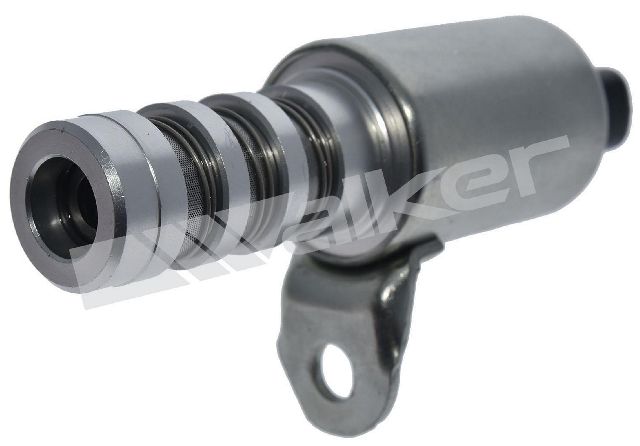
- Sticking or Failing VCT Solenoid 🔴 High Probability This is a widely documented issue. Multiple Ford TSBs (#SSM 47170, #SSM 48423, #SSM 50067) state that debris in the oil can cause the VCT solenoid to stick, leading to this code. The solenoids control oil flow to the cam phasers, and even small particles can disrupt their function.
How to confirm: Use a scan tool with bidirectional controls to command the exhaust VCT solenoid on and off; listen for a distinct click from the engine bay and watch for a change in engine RPM or a stumble. You can also remove the solenoid (one bolt) and test it directly with a 12V power source to see if the pintle moves.
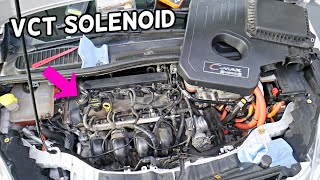
Typical fix: Replace the exhaust VCT solenoid. 🎬 See this walkthrough on locating and replacing the VCT solenoid. It is highly recommended to perform an engine oil and filter change at the same time to remove the debris that likely caused the issue. Many owners replace both intake and exhaust solenoids at the same time as a preventative measure.
Est. part cost: $30-$90 - Low, Dirty, or Incorrect Viscosity Engine Oil 🔴 High Probability The VCT system is entirely hydraulic and relies on clean oil at the correct pressure to function. Given the known issue with debris clogging solenoids, oil condition is the most critical factor and the first thing to check.
How to confirm: Check the engine oil dipstick for low oil level or oil that appears dark, thick, or gritty. Verify the service history to see if the correct oil (Ford specifies full-synthetic 5W-20) was used.
Typical fix: Perform an engine oil and filter change using the full-synthetic 5W-20 oil specified by Ford and a quality oil filter (e.g., Motorcraft). In some cases, this alone will resolve the code.
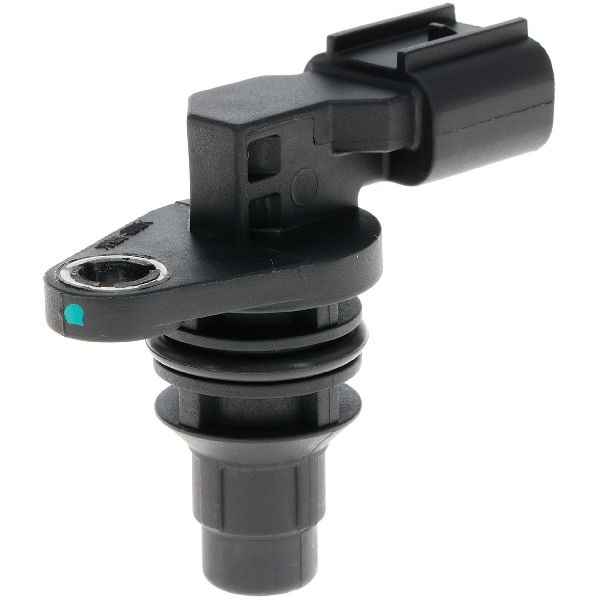
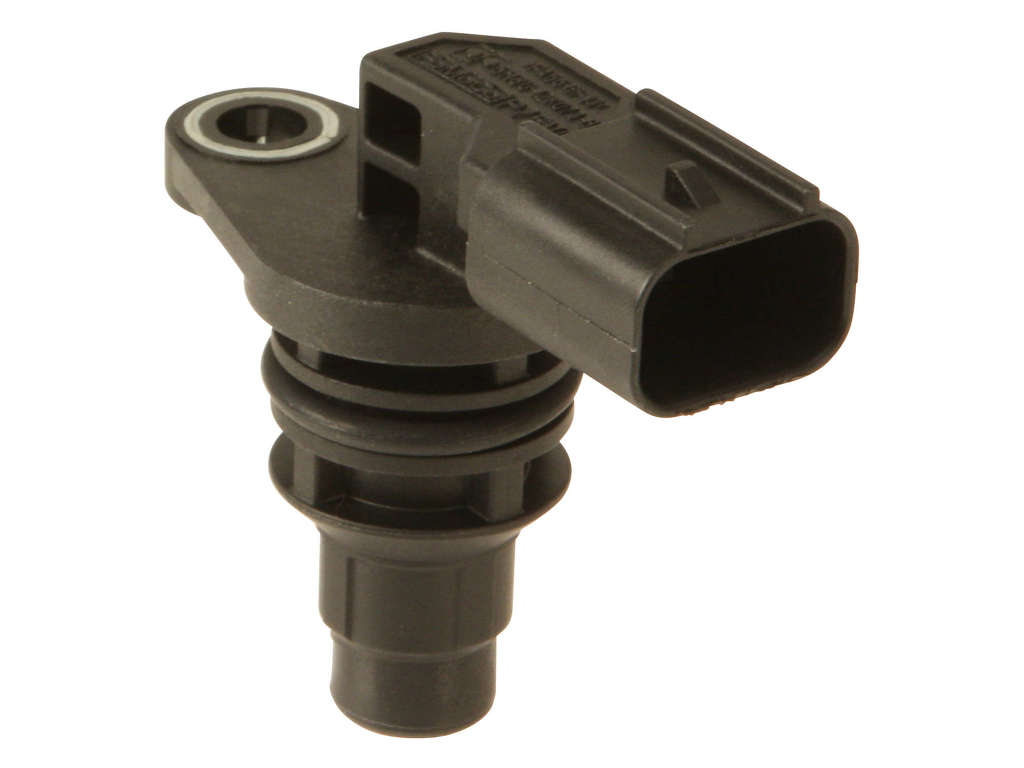
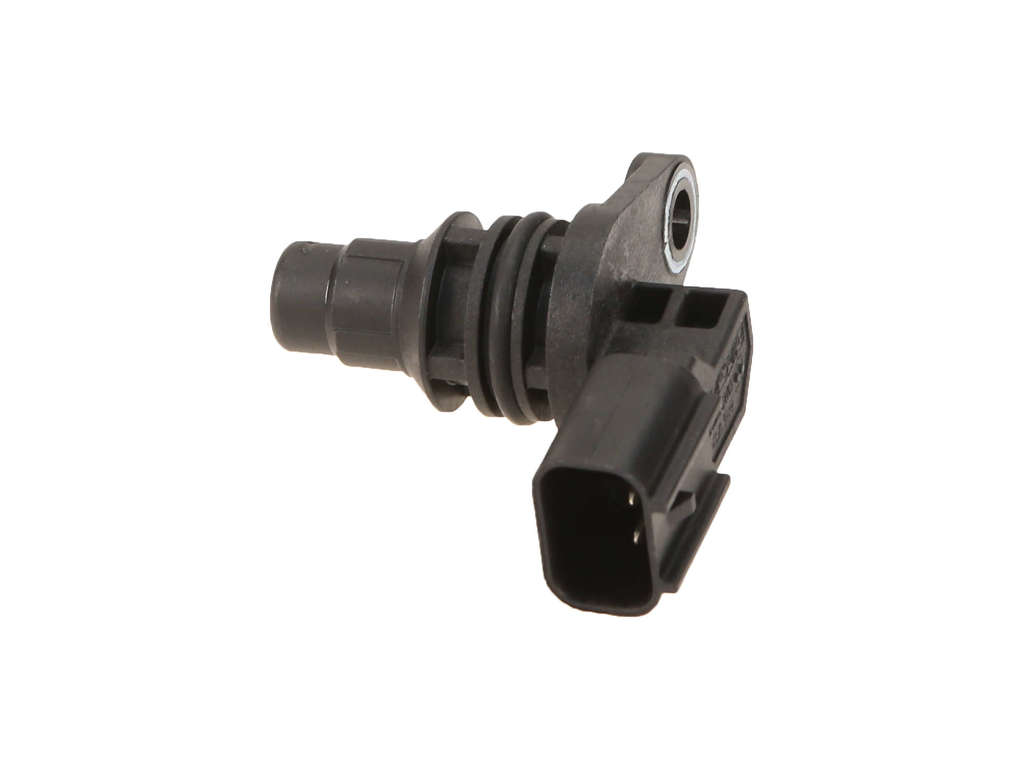
Est. part cost: $40-$80 - Faulty Camshaft Position Sensor ⚪ Low Probability → Shop Engine Camshaft Position Sensor
How to confirm: The sensor provides the position data, so a fault can trigger the code. A common diagnostic step is to swap the exhaust camshaft sensor with the intake sensor (if they are identical) and see if the code changes from P0019 (exhaust) to P0016 (intake). If it does, the sensor is bad.
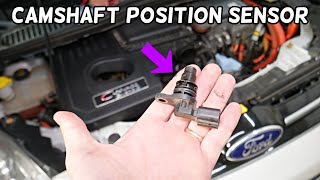
Typical fix: Replace the exhaust camshaft position sensor. 🎬 Watch: How to find and replace the camshaft position sensor.
Est. part cost: $25-$70 - Stretched Timing Chain or Worn Timing Components ⚪ Low Probability → Shop Engine Timing Chain While possible at high mileage (typically over 120,000-150,000 miles), it's far less common than oil or solenoid issues. A stretched chain creates physical slack that the PCM interprets as a correlation error.
How to confirm: This is an involved diagnosis. It requires removing the valve cover to physically inspect the chain for slack against the guides and to check the alignment of the timing marks on the sprockets and crankshaft. A rattling noise on startup is a common symptom.
Typical fix: Replace the timing chain, tensioners, and guides. This is a labor-intensive job with labor costs often exceeding $1,000.
Est. part cost: $200-$500
Rare But Worth Checking
- Damaged Camshaft Phaser/Actuator: → Shop Engine Camshaft The phaser is the gear on the end of the camshaft that actually does the adjusting. It can fail internally or get clogged with debris, but this is much less common than a solenoid failure. A user on a Ford truck forum with a similar engine found their issue was a phaser that was installed incorrectly during a previous timing job.
- Wiring or Connector Issues: Damaged wiring or a corroded connector for the VCT solenoid or camshaft position sensor can cause a loss of signal and trigger the code. A visual inspection of the harness near the top of the engine is a quick check.
Diagnosis Steps
- Verify Engine Oil Level and Condition: Before any other step, check the oil. If it's low, dirty, or the wrong viscosity, address this first. This is the cheapest and easiest potential fix.
- Scan for Codes: Use an OBD-II scanner to confirm P0019 and check for any other related DTCs. Note if codes for other sensors or banks are present.
- Inspect Wiring: Visually inspect the wiring and connectors going to the exhaust VCT solenoid and the exhaust camshaft position sensor for any signs of damage, corrosion, or loose connections.
- Test the VCT Solenoid (Scan Tool Method): Per Ford TSB #SSM 50067, use a capable scan tool to command the exhaust VCT solenoid (often labeled VCT_EXH_ACT1) on and off 10 times to try and dislodge debris. A healthy solenoid will make an audible click. If this test clears the code, an oil change is strongly recommended.
- Test the Camshaft Position Sensor: If the solenoid seems to be working, swap the exhaust and intake camshaft position sensors. Clear the codes and run the engine. If the code changes to P0016 (intake cam correlation), the sensor you moved is faulty.
- Inspect Mechanical Timing: If all electronic components and oil are good, the final step is to check for a mechanical timing issue. This requires removing the valve cover to inspect the timing chain for slack and verify the timing marks are aligned. This step is usually reserved for high-mileage vehicles or if a startup rattle is heard.
Parts You'll Likely Need
- Engine Variable Valve Timing (VCT) Solenoid
(OEM #CJ5Z6M280A)— This is the most frequent point of failure for code P0019 on this vehicle, often due to sticking from oil debris, as noted in multiple Ford TSBs.
Trusted brands: Motorcraft, Dorman (p/n 917-253)
OEM price range: $40-$70
Aftermarket price range: $20-$50 - Camshaft Position Sensor
(OEM #6M8Z-6B288-D)— If the VCT solenoid is working correctly, the sensor that reads the camshaft's position could be faulty, providing incorrect data to the PCM.
Trusted brands: Motorcraft, Bosch, NGK
OEM price range: $40-$80
Aftermarket price range: $25-$60 - Engine Oil and Filter
(OEM #Motorcraft FL-910S (Filter))— Clean oil of the correct viscosity (5W-20 Full Synthetic) is essential for the VCT system to operate. An oil change is a critical first step and preventative measure.
Trusted brands: Motorcraft, Mobil 1, Castrol
OEM price range: $50-$90
Aftermarket price range: $40-$70
Related Codes That Often Appear With This One
- P0017 — This code is 'Crankshaft Position - Camshaft Position Correlation (Bank 1 Sensor B)'. It is the technically correct code for this fault on an I4 engine and may appear alongside or instead of P0019, depending on the scan tool's interpretation.
- P0011, P0012, P0014, P0015, P0016, P0018 — These are all VCT-related timing correlation codes. The Ford TSBs group them together as having the same potential cause (sticking VCT solenoid due to debris).
Technical Service Bulletins (TSBs) & Recalls
- SSM 54366: Notes P0019 among a list of DTCs and refers to pinpoint tests in the workshop manual.
- SSM 48423: Suggests the cause may be small debris causing the VCT solenoid to stick.
- SSM 50067: Acknowledges debris causing sticking VCT solenoids and provides a specific diagnostic step to cycle the solenoid with a scan tool before replacement.
Platform-Specific Known Issues
- Ford has issued multiple Technical Service Bulletins (TSBs) that apply to the 2015-2018 C-MAX regarding VCT-related codes, including P0019.
- TSB #SSM 48423 and #SSM 50067 state that the check engine light with P0019 (and other codes) may be due to 'small debris causing the VCT solenoid to stick.' They advise against immediate component replacement before further diagnosis.
- TSB #SSM 50067 specifically recommends using a scan tool to 'cycle the affected VCT solenoid 10 times to attempt to clear the debris' before replacing it, confirming this is a known, common issue that can sometimes be cleared without replacing parts.
Mechanic-Grade Diagnostic Values
- VCT Solenoid Internal Resistance — expected: 7 to 14 Ohms. Failure: A reading of OL (infinite) indicates an open coil; a reading significantly below 7 Ohms suggests a short.
- VCT Solenoid Connector Voltage (KOEO) — expected: ~12V (Battery Voltage) on the power supply pin.. Failure: No voltage or low voltage points to a problem in the power supply circuit (fuse, relay, wiring), not the solenoid itself.
- Camshaft Position Sensor (CMP) Signal Voltage (Engine Running) — expected: 0.5V to 4.5V, fluctuating.. Failure: Voltage that is stuck high, low, or does not change indicates a faulty sensor or circuit issue.
- Scan Tool PID: VCT Advanced Error (VCT_EXH_ERR) — expected: Should hover close to 0 degrees (+/- 5 degrees) during closed-loop operation.. Failure: A large, persistent deviation from 0 degrees indicates the cam timing is not matching the PCM's command.
Hidden / Shadow Codes Worth Checking
- P0019 (as a 'Bank 2' code): The 2.0L I4 engine in the C-MAX only has one cylinder bank (Bank 1). The appearance of a P0019 code, which specifies 'Bank 2', is an anomaly. It is likely a misinterpretation by a generic OBD-II scanner. The technically correct code for an exhaust cam correlation fault on this engine is P0017 (Bank 1, Sensor B). The underlying physical fault is the same, but technicians should be aware of the code discrepancy. (see via Typically seen with non-dealership, generic OBD-II scan tools. A Ford-specific scanner like IDS or FORScan may report the correct P0017 code.)
Scan Tool Commands That Help
- Ford IDS / FORScan: VCT Solenoid Actuator Test / On-Off Command — This is a primary diagnostic step recommended in Ford TSBs. It directly tests the VCT solenoid's mechanical function by commanding it to open and close. While the engine is idling, activating the solenoid should cause the engine to stumble or run rough. If there is no change in engine operation, the solenoid is likely stuck, clogged, or has failed electrically. This can confirm a bad solenoid before removal.
- Ford IDS / FORScan: Monitor PIDs: VCT_EXH_ACT (Desired Angle), VCT_EXH_DIF (Actual Angle), VCT_EXH_ERR (Error) — Use during a test drive or while manually holding RPMs to see if the actual camshaft angle is tracking with the desired angle commanded by the PCM. A large, persistent error value in the VCT_EXH_ERR PID confirms a correlation problem in real-time.
Wiring & Ground Locations
- G104 — Located at the rear of the transmission.. This is a major powertrain ground point. A poor connection here can introduce electrical noise or incorrect ground reference for various engine sensors, including the camshaft and crankshaft position sensors, potentially leading to correlation codes.
- VCT Solenoid Connector — On the top of the valve cover, connected to the exhaust VCT solenoid.. This connector provides power and the control signal from the PCM. Pin 1 is typically the 12V power supply (VPWR) from the PCM Power Relay, and Pin 2 is the ground-side control wire from the PCM. Checking for 12V at Pin 1 (KOEO) is a critical first electrical test.
- Camshaft Position Sensor Connector — On the side or top of the cylinder head, near the exhaust camshaft.. This 3-pin connector provides the sensor with power (5V reference), ground, and carries the signal back to the PCM. Corrosion or damage here will directly cause faulty readings.
When the Usual Fixes Don't Work
- While P0019 points to a real cam/crank correlation fault on the exhaust camshaft, its appearance on an inline-4 engine is an anomaly. The 2.0L engine only has one bank (Bank 1), so the correct code for this issue should be P0017. The presence of P0019 often indicates that a generic, non-Ford-specific scan tool is being used, which is misinterpreting the manufacturer-specific fault data. A technician should not be confused by the 'Bank 2' reference and should proceed with diagnosing the exhaust camshaft ('Sensor B') on the single engine bank as the source of the problem.
OEM Part Supersession History
CJ5Z-6M280-A→No direct supersession found in searches.— This part number appears to be the current and consistent replacement for the specified application.
Model Year Variations Within This Range
- 2015-2018: No significant variations were found for the 2.0L Atkinson-Cycle engine's VCT system within this model year range that would alter the diagnosis or common causes of code P0019.
Helpful Videos

We Have This Part in Stock


The information in this article is provided for general reference and educational purposes only. Vehicle specifications, procedures, and part compatibility can vary by production date, trim level, and region. Always consult your vehicle's factory service manual and verify part numbers before purchasing or performing repairs. Safety-critical components such as airbags, seat belts, and braking systems should be installed by a qualified professional.
- Ford C-MAX:
- 🧭 Diagnostic Flowchart
- 🎬 Helpful Videos
- 🛍️ Shop This Part
- What's Unique About the 2015-2018 Ford C-MAX
- Symptoms You May Notice
- Most Likely Causes
- Rare But Worth Checking
- Diagnosis Steps
- Parts You'll Likely Need
- Related Codes That Often Appear With This One
- Technical Service Bulletins (TSBs) & Recalls
- Platform-Specific Known Issues
- Mechanic-Grade Diagnostic Values
- Hidden / Shadow Codes Worth Checking
- Scan Tool Commands That Help
- Wiring & Ground Locations
- When the Usual Fixes Don't Work
- OEM Part Supersession History
- Model Year Variations Within This Range
- 🎟️ Get 5% Off