

P0019 on 2015-2021 Ford Expedition: Crank/Cam Correlation Causes and Fixes
P0019 on a Ford Expedition with the 3.5L EcoBoost engine most often points to a sticking Variable Camshaft Timing (VCT) solenoid or a more serious timing chain issue. An oil change and VCT solenoid replacement is the first step, costing $150-$300. If that fails, expect a timing chain and phaser job, which can cost $2,000-$4,000+.
- P0019 on a 2015-2021 Expedition almost always relates to the Variable Camshaft Timing (VCT) system on the driver's side exhaust camshaft.
- Always start diagnosis by checking the engine oil level and condition. An oil and filter change is the cheapest and easiest first step.
- A sticking VCT solenoid is a very common cause, as documented by Ford. Replacing the Bank 2 exhaust solenoid is a logical second step.
- If you hear a rattling noise from the engine on cold starts, the problem is likely a stretched timing chain and failing cam phasers, which is a major and expensive repair.
- Due to the complexity and potential for significant engine damage, professional diagnosis is recommended if an oil change and solenoid replacement do not resolve the code.
What's Unique About the 2015-2021 Ford EXPEDITION
The 3.5L EcoBoost engine in the Expedition relies on a sophisticated Variable Camshaft Timing (VCT) system to balance power and efficiency. This system is hydraulically operated by engine oil. It is well-documented that these engines are sensitive to oil quality and maintenance intervals. Furthermore, the timing chains and cam phasers on this engine family are known weak points, prone to stretching and failure, which directly causes correlation codes like P0019. The most common symptom of this is a distinct 'cold start rattle' that lasts for 2-4 seconds. Ford has issued multiple Technical Service Bulletins (TSBs) acknowledging that VCT solenoids can stick due to small debris, leading to these codes. [Bulletin #SSM 50067, #SSM 48423, #SSM 47170]
Diagnostic Flowchart
Tap your situation to follow the diagnostic path that matches what you're seeing on this vehicle.
Generation note: This range covers the end of the third generation (2015-2017) and the start of the fourth generation (2018-2021). Both use a 3.5L EcoBoost V6, though the fourth generation received a revised 'Gen 2' version with a new fuel injection system and other updates. The underlying VCT system and timing components are similar, and both generations are susceptible to the same failures causing a P0019 code, as confirmed by TSBs and owner forums covering the entire 2015-2021 range.
Symptoms You May Notice
- Check Engine Light is on
- Rough or unstable idle
- Engine hesitation or stumbling on acceleration
- Reduced engine power
- Decreased fuel economy
- Rattling noise from the engine, especially on a cold start, that lasts 2-5 seconds (indicative of timing chain/phaser issues)
- Engine may crank but not start in severe cases
- Replacing the camshaft position sensor when the root cause is a sticking VCT solenoid or a stretched timing chain.
- Replacing only the VCT solenoid when the timing chain is significantly stretched, leading to the code returning shortly after.
- Assuming any rattle is from the timing chain, when it could also be a turbo wastegate rattle, which is a separate and often less expensive issue.
Most Likely Causes
- Low or Dirty Engine Oil 🔴 High Probability The VCT system is entirely dependent on clean oil at the correct pressure to function. Sludge or low levels will starve the components, causing solenoids to stick and phasers to respond slowly.
How to confirm: Check the oil level on the dipstick and inspect its condition. If it's low, dark, or sludgy, this is the first and most crucial step. One owner reported a dealer finding chunks of sludge on the dipstick.
Typical fix: Change the engine oil and filter using the correct full synthetic 5W-30 oil. Some owners on forums report that dealers have recommended 3,000-mile change intervals to prevent sludge.
Est. part cost: $50-$100 - Sticking or Failed VCT Solenoid (Bank 2 Exhaust) 🔴 High Probability Ford TSBs SSM 50067, 48423, and 47170 directly state that small debris can cause VCT solenoids to stick on these vehicles. This is one of the most common first-step repairs after an oil change.
How to confirm: Use a scan tool to command the solenoid on and off and monitor cam angle response. A common diagnostic trick is to swap the suspect solenoid with an adjacent one (e.g., the intake solenoid on the same bank) and see if the code follows (e.g., changes to P0018). A failed solenoid may not 'click' when 12V is applied directly to it.
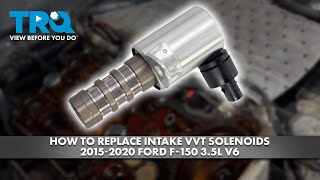
Typical fix: Replace the Bank 2 (driver's side) exhaust VCT solenoid. The OEM part number for the 2018-2021 models is often cited as Motorcraft HL3Z-6M280-A. 🎬 Watch: Step-by-step guide to replacing the VCT solenoids.
Est. part cost: $40-$120 - Stretched Timing Chain or Failed Tensioner/Guides 🟡 Medium Probability → Shop Engine Timing Chain This is a widely known failure on the 3.5L EcoBoost engine family. Over time, the chain stretches, creating slack that the tensioner cannot compensate for, leading to timing correlation codes. The 'cold start rattle' is the classic symptom.
How to confirm: Listen for a 'cold start rattle' that lasts for a few seconds. Diagnosis is invasive and typically involves removing the valve cover to inspect for chain slack. A dealer can also use a scan tool to check timing chain stretch percentage. This is often confirmed after ruling out oil and solenoid issues.
Typical fix: Replace the timing chains, tensioners, guides, and cam phasers at the same time. This is a labor-intensive job often costing over $3,000 at a dealership.
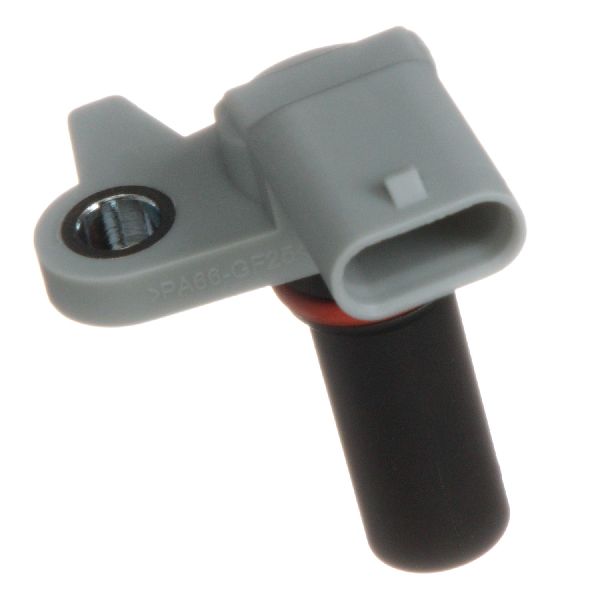
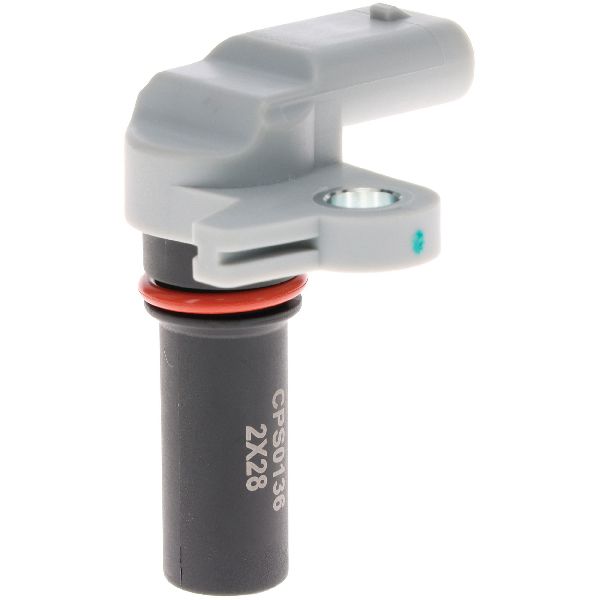
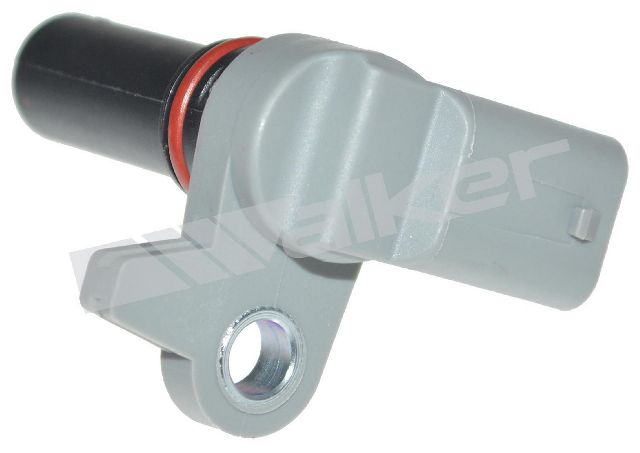
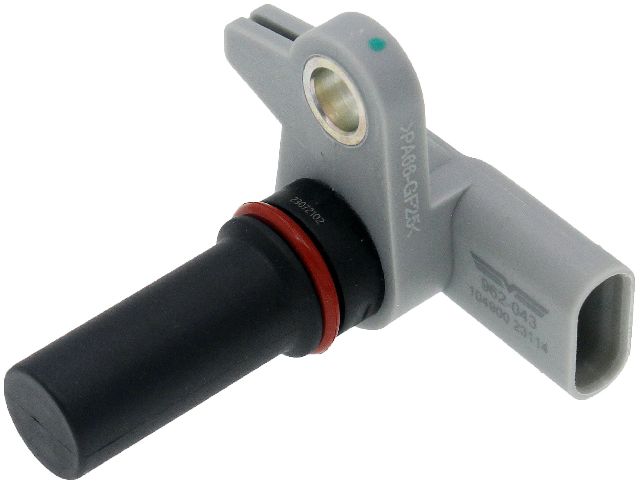
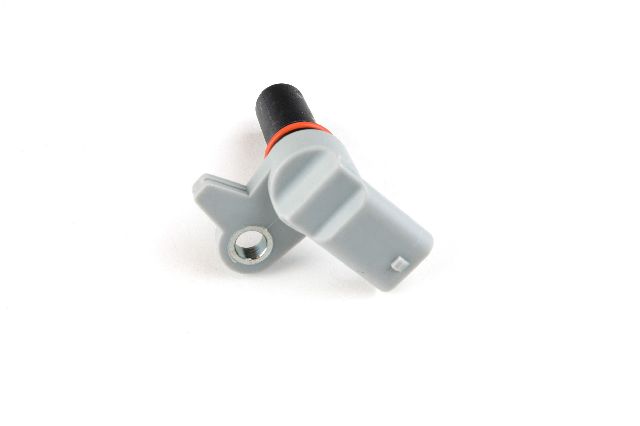
Est. part cost: $500-$1200 - Failed Camshaft Position Sensor (Bank 2 Exhaust) ⚪ Low Probability → Shop Engine Camshaft Position Sensor While less common than solenoid or chain issues, a sensor can fail and send incorrect data to the PCM. Owners on forums frequently replace this part first, often unnecessarily.
How to confirm: Test the sensor's voltage and resistance with a multimeter according to the service manual. Check the wiring and connector for damage.
Typical fix: Replace the Bank 2 exhaust camshaft position sensor.
Est. part cost: $30-$80
Rare But Worth Checking
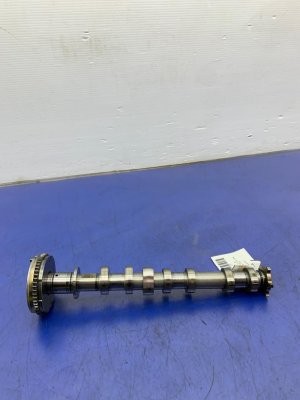
- Failed Camshaft Phaser: → Shop Engine Camshaft The phaser is the gear on the end of the camshaft that actually adjusts the timing. It can get stuck or fail internally, often causing the 'cold start rattle'. It is almost always replaced during a timing chain job. Ford has released updated part numbers to address this weakness. 🎬 Watch: A professional guide to replacing failed cam phasers.
- Clogged Oil Passages: Severe engine sludge can block the small oil passages leading to the VCT solenoids and phasers, preventing them from operating even if the components themselves are good. This can happen with extended oil change intervals. Some owners have attempted an engine flush with products like Sea Foam before an oil change.
- PCM Fault: This is extremely rare. The Powertrain Control Module should only be considered after all other mechanical and electrical possibilities have been exhaustively ruled out. One forum user suspected a PCM issue after replacing all other components.
Diagnosis Steps
- Verify the engine oil level and condition. If low or dirty, perform an oil and filter change with Ford-specified 5W-30 Full Synthetic oil, clear the code, and re-test.
- Use a professional scan tool to check for any other stored DTCs and view freeze-frame data.
- Monitor live data PIDs for desired vs. actual camshaft position angles for the Bank 2 exhaust cam (CMP22). A significant, lagging deviation or an angle that doesn't change with RPM points to a problem.
- Command the Bank 2 exhaust VCT solenoid on and off with the scan tool. Listen for a click and watch for a change in cam angle to verify its operation.
- If the solenoid is suspect, swap it with the Bank 2 intake solenoid. Clear codes and drive the vehicle. If the code changes to P0018 (Crank/Cam Correlation Bank 2 Sensor A), the solenoid is confirmed faulty.
- Inspect the wiring and connector for the camshaft position sensor and the VCT solenoid for any damage, corrosion, or loose connections.
- If oil and solenoids are good, listen carefully for a 2-5 second rattle on a cold start. If present, this strongly indicates a mechanical timing issue (chain, phasers, tensioners).
- If the chain is suspected, the next step is removing the valve cover to inspect the timing chain for excessive slack. If the chain is loose, a full timing component replacement is necessary.
Parts You'll Likely Need
- Variable Camshaft Timing (VCT) Solenoid
(OEM #HL3Z-6M280-A (Gen 2, 2017+), BL3Z-6M280-B (Gen 1))— Frequently sticks due to oil debris, as noted in multiple Ford TSBs. It's a common first part to replace after an oil change. [Bulletin #SSM 50067]
Trusted brands: Motorcraft, Dorman
OEM price range: $70-$120
Aftermarket price range: $40-$80 - Timing Chain Kit
(OEM #ML3Z-6D256-A (often cited for Gen 2))— Stretched timing chains are a known major issue on the 3.5L EcoBoost, directly causing correlation codes like P0019. A full kit is required for the repair, and should include chains, phasers, guides, and tensioners.
Trusted brands: Motorcraft, Cloyes
OEM price range: $600-$1200
Aftermarket price range: $400-$700 - Camshaft Position Sensor — While a less common cause, a faulty sensor can send incorrect data. It's often replaced as a precaution or during misdiagnosis.
Trusted brands: Motorcraft, Bosch, NTK
OEM price range: $30-$60
Aftermarket price range: $20-$40
Related Codes That Often Appear With This One
- P0016 — Crank/Cam correlation error on Bank 1, Intake side. Indicates a widespread timing issue, often a stretched chain affecting all cams.
- P0017 — Crank/Cam correlation error on Bank 1, Exhaust side. Often appears with P0019 if the timing chain has stretched, affecting both banks.
- P0018 — Crank/Cam correlation error on Bank 2, Intake side. Suggests a problem on the same bank as P0019, possibly a stuck phaser or jumped timing.
- P0011, P0012, P0021, P0022 — These are 'over-advanced' or 'over-retarded' timing codes. They are often caused by the same VCT system faults (solenoids, phasers, oil pressure) that trigger correlation codes.
- P054C — Cold Start 'B' Camshaft Position Timing Over-Retarded Bank 2. This code is very specific to a cold start condition and often points directly to a failing cam phaser that is not locking in its base position when the engine is off.
Technical Service Bulletins (TSBs) & Recalls
- SSM 50067
- SSM 54366
- SSM 48423
- TSB-16-0093
- SSM 47170
- TSB160038
- 16-0038
Platform-Specific Known Issues
- Cold Start Rattle: The most significant and widely discussed issue for this platform is the 'cold start rattle'. This 2-5 second noise is a hallmark of failing cam phasers and/or a stretched timing chain. While Ford has sometimes stated the noise itself isn't immediately damaging, it is a clear indicator of wear that will eventually cause performance issues and codes like P0019.
- Oil Change Interval Sensitivity: Owners and mechanics on forums repeatedly stress the importance of frequent oil changes with high-quality 5W-30 full synthetic oil. The VCT system's reliance on clean oil means that extending oil change intervals can lead to sludge that clogs solenoids and starves phasers, directly causing P0019 and related codes.
Mechanic-Grade Diagnostic Values
- VCT Solenoid Resistance — expected: 6.9 to 12 Ohms at 68°F (20°C).. Failure: A reading of 0 ohms indicates a short, while an infinite reading (OL) indicates an open circuit. Readings outside the specified range suggest a faulty solenoid.
- Camshaft Position Sensor (3-wire Hall-effect) Signal Voltage — expected: A square wave switching between approximately 0V and 5V as the engine is cranked.. Failure: A constant 0V or 5V, or no signal at all, indicates a failed sensor or wiring issue.
- Ford IDS Scan Tool - VCT Advanced Error PID — expected: Should hover around 0 degrees at idle and during steady-state driving.. Failure: A consistent deviation of more than +/- 5 degrees for an extended period indicates a correlation problem that the PCM cannot correct.
Hidden / Shadow Codes Worth Checking
- Mode 6, Test ID $81, Component ID $11-$14: This area in a generic OBD-II scan tool can show statistical data on VCT phase error. It tracks the average, minimum, and maximum degrees of error for each camshaft phaser over a drive cycle. Consistently high error values here, even before a DTC sets, can indicate a developing timing problem. (see via Professional scan tool with Mode 6 data capability. Ford's IDS provides a more detailed version of this data.)
Scan Tool Commands That Help
- Ford IDS (Integrated Diagnostic System): VCT Solenoid Duty Cycle (%) PID — When diagnosing a P0019, monitor the duty cycle PIDs for all four VCT solenoids. If the PCM is commanding a high duty cycle to the Bank 2 exhaust solenoid with little to no change in the actual cam angle (RCAM_DSD vs. RCAM2), it points to a stuck phaser or a clogged/failed solenoid.
- Ford IDS (Integrated Diagnostic System): Power Balance Test — If a severe timing issue is causing misfires, the Power Balance test can graphically show which cylinder(s) are not contributing. While not a direct VCT test, it helps quantify the effect of the timing error on engine performance.
- Ford IDS (Integrated Diagnostic System): Disconnect VCT Solenoids (Physical Test) — A diagnostic step recommended by Ford involves electrically disconnecting the VCT solenoids and road testing the vehicle. If a drivability issue or noise disappears, it strongly suggests the fault is within the VCT system, as this forces the phasers into their locked, base-timing position.
Wiring & Ground Locations
- Bank 2 Camshaft Position Sensors (CMP) — On the top of the driver's side (Bank 2) valve cover. The exhaust sensor ('B') is typically the rearmost of the two sensors on that cover.. This is the primary sensor (Sensor B) and VCT solenoid location for code P0019. Inspecting the connectors and wiring harness in this area for oil contamination, heat damage, or chafing is a critical first step.
- PCM Connector C175E (Gen 2) — The Powertrain Control Module (PCM) is located in the engine bay, typically on the passenger side firewall.. For advanced electrical diagnosis, you would test for continuity and voltage at the PCM connector pins for the Bank 2 Exhaust Cam Sensor (CMP22) and VCT Solenoid (VCT22) to rule out a wiring break between the component and the PCM.
Real Owner Repair Stories
- Ford Truck Enthusiasts Forum (2012 Ford F-150 3.5L EcoBoost (Gen 1, but same principles apply)) — Delayed acceleration, overheating, and immediate return of P0019 after clearing.
❌ Tried (didn't work) Replaced the Bank 2 Exhaust Camshaft Position Sensor (CPS)., Replaced the Bank 2 Exhaust VCT solenoid (the old one failed a 12V bench test)., Performed a complete timing chain job, but the code returned.
✅ What actually fixed it The user performed the timing job a second time and found the cam phaser on the exhaust cam of Bank 2 was installed incorrectly. After correcting the phaser alignment, the code was resolved. This highlights the complexity and precision required for the timing job.
OEM Part Supersession History
HL3Z-6256-CD (Intake Cam Phaser)→ML3Z-6256-A— The original cam phasers were prone to failure, causing the well-known 'cold start rattle'. The updated ML3Z part is a revised design intended to be more durable and prevent the internal locking pin from failing.
Heads up: Some dealer systems or mechanics may incorrectly state that the newer ML3Z-6256-A part does not fit earlier Gen 2 models that came with the HL3Z phaser. However, Ford documentation and repair forums confirm the ML3Z part is the correct, updated replacement that should be used.
Model Year Variations Within This Range
- 2015-2017 (Gen 1 3.5L EcoBoost): These engines use only direct injection, making them more susceptible to carbon buildup on the intake valves over time. While not a direct cause of P0019, severe carbon can affect overall engine health and oil condition. The timing chain design was also updated for Gen 2.
- 2018-2021 (Gen 2 3.5L EcoBoost): The Gen 2 engine introduced a dual-injection system (port and direct injection) to mitigate carbon buildup. It also features a redesigned VCT system and timing chain setup, including updated cam phasers (see part supersession) and a different valve cover design, which changes the procedure for accessing the VCT solenoids.
Helpful Videos
Used OEM Parts in Stock
New Aftermarket Parts Available


The information in this article is provided for general reference and educational purposes only. Vehicle specifications, procedures, and part compatibility can vary by production date, trim level, and region. Always consult your vehicle's factory service manual and verify part numbers before purchasing or performing repairs. Safety-critical components such as airbags, seat belts, and braking systems should be installed by a qualified professional.
- Ford EXPEDITION:
- 🧭 Diagnostic Flowchart
- 🎬 Helpful Videos
- 🛍️ Shop This Part
- What's Unique About the 2015-2021 Ford EXPEDITION
- Symptoms You May Notice
- Most Likely Causes
- Rare But Worth Checking
- Diagnosis Steps
- Parts You'll Likely Need
- Related Codes That Often Appear With This One
- Technical Service Bulletins (TSBs) & Recalls
- Platform-Specific Known Issues
- Mechanic-Grade Diagnostic Values
- Hidden / Shadow Codes Worth Checking
- Scan Tool Commands That Help
- Wiring & Ground Locations
- Real Owner Repair Stories
- OEM Part Supersession History
- Model Year Variations Within This Range
- 🎟️ Get 5% Off