

P0019 on 2015-2021 Ford Mustang: Crankshaft Camshaft Correlation Causes and Fixes
On 2015-2021 Ford Mustangs with a V6 or V8 engine, code P0019 is most often caused by a faulty Variable Camshaft Timing (VCT) solenoid on the driver's side exhaust camshaft. This is frequently due to small debris in the engine oil. Before replacing parts, check your oil level and condition, and consider performing an oil change.
- P0019 on a V6 or V8 Mustang almost always points to an issue on the driver's side of the engine, specifically with the exhaust camshaft timing.
- The most likely cause is a sticking Variable Camshaft Timing (VCT) solenoid, a known issue documented by Ford. [SSM 50067]
- Always check your engine oil level and condition first; low or dirty oil is a primary contributor to VCT system problems.
- A simple way to confirm a bad VCT solenoid is to swap it with an adjacent one and see if the trouble code follows the part.
- While a stretched timing chain can cause this code, it is a less probable and much more expensive repair. Investigate the simpler causes like oil and solenoids first.
What's Unique About the 2015-2021 Ford MUSTANG
The 2015-2021 Mustang's V-engines (3.7L Cyclone, 5.0L Coyote, 5.2L Voodoo) are equipped with a sophisticated Twin Independent Variable Camshaft Timing (Ti-VCT) system. This system is hydraulically operated and highly sensitive to oil quality and pressure. Ford has issued multiple Technical Service Bulletins (TSBs) for this platform, indicating that the VCT solenoids are prone to sticking due to small debris or sludge in the engine oil. [TSB SSM 50067, TSB SSM 47170] This makes a faulty VCT solenoid a much more common cause for P0019 on this specific vehicle than on many others, where timing chain issues might be the primary suspect. TSB SSM 50067 specifically advises technicians to attempt to clear debris by cycling the solenoid with a scan tool before replacing it.
Diagnostic Flowchart
Tap your situation to follow the diagnostic path that matches what you're seeing on this vehicle.
Symptoms You May Notice
- Check Engine Light is on
- Rough or fluctuating idle, sometimes dropping to 500 RPM then surging.
- Hesitation or stumbling during acceleration
- Reduced engine power
- Decreased fuel economy
- Engine may be hard to start
- In some cases, the engine may stall when stopped
- Engine rattling or knocking noises, especially at idle or low RPM.
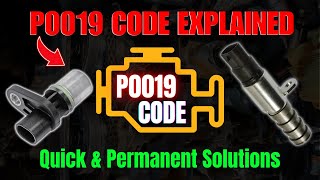
- A 'chopping' sound from the exhaust, similar to an aggressive camshaft. 🎬 Watch: A breakdown of P0019 symptoms, causes, and solutions.
- Replacing the camshaft position sensor when the actual fault is the VCT solenoid.
- Assuming a major timing chain failure when the problem is simply a sticking solenoid or dirty oil.
- Replacing VCT phasers when only the solenoids are faulty.
Most Likely Causes
- Sticking or Failed VCT Solenoid (Bank 2 Exhaust) 🔴 High Probability Multiple Ford TSBs (SSM 54366, SSM 50067, SSM 48423, SSM 47170) state this is a common issue caused by small debris in the oil sticking the solenoid. This is the most cited cause in owner forums.
How to confirm: Swap the Bank 2 exhaust VCT solenoid with another one (e.g., the intake solenoid on the same bank). Clear the codes and drive the vehicle. If the trouble code changes to P0018 (Bank 2 Intake), the solenoid is confirmed faulty. Alternatively, a scan tool can command the solenoid to cycle; a lack of response or audible click indicates failure.
Typical fix: Replace the VCT solenoid on the driver's side valve cover corresponding to the exhaust camshaft. 🎬 Watch: Step-by-step VCT solenoid replacement on a 2018 Mustang GT. It is often recommended to replace all four VCT solenoids at the same time as a preventative measure. An oil change should be performed with the replacement.
Est. part cost: $25-$60 for a single solenoid, $100-$150 for a set of four. - Low or Dirty Engine Oil 🟡 Medium Probability The Ti-VCT system is hydraulic and relies entirely on clean oil at the correct pressure to function. Debris from infrequent oil changes or use of incorrect oil viscosity can clog the small passages and screens in the VCT solenoids and phasers.
How to confirm: Check the engine oil dipstick for level and inspect the oil's color and consistency. If it's low, dark, or sludgy, it needs to be changed. This should always be the first step in diagnosis. 🎬 See these 4 DIY methods to fix the P0019 code.
Typical fix: Perform an engine oil and filter change using the correct viscosity full-synthetic oil specified for your engine (e.g., SAE 5W-20 for most 3.7L/5.0L models). Clear the codes and drive to see if the issue is resolved.
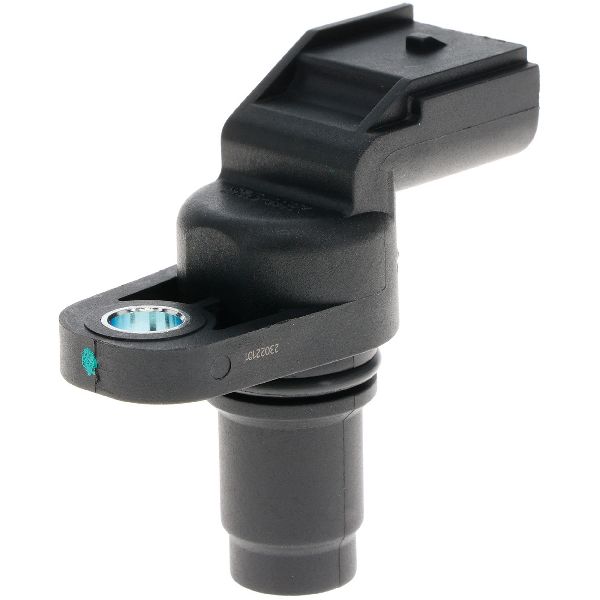
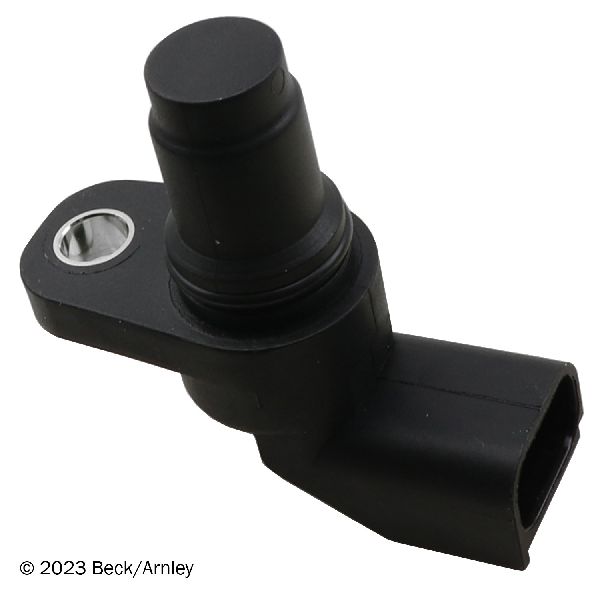
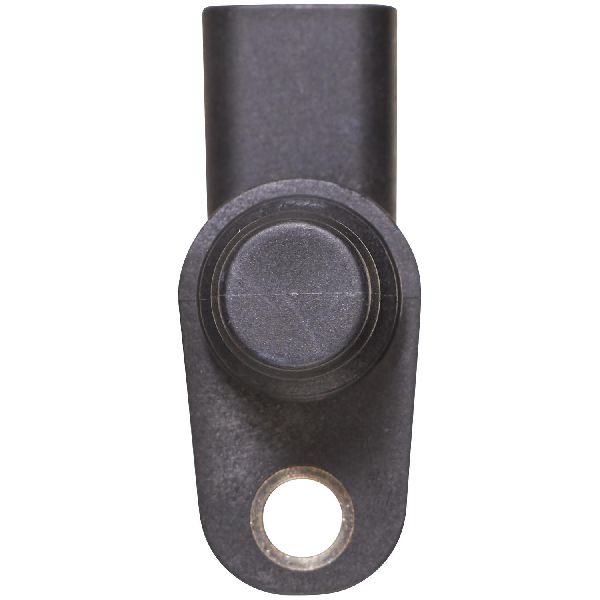
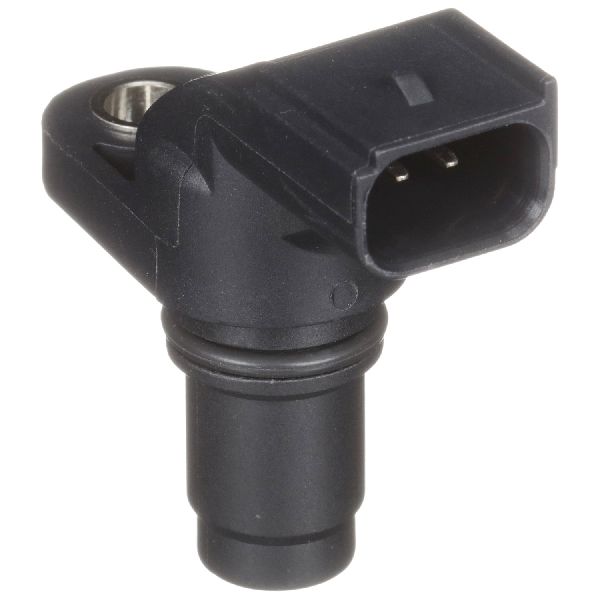
Est. part cost: $50-$100 - Failed Camshaft Position Sensor (Bank 2 Exhaust) ⚪ Low Probability → Shop Engine Camshaft Position Sensor
How to confirm: The sensor's signal can be tested with an oscilloscope. A simpler method is to swap it with the corresponding sensor from Bank 1 (passenger side). If the code changes to P0017 (Bank 1 Exhaust), the sensor is bad.
Typical fix: Replace the camshaft position sensor located on the Bank 2 (driver's side) valve cover.
Est. part cost: $20-$50
Rare But Worth Checking
- Stretched Timing Chain or Failed Timing Components: → Shop Engine Timing Chain While less common than a solenoid failure, this is a serious mechanical issue. It is often accompanied by a rattling noise from the front of the engine, especially on startup. This can occur after major engine work, like an oil pump gear (OPG) installation, if timing is set incorrectly. A full timing job is an expensive, labor-intensive repair.
- Damaged Wiring or Connectors: Frayed wires or corrosion on the connectors for the VCT solenoid or camshaft position sensor can cause an intermittent signal and trigger the code. A visual inspection is the first step. Oil can sometimes leak into the VCT solenoid connector, causing a poor connection.
- Failed VCT Phaser: The VCT phaser (or actuator) is the mechanical gear on the end of the camshaft that actually adjusts the timing. If it becomes clogged with sludge or mechanically fails, it can get stuck and cause this code. This is a major repair that requires timing chain removal and is more common on higher-mileage engines.
- Loose Crankshaft Pulley Bolt: → Shop Engine Crankshaft In rare cases, particularly on modified vehicles, the main crankshaft pulley bolt can back out. This causes the harmonic balancer to wobble, which can disrupt the crankshaft position sensor's reading and lead to correlation codes like P0019.
Diagnosis Steps
- Check Engine Oil: Verify the oil level is correct and the oil is clean. This is the #1 cause of VCT issues. If it's low or past its service life, perform an oil and filter change with the correct full-synthetic oil. Clear codes and re-test.
- Scan for Other Codes: Check for any other DTCs that could point to a more specific issue, such as misfire codes (P030X) or other VCT codes.
- Inspect Wiring: Visually inspect the wiring harness and connectors for the Bank 2 exhaust VCT solenoid and camshaft position sensor. Look for any signs of damage, corrosion, or loose connections. Check for oil contamination inside the connectors.
- Diagnose the VCT Solenoid: The most effective DIY method is to swap the suspect VCT solenoid (Bank 2 exhaust) with a known good one (like the Bank 2 intake solenoid). Clear the codes and drive the vehicle. If the code returns as P0018, the solenoid you moved is faulty and needs replacement.
- Test the VCT Solenoid Electrically: Disconnect the solenoid and apply 12V directly to its two pins. You should hear an audible click as it actuates. A lack of a click, or a very weak click, indicates it is stuck or has failed.
- Test the Camshaft Position Sensor: If the solenoid swap doesn't isolate the problem, perform a similar swap with the camshaft position sensor from the opposite bank to see if the code follows the sensor.
- Listen for Mechanical Noise: Pay close attention to any rattling or ticking sounds from the front of the engine, which could indicate a stretched timing chain or failing tensioner/phaser.
- Seek Professional Diagnosis: If the above steps do not resolve the issue, the problem is likely mechanical (timing chain, phaser). This requires specialized tools and expertise for diagnosis and repair.
Parts You'll Likely Need
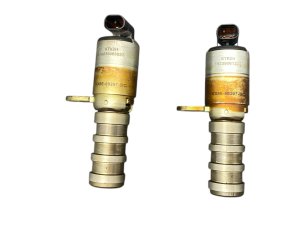
- Variable Camshaft Timing (VCT) Solenoid
(OEM #HL3Z-6M280-A (5.0L, 2018+), BR3Z-6M280-F (5.0L, 2018+), AT4Z-6M280-A (3.7L))— This is the most frequent cause of P0019 on this platform, as documented by multiple Ford TSBs. It gets stuck due to oil debris. [TSB SSM 50067]
Trusted brands: Motorcraft, Ford Performance
OEM price range: $40-$60
Aftermarket price range: $25-$45 - Camshaft Position Sensor
(OEM #9L8Z-6B288-B (Motorcraft DU99) for 5.0L V8)— Though less common than the solenoid, a failing sensor can send incorrect data to the PCM, triggering the code.
Trusted brands: Motorcraft, Bosch, NGK/NTK
OEM price range: $30-$50
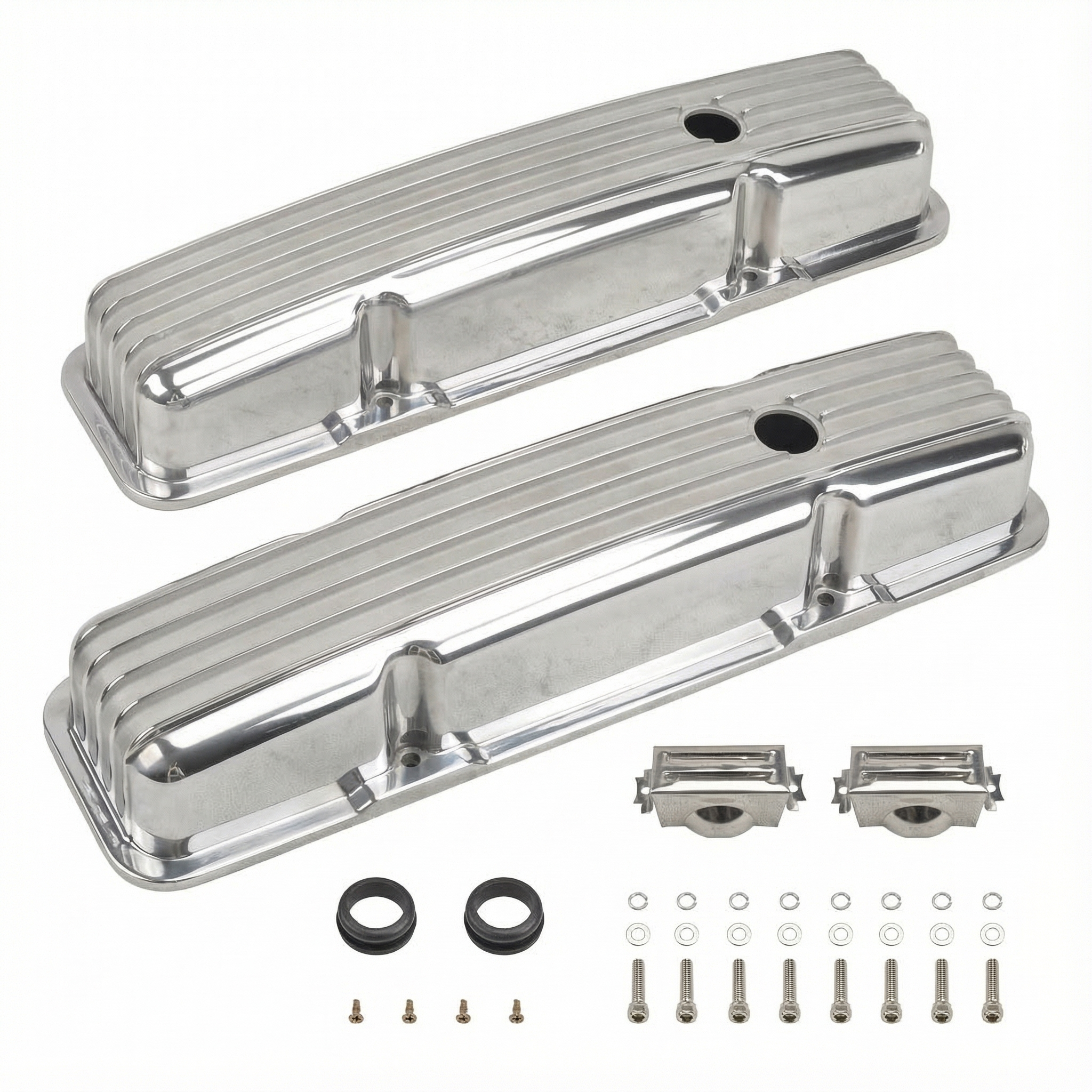
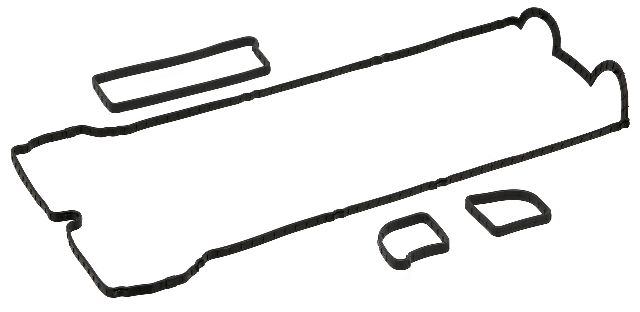
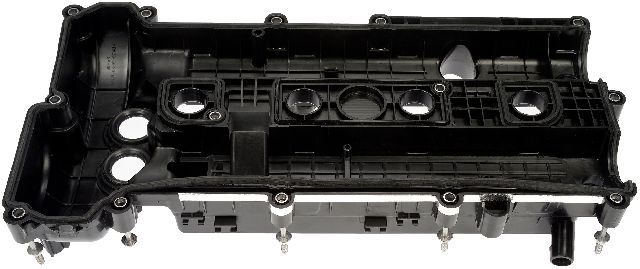
Aftermarket price range: $20-$40 - Valve Cover Gasket Kit — The valve cover must be removed to access the VCT solenoids. It is best practice to replace the gasket to prevent oil leaks.
Related Codes That Often Appear With This One
- P0017 — Crankshaft Position - Camshaft Position Correlation (Bank 1 Sensor B). This indicates a similar issue on the passenger side exhaust cam.
- P0018 — Crankshaft Position - Camshaft Position Correlation (Bank 2 Sensor A). This indicates a timing correlation issue with the intake camshaft on the same (driver's) side.
- P0021, P0022, P0024, P0025 — These are other VCT-related codes for Bank 2. Their presence alongside P0019 reinforces a problem in the VCT system on the driver's side of the engine, as noted in Ford's TSBs.
- P0300, P0307, P0308 — Random or specific misfire codes (P0307 for cylinder 7, P0308 for cylinder 8, both on Bank 2) often accompany P0019 because incorrect cam timing disrupts the combustion process in the affected cylinders.
Technical Service Bulletins (TSBs) & Recalls
- SSM 54366: Notes that various VCT codes including P0019 can occur and points to specific diagnostic procedures in the workshop manual.
- SSM 50067: Covers 2015-2021 models, attributes VCT codes to debris, and recommends cycling the solenoid with a scan tool to clear it before replacement.
- SSM 48423: Similar to 50067, points to debris in VCT solenoids as a likely cause for P0019 and other codes on 2015-2020 models.
- SSM 47170: An earlier TSB also identifying debris as the cause for VCT-related codes.
Platform-Specific Known Issues
- TSB SSM 50067, SSM 48423, and SSM 47170 all note that for 2015-2021 Ford vehicles, DTCs including P0019 may be set due to small debris causing the VCT solenoid to stick. The bulletins advise against immediate component replacement before performing specific diagnostic tests.
- TSB SSM 54366 reiterates this point for 2015-2021 models and directs technicians to Pinpoint Test HK in the workshop manual for diagnosis of a wide range of VCT-related codes, including P0019.
- On the 5.0L V8, replacing the passenger side (Bank 1) VCT solenoids is significantly more difficult than the driver's side (Bank 2) due to interference from the high-pressure fuel pump (HPFP).
Mechanic-Grade Diagnostic Values
- VCT Solenoid Internal Resistance — expected: 6.9 to 7.9 Ohms at 68°F (20°C). Some sources state a broader acceptable range of 5 to 15 Ohms.. Failure: A reading of '1' or 'OL' (Open Loop) indicates a broken internal circuit. A reading significantly outside the expected range, such as 0.7 Ohms, also indicates failure.
- Camshaft Position Sensor (CMP) Signal Voltage — expected: Approximately 5V on the signal wire.. Failure: Voltage outside of the expected range or an irregular waveform on an oscilloscope can indicate a faulty sensor or wiring issue.
Scan Tool Commands That Help
- FORScan / Ford IDS: VCT Solenoid Actuator Test / Output State Control — This bidirectional command allows the technician to directly activate the Bank 2 Exhaust VCT solenoid while the engine is running. A functional solenoid and clear oil passages will cause the engine to hesitate or stall. If there is no change in engine operation, it confirms a problem with the solenoid itself or a blockage in the oil passages.
- FORScan / Ford IDS: Crankshaft Position Sensor Relearn (Misfire Monitor Neutral Profile Correction) — This procedure should be performed after any work involving the crankshaft, harmonic balancer, or timing components. If the crank pulley bolt came loose or timing components were replaced, the PCM may need to relearn the profile of the crankshaft position sensor's reluctor wheel to accurately correlate it with the camshafts.
Wiring & Ground Locations
- G104 — On the driver's side top of the radiator support, in front of or next to the battery.. This ground connection is critical for the PCM and multiple sensors, including the MAF sensor. A poor connection here can cause erratic sensor readings and trigger various codes, including correlation faults.
- G103 — On the passenger side top of the radiator support.. This ground serves the O2 sensors, and while not directly tied to the VCT system, poor grounds in the engine bay can introduce electrical noise that affects sensitive sensor signals.
- G201 — On the passenger side kick panel, near the PCM.. This is a primary ground for the Powertrain Control Module (PCM). A fault at this location can cause a wide range of unpredictable issues, including incorrect processing of sensor data.
- Engine to Frame Ground Strap — Typically located on the driver's side, connecting the engine block to the vehicle's frame.. This is a main ground path for the engine. If it's loose, corroded, or broken, the electrical system may try to find other paths to ground, leading to voltage irregularities that can affect sensor performance.
Real Owner Repair Stories
- Mustang6G.com forum user (2020 Mustang GT (in a 2018 body)) — P0019 code appeared immediately after installing an Odin supercharger, oil pump gears (OPG), and crank sprockets.
❌ Tried (didn't work) The owner was 99% sure the timing was correct but suspected an issue.
✅ What actually fixed it The user did not post a final resolution, but other experienced users strongly suggested the mechanical timing was off by a tooth on the Bank 2 exhaust cam, requiring a teardown to re-time the engine. Another suggestion was to perform a crankshaft position sensor relearn procedure. - Mustang6G.com forum user (2021 Mustang Mach 1 with Procharger) — Loud noise initially thought to be rod knock, followed by code P0019.
❌ Tried (didn't work) Changed oil and cleared the code, but it returned.
✅ What actually fixed it The root cause was a loose crankshaft pulley bolt that caused the harmonic balancer to wobble. While the user didn't post the final repair, the clear implication is that after re-torquing the crank bolt, a crankshaft position sensor relearn procedure was necessary to clear the P0019 correlation code that was set due to the wobble. - Reddit user r/AskMechanics (2015 Mustang 3.7L, custom turbo kit) — P0019 code appeared after installing a new short block following a previous engine failure.
❌ Tried (didn't work) Re-timed the engine twice, checked VVT and camshaft sensors, soldered a ripped wire on the passenger side exhaust.
✅ What actually fixed it The user did not post a final resolution, but the history of major engine work and a custom turbo tune points towards a persistent mechanical timing issue or a problem with the custom tune's VVT tables not matching the engine's hardware.
OEM Part Supersession History
BR3Z-6M280-D (and earlier revisions)→M-6297-M50A (Ford Performance Kit)— The Ford Performance solenoids were developed with a stronger mounting provision for racing applications but became a popular and robust replacement for the stock solenoids which were prone to failure.
Heads up: The M-6297-M50A kit is for 2011-2017 5.0L engines. For 2018+ 5.0L Gen 3 engines, these solenoids will only fit the INTAKE position, not the exhaust.Unknown→HL3Z-6M280-A— This is the standard Motorcraft VCT solenoid for the 2018+ Gen 3 Coyote 5.0L engine, which has a different VCT system than the Gen 2.
Heads up: This part is specific to the 2018+ engines and is not backward compatible with 2015-2017 models due to changes in the cylinder heads and VCT system.
Model Year Variations Within This Range
- 2018-2021 (5.0L V8): The 2018 model year introduced the Gen 3 Coyote 5.0L engine. It features significant changes including a dual-fuel system (port and direct injection), a higher compression ratio (12.0:1 vs 11.0:1), revised cylinder heads, and different VCT components. The VCT solenoids have different part numbers (e.g., HL3Z-6M280-A) compared to the 2015-2017 Gen 2 engine. Diagnosis remains similar, but parts are not interchangeable.
Helpful Videos
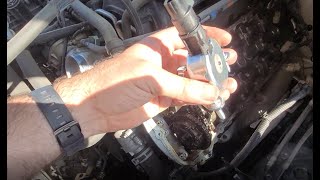
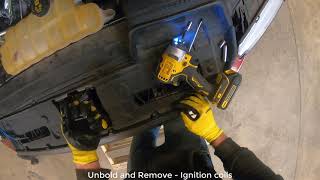
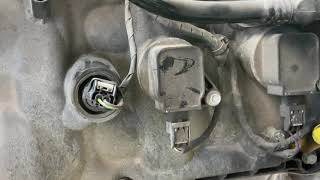
![How to Fix P0019 Engine Code in 6 Minutes [4 DIY Methods / Only $6.85]](https://img.youtube.com/vi/RxW2-XX97dY/mqdefault.jpg)

Used OEM Parts in Stock
New Aftermarket Parts Available

The information in this article is provided for general reference and educational purposes only. Vehicle specifications, procedures, and part compatibility can vary by production date, trim level, and region. Always consult your vehicle's factory service manual and verify part numbers before purchasing or performing repairs. Safety-critical components such as airbags, seat belts, and braking systems should be installed by a qualified professional.
- Ford MUSTANG:
- 🧭 Diagnostic Flowchart
- 🎬 Helpful Videos
- 🛍️ Shop This Part
- What's Unique About the 2015-2021 Ford MUSTANG
- Symptoms You May Notice
- Most Likely Causes
- Rare But Worth Checking
- Diagnosis Steps
- Parts You'll Likely Need
- Related Codes That Often Appear With This One
- Technical Service Bulletins (TSBs) & Recalls
- Platform-Specific Known Issues
- Mechanic-Grade Diagnostic Values
- Scan Tool Commands That Help
- Wiring & Ground Locations
- Real Owner Repair Stories
- OEM Part Supersession History
- Model Year Variations Within This Range
- 🎟️ Get 5% Off