

P0019 on 2015-2019 Ford Transit: Crank/Cam Correlation Causes and Fixes
On a 2015-2019 Ford Transit, code P0019 is most often caused by a faulty Variable Camshaft Timing (VCT) solenoid, often due to dirty oil or debris. Replacing a VCT solenoid costs about $40-$80 for the part and is a relatively simple DIY fix. An oil change with the correct full-synthetic oil is a critical first step.
- P0019 on a Ford Transit almost always points to an issue with the Variable Camshaft Timing (VCT) system on the Bank 2 (driver's side) exhaust camshaft.
- The most likely and easiest fix is replacing the VCT solenoid for the Bank 2 exhaust cam.
- Before replacing any parts, check your engine oil level and condition. Low or dirty oil is a common cause of this code.
- If a new solenoid and fresh oil don't fix the issue, the problem could be a faulty sensor, wiring, or a more serious mechanical timing issue.
- Multiple Ford TSBs highlight that sticking VCT solenoids are a known issue on these engines.
What's Unique About the 2015-2019 Ford TRANSIT
For this generation of Ford Transit with the 3.5L or 3.7L V6 engines, the Variable Camshaft Timing (VCT) system is a known point of attention. Multiple Ford Technical Service Bulletins (TSBs) confirm that P0019 and related codes can be triggered by small debris causing the VCT solenoids to stick. [SSM 48423, SSM 50067, SSM 47170] This suggests the system is extremely sensitive to oil quality and cleanliness, making regular oil changes with the correct full-synthetic oil especially critical for preventing this issue. Forum discussions on platform mates like the F-150 often link the appearance of this code to recent oil changes at quick-lube shops, suggesting incorrect oil type or quality may be a trigger.
Diagnostic Flowchart
Tap your situation to follow the diagnostic path that matches what you're seeing on this vehicle.
Symptoms You May Notice
- Check Engine Light is on.
- Rough or fluctuating idle, sometimes described as feeling like 'rumble strips'.
- Hesitation or stumbling during acceleration.
- Reduced engine power.
- Decreased fuel economy.
- In some cases, the engine may be hard to start or stall at low speeds, particularly when coming to a stop.
- Engine may make rattling or tapping noises, especially on startup if the timing chain is involved.
- Replacing the camshaft position sensor when the actual problem is a sticking VCT solenoid or dirty oil.
- Replacing the crankshaft position sensor, which is rarely the cause for a single-bank correlation code.
- Proceeding to a timing chain replacement without first thoroughly diagnosing the VCT solenoids and checking for oil pressure/quality issues.
Most Likely Causes
- Sticking or Failed VCT Solenoid 🔴 High Probability Multiple Ford TSBs state this is a common issue caused by small debris in the engine oil. [SSM 48423, SSM 50067, SSM 47170] The VCT system relies on clean oil and pressure to function correctly, and the solenoids are the primary actuators.
How to confirm: Check oil level and condition first. Use a scan tool to monitor VCT PIDs (Parameter IDs) 🎬 Watch: Ford tech explains how to diagnose VCT systems. and command the solenoid on/off; you should see a change in timing angle and hear a click. A common diagnostic step is to swap the Bank 2 exhaust solenoid with another one (e.g., the intake solenoid on the same bank) and see if the code changes (e.g., to P0018).
Typical fix: Replace the VCT solenoid for Bank 2, Exhaust side. An engine oil and filter change is highly recommended at the same time.
Est. part cost: $40-$80 - Low or Dirty Engine Oil 🟡 Medium Probability The VCT system is hydraulic and operated by engine oil pressure. If the oil is low, dirty, sludged, or the wrong viscosity, it cannot operate the cam phasers correctly. Many owner reports link the code's appearance to going too long between oil changes or using non-specified oil.
How to confirm: Check the oil dipstick for level and inspect the oil for darkness, sludge, or a gritty texture. In many cases, simply performing a proper oil change is a valid diagnostic step.
Typical fix: Perform an oil and filter change using the manufacturer-specified grade of oil (e.g., Motorcraft 5W-30 Full Synthetic).
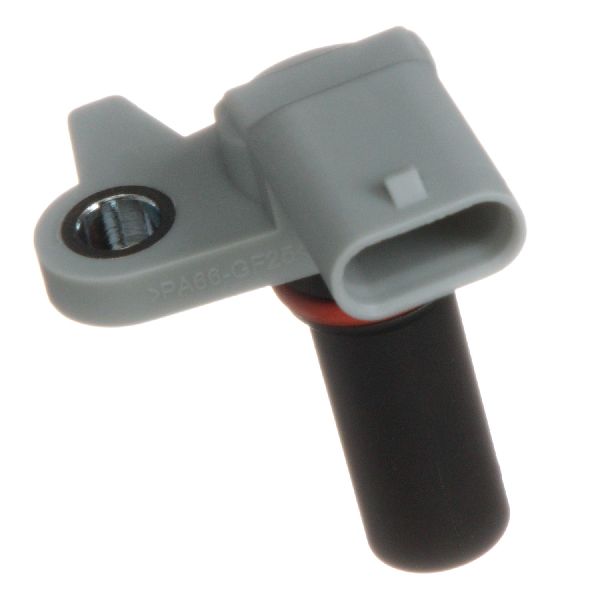
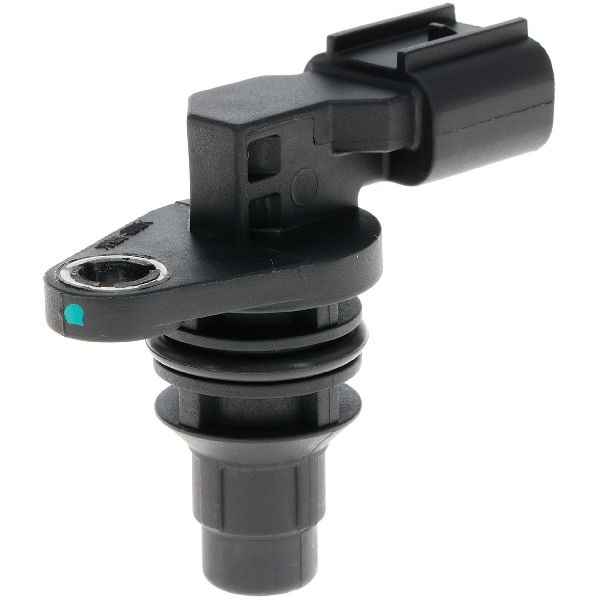
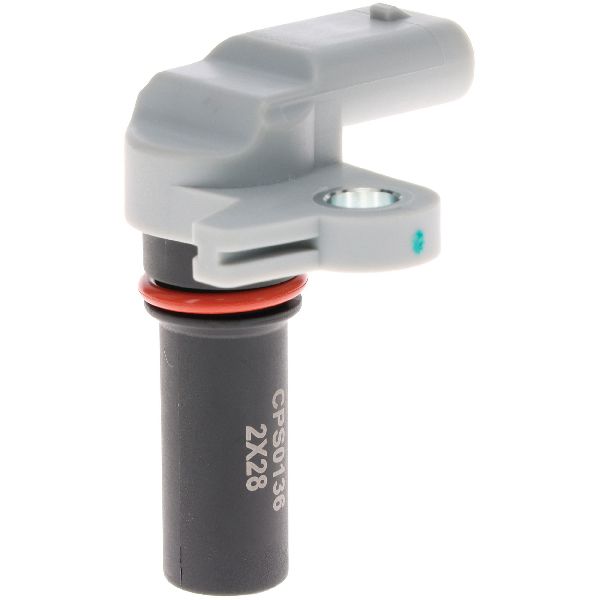
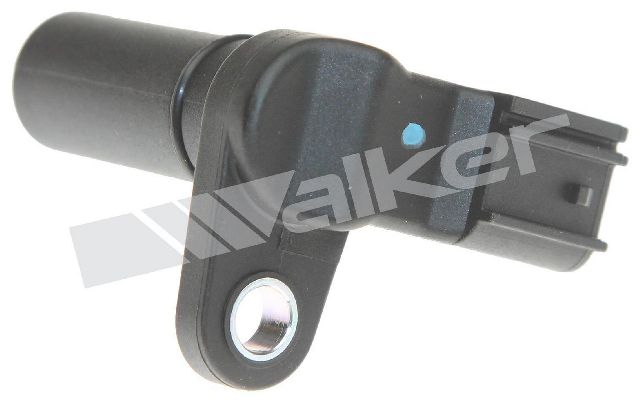
Est. part cost: $40-$70 - Faulty Camshaft Position Sensor ⚪ Low Probability → Shop Engine Camshaft Position Sensor
How to confirm: Use a scan tool or oscilloscope to check for erratic readings or signal dropouts from the Bank 2 exhaust cam sensor. Inspect the sensor and its wiring for damage or corrosion. It is often misdiagnosed when the solenoid is the real issue.
Typical fix: Replace the camshaft position sensor on Bank 2 (exhaust).
Est. part cost: $25-$50
Rare But Worth Checking
- Stretched Timing Chain or Failed Phaser: → Shop Engine Timing Chain While less common than a solenoid failure, a stretched timing chain or a mechanically failed cam phaser can cause this code. This is a much more serious and expensive repair. You may hear rattling noises, especially on startup, if this is the cause. This often requires significant engine disassembly to verify and repair.
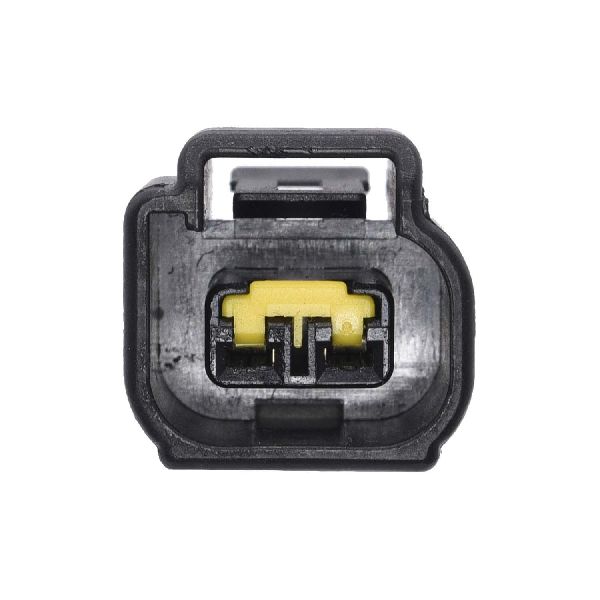
- Wiring or Connector Issue: Damage to the wiring harness or corrosion in the connector for the VCT solenoid or camshaft position sensor can disrupt the signal, leading to the code. A visual inspection is the first step.
- Damaged or Slipped Camshaft Reluctor Ring: → Shop Engine Camshaft In rare cases, the reluctor ring on the back of the camshaft, which the sensor reads, can be damaged or shift its position, causing a correlation error even if all other components are good. One owner of a 2014 Explorer with the 3.5L engine fixed a persistent P0019 by realigning this ring.
Diagnosis Steps
- Check Engine Oil: Verify the engine oil is full, clean, and of the correct viscosity (e.g., 5W-30 Full Synthetic). If it's low or dirty, an oil change is the first and most crucial step. This alone can sometimes resolve the issue.
- Scan for Codes: Use an OBD-II scanner to confirm P0019 and check for any other 🎬 Watch: Quick breakdown of P0019 causes and permanent solutions. related codes (like P0018, P0025). Document the freeze frame data to see the conditions when the code was set.
- Inspect Wiring: Visually inspect the wiring and connectors for the Bank 2 exhaust VCT solenoid and camshaft position sensor. Look for any signs of damage, corrosion, or loose connections.
- Test the VCT Solenoid: Using a capable scan tool, command the Bank 2 exhaust VCT solenoid to activate and watch live data for a change in camshaft timing angle. A simpler field test is to swap the suspect solenoid with an identical one from a different position (like the intake side) and see if the trouble code follows the part (e.g., changes to P0018).
- Test the Camshaft Sensor: If the solenoid seems to be working, test the camshaft position sensor by monitoring its output with a scan tool or oscilloscope for any dropouts or erratic signals while the engine is running.
- Mechanical Timing Check: If all sensors and solenoids test good, the problem is likely mechanical. This involves inspecting the timing chain for slack, checking the cam phaser for damage, and verifying the reluctor rings on the cam and crank are intact. This is an advanced step and may require significant engine disassembly.
Parts You'll Likely Need
- Engine Variable Valve Timing (VCT) Solenoid
(OEM #AT4Z-6M280-B)— This is the most frequent cause of P0019 on these engines, as identified by multiple Ford TSBs. [SSM 48423, SSM 50067] This specific part number fits the Left Side Intake position on many Ford 3.5L/3.7L engines.
Trusted brands: Motorcraft, Dorman
OEM price range: $60-$90
Aftermarket price range: $40-$60 - Camshaft Position Sensor
(OEM #DU-90)— If the VCT solenoid is not the cause, a failing sensor is the next most likely component to replace. It is often replaced unnecessarily.
Trusted brands: Motorcraft, Bosch, NTK
OEM price range: $30-$50
Aftermarket price range: $20-$40 - Motorcraft Engine Oil and Filter — Clean, correct-viscosity oil is essential for the VCT system to work. An oil change should be part of any P0019 repair.
Trusted brands: Motorcraft
OEM price range: $40-$70
Aftermarket price range: $35-$60
Related Codes That Often Appear With This One
- P0017 — This is the correlation code for the exhaust camshaft on Bank 1. If both P0017 and P0019 are present, it could point to a systemic issue like low oil pressure, widespread sludge, or a problem with the primary timing chain affecting both banks.
- P0018 — This is the correlation code for the intake camshaft on the same bank (Bank 2). Seeing them together could indicate a more significant timing issue on Bank 2, such as a problem with the cam phaser or timing chain alignment on that side.
- P0025 — This code means 'Camshaft Position B - Timing Over-Retarded (Bank 2)'. It often appears with P0019 and indicates the exhaust cam on Bank 2 is not only out of sync, but specifically lagging behind the commanded position, further pointing to a stuck VCT solenoid or phaser.
Technical Service Bulletins (TSBs) & Recalls
- SSM 54366: Notes P0019 among a list of VCT-related DTCs
Platform-Specific Known Issues
- Ford has issued multiple Technical Service Bulletins (TSBs) like SSM 48423, SSM 50067, and SSM 47170, which state that P0019 (and other VCT-related codes) can be caused by small debris in the oil causing the VCT solenoid to stick. The bulletins advise against component replacement until the oil system is considered.
- TSB-16-0093 notes that this code can appear on very low-mileage vehicles (under 2000 miles), suggesting it could be an issue from assembly or an early-life component failure. The TSB explicitly directs technicians to replace the affected VCT solenoid in these cases.
Mechanic-Grade Diagnostic Values
- VCT Solenoid Resistance — expected: 6.9 to 7.9 ohms at 68°F (20°C). Failure: No reading (open circuit) or a reading significantly outside this range indicates a faulty solenoid coil.
- Live Data VCT Advanced Error PID (e.g., VCT_EXH_ERR_B2) — expected: Should hover around 0° (plus or minus 5° is generally acceptable for short periods).. Failure: A consistent, large error value, or a value that doesn't return to near zero when commanded, points to a sticking solenoid, phaser, or oil flow problem.
- Engine Oil Pressure at Hot Idle — expected: Minimum of 15-25 PSI at normal operating temperature.. Failure: Pressure below this minimum can cause the VCT system to malfunction and set correlation codes, even if the oil level is full.
- Camshaft Position Sensor Voltage — expected: Signal should typically range between 0.5V and 4.5V while the engine is running.. Failure: A flatline signal, no voltage, or erratic voltage spikes suggest a failed sensor or wiring issue.
Hidden / Shadow Codes Worth Checking
- Mode 6, Test ID $81, Component ID $11-$14: This area in a generic OBD-II scanner shows statistical data on VCT timing errors. It tracks how often the camshaft angle has deviated from the target position beyond a calibrated threshold. It won't set a Check Engine Light on its own but can show an emerging problem before a full DTC like P0019 is triggered. (see via A capable OBD-II scanner that can display Mode 6 test results.)
Scan Tool Commands That Help
- Ford IDS (Integrated Diagnostic System): Output State Control for VCT Solenoids — This bidirectional command allows a technician to manually turn each VCT solenoid on and off while monitoring the corresponding camshaft position PID. This directly tests the solenoid's electrical circuit and its mechanical response, confirming if it's stuck or slow to react.
- Ford IDS (Integrated Diagnostic System): Datalogger with VCT Error PIDs (e.g., VCT_EXH_ERR_B2) — Used during a road test to capture intermittent issues. By recording the VCT error, desired angle, and actual angle, a technician can see exactly when the correlation fault occurs under specific driving conditions (load, RPM).
Wiring & Ground Locations
- Bank 2 Exhaust VCT Solenoid Connector — On the front of the driver's side (Bank 2) valve cover, the lower of the two solenoids.. This is the primary connector to test for power and control signals from the PCM. One pin should have battery voltage with the key on, and the other is the duty-cycle control ground from the PCM.
- Bank 2 Exhaust Camshaft Position Sensor Connector — Located on the rear of the driver's side (Bank 2) cylinder head.. This connector provides power, ground, and signal return for the sensor that the PCM uses to determine the camshaft's position. A bad connection here will directly cause a correlation code.
- PCM Cowl Grounds — On the firewall/cowl area, often providing a ground path for multiple engine sensors.. A loose or corroded ground at this location can introduce electrical noise or voltage drops, affecting the signals from both the cam and crank sensors, potentially leading to false correlation codes.
Real Owner Repair Stories
- Ford F150 Forum (2014 Ford F-150 3.5L EcoBoost) — After a full timing chain job (new chains, phasers, guides, tensioners, oil pump), the truck was sluggish and immediately set a P0019 code on startup. The code would sometimes clear on its own but always returned.
❌ Tried (didn't work) Clearing the code; it would reappear immediately or within a short drive.
✅ What actually fixed it The user did not post a final resolution, but the symptoms appearing immediately after a timing job strongly suggest a mechanical timing error, such as the Bank 2 exhaust camshaft being off by a tooth, or an issue with the new phaser on that position. - YouTube - Truck Lab (2019 Ford F-150 3.5L EcoBoost) — Check Engine Light with P0018 (Bank 2 Intake correlation) and P0021 (Bank 2 Intake over-advanced), occasional power loss, and a cold start rattle.
❌ Tried (didn't work) The initial diagnosis pointed towards common cam phaser failure due to the rattle.
✅ What actually fixed it The root cause was a failed VCT solenoid. A small piece of the plastic control ring inside the solenoid had broken off, jamming the internal spool valve and preventing it from moving correctly. Replacing all four VCT solenoids resolved all symptoms, including the cold start rattle that was initially blamed on the phasers.
OEM Part Supersession History
AT4Z-6M280-C (Right/Bank 1 Exhaust)→N/A— This is the current part for the Bank 1 Exhaust solenoid.AT4Z-6M280-A (Left/Bank 2 Exhaust & Right/Bank 1 Intake)→N/A— This part serves two positions: Bank 2 Exhaust (relevant to P0019) and Bank 1 Intake.
Heads up: Do not use for Bank 2 Intake or Bank 1 Exhaust.AT4Z-6M280-B (Left/Bank 2 Intake)→N/A— This is the current part for the Bank 2 Intake solenoid. It was incorrectly listed as the fix for P0019 in the Pass 2 data.
Heads up: This part is for the intake camshaft on Bank 2 and will not resolve an exhaust-side code like P0019.
Model Year Variations Within This Range
- 2015-2019: The Gen 1 3.5L EcoBoost and 3.7L Ti-VCT in this year range use a consistent VCT system. A major redesign occurred for the 2020 model year Transit with the introduction of the Gen 2 3.5L EcoBoost, which uses different cam phasers and has different associated TSBs related to cold start rattle.
Helpful Videos
We Have This Part in Stock

The information in this article is provided for general reference and educational purposes only. Vehicle specifications, procedures, and part compatibility can vary by production date, trim level, and region. Always consult your vehicle's factory service manual and verify part numbers before purchasing or performing repairs. Safety-critical components such as airbags, seat belts, and braking systems should be installed by a qualified professional.
- Ford TRANSIT:
- 🧭 Diagnostic Flowchart
- 🎬 Helpful Videos
- 🛍️ Shop This Part
- What's Unique About the 2015-2019 Ford TRANSIT
- Symptoms You May Notice
- Most Likely Causes
- Rare But Worth Checking
- Diagnosis Steps
- Parts You'll Likely Need
- Related Codes That Often Appear With This One
- Technical Service Bulletins (TSBs) & Recalls
- Platform-Specific Known Issues
- Mechanic-Grade Diagnostic Values
- Hidden / Shadow Codes Worth Checking
- Scan Tool Commands That Help
- Wiring & Ground Locations
- Real Owner Repair Stories
- OEM Part Supersession History
- Model Year Variations Within This Range
- 🎟️ Get 5% Off