

P0019 on 2015-2021 Ford Transit Connect 2.5L: Exhaust Cam Timing Fixes
On a 2015-2021 Transit Connect with the 2.5L engine, P0019 almost always points to low/dirty engine oil or a faulty exhaust-side Variable Camshaft Timing (VCT) solenoid. Before buying parts, check your oil. An oil change and a new Motorcraft VCT solenoid (Part No. 7L5Z-6C535-AA) fixes this issue the vast majority of the time for under $100.
- P0019 on your Transit Connect points to a timing issue with the exhaust camshaft.
- Before buying any parts, check your oil level and quality. A simple oil change can sometimes fix the issue.
- The most likely failed part is the exhaust VCT solenoid, which is relatively inexpensive and easy to replace.
- Do not immediately assume a catastrophic timing chain failure. Diagnose the simple, common causes first.
- Using the correct 5W-20 engine oil and changing it regularly is the best prevention for this code.
What's Unique About the 2015-2021 Ford TRANSIT CONNECT
The key issue for this platform is confusion over the 'Bank 2' definition on an inline-4 engine. Ford's own technical service bulletins (TSBs) confirm that P0019 is a valid code for this engine and points to the exhaust camshaft. The TSBs strongly suggest the most common culprit is not a major mechanical failure, but rather oil-related issues. Small debris in the engine oil can cause the VCT solenoids to stick, leading to a range of timing codes including P0019. This makes regular, high-quality oil changes especially critical on this 2.5L Duratec engine.
Diagnostic Flowchart
Tap your situation to follow the diagnostic path that matches what you're seeing on this vehicle.
Symptoms You May Notice
- Check Engine Light is on
- Rough or uneven idle, sometimes feeling like a misfire
- Engine hesitation or stumbling on acceleration
- Reduced engine power
- Decreased fuel mileage
- Engine may stall at low speeds or when coming to a stop
- Rattling or knocking noises from the engine, especially if timing components are worn
- Replacing the crankshaft position sensor. While possible, it's much less likely to fail than the camshaft sensor or VCT solenoid for a bank-specific code like P0019.
- Immediately replacing the timing chain. Always diagnose the oil level/quality, VCT solenoids, and sensors first, as these are far more common and cheaper fixes.
Most Likely Causes
- Low or Dirty Engine Oil 🔴 High Probability The VCT system is hydraulically operated by engine oil. Ford TSBs SSM 47170, SSM 50067, and SSM 48423 all indicate that debris in the oil is a primary cause of VCT solenoid issues leading to this code family. Dirty oil can clog the fine mesh screens on the solenoids, impeding their function.
How to confirm: Check the oil level on the dipstick. Inspect the oil's color and consistency. If it is low, black, sludgy, or past its recommended change interval, it needs to be changed.
Typical fix: Perform an engine oil and filter change using the manufacturer-specified grade (5W-20 Synthetic Blend).
Est. part cost: $30-$70 - Failing Exhaust VCT Solenoid (Oil Control Valve) 🔴 High Probability As stated in Ford TSBs, these solenoids are susceptible to sticking due to small debris in the oil. Their frequent operation makes them a common failure point. The 2.5L engine uses two identical solenoids for intake and exhaust, making diagnosis by swapping them straightforward.
How to confirm: Use a scan tool to monitor VCT PIDs like VCT_EXH_ACT2 and VCT_EXH_DIF2. A common diagnostic step is to swap the exhaust VCT solenoid with the intake VCT solenoid and clear the codes. If the code changes from P0019 (Exhaust) to P0016 (Intake), the solenoid is confirmed faulty.
Typical fix: Replace the exhaust camshaft VCT solenoid. It is recommended to use a genuine Motorcraft part.
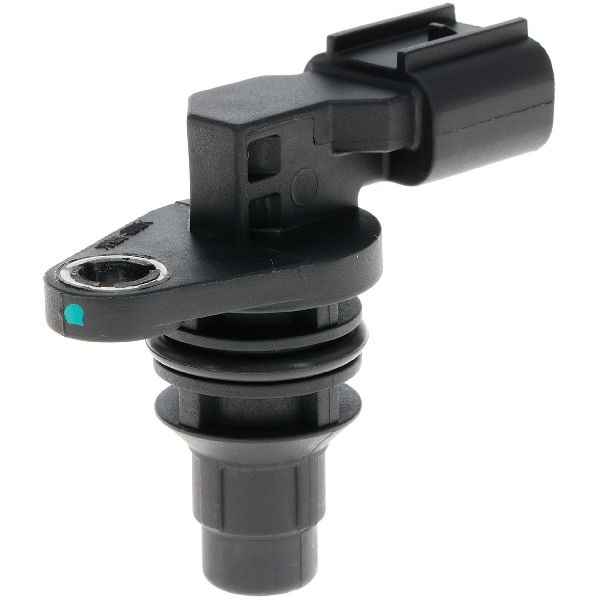
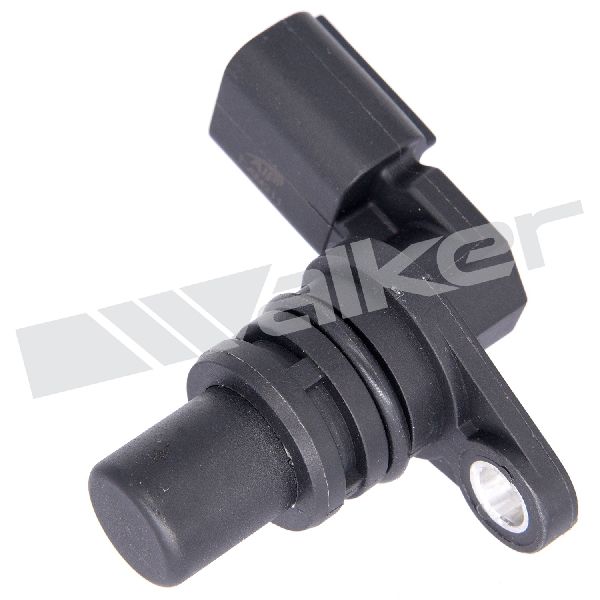
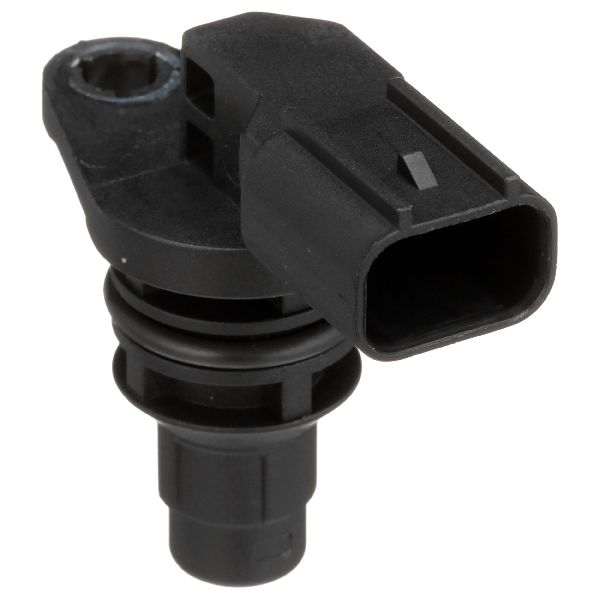
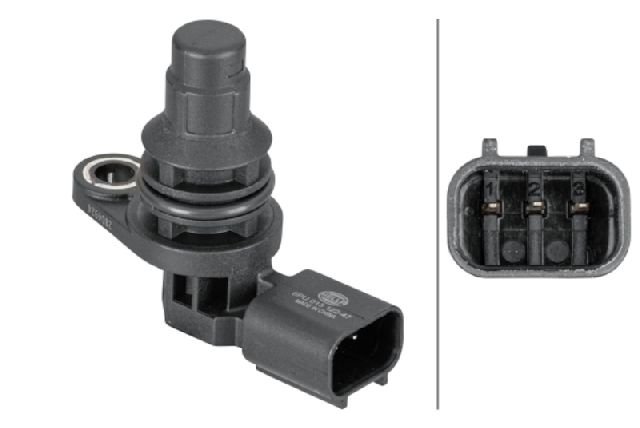
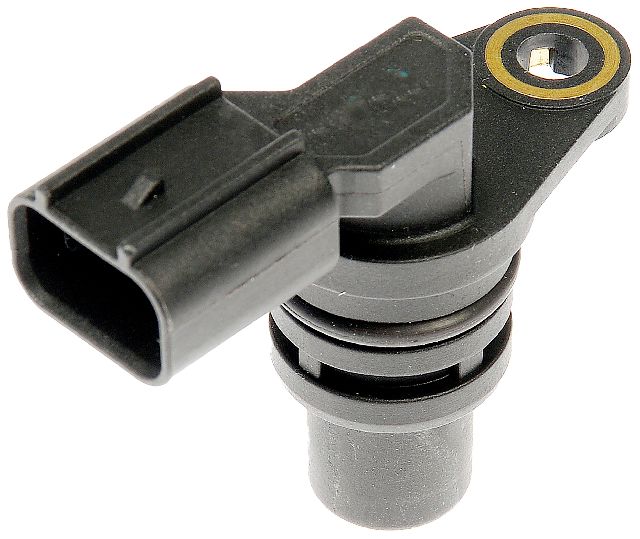
Est. part cost: $30-$80 - Faulty Exhaust Camshaft Position Sensor 🟡 Medium Probability → Shop Engine Camshaft Position Sensor While less common than the solenoid, the sensor that reads the camshaft's position can fail over time, sending incorrect data to the PCM.
How to confirm: Inspect the sensor and its wiring for damage. Test the sensor's output with a multimeter or oscilloscope. If swapping the VCT solenoid doesn't change the code, the sensor is the next likely part to test.
Typical fix: Replace the exhaust camshaft position sensor ('B' sensor).
Est. part cost: $25-$60 - Stretched Timing Chain or Worn Guides/Tensioner ⚪ Low Probability → Shop Engine Timing Chain While less common than oil-related issues, timing chains can stretch over high mileage (typically over 100,000-150,000 miles), causing a permanent correlation error that sensors and solenoids cannot fix. Worn or broken plastic guides are a known issue on this engine family.
How to confirm: This is a complex diagnosis. It often begins with a rattling noise on startup that may quiet down as oil pressure builds. A mechanic will use a scan tool to check cam/crank offset PIDs. Physical inspection requires removing the valve cover and/or timing cover to check for chain slack and guide damage.
Typical fix: Replace the timing chain, tensioner, and guides as a complete kit. This is a labor-intensive job.
Est. part cost: $200-$400
Rare But Worth Checking
- Damaged Camshaft Phaser: → Shop Engine Camshaft The phaser is the mechanical gear that the VCT solenoid controls. If it fails mechanically, gets clogged internally with sludge, or its locking pin fails, it can get stuck and cause a timing correlation code.
- Wiring Harness Damage: Check for damaged wires or corroded connectors at the VCT solenoid and camshaft position sensor, especially if the vehicle has been serviced recently. Look for chafing against the engine or brittle plastic connectors.
- PCM (Powertrain Control Module) Fault: This is extremely rare. The PCM should only be considered after all other mechanical and electrical possibilities have been exhaustively ruled out by a professional.
Diagnosis Steps
- Check Engine Oil: Verify the oil level is correct and the oil is clean. If low, top it off. If old or dirty, perform an oil and filter change with 5W-20 oil. This is the single most important first step. Clear codes and drive.
- Scan Tool Analysis: Use a scan tool to monitor live data. Look for PIDs related to the exhaust cam, such as VCT_EXH_ACT2 (actual angle) and VCT_EXH_DIF2 (error angle). A large, persistent error value at idle suggests a problem.
- Inspect Wiring: Visually inspect the wiring harness and connector for the exhaust VCT solenoid and the exhaust camshaft position sensor. Look for any signs of damage, corrosion, or loose connections.
- Swap VCT Solenoids (Recommended): The easiest way to diagnose a bad solenoid is to swap it. The 2.5L engine has two identical solenoids on top of the valve cover. The exhaust solenoid is typically the one on the left (driver's side). Swap it with the intake solenoid (right side). Clear the codes. If the code returns as P0016, you've confirmed the solenoid is bad.
- Test the VCT Solenoid: If you don't swap them, you can test the solenoid. Disconnect it and check its resistance with a multimeter (should be between 5-14 ohms). You can also carefully apply 12V to see if the internal plunger clicks audibly.
- Test the Camshaft Position Sensor: If the solenoid is good, suspect the sensor. Inspect its wiring. It can be tested with a multimeter for proper voltage signals, but replacement is often simpler for a DIYer.
- Mechanical Timing Inspection: If all else fails, the problem is likely mechanical (timing chain, phaser, tensioner). This step usually requires a professional mechanic to check for startup rattle, remove the valve cover to inspect for chain slack, and verify timing marks.
Parts You'll Likely Need
- Variable Camshaft Timing (VCT) Solenoid / Oil Control Valve
(OEM #7L5Z-6C535-AA (Motorcraft))— This is the most common failure point for P0019, as identified in multiple Ford TSBs. It gets clogged or sticks due to oil debris. The part number 7L1Z-6C535-AA is often listed as a seal for this component.
Trusted brands: Motorcraft, Dorman, Delphi
OEM price range: $50-$80
Aftermarket price range: $30-$60 - Camshaft Position Sensor
(OEM #6M8Z-6B288-D (Motorcraft))— If the VCT solenoid is not the cause, the sensor that reads the camshaft's position is the next logical part to fail. This part number supersedes several previous versions.
Trusted brands: Motorcraft, Bosch, NGK/NTK
OEM price range: $40-$70
Aftermarket price range: $25-$50 - Engine Oil and Filter
(OEM #FL-910-S (Motorcraft Oil Filter))— Dirty or low oil is a primary trigger for this code. A fresh oil change is a required first step in diagnosis and repair.
Trusted brands: Motorcraft (Synthetic Blend 5W-20), Valvoline, Mobil 1
OEM price range: $50-$70
Aftermarket price range: $30-$50
Related Codes That Often Appear With This One
- P0016 — Crankshaft Position - Camshaft Position Correlation Bank 1 Sensor A (Intake). If you swap a faulty exhaust VCT solenoid with the intake solenoid, the P0019 code will often change to P0016, confirming the solenoid is the problem.
- P034x/P036x — These are codes for the camshaft position sensor circuits themselves (e.g., P0340). If you have one of these along with P0019, it points more strongly toward a faulty sensor or wiring issue rather than a mechanical timing problem.
- P0017 — Crankshaft Position - Camshaft Position Correlation Bank 1 Sensor B. On some Ford platforms, this code is used interchangeably or in conjunction with P0019 to indicate an exhaust cam timing issue.
Technical Service Bulletins (TSBs) & Recalls
- SSM 50067: Affects 2015-2021 Ford/Lincoln vehicles. States that codes P0011-P0025 may be due to debris causing the VCT solenoid to stick. Recommends cycling the solenoid with a scan tool before replacement.
- SSM 47170: An earlier version of the same bulletin for 2017 and prior models, with the same diagnosis and recommendation.
- SSM 48423: Another iteration of the same VCT solenoid debris issue for 2015-2020 vehicles.
Platform-Specific Known Issues
- Multiple Ford Technical Service Bulletins (TSBs) exist for the 2015-2021 model years covering this family of codes (P0011-P0025). TSBs SSM 47170, SSM 48423, and SSM 50067 all point to the same root cause: small debris in the oil causing the VCT solenoids to stick. The official Ford proce
Mechanic-Grade Diagnostic Values
- VCT Solenoid (Oil Control Valve) Internal Resistance — expected: 5 to 15 Ohms. A common real-world acceptable range is 8-12 Ohms.. Failure: A reading of 0 Ohms indicates a short circuit. An infinite reading (O.L.) indicates an open circuit. Readings significantly outside the expected range indicate a failing coil.
- Camshaft Position Sensor (3-wire Hall Effect) Signal Voltage — expected: A fluctuating square wave signal when viewing on an oscilloscope. With a multimeter, the DC voltage may read between 0.5V and 4.5V, toggling as the engine rotates.. Failure: A flat line (0V or 5V) or no signal indicates a failed sensor or wiring issue.
- Scan Tool VCT Advanced Error PID (e.g., VCT_EXH_DIF2) — expected: Should hover around 0 degrees at idle and in closed-loop operation.. Failure: A persistent error of more than +/- 5 degrees indicates the camshaft is not at its commanded position, pointing to a VCT system fault (solenoid, phaser, or oil pressure).
Scan Tool Commands That Help
- Ford IDS (or equivalent professional scanner): VCT Solenoid Bidirectional Control / Output State Control — This function allows a technician to command the VCT solenoid on and off while the engine is running. If the engine idle stumbles or changes significantly when the exhaust VCT solenoid is commanded, it proves the solenoid and phaser are mechanically capable of moving. A lack of change suggests a stuck solenoid, clogged oil passage, or failed phaser.
Wiring & Ground Locations
- Camshaft Position Sensor Wiring (General) — On the top of the valve cover, near the camshafts.. The camshaft position sensor on this engine is typically a 3-wire Hall Effect sensor. The wires are: 1) 5V Reference from the PCM, 2) Signal wire back to the PCM, and 3) Ground wire, also from the PCM. A failure in any of these wires can mimic a failed sensor and cause P0019.
- VCT Solenoid Wiring (General) — On the top of the valve cover, inserted into the engine.. The VCT solenoid is a 2-wire actuator. One wire receives 12V power when the ignition is on, often from the same circuit that powers the fuel injectors. The other wire is the control wire, which the PCM pulses to ground to activate the solenoid. A loss of power or a break in the control wire will prevent the solenoid from operating.
"I Checked Everything" — The Actual Cause
- In the context of P0019, the equivalent of a 'smoke test clean' scenario is when a technician replaces both the VCT solenoid and the camshaft position sensor, yet the code immediately returns. This almost always indicates the problem is not with the common replaceable parts but lies deeper in the system. The next logical causes are either a lack of oil pressure reaching the VCT phaser (due to sludged-up or blocked oil passages in the cylinder head or camshaft) or a mechanical failure of the camshaft phaser itself, such as a stuck or broken locking pin or a failed internal spring mechanism.
OEM Part Supersession History
7L5Z-6C535-AA→N/A, still current— This is the VCT Solenoid itself.
Heads up: Do not confuse with part 7L1Z-6C535-AA. Part 7L1Z-6C535-AA is the valve cover seal/grommet that the solenoid passes through. It is a separate, inexpensive part that should be replaced when replacing the solenoid to prevent oil leaks, but it is not the solenoid.
Model Year Variations Within This Range
- 2015-2021: For the 2.5L I4 engine within this year range, there are no significant known variations in the VCT system design or the common causes for code P0019. The diagnostic and repair procedures are consistent across these model years.
We Have This Part in Stock


The information in this article is provided for general reference and educational purposes only. Vehicle specifications, procedures, and part compatibility can vary by production date, trim level, and region. Always consult your vehicle's factory service manual and verify part numbers before purchasing or performing repairs. Safety-critical components such as airbags, seat belts, and braking systems should be installed by a qualified professional.
- Ford TRANSIT CONNECT:
- 🧭 Diagnostic Flowchart
- 🛍️ Shop This Part
- What's Unique About the 2015-2021 Ford TRANSIT CONNECT
- Symptoms You May Notice
- Most Likely Causes
- Rare But Worth Checking
- Diagnosis Steps
- Parts You'll Likely Need
- Related Codes That Often Appear With This One
- Technical Service Bulletins (TSBs) & Recalls
- Platform-Specific Known Issues
- Mechanic-Grade Diagnostic Values
- Scan Tool Commands That Help
- Wiring & Ground Locations
- "I Checked Everything" — The Actual Cause
- OEM Part Supersession History
- Model Year Variations Within This Range
- 🎟️ Get 5% Off