

P0019 on 2013-2018 Hyundai Santa Fe 3.3L V6: Causes and Fixes
P0019 on your Santa Fe 3.3L V6 means the exhaust camshaft on Bank 2 (front side, near the radiator) is out of sync with the crankshaft. The most common fix is replacing the Bank 2 exhaust Oil Control Valve (OCV), which costs about $50-$100 for the part. However, it can also indicate a more serious stretched timing chain, a known issue for this engine at higher mileage.
- P0019 specifically points to a timing correlation problem with the exhaust camshaft on the front (Bank 2) side of the engine.
- Always check your oil level and condition first; low or dirty oil is a common cause.
- The most likely part to fail is the Bank 2 exhaust Oil Control Valve (OCV), which is a relatively inexpensive and accessible fix.
- If the OCV and sensors are good, this code can indicate a much more serious and expensive problem like a stretched timing chain, which is a known issue on high-mileage 3.3L V6 engines.
- Due to the risk of a major mechanical fault, it is highly recommended to have the vehicle diagnosed by a professional if an oil change or OCV replacement does not solve the issue.
What's Unique About the 2013-2018 Hyundai Santa Fe
The 3.3L Lambda II GDI (G6DH) engine in this generation of Santa Fe uses a Dual Continuously Variable Valve Timing (D-CVVT) system that adjusts both intake and exhaust camshafts for better performance and efficiency. This system is hydraulically actuated and extremely dependent on clean engine oil and correct oil pressure. While the code can be triggered by simple issues like a bad sensor or solenoid, the Lambda V6 family can be susceptible to timing chain stretch, typically over 100,000 miles. This can turn a simple-looking code into a major mechanical repair, a scenario frequently discussed by owners in online forums.
Symptoms You May Notice
- Check Engine Light illuminated
- Rough or erratic idle
- Hesitation or stumbling during acceleration
- Reduced engine power, sometimes described as 'limp mode'
- Decreased fuel economy
- Engine may stall, especially at low speeds or intermittently
- Loud rattling noise from the engine on startup, indicating a possible timing chain issue
- Replacing the camshaft or crankshaft position sensors when the actual fault is a clogged Oil Control Valve (OCV) or a mechanical timing issue. This is a very common mistake made by DIYers.
- Attributing the code to a sensor failure without first checking the engine oil level and condition.
Most Likely Causes
- Low or Dirty Engine Oil 🔴 High Probability The CVVT system is hydraulic and highly sensitive to oil viscosity and cleanliness. Sludge from extended oil change intervals can easily clog the small passages in the oil control valves or cam phasers. This is the first thing any technician or experienced owner will check.
How to confirm: Check the oil level on the dipstick and inspect its color and consistency. If the oil is low, black, or sludgy, this is likely a contributing factor. An oil change is the cheapest first step in diagnosis. 🎬 See this fast and easy guide to fixing P0019
Typical fix: Top up or perform a complete oil and filter change using a full synthetic oil of the manufacturer-specified grade (typically 5W-30).
Est. part cost: $40-$80 - Failed Bank 2 Exhaust Oil Control Valve (OCV) 🔴 High Probability These solenoids cycle frequently and are a very common failure point. They can fail electrically or become clogged with debris from the engine oil, causing them to stick and not properly regulate oil flow to the cam phaser.
How to confirm: A mechanic can command the solenoid with a scan tool to check for response. A DIY method is to swap the exhaust OCV with the intake OCV on the same bank (if they are identical parts) and see if the code changes to P0018 (Bank 2, Intake). Resistance can also be checked with a multimeter; a typical reading is between 6.9 and 7.9 ohms.
Typical fix: Replace the Bank 2 exhaust oil control valve. It is located on the front valve cover (Bank 2) and is the rearmost of the two solenoids.
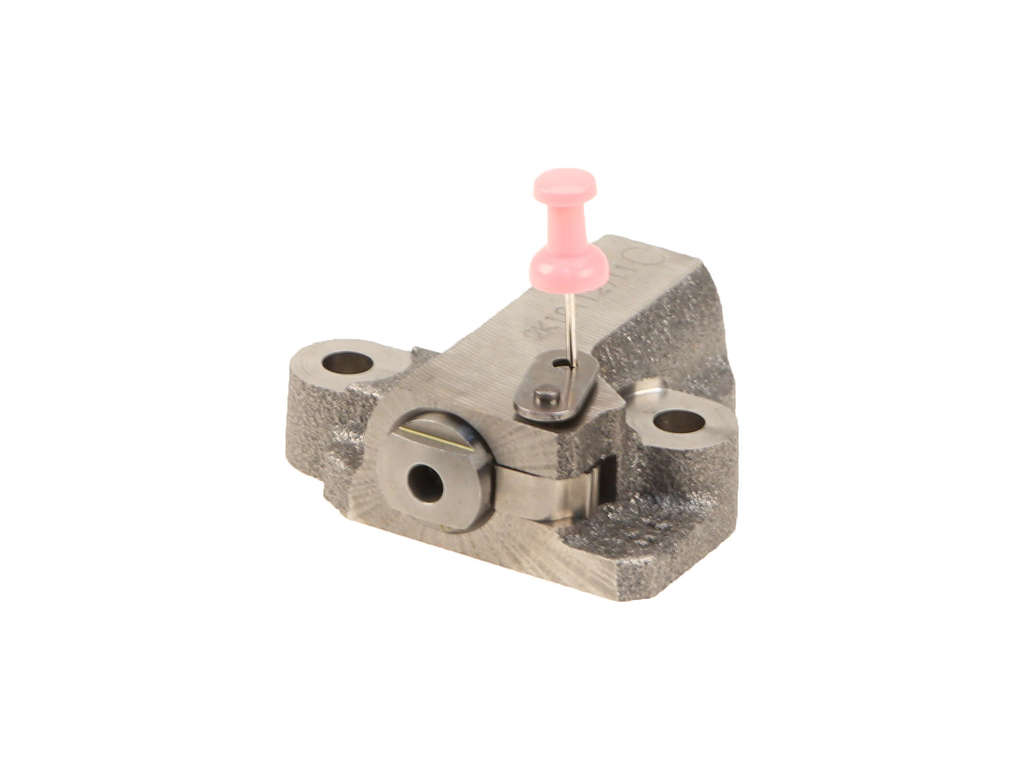
Est. part cost: $50-$120 - Stretched Timing Chain / Failed Tensioner 🟡 Medium Probability → Shop Engine Timing Chain Timing chains on the Lambda V6 can stretch over time, especially with high mileage (typically over 100k miles), causing timing correlation codes. A failing hydraulic tensioner can also lose its ability to keep the chain taut, leading to slack and noise.
How to confirm: This is a complex diagnosis. A startup rattle is a strong indicator. A mechanic would use a scan tool to view live data for camshaft deviation. Physical confirmation requires removing the timing cover to inspect the chain, guides, and tensioner for slack or damage, which is a significant labor charge. 🎬 Watch: How to diagnose a potentially stretched timing chain
Typical fix: Replace the timing chain, tensioners, and guides. This is a major service often costing thousands of dollars.
Est. part cost: $400-$800 - Failed Bank 2 Exhaust CVVT Phaser ⚪ Low Probability The actuator gear itself can fail mechanically, getting stuck in one position, failing to hold oil pressure, or breaking its internal locking pin.
How to confirm: This is typically diagnosed after ruling out the OCV and sensors. It requires significant engine disassembly to access and inspect. It is almost always replaced during a timing chain job.
Typical fix: Replace the Bank 2 exhaust camshaft phaser assembly. This is often done during a timing chain replacement.
Est. part cost: $150-$250
Rare But Worth Checking
- Faulty Camshaft Position Sensor (Bank 2 Exhaust): → Shop Engine Camshaft Position Sensor While it can fail, a bad sensor often triggers other specific circuit codes (e.g., P034x) along with the correlation code. Many owners replace this sensor first, only to find the P0019 code returns because the underlying issue is mechanical or hydraulic.
- Faulty Crankshaft Position Sensor: → Shop Engine Crankshaft A failing crankshaft sensor typically causes more severe issues like stalling or a no-start condition and may be accompanied by a P0335 code. It's an unlikely cause if P0019 is the only code present.
- Wiring or Connector Issue: Damage to the wiring harness or a corroded connector for the OCV or camshaft position sensor can cause an intermittent signal, triggering the code. This should be checked before replacing parts.
Diagnosis Steps
- Check Engine Oil: Verify the oil level is correct and the oil is clean. If it's low or past its service interval, perform an oil and filter change with the correct spec oil before proceeding. This alone can sometimes fix the issue.
- Scan for Codes: Use an OBD-II scanner to confirm P0019 and check for any other related codes (e.g., misfires, sensor circuit faults). Note them down and clear them to see which ones return immediately.
- Inspect Wiring: Visually inspect the wiring harnesses and connectors for the Bank 2 exhaust camshaft position sensor and the oil control valve (front bank, rear solenoid). Look for any signs of damage, corrosion, or loose connections.
- Test the Oil Control Valve (OCV): Using a capable scan tool, command the Bank 2 exhaust OCV on and off to see if the engine's idle changes. Alternatively, apply 12V directly to the solenoid pins to listen for a 'click'. The most effective DIY test is to swap the exhaust OCV with the intake OCV on the same bank and see if the code changes to P0018.
- Test the Camshaft Position Sensor: While less likely to be the cause, the sensor can be tested. This is often done by swapping it with a known good sensor (like the one from Bank 1) to see if the code follows the sensor to Bank 1 (e.g., P0016).
- Mechanical Timing Check: If all electrical components and solenoids check out, the issue is almost certainly mechanical. This requires a professional technician to check for timing chain stretch, guide wear, or a faulty CVVT phaser, which involves significant engine disassembly.
Parts You'll Likely Need
- Oil Control Valve (Bank 2 Exhaust)
(OEM #24360-3CGA1 (This is the assembly for Bank 2, containing both intake and exhaust valves))— This solenoid is a frequent failure point, either by getting clogged with oil sludge or failing electrically. It's the most probable and cost-effective part to replace first after checking the oil.
Trusted brands: Hyundai Genuine, Bosch, Dorman
OEM price range: $80-$150
Aftermarket price range: $40-$90 - Timing Chain Kit — For higher-mileage vehicles, a stretched timing chain is a common cause of this code. A kit typically includes the chain(s), guides, and tensioners.
Trusted brands: Hyundai Genuine, Cloyes
OEM price range: $500-$800
Aftermarket price range: $300-$500 - CVVT Camshaft Phaser (Bank 2 Exhaust)
(OEM #24370-3C102)— If the phaser itself is mechanically stuck or broken, it must be replaced. This is usually done at the same time as a timing chain service.
Trusted brands: Hyundai Genuine
Related Codes That Often Appear With This One
- P0300 — Random Misfire Detected, as incorrect cam timing on one bank can disrupt the air/fuel mixture and spark timing enough to cause misfires across multiple cylinders.
- P0302, P0304, P0306 — Cylinder-specific misfire codes for Bank 2 (cylinders 2, 4, and 6). A diagnostic technician reported these codes alongside P0019 on a 2013 Santa Fe 3.3L.
- P0018 — Crankshaft-Camshaft Correlation code for Bank 2 Intake. If both intake (P0018) and exhaust (P0019) on the same bank are out of time, it strongly suggests a jumped timing chain or a major failure of the main timing chain feeding that bank.
Technical Service Bulletins (TSBs) & Recalls
- While no TSB specifically for P0019 on this exact model was found in the search, Hyundai has issued related bulletins. For example, TSB 16-01-013 for the 2017 Santa Fe, while not public, is listed in databases and likely pertains to engine or CVVT system diagnostics. Technicians often rely on such bulletins to guide diagnosis for recurring issues.
Platform-Specific Known Issues
- The 3.3L GDI Lambda II engine can experience timing chain stretch at higher mileage (100,000+ miles), making P0019 a potential indicator of a need for a costly timing service.
- A startup rattle is a very common symptom reported by owners that often precedes timing correlation codes like P0019, strongly pointing to a failing tensioner or stretched chain.
Mechanic-Grade Diagnostic Values
- Oil Control Valve (OCV) Solenoid Resistance — expected: 6.9 - 7.9 Ohms at 68°F (20°C). Failure: A reading outside of this range, or an open/short circuit, indicates a failed solenoid coil. This test was mentioned in the Pass 2 data and is now confirmed with a specific range.
- Camshaft Position Sensor (CMP) Signal Waveform — expected: A clean square wave signal when viewing with an oscilloscope. The PCM recognizes synchronization when the high signal of the CMPS aligns with the 17th signal of the Crankshaft Position Sensor (CKPS) after its missing tooth at idle.. Failure: A missing, erratic, or noisy waveform indicates a faulty sensor or wiring issue. A consistent misalignment with the CKPS signal points to a mechanical timing problem.
- Crankshaft Position Sensor (CKPS) Resistance — expected: Typically between 200 to 900 Ohms, though vehicle-specific manuals should be consulted.. Failure: A reading outside the specified range indicates a potential sensor failure.
Scan Tool Commands That Help
- Hyundai GDS (Global Diagnostic System): Actuation Test for CVVT — This bidirectional command allows a technician to manually activate the Bank 2 exhaust OCV while the engine is running. A healthy system will cause the engine to hesitate or stall, confirming the OCV is mechanically working and oil passages are not completely blocked. No change in engine operation points to a stuck OCV or a blockage.
- Hyundai GDS (Global Diagnostic System): Resetting Adaptive Values — After replacing a major component like a CVVT phaser or timing chain, this function should be used to clear the old learned values from the ECM. This ensures the computer adapts to the new components correctly without trying to compensate for old wear patterns.
- Hyundai GDS (Global Diagnostic System): Current Data / Data Analysis — To monitor 'CVVT Angle - Desired' vs 'CVVT Angle - Actual' for Bank 2 Exhaust. A significant, persistent deviation between the desired and actual angles under various engine loads points directly to a hydraulic or mechanical issue (OCV, phaser, chain) rather than a sensor problem.
Wiring & Ground Locations
- GE04 — Located on the left rear of the engine compartment.. This is a primary engine compartment ground. A loose or corroded connection here can cause intermittent and difficult-to-diagnose issues with various engine sensors and actuators, including the camshaft position sensor and OCV.
- GE01 — Located on the left side of the engine compartment.. Another critical engine ground point. Poor grounding can affect the stability of sensor readings, potentially causing the ECM to see a correlation fault that isn't physically present.
- Engine Harness Connector (EM11) — Main connector for the engine harness, often located near the firewall or fuse box.. The signals from the camshaft position sensor and the control signal to the OCV pass through this connector. Corrosion or a pushed-back pin in this connector could interrupt the signal and trigger P0019.
Real Owner Repair Stories
- Hyundai-Forums user (2014 Hyundai Santa Fe 3.3L) — P0019 code present.
❌ Tried (didn't work) Replaced Bank 2 exhaust cam sensor, Replaced Bank 2 exhaust OCV (Oil Control Valve)
✅ What actually fixed it The root cause was found to be a failed oil pump chain tensioner. The tensioner came apart, sending metal shavings throughout the engine, which clogged the new OCV and caused the code to persist. The final fix required dropping the oil pan, cleaning out all the metal debris, and replacing the oil pump chain and tensioner.
OEM Part Supersession History
24360-3CGA1→24360-3CAA2— Part has been updated by the manufacturer. The new part number covers a wider range of model years and applications, including the Santa Fe XL 3.3L.
Heads up: The part is an assembly that includes both intake and exhaust solenoids for one bank. Ensure you are replacing the correct bank. Bank 2 is the front bank, near the radiator.
Diagnostic Flowchart
Real Owner Stories
Aggregated from forums and TSBs cited above. Mileages and costs reflect what owners reported in those sources.
2013 Hyundai Santa Fe 3.3L V6 — 94000 miles
Symptoms: Received a P0019 code, a blinking check engine light at high speeds, and a loud vibrating noise on startup.
What fixed it: A mechanic suggested it was a major engine issue common to this model and recommended taking it to a dealership for diagnosis and repair.
Source hint: Reddit r/MechanicAdvice: 'Hyundai Santa Fe - code P0019'
2015 Hyundai Santa Fe 3.3L V6 — 111000 miles
Symptoms: Triggered a P0019 error code requiring major engine work.
What fixed it: Dealership quoted a 'worst case' repair to replace all timing parts, camshafts, and CVVTs.
Cost: $6821-$13000
Source hint: Reddit r/HyundaiSantaFe: 'Rebuild cam shaft (P0019 error) on 2015 Santa Fe with 111k miles?'
2013 Hyundai Azera 3.3L V6
Symptoms: Triggered a P0019 code.
What fixed it: The owner replaced the camshaft position sensors as a first step in attempting to resolve the code.
Source hint: YouTube repair video cited in platform_mates
Related OBD-II Codes
Frequently Asked Questions
Does TSB 16-01-013 apply to my 2017 Santa Fe with a P0019 code?
My 3.3L Lambda II engine has a loud rattling noise on startup along with the P0019 code. What does this mean?
Can I test the Bank 2 Exhaust Oil Control Valve (OCV) myself on my Santa Fe?
At what mileage does the timing chain typically stretch on the 3.3L GDI Lambda II engine?
How much will it cost to fix the P0019 code on my 2013-2018 Santa Fe?
Is the P0019 code common on other vehicles with the same 3.3L V6?
Helpful Videos

We Have This Part in Stock

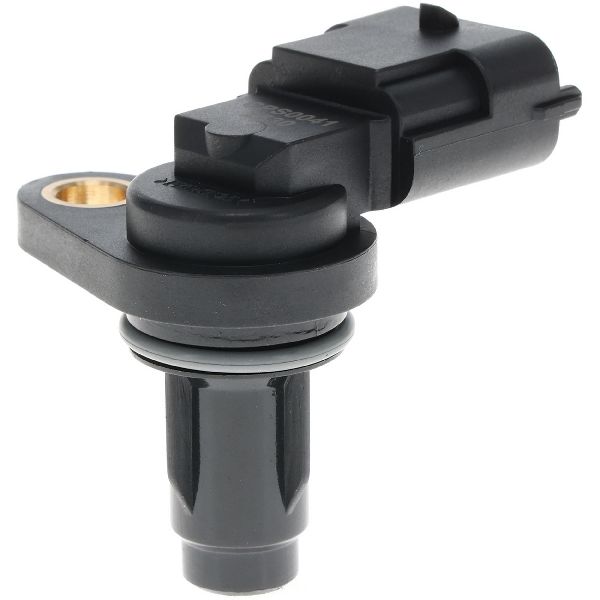

The information in this article is provided for general reference and educational purposes only. Vehicle specifications, procedures, and part compatibility can vary by production date, trim level, and region. Always consult your vehicle's factory service manual and verify part numbers before purchasing or performing repairs. Safety-critical components such as airbags, seat belts, and braking systems should be installed by a qualified professional.
- Hyundai Santa Fe:
- 🧭 Diagnostic Flowchart
- 🎬 Helpful Videos
- 🛍️ Shop This Part
- What's Unique About the 2013-2018 Hyundai Santa Fe
- Symptoms You May Notice
- Most Likely Causes
- Rare But Worth Checking
- Diagnosis Steps
- Parts You'll Likely Need
- Related Codes That Often Appear With This One
- Technical Service Bulletins (TSBs) & Recalls
- Platform-Specific Known Issues
- Mechanic-Grade Diagnostic Values
- Scan Tool Commands That Help
- Wiring & Ground Locations
- Real Owner Repair Stories
- OEM Part Supersession History
- Real Owner Stories
- 2013 Hyundai Santa Fe 3.3L V6 — 94000 miles
- 2015 Hyundai Santa Fe 3.3L V6 — 111000 miles
- 2013 Hyundai Azera 3.3L V6
- Related OBD-II Codes
- Frequently Asked Questions
- 🎟️ Get 5% Off