

P0019 on 2007-2012 Hyundai Veracruz 3.8L: Cam/Crank Correlation Causes and Fixes
P0019 on a Veracruz 3.8L indicates a timing mismatch on the front (Bank 2) exhaust camshaft. The most likely causes are low/dirty engine oil or a faulty Oil Control Valve (OCV). If an oil change doesn't fix it, replacing the Bank 2 exhaust OCV (approx. $70-$120) is the next logical step before suspecting a more serious timing chain issue. This specific vehicle is subject to a recall for a valve cover gasket oil leak on Bank 2 that can cause the low oil condition that triggers this code.
- P0019 on your Veracruz means the exhaust camshaft on the front cylinder bank is out of time.
- Before buying any parts, check your engine oil. Low or dirty oil is the most common and cheapest fix.
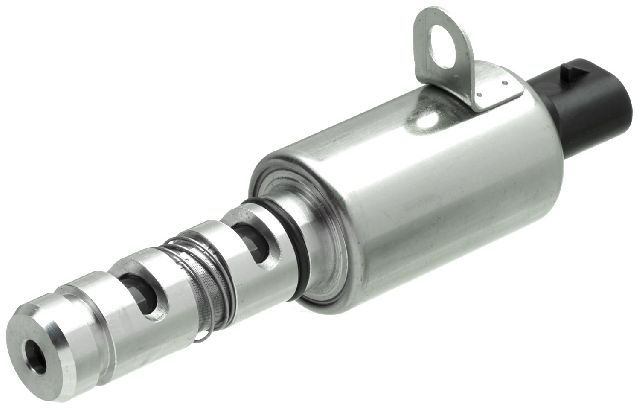
- The next most likely culprit is the Bank 2 (front) exhaust Oil Control Valve (OCV), part #24360-3C811.
- Be aware of the recall for a leaking front valve cover gasket, as this can cause the low oil level that triggers this code.
- If oil and the OCV are good, the issue is likely a stretched timing chain, which is a significant repair best left to a professional.
What's Unique About the 2007-2012 Hyundai Veracruz
The 3.8L Lambda V6 in the Veracruz is known for being sensitive to oil maintenance. The CVVT system, which adjusts cam timing, is operated by engine oil pressure, and many P0019 codes on this engine are a direct result of low oil levels or using old, sludgy oil. While sensors can fail, a stretched timing chain is also a known, albeit more severe, possibility on higher-mileage Lambda engines. A notable recall for the Veracruz (NHTSA #14V415000) involved an oil leak from the Bank 2 (front) valve cover gasket, which can lead to the exact low oil levels that trigger this specific code and can also damage the alternator.
Symptoms You May Notice
- Check Engine Light illuminated
- Rough or fluctuating idle
- Engine hesitation or stumbling on acceleration
- Noticeable loss of engine power
- Increased fuel consumption
- Engine stalling in severe cases, especially at idle or low speeds
- Rattling noise from the engine on cold starts, which could indicate timing chain issues
- Immediately replacing the camshaft position sensor without first checking the engine oil level and condition.
- Replacing the crankshaft position sensor when the fault is with the CVVT system (OCV) or timing chain.
- Replacing the timing chain when the issue was a much simpler and cheaper faulty Oil Control Valve.
- Ignoring the possibility of a clogged OCV and only replacing the sensor.
Most Likely Causes
- Low or Dirty Engine Oil 🔴 High Probability The CVVT system is hydraulic and highly sensitive to oil volume and viscosity. A well-documented recall (NHTSA #14V415000) for oil leaks on the Bank 2 valve cover gasket for this exact vehicle makes a low oil level condition a very likely culprit.
How to confirm: Check the engine oil dipstick for proper level and inspect the oil's color and consistency. If it is low, dark, or sludgy, it needs to be changed. This is the first and most important diagnostic step.
Typical fix: Top up the oil to the correct level or perform a complete engine oil and filter change using a quality full synthetic 5W-20 or 5W-30 oil that meets Hyundai's specifications.
Est. part cost: $40-$80 - Faulty Bank 2 Exhaust Oil Control Valve (OCV) 🔴 High Probability The OCV (or VVT solenoid) is an electromechanical part that is in constant operation and is a common failure point across many Hyundai V6 platforms. It can become clogged with oil sludge or fail electrically, preventing proper camshaft adjustment.
How to confirm: Swap the Bank 2 exhaust OCV with the Bank 1 exhaust OCV. Clear the codes and drive. If the code changes to P0017 (the equivalent code for Bank 1), the OCV is confirmed to be faulty. You can also test the solenoid's resistance with a multimeter; a typical reading is between 6.9 and 7.9 ohms.
Typical fix: Replace the Bank 2 exhaust Oil Control Valve. It is located on the front valve cover (Bank 2) and is typically held in by a single 10mm bolt.
Est. part cost: $70-$120 - Stretched Timing Chain or Failed Tensioner 🟡 Medium Probability → Shop Engine Timing Chain The Lambda V6 engine family can be susceptible to timing chain stretch and tensioner failure, particularly at higher mileage (over 100,000 miles). This causes a permanent mechanical timing misalignment that sensors and OCVs cannot correct. A rattling noise on startup is a common symptom.
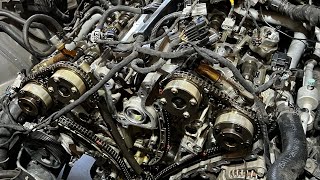
How to confirm: This is a complex diagnosis. After ruling out oil issues and OCV failure, a mechanic will need to measure timing chain deflection, which requires partial engine disassembly 🎬 See this walkthrough of the Lambda V6 timing chain teardown to access the timing cover.
Typical fix: Replace the timing chain, guides, and tensioners. This is a labor-intensive job.
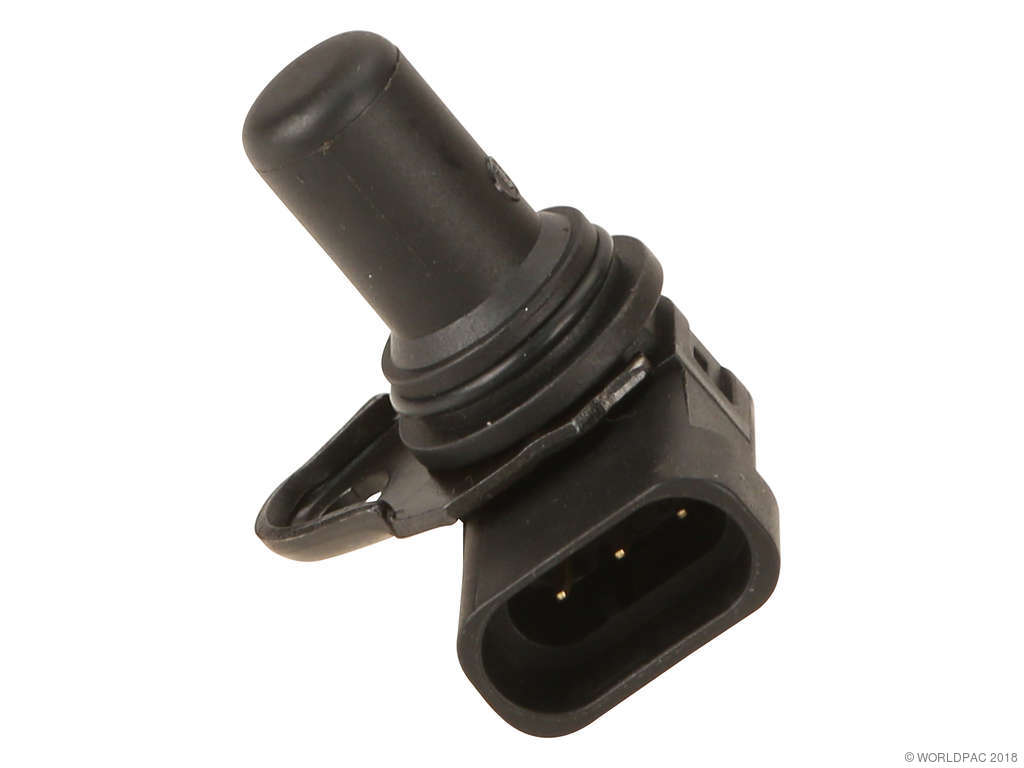
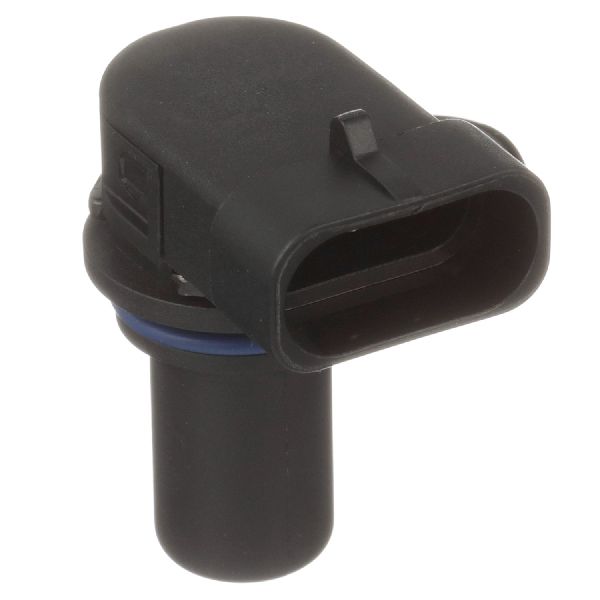
Est. part cost: $300-$600 - Faulty Bank 2 Exhaust Camshaft Position Sensor ⚪ Low Probability → Shop Engine Camshaft Position Sensor While any sensor can fail, correlation codes like P0019 are more often caused by a mechanical or hydraulic issue (timing chain, OCV) rather than a complete sensor failure. The PCM is reporting a valid, but incorrect, timing reading.
How to confirm: After confirming wiring is intact, test the sensor's output with a multimeter or oscilloscope. A simpler, though less definitive, method is to swap it with the identical intake sensor on the same bank (if applicable) or the exhaust sensor from Bank 1 and see if the code changes or a new code appears.
Typical fix: Replace the Bank 2 exhaust camshaft position sensor. It is located on the front valve cover.
Est. part cost: $40-$90
Rare But Worth Checking
- Faulty Crankshaft Position Sensor: → Shop Engine Crankshaft A failing crankshaft sensor can provide an erratic signal, which the PCM could interpret as a correlation fault with the camshafts. This is less common than cam-side issues for this specific code.
- Damaged Camshaft Reluctor Ring: → Shop Engine Camshaft The reluctor ring (or tone ring) on the camshaft, which the sensor reads, can be damaged or slip, causing incorrect readings. This is rare and typically requires camshaft replacement.
- Clogged CVVT Oil Passages: Severe oil sludge can block the small oil passages leading to the CVVT phaser and OCV, even if the OCV itself is functional. This can sometimes be cleared with an engine flush, but may require more invasive cleaning.
- PCM Fault: In very rare instances, the Powertrain Control Module itself can be the source of the problem, but all other possibilities must be exhausted before considering this.
Diagnosis Steps
- Verify the engine oil level is full and the oil is clean. If low, top it off. If old or sludgy, perform an oil and filter change with 5W-20 or 5W-30 full synthetic oil. Clear codes and test drive.
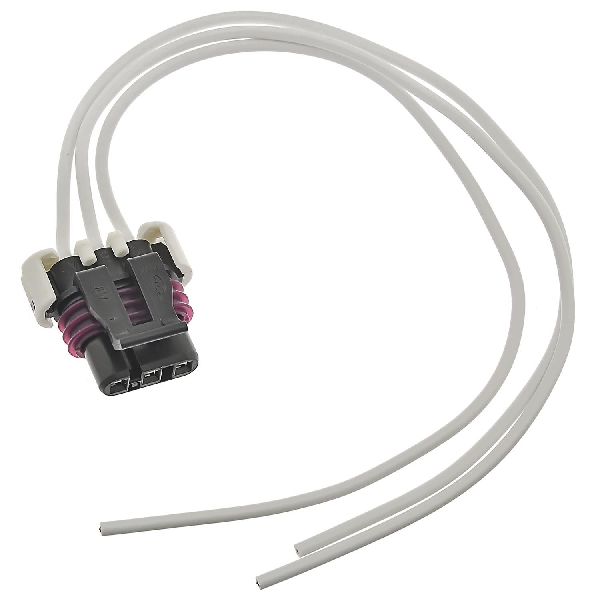
- Inspect the electrical connectors and wiring for the Bank 2 (front) camshaft position sensors and Oil Control Valves for any damage, corrosion, or oil contamination from the known valve cover leak issue.
- Using a capable scan tool, check the live data for the camshaft and crankshaft position sensors to see if a signal is present and if the cam angle is attempting to change with RPM.
- Swap the Bank 2 exhaust Oil Control Valve (OCV) with the Bank 1 exhaust OCV (on the rear valve cover). Clear the codes and drive the vehicle. If the code returns as P0017, the OCV is bad and must be replaced.
- If the OCV is not the issue, test the Bank 2 exhaust camshaft position sensor by checking its resistance with a multimeter or swapping it with a known good sensor.
- If all of the above steps do not resolve the issue, the problem is likely mechanical. The vehicle should be taken to a professional for inspection of the timing chain, tensioners, and CVVT phasers. Listen for startup rattle.
Parts You'll Likely Need
- Engine Oil Control Valve (VVT Solenoid)
(OEM #24360-3C811)— This solenoid is a very common failure point for CVVT-related codes on the 3.8L V6. It gets clogged with debris or fails electrically.
Trusted brands: Hyundai (Genuine), Kia (Genuine), Dorman, SKP
OEM price range: $90-$120
Aftermarket price range: $50-$80 - Camshaft Position Sensor
(OEM #39318-3C100)— Though less likely to be the cause than an OCV, the sensor itself can fail. It is critical to use an OEM or reputable aftermarket sensor (like Hitachi) for reliability.
Trusted brands: Hyundai (Genuine), Hitachi, Delphi, NGK/NTK
OEM price range: $60-$90
Aftermarket price range: $30-$50 - Timing Chain Tensioner
(OEM #24410-3C300)— If the timing chain has stretched, the tensioner is a mandatory replacement part during the timing chain service. 🎬 Watch: Part 2 of the timing chain and tensioner replacement
Trusted brands: Hyundai (Genuine)
OEM price range: $40-$60
Aftermarket price range: $25-$45 - Valve Cover Gasket (Front, Bank 2)
(OEM #22441-3C110)— This is the subject of NHTSA recall #14V415000. If it's leaking, it can cause the low oil condition that triggers P0019 and also damage the alternator.
Related Codes That Often Appear With This One
- P0018 — This code is for a correlation issue on Bank 2's *intake* camshaft. Seeing P0018 and P0019 together 🎬 Watch: How to test and fix Bank 2 correlation codes strongly points to a base timing issue affecting the entire Bank 2, such as a stretched timing chain or a problem with the main CVVT phaser for that bank.
- P0017 — This is the same exhaust cam correlation code, but for Bank 1 (rear bank). If you swap the Bank 2 exhaust OCV with the Bank 1 exhaust OCV and the code changes from P0019 to P0017, you have confirmed the OCV is the faulty component.
Technical Service Bulletins (TSBs) & Recalls
- Recall 121 / NHTSA 14V415000: Addresses an oil leak from the front cylinder bank (Bank 2) valve cover gasket, which can lead to alternator failure and potentially a low oil level condition that triggers P0019.
Platform-Specific Known Issues
- Hyundai issued a safety recall (Campaign 121, NHTSA #14V415000) for 2007-2012 Veracruz models due to the front (Bank 2) valve cover gasket leaking oil. This leak can cause oil to drip onto the alternator, leading to charging system failure, and is a primary contributor to low oil levels that can trigger a P0019 code.
- A Reddit user with a similar engine noted that cleaning a 'gunked up' lower VVT solenoid was attempted before further diagnosis, highlighting the common issue of sludge buildup.
Mechanic-Grade Diagnostic Values
- Oil Control Valve (OCV) Coil Resistance — expected: 6.9 - 7.9 Ohms at 68°F (20°C). Failure: A reading of infinity (open circuit) or near-zero (short circuit) indicates a faulty OCV.
- Camshaft Position Sensor (3-wire Hall effect) Signal Test — expected: With the sensor connected and ignition on, the signal wire should toggle between approximately 0V and 5V when a ferrous metal object is passed in front of the sensor tip.. Failure: If the voltage does not change, or is stuck high or low, the sensor is likely faulty.
- OCV Connector Voltage (Key On, Engine Off) — expected: One of the two pins in the connector should show battery voltage (approx. 12.6V).. Failure: No voltage suggests a problem in the power supply wiring or a blown fuse.
Scan Tool Commands That Help
- Hyundai GDS (Global Diagnostic System): Actuation Test for CVVT Solenoid — After verifying oil level and sensor wiring, this command allows a technician to directly command the Bank 2 exhaust OCV to operate while the engine is running. A functional OCV and clear oil passages will cause a noticeable change in engine idle or may even cause a stall, confirming the hydraulic part of the system is working. No change in engine operation points to a faulty OCV or a blockage.
Wiring & Ground Locations
- ECM Ground — The main ground wires for the Engine Control Module (ECM) are typically bolted directly to the chassis in the engine bay, often near the battery or on the inner fender. A service manual may refer to specific ground points like GE01 (left side of engine compartment).. A poor ground connection for the ECM can cause erratic voltage readings from all sensors, including the crank and cam sensors, leading to false correlation codes like P0019.
- Bank 2 Camshaft Position Sensor Connector — On the top of the front valve cover (Bank 2), near the radiator side of the engine.. This connector is susceptible to oil contamination from the common valve cover gasket leak (Recall #14V415000), which can degrade the signal. The pins for power, ground, and signal should be inspected for corrosion or oil saturation.
- Bank 2 Exhaust OCV Connector — Located on the front valve cover (Bank 2), usually near the camshaft position sensor.. Like the cam sensor, this connector is vulnerable to oil leaks. A poor connection here will prevent the PCM from controlling the OCV, directly causing a timing correlation fault.
OEM Part Supersession History
39318-3C300→39318-3C100— Part number consolidation and potential internal design update for reliability.
Heads up: The new part number 39318-3C100 is the correct replacement for the original.
Model Year Variations Within This Range
- 2007-2008 vs 2009-2012: Early Lambda 3.8L engines (until approx. 2008) featured variable valve timing on the intake camshafts only (CVVT). Later models, including the majority of the Veracruz production run, were updated to the Lambda II design which features Dual CVVT (D-CVVT), with variable timing on both the intake and exhaust camshafts. This means later models have four OCVs and four cam sensors, making diagnostics like swapping components slightly more complex.
Diagnostic Flowchart
Other Known Issues on This Vehicle
Issues unrelated to this code that are worth knowing about as an owner of this generation:
- Valve Cover Gasket Oil Leak onto Alternator 🔴 High → Shop Engine Valve Cover — Very common, affecting ઉત્પાદક-specified range of vehicles. Subject of a major recall. (Ref: NHTSA Campaign #14V415000 (Hyundai Recall 121))
- Power Steering Hose Leaks 🟠 Medium — Common on higher-mileage vehicles. Hoses can degrade over time, leading to fluid leaks and loss of power assist.
- Rear Suspension Crossmember Corrosion 🔴 High — Primarily affects vehicles in regions that use road salt. Can lead to trailing arm separation. (Ref: NHTSA Campaign #13V354000 (Hyundai Recall 113))
- Malfunctioning ABS Module 🔴 High — Affects a wide range of Hyundai models from this era. Internal fluid leaks can cause an electrical short and potential engine fire. (Ref: NHTSA Campaign #23V651000)
- Faulty Stop Lamp Switch 🟠 Medium — Widespread issue across many Hyundai models, causing brake lights to fail or stay on. (Ref: NHTSA Campaign #13V113000)
- Excessive Engine Noise on Cold Start 🟠 Medium — Often reported by owners and can be a precursor to timing chain tensioner failure.
Used vs. New Parts: Buying Guide for This Vehicle
When a used part is the smart pick: Given the low cost and high failure rate of electronic and hydraulic components, buying used parts for this repair is generally not recommended. The primary causes (OCV, sensors) are wear-and-tear items where a used part offers no guarantee of remaining life and may be clogged or failing already. A used part would only be considered for major mechanical components like a cylinder head or camshaft if the original is physically damaged, and even then, it's a risk.
Donor-vehicle mileage cap: roughly under 50000 miles for the part to have meaningful remaining life.
What to inspect on the donor part:
- For an OCV, inspect the mesh screens for any metallic debris or sludge; clean screens are a must.
- For a sensor, check the plastic housing for cracks and the connector pins for corrosion.
- Ask for the donor vehicle's VIN to check for a history of regular oil changes if possible.
OEM-only on this vehicle (don't cheap out):
- Oil Control Valve (OCV) / VVT Solenoid
- Camshaft Position Sensor
- Crankshaft Position Sensor
Aftermarket brands forum-validated for this vehicle:
- Hitachi (often the OEM supplier for sensors)
- Delphi
- NGK/NTK
Brands owners have reported issues with on this vehicle:
- No-name, unbranded parts from online marketplaces are frequently reported as dead-on-arrival or failing within a few months. For critical timing components, sticking to OEM or well-known OEM-supplier brands is the safest option.
Real Owner Stories
Aggregated from forums and TSBs cited above. Mileages and costs reflect what owners reported in those sources.
2007-2012 Hyundai Veracruz 3.8L V6
Symptoms: The owner dealt with a persistent P0019 code even after clearing monitors. They noted the engine was sensitive to oil sludge and mentioned a potential issue with a defective or leaky batch of solenoids.
What fixed it: The owner attempted cleaning a 'gunked up' lower VVT solenoid (OCV) to resolve the sludge-related timing issue.
Source hint: Reddit r/MechanicAdvice - All monitors cleared, still throwing P0019 code
2007-2012 Hyundai Veracruz 3.8L V6
Symptoms: Oil leaking from the front cylinder bank (Bank 2) valve cover gasket, which can drip onto the alternator and cause the vehicle to stop or lead to low oil levels.
What fixed it: Repairing the valve cover gasket leak as part of NHTSA Campaign #14V415000 (Hyundai Recall 121).
Source hint: Reddit r/Hyundai - Do NOT buy a Hyundai Veracruz OR a 2007-2012 Hyundai Sante Fe.
2008 Hyundai Veracruz 3.8L V6 — ~125000 miles
Symptoms: Rattling noise from the engine on cold starts and a permanent mechanical timing misalignment that sensors could not correct.
What fixed it: Replacement of the timing chain, guides, and tensioners due to timing chain stretch.
Source hint: Common Causes - Stretched Timing Chain or Failed Tensioner
Related OBD-II Codes
Frequently Asked Questions
Is there a recall for my 2007-2012 Hyundai Veracruz that could be causing the P0019 code?
What type of oil should I use in my 3.8L Lambda V6 to prevent CVVT issues?
Where is the Bank 2 Exhaust Oil Control Valve located on the Veracruz?
Can I test if the Oil Control Valve is bad without buying a new part?
My Veracruz has a rattling noise on cold starts along with the P0019 code; what does this mean?
What is the electrical resistance specification for the OCV on this engine?
Helpful Videos


We Have This Part in Stock


The information in this article is provided for general reference and educational purposes only. Vehicle specifications, procedures, and part compatibility can vary by production date, trim level, and region. Always consult your vehicle's factory service manual and verify part numbers before purchasing or performing repairs. Safety-critical components such as airbags, seat belts, and braking systems should be installed by a qualified professional.
- Hyundai Veracruz:
- 🧭 Diagnostic Flowchart
- 🎬 Helpful Videos
- 🛍️ Shop This Part
- What's Unique About the 2007-2012 Hyundai Veracruz
- Symptoms You May Notice
- Most Likely Causes
- Rare But Worth Checking
- Diagnosis Steps
- Parts You'll Likely Need
- Related Codes That Often Appear With This One
- Technical Service Bulletins (TSBs) & Recalls
- Platform-Specific Known Issues
- Mechanic-Grade Diagnostic Values
- Scan Tool Commands That Help
- Wiring & Ground Locations
- OEM Part Supersession History
- Model Year Variations Within This Range
- Other Known Issues on This Vehicle
- Used vs. New Parts: Buying Guide for This Vehicle
- Real Owner Stories
- 2007-2012 Hyundai Veracruz 3.8L V6
- 2007-2012 Hyundai Veracruz 3.8L V6
- 2008 Hyundai Veracruz 3.8L V6 — ~125000 miles
- Related OBD-II Codes
- Frequently Asked Questions
- 🎟️ Get 5% Off