

P0019 on 2009-2011 Kia Borrego 3.8L: Crank/Cam Correlation Causes and Fixes
On the 2009-2011 Kia Borrego 3.8L, code P0019 is most often caused by low or dirty engine oil, or a failing Bank 2 (driver's side) exhaust Oil Control Valve (OCV). Always check your oil first. An OCV is about $50-$100 and is a common DIY fix. Using a genuine Kia oil filter is also critical, as aftermarket filters can cause oil pressure issues.
- Always check your engine oil level and condition first; this is the simplest and a very common fix.
- The most likely failed part is the Bank 2 (driver's side) exhaust Oil Control Valve (OCV). Swapping it with the passenger side OCV is a great diagnostic trick.
- Do not replace the camshaft position sensor unless you have tested it or confirmed it's the cause by swapping it with the other bank.
- Listen for a rattling noise from the engine. If you hear one, especially on startup, the issue could be a more serious stretched timing chain, which is a known problem on this engine.
What's Unique About the 2009-2011 Kia Borrego
The 3.8L Lambda II V6 in the Borrego is a robust engine, but like many with dual variable valve timing (CVVT), it is sensitive to oil quality and level. The CVVT system uses oil pressure to adjust cam timing, so simple issues like a delayed oil change can trigger this code. Forum discussions and even a Kia TSB emphasize the importance of using a genuine Kia oil filter, as some aftermarket cartridge filters have been linked to oil pressure deviations that can trigger correlation codes. While sensors and solenoids are common culprits, this specific vehicle and engine combination also has documented instances of timing chain stretch at higher mileage, which is a more serious potential cause for this code.
Symptoms You May Notice
- Check Engine Light is on
- Rough or unstable engine idle
- Hesitation or lack of power during acceleration
- Decreased fuel economy
- Engine may be hard to start or stall at low speeds
- Rattling or clattering noise from the front of the engine on cold startup (a strong indicator of a timing chain tensioner or stretch issue)
- Replacing the camshaft position sensor without testing it first. The OCV is a more likely electrical fault, and an oil change is the easiest first step.
- Replacing the crankshaft position sensor. While a faulty CKP sensor can cause timing codes, it's less likely to cause a single-bank correlation code like P0019 and would more likely present as a P0335 or a no-start condition.
- Ignoring the oil filter brand. On these engines, an aftermarket filter can cause oil pressure issues that mimic other component failures.
Most Likely Causes
- Low, Dirty, or Incorrect Viscosity Engine Oil 🔴 High Probability The CVVT system is hydraulic and relies on clean 5W-20 oil at the correct pressure to function. Sludge, low levels, or using an incorrect oil filter (non-OEM) can disrupt its operation and is a leading cause of this code.
How to confirm: Check the oil dipstick for level and examine the oil's condition. If it's dark, gritty, or below the 'add' line, this is your starting point. Also, verify an OEM Kia/Hyundai filter is installed.
Typical fix: Perform an oil and filter change using a high-quality 5W-20 synthetic oil and a Genuine Kia/Hyundai oil filter (Part No. 26320-3C100).
Est. part cost: $40-$80 - Faulty Bank 2 Exhaust Oil Control Valve (OCV) 🔴 High Probability The OCV (also called a VVT solenoid) is an electromechanical part that gets clogged with oil sludge or can fail electrically over time. It's a very common failure point on Hyundai/Kia Lambda engines.
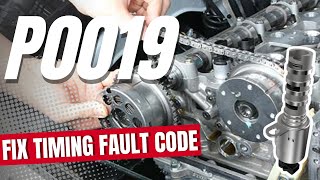
How to confirm: Swap the Bank 2 exhaust OCV with the Bank 1 (passenger side) exhaust OCV. They are identical. Clear the codes and drive. If the code changes to P0017 (Bank 1, Sensor B), the OCV is bad. You can also test the solenoid's resistance with a multimeter; it should be between 6.9 and 7.9 ohms per Kia TSB. 🎬 Watch: How to test and fix the Bank 2 exhaust sensor
Typical fix: Replace the Bank 2 exhaust Oil Control Valve. It is located on the driver's side valve cover, towards the rear of the engine.
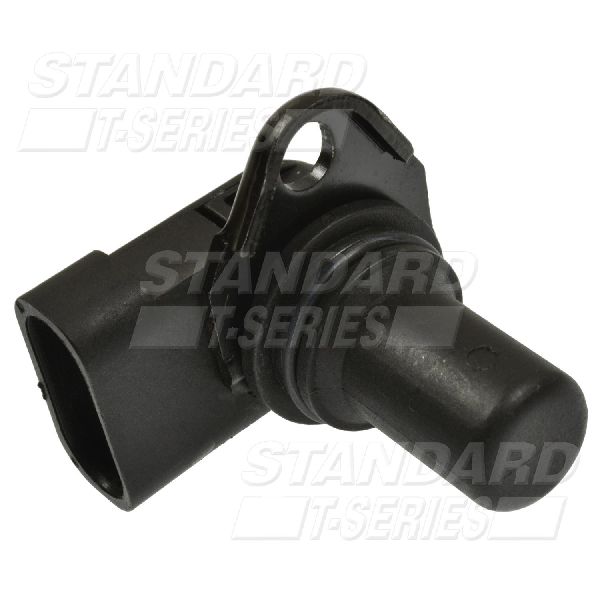
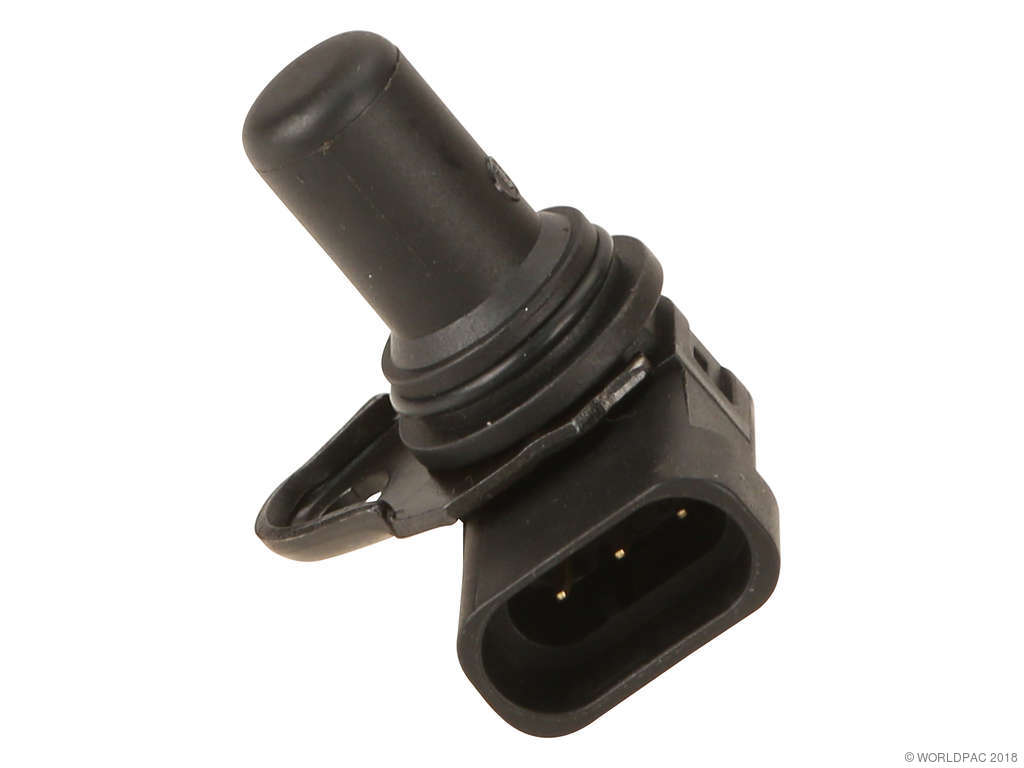
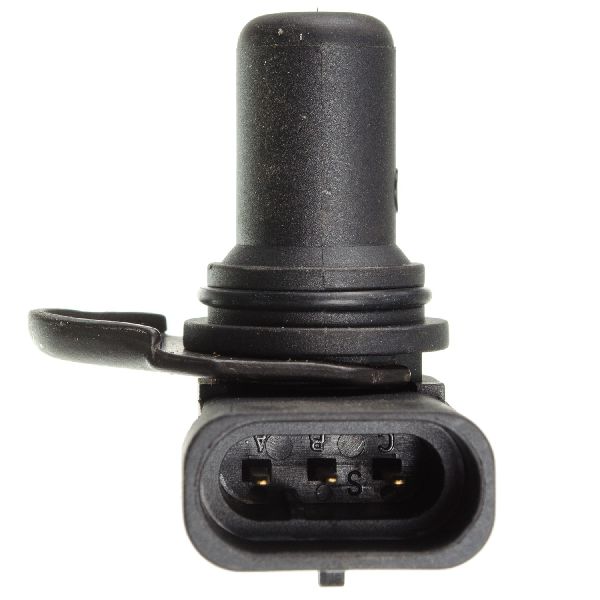
Est. part cost: $50-$120 - Faulty Bank 2 Exhaust Camshaft Position Sensor (CMP) 🟡 Medium Probability → Shop Engine Camshaft Position Sensor While less common than an OCV failure, the sensor providing the cam position data to the PCM can fail, sending an incorrect signal.
How to confirm: Swap the Bank 2 exhaust camshaft sensor with the identical sensor from Bank 1. Clear codes and drive. If the code changes to P0017, the sensor is faulty. An oscilloscope is the definitive tool for testing sensor output waveform against a known good pattern.
Typical fix: Replace the Bank 2 exhaust camshaft position sensor.
Est. part cost: $40-$100 - Stretched Timing Chain / Failed Tensioner ⚪ Low Probability → Shop Engine Timing Chain There are documented cases of timing chain stretch on the 3.8L Lambda V6, especially over 100,000 miles or with a history of poor oil maintenance. This creates slack and throws off the cam/crank correlation permanently.
How to confirm: This is an involved diagnosis. A key symptom is a rattling noise from the front of the engine, especially on cold starts, that lasts more than a few seconds. If codes P0018 and P0019 appear together, it strongly suggests a base timing issue affecting the entire bank. A mechanic must remove the timing cover to physically inspect the chain, guides, and tensioners.
Typical fix: Replace the primary and secondary timing chains, all guides, and all tensioners. This is a labor-intensive job often costing over $2,000.
Est. part cost: $400-$1200
Rare But Worth Checking
- Damaged CVVT Phaser (Cam Gear): The mechanical gear on the end of the camshaft can fail, get stuck, or be clogged by debris, preventing it from adjusting timing correctly. This is less common than an OCV failure but is possible, especially if the engine has been run with low oil pressure.
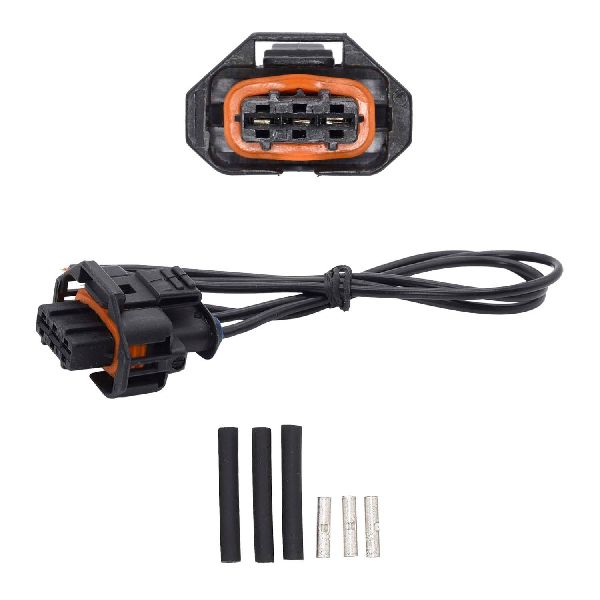
- Wiring or Connector Issue: A damaged wire or corroded connector for the OCV or camshaft sensor can cause an intermittent signal, triggering the code. Visually inspect the harness leading to these components on the driver's side valve cover.
- Damaged Crankshaft Reluctor Ring: → Shop Engine Crankshaft The tone ring on the crankshaft, which the crankshaft position sensor reads, can be damaged or shift its position, causing a persistent correlation code that won't be fixed by replacing cam-side components.
Diagnosis Steps
- Check Engine Oil & Filter: Verify the oil level is full and the oil is clean. Confirm a genuine Kia/Hyundai oil filter is installed. If in doubt, perform an oil and filter change with 5W-20 oil and an OEM filter, clear the code, and drive.
- Scan for Other Codes: Check for any other pending or active codes. The presence of P0018 is particularly significant, pointing towards a mechanical timing issue.
- Inspect Wiring: Visually inspect the wiring and connectors for the Bank 2 (driver's side) exhaust camshaft sensor and Oil Control Valve. Look for any signs of damage, oil contamination, or loose connections.
- Swap the Oil Control Valves: Swap the Bank 2 exhaust OCV with the Bank 1 exhaust OCV. Clear the code. If the code returns as P0017, the OCV you moved is faulty and needs replacement. This is a very reliable and no-cost diagnostic test.
- Swap the Camshaft Sensors: If the OCV swap doesn't isolate the problem, perform the same test by swapping the Bank 2 exhaust camshaft sensor with the Bank 1 exhaust sensor. If the code changes to P0017, the sensor is bad.
- Advanced Mechanical Checks: If the steps above do not resolve the issue, the problem is likely mechanical. Listen for a timing chain rattle on cold starts. The next step involves inspecting the timing chain, tensioners, and CVVT phaser for wear or damage, which typically requires a professional mechanic. 🎬 See this walkthrough of the 3.8L timing chain alignment marks
Parts You'll Likely Need
- Engine Oil Control Valve (OCV) / VVT Solenoid (Bank 2 Exhaust)
(OEM #24360-3C811 or 24360-3CAB2)— This solenoid is a frequent failure item. It gets clogged with sludge or fails electrically, preventing proper adjustment of the exhaust cam timing on the driver's side bank.
Trusted brands: Genuine Kia/Hyundai, Dorman, Standard Motor Products
OEM price range: $80-$150
Aftermarket price range: $40-$90 - Camshaft Position Sensor (Bank 2 Exhaust)
(OEM #39318-3C100)— The sensor that reads the camshaft's position can fail, sending incorrect data to the PCM and triggering a correlation fault.
Trusted brands: Genuine Kia/Hyundai, Bosch, Delphi, NGK/NTK
OEM price range: $70-$120
Aftermarket price range: $30-$80 - Timing Chain Kit — In higher-mileage cases or vehicles with poor maintenance history, the timing chain can stretch, causing a permanent timing correlation error that sensors or solenoids cannot fix. This is a known issue for the Lambda engine family.
Trusted brands: Genuine Kia/Hyundai, Melling
OEM price range: $500-$900
Aftermarket price range: $300-$600
Related Codes That Often Appear With This One
- P0018 — This code is for Bank 2 Intake Camshaft Correlation. If both P0018 and P0019 are present, it points very strongly toward a base timing issue (like a stretched chain) affecting the entire bank, rather than a single sensor or solenoid.
- P0017 — This code is for Bank 1 Exhaust Camshaft Correlation. Seeing this code appear after swapping the Bank 2 exhaust OCV or CMP sensor to Bank 1 is a definitive diagnostic step, confirming the swapped part is faulty.
- P0300, P0302, P0304, P0306 — These are random or specific misfire codes for cylinders on Bank 2 (the driver's side). Incorrect valve timing from the P0019 fault can lead to inefficient combustion and misfires on the affected cylinders.
Technical Service Bulletins (TSBs) & Recalls
- Kia TSB ENG 046 / KT2009050801: Provides diagnostic procedures for Oil Control Valves (OCVs) on Lambda V6 engines when timing codes are present, including checking resistance (6.8-8.0 Ω) and performing a click test.
- Kia TSB 05-20-002: Warns against using aftermarket oil filters, which may cause engine knock or noise due to pressure variations, a potential trigger for CVVT-related codes.
Platform-Specific Known Issues
- A known issue on the 2009-2011 Kia Borrego with the 3.8L Lambda V6 is timing chain stretch and rattle, which can directly cause the P0019 code along with P0016, P0017, and P0018. This is often preceded by a rattling noise on cold starts.
- The CVVT system is highly sensitive to oil filter quality. A Kia TSB and numerous forum posts confirm that using aftermarket oil filters can lead to startup noise and trigger timing correlation codes.
Mechanic-Grade Diagnostic Values
- Oil Control Valve (OCV) Coil Resistance — expected: 6.9 to 7.9 Ohms at 68°F (20°C). Failure: A reading of infinite resistance (open) or near zero (shorted) indicates a failed solenoid coil.
- Camshaft Position Sensor (CMP) Signal Voltage — expected: Approximately 4.8-5.0 volts on the signal wire with Key On, Engine Off (KOEO).. Failure: When a metallic object is passed in front of the sensor tip, the voltage should drop to 0V. If the voltage does not switch, the sensor is faulty.
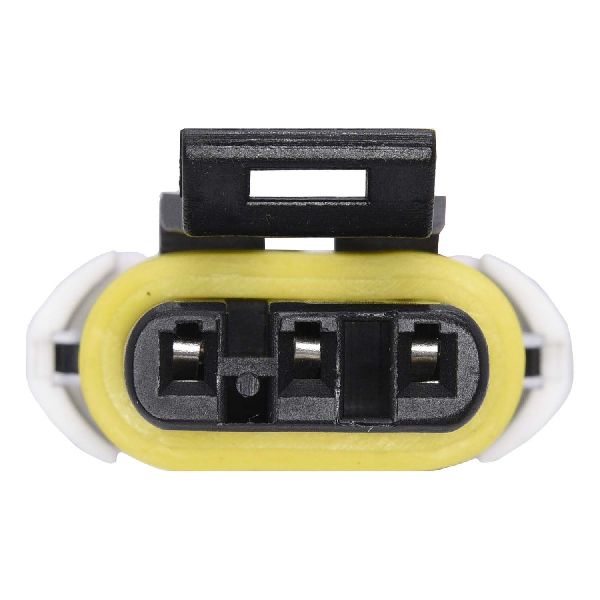
- Camshaft Position Sensor (CMP) Connector Voltage Check — expected: With KOEO and connector unplugged: Power wire to ground = 5V. Signal wire to ground = 5V. Ground wire to battery positive terminal = ~12V (Battery Voltage).. Failure: Any reading outside these ranges indicates a wiring circuit fault (open, short to ground, or short to power) rather than a sensor failure.
Scan Tool Commands That Help
- Kia GDS (or advanced aftermarket scanner): CVVT Actuator Test / VVT Solenoid Bi-Directional Control — This command allows a technician to manually activate the Bank 2 exhaust OCV while the engine is idling. If the engine stumbles or runs rough, the OCV and phaser are likely responding. If there is no change in engine operation, it confirms a problem in the OCV, a clogged oil passage, or a seized CVVT phaser.
Wiring & Ground Locations
- Engine Harness Grounds (e.g., GE, GF series) — Multiple ground points for the engine harness are secured to the engine block, cylinder heads, and chassis. Specific locations like 'GE01' or 'GF02' are detailed in the factory service manual wiring diagrams.. A poor ground connection for the ECM or the sensors can cause erratic voltage signals, leading to false correlation codes. Verifying the main engine-to-chassis grounds are clean and tight is a crucial step if electrical issues are suspected.
- Bank 2 CMP and OCV Connectors — Located on the driver's side (Bank 2) valve cover. The CMP sensor is typically at the rear of the cylinder head, while the OCV is mounted on the front of the valve cover.. These connectors and their associated wiring are common points of failure due to heat, vibration, and oil contamination. A visual inspection for brittle plastic, corroded pins, or oil intrusion is necessary.
Real Owner Repair Stories
- YouTube channel 'James Danner' (2008 Kia Sorento 3.8L V6 (Lambda engine family)) — Check Engine Light with erratic cam phaser readings on a scan tool for a correlation code (P0018, similar cause).
❌ Tried (didn't work) Initial diagnosis pointed towards replacing expensive timing components or solenoids.
✅ What actually fixed it An oil and filter change. The engine was found to be critically low on oil, with only 1.5 to 2 quarts drained from a 5.5-quart system. The lack of oil pressure prevented the CVVT system from operating correctly, triggering the code. This highlights that the most basic check is often the solution. - YouTube channel 'My Mechanic of TC' (Kia Sorento 3.3L V6 (Lambda engine family)) — Persistent cam/crank correlation code (P0018) after multiple attempted fixes.
❌ Tried (didn't work) Replaced camshaft position sensors., Replaced Oil Control Valves (OCVs).
✅ What actually fixed it The root cause was a sheared alignment pin on the camshaft itself. This prevented the CVVT phaser (cam gear) from sitting in the correct orientation, creating a permanent timing misalignment that sensors and solenoids could not correct. The camshaft had to be replaced.
Documented NHTSA Reports
- An owner report for a Kia vehicle with the Lambda engine (NHTSA ODI #11575366) noted that the engine threw codes P0019, P0024, and multiple misfire codes (P0300, P0302, P0304, P0306) when it was found to be missing 5 quarts of oil with no warning light.
- NHTSA ODI #11653245 describes a situation where a vehicle had difficulty maintaining speed and was towed after triggering codes P0019 and misfire codes P0300, P0302, P0304, and P0306.
"I Checked Everything" — The Actual Cause
- In cases where electrical tests for sensors and OCVs all pass, and oil pressure is good, a persistent P0019 can be caused by a mechanical failure that standard diagnostic procedures miss. One documented example on this engine family is a sheared alignment dowel pin between the camshaft and the CVVT phaser. This creates a permanent timing offset that cannot be fixed without disassembly and replacing the camshaft or phaser.
When the Usual Fixes Don't Work
- While the most common fixes are oil changes and OCV replacement, there are numerous documented cases on forums and technician networks for the Lambda V6 engine where these fixes did not work. In many of these instances, the ultimate cause was found to be a stretched timing chain, especially on vehicles with over 100,000 miles. In rarer cases, a persistent code after replacing the chain, sensors, and solenoids was traced to a sheared camshaft alignment pin, requiring camshaft replacement to finally resolve the code.
OEM Part Supersession History
514G5-3CU00→24360-3C811— Part revision by manufacturer.39318-3C000→39318-3C100 / 39318-3C300— Part revision. The parts are generally considered functionally identical and interchangeable for this application.
Diagnostic Flowchart
Other Known Issues on This Vehicle
Issues unrelated to this code that are worth knowing about as an owner of this generation:
- Malfunctioning Stop Lamp Switch 🟠 Medium — Common enough to warrant a recall. Affects the ability to shift out of Park, cruise control deactivation, and can cause ESC warning lights. (Ref: NHTSA Recall 13V114000)
- Transmission Shifting Problems 🟠 Medium — A number of owners have reported issues with rough shifting or the transmission locking up, particularly in the 2009 model year. Sometimes a TCM software update can resolve this.
- Detaching Headliner Plates 🔴 High — A recall was issued because the headliner plates can detach during side curtain airbag deployment, increasing injury risk. (Ref: NHTSA Recall 23V542000)
- Startup Engine Rattle from Aftermarket Oil Filters 🟡 Low — The 3.8L engine is sensitive to oil pressure at startup. Using non-OEM oil filters has been linked to a brief rattle until oil pressure builds. This is a well-documented issue in owner forums. (Ref: Kia TSB 05-20-002)
- Wiring Corrosion 🟠 Medium — Some owners report premature corrosion on wiring harnesses, particularly for chassis sensors like the body position sensor, leading to electrical faults.
Used vs. New Parts: Buying Guide for This Vehicle
When a used part is the smart pick: For easily accessible electronic components like the Oil Control Valve (OCV) or Camshaft Position Sensor, a used part from a reputable salvage yard with a low-mileage donor vehicle can be a cost-effective option. These parts are simple to swap if the used one is faulty.
Donor-vehicle mileage cap: roughly under 80000 miles for the part to have meaningful remaining life.
What to inspect on the donor part:
- Check for a clean donor engine, free of heavy oil sludge around the valve covers.
- Ensure connectors on the used part are not cracked, brittle, or full of oil.
- Ask for the VIN of the donor vehicle to verify mileage and check for any reported accident history that could have damaged engine components.
OEM-only on this vehicle (don't cheap out):
- Engine Oil Filter: This is critical. Aftermarket cartridge filters for this engine are a known cause of oil pressure problems that can trigger timing codes. Always use a genuine Kia/Hyundai filter (26320-3C100).
- Timing Chain Kit: Due to the complexity and labor-intensive nature of a timing chain job, using an OEM or a top-tier, reputable aftermarket kit (e.g., Melling) is strongly advised to ensure longevity and prevent catastrophic failure.
Aftermarket brands forum-validated for this vehicle:
- OCV/VVT Solenoid: Standard Motor Products (SMP), Dorman.
- Camshaft Position Sensor: NGK/NTK, Delphi, Bosch.
Brands owners have reported issues with on this vehicle:
- Avoid unbranded, 'white-box' electronic sensors and solenoids from online marketplaces, as their quality control, internal materials, and resistance values can be inconsistent, leading to a quick return of the fault code.
Real Owner Stories
Aggregated from forums and TSBs cited above. Mileages and costs reflect what owners reported in those sources.
2009 Kia Borrego 3.8L
Symptoms: Startup rattle and engine noise issues.
What fixed it: Switching from an aftermarket oil filter to a genuine Kia OEM filter to resolve oil pressure variations.
Source hint: BobIsTheOilGuy.com thread titled '2009 kia borrego is it oem filters or nothing'
2014 Hyundai Genesis Coupe 3.8L Lambda
Symptoms: Vehicle experiencing both P0018 and P0019 codes simultaneously; owner replaced OCVs but the codes remained.
What fixed it: Diagnosis confirmed a mechanical timing chain issue rather than a sensor or solenoid problem.
Source hint: 2CarPros thread titled '2014 Hyundai Genesis Coupe Codes P0018 and P0019, How to Repair'
2009-2011 Kia Borrego 3.8L Lambda V6 — ~110000 miles
Symptoms: Rattling noise on cold starts followed by timing correlation codes.
What fixed it: Replacement of primary and secondary timing chains, guides, and tensioners due to chain stretch.
Cost: $400-$1200
Source hint: Vehicle-specific issues section regarding documented timing chain stretch on 3.8L Lambda V6
Related OBD-II Codes
Frequently Asked Questions
Can using a non-OEM oil filter cause the P0019 code on my 3.8L Borrego?
What resistance should I look for when testing the Oil Control Valve (OCV) on my Borrego?
My Borrego makes a rattling noise for a few seconds on cold starts. Is this related to P0019?
If I have both P0018 and P0019, does that change the diagnosis?
Where is the Bank 2 Exhaust Oil Control Valve located on the 3.8L engine?
What oil viscosity should I be using to prevent CVVT issues in my Borrego?
Helpful Videos
We Have This Part in Stock


The information in this article is provided for general reference and educational purposes only. Vehicle specifications, procedures, and part compatibility can vary by production date, trim level, and region. Always consult your vehicle's factory service manual and verify part numbers before purchasing or performing repairs. Safety-critical components such as airbags, seat belts, and braking systems should be installed by a qualified professional.
- Kia Borrego:
- 🧭 Diagnostic Flowchart
- 🎬 Helpful Videos
- 🛍️ Shop This Part
- What's Unique About the 2009-2011 Kia Borrego
- Symptoms You May Notice
- Most Likely Causes
- Rare But Worth Checking
- Diagnosis Steps
- Parts You'll Likely Need
- Related Codes That Often Appear With This One
- Technical Service Bulletins (TSBs) & Recalls
- Platform-Specific Known Issues
- Mechanic-Grade Diagnostic Values
- Scan Tool Commands That Help
- Wiring & Ground Locations
- Real Owner Repair Stories
- Documented NHTSA Reports
- "I Checked Everything" — The Actual Cause
- When the Usual Fixes Don't Work
- OEM Part Supersession History
- Other Known Issues on This Vehicle
- Used vs. New Parts: Buying Guide for This Vehicle
- Real Owner Stories
- 2009 Kia Borrego 3.8L
- 2014 Hyundai Genesis Coupe 3.8L Lambda
- 2009-2011 Kia Borrego 3.8L Lambda V6 — ~110000 miles
- Related OBD-II Codes
- Frequently Asked Questions
- 🎟️ Get 5% Off