

P0019 on 2011-2015 Kia Sorento 3.5L V6: Crank-Cam Correlation Causes and Fixes
On the 2011-2015 Kia Sorento 3.5L V6, code P0019 is most often caused by low/dirty engine oil or a faulty Bank 2 exhaust Oil Control Valve (OCV). An oil change is the first step. Replacing the OCV is a common and effective fix but requires removing the upper intake manifold for access, making it a 3-5 hour job. If a cold-start rattle is present, suspect a stretched timing chain.
- Always check your engine oil level and condition first. A simple oil change with a quality filter can sometimes fix this code.
- The most likely failed part is the Bank 2 (radiator side) exhaust Oil Control Valve (OCV), but it is difficult to access.
- A rattling noise for a few seconds when starting the engine cold is a major red flag for a worn timing chain tensioner, a more serious and expensive repair.
- A cost-effective diagnostic step is to swap the suspect camshaft sensor or OCV with an identical one from another position to see if the trouble code follows the part.
- Do not ignore this code. While it may be a simple fix, it can also be an early warning of a potential timing chain failure that could destroy the engine.
What's Unique About the 2011-2015 Kia Sorento
The Lambda V6 engine family in these Sorentos is known for its sensitivity to oil quality and maintenance intervals. The Continuously Variable Valve Timing (CVVT) system is operated by oil pressure, and neglected oil changes can lead to sludge that clogs the small passages in the Oil Control Valves (OCVs). A brief rattling sound from the engine on a cold startup is a well-documented symptom of a failing timing chain tensioner, which can lead to a stretched chain and trigger this code. A Technical Service Bulletin (TSB #ENG123) was issued for the related 3.5L Sorento for 'COLD ENGINE START-UP CHATTER 🎬 Watch: Hear what a failing timing chain tensioner sounds like.', corroborating this known issue.
Symptoms You May Notice
- Check Engine Light is on
- Rough or erratic idle
- Engine hesitation or stumbling on acceleration
- Reduced engine power
- Decreased fuel economy
- Rattling noise from the engine for 2-3 seconds on a cold start (indicates potential timing chain issue)
- Engine may crank but fail to start in severe cases
- Shuddering or vibration from the engine
- Difficulty maintaining speed or vehicle becoming undrivable, as noted in NHTSA ODI #11653245
- Replacing the camshaft position sensor when the actual fault is with the oil control valve (OCV) or low/dirty oil.
- Replacing the crankshaft position sensor, which is a very rare failure point for this specific correlation code.
- Replacing only one OCV when others are likely near failure, leading to a repeat repair for a different code (e.g., P0018, P0017) soon after.
Most Likely Causes
- Low or Dirty Engine Oil 🔴 High Probability The CVVT system is hydraulic and highly sensitive to oil pressure and cleanliness. Sludge from delayed oil changes can easily clog the small passages in the oil control valves, starving them of the pressure needed to adjust cam timing.
How to confirm: Check the engine oil dipstick for proper level and inspect the oil's color and consistency. Dark, thick, or sludgy oil is a problem. Many owner stories begin with finding the engine is extremely low on oil; for instance, NHTSA ODI #11575366 describes a vehicle throwing P0019 and P0024 while being five quarts low on oil without a warning light.
Typical fix: Perform an engine oil and filter change using the manufacturer-recommended oil viscosity (typically 5W-20 or 5W-30) and an OEM-quality oil filter. Clear codes and drive to see if the light returns.
Est. part cost: $40-$80 - Faulty Oil Control Valve (OCV) / VVT Solenoid (Bank 2 Exhaust) 🔴 High Probability This solenoid controls oil flow to the cam phaser. It can get clogged with sludge or fail electrically, becoming stuck in one position. It is the most common component failure for this code after ruling out oil issues.
How to confirm: Use a capable scan tool to command the solenoid on and off while monitoring cam angle data. A more basic test is to apply 12V directly to the solenoid's terminals and listen for a click. You can also swap it with the identical intake OCV on the same bank; if the code changes to P0018 (Bank 2 Intake), the OCV is confirmed bad. Resistance should be 6.9-7.9 ohms.
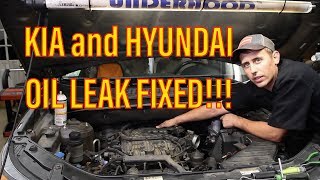
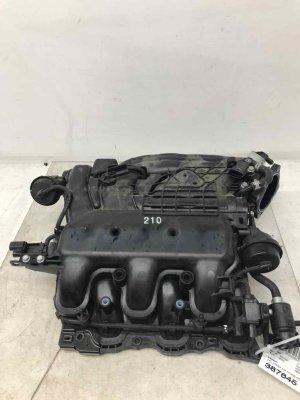
Typical fix: Replace the Bank 2 exhaust oil control valve. This requires removing the upper intake manifold for access. 🎬 See this walkthrough on how to remove the intake manifold. Many technicians recommend replacing all four OCVs (Intake/Exhaust for both banks) at the same time due to the high labor involved and the need to also replace the intake manifold gaskets.
Est. part cost: $50-$120 - Stretched Timing Chain or Failed Tensioner 🟡 Medium Probability → Shop Engine Timing Chain The timing chain tensioners are known to wear or bleed down oil pressure when parked, allowing the chain to become slack, especially on startup. This slack causes a startup rattle and can lead to the chain stretching over time, altering the cam/crank correlation permanently.
How to confirm: A persistent rattling noise on cold starts is a strong indicator. Confirmation requires engine disassembly to physically inspect the chain for slack and check if the timing marks on the sprockets, chain, and crankshaft align correctly. This is a significant undertaking.
Typical fix: Replace the timing chain(s), guides, and tensioners. This is a labor-intensive job, often costing over $1500 at a shop.
Est. part cost: $300-$600 - Faulty Camshaft Position Sensor (Bank 2 Exhaust) ⚪ Low Probability → Shop Engine Camshaft Position Sensor
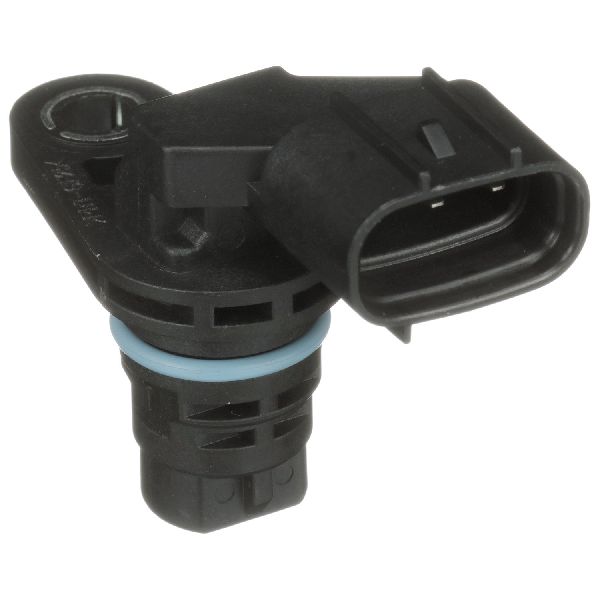
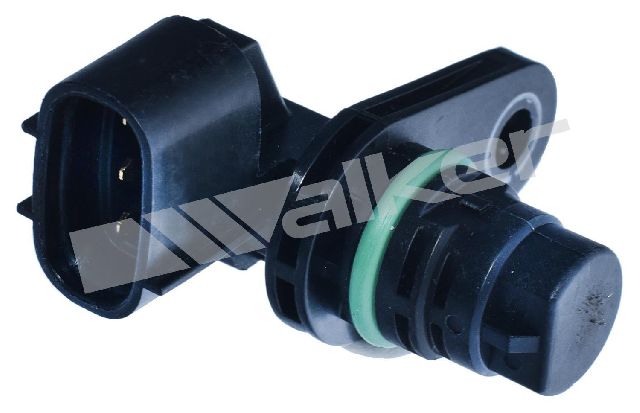
How to confirm: Check the sensor's wiring and connector for damage. A scan tool can monitor the sensor's live data for dropouts. The easiest confirmation is to swap the suspect sensor with the identical sensor from another position (e.g., Bank 1 exhaust) and see if the code changes to P0017.
Typical fix: Replace the Bank 2 exhaust camshaft position sensor. This is a simple repair with easy access on the top of the engine.
Est. part cost: $40-$110
Rare But Worth Checking
- Damaged CVVT Cam Phaser/Actuator: The phaser is the gear on the end of the camshaft. A sheared alignment pin or internal failure can cause it to lose its correct position relative to the camshaft, triggering the code. This is usually a last resort after other causes are ruled out and can be difficult to diagnose without disassembly.
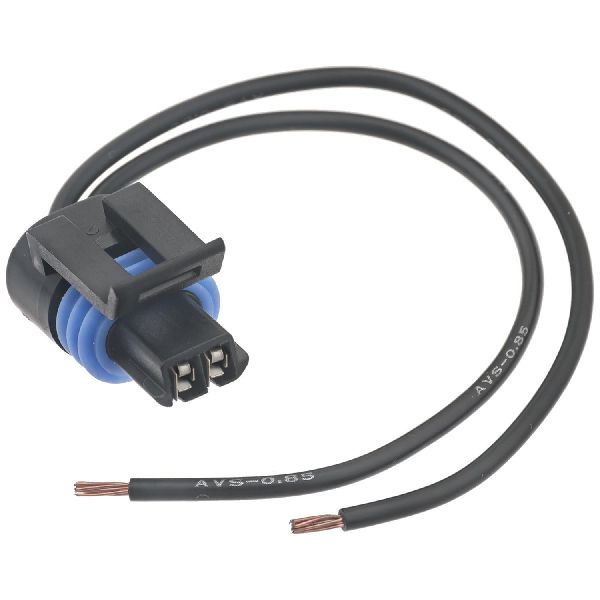
- Wiring or Connector Damage: A damaged wire or corroded connector for either the OCV or the camshaft position sensor can cause an intermittent signal and trigger the code. Visually inspect the harnesses leading to these components, especially the OCV connector which is under the intake manifold.
Diagnosis Steps
- Check Engine Oil: Verify the oil level is full and the oil is clean. If it's low or overdue for a change, perform an oil and filter change with a high-quality filter and the correct oil viscosity. This simple step resolves the issue in a surprising number of cases. Clear the code and see if it returns.
- Listen for Noise: On a cold start, listen for a distinct rattling or chattering sound from the engine lasting 2-3 seconds. This sound points strongly toward a timing chain tensioner and guide issue.
- Scan Tool Analysis: Use a scan tool to view live data. Monitor the desired vs. actual camshaft angles for Bank 2 Exhaust. 🎬 Watch: Using a scan tool to diagnose P0019 and P0024. A significant, lagging deviation confirms the correlation error in real-time.
- Test the Camshaft Position Sensor (CMP): Inspect the sensor's wiring. As a simple test, swap the Bank 2 exhaust CMP sensor with the Bank 1 exhaust CMP sensor. Clear codes and drive. If the code changes to P0017 (Bank 1 Exhaust Correlation), the sensor you moved is faulty.
- Test the Oil Control Valve (OCV): The Bank 2 OCVs are under the upper intake manifold. Once accessed, you can use a scan tool's actuator test function to command the Bank 2 exhaust OCV on and off. The engine RPM should change noticeably. If there's no change, or if you can't perform this test, remove the OCV and test it by applying 12V power; you should hear a solid click. Check resistance (should be ~7-8 ohms).
- Inspect Mechanical Timing: If all sensors and solenoids test good, the issue is likely mechanical. This requires removing the engine's front cover to inspect the timing chain, guides, and tensioners for wear, slack, and proper alignment of timing marks. This step is best left to a professional.
Parts You'll Likely Need
- Oil Control Valve (VVT Solenoid), Bank 2 Exhaust
(OEM #24355-3CAB2)— This is the most common component to fail, either by getting clogged with sludge or failing electrically.
Trusted brands: Kia/Hyundai (Genuine), Aisin, Dorman
OEM price range: $80-$130
Aftermarket price range: $40-$90 - Upper Intake Manifold Gasket Set
(OEM #29215-3C500)— Required for replacing the Oil Control Valves, as the upper intake manifold must be removed for access. These gaskets are one-time use and must be replaced to prevent vacuum leaks.
Trusted brands: Kia/Hyundai (Genuine), Fel-Pro, Mahle
OEM price range: $30-$50
Aftermarket price range: $15-$30 - Camshaft Position Sensor, Bank 2 Exhaust
(OEM #39318-3C100)— Though less common than the OCV, a failing sensor can cause this code.
Related Codes That Often Appear With This One
- P0018 — This is the correlation code for the intake camshaft on the same bank (Bank 2). If P0018 and P0019 appear together, it strongly suggests a base timing issue affecting the entire bank, such as a stretched timing chain or an oil supply problem to the Bank 2 cylinder head.
- P0024 — This code indicates 'B' Camshaft Position - Timing Over-Advanced (Bank 2). It often points to a stuck Oil Control Valve (OCV) and can appear alongside P0019, as seen in multiple owner reports.
- P0300, P0302, P0304, P0306 — These misfire codes frequently accompany P0019 and P0024 when timing issues or severe oil starvation occur, as documented in NHTSA ODI #11575366.
Technical Service Bulletins (TSBs) & Recalls
- TSB #ENG123 / NHTSA ID: #10060207 - Addresses 'COLD ENGINE START-UP CHATTER' on the 3.5L engine, corroborating the timing chain tensioner issue as a known problem.
Platform-Specific Known Issues
- A known issue on the Lambda V6 engine family is premature wear of the timing chain tensioner's ratchet mechanism. This causes a loss of tension on startup, leading to a brief rattle and, over time, a stretched timing chain.
- These engines are particularly sensitive to oil filter quality. Using non-OEM filters with inadequate anti-drainback valves can starve the CVVT system of oil on startup, accelerating wear.
Mechanic-Grade Diagnostic Values
- Oil Control Valve (OCV) Solenoid Resistance — expected: 6.9 - 7.9 Ohms at 68°F (20°C). Failure: A reading of 0 ohms indicates a shorted coil, while an infinite (OL) reading indicates an open coil.
- Camshaft Position Sensor (CMP) Signal — expected: This is a 3-wire Hall effect sensor. It should have a 5V or 12V reference, a good ground, and a signal wire that produces a square wave that switches as the engine is cranked.. Failure: The sensor cannot be accurately tested with a simple resistance check. Diagnosis requires checking for the presence of reference voltage and a switching signal with a multimeter or oscilloscope. Absence of a switching signal during cranking indicates a failed sensor or circuit issue.
Scan Tool Commands That Help
- Kia GDS (Global Diagnostic System): Actuation Test for CVVT Solenoid — After confirming oil level and quality are good, this test can be used to command the Bank 2 Exhaust OCV on and off. The technician should monitor live data for a change in the actual camshaft angle and listen for an audible click from the solenoid, confirming its electrical and mechanical operation without disassembly.
- Kia GDS (Global Diagnostic System): Flight Record — For intermittent issues where the P0019 code is not always present. The flight record function can capture vehicle data over a period of time, including when a fault occurs, which can help diagnose intermittent wiring problems or a sticking OCV that only fails under specific operating conditions.
- Kia GDS (Global Diagnostic System): Guided Troubleshooting / Hot Fix — The GDS software includes guided diagnostic procedures for specific DTCs. For P0019, it will provide a step-by-step test plan, show related wiring diagrams, and link to any applicable technical service bulletins ('Hot Fixes') for the specific vehicle.
Wiring & Ground Locations
- Engine Block Grounds — Multiple grounding points are used for the engine management system. Key locations include the cylinder head, engine block, and intake manifold.. A poor ground connection for the ECU or the sensors (CMP, CKP) can introduce electrical noise or voltage offsets, leading to incorrect sensor readings and false correlation codes like P0019. Ensure all ground straps from the block/head to the chassis are clean and tight.
- ECM/PCM Connectors — The Engine Control Module (ECM/PCM) is typically located in the engine bay. The Camshaft Position Sensor signals are sent to specific pins on the main ECM connectors.. When diagnosing a persistent P0019 after replacing parts, a pin-out test at the ECM connector is necessary to verify signal continuity from the Bank 2 Exhaust CMP sensor and the OCV, ruling out a break in the wiring harness.
Real Owner Repair Stories
- kia-forums.com user (2011 Kia Sorento 3.5L V6) — Check Engine Light with codes P0019 and P0018.
❌ Tried (didn't work) Initial diagnosis suggested a timing chain issue due to both Bank 2 codes being present.
✅ What actually fixed it The owner replaced all four Oil Control Valves (OCVs) as a set. After replacement and clearing the codes, the Check Engine Light did not return. The fix confirmed the issue was with the OCVs, not the more expensive timing chain. - NHTSA ODI #11653245 — An owner reported that their vehicle had difficulty maintaining speed and was eventually towed to a shop after throwing P0019 alongside multiple misfire codes (P0300, P0302, P0304, P0306).
OEM Part Supersession History
221103CAB0, 221103CAB0A, 504R53CA00→24355-3CAB2— Standard part evolution, likely for improved reliability or manufacturing process.
Model Year Variations Within This Range
- 2011-2013 vs 2014-2015: The 2011-2013 Sorento used the 3.5L Lambda II MPI V6. For the 2014 model year refresh, this was replaced by a 3.3L Lambda GDI (Gasoline Direct Injection) V6. While the engine architecture is similar and the P0019 code has the same meaning and common causes (oil level, OCVs, timing chain), part numbers for some components like sensors and the specific GDI fuel system parts are different. However, the diagnostic approach remains virtually identical.
Diagnostic Flowchart
Other Known Issues on This Vehicle
Issues unrelated to this code that are worth knowing about as an owner of this generation:
- Door Lock Actuator Failure 🟠 Medium — Very common. Doors may fail to lock/unlock with the fob, make buzzing noises, or get stuck shut. Often starts with one door and spreads. (Ref: Kia issued a warranty extension (Campaign CS1603) for the 2011 model year rear door latches.)
- Headlight Condensation / Moisture 🟡 Low — Widespread complaints of fog and moisture building up inside the headlamp assemblies, reducing light output. (Ref: TSB BOD055 provides information, but the official procedure is often just to ventilate the lamp, which many owners find insufficient.)
- A/C Compressor Clutch Failure 🟠 Medium — A common issue where the A/C stops blowing cold air, but refrigerant levels are normal. The clutch on the compressor fails and often requires replacing the entire compressor assembly.
- Engine Fire Risk (HECU) 🔴 High — Part of a massive recall. The Hydraulic Electronic Control Unit (HECU) can short circuit, potentially causing an engine compartment fire while parked or driving. (Ref: NHTSA Recall #23V-652, Kia recall number SC284.)
- Ignition Coil Failure 🟠 Medium — Failure of one or more ignition coils is a common cause of misfires (P030x codes). The rear bank coils are more labor-intensive to replace as the intake manifold must be removed.
Used vs. New Parts: Buying Guide for This Vehicle
When a used part is the smart pick: Used parts are generally not recommended for this repair due to the nature of the failures. The primary failure items (OCVs, timing components) are wear-and-tear parts or are highly sensitive to the maintenance history of the donor vehicle.
Donor-vehicle mileage cap: roughly under 60000 miles for the part to have meaningful remaining life.
What to inspect on the donor part:
- If considering a used OCV, insist on seeing it removed from the engine to inspect for sludge or debris on the screens.
- For any used electronic part, check for corrosion on the pins or cracks in the connector housing.
OEM-only on this vehicle (don't cheap out):
- Timing Chain Kit: Given the high labor cost, using OEM or a top-tier OEM supplier (like Aisin) for timing components is critical to avoid premature failure and a repeat job.
- Camshaft/Crankshaft Position Sensors: While some aftermarket sensors work, forums often report issues with DOA (Dead on Arrival) or short-lived aftermarket sensors. OEM sensors are recommended for reliability.
Aftermarket brands forum-validated for this vehicle:
- Aisin (for VVT Solenoids/OCVs - often the OEM manufacturer)
- Fel-Pro (for intake manifold gaskets)
Brands owners have reported issues with on this vehicle:
- Unbranded 'no-name' OCVs and sensors from online marketplaces are frequently cited as failing quickly or being DOA. Dorman has mixed reviews; some users report success while others experience early failure, making it a gamble compared to OEM or Aisin.
Real Owner Stories
Aggregated from forums and TSBs cited above. Mileages and costs reflect what owners reported in those sources.
2011 Kia Sorento 3.5L
Symptoms: Owner reported codes P0019 and P0024 appearing together. The repair required accessing the OCVs located under the intake manifold.
What fixed it: Replacement of the Oil Control Valves (OCVs) after removing the intake manifold.
Source hint: YouTube video titled '2011 kia sorento 3.5L code P0019 and P0024'
2016 Kia Sedona 3.3L (Platform Mate)
Symptoms: The owner experienced P0019 and P0024 together immediately following a misfire event. NHTSA ODI #11575366 describes a similar scenario where the vehicle was missing five quarts of oil, leading to timing codes and three cylinders misfiring.
What fixed it: The source highlights these codes appearing as a pair on the Kia V6 platform, often requiring OCV or timing inspection.
Source hint: Reddit r/MechanicAdvice thread 'P0019, P0024 on 2016 Kia Sedona'
2014 Kia Sorento 3.3L
Symptoms: Check engine light with code P0019.
What fixed it: Replacement of the camshaft position sensors using the swap-to-diagnose method to confirm the failure.
Source hint: YouTube video titled 'Crankshaft and Camshaft sensors code P0019 2014 Kia Sorento AWD 3.3'
Related OBD-II Codes
Frequently Asked Questions
Is there a TSB for the rattling noise I hear on my 3.5L Sorento at startup?
Can I use any oil filter on my 3.5L Lambda II V6?
Where is the Bank 2 Exhaust Oil Control Valve located on the 2011-2015 Sorento 3.5L?
How can I tell if my P0019 code is just a bad sensor without buying parts?
What is the correct resistance for the VVT solenoid on this Kia engine?
Why does my Sorento rattle for 2 seconds when I first start it in the morning?
Helpful Videos

Used OEM Parts in Stock
New Aftermarket Parts Available


The information in this article is provided for general reference and educational purposes only. Vehicle specifications, procedures, and part compatibility can vary by production date, trim level, and region. Always consult your vehicle's factory service manual and verify part numbers before purchasing or performing repairs. Safety-critical components such as airbags, seat belts, and braking systems should be installed by a qualified professional.
- Kia Sorento:
- 🧭 Diagnostic Flowchart
- 🎬 Helpful Videos
- 🛍️ Shop This Part
- What's Unique About the 2011-2015 Kia Sorento
- Symptoms You May Notice
- Most Likely Causes
- Rare But Worth Checking
- Diagnosis Steps
- Parts You'll Likely Need
- Related Codes That Often Appear With This One
- Technical Service Bulletins (TSBs) & Recalls
- Platform-Specific Known Issues
- Mechanic-Grade Diagnostic Values
- Scan Tool Commands That Help
- Wiring & Ground Locations
- Real Owner Repair Stories
- OEM Part Supersession History
- Model Year Variations Within This Range
- Other Known Issues on This Vehicle
- Used vs. New Parts: Buying Guide for This Vehicle
- Real Owner Stories
- 2011 Kia Sorento 3.5L
- 2016 Kia Sedona 3.3L (Platform Mate)
- 2014 Kia Sorento 3.3L
- Related OBD-II Codes
- Frequently Asked Questions
- 🎟️ Get 5% Off