

P0019 on 2020-2021 Lincoln Aviator: Crank-Cam Correlation Causes and Fixes
On a 2020-2021 Lincoln Aviator, P0019 is most often caused by low/dirty engine oil or a sticking Variable Camshaft Timing (VCT) solenoid on the driver's side exhaust camshaft. Start by checking your oil; if the level and condition are good, the VCT solenoid is the next likely part to replace, costing around $35-$65 for an OEM part. Ford TSBs advise trying to cycle the solenoid with a scan tool to clear debris before replacement.
- P0019 on a 2020-2021 Aviator points to a timing mismatch on the driver's side exhaust camshaft.
- Always check your engine oil level and condition first. Low or dirty oil is the #1 cause of this issue.
- The most likely failed part is the Bank 2 (driver's side) exhaust VCT solenoid, which is relatively inexpensive and easy to access.
- Do not immediately assume a major mechanical failure like a stretched timing chain. Diagnose the oil and VCT solenoid first to avoid a costly misdiagnosis.
- Multiple manufacturer TSBs confirm that sticking VCT solenoids are a known issue on this engine platform.
What's Unique About the 2020-2021 Lincoln AVIATOR
The 3.0L Twin-Turbo V6 in the Aviator uses a sophisticated Variable Camshaft Timing (VCT) system that is highly dependent on clean engine oil and correct oil pressure. Ford and Lincoln have issued multiple Technical Service Bulletins (TSBs), including SSM 50067 and SSM 54366, acknowledging that this and other related timing codes can be triggered by small debris in the oil causing the VCT solenoids to stick. TSB SSM 50067 specifically advises technicians to use a scan tool to cycle the affected solenoid 10 times to attempt to clear the debris before resorting to component replacement. This makes oil quality and solenoid health the primary suspects, often before more complex issues like timing chain stretch are considered.
Diagnostic Flowchart
Tap your situation to follow the diagnostic path that matches what you're seeing on this vehicle.
Symptoms You May Notice
- Check Engine Light is on
- Rough or erratic idle
- Hesitation or lack of power during acceleration
- Reduced fuel economy
- Engine stalling, especially when coming to a stop
- Loud engine noise or rattling during light acceleration, especially on cold starts
- Replacing the camshaft position sensor before checking the engine oil and VCT solenoid. The sensor reports the problem; it is not always the cause.
- Assuming a stretched timing chain without first diagnosing the much more common and cheaper-to-fix VCT solenoid.
- Replacing the VCT solenoid without performing an oil change, leaving the debris in the engine that caused the original part to fail.
Most Likely Causes
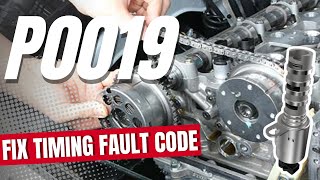
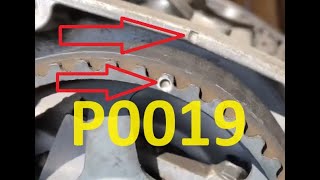
- Low or Dirty Engine Oil 🔴 High Probability The VCT system is hydraulically operated. Manufacturer TSBs (SSM 50067) directly state that 'small debris' in the oil can cause the VCT solenoid to stick, making this the most common trigger for VCT-related codes on these engines. This should always be the first check. 🎬 Watch: A quick guide to the causes and fixes for P0019.
How to confirm: Check the oil level on the dipstick and inspect the oil's condition. If it is low, dark, or appears sludgy, it needs to be changed. This should always be the first step.
Typical fix: Perform an engine oil and filter change using the correct Motorcraft-specified oil (SAE 5W-30 Synthetic Blend) and filter. Clear the codes and see if P0019 returns.
Est. part cost: $50-$100 - Sticking/Failed VCT Solenoid (Bank 2 Exhaust) 🔴 High Probability As documented in TSBs SSM 50067 and SSM 54366, these solenoids are a known failure point due to their sensitivity to oil debris. They control oil flow to the cam phasers and can get stuck, preventing proper cam timing adjustment. The OEM part was updated, indicating a revision to the design.
How to confirm: A mechanic can use a bi-directional scan tool to command the solenoid on and off to check for a response. A common DIY diagnostic is to swap the Bank 2 exhaust solenoid with the Bank 2 intake solenoid to see if the code changes to P0018, which would confirm the solenoid is faulty. 🎬 Watch: How to test and fix the Bank 2 exhaust sensor.
Typical fix: Per TSB SSM 50067, first attempt to clear debris by using a scan tool to cycle the solenoid 10 times. If the code returns, replace the Bank 2 exhaust VCT solenoid and perform an oil change to remove contaminants. The engine uses four identical solenoids.
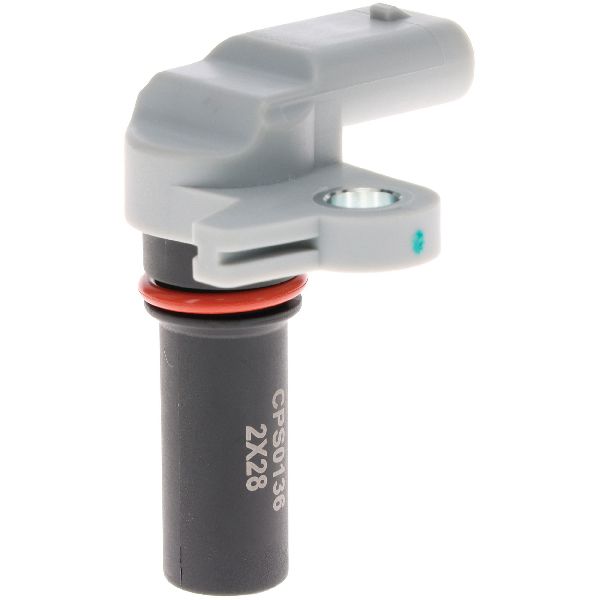
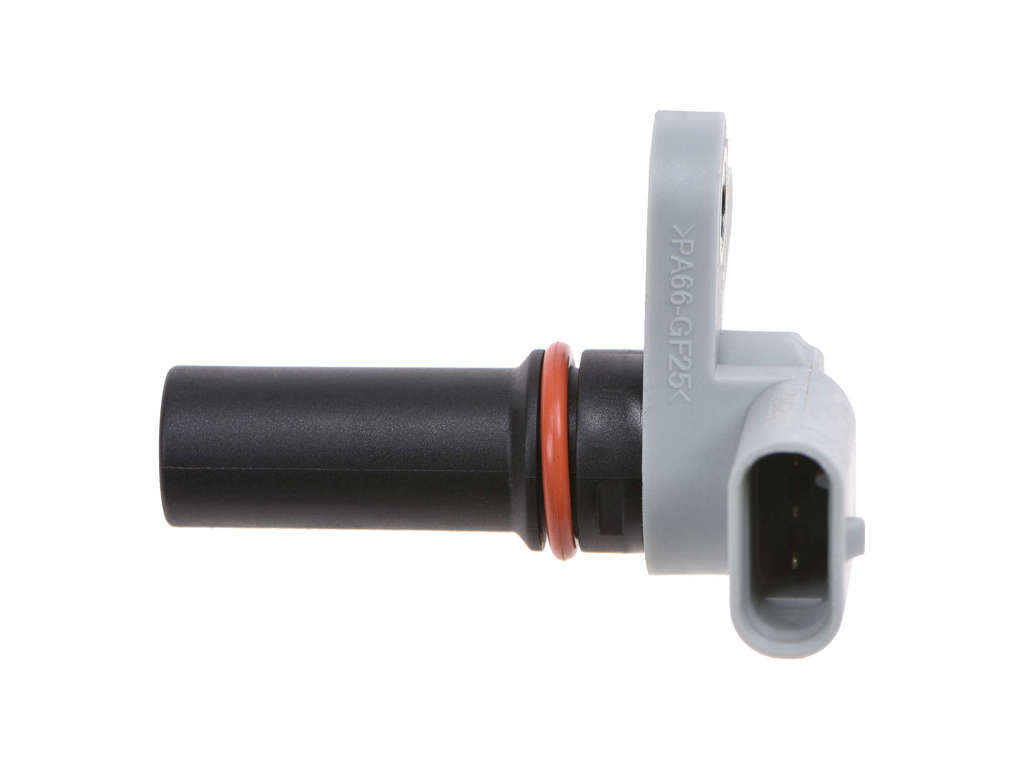
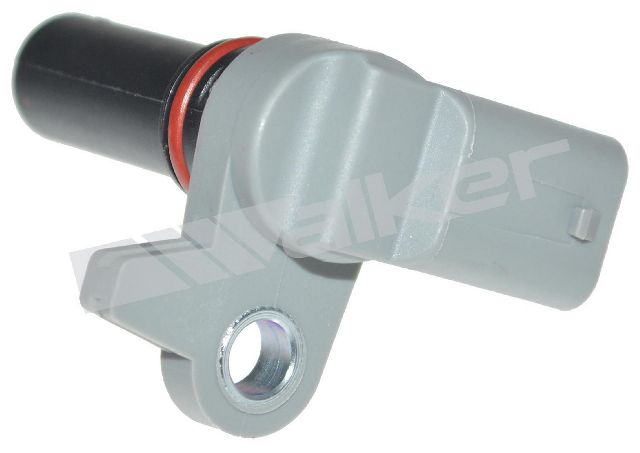
Est. part cost: $35-$65 - Failed Camshaft Position Sensor (Bank 2, Sensor B) 🟡 Medium Probability → Shop Engine Camshaft Position Sensor
How to confirm: After ruling out oil and VCT solenoid issues, test the sensor's circuit and signal. A faulty sensor can send incorrect position data to the PCM, triggering the correlation code. This may also be accompanied by a sensor-specific code like P0345 (Camshaft Position Sensor 'A' Circuit Malfunction Bank 2).
Typical fix: Replace the Bank 2 exhaust camshaft position sensor.
Est. part cost: $30-$55 - Stretched Timing Chain or Worn Guides/Tensioners ⚪ Low Probability → Shop Engine Timing Chain While less common than on other engines, the 3.0L can experience timing chain stretch, especially with extended oil change intervals. This creates slack and causes a permanent timing correlation error.
How to confirm: This is a mechanical issue confirmed by physical inspection, often preceded by a persistent rattling noise from the front of the engine on cold starts. A technician may remove the valve cover to inspect the timing chain tensioner; if the tensioner's plunger is extended significantly, it's a strong indicator the chain has stretched.
Typical fix: Replace the timing chains, guides, and tensioners. This is a labor-intensive job requiring specialized tools.
Est. part cost: $400-$900
Rare But Worth Checking
- Failed Camshaft Phaser: → Shop Engine Camshaft The phaser is the mechanical gear that the VCT solenoid controls. It can fail internally or get stuck, but this is less common than a solenoid failure. It is typically replaced during a timing chain job.
- Wiring or Connector Issue: Damage to the wiring harness for the camshaft sensor or VCT solenoid can cause an intermittent signal. This is worth inspecting before replacing parts, especially given the recall for a wiring harness issue near the A/C compressor (Recall 21S34).
- PCM Software Issue: In some cases, manufacturers release software updates for the Powertrain Control Module (PCM) to adjust the sensitivity or logic for setting timing codes. Checking for available updates with a dealer is a valid diagnostic step.
Diagnosis Steps
- Check Engine Oil: Verify the oil level is full and the oil is clean. If low or dirty, perform an oil and filter change, clear the codes, and re-test.
- Scan for Other Codes: Check for any other related codes (like P0018, P0017, P0345) that could point to a specific circuit or bank.
- Inspect Wiring: Visually inspect the wiring harness and connectors for the Bank 2 exhaust camshaft position sensor and VCT solenoid for any signs of damage or corrosion.
- Cycle the VCT Solenoid (TSB Recommended): Using a bi-directional scan tool, access the PCM functions and command the Bank 2 exhaust VCT solenoid to cycle on and off 10 times. This may dislodge small debris and fix the issue, per TSB SSM 50067. Clear codes and re-test.
- Test the VCT Solenoid (Swap Method): If cycling fails, swap the Bank 2 exhaust solenoid with the Bank 2 intake solenoid. Clear codes and drive the vehicle. If the code changes to P0018, the solenoid is confirmed to be faulty and should be replaced.
- Test the Camshaft Position Sensor: If the solenoid is confirmed to be working, test the camshaft position sensor's signal and wiring to ensure it's sending correct data to the PCM.
- Mechanical Timing Inspection: If all electronic components and oil are good, a deeper mechanical inspection is needed. This involves checking the timing chain for stretch (by observing the tensioner) and inspecting the cam phasers for damage, which is a job best left to a professional.
Parts You'll Likely Need
- Variable Camshaft Timing (VCT) Solenoid
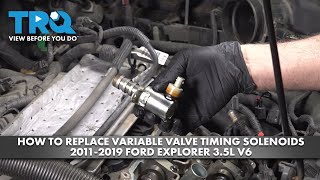
(OEM #FT4Z-6M280-B (supersedes FT4Z-6M280-A))— This is the most common cause of P0019 on this vehicle, as documented by multiple TSBs. It gets stuck due to oil debris. All four VCT solenoids on the engine are the same part. 🎬 See this walkthrough on how to replace the VVT solenoids.
Trusted brands: Motorcraft (OEM), Dorman (916-517), Standard Motor Products (VVT346), NTK (VV0146)
OEM price range: $35-$65
Aftermarket price range: $25-$50 - Camshaft Position Sensor
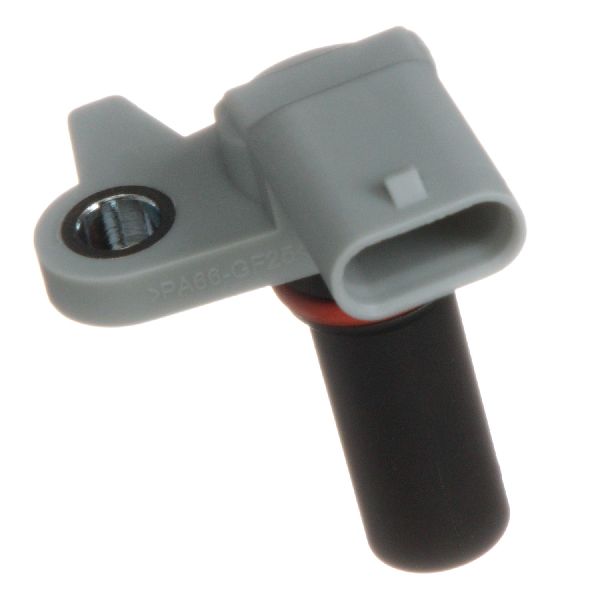
(OEM #Varies by specific location (Intake/Exhaust); confirm with VIN.)— If the VCT system is functioning correctly, the sensor providing the position data to the PCM could be faulty. The 3.0L V6 uses four sensors in total.
Trusted brands: Motorcraft (OEM), Bosch, NGK/NTK, Delphi
OEM price range: $30-$55
Aftermarket price range: $20-$45 - Engine Oil and Filter
(OEM #Motorcraft FL-500S (Filter), Motorcraft SAE 5W-30 Synthetic Blend (Oil))
Related Codes That Often Appear With This One
- P0018 — This is the same correlation error but for the intake camshaft on the same bank (Bank 2). If seen together, it strongly points to a base timing issue on Bank 2, like a jumped tooth or a problem with the cam phaser. Swapping a bad exhaust VCT solenoid with the intake one can cause P0019 to change to P0018.
- P0017 — This is the same exhaust camshaft correlation error but for Bank 1 (passenger side). If P0017 and P0019 appear together, it suggests a systemic issue affecting both banks, such as low oil pressure or a stretched primary timing chain.
- P0345 — This code indicates a circuit malfunction for the camshaft position sensor on Bank 2. If you see this code alongside P0019, it increases the likelihood that the sensor itself or its wiring is the root cause, rather than a VCT or mechanical timing issue.
Technical Service Bulletins (TSBs) & Recalls
- SSM 54366: Acknowledges P0019 on 2020-2021 Ford/Lincoln vehicles and points to specific diagnostic procedures.
- SSM 50067: States that P0019 may be due to small debris causing the VCT solenoid to stick.
Platform-Specific Known Issues
- TSB SSM 50067: Ford/Lincoln notes that on 2015-2021 vehicles, DTCs like P0019 may be caused by small debris causing the VCT solenoid to stick. It recommends attempting to clear the debris by cycling the solenoid with a scan tool before component replacement.
- TSB SSM 54366: This bulletin also acknowledges that 2020-2021 Ford and Lincoln vehicles may exhibit P0019 (and other VCT codes) and directs technicians to specific diagnostic pinpoint tests in the workshop manual.
Mechanic-Grade Diagnostic Values
- VCT Solenoid Internal Resistance — expected: 6.9 to 7.9 Ohms at 68°F (20°C). A broader general range is 5-14 Ohms.. Failure: A reading of 0 Ohms (short) or OL/infinity (open circuit) indicates a failed solenoid coil.
- VCT Solenoid Connector Voltage (KOEO) — expected: Approximately 12V (battery voltage) on the power supply pin.. Failure: Low or no voltage points to a wiring issue, blown fuse, or problem with the PCM power relay.
- Camshaft Position Sensor (3-wire) Power Wire Voltage (KOEO) — expected: ~5 Volts reference from PCM.. Failure: No voltage or significantly lower voltage indicates a wiring or PCM issue.
- Camshaft Position Sensor (3-wire) Signal Wire Voltage — expected: Should switch between ~5V and 0V as the engine is manually rotated or when a metallic object is passed in front of the sensor.. Failure: Voltage that is stuck high or low indicates a failed sensor or a circuit fault.
- Scan Tool PID: VCT_EXH_ERR2 (Bank 2 Exhaust Cam Error) — expected: Should be at or very close to 0 degrees at idle.. Failure: A persistent non-zero value indicates a timing correlation error that the PCM is detecting in real-time.
Scan Tool Commands That Help
- Ford IDS / FORScan: VCT Solenoid On/Off Test or Cycle Command — This is the bidirectional control referenced in TSB SSM 50067. It cycles the solenoid rapidly (typically 10 times) to attempt to dislodge small debris causing it to stick. This should be performed after an oil check but before replacing the solenoid.
- Ford IDS / FORScan: VCT Solenoid Actuator Test — This command manually activates the VCT solenoid while the engine is idling. A functional solenoid and clear oil passages will cause the engine to stumble or run rough, confirming the solenoid is mechanically working. No change in engine operation points to a stuck solenoid or blocked oil passage.
- Ford IDS / FORScan: Clear Transmission Adaptive Tables — While not a direct fix for P0019, if the engine has been running poorly for an extended period, the transmission's shift strategy may have adapted to the erratic power delivery. Resetting this can help restore smooth shifting after the engine fault is repaired.
Wiring & Ground Locations
- Bank 2 Exhaust VCT Solenoid Connector — On the front of the driver's side (Bank 2) valve cover. The 3.0L V6 has four solenoids; two per bank for intake and exhaust.. This is the electrical connection for the component most likely to cause P0019. Check for oil contamination, corrosion, or damaged wires here first.
- Bank 2 Exhaust Camshaft Position Sensor Connector — On the top of the driver's side (Bank 2) valve cover, typically towards the rear of the cylinder head.. This connector sends the camshaft position signal to the PCM. A fault here can mimic a mechanical timing issue. Inspect for secure connection and wire integrity.
- Main Engine Ground Strap — A braided metal strap connecting the engine block to the vehicle's chassis/firewall. Check for a secure, corrosion-free connection at both ends.. A poor engine ground can cause erratic voltage and signal issues for all engine sensors and actuators, including the VCT solenoids and cam sensors, leading to false or intermittent codes.
"I Checked Everything" — The Actual Cause
- In the context of timing codes, the equivalent of a 'smoke test clean' scenario is when both the VCT solenoid and camshaft position sensor test perfectly fine, yet the P0019 code persists. In these cases, the root cause is often a deeper mechanical issue, such as a slipped or damaged reluctor ring (tone ring) on the camshaft itself. This is often missed because it requires removing the valve cover and camshaft for a physical inspection, which is far more labor-intensive than testing external components.
OEM Part Supersession History
FT4Z-6M280-A→FT4Z-6M280-B— The part was updated by the manufacturer. While the exact reason is not officially published, revisions to VCT solenoids are often made to improve their resistance to oil contamination and debris, which is the primary failure mode noted in TSBs.
Model Year Variations Within This Range
- 2020-2021: There are no significant known mechanical or electronic differences in the 3.0L Twin-Turbo V6 engine, VCT system, or associated sensors between the 2020 and 2021 model year Lincoln Aviators that would change the diagnosis or common causes for code P0019.
Helpful Videos
Used OEM Parts in Stock
New Aftermarket Parts Available


The information in this article is provided for general reference and educational purposes only. Vehicle specifications, procedures, and part compatibility can vary by production date, trim level, and region. Always consult your vehicle's factory service manual and verify part numbers before purchasing or performing repairs. Safety-critical components such as airbags, seat belts, and braking systems should be installed by a qualified professional.
- Lincoln AVIATOR:
- 🧭 Diagnostic Flowchart
- 🎬 Helpful Videos
- 🛍️ Shop This Part
- What's Unique About the 2020-2021 Lincoln AVIATOR
- Symptoms You May Notice
- Most Likely Causes
- Rare But Worth Checking
- Diagnosis Steps
- Parts You'll Likely Need
- Related Codes That Often Appear With This One
- Technical Service Bulletins (TSBs) & Recalls
- Platform-Specific Known Issues
- Mechanic-Grade Diagnostic Values
- Scan Tool Commands That Help
- Wiring & Ground Locations
- "I Checked Everything" — The Actual Cause
- OEM Part Supersession History
- Model Year Variations Within This Range
- 🎟️ Get 5% Off