

P0019 on 2015-2016 Lincoln MKS: Crank-Cam Correlation Causes and Fixes
On a 2015-2016 Lincoln MKS, P0019 is almost always caused by low/dirty engine oil or a faulty Variable Camshaft Timing (VCT) solenoid for the Bank 2 exhaust cam. Start by checking your oil. If the oil is fine, the VCT solenoid is the next likely culprit, costing about $40-$95 for the part. Bank 2 is the cylinder bank at the front of the vehicle, by the radiator.
- P0019 on the 2015-2016 MKS indicates a timing correlation error between the crankshaft and the exhaust camshaft on Bank 2 (the front bank, near the radiator).
- The most common cause is NOT a major mechanical failure, but rather low/dirty engine oil or a sticking VCT solenoid.
- Always check the engine oil level and condition first. An oil change is the cheapest and easiest first diagnostic step.
- Do not immediately assume a stretched timing chain. The VCT solenoid and camshaft position sensor should be diagnosed and ruled out first to avoid a very expensive misdiagnosis.
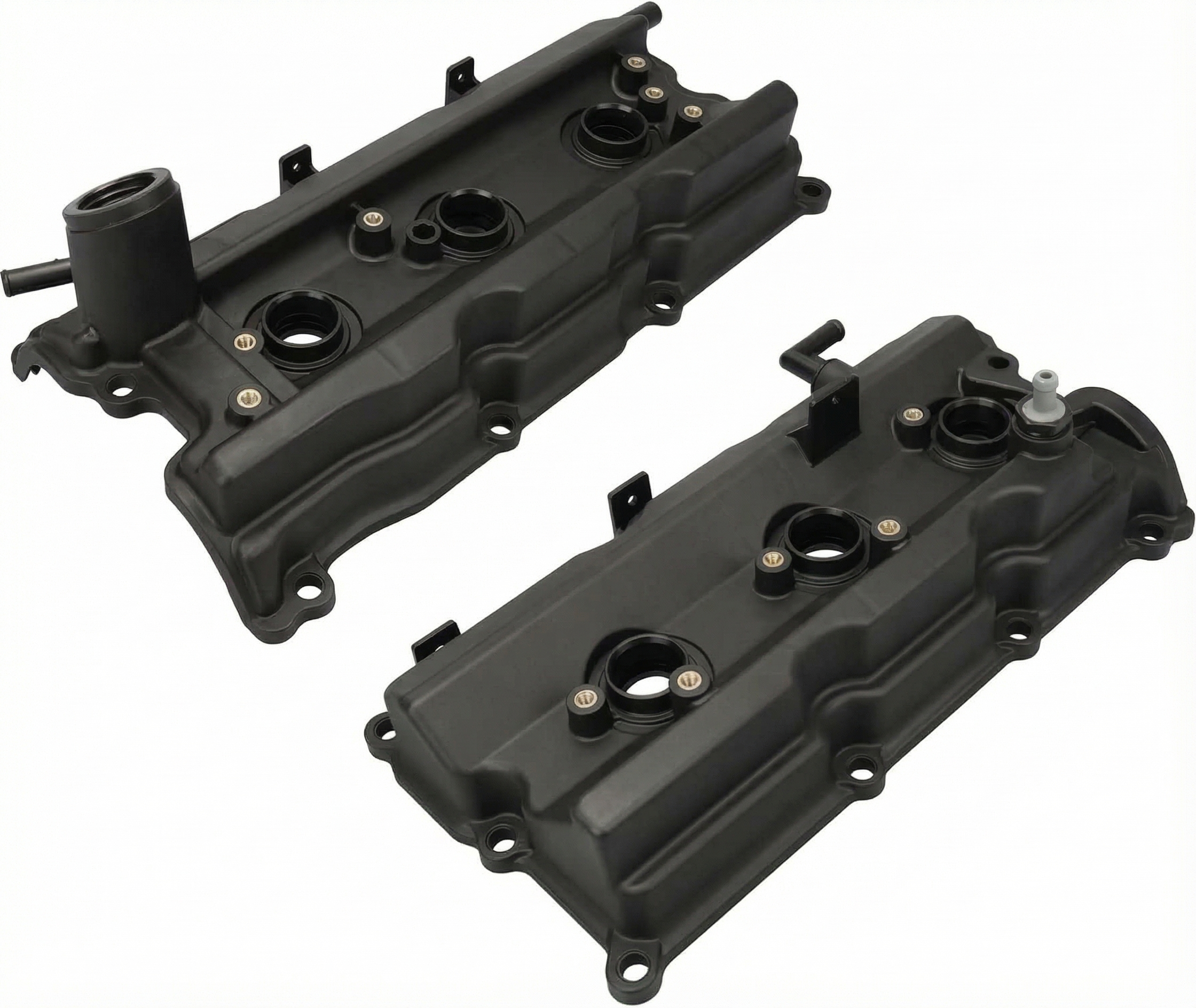
- Replacing the VCT solenoid requires removing the valve cover, so a new valve cover gasket is a required part for the job.
What's Unique About the 2015-2016 Lincoln MKS
The 3.7L and 3.5L V6 engines used in the Lincoln MKS are known for their Variable Camshaft Timing (VCT) systems being sensitive to oil quality and condition. Ford and Lincoln have issued multiple Technical Service Bulletins (TSBs), including SSM 50067 and SSM 48423, which state that small debris in the engine oil can cause the VCT solenoids to stick, leading to codes like P0019. The TSBs specifically recommend using a scan tool to cycle the solenoid multiple times to attempt to clear the debris before replacing the part. This makes regular oil changes with the correct specification oil particularly important for preventing this specific fault.
Diagnostic Flowchart
Tap your situation to follow the diagnostic path that matches what you're seeing on this vehicle.
Symptoms You May Notice
- Check Engine Light is on
- Rough or unstable idle
- Poor acceleration and reduced engine power
- Engine may stall, especially when coming to a stop
- Decreased fuel economy
- Hesitation on acceleration
- Replacing the timing chain before thoroughly diagnosing the VCT solenoids. A faulty solenoid can mimic the symptoms of a stretched chain and is a much cheaper and easier repair.
- Replacing the camshaft position sensor when it is accurately reporting a mechanical timing issue caused by a bad solenoid or stretched chain.
Most Likely Causes
- Low or Dirty Engine Oil 🔴 High Probability The VCT system is hydraulic and highly dependent on oil pressure and cleanliness. TSBs SSM 50067 and SSM 48423 directly link oil debris to sticking VCT solenoids. Using oil of the incorrect viscosity can also cause this issue.
How to confirm: Check the engine oil dipstick for proper level and inspect the oil's color and consistency. If it's low, dark, sludgy, or past its change interval, it is the most likely suspect.
Typical fix: Perform an engine oil and filter change using the manufacturer-specified oil (Motorcraft 5W-20 Synthetic Blend for the 3.7L, 5W-30 for the 3.5L EcoBoost). Clear the code and see if it returns.
Est. part cost: $40-$80 - Failing VCT Solenoid (Bank 2, Exhaust) 🔴 High Probability This is a widely documented failure point across many Ford/Lincoln vehicles with these engines. The solenoids can get clogged with debris or fail electronically, causing them to stick.
How to confirm: Use a scan tool to monitor desired vs. actual cam angle. A common diagnostic step is to swap the Bank 2 exhaust solenoid with the Bank 2 intake solenoid, clear codes, and see if the code changes to P0018 (indicating the fault followed the solenoid). TSB SSM 50067 also advises using a scan tool to cycle the solenoid 10 times to see if it frees up.
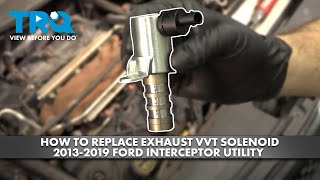
Typical fix: Replace the VCT solenoid for the Bank 2 exhaust camshaft. Note: On the 3.7L/3.5L engines, the solenoids are under the valve cover, so the valve cover gasket must also be replaced. 🎬 See this walkthrough on replacing the exhaust VVT solenoid.
Est. part cost: $40-$95 - Failed Camshaft Position Sensor (Bank 2, Exhaust) 🟡 Medium Probability → Shop Engine Camshaft Position Sensor
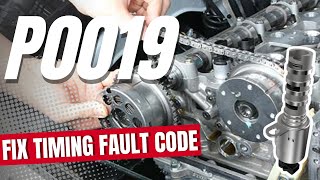
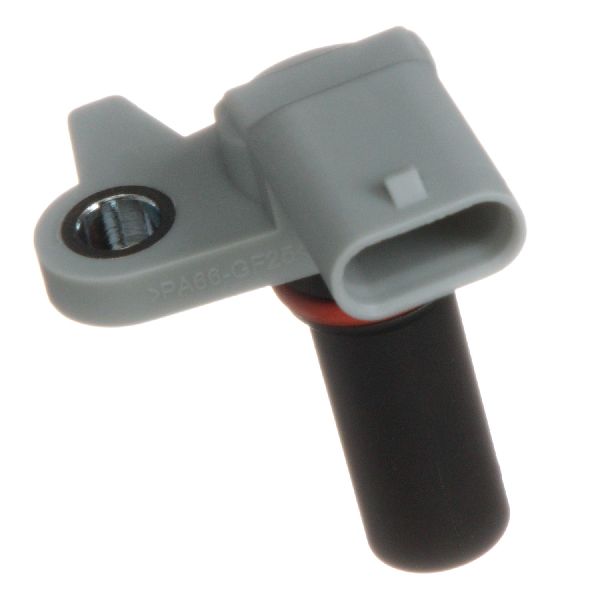
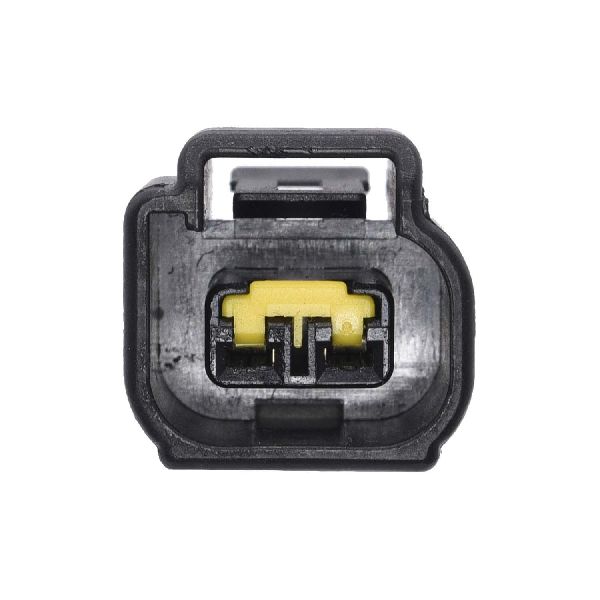
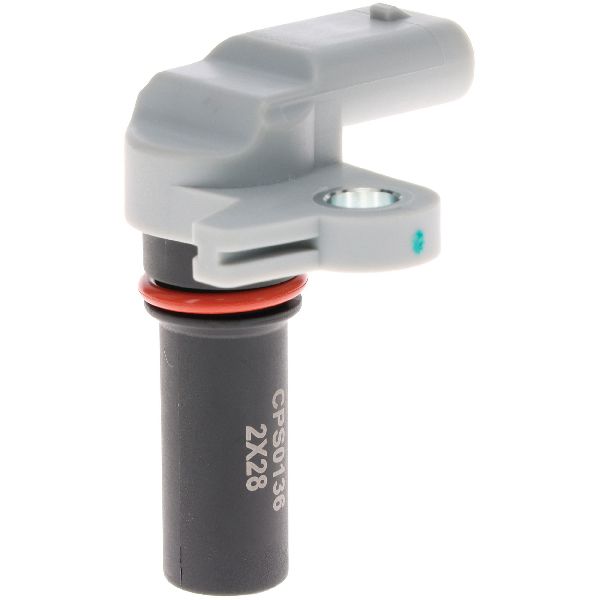
How to confirm: Test the sensor's signal with a multimeter or oscilloscope. Check the wiring and connector for damage. A user on a forum noted a persistent P0019 after a timing job was caused by a damaged pigtail connector for the sensor. 🎬 Watch: How to test and fix P0019 correlation codes. Since the sensor is relatively inexpensive, it's sometimes replaced as a diagnostic step if a solenoid swap doesn't isolate the problem.
Typical fix: Replace the Bank 2 exhaust camshaft position sensor.
Est. part cost: $30-$55 - Stretched Timing Chain or Worn Phaser ⚪ Low Probability → Shop Engine Timing Chain While less common than solenoid issues, timing chain stretch can occur at higher mileage (>100,000 miles), particularly on the 3.5L EcoBoost engine. This causes a persistent correlation code that other fixes don't resolve.
How to confirm: This is a complex diagnosis usually suspected after all other causes are ruled out. A key symptom, especially on the 3.5L EcoBoost, can be a rattling noise on startup that lasts for a few seconds. Confirmation requires physical inspection by removing the engine's front/timing cover.
Typical fix: Replace the timing chain, guides, tensioners, and potentially the camshaft phasers. This is a labor-intensive and expensive repair.
Est. part cost: $500-$1200
Rare But Worth Checking
- Damaged Wiring or Connectors:
- Faulty Powertrain Control Module (PCM): → Shop Engine Control Module (ECM)
Diagnosis Steps
- Check Engine Oil: Verify the oil level is correct and the oil is clean and of the proper viscosity (5W-20 for 3.7L, 5W-30 for 3.5L EcoBoost). If low or dirty, perform an oil and filter change, clear the code, and re-test.
- Scan for Codes: Use an OBD-II scanner to confirm P0019 and check for any other related codes.
- Inspect Wiring: Visually inspect the wiring harness and connector for the Bank 2 exhaust camshaft position sensor and VCT solenoid. Look for any damage, corrosion, or loose connections.
- Use a Scan Tool: Monitor live data. Compare the desired vs. actual camshaft position for the Bank 2 exhaust cam. A significant, lagging deviation confirms a fault.
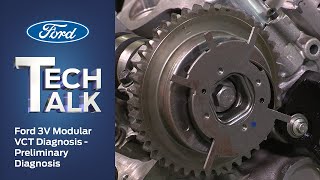
- Test the VCT Solenoid: With a bidirectional scan tool, command the solenoid on and off to check for a response. Per TSB SSM 50067, cycle the solenoid 10 times to attempt to dislodge debris. 🎬 Watch: Ford tech explains how to perform preliminary VCT diagnostics. Listen for an audible click and watch for a change in live data and idle quality.
- Swap Solenoids: If accessible, swap the Bank 2 exhaust VCT solenoid with the Bank 2 intake VCT solenoid. Clear the codes and drive the vehicle. If the code changes to P0018, the solenoid is faulty and needs replacement.
- Test the Camshaft Sensor: If the solenoid seems to be working, test the camshaft position sensor itself for a correct signal using a multimeter or by swapping it with a known good sensor.
- Mechanical Timing Check: If all electronic components and sensors test good, the final step is to perform a mechanical inspection of the timing chain, guides, and phasers, which is best left to a professional.
Parts You'll Likely Need
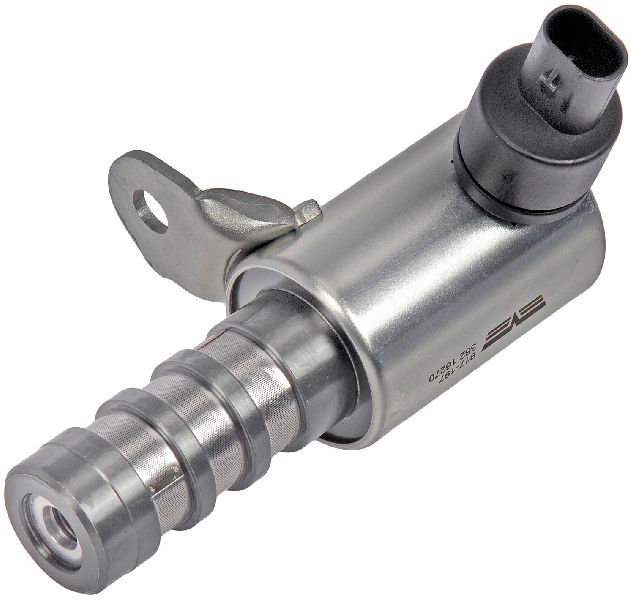
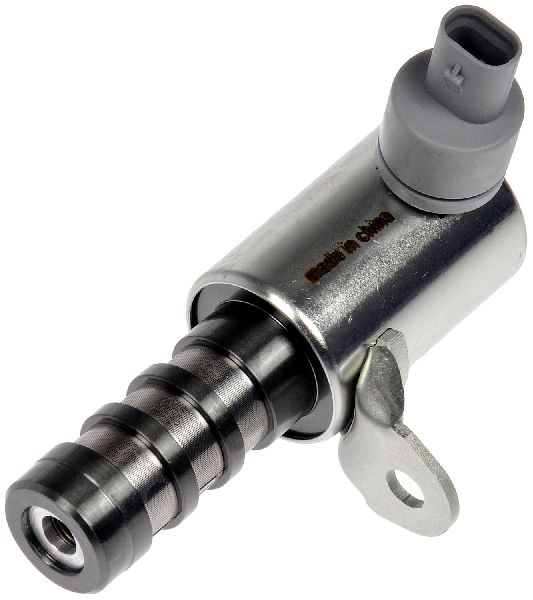
- Engine Variable Valve Timing (VCT) Solenoid
(OEM #AT4Z-6M280-A or AT4Z-6M280-B)— This is the most common cause of P0019, as it is prone to sticking from oil debris, a fact confirmed by multiple manufacturer TSBs. It is located under the valve cover.
Trusted brands: Motorcraft, Dorman (p/n 917-216), SKP, NTK
OEM price range: $70-$95
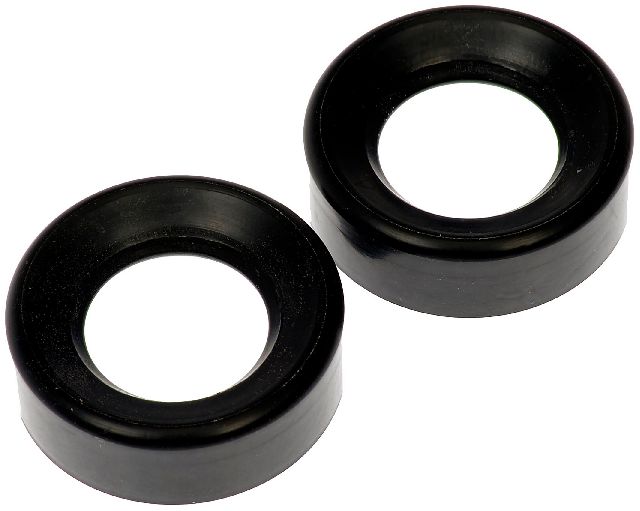
Aftermarket price range: $40-$80 - Valve Cover Gasket (Bank 2)
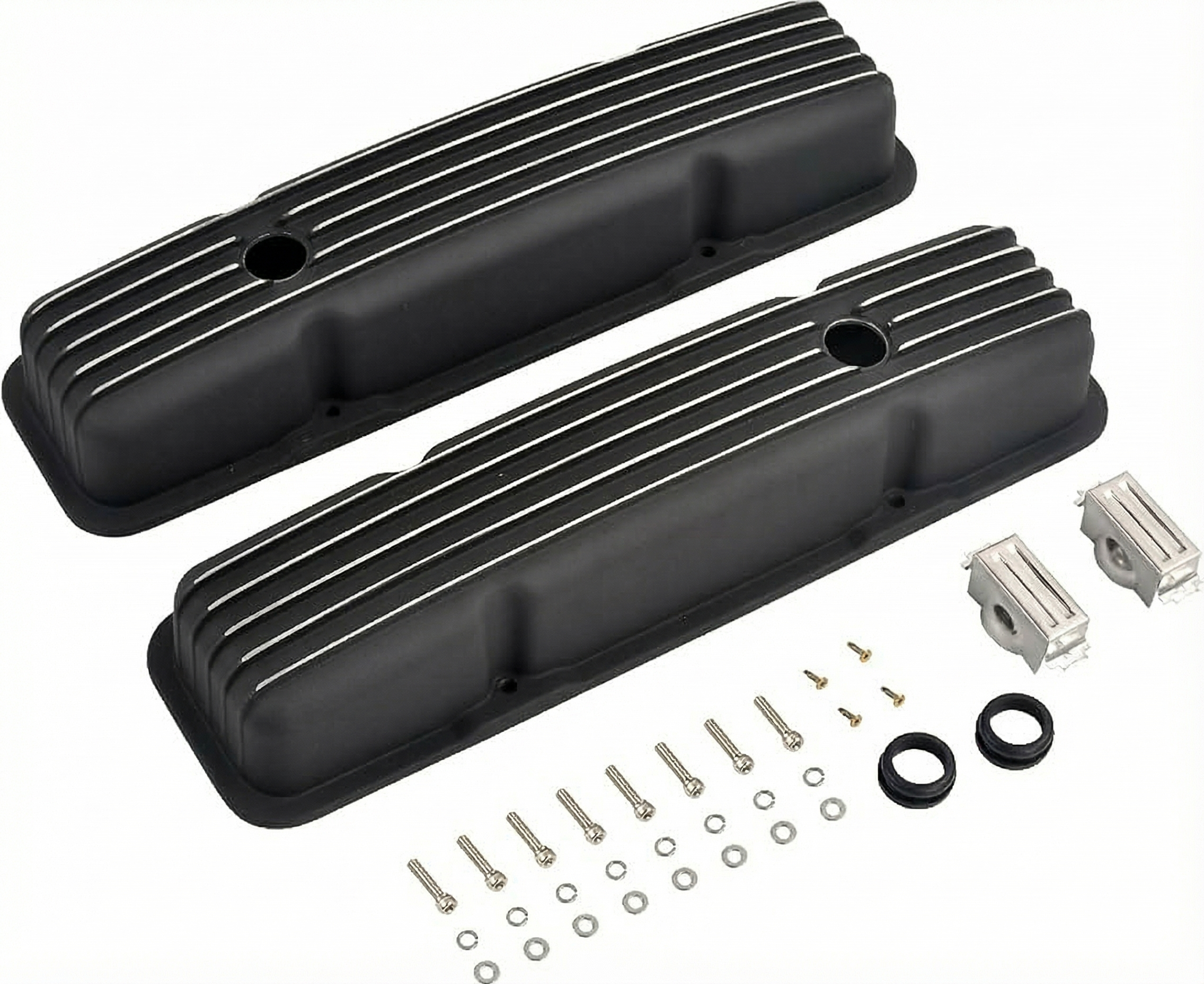
(OEM #BR3Z-6584-C (3.7L) or BL3Z-6584-C (3.5L EcoBoost Left/Front))— On the 3.7L and 3.5L engines, the VCT solenoids are located under the valve cover. The gasket is a one-time use item and must be replaced anytime the valve cover is removed to prevent oil leaks.
Trusted brands: Motorcraft, Fel-Pro, Mahle
OEM price range: $25-$40
Aftermarket price range: $15-$30 - Camshaft Position Sensor
(OEM #DU-90)— If the VCT solenoid is not the cause, the sensor that reads the camshaft's position is the next logical part to fail, sending incorrect data to the PCM.
Trusted brands: Motorcraft, Bosch, NGK
OEM price range: $35-$55
Aftermarket price range: $25-$45
Related Codes That Often Appear With This One
- P0018 — This is a correlation error for the intake camshaft on the same bank (Bank 2). If seen with P0019, it could point to a problem affecting the entire bank, such as a timing chain guide, a phaser issue, or an issue during a recent timing job.
- P0017 — This is the same exhaust cam correlation error, but for Bank 1 (the firewall side). If both P0017 and P0019 appear, it suggests a systemic problem like low oil pressure or a severely stretched timing chain affecting both banks.
- P0016 — This is a correlation error for the intake camshaft on Bank 1. Seeing multiple timing codes together (e.g., P0016, P0017, P0018, P0019) strongly suggests a base timing issue, like a stretched chain or incorrect timing after a repair.
Technical Service Bulletins (TSBs) & Recalls
- SSM 54366: Notes that 2015-2021 Ford and Lincoln vehicles may exhibit P0019 and other VCT codes, referring to specific diagnostic tests in the workshop manual.
- SSM 50067: States that for 2015-2021 models, codes like P0019 may be due to small debris causing the VCT solenoid to stick. It specifically advises using a scan tool to cycle the solenoid 10 times to attempt to clear debris before replacing any parts.
- SSM 48423: An earlier bulletin for 2015-2020 vehicles that also points to debris in the oil causing a stuck VCT solenoid as the likely cause for P0019.
Platform-Specific Known Issues
- Bank 2 is the Front Bank: On the transversely mounted 3.5L and 3.7L V6 engines in the Lincoln MKS, Bank 2 is the cylinder bank located at the front of the vehicle, near the radiator. Bank 1 is at the rear, near the firewall. This is important for correctly locating the 'Bank 2, Sensor B' (exhaust) components.
- VCT Solenoids Under Valve Cover: → Shop Engine Valve Cover Unlike some engines where VCT solenoids are externally accessible, on the Ford 3.7L and 3.5L V6, the solenoids are located underneath the valve covers. This makes replacement more labor-intensive as the valve cover must be removed, and the gasket must be replaced to prevent oil leaks.
Mechanic-Grade Diagnostic Values
- VCT Solenoid Internal Resistance — expected: 6.9 to 7.9 Ohms at 68°F (20°C). Failure: A reading outside this range, or showing an open or short circuit, indicates a failed solenoid coil.
- Camshaft Position Sensor (CMP) Signal Voltage — expected: Approximately 4.8-5.0 Volts on the signal wire with key on, engine off.. Failure: When a ferrous metal object is passed in front of the sensor tip, the voltage should drop to near 0V. If the voltage does not change, the sensor is likely faulty.
- Camshaft Position Sensor (CMP) Power & Ground — expected: With the sensor connector unplugged and key on, one wire should have ~5V (power), and another should have continuity to ground. Probing between the power and ground wires should show ~5V.. Failure: Missing voltage or a bad ground indicates a wiring or PCM issue, not a sensor failure.
Hidden / Shadow Codes Worth Checking
- Mode 6, Test ID $81 / Component ID $31: While not a DTC, Ford's onboard diagnostic Mode 6 often uses specific test IDs to monitor the VCT system's performance. A failure in these tests can indicate a deviation in cam timing that may not yet be severe enough to set a continuous code like P0019. It can be an early warning of a sticking solenoid or phaser. (see via An advanced OBD-II scanner or software (like FORScan) that can display Mode 6 test results.)
Scan Tool Commands That Help
- Ford IDS (or equivalent bidirectional scanner): VCT Solenoid Actuator Test (On/Off) — This is a primary diagnostic step. At idle, commanding the Bank 2 exhaust solenoid 'on' should cause the engine to run rough, hesitate, or stall. If there is no change in engine operation, the solenoid is likely stuck, clogged, or has failed electrically.
- Ford IDS (or equivalent bidirectional scanner): Monitor VCT_ADV_ERR PID (VCT Advance Error) — This PID shows the difference in degrees between the PCM's commanded camshaft angle and the actual angle reported by the sensor. A consistently high error value under various engine loads confirms a correlation problem and can help differentiate between an intermittent and a hard fault.
Wiring & Ground Locations
- Power Distribution Box — Located in the engine compartment, on the left side near the battery.. This box contains the primary fuses and relays for the powertrain control module and its related sensors and actuators. A blown fuse here could disable the VCT or sensor circuits.
- Passenger Compartment Fuse Panel — Located under the instrument panel, to the left of the steering column.. This panel contains fuses for various control modules. While less likely to be the primary cause, it's a relevant location for comprehensive electrical diagnosis.
- G104 (Common Ford Ground) — While not confirmed specifically for the MKS in searches, a common primary engine/PCM ground point on similar Ford platforms is G104, located on or near the battery tray or on the chassis frame near the starter motor.. A poor ground connection at this point can cause erratic behavior from the PCM, sensors, and solenoids, leading to false or intermittent timing codes.
Real Owner Repair Stories
- Ford Truck Enthusiasts Forums (2012 Ford F-150 3.5L EcoBoost (same engine family)) — P0019 error code, delayed acceleration, and overheating after a timing chain replacement.
❌ Tried (didn't work) Replaced the Bank 2 exhaust Camshaft Position Sensor (CPS)., Replaced the Bank 2 exhaust VVT solenoid (the old one tested bad and did not actuate with 12V).
✅ What actually fixed it The problem was not fully resolved by the user. After replacing the sensor and solenoid, the code persisted. A second teardown revealed the camshaft phaser had been installed incorrectly. However, even after correcting the phaser installation, the P0019 code returned immediately, indicating a deeper, unresolved issue, possibly with the phaser itself or blocked oil passages.
When the Usual Fixes Don't Work
- In one documented case on a similar 3.5L EcoBoost engine, replacing both the camshaft position sensor and the VCT solenoid (which tested as failed) did not resolve the P0019 code. The issue persisted even after discovering and correcting an improperly installed camshaft phaser, suggesting that the root cause can sometimes be deeper than the most common components and may involve the phaser itself or oil flow restrictions within the head.
Model Year Variations Within This Range
- 2015-2016: There are no significant mechanical or electrical differences between the 2015 and 2016 Lincoln MKS models that would alter the diagnosis or common causes for a P0019 code. The last major facelift was for the 2013 model year.
Helpful Videos
Used OEM Parts in Stock
New Aftermarket Parts Available

The information in this article is provided for general reference and educational purposes only. Vehicle specifications, procedures, and part compatibility can vary by production date, trim level, and region. Always consult your vehicle's factory service manual and verify part numbers before purchasing or performing repairs. Safety-critical components such as airbags, seat belts, and braking systems should be installed by a qualified professional.
- Lincoln MKS:
- 🧭 Diagnostic Flowchart
- 🎬 Helpful Videos
- 🛍️ Shop This Part
- What's Unique About the 2015-2016 Lincoln MKS
- Symptoms You May Notice
- Most Likely Causes
- Rare But Worth Checking
- Diagnosis Steps
- Parts You'll Likely Need
- Related Codes That Often Appear With This One
- Technical Service Bulletins (TSBs) & Recalls
- Platform-Specific Known Issues
- Mechanic-Grade Diagnostic Values
- Hidden / Shadow Codes Worth Checking
- Scan Tool Commands That Help
- Wiring & Ground Locations
- Real Owner Repair Stories
- When the Usual Fixes Don't Work
- Model Year Variations Within This Range
- 🎟️ Get 5% Off