

P0019 on 2015-2021 Lincoln Navigator: Crank-Cam Correlation Causes and Fixes
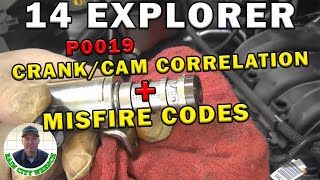
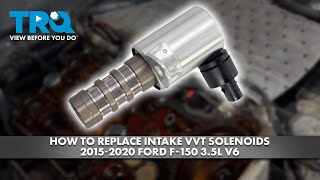
P0019 on a Lincoln Navigator most often points to a faulty Variable Camshaft Timing (VCT) solenoid on the Bank 2 (driver's side) exhaust camshaft, often caused by dirty oil or debris. Following Ford's TSBs, the first step is often to attempt to clear the debris by cycling the solenoid with a scan tool. If that fails, replacing the affected solenoid (Part No. HL3Z-6M280-A) is the most common fix.
- P0019 specifically points to a timing correlation issue with the exhaust camshaft on the driver's side (Bank 2) of the engine.
- The most likely cause, according to Ford/Lincoln's own service bulletins, is a VCT solenoid that is sticking due to oil contamination or debris.
- Always check your engine oil level and condition first; low or dirty oil is a primary contributor to VCT system faults.
- If you replace a VCT solenoid, it is highly recommended to also perform an oil and filter change to remove contaminants.
- While less likely, a persistent P0019 code after addressing the oil and solenoid could indicate a more serious mechanical issue like a stretched timing chain.
What's Unique About the 2015-2021 Lincoln NAVIGATOR
The 3.5L EcoBoost engine in the 2015-2021 Navigator relies heavily on its dual overhead camshafts and four VCT solenoids to deliver its signature power and efficiency. However, this system is extremely sensitive to oil quality, level, and cleanliness. The oil passages within the solenoids and cam phasers are very small, and Ford and Lincoln have issued multiple Technical Service Bulletins (TSBs) acknowledging that small debris or sludge can clog the VCT solenoids, causing them to stick. This leads directly to correlation codes like P0019. This makes diligent oil maintenance and addressing potential solenoid failure a primary focus for this specific engine platform, more so than on simpler engines.
Diagnostic Flowchart
Tap your situation to follow the diagnostic path that matches what you're seeing on this vehicle.
Generation note: This range covers the end of the third generation (2015-2017) and the start of the fourth generation (2018-2021) Navigator. Both generations use a 3.5L EcoBoost V6 and share the same fundamental VCT system design, making them susceptible to the same issues, as confirmed by TSBs covering the entire model year range. The 2018+ models use the second-generation 3.5L EcoBoost, which has known issues with cam phaser rattle that can also be associated with these codes.
Symptoms You May Notice
- Check Engine Light is on
- Rough or erratic idle
- Hesitation or stumbling on acceleration
- Reduced engine power
- Decreased fuel economy
- Engine may be hard to start or have extended crank time
- Audible rattling or knocking noise from the engine, especially on cold startups, that lasts for a few seconds
- Replacing the camshaft position sensor when the actual problem is a sticking VCT solenoid or dirty oil.
- Replacing the cam phasers and timing chain when the issue is simply a bad VCT solenoid. The solenoid should always be diagnosed first.
- Assuming any startup rattle automatically means the timing chain is bad; it can also be caused by worn cam phasers alone.
Most Likely Causes
- Sticking or Failed VCT Solenoid (Bank 2 Exhaust) 🔴 High Probability Multiple manufacturer TSBs (SSM 50067, SSM 48423, SSM 47170) state this is a common issue caused by small debris in the oil causing the solenoid to stick. The VCT system is entirely dependent on clean oil and proper pressure.
How to confirm: Use a scan tool to perform the VCT solenoid test as described in TSB SSM 50067, which cycles the solenoid 10 times to attempt to clear debris. If the code returns, swap the solenoid with an adjacent one (e.g., the intake solenoid on the same bank) and see if the trouble code follows (e.g., changes to P0018). A lack of response or a code change confirms a failed solenoid.
Typical fix: Replace the Bank 2 exhaust VCT solenoid. The Bank 2 solenoids are on the driver's side valve cover. It is highly recommended to change the engine oil and filter at the same time using Motorcraft parts.
Est. part cost: $35-$80 - Low or Dirty Engine Oil 🔴 High Probability The VCT system is hydraulic and uses engine oil pressure to adjust cam timing. Contaminated or low oil can impede solenoid and phaser operation. Using non-Motorcraft oil filters with poor anti-drainback valves can also contribute to startup timing issues.
How to confirm: Check the oil level on the dipstick and inspect its condition. If it's low, dark, sludgy, or past its change interval, this is a likely contributor.
Typical fix: Perform an engine oil and filter change using the correct grade of full synthetic oil specified by Ford/Lincoln (e.g., 5W-30) and a Motorcraft oil filter (e.g., FL-500S).
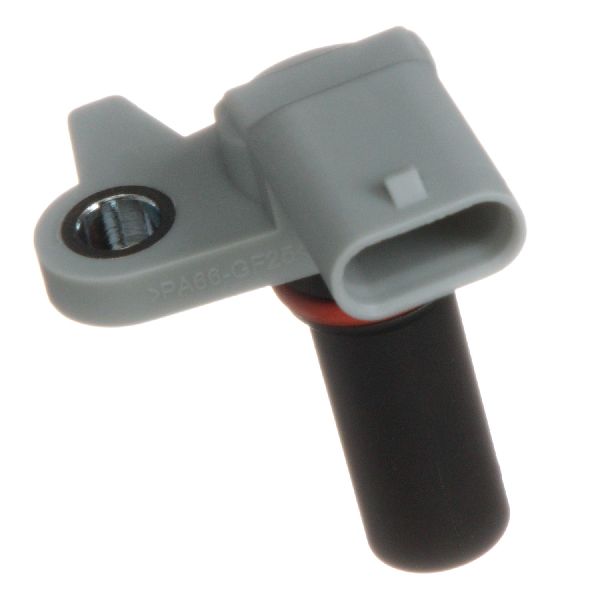
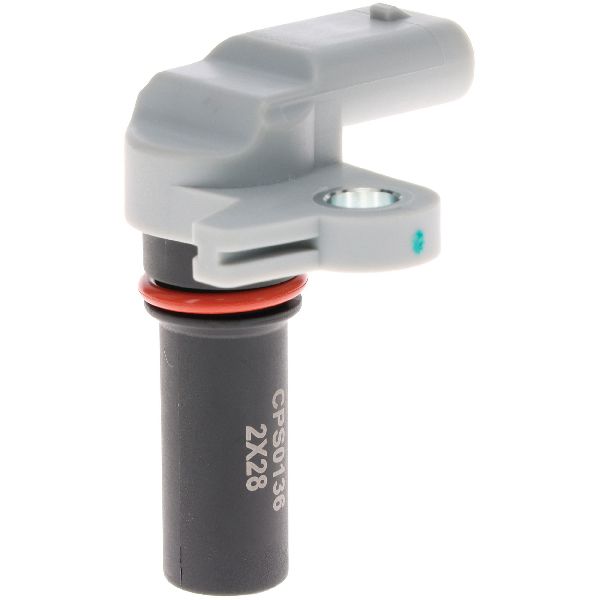
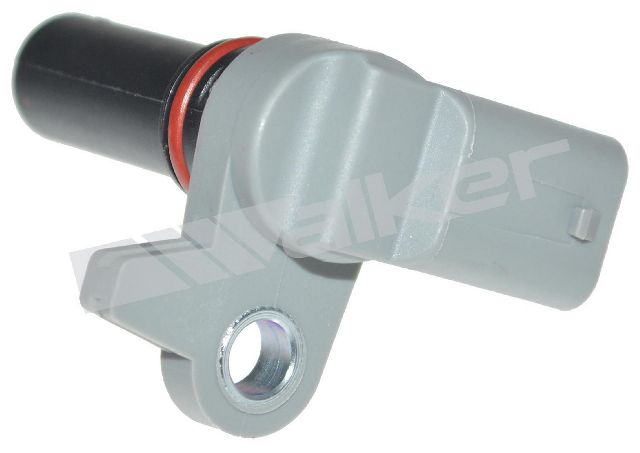
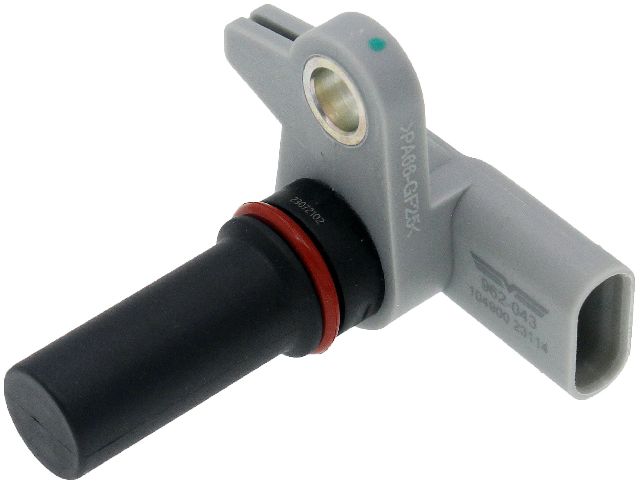
Est. part cost: $50-$100 - Failed Camshaft Position Sensor (Bank 2 Exhaust) 🟡 Medium Probability → Shop Engine Camshaft Position Sensor
How to confirm: Use a scan tool to monitor the live data from the sensor. An erratic, noisy, or non-existent signal points to a bad sensor. You can also check the sensor's resistance with a multimeter against the manufacturer's specification.
Typical fix: Replace the Bank 2 exhaust camshaft position sensor, located on the driver's side valve cover.
Est. part cost: $25-$60 - Stretched Timing Chain or Failed Cam Phaser ⚪ Low Probability → Shop Engine Timing Chain The 3.5L EcoBoost is known for timing chain stretch and cam phaser issues, especially at higher mileage or with poor oil maintenance. A common symptom preceding the code is a 2-5 second rattle on cold startup.
How to confirm: This is an involved diagnosis. A distinct startup rattle is a strong indicator. A mechanic will need to check timing marks by removing the valve covers and possibly the engine front cover. The appearance of codes for both banks (e.g., P0017 and P0019) increases the likelihood of a base timing issue.
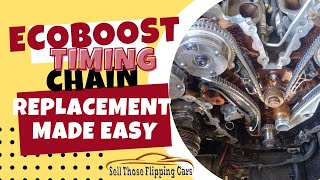
Typical fix: Replace the timing chain, guides, tensioners, and all four cam phasers. This is a labor-intensive job often costing thousands of dollars. 🎬 Watch: A detailed guide on replacing the 3.5L EcoBoost timing chain.
Est. part cost: $600-$1600
Rare But Worth Checking
- Wiring Harness Damage: Check the wiring and connector for the Bank 2 exhaust VCT solenoid and camshaft position sensor for any signs of damage, corrosion, or loose connections before replacing parts.
- Faulty Powertrain Control Module (PCM): → Shop Engine Control Module (ECM) This is extremely rare. The PCM should only be considered after all other possibilities, including wiring, have been exhaustively ruled out. Sometimes a PCM software update is required after a mechanical repair.
Diagnosis Steps
- Verify Oil Level and Condition: Before any other step, check the engine oil. If it is low, dirty, or the wrong type, correct this first. Use a Motorcraft filter. Clear the codes and see if the problem returns.
- Scan for Codes: Use an OBD-II scanner to confirm P0019 and check for any other related codes. Note any codes for other banks or sensors.
- Inspect Wiring: Visually inspect the wiring harness and connectors leading to the Bank 2 (driver's side) exhaust VCT solenoid and camshaft position sensor. Look for chafing, melting, or corrosion.
- Test the VCT Solenoid (TSB Procedure): Use a capable scan tool to access the PCM's actuator commands. Following TSB SSM 50067, command the Bank 2 exhaust solenoid on and off 10 times to dislodge potential debris. Clear codes and re-test.
- Solenoid Swap Test: If the code returns, the easiest DIY test is to swap the Bank 2 exhaust solenoid with the Bank 2 intake solenoid. They are located next to each other on the driver's side valve cover. Clear the codes and drive the vehicle. If the code changes to P0018, the solenoid is confirmed faulty and must be replaced.
- Test the Camshaft Position Sensor: If the solenoid swap doesn't isolate the problem, test the sensor by monitoring its live data on a scan tool for a clean, consistent signal or by swapping it with a known good sensor.
- Mechanical Timing Inspection: If all sensors and solenoids test good, the final step is to inspect the base engine timing. This involves checking the timing chain for slack and verifying the cam phasers are correctly aligned. This is an advanced step best left to professionals.
Parts You'll Likely Need
- Variable Camshaft Timing (VCT) Solenoid
(OEM #HL3Z-6M280-A)— This is the most frequent cause of P0019, as identified by numerous Ford/Lincoln TSBs. It controls oil flow to the cam phaser and is prone to sticking.
Trusted brands: Motorcraft, Dorman
OEM price range: $35-$65
Aftermarket price range: $25-$50 - Camshaft Position Sensor
(OEM #DU-90 (or DU-102, check VIN))— This sensor provides the camshaft position data to the PCM. A faulty sensor can send incorrect signals, triggering the code.
Trusted brands: Motorcraft, Bosch, NGK/NTK
OEM price range: $30-$55
Aftermarket price range: $20-$45 - Timing Chain Kit
(OEM #BL3Z-6D256-C (for 2015-17) or a kit including HL3Z-6268-A (for 2018-21))— In cases of mechanical failure, a stretched chain or failed phasers require a full timing job. The kit includes chains, phasers, guides,
Related Codes That Often Appear With This One
- P0017 — Crankshaft Position - Camshaft Position Correlation (Bank 1 Sensor B). If both P0017 and P0019 appear, it suggests a problem affecting both exhaust camshafts, such as low oil pressure or a stretched timing chain.
- P0018 — Crankshaft Position - Camshaft Position Correlation (Bank 2 Sensor A). This code points to the intake camshaft on the same bank (driver's side). Seeing it with P0019 strongly indicates a problem with Bank 2 timing components (like a phaser) or oil supply to that cylinder head.
- P0349 — Camshaft Position Sensor 'A' Circuit Intermittent (Bank 2). This code points to a potential wiring or sensor issue on the same bank, which could be the root cause of the correlation error.
Technical Service Bulletins (TSBs) & Recalls
- SSM 50067
- SSM 54366
- SSM 48423
- TSB-16-0093
- SSM 47170
- TSB-16-0038
Platform-Specific Known Issues
- A series of Technical Service Bulletins (including SSM 50067, SSM 48423, and SSM 47170) were issued for 2015-2021 Ford and Lincoln vehicles, stating that P0019 and other related VCT codes may be caused by small debris causing the VCT solenoid to stick.
- TSB SSM 50067 explicitly advises technicians to use a scan tool to cycle the affected VCT solenoid 10 times to attempt to clear debris *before* replacing the part.
- TSB-16-0093 and TSB-16-0038 note that low-mileage vehicles (under 2,000 miles) can exhibit this code, suggesting potential issues with debris from the manufacturing process.
- For 2018+ models, this code can be an early symptom of the well-documented cam phaser rattle issue, which may eventually require a full timing job.
Mechanic-Grade Diagnostic Values
- VCT Solenoid Resistance — expected: 6.9 to 7.9 ohms at 68°F (20°C).. Failure: A reading of 'no reading' or OL (open loop) on a multimeter indicates a faulty solenoid.
- Camshaft Position Sensor (3-wire Hall-effect type) Voltage — expected: Signal wire should show a fluctuating voltage, typically between 0.5V and 4.5V, as the engine is cranked or running.. Failure: A flat, non-fluctuating voltage or a voltage outside the expected range suggests a failed sensor or wiring issue.
- Ford IDS VCT Error PID — expected: The PID VCT_EXH_DLY_B2 (or similar) should show minimal variation from 0 degrees at idle and should respond smoothly as RPMs change.. Failure: Excessive, erratic, or stuck values shown on the VCT advanced error parameter PID while the drivability concern is present indicate a VCT system problem.
Scan Tool Commands That Help
- Ford IDS (Integrated Diagnostic System): Output State Control for VCT Solenoids — As outlined in TSBs like SSM 50067, this command is used to cycle the VCT solenoid on and off (typically 10 times) to attempt to dislodge small debris causing it to stick. This is a primary diagnostic step before replacing the solenoid.
- Ford IDS (Integrated Diagnostic System): Data Logger with VCT PIDs — To diagnose intermittent or complex VCT issues. A technician can monitor and record PIDs for VCT error, duty cycle, and cam/crank correlation while driving to capture anomalies that don't set a hard code immediately.
- Ford IDS (Integrated Diagnostic System): Adaptive Learning Reset — After major repairs like replacing cam phasers or the transmission valve body, the PCM's adaptive learning tables should be reset. This forces the computer to relearn component characteristics, which can be necessary to resolve related drivability issues or prevent future codes.
Wiring & Ground Locations
- VCT Solenoid Connector — On the top of the valve cover for each respective bank. For P0019 (Bank 2 Exhaust), it is on the driver's side valve cover, typically the rearmost of the two solenoids on that cover.. The connector and its wiring are exposed to significant heat and vibration, making them susceptible to damage, corrosion, or loose connections that can interrupt the signal to the solenoid and cause correlation faults.
- Camshaft Position Sensor Connector — Also located on the valve cover, near the VCT solenoid for the corresponding camshaft. For P0019, this is the Bank 2 (driver's side) exhaust camshaft sensor.. A poor connection at the sensor can cause an intermittent or complete loss of the camshaft position signal, which is a direct cause for a P0019 code.
- Main Engine Ground — While specific locations vary slightly by year, a primary engine-to-chassis ground strap is typically found on the passenger or driver side of the engine block, connecting to the frame rail. Technicians often check grounds near the PCM and on the cylinder heads as well.. A weak or corroded ground can introduce electrical noise and voltage discrepancies across the sensor network, potentially causing the PCM to misinterpret sensor data and set false correlation codes.
Real Owner Repair Stories
- Ford Truck Enthusiasts Forums user 'Michael D Oliver' (2012 F-150 3.5L EcoBoost) — P0019 error code, delay in acceleration, and overheating immediately after replacing timing chains and tensioners.
❌ Tried (didn't work) Replacing the Camshaft Position Sensor (CPS)., Replacing the VVT solenoid (the old one was tested and confirmed bad, but the new one didn't fix the code)., Tearing down and re-doing the entire timing job a second time, ensuring the phaser locating pin was correct.
✅ What actually fixed it The user did not post a final resolution, but the story is valuable as it highlights a common scenario where the code appears after a timing job, and initial parts replacement (CPS, VCT solenoid) does not solve it, pointing towards a deeper mechanical timing or oil passage issue. - YouTube video by 'Jorge arana' (2015 F-150 Lariat 3.5L EcoBoost) — Vehicle wanted to die at stops, multiple codes including P0016, P0017, P0018, and P0019. After clearing, P0019 was the most persistent code.
❌ Tried (didn't work) Swapping VCT solenoids side-to-side., Testing solenoids with power and ground; they appeared to be functioning.
✅ What actually fixed it The issue was found to be a broken wire in the wiring harness leading to the VCT solenoid connector. The wire was broken internally, so there was no visible damage until the harness was inspected closely.
OEM Part Supersession History
Not specified, but multiple revisions existed prior.→HL3Z-6M280-A— Standard part evolution for improved durability and performance. This part is the common replacement for VCT issues on the 2nd generation 3.5L EcoBoost and is backward compatible with many 1st generation applications.
Heads up: While HL3Z-6M280-A is widely used, it is always critical to verify the correct part number for the specific vehicle's VIN, as subtle differences can exist.
Model Year Variations Within This Range
- 2015-2017 (1st Gen 3.5L EcoBoost): These models use a direct injection-only fuel system, which can lead to carbon buildup on the intake valves over time. While not a direct cause of P0019, severe carbon can affect overall engine performance. The timing drive is a single primary chain.
- 2018-2021 (2nd Gen 3.5L EcoBoost): These models feature a more robust dual-chain cam drive system and a new twin-port and direct injection fuel system (two injectors per cylinder). The port injectors help keep the intake valves clean, reducing carbon buildup issues seen in the first generation. These engines are also associated with the well-documented 'cam phaser rattle' issue, which can be directly related to VCT codes like P0019.
Helpful Videos
Used OEM Parts in Stock
New Aftermarket Parts Available


The information in this article is provided for general reference and educational purposes only. Vehicle specifications, procedures, and part compatibility can vary by production date, trim level, and region. Always consult your vehicle's factory service manual and verify part numbers before purchasing or performing repairs. Safety-critical components such as airbags, seat belts, and braking systems should be installed by a qualified professional.
- Lincoln NAVIGATOR:
- 🧭 Diagnostic Flowchart
- 🎬 Helpful Videos
- 🛍️ Shop This Part
- What's Unique About the 2015-2021 Lincoln NAVIGATOR
- Symptoms You May Notice
- Most Likely Causes
- Rare But Worth Checking
- Diagnosis Steps
- Parts You'll Likely Need
- Related Codes That Often Appear With This One
- Technical Service Bulletins (TSBs) & Recalls
- Platform-Specific Known Issues
- Mechanic-Grade Diagnostic Values
- Scan Tool Commands That Help
- Wiring & Ground Locations
- Real Owner Repair Stories
- OEM Part Supersession History
- Model Year Variations Within This Range
- 🎟️ Get 5% Off