

P0019 on 2008-2009 Pontiac G8: Causes and Fixes for Stretched Timing Chains
On a 2008-2009 Pontiac G8 with the 3.6L V6 engine, code P0019 almost always indicates stretched timing chains. This is a well-documented and serious issue, often exacerbated by the factory's original long oil change intervals. The required repair is a complete timing chain kit replacement, which is a costly, labor-intensive job typically costing between $1,500 and $2,500.
- P0019 on a 3.6L V6 Pontiac G8 is a serious code that almost always points to stretched timing chains.
- Do not waste money replacing sensors first; the root cause is almost certainly mechanical.
- This is not a DIY-friendly repair. It is expensive and requires a professional mechanic with the correct tools and experience.
- Continued driving is risky and can lead to complete engine failure.
- Using high-quality full synthetic oil and adhering to regular oil change intervals may help prolong the life of the replacement chains.
What's Unique About the 2008-2009 Pontiac G8
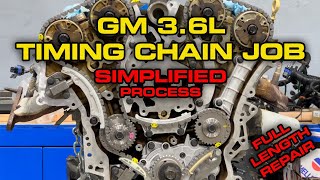
The 2008-2009 Pontiac G8's base 3.6L V6 (engine code LY7) is part of GM's 'High Feature' V6 family, which is notorious for premature timing chain failure in its early years. A primary contributing factor was the original Oil Life Monitor (OLM) calibration, which allowed for excessively long oil change intervals, leading to oil degradation and accelerated wear on the chains. 🎬 Watch: Why these GM 3.6L timing chains fail so often. Unlike many vehicles where a P0019 code might point to a simple sensor failure, on this specific platform, it is overwhelmingly a mechanical issue. GM acknowledged this by issuing multiple Technical Service Bulletins (TSBs) and releasing updated timing chain kits.
Diagnostic Flowchart
Tap your situation to follow the diagnostic path that matches what you're seeing on this vehicle.
Symptoms You May Notice
- Check Engine Light is on
- Rough or erratic idle
- Hesitation or loss of power during acceleration
- Reduced fuel economy
- Rattling noise from the front of the engine, especially on cold starts, that may last for a few seconds.
- Engine may be hard to start or may stall.
- Finding metal shavings in the engine oil during an oil change.
- Replacing only the camshaft position sensor. On this specific engine, P0019 is overwhelmingly caused by the mechanical timing chain system. Replacing sensors without verifying timing chain slack is a common mistake that will not fix the root cause.
- Replacing only one or two of the three timing chains. A complete job requires all three chains (primary and two secondary) to be replaced to ensure a lasting repair.
Most Likely Causes
- Stretched Timing Chains 🔴 High Probability → Shop Engine Timing Chain The original timing chains on the 3.6L LY7 V6 were susceptible to premature wear and stretching. This was a well-documented factory issue exacerbated by an overly optimistic Oil Life Monitor (OLM) that led to oil degradation. This is confirmed by GM Technical Service Bulletins like #12-06-01-009F.
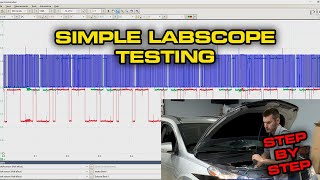
How to confirm: A mechanic can use a scan tool to view camshaft deviation angles; 🎬 See how a mechanic tests for chain stretch using a labscope. a persistent deviation over 4-5 degrees is a strong indicator. Physical inspection for chain slack by removing the engine's front cover is the definitive confirmation, but is labor-intensive.
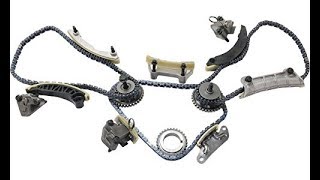
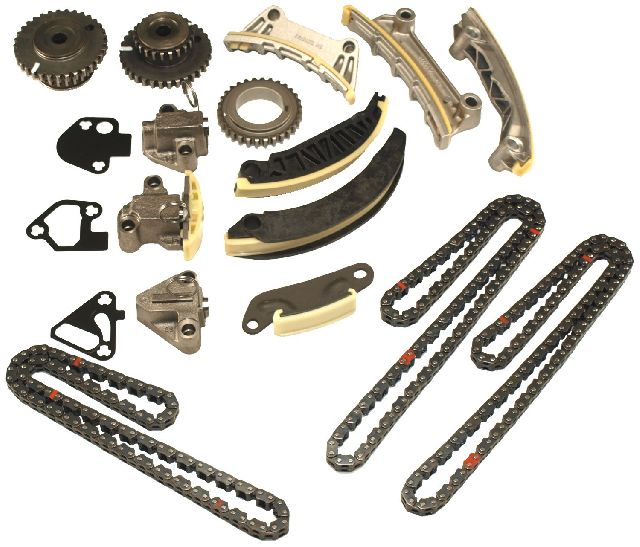
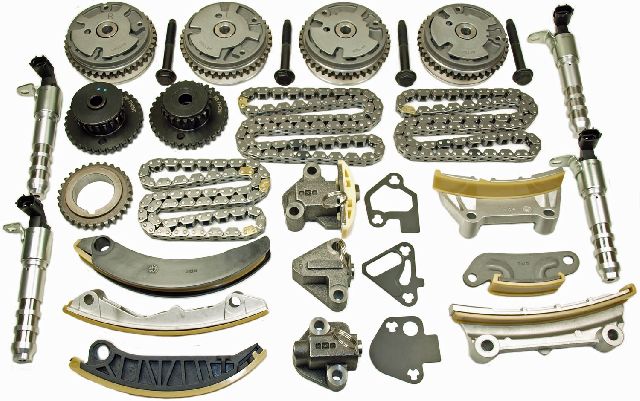
Typical fix: Replace all three timing chains, all guides, and all three tensioners with a complete, updated timing chain kit. The ECM should also be reprogrammed to the latest calibration to shorten oil change intervals.
Est. part cost: $250-$500 - Failed Timing Chain Tensioners or Guides 🔴 High Probability → Shop Engine Timing Chain The hydraulic tensioners and plastic guides are part of the same system and fail along with the chains due to the same oiling and wear issues. TSB #PIP3423P specifically mentions inspecting for loose tensioners.
How to confirm: These are inspected during a timing chain service. A broken guide piece may be found in the oil pan or oil pump pickup tube.
Typical fix: Always replaced as part of a complete timing chain kit service. It is not recommended to replace them in isolation.
Est. part cost: $0 (Included in kit) - Low or Dirty Engine Oil 🟡 Medium Probability The camshaft phasers (part of the Variable Valve Timing system) are hydraulically operated by engine oil. Low oil levels or oil that is dirty or degraded can cause the phasers to respond slowly or stick, creating a correlation error. GM's original OLM calibration contributed to this issue by extending oil change intervals too far.
How to confirm: Check the oil level on the dipstick and inspect its condition. If it's low or appears sludgy, this is a likely contributing factor. However, an oil change alone will not fix a chain that has already stretched.
Typical fix: Perform an oil and filter change using a quality full synthetic 5W-30 oil meeting GM's specifications. Clear codes and see if the problem returns. If it does, mechanical wear has already occurred.
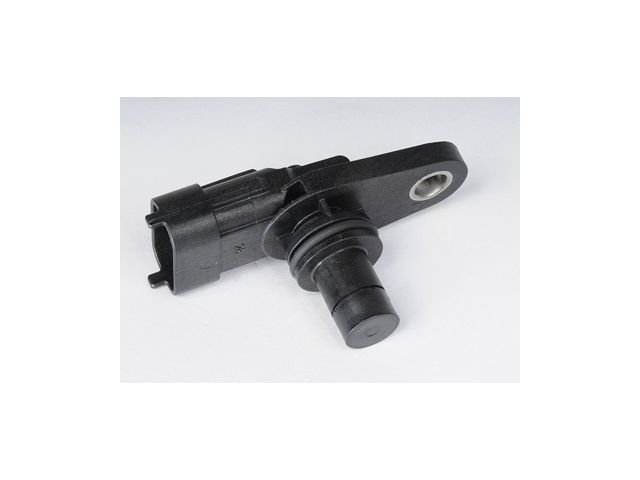
Est. part cost: $50-$100 - Faulty Camshaft Position Sensor ⚪ Low Probability → Shop Engine Camshaft Position Sensor
How to confirm: Swap the Bank 2 exhaust sensor with the Bank 2 intake sensor. Clear codes and run the engine. If the code changes to P0018 (Bank 2 Intake), the sensor is bad. If P0019 returns, the sensor is not the cause.
Typical fix: Replace the faulty camshaft position sensor.
Est. part cost: $30-$80
Rare But Worth Checking
- Faulty Camshaft Phaser / VVT Actuator: → Shop Engine Camshaft The actuator that adjusts the camshaft's timing can become clogged with sludge or fail mechanically, causing it to be stuck in one position. This is less common than chain stretch but can happen, especially with poor oil maintenance.
- Faulty VVT Solenoid (Oil Control Valve): This solenoid controls the oil flow to the cam phaser. It can get clogged with debris or fail electrically, preventing proper camshaft adjustment. These can be tested by swapping them and seeing if the code follows to a new position.
- Slipped Crankshaft Reluctor Ring: → Shop Engine Crankshaft Though very rare, the tone ring on the crankshaft that the position sensor reads can slip from its original position, causing a discrepancy with the cam sensors even when mechanical timing is perfect. TSB #PIP3423P mentions this as a possibility to investigate.
Diagnosis Steps
- Read all stored fault codes with an OBD-II scanner. Note any other codes present, especially P0008, P0016, P0017, or P0018, as this strongly points to a systemic timing chain issue.
- Check the engine oil level and condition. If low, dirty, or sludgy, perform an oil and filter change with full synthetic 5W-30 oil, clear the codes, and test drive. This is a critical first step but will not fix already stretched chains.
- Use a scan tool with live data capability to monitor the camshaft position sensor data. Observe the desired vs. actual angles for the Bank 2 exhaust cam. A persistent deviation, especially one greater than 4-5 degrees at idle, points to a mechanical timing issue.
- As a simple test, swap the Bank 2 exhaust camshaft position sensor with an identical one from another position (e.g., Bank 2 intake). If the trouble code follows the sensor (e.g., changes to P0018), the sensor is faulty. If P0019 returns, the issue is elsewhere.
- Test the VVT solenoids. You can swap the Bank 2 intake and exhaust solenoids. If the code changes to P0018, the solenoid is bad. If P0019 returns, the problem is not the solenoid.
- Inspect the wiring and connector for the Bank 2 exhaust camshaft position sensor for any damage, corrosion, or loose connections.
- If all previous steps fail to identify the issue, a mechanical inspection of the timing chains, guides, and tensioners for slack and wear is required. This requires removing the engine's front timing cover and is a labor-intensive process that confirms the most likely cause.
Parts You'll Likely Need
- Timing Chain Kit
(OEM #12650230 (For 2007+ models, check specific VIN applicability))— This is the most common fix. A complete kit should include all three chains (primary and two secondary), all guides, all three tensioners, and associated gaskets to fully address the known stretching issue.
Trusted brands: ACDelco (OEM), Cloyes
OEM price range: $400-$600
Aftermarket price range: $250-$450 - Camshaft Position Sensor
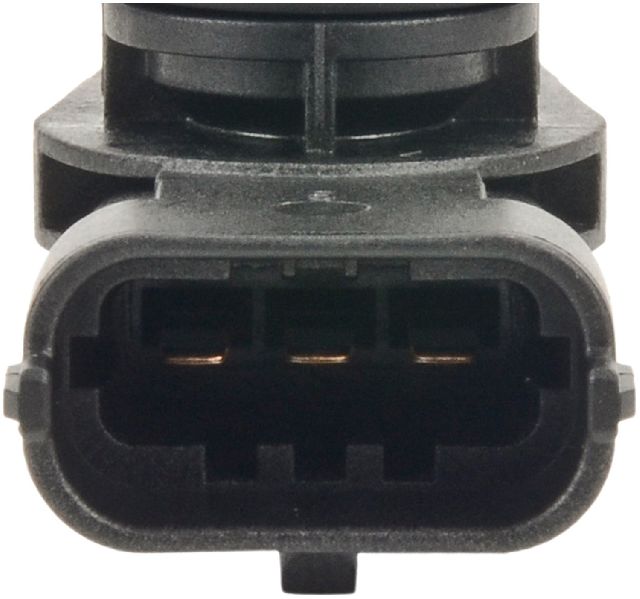
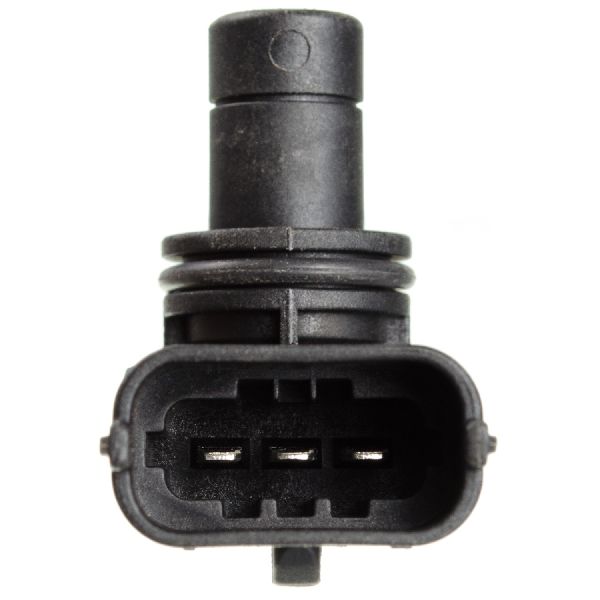
(OEM #12589702 (ACDelco))— While less common than chain stretch, the sensor can fail and is a potential cause. It's often misdiagnosed as the primary failure point. It is inexpensive to replace as a diagnostic step.
Trusted brands: ACDelco, Delphi, Bosch
OEM price range: $50-$90
Aftermarket price range: $30-$60
Related Codes That Often Appear With This One
- P0008 — Indicates a general engine position system performance error for Bank 1. It's often the first code to appear when the primary timing chain begins to stretch, affecting both banks.
- P0016 — Indicates a Crank/Cam correlation error on Bank 1, Intake side. Often set along with other timing codes when chain stretch becomes more severe.
- P0017 — Indicates a Crank/Cam correlation error on Bank 1, Exhaust side. Often set along with other timing codes.
- P0018 — Indicates a Crank/Cam correlation error on Bank 2, Intake side. Often set along with P0019 as the secondary chain for Bank 2 stretches.
Technical Service Bulletins (TSBs) & Recalls
- PIP3423P: "...Diagnostic Trouble Codes P0016, P0017, P0018, P0019, P0008 or P0009 may be set. Technician will need to inspect for loose timing chains or tensioners."
- 12-06-01-009F: "...V6 timing chain kits and chain guide replacements, for repairing stretched timing chains setting DTCs P0008, P0009, P0016, P0017, P0018 and/or P0019."
- Special Coverage Adjustment #11340C: While not directly for the G8, this program for other LY7/LLT vehicles extended the warranty for timing chain wear to 10 years/120,000 miles, acknowledging the widespread nature of the defect.
Platform-Specific Known Issues
- The 3.6L LY7 V6 engine used in the base model G8 has a well-documented history of premature timing chain stretching. This issue is the primary cause for P0019 and related timing codes on this vehicle.
- GM issued Technical Service Bulletin #12-06-01-009F, which announced updated timing chain kits to address stretched chains causing codes like P0019.
- GM also released a software update for the Engine Control Module (ECM) to shorten the oil change intervals calculated by the Oil Life Monitor (OLM), in an effort to reduce chain wear.
Mechanic-Grade Diagnostic Values
- VVT Solenoid (Oil Control Valve) Coil Resistance — expected: 8 to 12 Ohms. Failure: A reading outside this range (e.g., 7.9 Ohms or lower, or an open circuit) indicates a faulty solenoid coil.
- Cam/Crank Correlation with Lab Scope (Known Good Pattern) — expected: On Bank 1 (for reference), the intake cam signal should cross in the middle of the wide gap on the crankshaft signal. The exhaust cam signal should go high approximately three crank teeth after the gap.. Failure: Any deviation from the known-good waveform pattern indicates a timing correlation issue, confirming a stretched chain or slipped reluctor without engine disassembly.
Scan Tool Commands That Help
- GDS2 / Tech2: Camshaft Position Actuator Solenoid Control — This bidirectional control allows a technician to command the Bank 2 exhaust VVT solenoid ON and OFF. While monitoring engine RPM or cam angle PIDs, if the engine stumbles or the angle changes as commanded, the solenoid and phaser are likely working. If there is no change, it points to a stuck solenoid, clogged oil passage, or wiring issue, helping to isolate the fault without disassembly.
Wiring & Ground Locations
- G103 — In the engine compartment, located on the EBCM (Electronic Brake Control Module) bracket, which is near the brake booster on the driver's side.. This ground serves multiple components, and a poor connection here can introduce electrical noise or voltage drops affecting various modules. While not a direct ground for the cam sensors, ensuring all major engine bay grounds are clean and tight is a critical step in diagnosing electronic faults.
- G102 — In the engine compartment on the right (passenger side) frame rail. Another source describes it at the left rear of the engine. A third source places it on the left (driver's) side of the engine block. The most consistent location appears to be on the passenger side frame rail or engine block.. This is a primary engine ground. A faulty G102 ground can cause erratic behavior from sensors that use the engine block as a ground reference, including potentially the camshaft and crankshaft position sensors.
- Engine Control Module (ECM) — Located on the right (passenger) side of the engine compartment.. This is the computer that receives the signals from the crank and cam sensors and sets code P0019. All wiring for the sensors and VVT solenoids terminates here. Physical inspection of the ECM connectors for corrosion or damage is a valid, though less common, diagnostic step.
- Bank 2 Camshaft Position Sensors — On the front of the left (driver's side) cylinder head. The 'B' sensor for P0019 is the exhaust camshaft sensor.. This is the specific sensor whose signal correlation with the crankshaft is deemed incorrect by the ECM. Inspecting its connector and harness is a primary step.
Real Owner Repair Stories
- GRRRR8.net (Pontiac G8 Forum) (2008 Pontiac G8 3.6L V6) — Check Engine Light with codes P0008, P0017, and P0019.
❌ Tried (didn't work) The owner immediately suspected timing chains based on common knowledge of the LY7 engine.
✅ What actually fixed it A complete timing chain replacement service. The owner noted that after the repair, the car ran significantly better and the codes were resolved. The repair was done under warranty, but confirmed the chains were the root cause.
Model Year Variations Within This Range
- 2008-2009: There are no significant mechanical differences between the 2008 and 2009 3.6L LY7 engines or their timing components that would alter the diagnosis or cause of P0019. Both years are equally susceptible to the timing chain stretching issue.
Helpful Videos
We Have This Part in Stock


The information in this article is provided for general reference and educational purposes only. Vehicle specifications, procedures, and part compatibility can vary by production date, trim level, and region. Always consult your vehicle's factory service manual and verify part numbers before purchasing or performing repairs. Safety-critical components such as airbags, seat belts, and braking systems should be installed by a qualified professional.
- Pontiac G8:
- 🧭 Diagnostic Flowchart
- 🎬 Helpful Videos
- 🛍️ Shop This Part
- What's Unique About the 2008-2009 Pontiac G8
- Symptoms You May Notice
- Most Likely Causes
- Rare But Worth Checking
- Diagnosis Steps
- Parts You'll Likely Need
- Related Codes That Often Appear With This One
- Technical Service Bulletins (TSBs) & Recalls
- Platform-Specific Known Issues
- Mechanic-Grade Diagnostic Values
- Scan Tool Commands That Help
- Wiring & Ground Locations
- Real Owner Repair Stories
- Model Year Variations Within This Range
- 🎟️ Get 5% Off