

P0019 on 2008-2009 Pontiac Torrent 3.6L: Stretched Timing Chain Causes and Fixes
On a 2008-2009 Pontiac Torrent with the 3.6L V6, code P0019 almost always means the timing chains have stretched. This is a serious, well-known issue with this engine. The only reliable fix is to replace the timing chains, tensioners, and guides, which is a labor-intensive job costing between $1,800 and $3,000.
- P0019 on a 2008-2009 Torrent 3.6L almost certainly means you have a stretched timing chain.
- Do not waste money replacing camshaft or crankshaft sensors; they are rarely the cause.
- This is a critical issue. Stop driving the vehicle immediately to avoid catastrophic engine failure.
- The only reliable fix is a complete timing chain kit replacement, which is an expensive, professional-level job.
- Frequent, high-quality oil changes (every 3,000-5,000 miles) are the best preventative measure for the replacement chains.
What's Unique About the 2008-2009 Pontiac Torrent
The 3.6L LY7 V6 engine in the Pontiac Torrent and its GM siblings (like the Chevrolet Equinox and Saturn Vue) is notorious for premature timing chain failure. This widespread problem was often linked to the original oil life monitoring system's (OLM) programming, which allowed for excessively long oil change intervals. Degraded oil provided poor lubrication, accelerating wear on the timing chains. GM later issued TSB #11-06-01-007B to recalibrate the OLM for shorter intervals. As a result, P0019 on this specific vehicle is almost never a simple sensor issue, but rather a direct pointer to this well-documented mechanical flaw.
Symptoms You May Notice
- Check Engine Light is on
- Engine runs rough or idles poorly
- Hesitation or lack of power during acceleration
- Reduced fuel economy
- Rattling noise from the engine, especially on startup
- Engine may be hard to start or may stall
- Replacing the camshaft position sensor or crankshaft position sensor. On the 3.6L LY7 engine, P0019 is almost always a mechanical timing chain issue, not a sensor failure.
- Replacing only the VVT solenoids without confirming they are the issue. While a valid diagnostic step, it's a low-probability fix.
- Replacing the timing chains but failing to inspect the crankshaft reluctor wheel, which will cause the code to return immediately if it has slipped.
Most Likely Causes
- Stretched Timing Chains 🔴 High Probability → Shop Engine Timing Chain The 3.6L LY7 engine family has a well-documented history of premature timing chain wear, often accelerated by extended oil change intervals leading to oil degradation. GM acknowledged this with Special Coverage Adjustments (#10287, #11340C) that extended the warranty to 10 years/120,000 miles, though these have now expired. 🎬 Watch: Learn about the GM extended warranty for timing chains.
How to confirm: A mechanic can use a scan tool to observe the camshaft deviation angles. A persistent deviation of more than 4-5 degrees at idle is a strong indicator of a mechanical timing issue. Physical confirmation requires removing the front engine cover to check for visible slack in the chains.
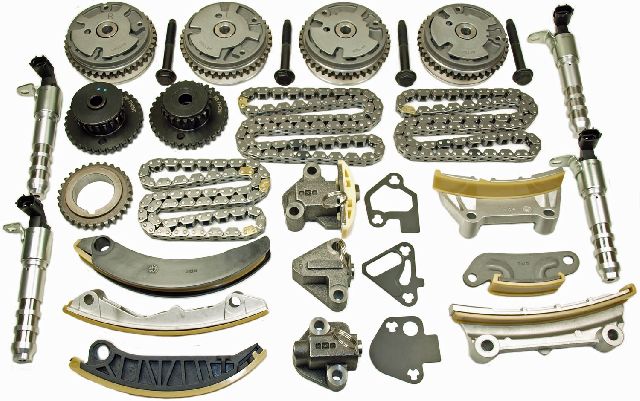
Typical fix: Replace all three timing chains (one primary, two secondary), all tensioners, and all guides with an updated kit. It is also recommended to clean the PCV orifices in the valve covers per TSB 12-06-01-009F.
Est. part cost: $300-$700 - Low or Dirty Engine Oil 🟡 Medium Probability The camshaft phasers are hydraulically operated by engine oil pressure. Low or dirty oil can cause them to respond slowly or get stuck, leading to correlation codes. This is often a contributing factor to the primary timing chain failure rather than a standalone cause.
How to confirm: Check the oil level on the dipstick and inspect its condition. If it's low, black, or sludgy, it needs to be changed.
Typical fix: Perform an engine oil and filter change using a quality synthetic oil meeting GM's specifications. This is a critical first step but is unlikely to fix a P0019 code if the chains are already stretched.
Est. part cost: $40-$80 - Faulty Camshaft Position Actuator Solenoid (VVT Solenoid) ⚪ Low Probability → Shop Engine Camshaft
How to confirm: Swap the Bank 2 exhaust solenoid with another one (e.g., the intake solenoid on the same bank). Clear the codes and run the engine. If the code changes to P0018 (Bank 2 Intake), the solenoid is confirmed as the faulty part.
Typical fix: Replace the faulty solenoid. There are four total on the engine.
Est. part cost: $30-$60
Rare But Worth Checking
- Slipped Crankshaft Reluctor Wheel: → Shop Engine Crankshaft This is a rare but known issue on the 3.6L engine, documented in TSB PIP3423P and its successors. The tone ring on the crankshaft, which the sensor reads, can physically move. If timing chains are replaced and the code immediately returns, this is the likely culprit. Inspection can sometimes be done with a borescope through the crank sensor hole. The official fix is crankshaft replacement.
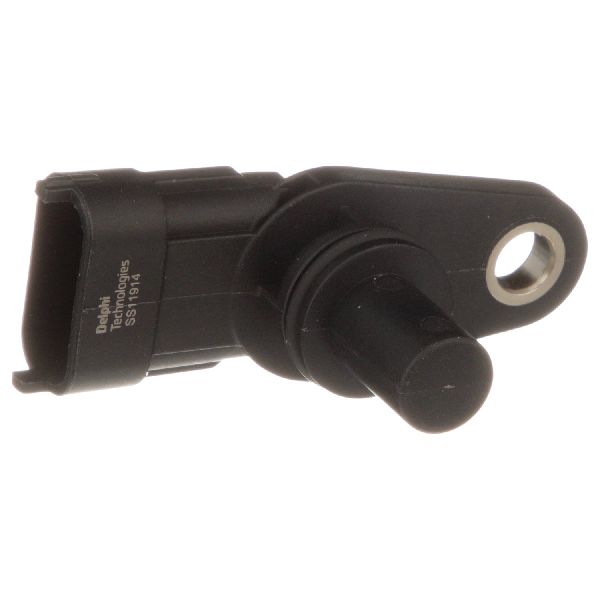
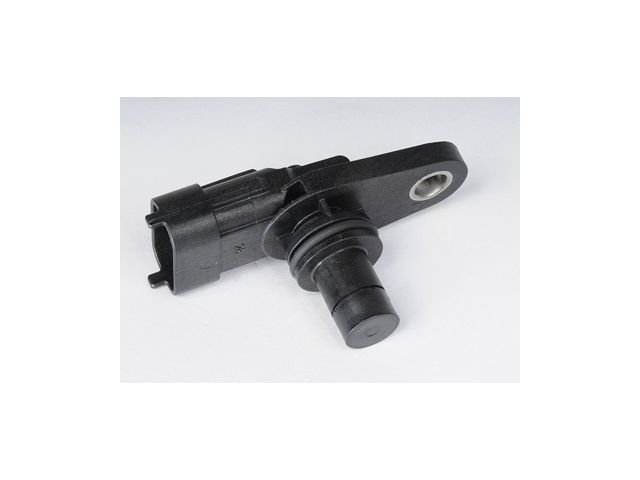
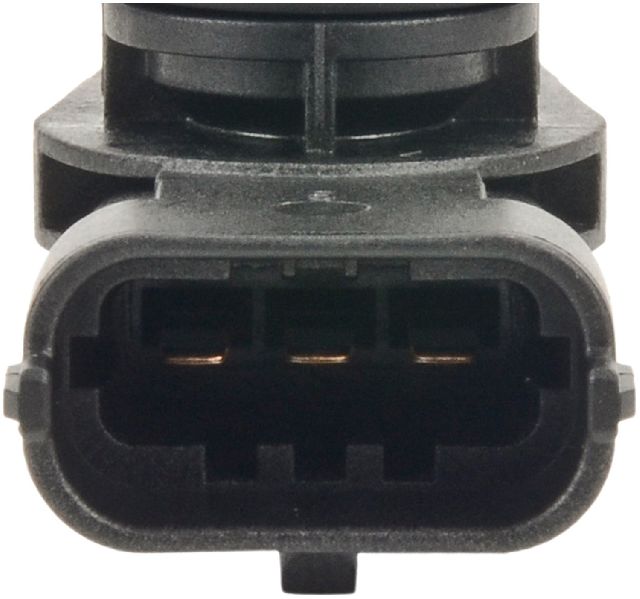
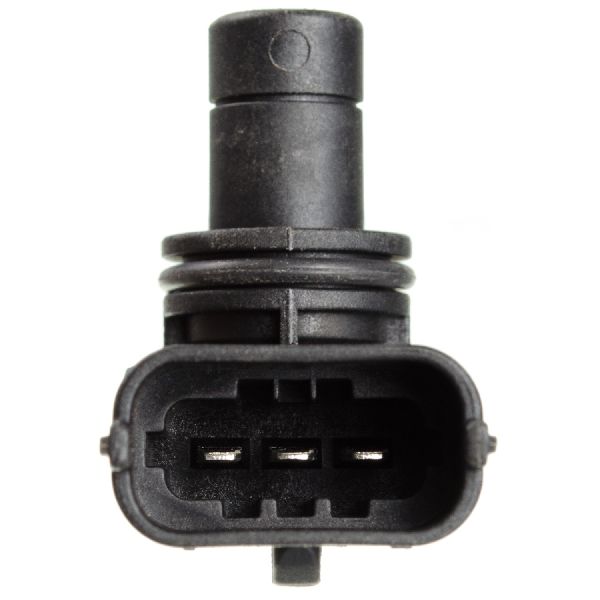
- Faulty Camshaft or Crankshaft Position Sensor: → Shop Engine Crankshaft While a sensor failure can theoretically cause this code, it is extremely unlikely to be the root cause on this specific engine. The sensors are almost always accurately reporting a real mechanical fault. Do not replace sensors without first ruling out the timing chains.
Diagnosis Steps
- Verify Engine Oil Level and Condition: Ensure the engine oil is full and clean. If low or dirty, perform an oil and filter change, clear the codes, and see if the code returns. This is a mandatory first step.
- Scan for All Codes: Use an OBD-II scanner to check for other related timing codes (P0008, P0009, P0016, P0017, P0018). The presence of multiple codes strengthens the diagnosis of a stretched timing chain.
- Check Live Data: Use an advanced scan tool to monitor the desired vs. actual camshaft position angles for the Bank 2 exhaust cam. A significant, persistent deviation beyond 4-5 degrees at idle confirms a mechanical timing problem. 🎬 See how a pro uses a labscope to diagnose timing.
- Test VVT Solenoids: Check the wiring to the Bank 2 exhaust VVT solenoid (firewall side). You can also swap it with an adjacent solenoid (like the intake one) to see if the trouble code follows to the new position (e.g., changes from P0019 to P0018).
- Mechanical Inspection: If the steps above do not resolve the issue, the problem is almost certainly the timing chains. This requires partial engine disassembly to physically inspect the chains for slack and verify timing marks. This step is best left to a professional. Manufacturer Bulletin #PIP3423P specifically notes that technicians should inspect for loose timing chains or tensioners when P0019 is set.
- Inspect Crankshaft Reluctor Wheel: During timing chain replacement, a technician should inspect the crankshaft reluctor wheel to ensure it has not slipped, as this will cause the code to persist even with new chains.
Parts You'll Likely Need
- Timing Chain Kit
(OEM #12650230 (This is a kit number from TSB 12-06-01-009F, verify by VIN))— This is the most common cause of P0019 on the 3.6L LY7 engine. A complete kit ensures all worn components (chains, guides, tensioners) are replaced at once.
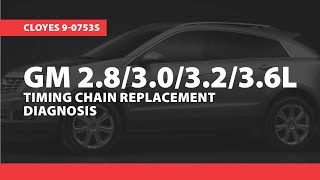
Trusted brands: ACDelco (OEM), Cloyes (e.g., 9-0753S or 9-0753SVVT for a more complete kit)
OEM price range: $400-$600
Aftermarket price range: $250-$450 - Camshaft Position Actuator Solenoid (VVT Solenoid)
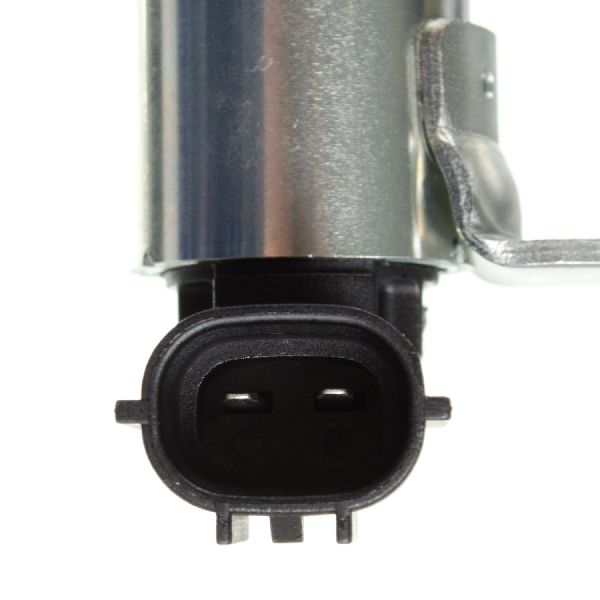
(OEM #12655421 (Intake) / 12655420 (Exhaust) - Verify by VIN)— In the rare case that the timing chains are not at fault, a stuck or failing VVT solenoid can cause this code. It's a much cheaper and easier part to replace for diagnosis.
Trusted brands: ACDelco, Delphi, Standard Motor Products
OEM price range: $50-$80
Aftermarket price range: $30-$60
Related Codes That Often Appear With This One
- P0008 — This is a general engine position system performance code for Bank 1. It is very commonly the first code to appear when the primary timing chain begins to stretch, affecting both banks.
- P0009 — This is the equivalent general performance code for Bank 2. Seeing it with P0019 confirms the timing deviation is significant on the rear bank.
- P0018 — This code indicates a correlation error on the Bank 2 *intake* camshaft. Seeing P0018 and P0019 together strongly points to a problem with the secondary timing chain on Bank 2.
- P0016 — This indicates a correlation error on Bank 1 (front bank), intake camshaft. Seeing codes for both banks (e.g., P0016 and P0019) points to a stretched primary timing chain affecting the entire engine.
- P0017 — This is the equivalent code for the Bank 1 exhaust camshaft. Seeing multiple correlation codes (P0016, P0017, P0018, P0019) is a definitive sign of a major timing system problem involving all chains.
Technical Service Bulletins (TSBs) & Recalls
- 12-06-01-009F: Details the updated timing chain service kits and procedures for repairing stretched timing chains that cause various cam/crank correlation codes, including P0019. This bulletin features V6 timing chain kits and chain guide replacements specifically for these DTCs.
- PIP3423P (and its revisions): Advises inspection of timing chains, tensioners, and especially the crankshaft reluctor wheel for codes P0016, P0017, P0018, P0019, P0008, or P0009.
- 11-06-01-007B: Recommends recalibrating the Oil Life Monitor (OLM) for a shorter interval to prevent premature oil degradation.
Platform-Specific Known Issues
- The 3.6L LY7 V6 engine is widely known for premature timing chain stretching. GM issued Technical Service Bulletin (TSB) #12-06-01-009F, which covers the repair of stretched timing chains that cause DTCs P0008, P0009, P0016, P0017, P0018, and/or P0019.
- Another TSB, #PIP3423P, advises technicians to inspect for loose timing chains or a slipped crankshaft reluctor wheel when these codes are present.
- GM also issued Special Coverage Adjustment #10287 and #11340C, extending the warranty for this specific failure to 10 years/120,000 miles. These programs have now expired for all vehicles but serve as an official acknowledgment of the defect.
Mechanic-Grade Diagnostic Values
- Crankshaft Reluctor Wheel Position — expected: 25 to 26 mm from the machined surface of the crankshaft throw to the edge of the open space in the reluctor wheel.. Failure: Any measurement outside this range indicates the wheel has slipped, requiring crankshaft replacement.
- VVT Actuator Solenoid Resistance — expected: Generally 5 to 20 Ohms, but check service manual. One GM diagnostic procedure specifies checking if resistance is *below* 5.0 Ohms, indicating a need to test the circuit further.. Failure: An open circuit (infinite resistance) or a direct short (very low resistance) indicates a failed solenoid coil.
- Crankshaft/Camshaft Position Sensor Resistance (3-wire Hall effect sensors are not typically tested by resistance) — expected: For older 2-wire magnetic sensors, a range of 200-1000 Ohms is common. However, the LY7 uses 3-wire Hall effect sensors which are tested via voltage.. Failure: A 3-wire sensor should be tested for 5V reference, ground, and a fluctuating signal voltage when the engine is cranked.
- Crankshaft Position Sensor Pin Voltage — expected: Pin 1: Low Reference (Ground); Pin 2: Signal (fluctuates with engine rotation); Pin 3: 5-volt reference from ECM.. Failure: Missing 5V reference or ground points to a wiring or ECM issue. A static signal voltage indicates a failed sensor.
Scan Tool Commands That Help
- Tech2 / GDS2 or equivalent professional scanner: Camshaft Position Actuator Solenoid Control — Used to command a specific VVT solenoid on and off to verify its mechanical and electrical operation. A lack of change in camshaft angle when the command is sent indicates a stuck solenoid, clogged oil passage, or faulty phaser.
- Tech2 / GDS2 or equivalent professional scanner: Actuate Variable Oil Pump Solenoid to ON (maximum) — This command, mentioned in some GM 3.6L diagnostics, can be used to maximize oil pressure during VVT solenoid tests to ensure the system is responding correctly under ideal pressure conditions.
Wiring & Ground Locations
- G101 — At the left front corner of the vehicle/engine compartment.. This is a primary ground location for the Engine Control Module (ECM). A poor connection here can cause erratic behavior from the ECM, leading to false codes or incorrect sensor readings.
- G107 — On the upper left front side of the 3.6L engine.. This is a key engine block ground. Since the camshaft and crankshaft sensors are mounted to the engine, a solid ground connection is critical for accurate sensor signals.
- G108 / G109 — G108 is on the upper right rear of the engine; G109 is on the upper left rear of the engine (for the 3.6L).. These grounds serve various engine components. Bank 2 (firewall side) components, including the relevant cam sensor and VVT solenoid for P0019, rely on clean ground paths. G109 is particularly relevant for Bank 2.
Real Owner Repair Stories
- Chevrolet Forum user story (Unknown Year, GM 3.6L V6 (likely Traverse/Acadia family)) — P0019 code returned immediately after a complete timing chain job.
❌ Tried (didn't work) Replacing all timing chains, guides, and tensioners., Replacing the crankshaft., Replacing the Bank 2 exhaust camshaft., Replacing the Bank 2 exhaust VVT solenoid.
✅ What actually fixed it The problem was a faulty, brand-new aftermarket camshaft phaser (actuator). The technician noticed slack developing between the two Bank 2 cam sprockets when turning the engine by hand. Replacing the new aftermarket phaser with a new OEM GM phaser resolved the code. - Reddit user on r/MechanicAdvice (2010 Chevrolet Traverse 3.6L LLT V6) — P0019 code appeared after a complete timing kit overhaul with new parts. Engine idled and ran perfectly.
❌ Tried (didn't work) Replacing timing components with a RockAuto kit that claimed its VVT sprockets were interchangeable for intake/exhaust.
✅ What actually fixed it The aftermarket VVT sprockets were the issue. The user replaced the exhaust VVT cam sprocket with an OEM part from the dealership, which resolved the P0019 code. This highlights a potential incompatibility with non-OEM phasers.
"I Checked Everything" — The Actual Cause
- The equivalent for this code is 'Timing chains replaced, but code P0019 returned immediately.' This is a high-stakes situation given the cost of the repair. The two most likely, non-obvious causes are: 1) A slipped crankshaft reluctor wheel, which was not inspected during the timing job. 2) A faulty or incompatible brand-new aftermarket VVT phaser (cam sprocket) that was installed as part of a 'complete' kit. Technicians often trust new parts, but in this case, sticking with OEM phasers is a critical risk-reduction step.
When the Usual Fixes Don't Work
- While stretched timing chains are the overwhelming cause of P0019, simply completing the timing chain job does not guarantee a fix. If the code returns immediately, do not assume a wiring or ECM fault. Strong evidence from technicians points to two counter-narratives: a slipped crankshaft reluctor wheel, which must be physically measured to confirm, or a faulty new aftermarket VVT phaser/sprocket. In these cases, replacing the 'new' aftermarket phaser with an OEM unit has been the documented solution. This suggests that for the VVT phasers specifically, using OEM parts is a critical step to avoid a comeback.
OEM Part Supersession History
Cloyes 9-0753S (Standard Kit)→Cloyes 9-0753SVVT (Kit with VVT components)— The 9-0753S kit contains the chains, tensioners, and guides. The 9-0753SVVT is a more comprehensive kit that also includes the VVT sprockets (phasers) and VVT solenoids.
Heads up: While a complete kit seems ideal, GM TSB 12-06-01-009F specifically advised against replacing sprockets or actuators unless they were found to be worn. Furthermore, real-world repair stories indicate that some aftermarket VVT sprockets included in kits can be faulty out of the box or incompatible, causing the code to return. Caution is advised when using non-OEM VVT sprockets.
Diagnostic Flowchart
Real Owner Stories
Aggregated from forums and TSBs cited above. Mileages and costs reflect what owners reported in those sources.
2009 Pontiac G8 3.6L LY7
Symptoms: Experienced a P0008 code (a precursor to P0019) and acceleration issues after initially suspecting sensors.
What fixed it: A full timing chain replacement was required to resolve the issue.
Source hint: Reddit r/MechanicAdvice
2009 Pontiac Torrent
Symptoms: Described multiple electronic issues and various trouble codes, highlighting the complexity of diagnosing these vehicles.
What fixed it: Owner expressed fear of expensive, trial-and-error repairs at dealerships; no definitive fix reported.
Source hint: carcomplaints.com Forum
GM V6 (Chevy Colorado)
Symptoms: Recurring P0019 code.
What fixed it: Initially had a thermostat and a VVT solenoid replaced under warranty, but the code returned, pointing towards a deeper mechanical issue with the timing system.
Source hint: Reddit r/chevycolorado
Related OBD-II Codes
Frequently Asked Questions
Does the special warranty coverage for the timing chains apply to my 2008-2009 Pontiac Torrent?
What does TSB 12-06-01-009F mean for my 3.6L LY7 engine?
Can I just change the oil to fix the P0019 code on my Torrent?
Why does TSB 11-06-01-007B recommend recalibrating the Oil Life Monitor?
If I replace the timing chains, is there anything else the mechanic should check?
Helpful Videos
We Have This Part in Stock

The information in this article is provided for general reference and educational purposes only. Vehicle specifications, procedures, and part compatibility can vary by production date, trim level, and region. Always consult your vehicle's factory service manual and verify part numbers before purchasing or performing repairs. Safety-critical components such as airbags, seat belts, and braking systems should be installed by a qualified professional.
- Pontiac Torrent:
- 🧭 Diagnostic Flowchart
- 🎬 Helpful Videos
- 🛍️ Shop This Part
- What's Unique About the 2008-2009 Pontiac Torrent
- Symptoms You May Notice
- Most Likely Causes
- Rare But Worth Checking
- Diagnosis Steps
- Parts You'll Likely Need
- Related Codes That Often Appear With This One
- Technical Service Bulletins (TSBs) & Recalls
- Platform-Specific Known Issues
- Mechanic-Grade Diagnostic Values
- Scan Tool Commands That Help
- Wiring & Ground Locations
- Real Owner Repair Stories
- "I Checked Everything" — The Actual Cause
- When the Usual Fixes Don't Work
- OEM Part Supersession History
- Real Owner Stories
- 2009 Pontiac G8 3.6L LY7
- 2009 Pontiac Torrent
- GM V6 (Chevy Colorado)
- Related OBD-II Codes
- Frequently Asked Questions
- 🎟️ Get 5% Off