

P0019 on 2007-2009 Saturn Aura: Causes and Fixes for Crank/Cam Correlation
On a 2007-2009 Saturn Aura with the 3.6L V6 engine, code P0019 almost always means the timing chains have stretched. This is a well-known, serious issue with this engine that requires a complex and expensive repair, typically costing $1,800-$3,000+. Ignoring this code can lead to catastrophic engine failure.
- P0019 on a 2007-2009 Saturn Aura with the 3.6L V6 almost certainly indicates a stretched timing chain.
- Do not waste money replacing sensors first; the problem is mechanical and requires a major, expensive repair.
- This is not a DIY job for most home mechanics. It requires specialized tools and extensive labor.
- Continued driving is risky and could lead to complete engine failure.
- To prevent future issues, use high-quality full synthetic 5W-30 oil and change it every 5,000 miles, ignoring the factory oil life monitor.
What's Unique About the 2007-2009 Saturn AURA
The 2007-2009 Saturn Aura's optional 3.6L V6 engine (RPO code LY7) is part of GM's High Feature V6 family, which was notorious in this era for premature timing chain stretching. This widespread issue was attributed to the original-design timing chains combined with an optimistic Oil Life Monitoring (OLM) system that could lead to oil degradation and accelerated chain wear. GM acknowledged the problem by releasing updated timing chain kits and multiple Technical Service Bulletins (TSBs), including #12-06-01-009F. As a result, codes like P0019 on this specific vehicle are almost always a sign of this mechanical failure, not a simple sensor issue.
Diagnostic Flowchart
Tap your situation to follow the diagnostic path that matches what you're seeing on this vehicle.
Symptoms You May Notice
- Check Engine Light is on
- Rattling noise from the engine, especially on cold startup
- Rough or unstable idle
- Loss of engine power and hesitation during acceleration
- Reduced fuel economy
- Engine may be hard to start or may stall
- Engine may run rough above idle
- Replacing only the camshaft position sensor
- Replacing only the crankshaft position sensor
- Replacing only the VVT solenoid (oil control valve)
Most Likely Causes
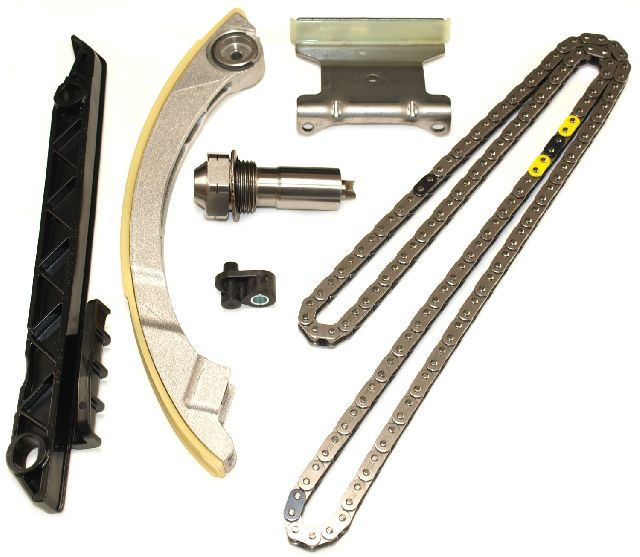
- Stretched Timing Chains 🔴 High Probability → Shop Engine Timing Chain The original equipment timing chains on the 3.6L LY7 V6 engine were prone to premature wear and stretching. This is a well-documented factory issue acknowledged by GM in TSB 12-06-01-009F.
How to confirm: A mechanic will use a scan tool to monitor camshaft/crankshaft deviation data; a deviation of more than 4-5 degrees is a strong indicator. The ECM may set the code when the deviation exceeds 9 degrees. The definitive confirmation requires physical inspection by removing the engine's front timing cover to check for chain slack and align timing marks.
Typical fix: Replace all three timing chains, all tensioners, and all guides with an updated-design kit. It is critical to replace everything as a set.
Est. part cost: $300-$700 - Failed Timing Chain Tensioners or Guides 🔴 High Probability → Shop Engine Timing Chain The hydraulic tensioners and plastic guides wear out along with the chains. A failing tensioner can't keep the chain properly taut, leading to slack, noise, and timing correlation codes.
How to confirm: Diagnosed during the physical inspection for a stretched timing chain. A broken guide or collapsed tensioner will be visually evident. A weak tensioner can be checked by pressing on the guide with a screwdriver (with the valve cover off).
Typical fix: Always replaced as part of a complete timing chain kit service. Never replace just a single tensioner or guide.
Est. part cost: $0 (Included in timing chain kit) - Low or Dirty Engine Oil 🟡 Medium Probability The timing chain tensioners and VVT phasers are hydraulic and rely on clean oil at the proper pressure to function. Degraded or low oil, often a result of following the overly optimistic original Oil Life Monitor (OLM), compromises their ability to keep the chains tight, accelerating wear.
How to confirm: Check the oil level on the dipstick and inspect its condition. If it's low or appears like dark sludge, this is a likely contributor. An oil change is a good first step but will not fix chains that are already stretched.
Typical fix: Perform an oil and filter change with a high-quality full synthetic 5W-30 oil meeting the Dexos specification. However, if the chains have already stretched and set code P0019, an oil change alone will not fix the problem.
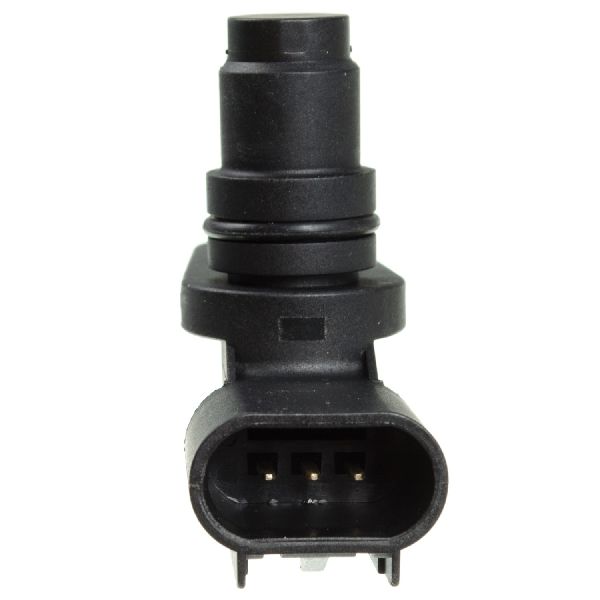
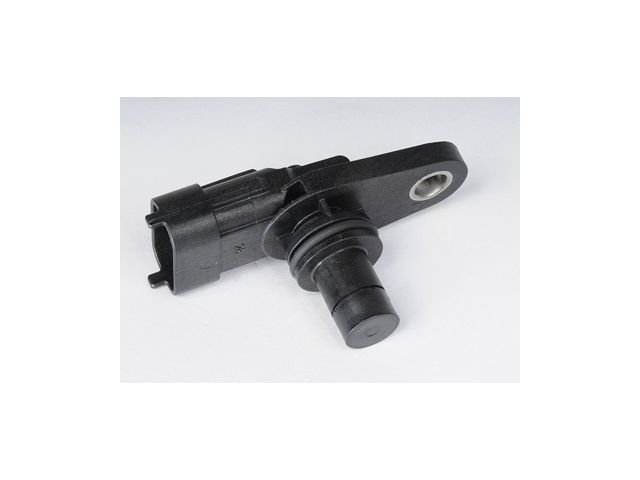
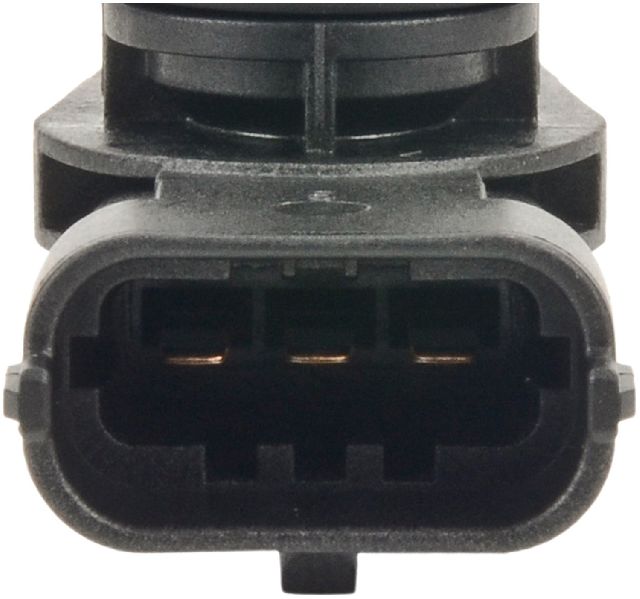
Est. part cost: $50-$100 - Faulty Camshaft Position Sensor (Bank 2 Exhaust) ⚪ Low Probability → Shop Engine Camshaft Position Sensor
How to confirm: After confirming the timing chains are good, the sensor's signal can be tested with an oscilloscope. Swapping the suspect sensor with the identical one from Bank 2 Intake is another diagnostic step. TSB PI0090C also notes that poor connections at the sensor harness can cause issues.
Typical fix: Replace the Bank 2 exhaust camshaft position sensor.
Est. part cost: $25-$70
Rare But Worth Checking
- Failed Camshaft Phaser / VVT Actuator: → Shop Engine Camshaft The variable valve timing (VVT) actuator on the end of the camshaft can fail, but this is uncommon and often happens as a result of a loose chain damaging the gear teeth or from oil starvation/sludge.
- Slipped Crankshaft Reluctor Ring: → Shop Engine Crankshaft The tone ring on the crankshaft, which the crank sensor reads, can sometimes slip or break. This is a rare failure documented in GM TSB PIP3423 and its revisions that can mimic a timing chain issue and should only be considered after chains are verified to be in good condition.
Diagnosis Steps
- Verify the oil level and condition. Top off or change if necessary with full synthetic 5W-30 oil.
- Use a professional scan tool to check for P0019 and any other related timing codes (P0008, P0016, P0017, P0018). The presence of multiple codes strongly points to a base timing issue.
- Monitor the live data for camshaft and crankshaft position. Specifically, check the 'Camshaft Position Variance' or 'Cam/Crank Correlation' PIDs. A steady deviation of more than 4-5 degrees at idle confirms a mechanical timing issue.
- Listen for a rattling or scraping noise from the front of the engine (passenger side), which is characteristic of loose timing chains, especially on a cold start.
- If the above steps strongly suggest a timing issue, proceed with engine disassembly to physically inspect the timing chains, guides, and tensioners. This is the only definitive way to confirm the cause.
- While disassembled, verify the timing marks on all sprockets and chains align correctly.
- Only if the timing components are verified to be in perfect condition should you investigate sensors, wiring, or the ECM. Check for poor connections at the sensor harness per TSB PI0090C.
Parts You'll Likely Need
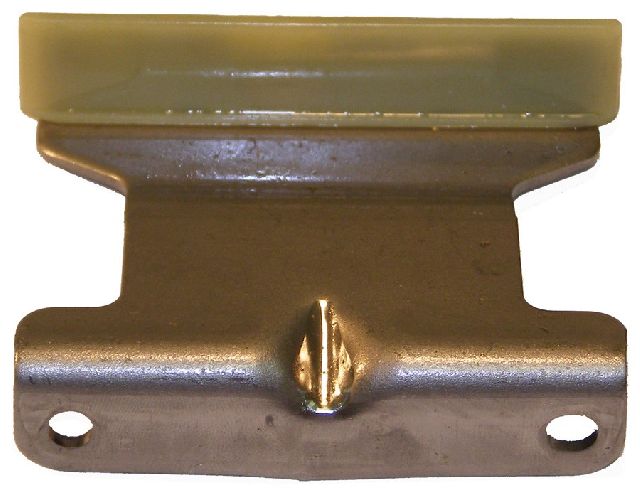
- Engine Timing Chain Kit
(OEM #12651450 (superseded by 12693218, then 12700436))— This is the primary failure point. A complete kit with updated chains, tensioners, and guides is required for a lasting repair.
Trusted brands: ACDelco (GM Genuine), Cloyes
OEM price range: $400-$600
Aftermarket price range: $250-$450 - Camshaft Position Sensor (Bank 2 Exhaust)
(OEM #12684193 (ACDelco 213-4691))— Replaced only if it is proven to be faulty after confirming the timing components are in good condition. This is not the usual cause.
Trusted brands: ACDelco, Delphi, Bosch
OEM price range: $40-$70
Aftermarket price range: $25-$50
Related Codes That Often Appear With This One
- P0008 — Indicates a general engine position system performance bank 1 error, often set for the same stretched timing chain reason.
- P0016 — Indicates a Crank/Cam correlation error on Bank 1 (Intake), pointing to the same root cause.
- P0017 — Indicates a Crank/Cam correlation error on Bank 1 (Exhaust), pointing to the same root cause.
- P0018 — Indicates a Crank/Cam correlation error on Bank 2 (Intake), pointing to the same root cause.
Technical Service Bulletins (TSBs) & Recalls
- PIP3423P: Advises technicians to inspect for loose timing chains or tensioners for DTCs including P0019.
- 12-06-01-009F: Details the repair for stretched timing chains that cause DTCs P0008, P0009, P0016, P0017, P0018, and/or P0019. It lists the updated timing chain kits required for the repair.
- PI0090C: Addresses intermittent hesitation which can be caused by poor terminal connections at the camshaft position sensor harness, a rare but possible cause for sensor-related codes.
Platform-Specific Known Issues
- The 3.6L V6 (LY7) engine is widely known for premature timing chain stretching, as documented in GM Technical Service Bulletin #12-06-01-009F, which addresses repairing stretched chains that set codes like P0019.
- TSB #PIP3423P also points technicians to inspect for loose timing chains or tensioners when P0019 is present.
- Owner complaints, such as NHTSA ODI #10715249, confirm real-world failures where codes P0017 and P0019 were caused by a stretched timing chain and worn guides, requiring a major engine teardown.
- GM also issued a Special Coverage Adjustment (#11340C) for platform mates like the Saturn Outlook, extending the warranty for this specific issue to 10 years/120,000 miles, though this has now expired for all vehicles.
Mechanic-Grade Diagnostic Values
- Engine Oil Pressure (3.6L V6, warm idle) — expected: 20-25 psi (minimum). Failure: Pressure significantly below 20 psi can starve VVT components and accelerate timing chain wear.
- VVT Actuator Solenoid Resistance — expected: 6.9 to 12 ohms. Failure: A reading outside this range (or an open/short circuit) indicates a faulty solenoid.
- Crankshaft Reluctor Wheel Position — expected: 25 to 26 mm from the machined surface of the crankshaft throw to the edge of the open space in the reluctor wheel.. Failure: Any measurement outside this range indicates the wheel has slipped, requiring crankshaft replacement. This can be checked with a borescope through the crank sensor hole.
- Cam/Crank Correlation Degrees (Scan Tool) — expected: Close to 0 degrees at idle.. Failure: The ECM will log code P0019 when the detected variance between the crankshaft and Bank 2 exhaust camshaft exceeds a threshold, which can be around 9 degrees.
Scan Tool Commands That Help
- GDS2 / Tech2: CMP Actuator Solenoid ON/OFF Command — This bidirectional test is used to functionally check a VVT solenoid. By commanding it on and off, a technician can listen for a click and observe changes in engine operation or scan data to determine if the solenoid is physically stuck or responding correctly to ECM commands.
- GDS2 / Tech2: Crankshaft Position System Variation Learn — This service procedure is required after replacing the Engine Control Module (ECM), crankshaft position sensor, or performing major engine work like a timing chain replacement. It allows the ECM to learn the minor variations in the new component positions.
Wiring & Ground Locations
- ECM (Engine Control Module) — Located on the left side of the engine compartment, in front of the battery.. All sensor data for the crankshaft and camshafts is sent to the ECM. Verifying pin voltages and continuity at the ECM connector is a final step in diagnosing a complex wiring fault.
- G113 — On the center left side cylinder head.. This is a primary ground point for the cylinder head where the Bank 2 camshafts are located. A poor ground connection can cause erratic sensor readings, though it is an unlikely cause for a persistent correlation code.
- Bank 2 Exhaust Camshaft Position Sensor Connector — Top left, front of the engine, below the oil fill cap.. This is the direct electrical connection for the sensor in question. TSBs note that poor terminal tension in these connectors can cause intermittent signal loss, leading to timing codes.
"I Checked Everything" — The Actual Cause
- A common scenario for this engine is performing a complete and expensive timing chain replacement job, only to have the P0019 (or related timing codes) return immediately. The root cause in this situation is often a slipped crankshaft reluctor wheel. Because the chains, guides, and tensioners were the actual problem in the vast majority of cases, many technicians would not perform the extra diagnostic step of inspecting the reluctor wheel's position (via borescope or measurement) before disassembly. This leads to a misdiagnosis where the primary symptom (timing deviation) is addressed, but the underlying cause (incorrect crank position reference) is missed.
OEM Part Supersession History
12651450→12693218, then 12700436— Updated timing chain kit with more durable chains, improved guides, and new tensioners to address premature stretching.
Heads up: Using an old stock or incorrect part number kit will lead to a repeat failure.12655421 (VVT Solenoid, Exhaust)→12636175 or 12679100— Internal design improvements for reliability and resistance to oil contamination.
Model Year Variations Within This Range
- 2007-2009: All Saturn Auras within this range with the 3.6L V6 use the LY7 port-injected engine. This entire production run was equipped with the earlier, failure-prone timing chain design. Major improvements to the chains were not implemented by GM until the 2011-2012 model years on other vehicles, meaning no Aura from this period benefited from the factory-installed updated parts.
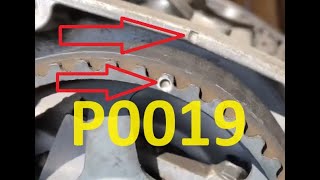
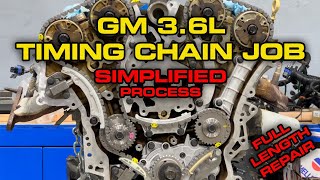
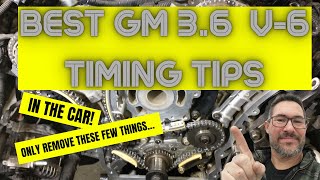
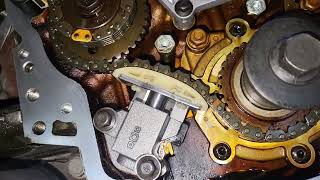
Helpful Videos

We Have This Part in Stock


The information in this article is provided for general reference and educational purposes only. Vehicle specifications, procedures, and part compatibility can vary by production date, trim level, and region. Always consult your vehicle's factory service manual and verify part numbers before purchasing or performing repairs. Safety-critical components such as airbags, seat belts, and braking systems should be installed by a qualified professional.
- Saturn AURA:
- 🧭 Diagnostic Flowchart
- 🎬 Helpful Videos
- 🛍️ Shop This Part
- What's Unique About the 2007-2009 Saturn AURA
- Symptoms You May Notice
- Most Likely Causes
- Rare But Worth Checking
- Diagnosis Steps
- Parts You'll Likely Need
- Related Codes That Often Appear With This One
- Technical Service Bulletins (TSBs) & Recalls
- Platform-Specific Known Issues
- Mechanic-Grade Diagnostic Values
- Scan Tool Commands That Help
- Wiring & Ground Locations
- "I Checked Everything" — The Actual Cause
- OEM Part Supersession History
- Model Year Variations Within This Range
- 🎟️ Get 5% Off