

P0019 on 2013-2020 Subaru BRZ: Crank-Cam Correlation Causes and Fixes
For a 2013-2020 Subaru BRZ, code P0019 is most often caused by low/dirty engine oil or a faulty oil control valve (OCV) for the exhaust camshaft on the driver's side (Bank 2). An OCV replacement is a common fix, costing around $90-$130 for an OEM part. Before replacing parts, always check oil level and quality first, as this is the simplest and most frequent solution.
- P0019 on your BRZ points to a timing mismatch on the driver's side exhaust cam.
- ALWAYS check your engine oil level and condition first. This is the most common and cheapest fix.
- The second most likely cause is a faulty Oil Control Valve (OCV) on the driver's side, which is a relatively easy part to swap for diagnosis.
- Do not immediately assume a stretched timing chain. Rule out oil issues, the OCV, and the camshaft sensor before considering major mechanical repairs.
- The problem is almost never the crankshaft position sensor.
What's Unique About the 2013-2020 Subaru BRZ
The FA20D engine in the BRZ uses Subaru's Dual Active Valve Control System (AVCS) on both intake and exhaust camshafts. This system is highly dependent on oil pressure and cleanliness to function. Therefore, P0019 codes on this platform are very frequently linked back to oil-related issues, such as low oil levels, incorrect oil viscosity, or dirty oil clogging the small passages of the oil control valves (solenoids). Additionally, after major engine work or if the car is run with a timing fault for too long, the ECM can store incorrect 'learned values' for the cam positions, making the code persist even after the mechanical issue is fixed. This sometimes requires a specific dealer-level reset procedure.
Diagnostic Flowchart
Tap your situation to follow the diagnostic path that matches what you're seeing on this vehicle.
Symptoms You May Notice
- Check Engine Light is on
- Rough or unstable idle
- Hesitation or stumbling on acceleration
- Reduced engine power (limp mode)
- Increased fuel consumption
- Engine may stall at low speeds
- Rattling or tapping noise from the engine, especially off-throttle or during deceleration above 2,000 RPM
- Replacing the camshaft position sensor when the oil control valve (OCV) is the actual problem.
- Replacing the crankshaft position sensor. This sensor is rarely the cause for a correlation code like P0019.
- Assuming a major mechanical failure (timing chain) before thoroughly checking oil, OCVs, and filter screens.
Most Likely Causes
- Low or Dirty Engine Oil 🔴 High Probability The AVCS system uses hydraulic oil pressure to change cam timing. Low levels or dirty, sludgy oil can starve the system or clog passages, preventing correct operation. This is the most common and first-to-check cause.
How to confirm: Check the engine oil dipstick for level and inspect the oil's color and consistency. If it's low, dark, or sludgy, this is a likely cause. An oil change is recommended before any other parts are replaced.
Typical fix: Perform an oil and filter change using the correct viscosity oil specified for the FA20 engine (typically 0W-20).
Est. part cost: $40-$80 - Faulty Oil Control Valve (OCV) / Solenoid 🔴 High Probability → Shop Engine Variable Valve Timing (VVT) Oil Control Valve These solenoids control oil flow to the AVCS cam phasers. They can get clogged with debris from engine oil or fail electronically, causing them to stick. Subaru issued TSB 02-170-17R for a redesigned OCV to prevent oil from seeping into the electrical connector, which can also cause AVCS-related DTCs.
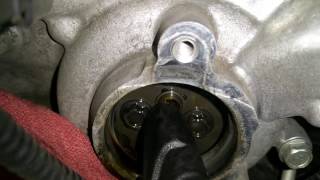
How to confirm: Swap the suspected faulty OCV (Bank 2, exhaust) with an identical one from a different position (e.g., Bank 1, exhaust). If the code changes to P0017, the OCV is confirmed bad. You can also test the solenoid's resistance with a multimeter; it should be between 6.9 and 7.9 Ohms. Applying 12V power should make the internal plunger click. 🎬 Watch: A real-world diagnosis and replacement of the OCV.
Typical fix: Replace the Bank 2 exhaust oil control valve. The updated part number is often recommended. 🎬 Watch: How to replace and upgrade your oil control valve.
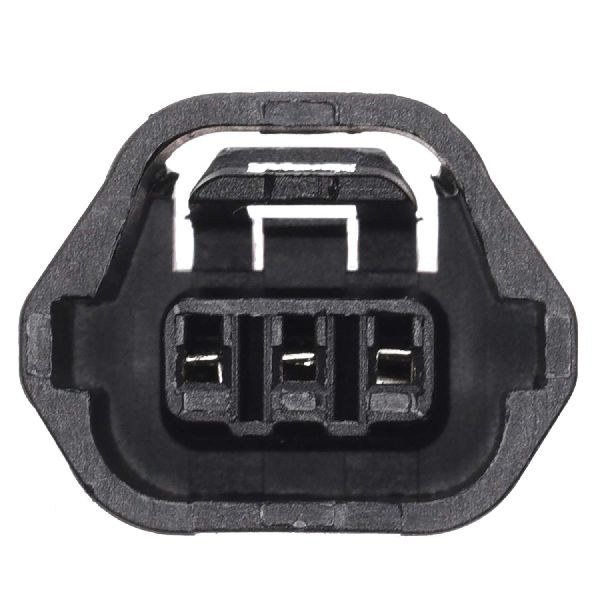
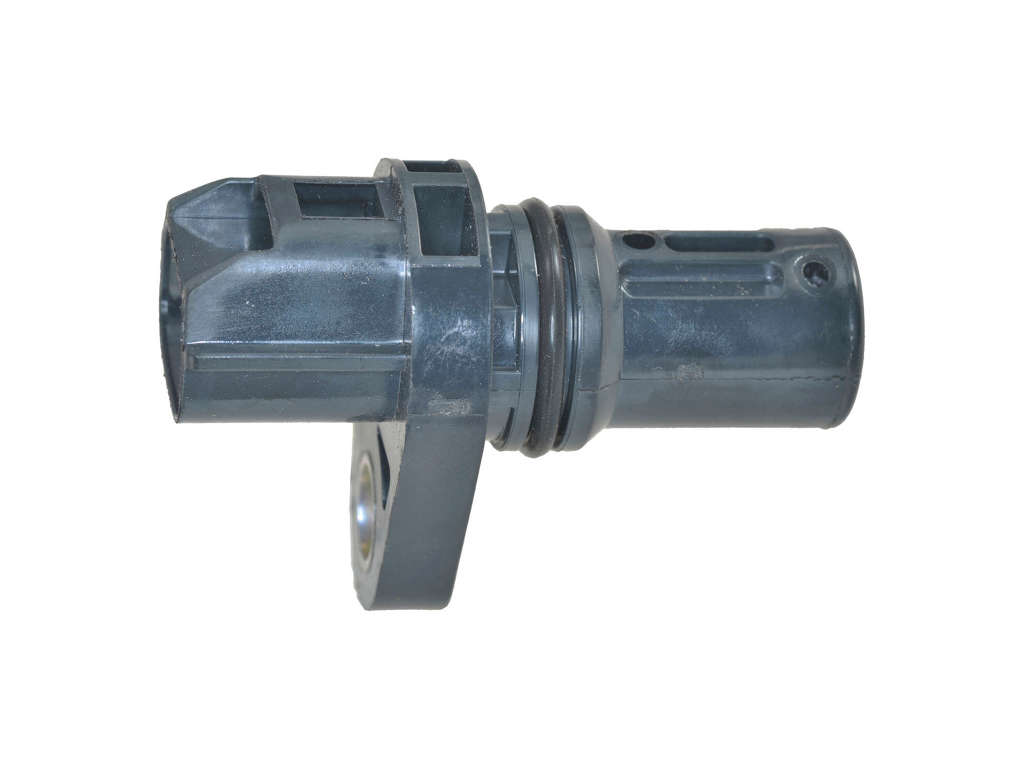
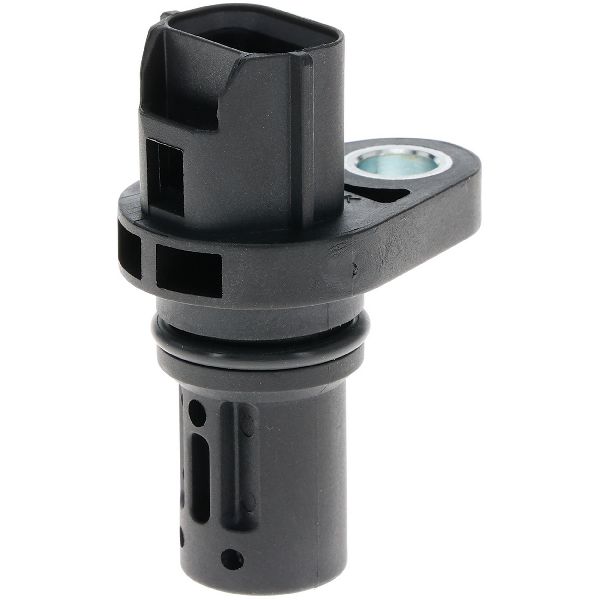
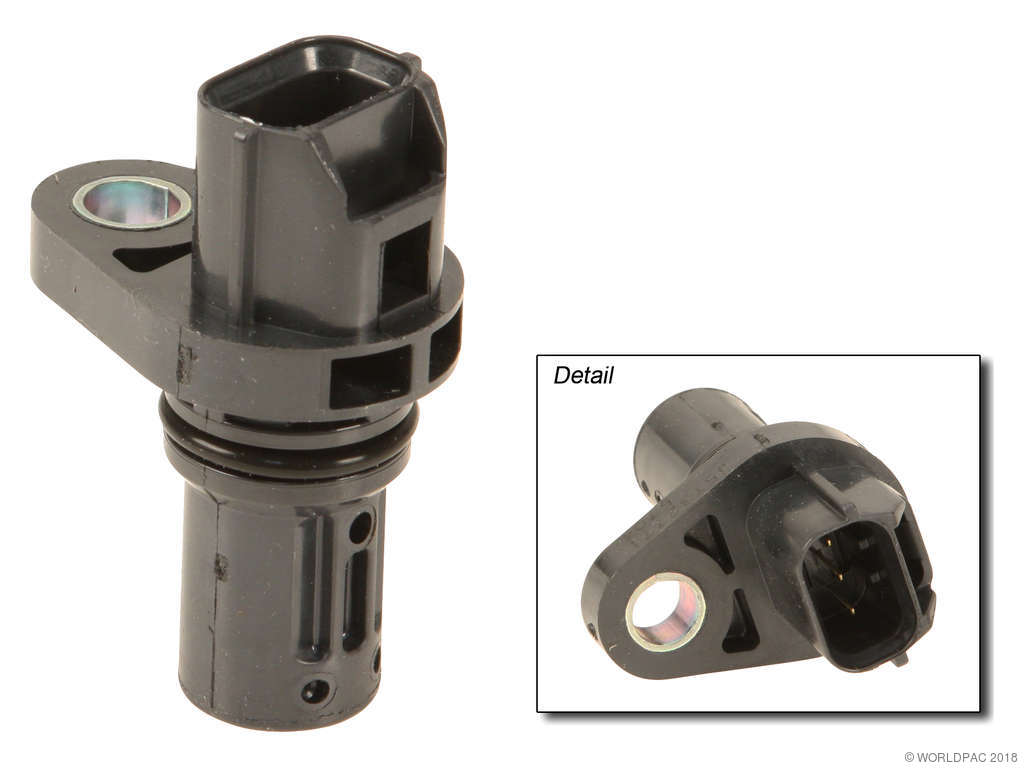
Est. part cost: $90-$150 - Faulty Camshaft Position Sensor ⚪ Low Probability → Shop Engine Camshaft Position Sensor While less common than OCV failure, the sensor itself can fail and send incorrect data to the ECM. However, this is often misdiagnosed when the OCV is the real issue.
How to confirm: Swap the Bank 2 exhaust camshaft sensor with the Bank 1 exhaust sensor. If the code moves from P0019 to P0017, the sensor is faulty.
Typical fix: Replace the Bank 2 exhaust camshaft position sensor.
Est. part cost: $70-$120
Rare But Worth Checking
- Stretched Timing Chain or Failed Tensioner: → Shop Engine Timing Chain While the timing chain is designed to last the life of the engine, severe neglect, poor oil maintenance, or high mileage can cause it to stretch or the tensioner to fail. This can cause the timing to be off by a tooth, leading to correlation codes. A user on ft86club.com noted that even after a rebuild, incorrect timing chain installation caused persistent codes.
- Clogged OCV Filter Screens: There are small mesh filters in the cylinder heads that screen oil before it enters the OCVs. If these become clogged with sludge or metal debris (especially after an engine failure/rebuild), they can restrict oil flow even if the OCV itself is good. A Reddit user noted these filters are located inside the camshaft carrier oil passages where they mate with the cylinder head, making them difficult to access.
- Damaged AVCS Camshaft Sprocket (Phaser): → Shop Engine Camshaft The phaser itself can become stuck, damaged, or clogged with debris, preventing it from adjusting the camshaft timing correctly. This is often a result of severe oil starvation or contamination. In some cases, the internal lock pin can fail. Replacement requires removing the timing cover.
- Outdated ECM Software / VVT Learn Values: In some cases, particularly after a timing-related repair or a period of running with a fault, the ECM can retain incorrect 'learned' values for the AVCS system. A TSB exists for other Subaru models to address overly sensitive ECM logic. Forum discussions suggest a reflash can resolve stubborn codes. One user on ft86club.com found that flashing a different model year's stock tune and then flashing back to the original tune successfully reset the learned values. A specific reset procedure using a scan tool in 'test mode' may also work.
- Oil Leaking into OCV Harness Connector: Subaru TSB 02-170-17R describes a condition where oil can seep past the OCV's internal seal and into the electrical harness connector. This can cause a poor connection and trigger various AVCS-related DTCs, including P0019. The fix is to replace the OCV with a redesigned part.
Diagnosis Steps
- Read the code with an OBD-II scanner to confirm P0019 is present. Note any other codes.
- Check the engine oil level and condition. If low, dirty, or the wrong viscosity, perform an oil and filter change with 0W-20 synthetic oil, clear the code, and drive to see if it returns.
- If the code returns, test the Oil Control Valve (OCV) for the Bank 2 exhaust camshaft. The easiest method is to swap it with the OCV from the Bank 1 exhaust position (passenger side). They are identical.
- Clear the codes and drive the car. If the code changes to P0017 (Crankshaft Position - Camshaft Position Correlation Bank 1 Sensor B), the OCV you moved is faulty and needs to be replaced.
- If P0019 remains, inspect the OCV connector for oil contamination as described in TSB 02-170-17R. If oil is present, replace the OCV.
- If the OCV and its connector are fine, test the camshaft position sensor using the same swapping method (swap Bank 2 exhaust with Bank 1 exhaust). If the code changes to P0017, the sensor is the culprit.
- If the code still remains P0019, inspect the wiring and connectors for both components for any damage or corrosion.
- If wiring is okay, the problem is likely more serious. At this point, consider checking for clogged OCV filter screens (requires some disassembly), or have a professional inspect for a stretched timing chain, failed tensioner, or a faulty AVCS cam sprocket.
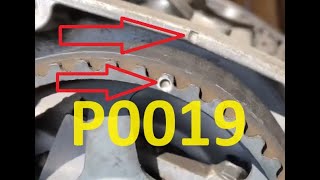
- If parts were replaced and the code persists, investigate an ECM VVT learn value reset. This may require a trip to the dealer or a specialized shop with appropriate scan tools. 🎬 See this walkthrough on clearing persistent FA20 correlation codes.
Parts You'll Likely Need
- Oil Control Valve (OCV) / VVT Solenoid
(OEM #10921AA240 (supersedes 10921AA231, 10921AA230))— This is the most common point of failure after low/dirty oil. It gets clogged or fails electronically. TSB 02-170-17R also notes an internal seal issue on older parts, making the updated version preferable.
Trusted brands: Subaru Genuine, Denso, Hitachi
OEM price range: $90-$130
Aftermarket price range: $60-$100 - Camshaft Position Sensor
(OEM #22056AA140)
Related Codes That Often Appear With This One
- P0018 — This is the correlation code for the intake camshaft ('Sensor A') on the same bank (Bank 2). If both P0018 and P0019 appear, it points to a more significant timing issue on the driver's side, like a jumped tooth, a clogged OCV filter for that bank, or a problem with the timing chain affecting that bank.
- P0021 — This code is for 'Bank 2 Intake Camshaft Position Timing - Over-Advanced'. Seeing it with P0019 strongly suggests an oil control or mechanical timing problem on the driver's side bank. A user on ft86club.com reported seeing both codes after an engine rebuild with incorrect timing.
- P0017 — This is the equivalent correlation code for the exhaust camshaft on Bank 1 (passenger's side). If you get P0017 after swapping the Bank 2 exhaust OCV with the Bank 1 exhaust OCV, it confirms the OCV is the faulty part. If P0017 and P0019 appear together, it could indicate a widespread issue like a stretched timing chain or severe oil contamination.
Technical Service Bulletins (TSBs) & Recalls
- 09-128-24R: Mentions P0019 in a list of engine-related DTCs.
- 02-137-12: Provides a specific diagnostic procedure for DTC P0017 and P0019.
- 02-170-17R: Details a redesigned OCV to prevent oil leaks into the harness connector which can cause AVCS codes.
Platform-Specific Known Issues
- TSB #02-137-12 - Diagnostic Procedure: Subaru issued TSB #02-137-12 which provides a specific diagnostic procedure for codes P0017 and P0019, indicating this is a known issue requiring a detailed diagnostic flow.
- TSB #02-170-17R - Leaking OCV: This bulletin addresses a redesigned OCV (part #10921AA240) to fix an issue where oil seeps into the electrical connector, causing AVCS-related codes like P0019.
- ECM Learned Value Reset: Forum users and mechanics report that after a significant timing event or repair, the ECM can sometimes 'lock in' incorrect timing values, making the code difficult to clear without a dealer-level reflash or a specific reset procedure.
Mechanic-Grade Diagnostic Values
- AVCS Advance Angle at Idle (Live Data) — expected: 0 degrees. Failure: A reading of approximately +/- 10 degrees (or multiples of 10) suggests the timing chain has jumped one or more teeth. This test should be performed with the OCVs for the affected bank unplugged.
- OCV Solenoid Power Supply Voltage — expected: Battery Voltage (approx. 12V). Failure: No voltage indicates a problem with the power supply from the engine main relay or associated wiring. This should be tested at the OCV connector with the ignition on.
Scan Tool Commands That Help
- Subaru Select Monitor (SSM), Autel, Launch, ThinkDiag2: Active Test / Actuation Test for OCV — Use this at idle to command the Bank 2 exhaust OCV. A functional solenoid with clear oil passages will cause the engine to stumble or stall. If there's no change in engine operation, it confirms a fault in the OCV, its wiring, or a blocked oil passage.
- Autel, Launch, or other advanced scan tool: Special Function - Test Mode Activation & Clear Codes — This is critical for persistent codes after a mechanical repair (like timing chain replacement). The ECM stores AVCS learned values in non-volatile memory that a standard code clear won't erase. This procedure forces a reset of those values. It involves inserting a fuse into the 'inspection mode' slot in the underhood fuse box, turning the key on, activating 'test mode' with the scan tool until the CEL flashes, and then clearing codes.
Wiring & Ground Locations
- Main ECU Grounds — On top of the intake manifold.. The ECU receives its primary ground reference from the intake manifold. A poor connection here, sometimes caused by installing TGV deletes with non-conductive bolts, can cause erratic sensor readings and phantom codes.
- Engine Block to Chassis Grounds — There are two primary grounds at the front bottom of the engine connecting to the frame rails, and one from the top-rear of the transmission (passenger side) to the firewall/tunnel.. A missing or corroded ground strap, especially the one at the transmission that is often forgotten during clutch service, can create a poor ground path for the engine block, affecting sensor signals that rely on a solid engine ground.
- Bank 2 Exhaust OCV Connector — The electrical connector on the solenoid itself, located on the front of the driver's side (Bank 2) cylinder head, controlling the exhaust camshaft.. This is the direct connection for the solenoid. Check for battery voltage on one pin (key on) and for corrosion or oil contamination from a leaking OCV seal, which would interrupt the control signal from the ECM.
Real Owner Repair Stories
- ft86club.com forum members (2015 Subaru BRZ, post-engine rebuild) — P0019 and P0021 codes appeared after an engine rebuild where timing was initially set incorrectly. Codes persisted after timing was corrected and sensors/OCVs were swapped.
❌ Tried (didn't work) Swapping OCVs from side to side., Swapping camshaft position sensors from side to side.
✅ What actually fixed it The issue was identified as incorrect AVCS 'learned values' stored in the ECU. A user confirmed a fix by flashing a different model year's stock tune file (e.g., 2016 tune onto a 2013 car) and then flashing the original tune file back. This procedure, verifiable with Techstream/SSM, successfully reset the stubborn learned values, resolving the codes without replacing the ECU.
OEM Part Supersession History
10921AA220, 10921AA230→10921AA231, then 10921AA240/10921AA241— An updated design was released to address a known issue where engine oil could seep past the solenoid's internal seal and contaminate the electrical connector, causing AVCS-related codes (per TSB 02-170-17R).
Heads up: The newer parts are backward compatible and recommended. An OCV with a production lot number starting with '17159' or higher (indicating it was made on or after the 159th day of 2017) is the improved design.
Model Year Variations Within This Range
- 2017-2020 (Manual Transmission Only): The FA20 engine in manual transmission models received a refresh including new valves, camshafts, cylinder heads, and improved intake/exhaust manifolds for a slight power increase. Automatic transmission models for these years retained the original 2013-2016 engine hardware. While the AVCS system functions the same, the different camshafts and ECM tuning could potentially affect diagnostic behavior.
Helpful Videos
We Have This Part in Stock


The information in this article is provided for general reference and educational purposes only. Vehicle specifications, procedures, and part compatibility can vary by production date, trim level, and region. Always consult your vehicle's factory service manual and verify part numbers before purchasing or performing repairs. Safety-critical components such as airbags, seat belts, and braking systems should be installed by a qualified professional.
- Subaru BRZ:
- 🧭 Diagnostic Flowchart
- 🎬 Helpful Videos
- 🛍️ Shop This Part
- What's Unique About the 2013-2020 Subaru BRZ
- Symptoms You May Notice
- Most Likely Causes
- Rare But Worth Checking
- Diagnosis Steps
- Parts You'll Likely Need
- Related Codes That Often Appear With This One
- Technical Service Bulletins (TSBs) & Recalls
- Platform-Specific Known Issues
- Mechanic-Grade Diagnostic Values
- Scan Tool Commands That Help
- Wiring & Ground Locations
- Real Owner Repair Stories
- OEM Part Supersession History
- Model Year Variations Within This Range
- 🎟️ Get 5% Off