

P0019 on 2006-2012 Toyota RAV4 3.5L V6: Crank-Cam Correlation Causes and Fixes
On a 2006-2012 RAV4 V6, code P0019 is most often caused by low/dirty engine oil or a faulty Bank 2 exhaust Oil Control Valve (VVT solenoid). Before buying parts, check your oil. If the oil is fine, the solenoid is the next likely culprit, costing about $40-$90 for an aftermarket part. Bank 2 is the cylinder bank closer to the radiator.
- Always check your engine oil level and condition first. A simple oil change can sometimes resolve P0019.
- The most likely failed part is the Bank 2 (front) exhaust Oil Control Valve (VVT solenoid).
- A simple diagnostic test is to swap the suspect OCV with another one on the engine to see if the trouble code follows the part.
- Use OEM or high-quality aftermarket brands like Denso or Aisin for replacement electronic parts to ensure reliability.
What's Unique About the 2006-2012 Toyota RAV4
The Toyota 2GR-FE V6 engine uses a Dual VVT-i system that is highly effective but very sensitive to oil pressure and cleanliness. As a result, P0019 on this RAV4 is frequently triggered by simple oil-related issues like a low oil level, dirty oil, or sludge clogging a small filter or solenoid. While more serious mechanical problems like a stretched timing chain are possible, the issue is very often a less-expensive component like an Oil Control Valve (OCV). Additionally, early models of this engine (approx. 2006-2009) were susceptible to a VVT-i oil line rupture on Bank 1, which, while not directly causing P0019 on Bank 2, highlights the system's sensitivity and potential for major oil loss.
Symptoms You May Notice
- Check Engine Light is on
- Engine may hesitate on acceleration
- Rough or erratic idle
- Reduced fuel mileage
- Engine may be hard to start or stall in some cases
- Unusual engine noises like rattling or ticking
- Replacing the crankshaft position sensor. This is rarely the cause, as a single faulty crank sensor would typically affect both cylinder banks and set multiple codes.
- Replacing the ECM. This is extremely rare and should only be considered as a last resort after all other components and wiring have been proven to be good.
Most Likely Causes
- Low or Dirty Engine Oil 🔴 High Probability The 2GR-FE's VVT-i system is hydraulic and relies on clean oil at the correct pressure to function. Sludge from extended oil change intervals or low levels can prevent the camshaft phasers from adjusting correctly.
How to confirm: Check the engine oil dipstick for proper level and inspect the oil's color and consistency. If it is dark, gritty, or below the 'add' line, this is a likely cause.
Typical fix: Perform an engine oil and filter change using the manufacturer-recommended oil viscosity (typically 5W-30 for the V6, but confirm with your owner's manual). Reset the code and see if it returns.
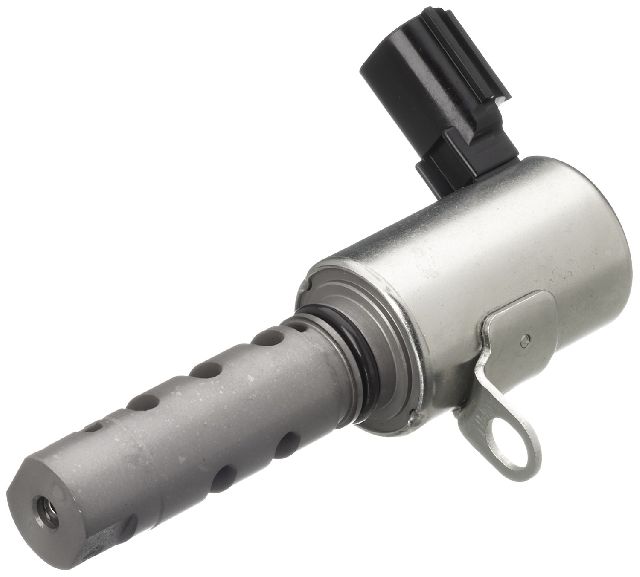
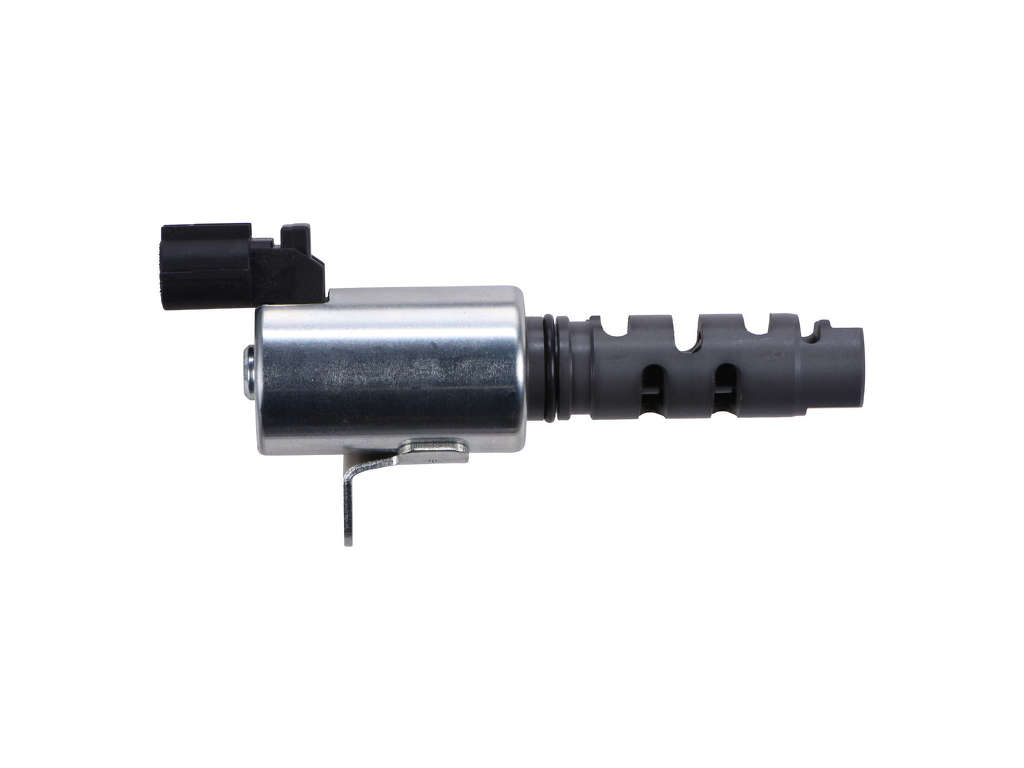
Est. part cost: $30-$70 - Faulty Bank 2 Exhaust Oil Control Valve (VVT Solenoid) 🔴 High Probability This solenoid is an electromechanical part that can get clogged with sludge or fail electrically, causing it to stick in one position. It's a very common failure point on this engine.
How to confirm: Swap the Bank 2 exhaust OCV with the Bank 2 intake OCV. They are located on the front-facing cylinder head. Clear the codes. If the code changes to P0018 (Bank 2, Intake), the OCV is bad. You can also test its resistance with a multimeter (should be 6.9-7.9 Ohms at 68°F/20°C).
Typical fix: Replace the faulty Oil Control Valve. It is located on the front-facing cylinder head (Bank 2), making it relatively accessible.
Est. part cost: $80-$150 - Clogged Oil Control Valve (OCV) Filter Screen 🟡 Medium Probability There are small mesh filters in the oil passages leading to the VVT solenoids that can become clogged with debris or sludge, restricting oil flow.
How to confirm: The filters are located in the cylinder head, often underneath the OCVs. They must be removed and visually inspected for blockage. This is often discovered after replacing an OCV does not solve the issue.
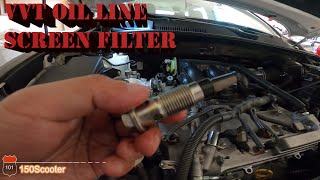
Typical fix: Carefully remove and clean the filter screen with brake cleaner, or replace it if it is damaged. In a documented case on a ToyotaNation forum, cleaning these screens solved P0017 and P0019 after OCV replacement failed to do so. 🎬 See this walkthrough on checking the VVT oil screen filters
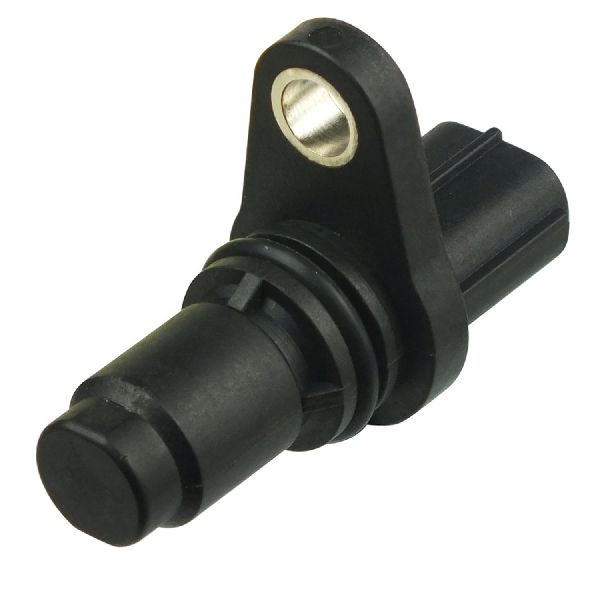
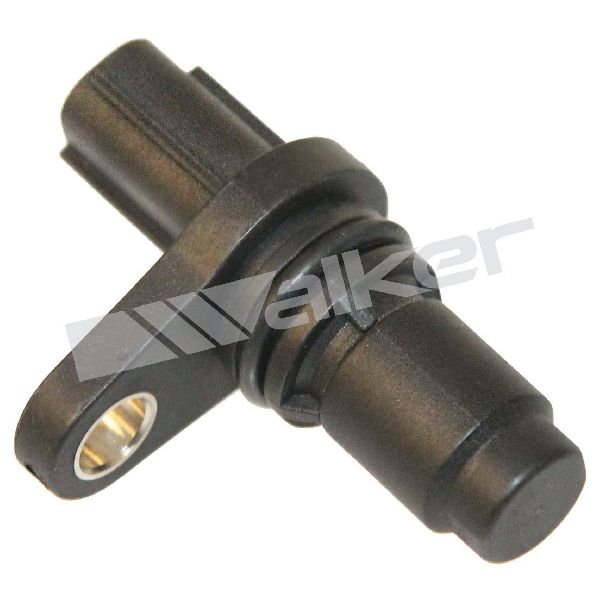
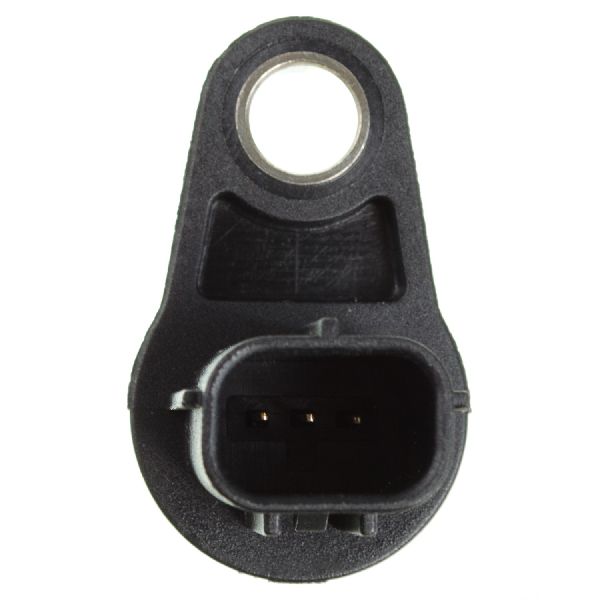
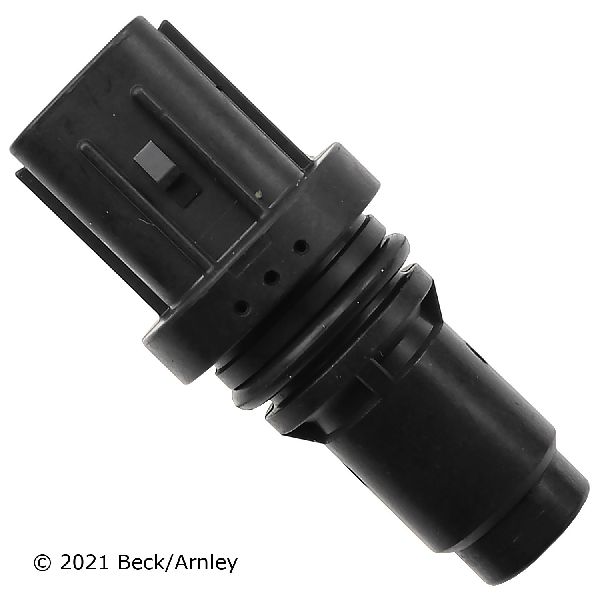
Est. part cost: $5-$15 - Faulty Bank 2 Exhaust Camshaft Position Sensor ⚪ Low Probability → Shop Engine Camshaft Position Sensor While less common than an OCV failure, the sensor that reads the camshaft's position can fail, sending an incorrect signal to the ECM.
How to confirm: The most definitive test is to swap the suspect sensor with another identical camshaft sensor on the engine (the 2GR-FE has four). If the code follows the sensor to a new location (e.g., P0017), the sensor is faulty.
Typical fix: Replace the Bank 2 exhaust camshaft position sensor.
Est. part cost: $40-$110
Rare But Worth Checking
- Stretched Timing Chain or Failed Tensioner: → Shop Engine Timing Chain This is a major mechanical issue. It should be considered only after all other possibilities (oil, solenoids, sensors) have been ruled out. This is often accompanied by rattling noises from the engine, especially on cold starts.
- Failed VVT-i Camshaft Gear (Phaser): → Shop Engine Camshaft The actuator on the camshaft itself can fail internally, getting stuck in one position. This is an expensive and labor-intensive repair that requires significant engine disassembly.
- Damaged Wiring or Connectors: Check the wiring going to the Bank 2 exhaust OCV and camshaft position sensor for any signs of fraying, corrosion, or loose connections.
Diagnosis Steps
- Check the engine oil level and condition. Top up or change the oil and filter if necessary. Use the recommended 5W-30 oil. Clear the code and see if it returns.
- Scan for any other pending or active trouble codes that could provide more clues.
- Visually inspect the wiring and connectors for the Bank 2 (front) exhaust camshaft position sensor and Oil Control Valve (OCV). Look for damage, oil contamination, or corrosion.
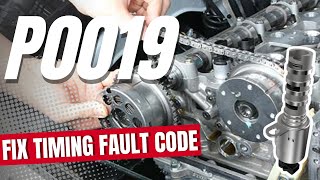
- Perform a diagnostic swap. Exchange the Bank 2 exhaust OCV (VVT solenoid) with the Bank 2 intake OCV. Clear the codes and drive the vehicle. If the code changes to P0018, the OCV you moved is faulty 🎬 Watch: How to test and fix the P0019 correlation code and needs to be replaced.
- If the code does not change, test the OCV's resistance with a multimeter. It should be between 6.9 and 7.9 ohms at room temperature (68°F/20°C).
- If the OCV and wiring are good, consider testing the camshaft position sensor, again using the swap method with another cam sensor on the engine.
- If external components are good, inspect and clean the OCV filter screens. These small filters can get clogged with sludge and are a known cause of VVT codes on the 2GR-FE.
- If all external components test good, the problem is likely internal, such as a stretched timing chain, or a faulty VVT phaser, which may require professional diagnosis.
Parts You'll Likely Need
- Engine Variable Valve Timing (VVT) Solenoid / Oil Control Valve (Bank 2 Exhaust)
(OEM #15340-0P020 (supersedes 15340-31020))— This is the most common part to fail for code P0019 after ruling out oil issues. It gets stuck or clogged, preventing proper cam timing adjustment.
Trusted brands: Denso (OEM supplier), Aisin
OEM price range: $90-$150
Aftermarket price range: $40-$90 - Camshaft Position Sensor
(OEM #90919-A5004)— If the solenoid is not the cause, a faulty sensor providing incorrect data to the ECM is the next most likely component to fail.
Trusted brands: Denso (OEM supplier), NTK, Hitachi
OEM price range: $70-$110
Aftermarket price range: $30-$80
Related Codes That Often Appear With This One
- P0017 — Crankshaft Position - Camshaft Position Correlation (Bank 1 Sensor B). If both P0017 and P0019 appear together, it may point to a common issue like low oil pressure or a stretched timing chain affecting both exhaust camshafts.
- P0018 — Crankshaft Position - Camshaft Position Correlation (Bank 2 Sensor A). This code may appear after swapping the exhaust OCV with the intake OCV for diagnostic purposes, confirming the OCV is faulty.
Technical Service Bulletins (TSBs) & Recalls
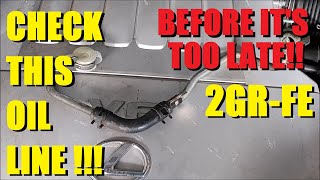
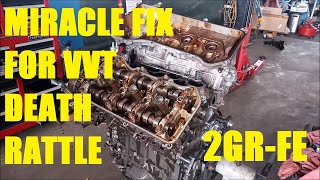
- LSC 90K - VVT-i Oil Hose Replacement: Toyota issued a Limited Service Campaign (LSC), later extended, to address the rubber VVT-i oil supply hose on Bank 1 of 2GR-FE engines, which could degrade and leak oil. This applied to 2006-2009 RAV4 V6 models. The campaign involved replacing the original hose with an improved all-metal version. While the campaign has expired, the repair is considered critical. 🎬 Watch: How to prevent engine failure by fixing the oil line
- T-SB-0094-09 - 2GR-FE Engine Ticking Noise: This TSB addresses a ticking noise from the VVT-i system, which can be related to VVT codes like P0019. It points towards potential failure of the camshaft gear assembly (phaser) itself, which is a more involved mechanical repair.
Platform-Specific Known Issues
- VVT-i Oil Line Rupture (Bank 1): Early 2GR-FE engines (approx. 2006-2009) were equipped with a VVT-i oil supply line for Bank 1 (rear bank) that contained a rubber section. This hose is known to degrade and rupture, causing catastrophic oil loss and potential engine seizure. While this issue is on Bank 1 and won't directly cause a P0019 code (Bank 2), it is a critical preventative maintenance item for any owner of an early RAV4 V6. Toyota issued a Limited Service Campaign (LSC 90K) to replace this part with an all-metal line (P/N 15772-31030). Owners should verify this has been done.
Mechanic-Grade Diagnostic Values
- Bank 2 Exhaust Oil Control Valve (OCV) Resistance — expected: 6.9 to 7.9 Ohms at 68°F (20°C). Failure: No reading (open circuit) or significantly higher/lower resistance indicates a faulty solenoid coil.
- Bank 2 Camshaft Position Sensor 'B' (Exhaust) Power Supply Voltage — expected: 4.5 to 5.0 V. Failure: Voltage outside this range at the sensor connector (with ignition ON) points to a wiring or ECM issue, not necessarily a bad sensor.
- Techstream Live Data - 'VVT Control Status' — expected: Should change from 'OFF' to 'ON' shortly after startup as the system becomes active.. Failure: If the status remains 'OFF' under conditions where it should be active, it could indicate a problem with the overall VVT system enabling criteria.
Hidden / Shadow Codes Worth Checking
- Pending DTC: Toyota's system stores a 'pending' code after a single trip where a fault is detected, before illuminating the Check Engine Light (which requires the fault to be seen on two consecutive trips). Checking for pending codes with a tool like Techstream can reveal an intermittent problem before it becomes a hard fault. (see via Using a scan tool like Toyota Techstream and navigating to the 'Trouble Codes / Pending' menu.)
- Freeze Frame Data: When a DTC is set, the ECM records a snapshot of all major sensor and engine parameter values at the exact moment the fault occurred. This data is crucial for diagnosis, as it shows the engine speed, load, temperature, etc., when the correlation fault happened. (see via Accessible via any capable OBD-II scan tool, including Techstream.)
Scan Tool Commands That Help
- Toyota Techstream: Active Test: 'Control the VVT Exhaust Linear (Bank 2)' — This bidirectional command allows the technician to manually command the Bank 2 exhaust OCV to operate. While monitoring engine RPM, activating the solenoid should cause a noticeable change in engine speed or roughness. If there is no change, it indicates a problem with the OCV, its oil passage, or the VVT phaser itself. This is a definitive way to test the hydraulic and mechanical function of the circuit after electrical checks are complete.
Wiring & Ground Locations
- Engine Harness Ground (Bank 2 Head) — On the side of the Bank 2 (front) cylinder head, underneath the throttle body area. It is a bundle of ground wires attached to a boss on the head.. A poor ground connection at this point can cause erratic voltage readings for sensors located on or near the Bank 2 cylinder head, including the camshaft position sensor and the oil control valve, potentially leading to false correlation codes.
- Bank 2 Camshaft Position Sensor Connector — On the Bank 2 (front) cylinder head, connected to the exhaust camshaft position sensor. Per wiring diagrams, this is often connector B40.. This is the direct connection point for testing sensor voltage and checking for continuity back to the ECM. Corrosion or damage here is a common cause of signal faults.
- Bank 2 Exhaust OCV Connector — On the Bank 2 (front) cylinder head, connected to the exhaust oil control valve. Per wiring diagrams, this is often connector OE2.. This is the connection point for testing the OCV's resistance and checking for the control signal from the ECM.
Real Owner Repair Stories
- YouTube Commenter on a 2GR-FE teardown video (2006 Toyota Avalon (with 2GR-FE engine)) — Check engine light with a cam/crank correlation code for Bank 1 exhaust (P0017, similar principle to P0019) after doing other maintenance.
❌ Tried (didn't work) Owner spent 20-30 hours diagnosing. A Toyota dealer spent three days and ultimately recommended a new engine.
✅ What actually fixed it The center section of the exhaust cam phaser/actuator had 'walked out,' relieving spring pressure and preventing it from returning to its 'home' position. The owner replaced only the faulty VVT phaser, which resolved the code. This was an internal mechanical failure of the phaser itself, not an oil or sensor issue. - The Car Care Nut YouTube Channel (2007 Lexus ES350 (with 2GR-FE engine)) — Engine failed with difficulty starting and horrible noises. Bent valves were confirmed.
❌ Tried (didn't work) N/A - this was a post-mortem teardown.
✅ What actually fixed it The root cause was found to be the bolts on the rear bank's intake VVT gear actuator backing out, allowing the camshaft to lose timing and cause piston-to-valve contact. While this specific failure was on the intake side, it demonstrates a known failure pattern of the VVT gear assembly bolts, which could also cause correlation codes like P0019 if it happened on an exhaust cam.
When the Usual Fixes Don't Work
- In one documented case on a 2006 Avalon with the same 2GR-FE engine, a persistent cam/crank correlation code was not fixed by oil changes or sensor swaps. A Toyota dealer diagnosed it as needing a complete engine replacement. The actual cause was an internal failure of the VVT phaser (cam gear), where the center section had shifted. The owner was able to fix the issue by replacing only the phaser, a complex but far cheaper repair than a new engine, highlighting a failure mode that standard diagnostics and even dealerships can miss.
OEM Part Supersession History
15340-31020→15340-0P020— Part revision/improvement by the manufacturer.
Heads up: The new part number is the correct replacement for the original.Rubber VVT-i Oil Supply Line (Bank 1)→All-metal VVT-i Oil Supply Line (P/N 15772-31030)— The original rubber hose was prone to rupturing, causing catastrophic oil loss. The all-metal line is a permanent solution.
Model Year Variations Within This Range
- 2006-2009: These earlier models were equipped with a rubber VVT-i oil supply line on Bank 1 that is prone to failure. Models from 2010-2012 came from the factory with an improved all-metal line. Owners of earlier models must verify that LSC 90K was performed or replace the line proactively.
Diagnostic Flowchart
Other Known Issues on This Vehicle
Issues unrelated to this code that are worth knowing about as an owner of this generation:
- VVT-i Oil Line Rupture (Bank 1) 🔴 High — Common on 2006-2009 models not yet updated. Failure is sudden and can occur at any mileage, leading to catastrophic oil loss and engine seizure. (Ref: LSC 90K)
- Water Pump Failure 🟠 Medium → Shop Engine Water Pump — Commonly reported on V6 models, often after 80,000 miles. Symptoms include coolant leaks and whining noises. Replacement is labor-intensive on the V6.
- Intermediate Steering Shaft Noise 🟡 Low — A clunking or knocking noise may develop in the steering column when turning. This is typically caused by a worn intermediate steering shaft.
- Ignition Coil Failure 🟡 Low — Failure of one or more ignition coils is a fairly common issue, leading to engine misfires and a flashing check engine light.
Used vs. New Parts: Buying Guide for This Vehicle
When a used part is the smart pick: For this specific repair, using used parts is generally not recommended. The primary failure components are electronic sensors (Cam Sensor) or electro-hydraulic valves (OCV), which have a finite lifespan and are sensitive to the oil quality and maintenance history of the donor car. The cost savings are minimal compared to the risk of the used part failing shortly after installation.
Donor-vehicle mileage cap: roughly under 100000 miles for the part to have meaningful remaining life.
What to inspect on the donor part:
- If considering a used OCV, insist on seeing the donor vehicle's maintenance history to verify regular oil changes.
- Inspect the small screen on the used OCV for any signs of sludge or metal debris. If it's not perfectly clean, do not buy it.
- For any used electronic sensor, check the plastic connector housing for brittleness or cracks, and ensure the pins are clean and straight.
OEM-only on this vehicle (don't cheap out):
- VVT Cam Gear (Phaser): This is a critical and complex timing component. Due to the known internal failure modes, only a new OEM part should be used.
- Timing Chain and Tensioners: These are wear items. Installing used timing components is never recommended and risks catastrophic engine failure.
Aftermarket brands forum-validated for this vehicle:
- Denso: They are the original equipment manufacturer (OEM) for many of Toyota's electronics, including the VVT solenoids and camshaft sensors. Choosing Denso is equivalent to buying the genuine Toyota part without the dealer markup.
- Aisin: Another major OEM supplier for Toyota, particularly for drivetrain and engine components. Their VVT solenoids are a trusted alternative.
Brands owners have reported issues with on this vehicle:
- Unnamed/white-box brands from online marketplaces. While the price is tempting, these parts often have high failure rates, incorrect specifications, and can cause more diagnostic headaches. For critical engine timing components, it is not worth the risk.
Real Owner Stories
Aggregated from forums and TSBs cited above. Mileages and costs reflect what owners reported in those sources.
2007 Toyota RAV4 3.5L V6
Symptoms: Persistent P0017 and P0019 codes occurring at the same time.
What fixed it: Removing and cleaning the VVT filter screens with brake cleaner after replacing the Oil Control Valves (OCVs) failed to resolve the issue.
Source hint: ToyotaNation Forum - 'P0017 and P0019 at the same time'
2006 Toyota RAV4 3.5L V6
Symptoms: The owner was concerned about potential catastrophic oil loss and engine seizure due to a degrading rubber supply hose.
What fixed it: Replacement of the rubber VVT-i oil supply line with an all-metal line (P/N 15772-31030) as per LSC 90K.
Source hint: LSC 90K - VVT-i Oil Hose Replacement
Related OBD-II Codes
Frequently Asked Questions
Does the VVT-i oil line recall (LSC 90K) apply to my 2006-2012 RAV4 V6?
I have a ticking noise coming from my engine along with the P0019 code; what could it be?
Can I use any oil in my RAV4 V6 to clear this code?
Where is the Bank 2 Exhaust Oil Control Valve located on the RAV4 3.5L?
How can I tell if the OCV or the Camshaft Sensor is the problem without buying parts?
I replaced the VVT solenoid but the P0019 code is still there. What should I check next?
Helpful Videos
We Have This Part in Stock

The information in this article is provided for general reference and educational purposes only. Vehicle specifications, procedures, and part compatibility can vary by production date, trim level, and region. Always consult your vehicle's factory service manual and verify part numbers before purchasing or performing repairs. Safety-critical components such as airbags, seat belts, and braking systems should be installed by a qualified professional.
- Toyota RAV4:
- 🧭 Diagnostic Flowchart
- 🎬 Helpful Videos
- 🛍️ Shop This Part
- What's Unique About the 2006-2012 Toyota RAV4
- Symptoms You May Notice
- Most Likely Causes
- Rare But Worth Checking
- Diagnosis Steps
- Parts You'll Likely Need
- Related Codes That Often Appear With This One
- Technical Service Bulletins (TSBs) & Recalls
- Platform-Specific Known Issues
- Mechanic-Grade Diagnostic Values
- Hidden / Shadow Codes Worth Checking
- Scan Tool Commands That Help
- Wiring & Ground Locations
- Real Owner Repair Stories
- When the Usual Fixes Don't Work
- OEM Part Supersession History
- Model Year Variations Within This Range
- Other Known Issues on This Vehicle
- Used vs. New Parts: Buying Guide for This Vehicle
- Real Owner Stories
- 2007 Toyota RAV4 3.5L V6
- 2006 Toyota RAV4 3.5L V6
- Related OBD-II Codes
- Frequently Asked Questions
- 🎟️ Get 5% Off