

P0021 on 2008-2012 Audi S5 4.2L V8: Causes and Fixes for Over-Advanced Camshaft Timing
For the Audi S5 4.2L V8, code P0021 is most often caused by a failing camshaft adjuster solenoid on the driver's side. Start by checking your oil level and quality, but expect to replace the solenoid (Part No. 06E109257P). If a rattle is heard on startup, the issue could be a more serious and expensive timing chain problem, a known weak point on this engine.
- P0021 on your S5 4.2L V8 means the driver's side intake camshaft timing is too far advanced.
- Always check your engine oil level and condition first; low or dirty oil is a common cause.
- The most likely fix is replacing the camshaft adjuster solenoid on the driver's side, a relatively simple and inexpensive DIY job.
- A rattling sound on cold startup is a major red flag for failing timing chain components, a very expensive engine-out repair on this specific vehicle.
- Diagnose the issue by swapping the intake solenoids between the driver's and passenger's sides before suspecting a more serious mechanical problem.
What's Unique About the 2008-2012 Audi S5
The CAUA 4.2L V8 in the B8-generation S5 is a complex, chain-driven FSI (Fuel Stratified Injection) engine where the variable valve timing system is critical for performance. While the most common cause for P0021 is a simple-to-replace solenoid, this engine is also known for two significant related issues: timing chain guide failure and severe carbon buildup on intake valves. The timing chains are located at the rear of the engine, meaning a failure of the guides or tensioners—a potential cause of this code—requires engine removal for service, making it an extremely expensive repair. Therefore, proper diagnosis using tools like VCDS to check camshaft deviation values is critical to differentiate between a minor solenoid fault and a major mechanical issue.
Symptoms You May Notice
- Check Engine Light (CEL) illuminated
- EPC (Electronic Power Control) light may illuminate, sometimes limiting RPM
- Rough idle or stalling at stops
- Reduced engine power and hesitation during acceleration
- Poor fuel economy
- Rattling noise from the rear of the engine on cold starts, which may indicate timing chain tensioner issues. This sound typically lasts 1-2 seconds. 🎬 Listen: What a failing timing chain rattle sounds like
- Replacing the camshaft position sensor first. While it's a possibility, the camshaft adjuster solenoid is a much more common failure point for this specific code.
- Assuming the worst (timing chains) without proper diagnosis. Always start with the simple and cheap fixes like checking oil and testing the solenoid before concluding a major engine-out service is needed.
- Ignoring the code after a solenoid swap doesn't fix it. If P0021 returns after a new solenoid is installed, it points to a more serious mechanical issue with the phaser or timing system that needs to be addressed.
Most Likely Causes
- Faulty Camshaft Adjuster Solenoid (Oil Control Valve / N208) 🔴 High Probability → Shop Engine Camshaft These solenoids (Audi part #06E109257P) control oil flow to the cam phasers and are a frequent failure point across many Audi engines. They can get clogged with oil sludge or fail electrically, causing them to stick.
How to confirm: Swap the Bank 2 (driver's side) intake solenoid with the Bank 1 (passenger's side) intake solenoid. Clear the codes and drive. If the code changes to P0011 (the equivalent code for Bank 1), the solenoid is confirmed faulty. You can also test the solenoid's resistance with a multimeter; a healthy reading is typically between 6.9 and 20 ohms, though a mechanically stuck solenoid can still test good electrically.
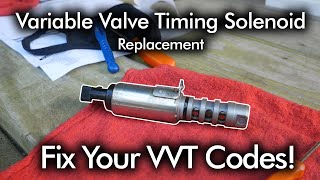
Typical fix: Replace the faulty camshaft adjuster solenoid. It is held in by a single Torx bolt 🎬 Watch: How to replace and test the cam adjuster solenoid and is accessible on the front of the engine.
Est. part cost: $50-$150 - Low or Dirty Engine Oil 🟡 Medium Probability The VVT system is operated by oil pressure. These engines can consume oil, and if the level drops too low, VVT operation is one of the first things affected. Old or incorrect viscosity oil can also form sludge, clogging the small passages in the VVT solenoids and phasers.
How to confirm: Check the engine oil level via the MMI system (most of these cars do not have a physical dipstick). Inspect the oil's condition and verify the service history. If the oil is low, dark, or sludgy, or if the wrong type is being used (must be VW 502 00 spec), this is a likely contributor.
Typical fix: Top up the oil to the correct level or perform a complete oil and filter change using a high-quality, manufacturer-approved oil (e.g., VW 502 00 spec).
Est. part cost: $70-$120 - Failing Timing Chain Tensioners or Guides ⚪ Low Probability → Shop Engine Timing Chain The plastic timing chain guides on the 4.2L V8 are a known weak point and can become brittle and break apart over time. While the B8 S5's V8 is considered more robust than the preceding B6/B7 S4's V8, guide failure is still a documented issue. Failed tensioners can also cause chain slack, leading to incorrect timing readings.
How to confirm: Listen for a 1-2 second rattle from the back of the engine on a cold start. This is a classic sign of failing tensioners allowing oil pressure to bleed down. A definitive diagnosis requires checking camshaft/crankshaft correlation (cam phase adaptation) with a diagnostic tool like VCDS. Values exceeding -4.0° are a strong indicator of significant stretch/wear. Physical inspection requires engine removal.
Typical fix: This is a major repair that requires removing the engine to access the rear timing components. The job involves replacing all timing chains, tensioners, and guides. It is extremely labor-intensive, with shop quotes often exceeding $7,000.
Est. part cost: $1000-$2500
Rare But Worth Checking
- Failing Camshaft Adjuster (Phaser): → Shop Engine Camshaft This is the mechanical gear on the end of the camshaft. The internal locking pin can fail, or it can become clogged with debris (sometimes from a disintegrating solenoid screen), causing it to get stuck in an advanced position. This is less common than a solenoid failure but a known issue, sometimes addressed by TSBs on similar engines. Replacement is a significant labor cost.
- Faulty Camshaft Position Sensor: → Shop Engine Camshaft Position Sensor While possible, a faulty sensor is more likely to throw a different code related to sensor circuit failure (e.g., P0346). However, if it provides an erratic but plausible signal, it could contribute to a P0021 code. Swapping sensors between banks is a good diagnostic step.
- Severe Carbon Buildup: The FSI direct injection design causes significant carbon buildup on the intake valves, as fuel is never sprayed over them to clean them. While not a direct cause of P0021, severe buildup can restrict airflow, leading to rough running and potentially exacerbating other issues that could trigger timing-related faults. If the engine has over 60,000 miles and has never been carbon cleaned, it's a likely contributing factor to poor performance. 🎬 See how a carbon clean fixes misfires and performance issues
Diagnosis Steps
- Check the engine oil level and condition. Top up or change if necessary. Ensure the correct oil (VW 502 00 specification) is being used.
- Scan the vehicle with a VAG-specific tool like VCDS or OBDeleven. Check for any other stored trouble codes and save the full scan.
- Listen for any rattling noises from the rear of the engine during a cold start. A brief 1-2 second rattle points towards timing chain tensioner issues.
- Swap the Bank 2 (driver's side) intake camshaft adjuster solenoid with the Bank 1 (passenger's side) intake solenoid. They are identical parts (06E109257P) and easily accessible.
- Clear the codes and drive the vehicle. If the code returns as P0011, the solenoid you moved is faulty and needs to be replaced.
- If the P0021 code returns, the issue is not the solenoid. Inspect the wiring and connector for the Bank 2 solenoid.
- If wiring is good, use VCDS to monitor 'Advanced Measuring Values' for the camshafts. Search for 'Camshaft adjustment: inlet phase: bank 2'. At idle, a healthy engine should show a value between 0° and -3°. Values approaching -4.0° or higher indicate significant timing chain stretch or guide/tensioner problems.
- If cam phase values are normal but the code persists, the issue may be a mechanically failed (stuck) camshaft adjuster/phaser. This requires professional diagnosis and significant disassembly to confirm and repair.
Parts You'll Likely Need
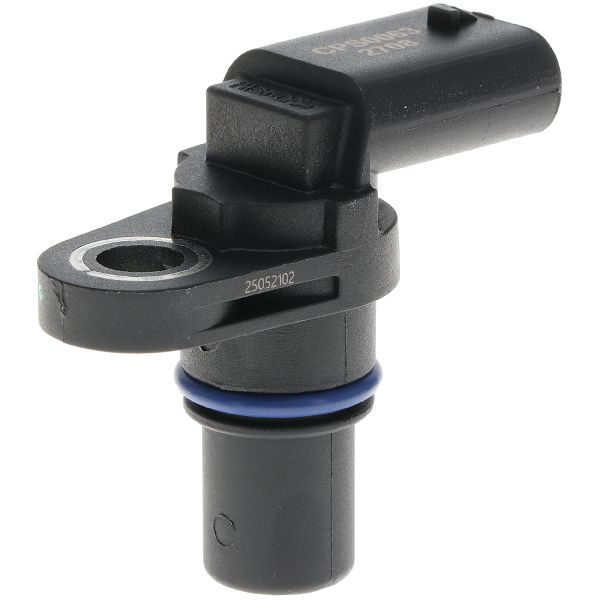
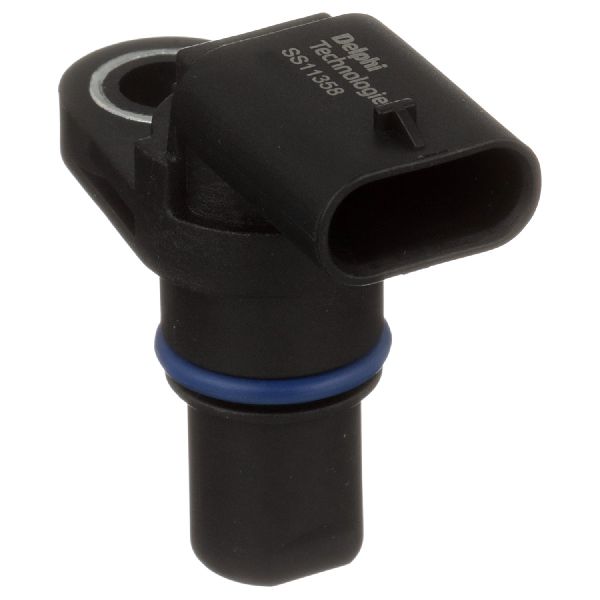
- Camshaft Adjuster Solenoid (Oil Control Valve)
(OEM #06E109257P)— This is the most frequent cause of code P0021 on this engine. It's an electro-hydraulic valve that is prone to clogging and electrical failure. It is also referred to as the N205/N208 valve.
Trusted brands: Audi Genuine, Bosch, Febi Bilstein
OEM price range: $100-$150
Aftermarket price range: $50-$90
Related Codes That Often Appear With This One
- P0011 — This is the identical code but for Bank 1 (passenger side). If you swap a faulty Bank 2 solenoid to Bank 1 as a diagnostic step, this code will appear, confirming the solenoid is the problem. If both appear without swapping parts, it strongly suggests a systemic problem like low oil pressure or severe oil sludge.
- P0300, P0305, P0306, P0307, P0308 — These are misfire codes for Bank 2 cylinders (5, 6, 7, 8). Incorrect camshaft timing disrupts the air/fuel mixture and combustion process, causing the engine to misfire on the affected bank.
Platform-Specific Known Issues
- The timing chain system on the 4.2L V8 is located at the rear of the engine, against the firewall. Any service to the chains, guides, or tensioners requires the entire engine and transmission to be removed from the vehicle, resulting in extremely high labor costs (30+ hours).
- The plastic t
Mechanic-Grade Diagnostic Values
- Camshaft Adjuster Solenoid (N208) Resistance — expected: 8 to 13 Ω. Some sources cite a wider range of 6.9 to 20 Ohms.. Failure: A reading outside the specified range, or an open/short circuit. Note that a solenoid can be mechanically stuck even if its resistance is within spec.
- VCDS Camshaft Adaptation Value (Phase Position) — expected: At warm idle, check 'Camshaft adjustment: inlet phase: bank 2'. A healthy value is between 0° and -4°.. Failure: A value that deviates to -8° or beyond strongly indicates stretched timing chains or failing guides/tensioners requiring major service.
Scan Tool Commands That Help
- VCDS (VAG-COM): Output Test for Camshaft Adjustment Valve (N208) — This bidirectional test allows you to command the solenoid to activate while the engine is running at idle. A functioning solenoid will cause the engine to hesitate or stall, confirming the solenoid is mechanically capable of moving. If the engine note does not change, the solenoid is either stuck, clogged, or not receiving the signal, helping to isolate the fault.
- VCDS (VAG-COM): Advanced Measuring Values — Used to monitor the 'requested' vs 'actual' camshaft position in real-time. For P0021, you would monitor Bank 2 Intake. This is critical for seeing if the deviation occurs only at certain RPMs or temperatures, and for definitively diagnosing timing chain stretch by observing the phase adaptation value at idle.
Wiring & Ground Locations
- Engine Block Ground Strap — A primary ground strap connects the engine block or cylinder head directly to the chassis frame or firewall.. A poor engine ground can cause erratic behavior in all engine sensors and actuators, including the camshaft position sensors and adjuster solenoids. It can introduce electrical noise and voltage drops, leading to incorrect readings and intermittent fault codes that are difficult to diagnose.
- Ground Connection (12) — Located in the engine compartment on the left side, on the left front long member/frame rail.. This is a major grounding point for the engine compartment wiring harness. Corrosion or a loose connection here can affect multiple systems, including the Engine Control Module and its related sensors/solenoids responsible for camshaft timing.
- Camshaft Adjuster Valve 2 (N208) Connector — On the front of the Bank 2 (driver's side) cylinder head. To access it, the coolant reservoir may need to be unbolted and set aside.. This is the specific electrical connector for the component most likely to cause P0021. It should be checked for oil contamination, corrosion, or damaged pins before replacing the solenoid itself.
Real Owner Repair Stories
- AudiWorld Forums User (2004 Audi S4 4.2L V8 (B6 chassis, similar VVT system)) — P0021 fault code.
❌ Tried (didn't work) Initial diagnosis pointed towards a faulty N208 solenoid.
✅ What actually fixed it The N208 valve (solenoid) eventually failed completely. Upon removal, the cause was found to be a piece of the solenoid's own screen mesh breaking off and physically jamming the valve, which also restricted oil flow. The fix was to replace the solenoid and perform an oil change to flush any remaining debris. - NHTSA ODI #10262201 (Audi S4 with similar 4.2L V8) — An owner reported experiencing misfires on cylinders 4, 5, 6, and 7 alongside a P0021 code indicating "cam timing adjust bank 2 not reached."
OEM Part Supersession History
06E109257J→06E109257P— Part revision/update. The -P revision is the most current version recommended for replacement.
Heads up: While older revisions may fit, it is always recommended to use the latest part number (06E109257P) to benefit from any design or material improvements made to address the original failure modes.
Diagnostic Flowchart
Other Known Issues on This Vehicle
Issues unrelated to this code that are worth knowing about as an owner of this generation:
- Intake Valve Carbon Buildup 🔴 High — Considered a guaranteed maintenance item. Noticeable performance loss can occur as early as 40,000-60,000 miles. Service is required periodically.
- Front Control Arm Bushing Failure 🟠 Medium — Extremely common. Bushings often show cracks by 50,000 miles and cause noticeable clunking or poor handling by 70,000 miles. It's recommended to replace all arms as a kit. (Ref: A TSB was issued for the lower control arms on early 2008-2009 models due to bushing material.)
- Excessive Oil Consumption 🟠 Medium — Many owners report consuming 1 quart of oil every 1,000-3,000 miles, which Audi may consider 'within spec'. It becomes a problem if not monitored, as low oil levels will trigger VVT codes like P0021.
- Timing Chain Guide & Tensioner Wear 🔴 High → Shop Engine Timing Chain — Less frequent than on the B7 S4, but still a major concern. Cold start rattle is the first sign. Failure can occur anytime after 80,000 miles and is an engine-out, multi-thousand dollar repair.
Used vs. New Parts: Buying Guide for This Vehicle
When a used part is the smart pick: For this specific repair, buying used parts is generally not recommended. The primary failure component, the camshaft adjuster solenoid, is a wear item with internal seals and screens that degrade. A used solenoid carries a high risk of being clogged, having a damaged screen, or having a limited remaining lifespan. The only exception might be a low-mileage wiring harness connector if the original is physically damaged.
Donor-vehicle mileage cap: roughly under 30000 miles for the part to have meaningful remaining life.
What to inspect on the donor part:
- Verify the part number is the latest revision (06E109257P).
- For a connector, ensure there is no brittleness in the plastic and the locking tab is intact.
- Ask for photos of the solenoid tip to ensure the screen is intact and clean, though this is no guarantee of internal condition.
OEM-only on this vehicle (don't cheap out):
- Camshaft Adjuster Solenoid (N208)
- Timing Chain Components (Chains, Tensioners, Guides)
Aftermarket brands forum-validated for this vehicle:
- Bosch (Often the OEM supplier)
- Febi Bilstein
Brands owners have reported issues with on this vehicle:
- Unnamed, no-brand parts from online marketplaces should be avoided, as the internal valve tolerances are critical for correct VVT operation.
Real Owner Stories
Aggregated from forums and TSBs cited above. Mileages and costs reflect what owners reported in those sources.
2011 Audi S5 4.2L V8 — 60000 miles
Symptoms: Owner reported the car was generally reliable but required maintenance for carbon cleaning, a hood strut, and a coolant expansion tank; notes that timing chains are a concern but not a guaranteed failure at this mileage.
What fixed it: Preventative maintenance including carbon cleaning and monitoring for issues.
Source hint: Reddit r/Audi - B8 Audi S5 4.2 V8 Reliability Thread
2011 Audi S5 4.2L V8
Symptoms: Misfiring on Bank 1 only; ECU disables injectors on misfiring cylinders to protect catalysts.
What fixed it: Extensive diagnostic process including checking data logs and VCDS advanced measurement values.
Source hint: Audizine Forums - Thread: '2011 S5 4.2 V8 misfiring on Bank 1 only'
2009 Audi S5 4.2L V8
Symptoms: P0021 code present; owner checked solenoids and sensors but needed to verify timing chain stretch.
What fixed it: Checking camshaft/crankshaft correlation (cam phase adaptation) via VCDS 'Advanced Measurement Values' to confirm chain stretch.
Source hint: Ross-Tech Forums - Thread: 'Checking chain/camshaft readings via advanced measurement values VCDS'
Related OBD-II Codes
Frequently Asked Questions
How can I tell if my P0021 code is caused by a faulty solenoid or a more serious timing chain issue on my S5?
I hear a brief rattling noise from the back of my 4.2L V8 engine on cold starts. Is this related to P0021?
Does the 2008-2012 Audi S5 have a dipstick to check the oil level for VVT issues?
Is it true that the engine has to be removed to fix timing chain guides on the CAUA engine?
What is the correct oil specification for the Audi S5 4.2L V8 to prevent VVT solenoid clogging?
Can a mechanically stuck solenoid still pass an electrical resistance test?
Helpful Videos
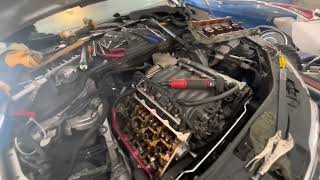
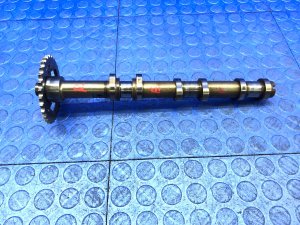
Used OEM Parts in Stock
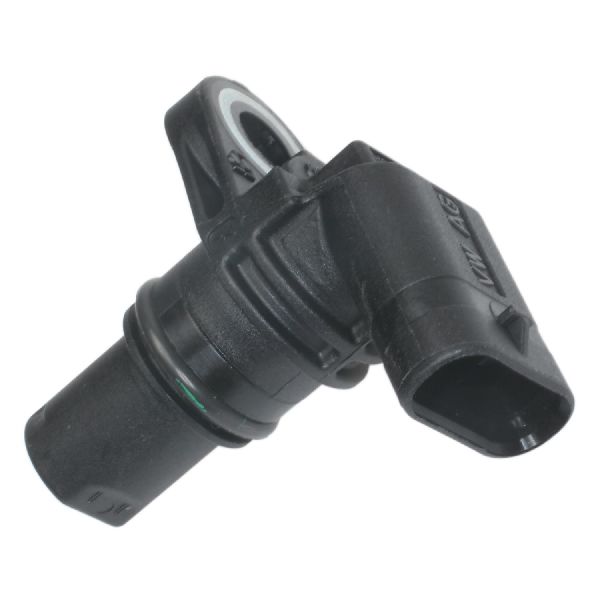
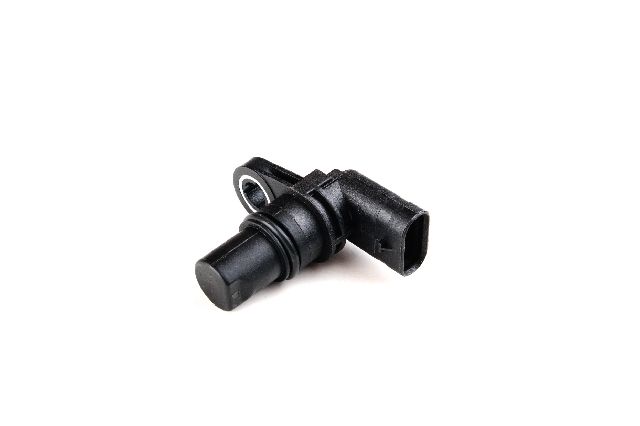
New Aftermarket Parts Available


The information in this article is provided for general reference and educational purposes only. Vehicle specifications, procedures, and part compatibility can vary by production date, trim level, and region. Always consult your vehicle's factory service manual and verify part numbers before purchasing or performing repairs. Safety-critical components such as airbags, seat belts, and braking systems should be installed by a qualified professional.
- Audi S5:
- 🧭 Diagnostic Flowchart
- 🎬 Helpful Videos
- 🛍️ Shop This Part
- What's Unique About the 2008-2012 Audi S5
- Symptoms You May Notice
- Most Likely Causes
- Rare But Worth Checking
- Diagnosis Steps
- Parts You'll Likely Need
- Related Codes That Often Appear With This One
- Platform-Specific Known Issues
- Mechanic-Grade Diagnostic Values
- Scan Tool Commands That Help
- Wiring & Ground Locations
- Real Owner Repair Stories
- OEM Part Supersession History
- Other Known Issues on This Vehicle
- Used vs. New Parts: Buying Guide for This Vehicle
- Real Owner Stories
- 2011 Audi S5 4.2L V8 — 60000 miles
- 2011 Audi S5 4.2L V8
- 2009 Audi S5 4.2L V8
- Related OBD-II Codes
- Frequently Asked Questions
- 🎟️ Get 5% Off