

P0021 on 2012-2015 Cadillac SRX 3.6L: Camshaft Timing Causes and Fixes
On a 2012-2015 Cadillac SRX, P0021 is most often caused by a faulty Bank 2 intake camshaft actuator solenoid, a relatively inexpensive part. However, it must be taken seriously as it can also be a symptom of stretched timing chains, a very common and expensive repair on this engine, often costing over $2,500 and sometimes exceeding $4,000 at a dealership.
- First, check your engine oil. Low or dirty oil is a simple but common cause for this code.
- P0021 refers to the intake camshaft on Bank 2, which is the cylinder bank closer to the radiator on an SRX.
- The most likely part to fail is the camshaft actuator solenoid, which is an affordable and accessible repair for many DIYers.
- Be aware that this code can be an early warning for stretched timing chains, a known, severe, and expensive problem with the 3.6L V6 engine.
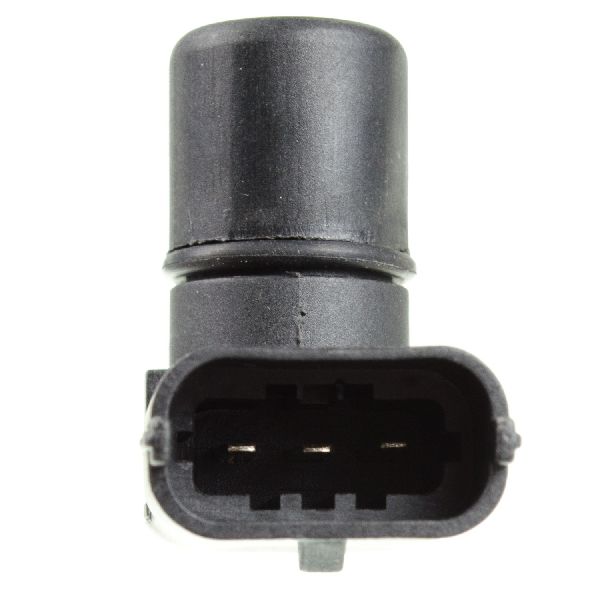
- Do not replace the camshaft position *sensor* to fix this code; the fault is almost always the *solenoid* or a mechanical timing issue.
What's Unique About the 2012-2015 Cadillac SRX
The 3.6L LFX V6 engine used in the second-generation Cadillac SRX is infamous for premature timing chain stretching, though improvements were made over the earlier LLT engine. While P0021 can be a simple solenoid issue on many vehicles, on this specific platform, it must be taken seriously as a potential early indicator of timing chain failure. 🎬 Watch: A breakdown of P0021 causes and diagnostic steps. The issue was prevalent enough that GM issued multiple Technical Service Bulletins (TSBs) for timing-related codes. Owner complaints and forum discussions frequently cite this code in relation to an eventual, and costly, timing chain diagnosis. [NHTSA ODI #11244964]
Diagnostic Flowchart
Tap your situation to follow the diagnostic path that matches what you're seeing on this vehicle.
Symptoms You May Notice
- Check Engine Light is on
- Rough or unstable idle
- Engine hesitation or stumbling during acceleration
- Stalling, especially when coming to a stop
- Reduced fuel economy
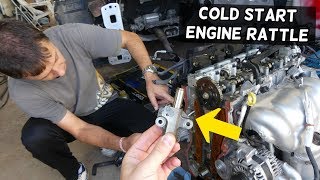
- Engine rattling noise, particularly on cold startups, which is a strong indicator of timing chain guide or tensioner wear.
- Replacing the camshaft position *sensor* when the actual fault is with the camshaft position *actuator solenoid*. The sensor reads the position, but the solenoid controls it. The provided owner complaint ODI #11244964 and multiple DIY videos highlight this exact scenario.
Most Likely Causes
- Low or Dirty Engine Oil 🔴 High Probability The VVT system is entirely dependent on clean oil at the correct pressure to function. The 3.6L engine's history of timing chain wear is often linked to extended oil change intervals recommended by the oil life monitor, which can lead to oil degradation and sludge formation.
How to confirm: Check the engine oil level on the dipstick and inspect its condition. If it is low, excessively dark, or appears sludgy, this is a likely contributor. An oil change is the cheapest and easiest first step.
Typical fix: Perform an oil and filter change using a high-quality full synthetic oil meeting GM's dexos1 specification in the correct viscosity (5W-30). Clear codes and see if P0021 returns.
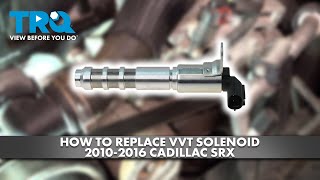
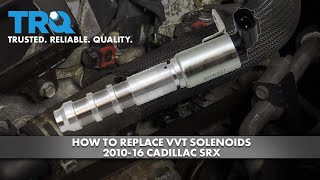
Est. part cost: $50-$100 - Faulty Bank 2 Intake Camshaft Position Actuator Solenoid 🔴 High Probability → Shop Engine Camshaft These solenoids can become clogged with debris from dirty oil or fail electrically. GM issued TSB PIP5096C indicating that for certain engine builds, a specific 'service' solenoid from a different supplier should be used to correct clearance issues that cause this code. This is a very common failure point.
How to confirm: A common diagnostic technique is to swap the Bank 2 intake solenoid with the Bank 2 exhaust solenoid. Clear the codes and run the engine. If the trouble code changes to P0024 (Exhaust Camshaft Position System Performance Bank 2), the solenoid is confirmed to be faulty.
Typical fix: Replace the Bank 2 (front, radiator side) intake camshaft actuator solenoid. Per TSB PIP5096C, do not simply swap the solenoid from another location as a permanent fix; a new 'service' part should be installed.
Est. part cost: $30-$70 - Stretched Timing Chains 🟡 Medium Probability → Shop Engine Timing Chain This is a widely documented design weakness of the GM High Feature V6 engine family, including the LFX. While improved from the earlier LLT engine, the chains can still stretch over time, causing slack that the hydraulic tensioners cannot compensate for. This causes the camshaft timing to deviate from what the ECM expects, setting codes like P0021.
How to confirm: This is a diagnosis of exclusion, typically confirmed after ruling out oil issues and faulty solenoids. A mechanic will use a scan tool to observe a persistent, significant deviation between desired and actual cam angles that doesn't resolve with solenoid replacement. A rattling noise on startup is a strong clue. Physical inspection during teardown is the ultimate confirmation.
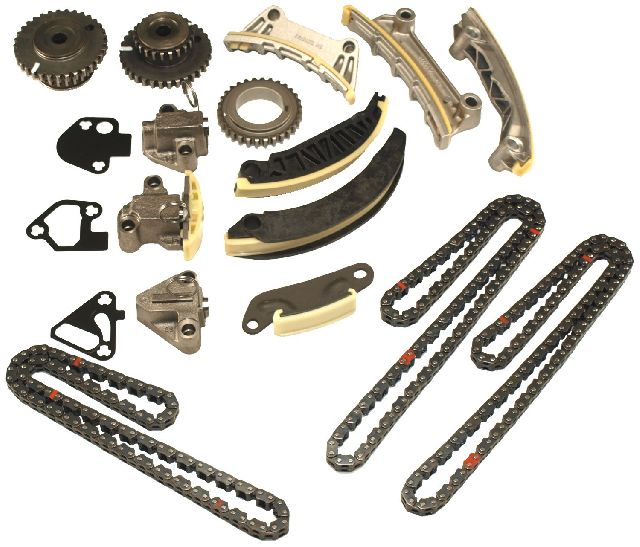
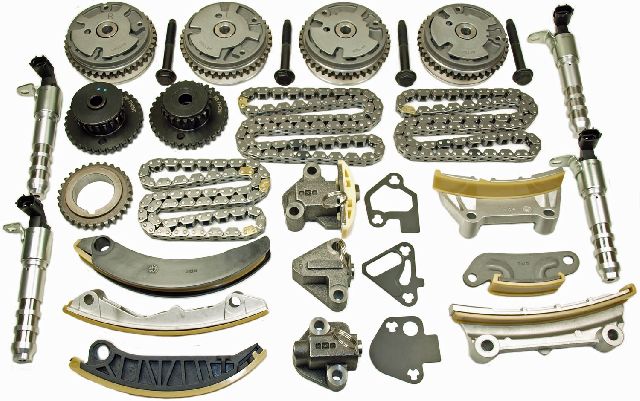
Typical fix: Replacement of all three timing chains, along with the tensioners, guides, and often the water pump and VVT phasers. This is a very labor-intensive job requiring 12-15 hours of labor.
Est. part cost: $400-$800 for a full kit
Rare But Worth Checking
- Faulty Camshaft Phaser (Actuator Gear): → Shop Engine Camshaft The mechanical actuator gear on the end of the camshaft can fail internally or get stuck in an advanced position. This is less common than solenoid or chain failure but is often replaced during a timing chain job as a preventative measure.
- Faulty Camshaft Position Sensor: → Shop Engine Camshaft Position Sensor While possible, it's more likely to be the solenoid that controls the timing rather than the sensor that reads it. An owner complaint (ODI #11244964) specifically mentions that replacing sensors did not fix the problem, which was later diagnosed as the timing chain.
- Excessive Camshaft End Play: → Shop Engine Camshaft A GM technical bulletin mentions that excessive end play (back and forth movement) of the camshaft can cause various timing codes, including P0021. This requires a more involved mechanical repair to correct.
Diagnosis Steps
- Verify engine oil level and condition. If low or dirty, perform an oil change with 5W-30 full synthetic oil and a new filter. Clear the code and test drive.
- Using a capable OBD-II scanner, check for any other stored trouble codes. Codes like P0008 or P0017 point more directly to timing chains.
- Monitor the desired vs. actual camshaft position angles for the Bank 2 intake camshaft. A large, persistent deviation that does not correct itself is a key indicator of a problem.
- Locate the Bank 2 (radiator side) intake and exhaust camshaft actuator solenoids. They are held in by a single 10mm bolt each. Swap their positions.
- Clear the codes and run the engine. If the code changes to P0024 (for the exhaust cam), the solenoid you moved is faulty and must be replaced.
- If the code P0021 returns after the swap, the issue is not the solenoid. Inspect the wiring and connector for the Bank 2 intake solenoid for damage or oil contamination.
- If the wiring is good and the oil and solenoid have been ruled out, the diagnosis shifts to a mechanical fault. At this point, a stretched timing chain is the most probable cause and professional service is highly recommended.
Parts You'll Likely Need
- Camshaft Position Actuator Solenoid (OCV)
(OEM #12655420 (Intake), 12655421 (Exhaust))— This is the most common and least expensive fix. It's a control valve that gets clogged or fails. TSB PIP5096C directly addresses replacing this part for this code. Note that intake and exhaust solenoids have different part numbers.
Trusted brands: ACDelco (GM OE), Delphi, Dorman
OEM price range: $40-$60
Aftermarket price range: $25-$45 - Timing Chain Kit
(OEM #12700436 (GM Genuine Kit))— If the solenoid and oil are not the cause, stretched timing chains are the next likely culprit, a well-known issue on the 3.6L LFX engine. A complete kit should be used.
Trusted brands: ACDelco (GM OE), Cloyes
OEM price range: $500-$800
Aftermarket price range: $300-$500
Related Codes That Often Appear With This One
- P0011 — This is the equivalent code for Bank 1 intake camshaft timing. Both can appear if the issue is systemic, like low/dirty oil or widespread timing chain stretch.
- P0014 — This code is for the Bank 1 exhaust camshaft. It can appear with P0021 if there are widespread timing or oil pressure problems.
- P0024 — This code is for the Bank 2 exhaust camshaft. It may appear if the diagnostic step of swapping the intake and exhaust solenoids is performed, confirming the original intake solenoid was faulty.
- P0008, P0016, P0017, P0018 — These are crank-to-cam correlation codes. Their presence alongside P0021 is a very strong indication that a stretched timing chain is the root cause, as the ECM is detecting a fundamental timing mismatch between the crankshaft and camshafts. [16, NHTSA ODI #11244964]
Technical Service Bulletins (TSBs) & Recalls
- PIP5096C: Addresses codes P0011, P0014, P0021, P0024. Advises that if no other drivability issues are present, a special 'service' solenoid from a different supplier may be required to fix the code due to clearance issues.
- PIP5029: (Mentioned in other diagnostics) Relates to valve sealing concerns found during a cylinder leakage test.
- General Bulletins: Other bulletins exist related to excessive camshaft end play and PCM software updates that can cause these codes.
Platform-Specific Known Issues
- Premature Timing Chain Stretch: The 3.6L V6 engine family is notorious for this issue, often attributed to the original chain design and potentially long oil change intervals. While the LFX is an improvement over the earlier LLT, the problem persists and is the most significant vehicle-specific issue related to code P0021.
- TSB PIP5096C: This bulletin specifically addresses codes P0011, P0014, P0021, and P0024 on 2012-2015 SRX models (among others). It advises that if there are no other drivability issues, a specific 'service' solenoid valve may be required to fix the problem due to manufacturing tolerance differences. It explicitly states not to just swap solenoids as a permanent fix.
Helpful Videos
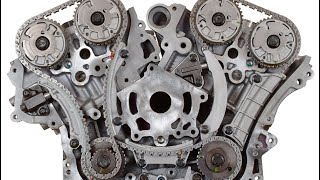
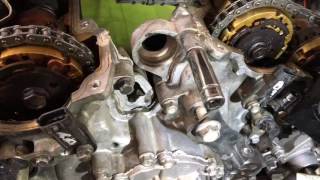
We Have This Part in Stock
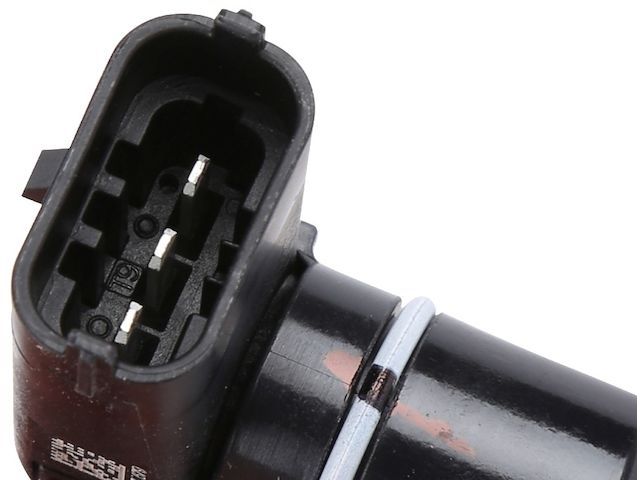

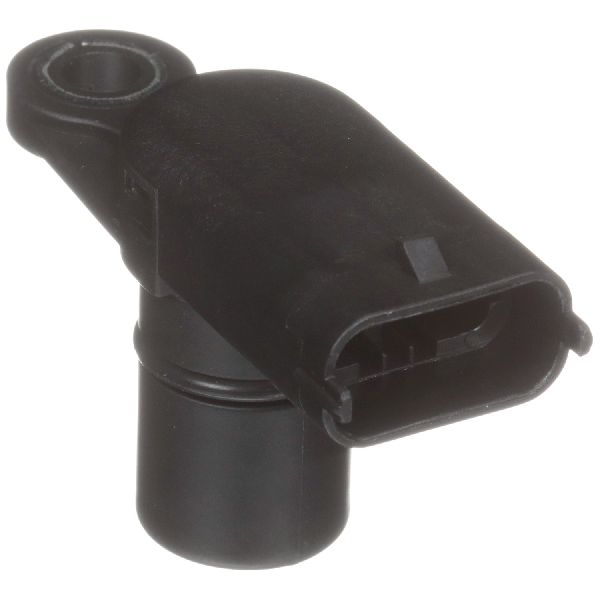

The information in this article is provided for general reference and educational purposes only. Vehicle specifications, procedures, and part compatibility can vary by production date, trim level, and region. Always consult your vehicle's factory service manual and verify part numbers before purchasing or performing repairs. Safety-critical components such as airbags, seat belts, and braking systems should be installed by a qualified professional.
- Cadillac SRX:
- 🧭 Diagnostic Flowchart
- 🎬 Helpful Videos
- 🛍️ Shop This Part
- What's Unique About the 2012-2015 Cadillac SRX
- Symptoms You May Notice
- Most Likely Causes
- Rare But Worth Checking
- Diagnosis Steps
- Parts You'll Likely Need
- Related Codes That Often Appear With This One
- Technical Service Bulletins (TSBs) & Recalls
- Platform-Specific Known Issues
- 🎟️ Get 5% Off