

P0021 on 2012-2015 Chevrolet Captiva 3.0L V6: Cam Timing Over-Advanced Causes and Fixes
On a 2012-2015 Captiva with the 3.0L V6, code P0021 is most often caused by low/dirty engine oil or a faulty Bank 2 intake camshaft actuator solenoid. Always check your oil first; if the level and quality are good, the solenoid is the next likely culprit, costing around $40-$80 for the part. In some cases, a specific updated solenoid is required per a GM TSB. If a rattling noise is present, suspect a more serious stretched timing chain.
- Your first and cheapest step is to check your engine oil. Low or dirty oil is the #1 cause of this code.
- The Bank 2 intake camshaft actuator solenoid is the most likely part to have failed. It's located on the front of the engine (radiator side) and is a relatively easy DIY replacement.
- If you also have codes like P0009 or P0018, it strongly suggests a more serious stretched timing chain, which is a known issue on this engine and requires professional repair.
- Do not immediately replace the camshaft position sensor; it is almost always reporting a real problem rather than failing itself.
What's Unique About the 2012-2015 Chevrolet CAPTIVA
The Chevrolet Captiva uses the GM High Feature (HFV6) engine family, specifically the 3.0L LFW V6. While the code itself is generic, this engine platform has specific known weaknesses. GM issued a Technical Service Bulletin (TSB #PIP5096C) that directly addresses this code, sometimes recommending a specific updated camshaft actuator solenoid from a different supplier, suggesting the original parts had clearance issues. Additionally, this entire engine family (including the related 3.6L) is notorious for premature timing chain stretch, which is a more severe and highly probable cause for this code compared to other vehicles.
Diagnostic Flowchart
Tap your situation to follow the diagnostic path that matches what you're seeing on this vehicle.
Symptoms You May Notice
- Check Engine Light is on
- Rough or unstable engine idle
- Engine stalling, especially at low speeds or when stopping
- Noticeable loss of power and sluggish acceleration
- Increased fuel consumption
- Rattling, scraping, or ticking noise from the engine, particularly on a cold start that may last a few seconds
- Engine may be hard to start or require long crank times
- Replacing the camshaft position sensor first. The sensor is usually just the messenger; the problem is typically mechanical or hydraulic (oil-related). This is a common wasted expense on this engine.
- Replacing the camshaft phaser when only the solenoid is bad. Always diagnose the simpler, cheaper solenoid first before assuming the more complex phaser has failed.
- Performing only an oil change when the timing chain has already stretched. While dirty oil is a cause, once the chain is stretched, an oil change will not fix the slack.
Most Likely Causes
- Low or Dirty Engine Oil 🔴 High Probability The Variable Valve Timing (VVT) system is entirely dependent on oil pressure and cleanliness to function. The small passages in the camshaft actuator solenoids are easily clogged by sludge from old oil or starved by low oil levels. The HFV6 engine family can also be prone to oil consumption, making it easier for the level to drop unexpectedly.
How to confirm: Check the engine oil dipstick. The oil level should be within the full range, and the oil should be amber/brown, not black, thick, or gritty. Finding fine metal shavings in the oil is a strong indicator of timing chain wear.
Typical fix: Perform an oil and filter change using the manufacturer-recommended full synthetic dexos-approved 5W-30 oil. Clear codes and re-test.
Est. part cost: $40-$80 - Faulty Bank 2 Intake Camshaft Position Actuator Solenoid (VVT Solenoid) 🔴 High Probability → Shop Engine Camshaft TSB #PIP5096C specifically points to issues with the original solenoids on these engines, recommending replacement with an updated part if the code appears without other drivability problems. The bulletin warns technicians *not* to simply swap the solenoid in certain cases, as the replacement part is from a different supplier to correct a clearance issue. The solenoid can get stuck from oil debris or fail electrically.
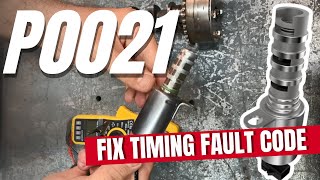
How to confirm: Swap the Bank 2 intake solenoid with the Bank 1 intake solenoid. Clear the codes and drive the vehicle. If the code changes to P0011 (the Bank 1 equivalent), the solenoid is bad. You can also test the solenoid's resistance with a multimeter; a healthy intake solenoid should read between 6 and 12 Ohms.
Typical fix: Replace the Bank 2 (front, radiator side) intake camshaft actuator solenoid. It is held in by one bolt and is accessible after removing the engine cover.
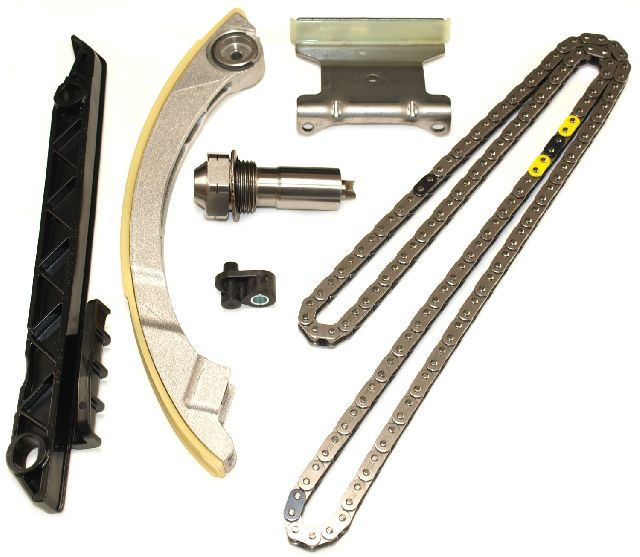
Est. part cost: $40-$80 - Stretched Timing Chain 🟡 Medium Probability → Shop Engine Timing Chain The GM 3.0L and 3.6L HFV6 engines are widely known for premature timing chain wear and stretching, often before 100,000 miles. This causes a correlation mismatch between the crankshaft and camshafts that the sensors detect. The issue was so common that special coverage warranties were issued for other vehicles with this engine family for the same problem.
How to confirm: This is difficult to confirm without significant disassembly. The presence of other codes like P0008, P0009, P0017, P0018, or P0019 is a very strong indicator. A mechanic can use a scope to compare cam/crank signals or physically inspect the chains for slack after removing the timing cover. A rattling noise on cold start is a classic symptom.
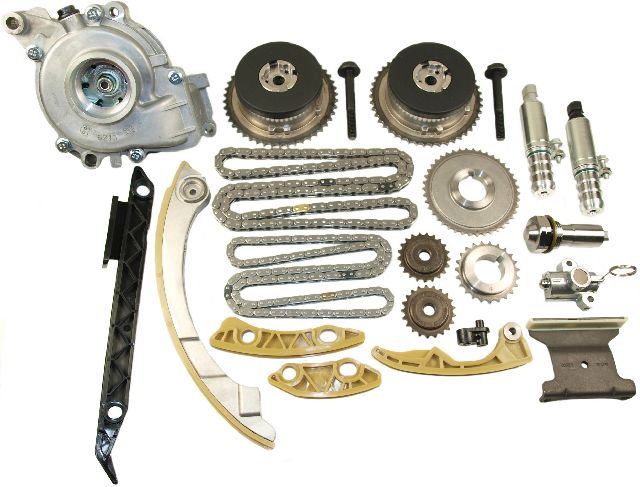
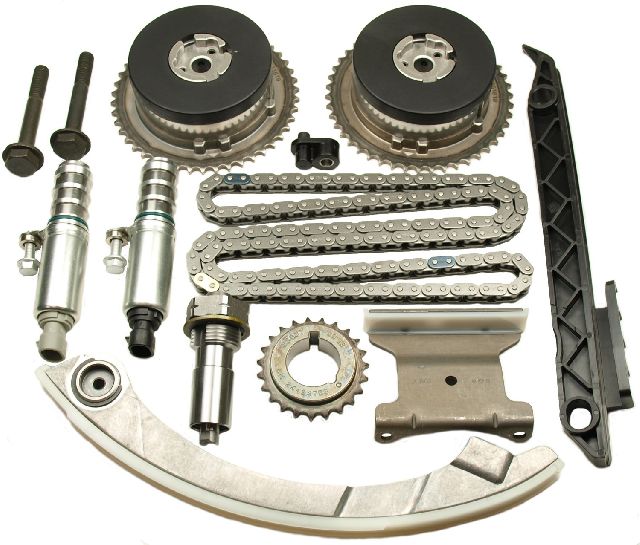
Typical fix: This is a major repair that involves replacing all three timing chains, tensioners, and guides. It is labor-intensive and expensive, often costing $2,000 or more.
Est. part cost: $400-$700
Rare But Worth Checking
- Failed Camshaft Phaser (Actuator): → Shop Engine Camshaft The phaser is the gear that the solenoid controls. It can become seized or clogged internally from oil debris, preventing it from returning from the advanced position. This is a more involved repair than the solenoid itself and is often replaced during a timing chain job.
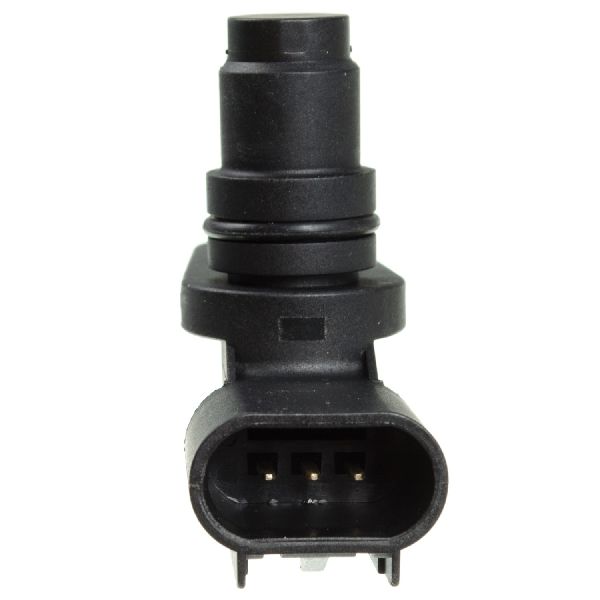
- Faulty Camshaft Position Sensor: → Shop Engine Camshaft Position Sensor It's rare for the sensor itself to fail. It's more likely accurately reporting a mechanical issue. However, if swapping solenoids doesn't move the code, you can try swapping the Bank 1 and Bank 2 sensors to definitively rule it out. A sensor failure would typically set a different code, like P0346 or P0347.
- Slipped Crankshaft Reluctor Wheel: Extremely rare, but documented in TSB #PIP3423N for the HFV6 engine family. If timing chain codes (like P0008, P0018, etc.) are present and the chains are confirmed to be good, the reluctor wheel pressed onto the crankshaft may have moved, requiring crankshaft replacement.
Diagnosis Steps
- Check the engine oil level and condition. If it is low, dirty, or the wrong viscosity, perform an oil and filter change with full synthetic 5W-30 dexos-approved oil, clear the code, and see if it returns.
- Scan for any other accompanying trouble codes. Note them down as they provide crucial diagnostic clues, especially P0008/P0009/P0017/P0018.
- Listen for engine noise. A distinct rattle on a cold start strongly points towards a timing chain issue.
- Locate the Bank 2 (front/radiator side) intake and exhaust camshaft actuator solenoids.
- Check TSB #PIP5096C. If there are no drivability issues and the engine's EUN sticker has an 'A' prefix, GM recommends replacing the solenoid with a new service part, not just swapping it.
- If the TSB doesn't apply, swap the Bank 2 intake solenoid with the Bank 1 (rear/firewall side) intake solenoid.
- Clear the codes and drive the vehicle. If the code returns as P0011, you have confirmed the solenoid is faulty. Replace it.
- If the code P0021 returns, the problem is not the solenoid. Inspect the wiring and connector for the Bank 2 intake solenoid for damage or corrosion.
- If wiring is good and the code persists, the issue is likely more severe, such as a stretched timing chain or a faulty cam phaser. At this point, professional diagnosis with advanced tools (like an oscilloscope to compare cam/crank signals) is recommended.
Parts You'll Likely Need
- Intake Camshaft Position Actuator Solenoid
(OEM #12655420 (superseded by 12679099))— This is the most common mechanical failure for P0021 on this engine, often getting stuck due to oil contamination. TSB #PIP5096C specifically addresses replacing this part.
Trusted brands: ACDelco, Delphi, Dorman
OEM price range: $50-$90
Aftermarket price range: $30-$60 - Exhaust Camshaft Position Actuator Solenoid
(OEM #12655421 (superseded by 12679100))— Often replaced as a pair with the intake solenoid, or if code P0024 is also present. Uses a different connector color (often black vs. gray for intake) for identification.
Trusted brands: ACDelco, Delphi, Dorman
OEM price range: $50-$90
Aftermarket price range: $30-$60 - Timing Chain Kit
Related Codes That Often Appear With This One
- P0024 — This is the code for the exhaust ('B') camshaft on the same bank (Bank 2). If they appear together, it points to an issue affecting the entire bank, like an oil flow problem to that cylinder head or a timing chain guide issue on that side.
- P0011 — This is the equivalent code for Bank 1 (firewall side). Seeing both P0011 and P0021 together strongly suggests a global engine issue, such as very low oil pressure, severe oil contamination, or an ECM problem affecting both banks.
- P0008 / P0009 / P0017 / P0018 — These are crank-to-cam correlation codes. Seeing any of these along with P0021 is a very strong indicator of a stretched primary timing chain, as the ECM is detecting a fundamental timing misalignment between the crankshaft and one or both camshaft banks.
Technical Service Bulletins (TSBs) & Recalls
- PIP5096C: Addresses codes P0011, P0014, P0021, and P0024, recommending solenoid replacement with an updated service part on certain engines if no other symptoms are present.
- PIP3423N: Addresses crank/cam correlation codes (P0008, P0016, etc.) across the HFV6 family, noting that if timing chains are good, a slipped crankshaft reluctor wheel is a rare but possible cause.
Platform-Specific Known Issues
- TSB #PIP5096C: This bulletin notes that if codes P0011, P0014, P0021, or P0024 are found without other drivability concerns, the technician should inspect the engine EUN sticker. If it has an 'A' before the sequence number, the fix is to replace the oil control valve (solenoid) with a specific 'service' part from a different supplier and explicitly states 'DO NOT JUST SWAP FROM ANOTHER LOCATION'.
- Premature Timing Chain Wear: The GM 3.0L V6 engine is known for timing chains stretching far earlier than expected, often before 100,000 miles. This is a significant design flaw that can cause a variety of timing-related codes, including P0021. The issue is often exacerbated by extended oil change intervals.
- Special Coverage Adjustment #11340C: While not for the Captiva specifically, this GM program extended the warranty to 10 years/120,000 miles for timing chain issues on other vehicles with the same engine family (like the Cadillac CTS), highlighting how widespread the problem is.
Mechanic-Grade Diagnostic Values
- Camshaft Position Actuator Solenoid Resistance — expected: 6 to 12 Ohms. Failure: A reading that is significantly higher (kilo-ohms or mega-ohms), an open circuit (infinite resistance), or a short (very low resistance) indicates a failed solenoid.
- Scan Tool Live Data: Desired vs. Actual Camshaft Angle — expected: The actual camshaft angle should closely follow the desired angle commanded by the ECM, with a variance of less than 2-3 degrees at idle.. Failure: The P0021 code is typically set when the measured camshaft angle is more advanced than the commanded angle by more than a few degrees for several seconds.
- VVT Solenoid Control Circuit Voltage — expected: Battery voltage (approx. 12V) on the power supply pin at the solenoid connector with the ignition on, engine off.. Failure: Voltage significantly less than battery voltage indicates an open or high resistance in the power supply wiring to the solenoid.
Scan Tool Commands That Help
- GDS2 (GM Global Diagnostic System 2): Camshaft Position Actuator Solenoid Control / Test — This is a bidirectional control used to verify if the solenoid is mechanically functioning. A technician can command the solenoid ON and OFF while monitoring the 'Desired vs. Actual' camshaft position angles in the live data. If the actual angle does not change when commanded, it confirms a stuck solenoid, a clogged oil passage, or a wiring/ECM driver issue, helping to distinguish between a component failure and a deeper mechanical problem.
Wiring & Ground Locations
- G108 / G111 — These are primary engine compartment ground points. Schematics suggest they are located on the engine block or frame rail in the front portion of the engine bay.. The Engine Control Module (ECM) and its sensors, including the camshaft position sensors and actuators, rely on clean and secure ground connections. A corroded or loose ground at G108 or G111 could introduce electrical noise or voltage drops, potentially causing erratic sensor readings or incorrect solenoid operation, leading to false P0021 codes.
- Bank 2 Camshaft Position Sensor/Actuator Connectors — Bank 2 is the cylinder bank closer to the radiator. The camshaft position sensor and actuator solenoid connectors are located on the front-facing side of the engine, on or near the valve cover.. These connectors are the direct interface to the components in question. TSB PI0090D (superseded) specifically called out inspecting these harness connectors for backed-out terminals or poor connections as a cause for intermittent VVT-related issues on the HFV6 engine family.
Real Owner Repair Stories
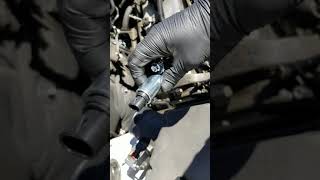
- YouTube channel 'Rice's Auto Repair Mobile service' (2010 Cadillac SRX with 3.0L V6 (engine and VVT system are highly similar to the Captiva's)) — Check Engine Light on
❌ Tried (didn't work) The video focuses directly on the diagnosis and successful repair.
✅ What actually fixed it The mechanic correctly identified P0021 as being for the Bank 2 (radiator side) intake solenoid. He located the intake solenoid (closer to the intake manifold) and replaced it, which resolved the code.
OEM Part Supersession History
12655420→12679099— This is a common supersession for the intake camshaft actuator solenoid. While not explicitly stated, such changes often involve improvements in materials, internal design, or a change in manufacturer to enhance reliability and address known failure patterns like those mentioned in TSBs.
Heads up: The new part (12679099) is a direct replacement for the old part (12655420) and is fully compatible.12655421→12679100— This is the supersession for the exhaust camshaft actuator solenoid. It is often recommended to replace these in pairs (intake and exhaust) or when both P0021 and P0024 are present.
Helpful Videos
![How to Fix P0021 Engine Code in 4 Minutes [2 DIY Methods / Only $6.43]](https://img.youtube.com/vi/T8aepJyvnbg/mqdefault.jpg)

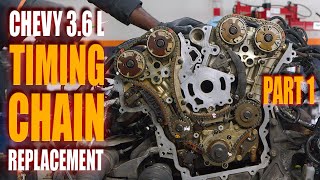
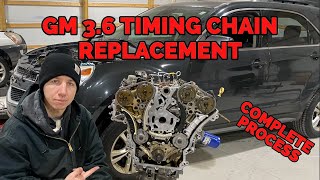
We Have This Part in Stock
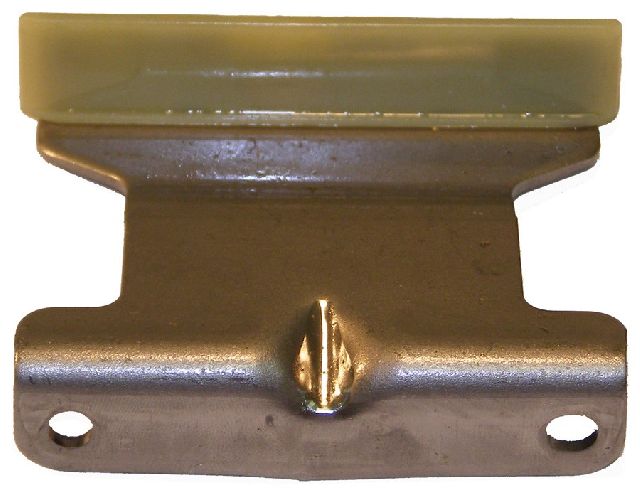


The information in this article is provided for general reference and educational purposes only. Vehicle specifications, procedures, and part compatibility can vary by production date, trim level, and region. Always consult your vehicle's factory service manual and verify part numbers before purchasing or performing repairs. Safety-critical components such as airbags, seat belts, and braking systems should be installed by a qualified professional.
- Chevrolet CAPTIVA:
- 🧭 Diagnostic Flowchart
- 🎬 Helpful Videos
- 🛍️ Shop This Part
- What's Unique About the 2012-2015 Chevrolet CAPTIVA
- Symptoms You May Notice
- Most Likely Causes
- Rare But Worth Checking
- Diagnosis Steps
- Parts You'll Likely Need
- Related Codes That Often Appear With This One
- Technical Service Bulletins (TSBs) & Recalls
- Platform-Specific Known Issues
- Mechanic-Grade Diagnostic Values
- Scan Tool Commands That Help
- Wiring & Ground Locations
- Real Owner Repair Stories
- OEM Part Supersession History
- 🎟️ Get 5% Off