

P0021 on 2015-2022 Chevrolet Colorado 3.6L V6: Camshaft Timing Causes and Fixes
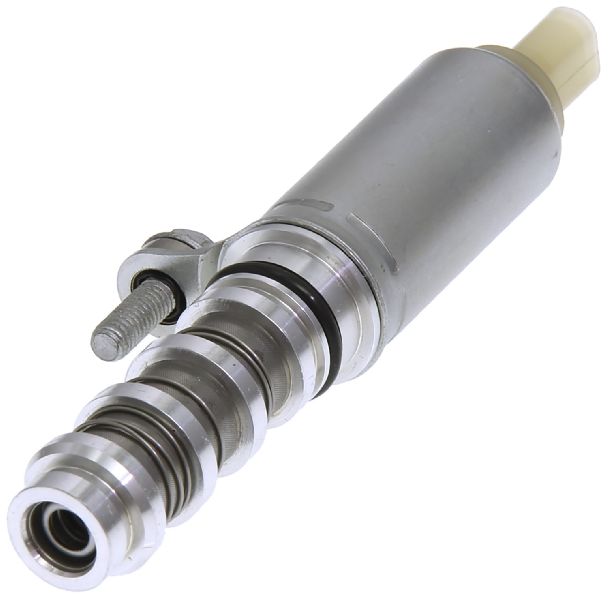
P0021 on your Colorado most likely means you have low/dirty oil or a bad intake camshaft actuator solenoid on the passenger side (Bank 2). First, check your oil. If the oil is fine, replacing the solenoid is a common DIY fix for under $75. The most common replacement part number is ACDelco 12707054.
- Always check your engine oil level and condition first. An oil change with 5W-30 full synthetic oil is the cheapest and easiest potential fix.
- The most likely failed part is the Bank 2 (passenger side) intake VVT solenoid. It's an affordable part and a manageable DIY replacement.
- A rattling engine noise accompanying this code is a serious warning sign of a stretched timing chain. Do not continue to drive the vehicle.
- If multiple timing codes (e.g., P0011, P0014, P0021, P0024) appear at once, investigate TSBs related to software glitches before replacing any parts.
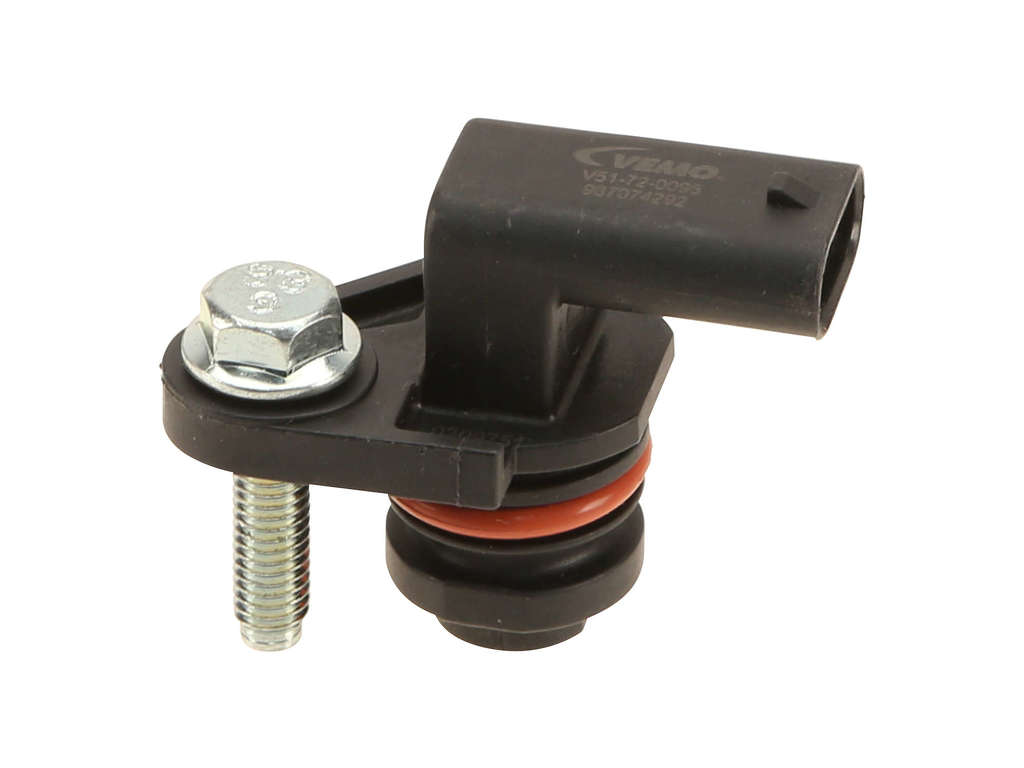
- Do not confuse the camshaft position SENSOR with the actuator SOLENOID. P0021 is almost always caused by the solenoid or a related mechanical/hydraulic issue.
What's Unique About the 2015-2022 Chevrolet Colorado
The 2015-2022 Colorado spans two versions of the 3.6L V6: the LFX (2015-2016) and the LGZ (2017-2022). The earlier LFX has a greater reputation for timing chain stretch, a serious potential cause for this code. While the later LGZ has an improved timing chain design, both engines are very sensitive to oil quality and level, making a simple oil change the most critical first step. GM has also issued several technical service bulletins related to this code, pointing to faulty solenoids (TSB PIP5096C) and even software glitches that can trigger the code without a real mechanical failure (TSB N192266190).
Generation note: The specified years cover two generations of the 3.6L V6 engine. The 2015-2016 models use the LFX engine, which is more susceptible to premature timing chain wear, often accelerated by going too long between oil changes. The 2017-2022 models use the updated LGZ engine with a more robust timing system, but it is still vulnerable to issues from poor oil maintenance.
Symptoms You May Notice
- Check Engine Light is on
- Rough, unstable, or surging idle
- Hesitation or stumbling during acceleration
- Reduced engine power
- Decreased fuel economy
- Engine stalling
- Rattling noise from the front of the engine (indicates possible timing chain issue)
- Replacing the camshaft position SENSOR instead of the actuator SOLENOID. The sensor reads the position, but the solenoid controls the oil flow that moves the camshaft. A P0021 code is almost always a mechanical or hydraulic issue, not a sensor failure.
Most Likely Causes
- Low or Dirty Engine Oil 🔴 High Probability The GM 3.6L V6's Variable Valve Timing (VVT) system is hydraulic and extremely sensitive to oil pressure and cleanliness. Sludge or low levels will prevent the actuators from working correctly.
How to confirm: Check the oil dipstick. The oil level should be in the safe range, and the oil should be amber/brown, not black, gritty, or sludgy.
Typical fix: Perform an engine oil and filter change using a full synthetic oil that meets GM's dexos1 specification (5W-30).
Est. part cost: $50-$100 - Faulty Intake Camshaft Position Actuator Solenoid (Bank 2) 🔴 High Probability → Shop Engine Camshaft These solenoids are a common failure point. They can become clogged with debris from the oil or fail electrically, causing them to stick.
How to confirm: Swap the Bank 2 (passenger side) intake solenoid with the Bank 2 exhaust solenoid. Clear the codes and drive. If the code changes to P0024 (Exhaust Camshaft Position Timing Over-Advanced), the solenoid is bad. This is a very common and effective diagnostic trick mentioned in many DIY videos.
Typical fix: Replace the Bank 2 intake camshaft position actuator solenoid. The bolt torque is 10 N.m (89 lb-in).
Est. part cost: $30-$75 - Stretched Timing Chain 🟡 Medium Probability → Shop Engine Timing Chain The GM 3.6L engine family has a history of premature timing chain wear, especially the earlier LFX engine (2015-2016). This is often accelerated by infrequent oil changes.
How to confirm: This is a difficult diagnosis. It's often confirmed when other codes like P0008 or P0009 are present. A professional mechanic will need to measure timing deviation with a scan tool or physically inspect the chains by removing the engine's front cover.
Typical fix: Replace all timing chains, tensioners, and guides. This is a major, labor-intensive repair often costing thousands of dollars.
Est. part cost: $400-$800
Rare But Worth Checking
- Faulty Intake Camshaft Position Actuator Park Lock Solenoid Valve: → Shop Engine Camshaft GM TSB PIP5730B specifically identifies this part sticking or coming apart as a cause for P0021 on the LGZ/LGX engines. It's a known issue that may be overlooked during standard diagnosis, as it's a separate component from the main VVT solenoid.
- ECM Software Anomaly: GM has issued TSBs (e.g., N192266190 / PIP5568E) for a software glitch that can set this code, sometimes with other timing codes, after an auto stop/start event. If multiple timing codes (P0011, P0014, P0024) appear at once, a software reflash should be considered before replacing parts.
Diagnosis Steps
- Check Engine Oil: Verify the oil level is full and the oil is clean and of the correct viscosity (5W-30 synthetic). If it's low, dirty, or old, perform an oil and filter change, clear the code, and drive to see if it returns. This is the most important and cheapest first step.
- Scan for Other Codes: Check for other stored codes. Multiple timing codes (P0011, P0014, P0024) might point to a software issue (TSB N192266190). Codes P0008/P0009 point strongly to a stretched timing chain.
- Test the Solenoid: Swap the Bank 2 (passenger side) intake and exhaust VVT solenoids. They are located on top of the valve cover, accessible after removing the engine cover and intake tube. After swapping, clear the codes and drive the vehicle. If code P0024 appears, you have confirmed the solenoid you moved is faulty.
- Inspect Solenoid and Wiring: If not swapping, remove the solenoid (10mm bolt) and inspect its screens for debris. Check the electrical connector and wiring for any damage, corrosion, or oil contamination.
- Professional Diagnosis: If the oil is good and the solenoid tests fine, the problem is likely more complex. The vehicle should be taken to a professional to check for stretched timing chains, a faulty cam phaser, or the park lock solenoid issue described in TSB PIP5730B.
Parts You'll Likely Need
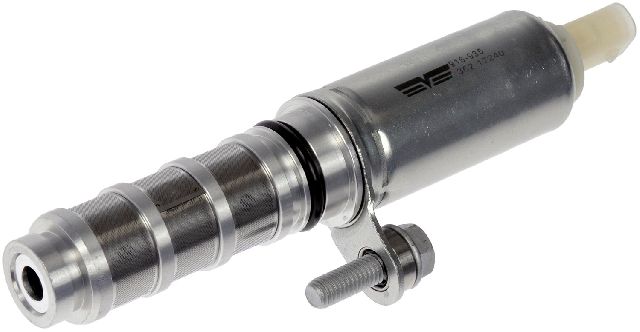
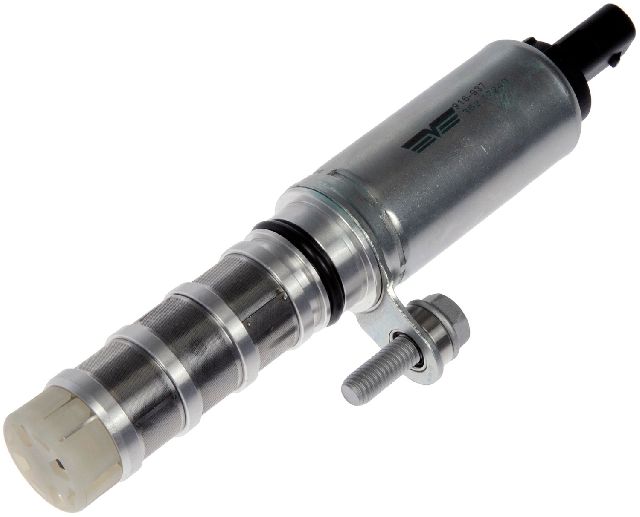
- Intake Camshaft Position Actuator Solenoid (VVT Solenoid)
(OEM #12707054)— This is the most common part to fail after ruling out oil issues. It gets clogged or fails electrically, causing the camshaft timing to stick.
Trusted brands: ACDelco, Delphi
OEM price range: $40-$90
Aftermarket price range: $25-$60 - VVT Solenoid Gasket / Seal
(OEM #12652336)— This seal should be replaced whenever the solenoid is removed to prevent oil leaks. It is an inexpensive but critical part for the repair.
Trusted brands: ACDelco
OEM price range: $3-$10
Aftermarket price range: $2-$5 - Engine Oil and Filter — Low, dirty, or incorrect viscosity oil is the leading cause of all VVT system faults. Use full synthetic 5W-30 meeting the dexos1 specification.
Trusted brands: ACDelco, Mobil 1, Pennzoil
OEM price range: $60-$100
Aftermarket price range: $40-$70
Related Codes That Often Appear With This One
- P0011 — This is the equivalent code for Bank 1 (driver's side). Seeing both P0011 and P0021 together strongly suggests a systemic problem affecting the whole engine, like low/dirty oil or an ECM software glitch.
- P0008 / P0009 — These codes indicate a general timing correlation error between the crankshaft and camshafts. If you see these with P0021, it is a very strong indicator of stretched timing chains, requiring a major repair.
- P0024 — This is the code for the exhaust camshaft on Bank 2. It will typically appear only after you have swapped a faulty intake solenoid (causing P0021) to the exhaust position as a diagnostic test.
Technical Service Bulletins (TSBs) & Recalls
- PIP5730B: Diagnostic assistance for P0021 caused by a sticking or broken Intake Camshaft Position Actuator Park Lock Solenoid Valve.
- N192266190 / PIP5568E: Address ECM software glitches that can erroneously set P0021 and other timing codes, often after an auto stop/start event. Bulletin #N192266190 02 notes this can cause the engine to run rough, at reduced power, or stall.
- PIP5096C: Diagnostic aid for LFX engines (2015-2016) with VVT codes, noting that some original solenoids had clearance issues and should be replaced with a new service part rather than swapped for diagnosis.
- Bulletin #PIP5568E: Preliminary information regarding an investigation into the cause of DTCs P0011, P0014, P0021, and P0024 setting together or in pairs.
Platform-Specific Known Issues
- Timing Chain Stretch: The 3.6L V6 family, particularly the LFX (2015-2016), is known for premature timing chain wear, which can cause this code and requires a major repair.
- Software Glitches: TSB N192266190 notes that on related LGX/LGZ engines, a software glitch can cause multiple timing codes to set simultaneously, especially after an auto-stop event. The fix is a dealer ECM reprogram.
- Park Lock Solenoid Failure: TSB PIP5730B points to a specific, less-common 'park lock solenoid' inside the camshaft actuator as a potential cause for this code on LGZ engines (2017-2022).
Mechanic-Grade Diagnostic Values
- VVT Solenoid Coil Resistance — expected: 6.9 to 13 Ohms. Some sources cite a tighter OEM spec of 6.9-7.9 Ohms, while others give a wider 8-13 Ohm range.. Failure: A reading of 0 Ohms (short), OL/infinite (open), or a value outside the expected range indicates a faulty solenoid.
- VVT Solenoid Harness Voltage — expected: Battery Voltage (~12V) with Key On, Engine Off.. Failure: Low or no voltage points to a wiring issue between the ECM and the solenoid, or a fuse problem.
- Engine Oil Pressure (Warm Idle) — expected: Approximately 20-30 PSI.. Failure: Pressure consistently below 20 PSI at warm idle can be insufficient for proper VVT phaser operation and may indicate a worn oil pump or other systemic oiling issue.
- Scan Tool 'Camshaft Position Variance' — expected: Less than +/- 4-6 degrees at idle.. Failure: A consistent deviation greater than 6 degrees suggests a stretched timing chain or base timing issue. The ECM will typically set a correlation code (like P0008/P0009) when the deviation exceeds 8-9 degrees.
Scan Tool Commands That Help
- GDS2 (GM Global Diagnostic System): Camshaft Position Actuator Output Control — This bidirectional control allows a technician to command the VVT solenoid on and off (or to specific duty cycles) while the engine is running. A noticeable change or stumble in engine idle confirms the solenoid is mechanically functioning and oil passages are likely clear. No change in engine behavior points to a failed solenoid, clogged oil passage, or a stuck phaser.
- GDS2 (GM Global Diagnostic System): Camshaft Position Correlation Test — This is an automated test function that runs the engine at specific RPMs to verify the mechanical correlation between the crankshaft and all camshafts. It is used to help diagnose base timing issues like a stretched chain.
Wiring & Ground Locations
- G106 / SP106 — On the passenger's side inner fender, typically behind the engine airbox.. This is a major ground splice pack for components on the passenger side (Bank 2) of the engine bay. Corrosion or a loose connection here can cause a wide range of intermittent electrical issues, including erratic sensor readings and module communication problems that could contribute to false codes.
- G105 / SP105 — On the driver's side inner fender, near the battery and underhood fuse block.. This is a major ground splice pack for the driver's side. A poor connection here can cause intermittent electrical issues for the ECM, which controls and monitors the VVT system.
- Bank 2 VVT Solenoid Connector — On top of the passenger side valve cover. The intake solenoid ('A' Camshaft) is one of the two solenoids located there.. This is the direct electrical connection for the solenoid in question. It should be inspected for oil contamination (which can wick through a failing solenoid), corrosion, or damaged pins.
Real Owner Repair Stories
- Aggregated from forum user experiences (2013 Chevrolet Equinox 3.6L V6 (LFX Engine) at 112,000 miles) — Check Engine Light, intermittent stalling when stopping, rough idle.
❌ Tried (didn't work) Performing an oil and filter change.
✅ What actually fixed it The owner swapped the Bank 2 intake and exhaust VVT solenoids. The code changed from P0021 to P0024, confirming the solenoid was faulty. A new ACDelco solenoid was installed in the intake position, which resolved all symptoms. - iATN Repair Shop Case Study (2008 Buick Enclave 3.6L V6 at 126,334 miles) — Stalled, cranks but won't restart, abnormal cranking sound. Codes P0011, P0014, and P0021 were present.
❌ Tried (didn't work) Recharging battery, clearing codes.
✅ What actually fixed it Diagnosis revealed the vehicle was 11,000 miles overdue for an oil change. Only one quart of black, sludgy oil was drained. Compression test showed extremely low and inconsistent readings across all cylinders (0-90 psi). The engine was determined to be catastrophically damaged from oil starvation, which was preceded by the VVT codes. This serves as a cautionary tale for ignoring oil changes. - NHTSA ODI #11694201 — An owner reported receiving error code P0021 for "A" camshaft position timing over-advanced in Bank 2. The issue occurred three times before the vehicle was taken to a dealer for inspection.
OEM Part Supersession History
12707054→12732244— Standard part lifecycle update by GM. The new part number is the current genuine replacement.
Heads up: The new part 12732244 is the direct, backward-compatible replacement for 12707054.Multiple older numbers (12655420, 12646783, 12628347)→12679099— Consolidation and updates for earlier LFX engines. TSB PIP5096C for 2012-2015 models may require a specific 'service' part that differs from the standard replacement.
Heads up: For 2012-2015 LFX engines, it is critical to check with a dealer using the VIN to ensure the correct service part is used, as per TSB PIP5096C. Simply ordering the latest superseded part online may not be correct.
Model Year Variations Within This Range
- 2017-2022 (LGZ Engine): These engines feature an Intake Camshaft Position Actuator Park Lock Solenoid Valve, which is a separate component from the main VVT solenoid. TSB PIP5730B identifies this part sticking or failing as a specific cause for P0021 that does not exist on the earlier LFX engine.
- 2015-2016 (LFX Engine): These earlier engines are more widely known for premature timing chain stretch compared to the updated LGZ design. The presence of P0021 along with P0008/P0009 is a much stronger indicator of chain failure on these specific years.
Diagnostic Flowchart
Other Known Issues on This Vehicle
Issues unrelated to this code that are worth knowing about as an owner of this generation:
- 8-Speed (8L45) Transmission Shudder/Hard Shift 🔴 High — Very common on 2017-2019 models. Less common on 2020+ after a factory fluid change. Can occur between 25-80 mph. (Ref: TSB 18-NA-355)
- Loss of Electric Power Steering Assist 🔴 High — Most common on 2015-2016 models. Can result in a sudden, dangerous increase in steering effort. (Ref: NHTSA Campaign ID: 16V054000)
- Premature Timing Chain Wear (LFX Engine) 🔴 High → Shop Engine Timing Chain — More prevalent on 2015-2016 LFX engines, often accelerated by extended oil change intervals. Can occur as early as 60,000-80,000 miles. (Ref: PIP5096C)
- Torque Converter Failure 🟠 Medium — Often related to the transmission shudder issue in 2015-2018 models. Damaged friction material can contaminate the transmission.
- Carbon Buildup on Intake Valves 🟠 Medium — A common issue for all Gasoline Direct Injection (GDI) engines, including the LFX and LGZ. Can cause misfires (P0300) and rough running over time, typically noticeable after 50,000 miles.
Used vs. New Parts: Buying Guide for This Vehicle
When a used part is the smart pick: For this repair, using used parts is generally not recommended. The primary failure parts (solenoids, timing components) are wear items sensitive to oil quality. A used VVT solenoid carries the risk of being clogged or having a limited remaining lifespan. The only potential exception would be a non-electronic component like a valve cover if it were damaged during repair.
Donor-vehicle mileage cap: roughly under 30000 miles for the part to have meaningful remaining life.
What to inspect on the donor part:
- If considering a used solenoid, demand to see the screens; they must be perfectly clean, intact, and free of debris.
- Ask for the VIN of the donor vehicle to verify it had a history of regular oil changes if possible.
- Check the donor engine's oil fill cap for signs of heavy sludge, an immediate red flag.
OEM-only on this vehicle (don't cheap out):
- Timing Chains
- Timing Chain Tensioners and Guides
- Camshaft Phasers (Actuators)
Aftermarket brands forum-validated for this vehicle:
- ACDelco (OEM)
- Delphi (Often an OEM supplier)
Brands owners have reported issues with on this vehicle:
- Unbranded, 'white-box' solenoids from online marketplaces are a significant gamble. While brands like Dorman offer a cost-effective alternative, some professional technicians report a higher failure rate compared to OEM for sensitive electronic parts like VVT solenoids.
Real Owner Stories
Aggregated from forums and TSBs cited above. Mileages and costs reflect what owners reported in those sources.
2015 Chevrolet Colorado 3.6L LFX — ~70000 miles
Symptoms: P0017 and P0019 codes present along with timing issues.
What fixed it: Replacing the exhaust solenoids.
Source hint: YouTube channel 'Wild Frontier Garage'
2016 Chevrolet Colorado 3.6L LFX
Symptoms: P0014 code (related VVT timing code) and check engine light.
What fixed it: A 15-minute solenoid swap/replacement.
Source hint: YouTube channel 'Justin's Input On Everything'
2017 Chevrolet Colorado 3.6L LGZ
Symptoms: P0021 code caused by a sticking or broken internal component.
What fixed it: Diagnostic assistance for the Intake Camshaft Position Actuator Park Lock Solenoid Valve.
Source hint: TSB PIP5730B
2015 Chevrolet Colorado 3.6L LFX — ~60000 miles
Symptoms: Check engine light with VVT-related codes; engine prone to premature chain wear due to extended oil intervals.
What fixed it: Replacement of timing chains, tensioners, and guides.
Source hint: PIP5096C and vehicle_specific_issues
Documented NHTSA Reports
Manufacturer Service Bulletin #N192266190
Symptoms: Engine running roughly, potential reduced engine power, or engine stall during an auto-start event. DTCs P0011, P0021, P0014, and P0024 may set.
What fixed it: Dealers will reprogram the engine control module (ECM).
Manufacturer Service Bulletin #PIP5096C
Symptoms: Service Engine Soon Malfunction Indicator Lamp on with codes P0011, P0014, P0021, and/or P0024.
What fixed it: Inspection of the engine EUN sticker for specific sequence numbers to determine if service parts are required.
Related OBD-II Codes
Frequently Asked Questions
My 2018 Colorado has P0021 and other timing codes that appear after the engine auto-stops. Is there a software fix?
I have a 2016 Colorado with the LFX engine and P0021. Should I swap the solenoids to test them?
Could a 'park lock solenoid' be causing P0021 on my 2019 Colorado?
What type of oil should I use to prevent VVT issues like P0021 in my 3.6L V6?
Does P0021 always mean I need a new timing chain on my 2015 Colorado?
Helpful Videos
We Have This Part in Stock


The information in this article is provided for general reference and educational purposes only. Vehicle specifications, procedures, and part compatibility can vary by production date, trim level, and region. Always consult your vehicle's factory service manual and verify part numbers before purchasing or performing repairs. Safety-critical components such as airbags, seat belts, and braking systems should be installed by a qualified professional.
- Chevrolet Colorado:
- 🧭 Diagnostic Flowchart
- 🎬 Helpful Videos
- 🛍️ Shop This Part
- What's Unique About the 2015-2022 Chevrolet Colorado
- Symptoms You May Notice
- Most Likely Causes
- Rare But Worth Checking
- Diagnosis Steps
- Parts You'll Likely Need
- Related Codes That Often Appear With This One
- Technical Service Bulletins (TSBs) & Recalls
- Platform-Specific Known Issues
- Mechanic-Grade Diagnostic Values
- Scan Tool Commands That Help
- Wiring & Ground Locations
- Real Owner Repair Stories
- OEM Part Supersession History
- Model Year Variations Within This Range
- Other Known Issues on This Vehicle
- Used vs. New Parts: Buying Guide for This Vehicle
- Real Owner Stories
- 2015 Chevrolet Colorado 3.6L LFX — ~70000 miles
- 2016 Chevrolet Colorado 3.6L LFX
- 2017 Chevrolet Colorado 3.6L LGZ
- 2015 Chevrolet Colorado 3.6L LFX — ~60000 miles
- Documented NHTSA Reports
- Manufacturer Service Bulletin #N192266190
- Manufacturer Service Bulletin #PIP5096C
- Related OBD-II Codes
- Frequently Asked Questions
- 🎟️ Get 5% Off