

P0021 on 2015-2020 Ford Explorer 3.5L V6: Causes and Fixes for Camshaft Over-Advanced
On the 2015-2020 Ford Explorer 3.5L, code P0021 is most often caused by low/dirty engine oil or a failing Bank 2 intake VCT solenoid. Always check your oil first. If an oil change doesn't fix it, the VCT solenoid is the next likely culprit, but replacement is labor-intensive due to its location under the valve cover.
- Start with the simplest fix: check your engine oil level and quality. An oil change with the correct grade of oil can sometimes resolve this code.
- The most common failed part is the Bank 2 (radiator side) intake VCT solenoid. However, replacing it is a labor-intensive job on this engine.
- A rattling noise on a cold start is a strong warning sign of a more serious timing chain issue, which is a known but less frequent problem.
- If you decide to replace one VCT solenoid, it is highly recommended to replace all four at the same time to save on future labor costs.
- Do not immediately assume the worst (timing chain). Follow a logical diagnostic path from oil, to solenoid, to mechanical components.
What's Unique About the 2015-2020 Ford Explorer
The 3.5L Cyclone V6, in both naturally aspirated and EcoBoost forms, relies heavily on clean engine oil for its Variable Camshaft Timing (VCT) system to function. These engines are known to be sensitive to oil quality and maintenance schedules. Ford has issued several Technical Service Bulletins (TSBs) and Special Service Messages (SSMs) acknowledging that small debris or sludge can clog the VCT solenoids, causing them to stick. While on some vehicles this code might point directly to a major timing failure, on the Explorer it very frequently starts as an oil-related issue or a faulty solenoid before escalating to more serious mechanical problems like stretched timing chains or failed phasers.
Generation note: The 2015-2020 year range covers the end of the fifth generation Explorer (2011-2019) and the first year of the sixth generation (2020). The 3.5L V6 was a primary engine for the fifth generation. While the 2020 model introduced new powertrains, the underlying causes and diagnostic principles for the 3.5L engine remain consistent across its usage in the Explorer.
Symptoms You May Notice
- Check Engine Light is on
- Rough, unstable, or stumbling idle
- Engine may hesitate or stall, especially during acceleration or at stops
- Noticeable decrease in fuel economy
- Rattling or chattering noise from the engine, especially on a cold start, which may indicate a timing chain issue
- Loss of power, especially when accelerating or going up hills
- Hard starting, where the engine cranks longer than usual
- Replacing the camshaft position sensor. While a sensor can fail, it is much less common than a VCT solenoid or oil-related issue. A failing sensor will typically generate its own specific codes, and it is correctly reporting the over-advanced condition.
- Assuming a stretched timing chain immediately. While a possibility, the VCT solenoid and oil quality are far more probable causes and should be diagnosed first to avoid a costly and unnecessary repair.
Most Likely Causes
- Low or Dirty Engine Oil 🔴 High Probability The VCT system uses oil pressure to adjust cam timing. Sludge from old oil or a low oil level starves the system, causing components to stick or respond slowly. Ford SSMs like 50067 directly state that debris in the oil is a primary cause for these codes.
How to confirm: Check the engine oil dipstick for level and examine the oil's color and consistency. If it's low, black, or sludgy, this is likely the primary cause or a major contributing factor. An oil change is the cheapest and easiest first diagnostic step.
Typical fix: Change the engine oil and filter using the correct viscosity (typically 5W-20 for NA, 5W-30 for EcoBoost) synthetic blend or full synthetic oil. Using a Motorcraft filter is highly recommended.
Est. part cost: $40-$80 - Failing Variable Camshaft Timing (VCT) Solenoid 🔴 High Probability → Shop Engine Camshaft Internal screens on the solenoid can become clogged with debris, or the solenoid can fail electronically, causing it to stick. Ford TSBs directly address this issue, sometimes recommending cycling the solenoid with a scan tool to clear debris before replacement. Bulletin #TSB-16-0093 notes that vehicles may exhibit an illuminated MIL with P0021 stored in the PCM memory due to these VCT issues.
How to confirm: A definitive test is to swap the Bank 2 intake solenoid with the Bank 1 intake solenoid. Clear the codes and drive. If the code changes to P0011 (Bank 1), the solenoid is faulty. This requires removing both valve covers. Alternatively, a scan tool can command the solenoid on and off to check for response, and a multimeter can test resistance (should be 6.9-7.9 ohms).
Typical fix: Replace the Bank 2 intake VCT solenoid. It is recommended to replace all four VCT solenoids (Intake/Exhaust for both banks) at the same time due to the high labor cost to access them under the valve covers.
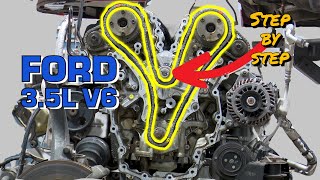
Est. part cost: $30-$80 per solenoid - Worn Timing Chain, Phasers, or Guides 🟡 Medium Probability → Shop Engine Timing Chain At higher mileage (typically over 100,000 miles), the timing chain on the 3.5L can stretch, and the plastic guides can wear out, causing timing to become erratic. This is often preceded by a tell-tale 'cold start rattle', a well-documented issue covered by TSBs like 15-0131 for the EcoBoost variant.
How to confirm: Listen for a metallic rattle for 2-5 seconds on a cold start. A mechanic can confirm by removing the engine's front cover to inspect for chain slack and guide damage. A scan tool may also show a large, erratic difference between desired and actual cam angles. This is an advanced diagnosis.
Typical fix: Replace the timing chain, cam phasers, tensioners, and guides. This is a major, labor-intensive repair. It's also common to replace the water pump at the same time, as it is driven by the timing chain.
Est. part cost: $500-$1200 for a full kit
Rare But Worth Checking
- Clogged Cylinder Head Oil Passages: If a new VCT solenoid does not resolve the P0021 code, the oil galleys feeding the cam phaser may be blocked with sludge. This prevents proper oil flow even with a functioning solenoid and can occur after a major timing component failure if debris is not fully cleaned out.
- Failed Camshaft Phaser: → Shop Engine Camshaft The phaser itself can become stuck in the advanced position due to internal failure or oil starvation. This is often replaced during a full timing job but can fail independently. A stuck phaser is a common reason for the code to return even after solenoid replacement.
Diagnosis Steps
- Check Engine Oil: Verify the oil level is correct and the oil is clean. If low, top it off. If old or dirty, perform an oil and filter change with the manufacturer-recommended oil type (e.g., Motorcraft 5W-20 or 5W-30). Clear codes and see if P0021 returns.
- Scan Tool Analysis: Use a scan tool to monitor the desired vs. actual camshaft angle for the Bank 2 intake cam (PID: VCT_INT_ACT2). A large, persistent discrepancy confirms the over-advanced condition.
- Test the Solenoid: Command the Bank 2 intake VCT solenoid on and off with the scan tool. Listen for a click or a change in engine idle. Ford also recommends cycling the solenoid up to 10 times to dislodge potential debris. Bulletin #SSM 54366 points technicians toward Pinpoint test HK in the PC/ED manual for diagnosing these specific VCT codes.
- Swap Solenoids (Advanced DIY): If comfortable with the procedure, swap the Bank 2 intake VCT solenoid with the Bank 1 intake solenoid. This requires removing the valve covers. If the code moves to P0011, the solenoid is bad. If P0021 returns, the problem lies elsewhere.
- Mechanical Inspection: If the solenoid is confirmed good, the next step is to inspect for mechanical timing issues. This involves listening for a cold-start rattle and may require removing the front engine cover to inspect the timing chain, guides, and phasers. This step is best left to a professional.
- Check Oil Pressure: If timing components are good, a mechanic should test the engine's base oil pressure with a mechanical gauge to rule out a failing oil pump or other systemic pressure issues.
Parts You'll Likely Need
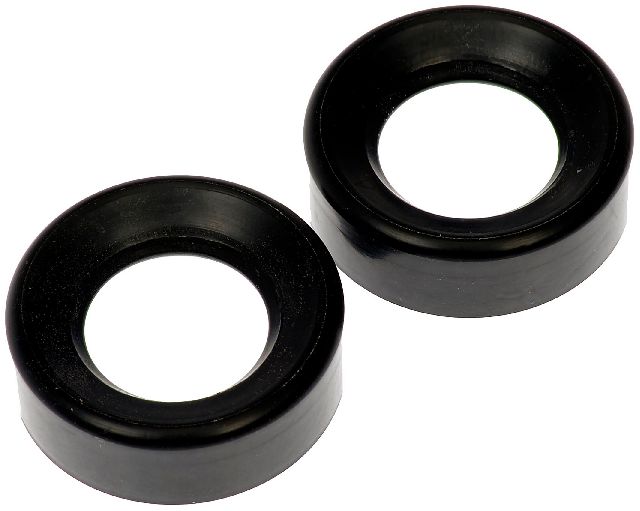
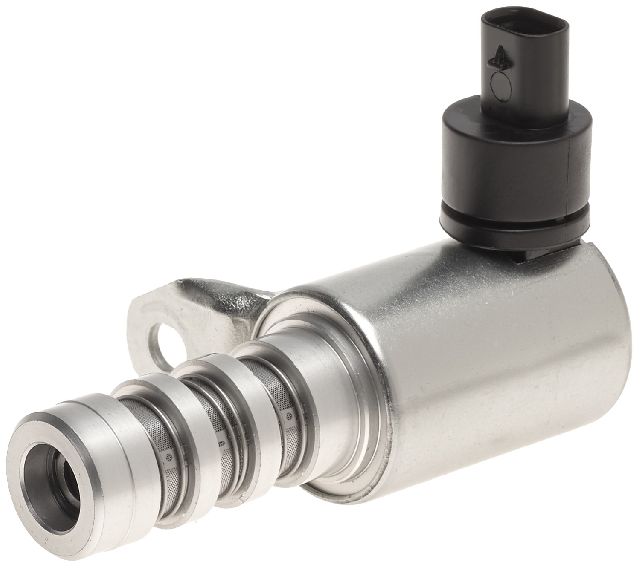
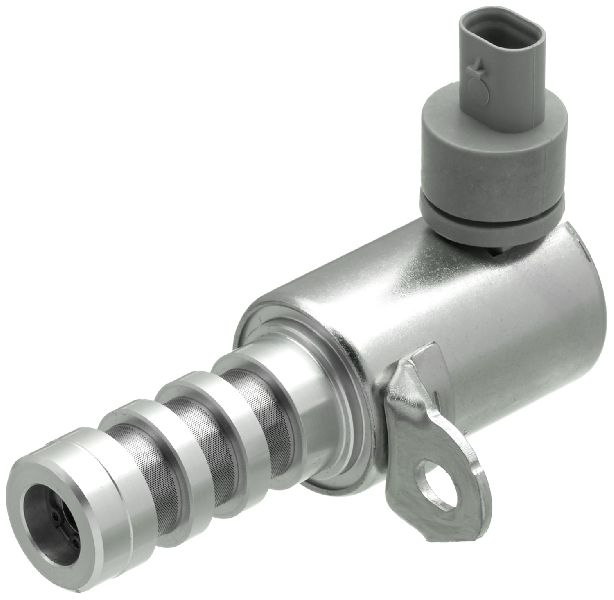
- Engine Variable Valve Timing (VVT) Solenoid
(OEM #AT4Z-6M280-C)— This is the most common component to fail for this code, usually due to clogging or electronic failure. TSB 16-0038 specifically calls for its replacement when P0021 is paired with P0018.
Trusted brands: Motorcraft, Dorman, Standard Motor Products (SMP)
OEM price range: $60-$90
Aftermarket price range: $30-$70 - Valve Cover Gasket Kit
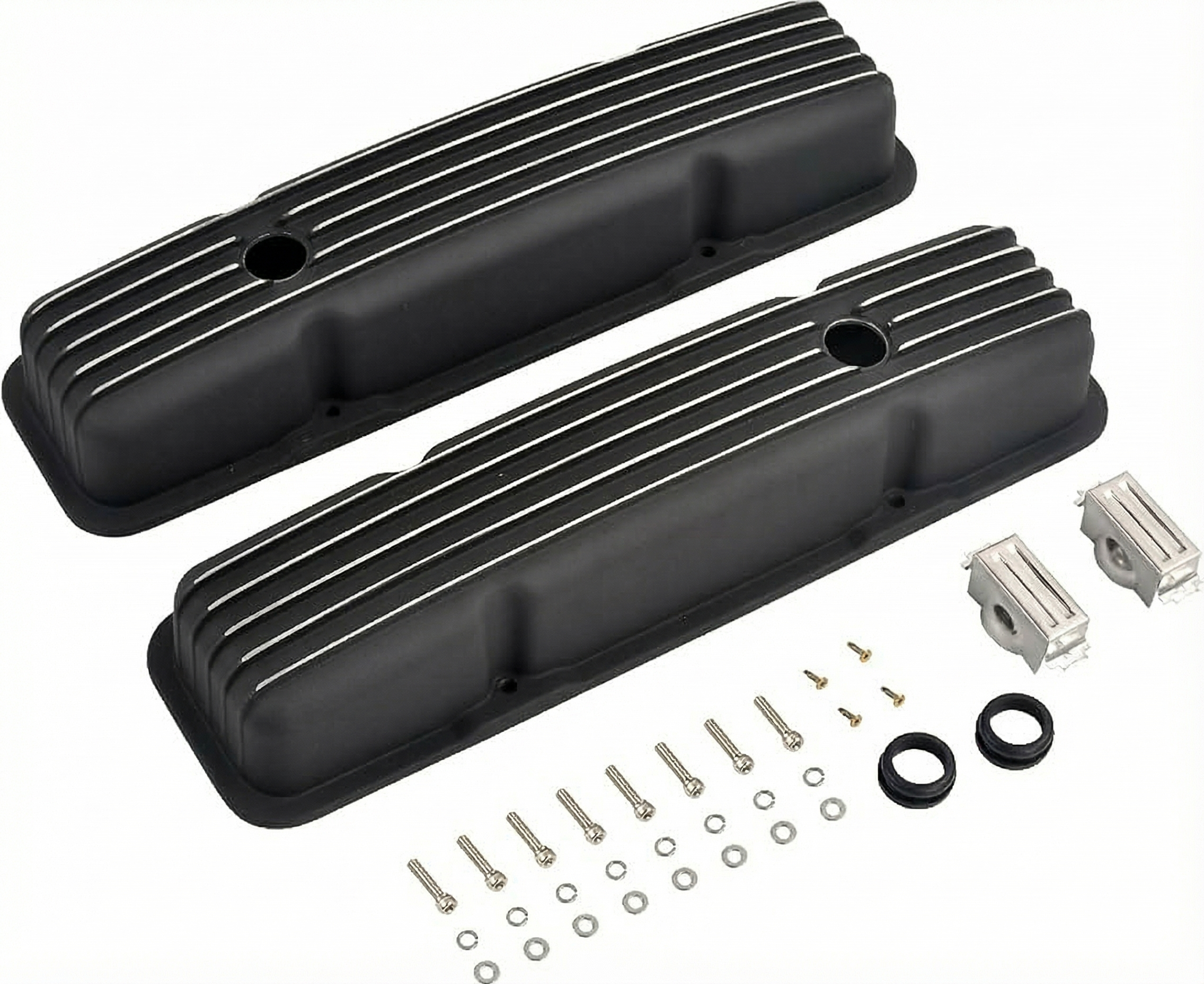
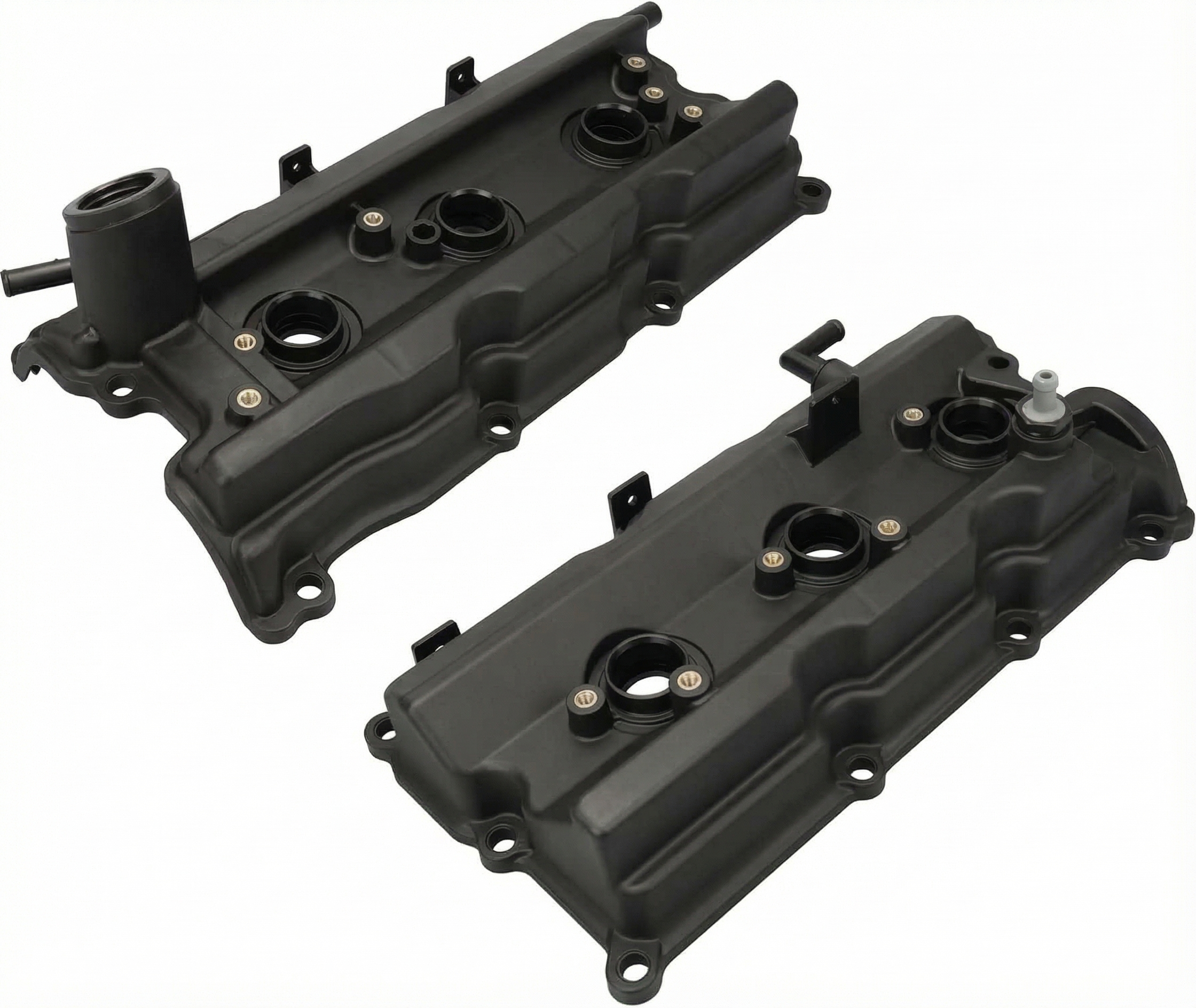
(OEM #DL3Z-6584-C (Bank 1/Right Side), BR3Z-6584-C (Bank 2/Left Side))— Required for replacing the VCT solenoids, as they are located under the valve covers. The gaskets are one-time use and must be replaced to prevent oil leaks.
Trusted brands: Fel-Pro, Motorcraft, Mahle
OEM price range: $25-$50 per side
Aftermarket price range: $20-$40 per side - Timing Chain Kit
(OEM #AT4Z-6268-C (Primary Chain))— If the cause is a stretched chain or failed guides/phasers, a complete kit is needed for this major repair.
Trusted brands: Motorcraft, Dayco, Cloyes
OEM price range: $500-$1200
Aftermarket price range: $300-$700
Related Codes That Often Appear With This One
- P0011 — This is the equivalent code for Bank 1. If both P0011 and P0021 are present, it strongly suggests a systemic problem like very low/dirty oil or low oil pressure affecting the entire engine.
- P0018 — This is a Crankshaft/Camshaft Correlation code for Bank 2. TSB 16-0038 specifically notes that seeing P0018 and P0021 together on low-mileage vehicles points directly to a faulty Bank 2 intake VCT solenoid. In higher mileage vehicles, this combination can indicate a stretched timing chain.
- P0022 — This is the 'over-retarded' code for the same bank. Seeing both P0021 and P0022 can indicate a VCT solenoid that is sticking erratically or a severe oil pressure fluctuation.
Technical Service Bulletins (TSBs) & Recalls
- TSB 16-0038: For low-mileage 3.5L GTDI engines, advises replacing the Bank 2 intake VCT solenoid if P0021 and P0018 are present together.
- SSM 50067 / 49821 / 47170: A series of service messages noting that VCT codes like P0021 can be caused by small debris in the oil causing the solenoid to stick, and advises diagnosis before replacement. Bulletin #SSM 47170 specifically emphasizes that this sticking may be due to small debris before any component diagnosis is attempted.
- TSB 15-0131: Addresses the 'cold start rattle' on 3.5L EcoBoost engines by replacing the primary timing chain and phasers, a common root cause of timing codes at higher mileage.
- Bulletin #SSM 54366: Notes that various Ford and Lincoln vehicles may exhibit an illuminated MIL with DTC P0021 and directs technicians to specific pinpoint tests in the Workshop Manual.
- Bulletin #TSB-16-0093: States that vehicles may exhibit an illuminated Malfunction Indicator Lamp (MIL) with P0021 stored in the Powertrain Control Module (PCM) memory.
Platform-Specific Known Issues
- The internal water pump on some 3.5L Cyclone engines can fail and leak coolant into the engine oil. This contamination can quickly destroy the VCT system and other internal engine components, leading to codes like P0021.
Mechanic-Grade Diagnostic Values
- VCT Solenoid Internal Resistance — expected: 5 - 14 Ohms. A more specific range for this platform is 6.9-7.9 Ohms.. Failure: A reading of 0 Ohms (short), infinite/OL (open), or outside the specified range.
- VCT Solenoid Control Voltage (Key On, Engine Off) — expected: Greater than 10.5 Volts.. Failure: Voltage significantly below 10.5V indicates an open or short in the power feed (VPWR) circuit.
- Engine Oil Pressure at Idle (Warmed Up) — expected: Minimum 10-15 psi (69–103 kPa).. Failure: Pressure below the minimum threshold can starve the VCT system and cause timing codes.
- Scan Tool PID: VCT_INT_DIF2 (VCT Intake Differential Bank 2) — expected: Should be close to 0 degrees at a steady idle.. Failure: A large, persistent deviation from 0 indicates the phaser is not achieving the commanded position, pointing to a solenoid, oil pressure, or phaser mechanical issue.
Hidden / Shadow Codes Worth Checking
- Mode $06, Test ID $53: This test monitor tracks the bank-to-bank timing error for the VCT system. While not a DTC, a failed test result can indicate a developing VCT problem before a Check Engine Light is triggered. (see via A professional scan tool or an advanced DIY tool like FORScan that can access Mode $06 data.)
Scan Tool Commands That Help
- Ford IDS / FORScan: VCT Solenoid Actuator Test (Pinpoint Test HK) — Per Ford TSBs (like SSM 50067), this command cycles the suspect VCT solenoid up to 10 times. It is used to attempt to dislodge small debris that may be causing the solenoid to stick, which can sometimes fix the issue without part replacement.
- Ford IDS / FORScan: Monitor PIDs: VCT_INT_ACT2, VCT_INT_CMD2, VCT_INT_DIF2 — These Parameter IDs (PIDs) allow for live monitoring of the Bank 2 intake camshaft's actual angle, commanded angle, and the difference between them. This is crucial for diagnosing if the solenoid is responding slowly, overshooting, or not responding at all to PCM commands.
Wiring & Ground Locations
- G104 / G105 — G104 is on the right side of the engine compartment. G105 is on the top right side of the engine.. These are primary engine and PCM ground points. A poor or corroded ground connection at these locations can cause erratic voltage and faulty signals for sensors and actuators, including the VCT solenoids, leading to incorrect operation and fault codes.
- VCT Solenoid Connector — On the top of the valve cover, connected directly to the VCT solenoid.. The connector itself can become contaminated with oil or its wiring can become brittle and break from heat cycles. This can cause an open or short in the VCT solenoid circuit, directly triggering P0021.
Real Owner Repair Stories
- Reddit user on r/f150 (2018 Ford F-150 3.5L EcoBoost (similar engine architecture)) — Intermittent rough idle, almost stalling, with a persistent P0021 code.
❌ Tried (didn't work) First cam phaser replacement., Engine torn down to adjust timing chain., Second cam phaser replacement.
✅ What actually fixed it The issue was unresolved after 14 months and multiple major repairs, including two full cam phaser jobs. This highlights that even after replacing all common components, the code can persist, suggesting a deeper, less common issue like oil passage blockage or an intermittent electrical fault. - Ford F150 Forum user (2013 F-150 3.5L EcoBoost with 161k miles) — P0016 (Bank 1 correlation) code returned immediately after a full timing chain and phaser replacement.
❌ Tried (didn't work) Complete timing chain and phaser replacement.
✅ What actually fixed it The final resolution for a similar case in the thread was not explicitly stated for the user who did the timing job, but the context points towards issues that survive a timing job, such as clogged oil galleys or an incorrect part, which is a critical lesson for P0021.
When the Usual Fixes Don't Work
- In a documented case on a high-mileage 5.4L Ford engine (which shares VCT principles), P0021 and P0022 codes persisted after a complete timing job with new Ford phasers and solenoids. The root cause was discovered to be a clogged oil flow passage within the new phaser's one-time-use bolt, preventing oil from actuating the phaser correctly. This demonstrates that even brand new parts can be defective or that debris can get trapped during installation, causing the common fixes to fail.
OEM Part Supersession History
7T4Z-6M280-A, 7T4Z-6M280-AA, 7T4Z-6M280-B→7T4Z-6M280-C— Standard part evolution for improved reliability or manufacturing changes.
Heads up: 7T4Z-6M280-C is the service replacement for the earlier versions for the 3.5L/3.7L engines.AT4Z-6M280-B (Bank 2 Intake)→AT4Z-6M280-C (Right Exhaust / Bank 2 Intake on Transverse)— Part number consolidation and design updates. Ford's part numbering can be confusing based on engine orientation (longitudinal vs. transverse).
Heads up: For the transverse 3.5L in the Explorer, AT4Z-6M280-C is often listed for the Bank 2 (front) intake position. Always verify the correct part for the specific camshaft position (Intake/Exhaust) and bank, as using the wrong one can cause issues even if it fits.
Model Year Variations Within This Range
- 2017-2020 (EcoBoost): The 3.5L EcoBoost engine was significantly updated for the 2017 model year (Gen 2), featuring a new dual-chain timing system, redesigned cylinder heads, and dual injection (port and direct). While the P0021 code's meaning is the same, diagnostic considerations for timing chain issues may differ from the 2015-2016 Gen 1 EcoBoost engines.
Diagnostic Flowchart
Real Owner Stories
Aggregated from forums and TSBs cited above. Mileages and costs reflect what owners reported in those sources.
2019 Ford F-150 3.5L
Symptoms: Experienced recurring P0018 and P0021 codes that persisted even after major repairs.
What fixed it: A full cam phaser replacement under program 21N03 was performed, but it did not fix the issue, highlighting that the root cause can sometimes be more complex than just the phasers.
Source hint: F150forum.com: 'Cam Phasers Didn't Fix P0018 and P0021'
2010 Ford Expedition 5.4L V8
Symptoms: Triggered a P0021 code. Oil pressure tested at 70psi cold but dropped to 20psi warm.
What fixed it: Changed VVT solenoids and swapped cam sensors without success; forum members suspected leaking timing chain tensioners as the root cause based on the oil pressure drops.
Source hint: FordExpeditionForum.com: 'P0021 and cant fix it. Please help'
Ford 3.5L EcoBoost — ~115000 miles
Symptoms: Developed a tell-tale metallic 'cold start rattle' lasting 2-5 seconds, accompanied by erratic timing and the P0021 code.
What fixed it: Replaced the primary timing chain, cam phasers, tensioners, and guides to resolve the stretched chain and worn plastic guides.
Source hint: TSB 15-0131
2011-2019 Ford Explorer 3.5L V6
Symptoms: Needed to replace the Variable Valve Timing (VCT) solenoids due to timing codes.
What fixed it: Removed the intake manifold and valve covers to access and replace the VCT solenoids, demonstrating the labor-intensive nature of the repair.
Source hint: YouTube - 1A Auto: 'How to Replace Variable Valve Timing Solenoids 2011-2019 Ford Explorer'
Related OBD-II Codes
Frequently Asked Questions
Does TSB 15-0131 apply to my 2015-2020 Explorer 3.5L EcoBoost for code P0021?
I have a low-mileage 3.5L EcoBoost and codes P0021 and P0018. What does Ford recommend?
Can a failing water pump cause the P0021 code on my 3.5L Cyclone V6?
How can I test if the Bank 2 intake VCT solenoid is bad on my Explorer?
What do Ford SSMs 50067, 49821, and 47170 say about fixing P0021?
Helpful Videos
Used OEM Parts in Stock
New Aftermarket Parts Available


The information in this article is provided for general reference and educational purposes only. Vehicle specifications, procedures, and part compatibility can vary by production date, trim level, and region. Always consult your vehicle's factory service manual and verify part numbers before purchasing or performing repairs. Safety-critical components such as airbags, seat belts, and braking systems should be installed by a qualified professional.
- Ford Explorer:
- 🧭 Diagnostic Flowchart
- 🎬 Helpful Videos
- 🛍️ Shop This Part
- What's Unique About the 2015-2020 Ford Explorer
- Symptoms You May Notice
- Most Likely Causes
- Rare But Worth Checking
- Diagnosis Steps
- Parts You'll Likely Need
- Related Codes That Often Appear With This One
- Technical Service Bulletins (TSBs) & Recalls
- Platform-Specific Known Issues
- Mechanic-Grade Diagnostic Values
- Hidden / Shadow Codes Worth Checking
- Scan Tool Commands That Help
- Wiring & Ground Locations
- Real Owner Repair Stories
- When the Usual Fixes Don't Work
- OEM Part Supersession History
- Model Year Variations Within This Range
- Real Owner Stories
- 2019 Ford F-150 3.5L
- 2010 Ford Expedition 5.4L V8
- Ford 3.5L EcoBoost — ~115000 miles
- 2011-2019 Ford Explorer 3.5L V6
- Related OBD-II Codes
- Frequently Asked Questions
- 🎟️ Get 5% Off