

P0021 on 2009-2019 Ford Flex 3.5L V6: Causes and Fixes for Over-Advanced Cam Timing
On a 2009-2019 Ford Flex, P0021 is almost always caused by low/dirty engine oil or a faulty Bank 2 intake VCT solenoid. Start with an oil change using the correct 5W-20 or 5W-30 oil. If the code persists, the VCT solenoid on the radiator-side of the engine is the next likely culprit, costing around $40-$90 for the part.
- Always check your engine oil level and condition first; a simple oil change with the correct viscosity oil is the most common and cheapest fix.
- P0021 on the Ford Flex points to Bank 2, which is the cylinder bank closer to the radiator.
- The most likely failed part is the Bank 2 intake VCT solenoid, which gets stuck due to oil debris.
- A smart DIY diagnostic is to swap the intake solenoids between Bank 1 and Bank 2 to see if the code follows the part (changes to P0011).
- Do not assume a major timing chain issue unless you also hear a distinct rattling noise on startup and have already ruled out oil and solenoid problems.
What's Unique About the 2009-2019 Ford Flex
The 3.5L Cyclone V6 engine family is well-known for having a VCT system that is highly sensitive to oil quality and maintenance schedules. Ford has issued multiple Technical Service Bulletins (TSBs) acknowledging that codes like P0021 are frequently caused by small debris or sludge in the engine oil, which causes the VCT solenoids to stick. This is a documented pattern for this specific powertrain, making oil condition and solenoid function the primary focus for diagnosis before suspecting more complex mechanical failures like cam phasers or timing chains.
Symptoms You May Notice
- Check Engine Light is on
- Rough or unstable idle
- Engine hesitation or stalling, especially during acceleration or at stops
- Decreased fuel economy
- Hard starting
- Rattling or knocking noises from the engine, especially on a cold start, which may indicate a VCT solenoid or a more serious timing chain issue
- Replacing the camshaft position sensor. While possible, a sensor failure is less common than an oil or solenoid issue and would typically present with other sensor-specific fault codes.
- Immediately replacing the timing chain and phasers. This is an expensive repair that should only be considered after ruling out the much more common and cheaper causes like old oil and a bad VCT solenoid.
Most Likely Causes
- Low, Dirty, or Incorrect Viscosity Engine Oil 🔴 High Probability The 3.5L V6's VCT system is hydraulic and uses small oil passages that are easily clogged by sludge or debris from old oil. Ford TSBs like SSM 50067 confirm this is a primary cause of VCT-related codes.
How to confirm: Check the oil level on the dipstick and inspect its color and consistency. If the oil is dark, sludgy, or below the 'add' line, it needs to be changed. Ensure the oil meets Ford's specification (e.g., WSS-M2C946-A for 5W-20).
Typical fix: Perform an engine oil and filter change using a high-quality, full-synthetic oil of the correct viscosity specified in the owner's manual (typically 5W-20 or 5W-30 for this engine) and a quality filter like Motorcraft.
Est. part cost: $40-$80 - Sticking or Failed VCT Solenoid (Bank 2 Intake) 🔴 High Probability → Shop Engine Variable Valve Timing (VVT) Solenoid This is a well-documented failure item, often caused by oil contamination as noted in Ford TSBs SSM 47170 and SSM 50067. The solenoid gets clogged and cannot properly regulate oil flow to the cam phaser.
How to confirm: After an oil change, if the code persists, swap the Bank 2 (radiator side) intake VCT solenoid with the Bank 1 (firewall side) intake VCT solenoid. Clear the codes and drive the vehicle. If the code changes to P0011 (Bank 1 Over-Advanced), the solenoid is confirmed to be faulty. This is the most definitive DIY test.
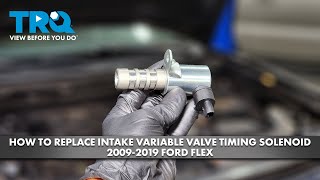
Typical fix: Replace the Bank 2 intake VCT solenoid. On the Flex, this solenoid is located on the front valve cover (radiator side) and is relatively accessible, held by one 8mm bolt. 🎬 Watch: See this step-by-step VCT solenoid replacement walkthrough. The bolt should be torqued to 89 in-lbs (about 7.4 ft-lbs). It is recommended to also replace the small seal around the solenoid.
Est. part cost: $40-$100 - Worn Timing Chain or Cam Phaser ⚪ Low Probability → Shop Engine Timing Chain At higher mileage (typically over 100k-150k miles), the primary timing chain can stretch or the cam phasers can fail, leading to timing correlation issues. This is a known but less common issue for this code, often preceded by a cold-start rattle that lasts for a few seconds.
How to confirm: This is difficult to confirm without significant disassembly. A key symptom is a distinct rattling noise from the front of the engine on a cold start. A professional diagnosis using a scan tool to monitor camshaft deviation PIDs is usually required. The presence of codes P0016 or P0018 alongside P0021 increases the likelihood of a base timing issue.
Typical fix: This is a major repair that involves replacing the timing chains, guides, tensioners, and cam phasers. It is typically a job for a professional shop due to its complexity.
Est. part cost: $500-$1200
Rare But Worth Checking
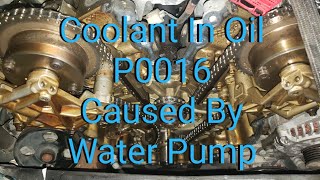
- Internal Water Pump Failure: On the transversely mounted 3.5L Cyclone engines, the water pump is internal and driven by the timing chain. If the pump's bearing or seal fails, it can leak coolant directly into the engine oil. This contamination appears as milky, frothy oil and will quickly destroy the VCT solenoids and other lubricated components, causing codes like P0021. This is a catastrophic failure that requires immediate engine teardown and repair to prevent total engine seizure. 🎬 Watch: How to diagnose a failing internal water pump.
Diagnosis Steps
- Verify the engine oil level and condition. If it is low, dirty, or the wrong viscosity, perform an oil and filter change with the manufacturer-specified oil (e.g., Motorcraft 5W-20 and FL-500S filter). Clear the code and test drive.
- If the code returns, locate the intake VCT solenoids on Bank 1 (firewall side) and Bank 2 (radiator side). They are on the top of the valve covers, secured by a single 8mm bolt.
- Swap the Bank 2 intake VCT solenoid with the Bank 1 intake VCT solenoid. This will require removing any necessary covers to access them.
- Clear the codes and perform a drive cycle, allowing the engine to reach operating temperature.
- Check for codes again. If P0021 has been replaced by P0011, the solenoid you moved to Bank 1 is faulty and must be replaced.
- If the P0021 code returns, the problem is not the solenoid. Inspect the wiring and connector for the Bank 2 solenoid for any damage, corrosion, or loose connections.
- If wiring is okay and you hear a rattling noise from the engine on cold starts, the issue may be a more serious mechanical problem like a stretched timing chain or a bad cam phaser, which requires professional diagnosis.
- Check for signs of coolant in the oil (milky appearance on dipstick or oil cap), which would indicate a failed internal water pump, a known issue on this engine.
Parts You'll Likely Need
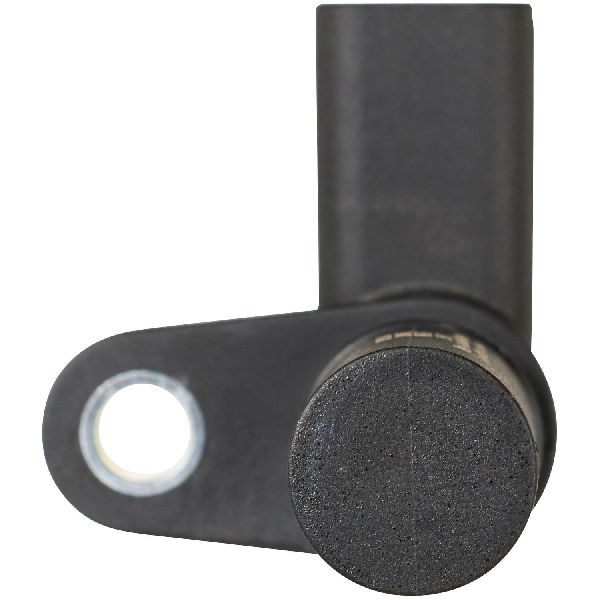
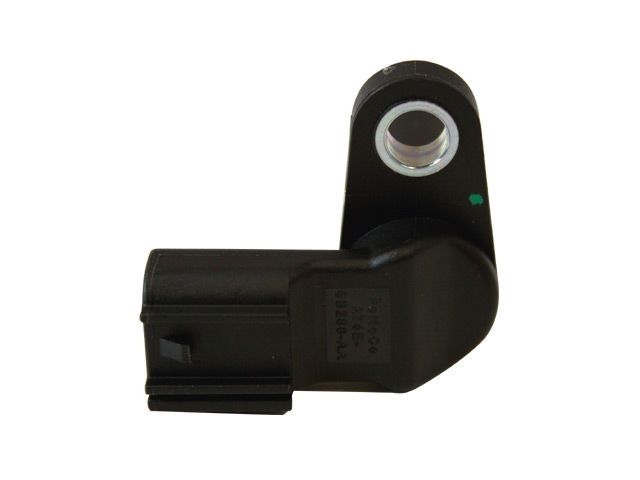
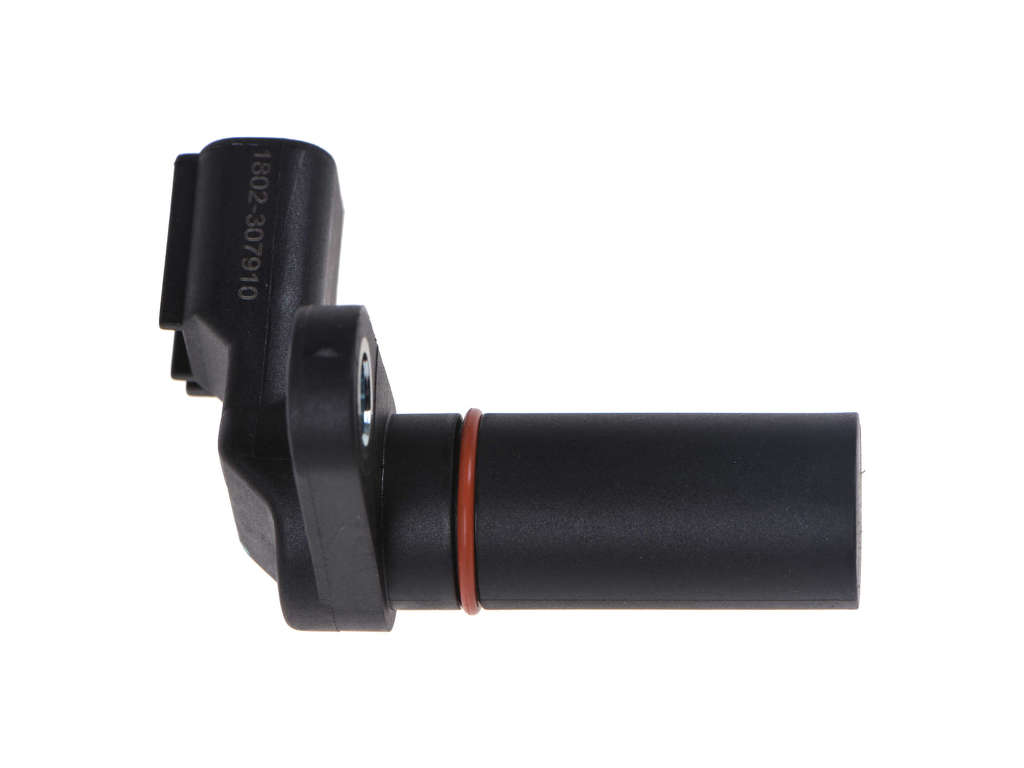
- Engine Variable Camshaft Timing (VCT) Solenoid (Bank 2 Intake)
(OEM #AT4Z-6M280-B)— This solenoid is the most common part to fail. It gets stuck or clogged with debris from engine oil, preventing it from correctly adjusting the camshaft timing. The part number AT4Z-6M280-B is widely cited for this application.
Trusted brands: Motorcraft, Dorman, Standard Motor Products (SMP), TRQ
OEM price range: $60-$90
Aftermarket price range: $30-$70 - Engine Oil and Filter — Clean oil of the correct viscosity is critical for the VCT system to function. An oil change is the first diagnostic step and a frequent fix.
Trusted brands: Motorcraft, Mobil 1, Valvoline
OEM price range: $50-$90
Aftermarket price range: $40-$80
Related Codes That Often Appear With This One
- P0011 — This is the equivalent code for Bank 1. If both P0011 and P0021 are present, it strongly suggests a systemic problem like extremely low/dirty oil or low oil pressure affecting the entire engine.
- P0018 — This is a Crankshaft/Camshaft Correlation code for Bank 2. Ford TSB 16-0038 notes that seeing P0018 and P0021 together on a low-mileage engine points directly to a faulty Bank 2 intake VCT solenoid. On higher mileage engines, it can indicate a stretched timing chain.
Technical Service Bulletins (TSBs) & Recalls
- SSM 50067 / 47170: States that VCT codes like P0021 can be caused by small debris in the oil causing the solenoid to stick, and advises diagnosis (cycling the solenoid with a scan tool 🎬 Watch: See how a VCT solenoid failure looks on a scan tool.) before replacement.
- TSB 16-0038: For 3.5L GTDI engines, advises replacing the Bank 2 intake VCT solenoid if P0021 and P0018 are present together on a low-mileage vehicle.
- TSB 16-0093: Supersedes 16-0038. For 2016 models with under 2,000 miles, advises replacing the specific VCT solenoid indicated by the DTC, suggesting a known early-life failure issue.
- TSB 11-6-1: For early models (built on or before 12/15/2008), addresses various VCT codes including P0021 and points towards potential cam phaser issues.
Platform-Specific Known Issues
- The 3.5L Cyclone V6 is known for VCT solenoid issues due to oil contamination, as documented in Ford TSBs SSM 47170 and SSM 50067.
- The internal water pump, driven by the timing chain, is a significant point of failure. A leak contaminates the oil with coolant, leading to widespread engine damage, often first presenting as VCT-related codes like P0021.
Mechanic-Grade Diagnostic Values
- VCT Solenoid Internal Resistance — expected: 6.9 to 7.9 Ohms at 68°F (20°C). A general acceptable range is 5-15 Ohms.. Failure: A reading of 0 Ohms (short circuit) or infinite/OL (open circuit) indicates a failed solenoid.
- VCT Solenoid Connector Voltage (Key On, Engine Off) — expected: Approximately 12V (Battery Voltage) on the power supply pin.. Failure: Low or no voltage points to a wiring issue, a bad connection, or a problem with the PCM power supply circuit.
- Scan Tool PID: VCT_ADV_ERR (VCT Advance Error) — expected: Should be close to 0 degrees at a stable hot idle.. Failure: A consistent error value outside a +/- 5 degree range for an excessive time indicates a timing deviation that can set the code.
- Scan Tool PID: VCT Solenoid Duty Cycle — expected: Pulse width modulation should be similar for both Bank 1 and Bank 2 under the same conditions.. Failure: If the PCM commands a significantly higher duty cycle on one bank compared to the other to achieve the same timing adjustment, it suggests that bank's solenoid or phaser is struggling to respond.
Scan Tool Commands That Help
- Ford IDS (or equivalent professional scanner): VCT Solenoid On/Off Command / Pinpoint Test HK — This is a primary bidirectional control test. It directly commands the VCT solenoid to actuate. If commanding the solenoid ON at idle does not cause a noticeable change in idle quality (e.g., rough idle or stall), the solenoid is likely stuck, clogged, or has failed. Ford's service messages (like SSM 50067) specifically recommend cycling the solenoid 10 times with this function to attempt to dislodge debris before replacement.
Wiring & Ground Locations
- G103 / G104 — G103 is typically on the left (driver's) side of the engine compartment, while G104 is on the right (passenger) side, often on the inner fender or frame rail.. These are primary chassis and engine ground points. A loose or corroded connection at these locations can create electrical noise or voltage offsets, potentially causing erratic behavior in the PCM and the sensors/actuators it controls, including the VCT solenoids. While not a primary cause, checking grounds is a fundamental step in any electrical diagnosis.
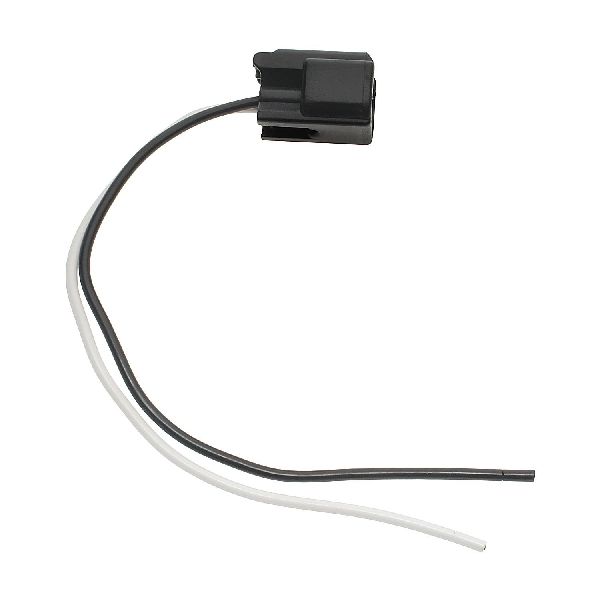
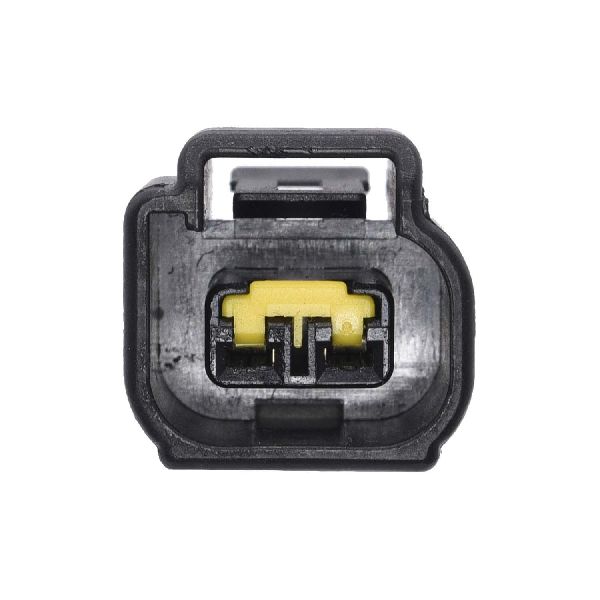
- VCT Solenoid Connector — Directly on top of the VCT solenoid, on the front (radiator-side) valve cover for Bank 2.. This is the connection point for testing voltage and resistance. The connector has two pins: one is a 12V power supply (VPWR circuit) from the PCM power relay, and the other is the control wire that the PCM pulses to ground to operate the solenoid. A loose, corroded, or oil-soaked connector can cause an open or short, leading to the code.
Real Owner Repair Stories
- Ford Edge Forum (2011 Ford Edge 3.5L (same engine family)) — Rough idle, loss of power, and codes P0018 and P0021.
❌ Tried (didn't work) The user did not report trying other fixes first.
✅ What actually fixed it Forum veterans immediately pointed to a probable internal water pump failure leading to timing chain stretch, a known catastrophic failure pattern for this engine when these specific codes appear together.
When the Usual Fixes Don't Work
- In numerous forum discussions and mechanic reports, replacing the VCT solenoid for P0021 does not fix the issue. When the code persists or is accompanied by correlation codes (like P0018), the actual root cause is often found to be a stretched primary timing chain or a failing chain tensioner, frequently caused by a leaking internal water pump contaminating the oil. This contradicts the idea that a solenoid is always the final answer and elevates the importance of checking for timing chain rattle and coolant-in-oil contamination.
OEM Part Supersession History
AT4Z-6M280-A→AT4Z-6M280-B— Part revision, likely for improved durability or internal filtering.
Heads up: Part listings show AT4Z-6M280-A and AT4Z-6M280-B as interchangeable for this application, with 'B' being the later, preferred version.
Model Year Variations Within This Range
- 2009-2012: The naturally aspirated 3.5L V6 produced 262 hp. The optional EcoBoost V6 produced 355 hp.
- 2013-2019: Following a major facelift, the naturally aspirated 3.5L V6 was updated to 287 hp, and the EcoBoost V6 was increased to 365 hp. While the power outputs changed, the underlying VCT system and its common failure points for P0021 remained the same.
Diagnostic Flowchart
Other Known Issues on This Vehicle
Issues unrelated to this code that are worth knowing about as an owner of this generation:
- Internal Water Pump Failure 🔴 High — Common on transverse 3.5L/3.7L engines, typically over 80,000-120,000 miles. Failure leaks coolant into the oil, leading to catastrophic engine damage if not caught.
- Electronic Throttle Body (ETB) Failure 🟠 Medium — Very common across many Ford models with this engine, often causing sudden 'limp mode'. Widespread enough that Ford issued Customer Satisfaction Program 13N03 (now expired). (Ref: 13N03, 16B32)
- AWD Power Transfer Unit (PTU) Failure 🔴 High — The PTU fluid can overheat and break down due to the lack of a drain plug and proximity to the exhaust. This leads to seal failure and eventual gear destruction, typically noticed after 60,000 miles.
- EcoBoost Timing Chain Stretch 🟠 Medium → Shop Engine Timing Chain — More common on 3.5L EcoBoost (turbo) versions, especially earlier models. The timing chain can stretch over time, causing rattling on cold starts and timing-related codes. Often becomes apparent after 100,000 miles.
Used vs. New Parts: Buying Guide for This Vehicle
When a used part is the smart pick: For this specific repair, using used parts is generally not recommended. The primary failure components (VCT solenoids, timing components, water pump) are all wear items or prone to contamination, making a used part a significant gamble.
Donor-vehicle mileage cap: roughly under 50000 miles for the part to have meaningful remaining life.
What to inspect on the donor part:
- If considering a used part is unavoidable, insist on seeing the donor vehicle's maintenance history, specifically oil change intervals.
- For a VCT solenoid, inspect the mesh screens for any signs of metallic debris or sludge. If not perfectly clean, do not buy it.
- Avoid any parts from an engine that shows signs of coolant-in-oil contamination (milky residue under the oil cap).
OEM-only on this vehicle (don't cheap out):
- VCT Solenoids: While some aftermarket brands are acceptable, OEM Motorcraft solenoids are widely considered the most reliable and are recommended to avoid repeat failures.
- Timing Chain Kit: Given the labor-intensive nature of a timing job, using a high-quality OEM or top-tier aftermarket kit is critical to ensure longevity.
- Internal Water Pump: This is a catastrophic failure point. Using a new, high-quality OEM pump is mandatory during a timing service to prevent a repeat failure that could destroy the engine.
Aftermarket brands forum-validated for this vehicle:
- Dorman (for VCT solenoids, often with design improvements)
- Standard Motor Products (SMP)
- TRQ (often cited in DIY repair videos)
Brands owners have reported issues with on this vehicle:
- Unnamed, no-brand solenoids from online marketplaces should be avoided, as their internal components and calibration may not meet OE specifications, leading to persistent codes or poor performance.
Real Owner Stories
Aggregated from forums and TSBs cited above. Mileages and costs reflect what owners reported in those sources.
2011 Ford Edge 3.5L V6 — ~100000 miles
Symptoms: Rough idle and trouble codes P0018 and P0021.
What fixed it: The issue was associated with the internal water pump and timing chain failure, which is a common point of failure on this engine platform.
Source hint: Ford Edge Forum - 'Rough Idle and trouble codes P0018 and P0021'
2016 Ford Flex 3.5L V6 — 1500 miles
Symptoms: Check engine light on with code P0021 shortly after purchase.
What fixed it: Replacement of the specific VCT solenoid indicated by the DTC as per TSB 16-0093.
Source hint: TSB 16-0093
Related OBD-II Codes
Frequently Asked Questions
My 2016 Ford Flex has less than 2,000 miles and just threw a P0021 code. Is this a known issue?
Does Ford have a TSB for P0021 and P0018 appearing together on the 3.5L EcoBoost engine?
I have a very early 2009 Ford Flex built in 2008. Are there specific concerns for P0021 on my build date?
What specific oil should I use in my Flex to prevent VCT solenoid clogging?
Is there a way to test if the Bank 2 VCT solenoid is actually bad before I buy a new one?
Could a cooling system issue cause my P0021 code?
Helpful Videos
We Have This Part in Stock


The information in this article is provided for general reference and educational purposes only. Vehicle specifications, procedures, and part compatibility can vary by production date, trim level, and region. Always consult your vehicle's factory service manual and verify part numbers before purchasing or performing repairs. Safety-critical components such as airbags, seat belts, and braking systems should be installed by a qualified professional.
- Ford Flex:
- 🧭 Diagnostic Flowchart
- 🎬 Helpful Videos
- 🛍️ Shop This Part
- What's Unique About the 2009-2019 Ford Flex
- Symptoms You May Notice
- Most Likely Causes
- Rare But Worth Checking
- Diagnosis Steps
- Parts You'll Likely Need
- Related Codes That Often Appear With This One
- Technical Service Bulletins (TSBs) & Recalls
- Platform-Specific Known Issues
- Mechanic-Grade Diagnostic Values
- Scan Tool Commands That Help
- Wiring & Ground Locations
- Real Owner Repair Stories
- When the Usual Fixes Don't Work
- OEM Part Supersession History
- Model Year Variations Within This Range
- Other Known Issues on This Vehicle
- Used vs. New Parts: Buying Guide for This Vehicle
- Real Owner Stories
- 2011 Ford Edge 3.5L V6 — ~100000 miles
- 2016 Ford Flex 3.5L V6 — 1500 miles
- Related OBD-II Codes
- Frequently Asked Questions
- 🎟️ Get 5% Off