

P0021 on 2015-2020 Ford Fusion: Causes and Fixes for Camshaft Timing
P0021 on a 2015-2020 Ford Fusion most often points to a faulty Variable Camshaft Timing (VCT) solenoid, usually due to dirty or low engine oil. An oil change and solenoid replacement is the most common fix, costing around $50-$150 for parts.
- The most likely cause of a P0021 code on your Fusion is either old, dirty engine oil or a failing VCT solenoid.
- Always start by checking your oil. An oil and filter change is the cheapest and easiest first step and may solve the problem.
- If an oil change doesn't work, the exhaust VCT solenoid is the next part to inspect and likely replace.
- Ignoring this code can lead to poor engine performance, bad fuel mileage, and potential long-term engine wear.
- This is a manageable DIY repair for many home mechanics, as the solenoids are typically accessible on Fusion engines.
What's Unique About the 2015-2020 Ford FUSION
For the second-generation Ford Fusion, the various EcoBoost and Duratec engines are highly dependent on clean, correct-viscosity engine oil for the VCT system to function. The oil passages within the VCT solenoids are very narrow and can easily become clogged by sludge or small debris. Ford has issued multiple Technical Service Bulletins (TSBs), including SSM 47170 and SSM 50067, which state that small debris in the oil can cause the VCT solenoids to stick, directly leading to codes like P0021. This indicates a high sensitivity within the Ford VCT system to oil condition and maintenance intervals.
Diagnostic Flowchart
Tap your situation to follow the diagnostic path that matches what you're seeing on this vehicle.
Symptoms You May Notice
- Check Engine Light is on
- Rough or erratic idle
- Engine hesitates or stalls during acceleration or when coming to a stop
- Reduced fuel economy
- Rattling noise from the engine, sometimes described as a diesel-like clatter, especially on startup
- Hard starting
- Engine knocking sounds
- Replacing the camshaft position sensor first. While it can be the cause, low oil and faulty VCT solenoids are far more common and should be checked first to avoid unnecessary spending.
- Assuming a major timing chain failure immediately. While possible, the VCT solenoids are a much more frequent and less expensive failure point that should be ruled out before condemning the timing chain or phasers.
Most Likely Causes
- Low, Dirty, or Incorrect Engine Oil 🔴 High Probability The VCT system is hydraulically operated by engine oil. Low oil levels, old/sludgy oil, or using the wrong oil viscosity (too thick or too thin) can starve the VCT solenoids and phasers of the pressure needed to operate correctly, causing them to stick or respond slowly.
How to confirm: Check the oil level on the dipstick. Inspect the oil's color and consistency. If it's dark, thick, or below the 'add' line, this is a likely cause. 🎬 Watch: Two simple DIY methods to fix a P0021 code. Verify the oil viscosity used against the manufacturer's recommendation in the owner's manual (typically a 5W-20 or 5W-30 synthetic blend for these engines).
Typical fix: Perform an oil and filter change using the manufacturer-specified grade of oil (e.g., Motorcraft synthetic blend) and a quality oil filter.
Est. part cost: $40-$80 - Faulty Variable Camshaft Timing (VCT) Solenoid 🔴 High Probability → Shop Engine Camshaft As noted in Ford TSBs SSM 47170 and SSM 50067, debris can cause the VCT solenoid to stick. The solenoid is a common failure point that controls the oil flow to the camshaft phaser. Its internal passages can become clogged, or the electronic part can fail.
How to confirm: A mechanic can command the solenoid on and off with a scan tool while monitoring specific PIDs like VCT_INT_ACT2 and VCT_INT_DIF2 to check its response. You can also test the solenoid's resistance with a multimeter (typically 6-12 ohms) or apply 12V to see if it actuates. A stuck solenoid may not click when power is applied.
Typical fix: Replace the VCT solenoid for the exhaust camshaft. It is often recommended to replace both intake and exhaust solenoids 🎬 Watch: Step-by-step walkthrough for replacing the VCT solenoid. at the same time.
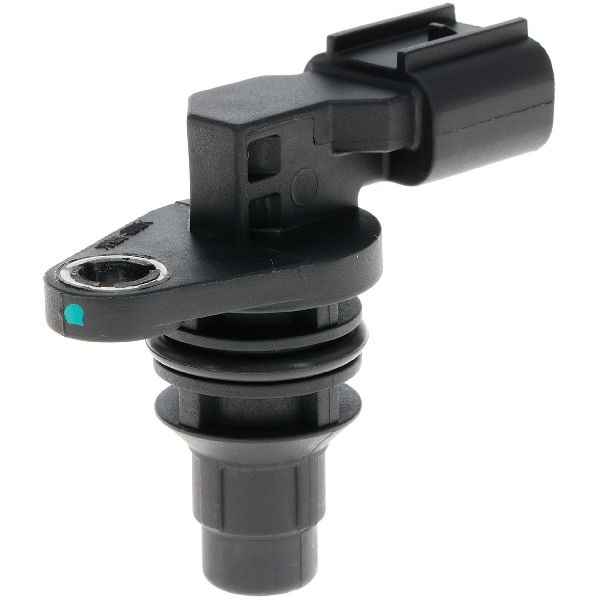
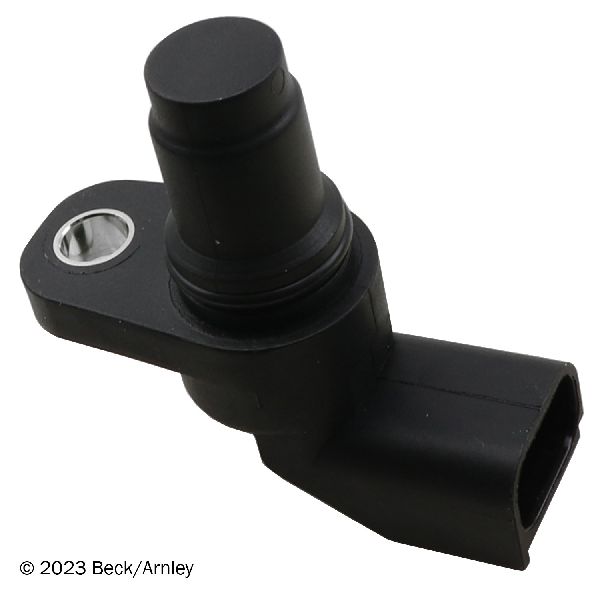
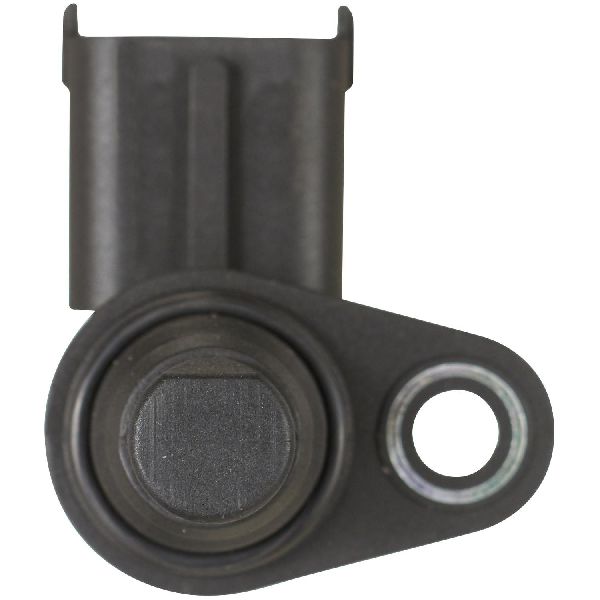
Est. part cost: $30-$100 - Faulty Camshaft Position Sensor ⚪ Low Probability → Shop Engine Camshaft Position Sensor While less common than oil or solenoid issues, the sensor that reads the camshaft's position can fail, sending incorrect data to the PCM. This can sometimes be misdiagnosed as a mechanical timing issue.
How to confirm: Diagnose other DTCs first, as a failing camshaft sensor often throws its own specific codes (e.g., P034x range). A scan tool can monitor the sensor's live data for dropouts or erratic signals. If CMP sensor codes are present, they should be diagnosed before addressing the P0021 code.
Typical fix: Replace the corresponding camshaft position sensor.
Est. part cost: $25-$70
Rare But Worth Checking
- Worn Timing Chain or Phaser: → Shop Engine Timing Chain If the engine has high mileage or a history of poor maintenance, the timing chain could be stretched or the camshaft phaser could be mechanically stuck or broken. This is a much more involved and expensive repair, often accompanied by codes for both banks (P0011 and P0021) and rattling noises.
- Clogged Oil Passages: In cases of severe engine sludge from neglected oil changes, the small oil passages leading to the VCT components can become blocked. This may require an engine flush, which carries its own risks, or manual cleaning during a more significant teardown.
- Internal Oil Gallery Gasket Failure: On some V6 engines (less common on the Fusion's I4s but still possible in the family), internal timing cover gaskets that seal oil passages can fail, leading to a loss of oil pressure to the VCT system. This is a major repair requiring removal of the timing cover.
Diagnosis Steps
- Check Engine Oil Level and Condition: Ensure the oil is full, clean, and of the correct viscosity (e.g., 5W-20 or 5W-30). If in doubt, perform an oil and filter change with high-quality parts. This simple step resolves the issue in many cases.
- Scan for Other Codes: Use an OBD-II scanner to check for any other codes that could provide more clues, such as camshaft sensor codes (P034x) or other VCT-related codes (P0011, P0012, P0022).
- Inspect VCT Solenoid Wiring: Check the electrical connector and wiring to the exhaust VCT solenoid for any damage, corrosion, oil contamination, or loose connections. Ensure the connector is securely seated.
- Test the VCT Solenoid: Using a bidirectional scan tool, command the solenoid to activate and observe the engine's response and PID data (e.g., VCTADVERR2). Alternatively, remove the solenoid, clean it, and test it by applying 12V to see if the internal plunger moves freely with an audible click. 🎬 See this Ford technician's overview on diagnosing VCT system issues. Test its internal resistance with a multimeter (should be within 6-12 ohms).
- Swap Solenoids (If Applicable): If the engine has identical intake and exhaust solenoids, you can swap them. Clear the codes and drive the car. If the code changes to P0011 (Bank 1), it confirms the solenoid you moved is faulty.
- Check Oil Pressure: If solenoid tests are inconclusive, use a mechanical gauge to test the engine's oil pressure to ensure it's within spec. Low pressure prevents the VCT system from functioning correctly.
- Check Mechanical Timing: If all else fails, the issue may be mechanical. This involves inspecting the timing chain, tensioners, and camshaft phasers for wear or damage, which is best left to a professional.
Parts You'll Likely Need
- Variable Camshaft Timing (VCT) Solenoid
(OEM #CN1G-6L713-AD (For 1.5L EcoBoost), 7U5Z-6C535-A (For 2.5L Duratec), BL3Z-6M280-B (For 2.0L EcoBoost - verify with VIN))— This part directly controls oil flow for cam timing and is prone to sticking from oil debris, as cited in Ford's TSBs. It is the most frequent hardware failure for this code.
Trusted brands: Motorcraft, Dorman, NGK/NTK
OEM price range: $70-$120
Aftermarket price range: $30-$80 - Engine Oil and Filter
(OEM #Motorcraft FL-910S (Filter for EcoBoost), Motorcraft FL-500S (Filter for 2.5L))— Clean, correct-viscosity oil is critical for the VCT system. An oil change is a necessary first step and often the complete fix.
Trusted brands: Motorcraft, Mobil 1, Castrol
OEM price range: $50-$90
Aftermarket price range: $40-$70
Related Codes That Often Appear With This One
- P0011 — This is the equivalent code for the intake camshaft ('Bank 1'). If both appear, it could point to a systemic issue like low oil pressure, incorrect oil viscosity, or a timing problem affecting both camshafts.
- P0022 — This code is for 'Camshaft Position 'A' - Timing Over-Retarded (Bank 2)'. Seeing it with P0021 can indicate an erratic VCT solenoid or phaser that is not controlling timing accurately in either direction, or a wiring issue.
- P0345, P0349 — These are codes for the Bank 2 camshaft position sensor circuit. If one of these is present with P0021, it strongly suggests the sensor or its wiring is the root cause and should be diagnosed first.
Technical Service Bulletins (TSBs) & Recalls
- SSM 47170: Notes that DTCs including P0021 may be due to small debris causing the VCT solenoid to stick. Advises against immediate component replacement without proper diagnosis.
- SSM 50067: Reiteration of SSM 47170, pointing to debris causing VCT solenoid issues for P0021 and related codes.
- SSM 54366: Directs technicians to specific diagnostic tests (Pinpoint Test HK) in the workshop manual for P0021 and other VCT codes.
Platform-Specific Known Issues
- 1.5L EcoBoost VCT Solenoid Replacement: → Shop Engine Variable Valve Timing (VVT) Solenoid On the 1.5L EcoBoost engine, the two VCT solenoids are located on the top of the valve cover, towards the passenger side of the engine bay. They are held in by a single 8mm bolt each and are relatively easy to access and replace. A YouTube video by 'A DIY Auto Mechanic' provides a clear walkthrough of the process. The part number is often cited as CN1G-6L713-AD.
- 2.5L Duratec I-VCT System: The 2.5L engine also commonly experiences this code due to oil condition or solenoid failure. The solenoids are located on the side of the cylinder head and are also held by 8mm bolts, making for a straightforward replacement.
- 2.0L EcoBoost High-Mileage Concerns: While VCT solenoids are a common cause, the 2.0L EcoBoost engine, especially at higher mileage (over 100k miles), can be prone to timing chain stretch or tensioner failure, which can also trigger P0021. If rattling noises are prominent and an oil change/solenoid replacement does not fix the code, further investigation into the mechanical timing components is warranted.
Mechanic-Grade Diagnostic Values
- VCT Solenoid Internal Resistance — expected: 6.9 to 12 ohms. Failure: A reading of 'OL' (open loop) or a value significantly outside the expected range indicates a failed solenoid coil.
- Engine Oil Pressure (Hot Idle) — expected: Greater than 20 PSI. Failure: A forum user with P0021 noted their pressure dropped to 15 PSI at hot idle, which is insufficient for proper VCT operation. Low oil pressure starves the phasers and prevents correct timing adjustments.
Scan Tool Commands That Help
- FORScan / Ford IDS: Monitor PIDs: VCT_INT_ACT2, VCT_INT_DIF2, VCTADVERR2 — These PIDs are essential for diagnosing P0021. VCT_INT_ACT2 shows the actual angle of the Bank 2 intake cam. VCT_INT_DIF2 and VCTADVERR2 show the difference (error) between the commanded and actual positions. A large, persistent error value on VCTADVERR2 while driving points directly to a problem with the Bank 2 VCT system.
- Bidirectional Scan Tool: VCT Solenoid Actuator Test — This command allows a technician to manually activate the VCT solenoid with the engine running. If activating the solenoid causes the engine to hesitate, run rough, or stall, it confirms the solenoid is mechanically capable of moving and that oil is flowing. If there is no change in engine operation, the solenoid is likely stuck or oil passages are blocked.
Wiring & Ground Locations
- G103 / G104 — G103 is typically located on the left front of the engine compartment. G104 is often found in front of the right strut tower or on the right front of the engine compartment. Another key ground point is under the battery tray.. The PCM and its sensors, including the Camshaft Position Sensor, rely on clean ground connections. A poor ground at one of these main engine/chassis points can introduce electrical noise or voltage drops, potentially causing the PCM to receive inaccurate sensor data and set false timing codes.
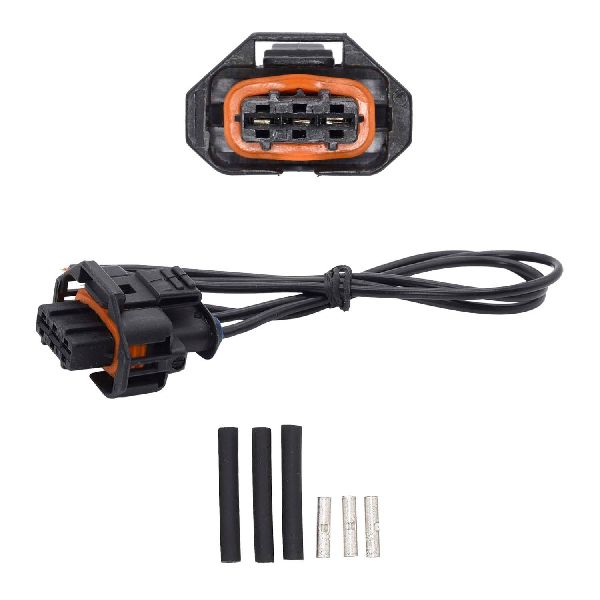
- VCT Solenoid Connector — On the valve cover, connected to the VCT solenoid for the exhaust camshaft.. The VCT solenoid is controlled by a two-wire connector. One wire is a power supply (often from a fuse in the battery junction box), and the other is a control line that the PCM provides a ground to activate the solenoid. Checking for battery voltage at the power pin with the key on is a critical diagnostic step.
Real Owner Repair Stories
- F150online Forums user 'KwitcherBitchin' (Ford 5.4L V8 (similar VCT system principles)) — P0021 and other VCT codes, rough running.
❌ Tried (didn't work) Swapped VCT solenoids (both new), Cleaned valve bodies, Swapped Camshaft Position Sensors
✅ What actually fixed it The user discovered the root cause was low oil pressure. At hot idle, the pressure was only 15 PSI, and at 2000 RPM it was 50-55 PSI. This low pressure was insufficient to operate the VCT system correctly, leading to the timing error codes despite the new parts. - Reddit user in r/G37 (Infiniti G37 (different vehicle, but illustrates a common VCT failure pattern)) — Limp mode, P0021 and P0524 (Engine Oil Pressure Too Low) codes appeared together, but with no Check Engine Light initially.
❌ Tried (didn't work) Initial scan showed no CEL, confusing the diagnosis.
✅ What actually fixed it The combination of P0021 and P0524 strongly indicated an oil pressure problem was the root cause. The user had previously experienced a failed solenoid, but the addition of the oil pressure code pointed towards a more systemic issue, likely the infamous gallery gasket failure common on that engine, which causes a loss of oil pressure to the heads.
OEM Part Supersession History
3L3Z-6M280-EA, 8L3Z-6M280-A→BL3Z-6M280-B (for 2.0L EcoBoost, verify with VIN)— Part revisions are common to improve durability, change materials, or update the internal design to be less susceptible to sticking from debris.
Heads up: While the part may physically fit other engines like the 4.6L/5.4L V8, it's critical to use the part number specified for the Fusion's 2.0L EcoBoost to ensure correct oil flow characteristics and electronic compatibility.
Model Year Variations Within This Range
- 2017-2020: The 2017 model year refresh introduced a rotary dial gear selector and the SYNC 3 system. However, the core 2.0L EcoBoost and 2.5L Duratec engines and their associated VCT systems remained fundamentally the same as the 2015-2016 models. Therefore, the causes and diagnostic procedures for P0021 are consistent across the entire 2015-2020 range.
Helpful Videos
![How to Fix P0021 Engine Code in 4 Minutes [2 DIY Methods / Only $6.43]](https://img.youtube.com/vi/T8aepJyvnbg/mqdefault.jpg)
We Have This Part in Stock


The information in this article is provided for general reference and educational purposes only. Vehicle specifications, procedures, and part compatibility can vary by production date, trim level, and region. Always consult your vehicle's factory service manual and verify part numbers before purchasing or performing repairs. Safety-critical components such as airbags, seat belts, and braking systems should be installed by a qualified professional.
- Ford FUSION:
- 🧭 Diagnostic Flowchart
- 🎬 Helpful Videos
- 🛍️ Shop This Part
- What's Unique About the 2015-2020 Ford FUSION
- Symptoms You May Notice
- Most Likely Causes
- Rare But Worth Checking
- Diagnosis Steps
- Parts You'll Likely Need
- Related Codes That Often Appear With This One
- Technical Service Bulletins (TSBs) & Recalls
- Platform-Specific Known Issues
- Mechanic-Grade Diagnostic Values
- Scan Tool Commands That Help
- Wiring & Ground Locations
- Real Owner Repair Stories
- OEM Part Supersession History
- Model Year Variations Within This Range
- 🎟️ Get 5% Off