

P0021 on 2019-2021 Ford Ranger 2.3L: Exhaust Cam Timing Causes and Fixes
On a 2019-2021 Ford Ranger, P0021 means the exhaust camshaft timing is too far advanced. This is almost always caused by dirty engine oil or a failing exhaust VCT solenoid. Start with an oil change using the correct 5W-30 synthetic oil. If that doesn't work, swap the intake and exhaust VCT solenoids to confirm the failure; if the code changes to P0011, the solenoid is bad. A new Motorcraft solenoid costs about $70-$100 and is a DIY-friendly fix.
- P0021 on your Ranger's 2.3L engine points to the **exhaust** camshaft timing being over-advanced.
- The absolute first step is to check your engine oil. Low, old, or dirty oil is the number one cause.
- The most common failed part is the exhaust VCT solenoid, which gets stuck. It's affordable and relatively easy to replace.
- A simple way to confirm a bad solenoid is to swap it with the identical intake solenoid and see if the code changes to P0011.
- Do not assume you have a major timing chain problem until you have ruled out the oil and the VCT solenoid.
What's Unique About the 2019-2021 Ford RANGER
The main point of confusion for the Ford Ranger is the 'Bank 2' reference in the code's generic definition. On this inline-4 engine, Ford's control strategy uses 'Bank 1' codes (like P0011) for the intake camshaft and 'Bank 2' codes (like P0021) for the exhaust camshaft. The problem is very frequently linked to the VCT solenoids getting stuck from small debris in the oil, an issue Ford has acknowledged in multiple Technical Service Bulletins (TSBs). TSB SSM 50067 specifically advises technicians to try cycling the solenoid with a scan tool to clear debris before replacing it.
Diagnostic Flowchart
Tap your situation to follow the diagnostic path that matches what you're seeing on this vehicle.
Symptoms You May Notice
- Check Engine Light is on
- Rough or unstable idle, sometimes shaking the vehicle
- Engine hesitation or stalling, especially during slow acceleration or when coming to a stop
- Noticeable decrease in fuel economy
- Reduced engine power
- Rattling or knocking noises from the engine on startup
- Replacing the camshaft position sensor. A sensor failure is less likely to cause an 'over-advanced' condition and would typically throw a different DTC (e.g., P0340-series codes).
- Assuming a major timing job is needed before checking oil and the VCT solenoid. Always start with the simplest and most common fixes first, as even Ford's TSBs recommend against immediate component replacement.
Most Likely Causes
- Low, Dirty, or Incorrect Viscosity Engine Oil 🔴 High Probability The VCT system is hydraulic and extremely sensitive to oil pressure and cleanliness. The passages in the solenoids are very small and can be easily clogged by sludge or debris from extended oil change intervals.
How to confirm: Check the oil level on the dipstick and examine its color and consistency. If the level is low or the oil is dark, gritty, or past its service interval, this is the most likely cause. The recommended oil is SAE 5W-30 Full Synthetic.
Typical fix: Perform an engine oil and filter change using the correct Ford-specified viscosity oil (SAE 5W-30 for the 2.3L EcoBoost) and a quality filter like Motorcraft. Clear the codes and drive to see if the issue is resolved.
Est. part cost: $50-$90 - Faulty Exhaust VCT Solenoid (Oil Control Valve) 🔴 High Probability → Shop Engine Variable Valve Timing (VVT) Solenoid Ford TSB SSM 50067 specifically notes that P0021 can be caused by small debris making the VCT solenoid stick. This is a well-documented failure item across many Ford engines using this system, including the 2.3L EcoBoost.
How to confirm: After an oil change, if the code persists, this is the next step. The most effective method is to swap the exhaust and intake VCT solenoids (they are the same part) and see if the code changes to P0011. If it does, the solenoid is faulty. You can also test the solenoid's resistance with a multimeter (typically 6-12 ohms).
Typical fix: Replace the exhaust VCT solenoid. It is located on the top of the valve cover and is accessible for DIY replacement.
Est. part cost: $40-$100 - Worn Timing Chain or Guide ⚪ Low Probability → Shop Engine Timing Chain While less common than oil or solenoid issues, timing chains can stretch over high mileage, causing a constant timing deviation that the VCT system cannot correct. This is a more significant repair but less probable on a 2019-2021 model unless it has very high mileage or a history of poor maintenance.
How to confirm: This is a complex diagnosis. It often presents with a persistent rattling noise from the front of the engine. A mechanic would need to remove the valve cover and timing cover to physically inspect the chain for slack and check the timing marks.
Typical fix: Replace the timing chain, tensioner, and guides. This is a labor-intensive job.
Est. part cost: $300-$600
Rare But Worth Checking
- Failed Camshaft Phaser: → Shop Engine Camshaft The phaser is the gear on the end of the camshaft that actually does the adjusting. It can fail internally and get stuck, but this is much less common than a solenoid failure. This is a more involved and expensive repair that often presents with a cold-start rattle.
- Wiring Harness Damage: Check the wiring and connector going to the exhaust VCT solenoid for any signs of fraying, corrosion, or oil contamination before replacing the part. A poor connection can prevent the solenoid from operating correctly.
Diagnosis Steps
- Check Engine Oil: Verify the oil level is full and the oil is clean. If it's low, dirty, or the wrong viscosity, perform an oil and filter change with SAE 5W-30 Full Synthetic oil and a Motorcraft filter. Clear the code and drive to see if it returns.
- Inspect VCT Solenoid Wiring: Visually inspect the electrical connector and wiring going to the exhaust VCT solenoid (top of the engine, driver's side) for any damage, oil saturation, or loose connections.
- Swap VCT Solenoids: The intake and exhaust VCT solenoids are identical and accessible on the valve cover. Label them, swap their positions, clear the codes, and drive the vehicle. If the trouble code changes to P0011 (Intake Camshaft Position Timing Over-Advanced), you have confirmed the solenoid you moved to the intake side is faulty. This is the most definitive DIY diagnostic step. 🎬 Watch: How to fix P0021 and P0011 codes step-by-step.
- Test the Solenoid (Scan Tool Method): Per TSB SSM 50067, a technician with a proper scan tool can run pinpoint test HK12, which cycles the solenoid 10 times to try and dislodge debris. If the code clears and does not return, the issue was temporary debris. If it returns, the solenoid needs replacement.
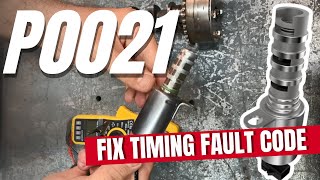
- Test the Solenoid (Manual Method): If you don't swap them, you can remove the suspect solenoid and test its resistance with a multimeter. A typical reading is between 6 and 12 ohms. You can also briefly apply 12V to see if the internal plunger actuates (you should hear a distinct click). A lack of click or incorrect resistance indicates failure. 🎬 See how to tell if your VVT solenoid is bad.
- Replace the VCT Solenoid: If the solenoid is confirmed bad from the swap test or manual test, replace it with a new part. Ensure the area is clean before installing the new solenoid to prevent debris from entering the engine.
- Advanced Mechanical Check: If a new solenoid and clean oil do not fix the issue, the problem may be mechanical with the timing chain or cam phaser. This level of diagnosis often requires professional tools and experience and is best left to a qualified mechanic.
Parts You'll Likely Need
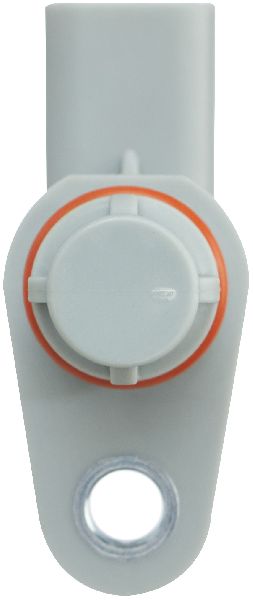
- Engine Variable Camshaft Timing (VCT) Solenoid
(OEM #KX6Z-6M280-A)— This is the most common failure point for P0021, often getting stuck due to oil debris, as noted in Ford TSBs. The intake and exhaust solenoids are the same part.
Trusted brands: Motorcraft, Dorman, Standard Motor Products (SMP)
OEM price range: $70-$100
Aftermarket price range: $40-$70 - Engine Oil and Filter
(OEM #Motorcraft FL-910S (Filter))— Correct, clean oil is critical for VCT system operation and is the first and most important diagnostic step. Using a high-quality filter is crucial to prevent debris issues.
Trusted brands: Motorcraft SAE 5W-30 Full Synthetic Blend, Mobil 1 5W-30 Full Synthetic, Castrol EDGE 5W-30 Full Synthetic
OEM price range: $60-$90
Aftermarket price range: $50-$70
Related Codes That Often Appear With This One
- P0011 — This is the 'over-advanced' code for the intake camshaft. If both P0011 and P0021 appear together, it strongly suggests a systemic issue like extremely low/dirty oil or low oil pressure affecting both VCT solenoids.
- P0022 — This is the 'over-retarded' code for the same exhaust camshaft. Seeing P0021 and P0022 intermittently could point to an erratic VCT solenoid that is sticking in both directions or a wiring issue causing inconsistent control.
- P0018 — This is a crankshaft/camshaft correlation error for Bank 2. If the cam timing is sufficiently advanced, it can de-synchronize from the crankshaft position enough to trigger this code as well, pointing to a more significant timing issue.
Technical Service Bulletins (TSBs) & Recalls
- SSM 54366: Groups P0021 with other VCT codes and refers to workshop manual diagnostics.
- SSM 50067: States that P0021 can be caused by debris in the VCT solenoid and advises cycling the solenoid with a scan tool before replacement.
Platform-Specific Known Issues
- TSB SSM 50067: Acknowledges that P0021 and related codes can be caused by small debris causing the VCT solenoid to stick. It specifically advises against immediate component replacement, instead directing technicians to run a diagnostic test (Pinpoint Test HK12) to cycle the solenoid and attempt to clear the debris.
- TSB SSM 54366: Groups P0021 with a dozen other VCT-related codes and points technicians to a specific diagnostic pinpoint test in the workshop manual, indicating this is a well-known family of faults. [NHTSA Source]
- TSB SSM 49821: Another bulletin that lists P0021 among a wide range of VCT codes that can appear on 2015-2021 Ford and Lincoln vehicles, reinforcing the commonality of this issue across multiple platforms with similar engine technology. [NHTSA Source]
Mechanic-Grade Diagnostic Values
- VCT Solenoid Internal Resistance — expected: 6.9 to 7.9 ohms. Some sources state a broader but acceptable range of 6 to 12 ohms.. Failure: A reading of 0 ohms (short circuit) or infinite/OL (open circuit) indicates a failed solenoid.
- VCT Solenoid Connector Voltage (Key On, Engine Off) — expected: Approximately 12V (Battery Voltage) on the power supply pin.. Failure: No voltage suggests a wiring issue, a blown fuse (unlikely to be isolated as it's often shared with injectors), or a PCM power relay fault.
- Engine Oil Pressure at Hot Idle — expected: Minimum of 15 PSI at idle after the engine is warm.. Failure: Pressure below 15 PSI, especially when hot, indicates a potential oil pump issue or excessive bearing clearance, which can starve the VCT system of the pressure it needs to operate.
Hidden / Shadow Codes Worth Checking
- Mode $06, TID $51-$54: Ford uses Mode $06 to display results from non-continuous monitor tests before a DTC is set. Test IDs related to VVT system monitoring (often in the $5x range) can show if the cam timing is approaching the failure threshold. A technician can also monitor specific Ford PIDs. (see via A professional scan tool with Mode $06 capability. For P0021 (Exhaust cam), a technician would monitor PIDs like VCT_EXH_ACT2 (actual angle) and VCT_EXH_DIF2 (difference from commanded angle).)
Scan Tool Commands That Help
- Ford IDS (or equivalent professional scan tool like FORScan): VCT Solenoid Duty Cycle / On-Off State (Pinpoint Test HK) — This is a bidirectional control used to command the VCT solenoid on and off while the engine is idling. A change in idle quality (running rougher or stalling) and an audible click from the solenoid confirms electrical and basic mechanical function. TSB SSM 50067 recommends using this to cycle the solenoid multiple times to dislodge debris as a first-step repair.
Wiring & Ground Locations
- Exhaust VCT Solenoid Connector — On top of the valve cover, towards the driver's side of the engine. It is a two-wire connector.. This is the primary point for electrical testing. One pin receives ~12V power with the key on, and the other pin is the control wire that the PCM pulses to ground to activate the solenoid. Damage or oil contamination here will cause solenoid malfunction. Pigtail connectors (like Standard Motor Products KB779TS) are available if the connector itself is damaged.
Real Owner Repair Stories
- Reddit user in r/fordranger (Ford Ranger (model year not specified, but symptoms are relevant)) — Low oil pressure light would illuminate dimly at hot idle after driving for a few minutes.
❌ Tried (didn't work) Initially suspected a bad oil pump or incorrect idle speed.
✅ What actually fixed it The owner reported the fix was an oil change, as the old oil was in poor condition, and cleaning the oil pressure sensor which was clogged with sludge.
OEM Part Supersession History
KX6Z-6M280-A→KX6Z-6M280-A (current)— This part number appears stable for the 2019-2021 model years.
Heads up: Some parts catalogs note a change related to May 2024, but this appears to be for the camshafts themselves, not the VCT solenoid. The KX6Z-6M280-A solenoid fits the 2019-2021 Ranger.
Model Year Variations Within This Range
- 2019-2021: The 2.3L EcoBoost in the Ranger is mechanically distinct from the versions in the Mustang or Focus RS, featuring a forged steel crankshaft and forged connecting rods for truck duty, along with tuning for better low-RPM torque. However, the VCT system design and common failure points (oil quality, solenoids) are consistent across these applications and stable within the 2019-2021 Ranger model years.
Helpful Videos
Used OEM Parts in Stock
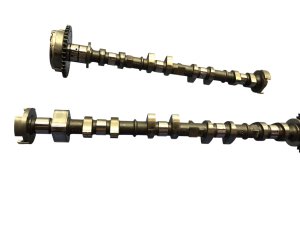
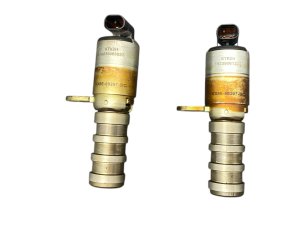
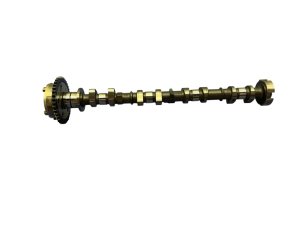
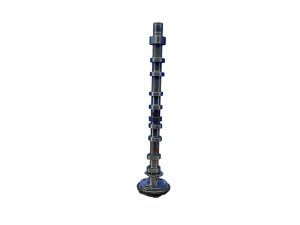
New Aftermarket Parts Available


The information in this article is provided for general reference and educational purposes only. Vehicle specifications, procedures, and part compatibility can vary by production date, trim level, and region. Always consult your vehicle's factory service manual and verify part numbers before purchasing or performing repairs. Safety-critical components such as airbags, seat belts, and braking systems should be installed by a qualified professional.
- Ford RANGER:
- 🧭 Diagnostic Flowchart
- 🎬 Helpful Videos
- 🛍️ Shop This Part
- What's Unique About the 2019-2021 Ford RANGER
- Symptoms You May Notice
- Most Likely Causes
- Rare But Worth Checking
- Diagnosis Steps
- Parts You'll Likely Need
- Related Codes That Often Appear With This One
- Technical Service Bulletins (TSBs) & Recalls
- Platform-Specific Known Issues
- Mechanic-Grade Diagnostic Values
- Hidden / Shadow Codes Worth Checking
- Scan Tool Commands That Help
- Wiring & Ground Locations
- Real Owner Repair Stories
- OEM Part Supersession History
- Model Year Variations Within This Range
- 🎟️ Get 5% Off