

P0021 on 2010-2017 GMC Terrain 3.0L/3.6L: Causes and Fixes for Camshaft Timing
For a V6 GMC Terrain, P0021 is most often caused by low/dirty engine oil or a failed Bank 2 intake camshaft actuator solenoid. An oil change with full synthetic 5W-30 oil may fix it. If not, the solenoid is about $30-$60 and is a common DIY replacement. However, be aware that this code can also be an early sign of a stretched timing chain, a serious and expensive repair.
- Always check your engine oil first; a simple oil change with full synthetic 5W-30 oil might fix the issue.
- The most common failed part is the Bank 2 (front) intake camshaft actuator solenoid, which is relatively inexpensive and accessible for DIY replacement.
- If you hear a rattling noise from the engine or also have codes like P0008, the problem is very likely a stretched timing chain, which requires immediate professional attention.
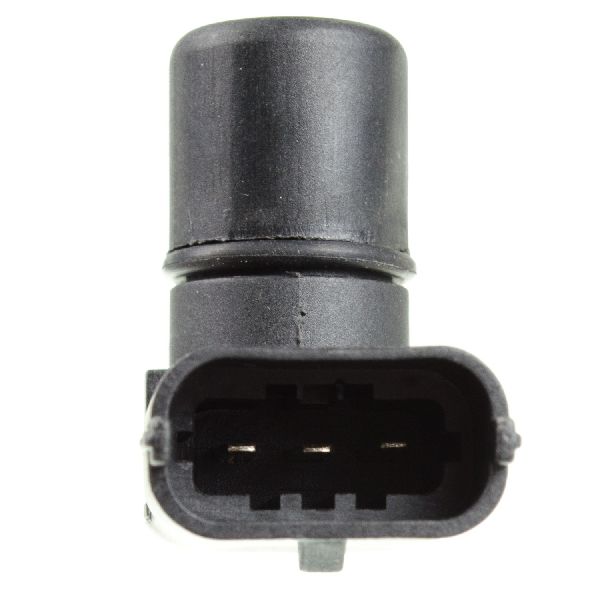
- Do not replace the camshaft position *sensor*; the problem is almost always the *actuator solenoid* or a mechanical timing issue.
What's Unique About the 2010-2017 GMC Terrain
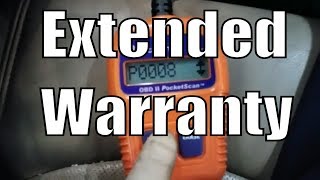
The GM "High Feature" V6 engines (3.0L LF1 and 3.6L LFX) in this Terrain are well-known for premature timing chain stretching. While P0021 is often a simple solenoid failure, on this specific platform, it must be taken seriously as a potential early symptom of a failing timing chain, which is a much more complex and expensive repair. The issue was so widespread that GM acknowledged it by issuing multiple Technical Service Bulletins (TSBs) and a special warranty extension (Special Coverage 11340C 🎬 Watch: Learn more about the GM timing chain warranty extension.), though the coverage has likely expired for most of these vehicles by now. The 2010-2012 models with both the 3.0L and 3.6L engines are considered more susceptible as they used an earlier, less robust timing chain design.
Symptoms You May Notice
- Check Engine Light is on
- Rough or poor idle
- Engine hesitates or has reduced power during acceleration
- Engine may stall when coming to a stop
- Decreased fuel economy
- Rattling noise from the engine, especially on startup (strong indicator of timing chain issues)
- Hard starting
- Replacing the camshaft position *sensor* instead of the camshaft position *actuator solenoid*. The sensor reads the position, while the solenoid controls it. P0021 is almost always caused by a control problem (solenoid, oil) or a mechanical problem (chain, phaser), not a sensor reading problem.
Most Likely Causes
- Low, Dirty, or Incorrect Viscosity Engine Oil 🔴 High Probability The VVT system is hydraulic and extremely sensitive to oil pressure and cleanliness. Sludge from infrequent oil changes can clog the small passages and mesh screens in the camshaft actuator solenoids, causing them to stick. The GM Oil Life Monitor (OLM) has been criticized for allowing overly long intervals, which can accelerate oil breakdown and wear.
How to confirm: Check the engine oil dipstick. The level should be full and the oil should be a clean amber/brown color, not black and sludgy.
Typical fix: Perform an engine oil and filter change using a full synthetic 5W-30 oil that meets GM's dexos1 specification.
Est. part cost: $40-$80 - Faulty Bank 2 Intake Camshaft Position Actuator Solenoid 🔴 High Probability → Shop Engine Camshaft GM issued TSB #PIP5096C for this issue, noting that original solenoids could fail due to internal clearances, causing codes P0011, P0014, P0021, or P0024 with no other drivability issues. They can get clogged with debris or fail electrically.
How to confirm: After an oil change, if the code persists, swap the Bank 2 intake solenoid with the Bank 2 exhaust solenoid (they are the same part). Clear the codes. If the code changes to P0024 (Exhaust Camshaft), the solenoid is confirmed faulty. Note: TSB #PIP5096C advises against this as a final fix, recommending replacement with an updated part, but it remains a valid diagnostic step.
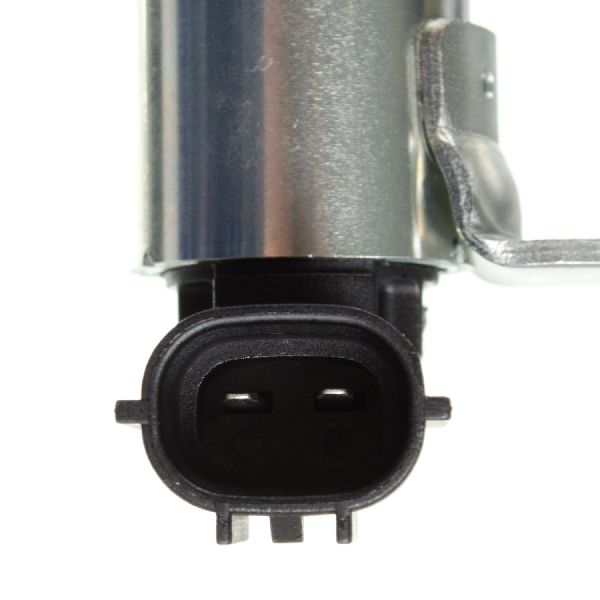
Typical fix: Replace the Bank 2 (front) intake camshaft actuator solenoid. It is located on the front valve cover and held by a single 10mm bolt.
Est. part cost: $30-$60 - Stretched Timing Chains 🟡 Medium Probability → Shop Engine Timing Chain This is a well-documented factory defect on the 3.0L and 3.6L V6 engines, acknowledged by GM through TSBs like #12-06-01-009F and Special Coverage 11340C. The issue was particularly prevalent in earlier engine versions due to a combination of chain design and long oil change intervals. The 2010-2012 models are more susceptible due to an older chain design.
How to confirm: This is a difficult diagnosis. If codes P0008 or P0009 are also present, it's a very strong indicator. A mechanic can use a scan tool to view camshaft/crankshaft correlation data; a variance over 4-5 degrees at idle points to a stretched chain. Physical inspection is the ultimate confirmation but requires significant labor.
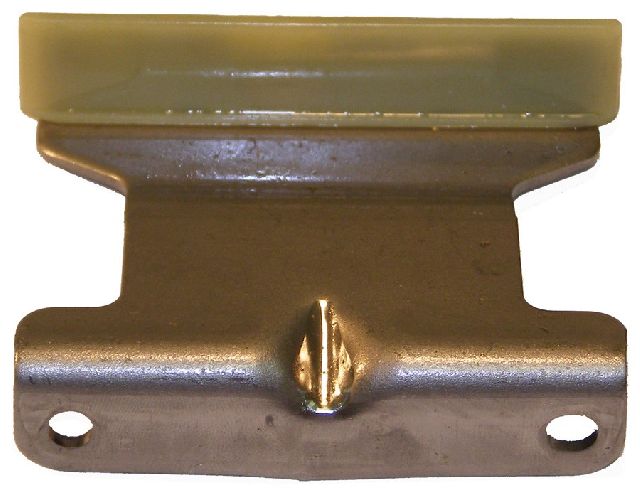
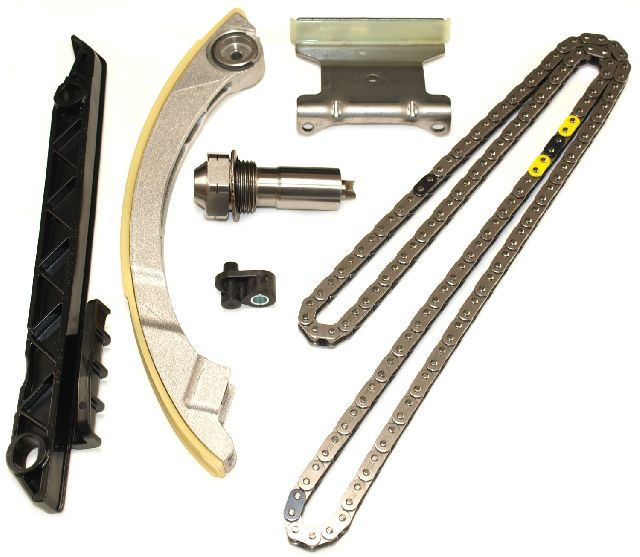
Typical fix: Replace all three timing chains, tensioners, and guides. This is a major, labor-intensive repair often costing $2,000-$4,500. It is recommended to use an updated OEM or high-quality aftermarket kit (e.g., Cloyes, Melling) and also replace the water pump.
Est. part cost: $300-$600
Rare But Worth Checking
- Faulty Camshaft Phaser: → Shop Engine Camshaft The gear at the end of the camshaft can fail mechanically, getting stuck or clogged internally. This is less common than a solenoid failure but more common than a sensor or ECM issue. Replacement is often done during a timing chain job.
- Slipped Crankshaft Reluctor Wheel: Extremely rare, but TSB PIP3423N notes that for persistent timing codes (like P0008, P0016, etc.) that don't resolve after chain replacement, the reluctor wheel pressed onto the crankshaft may have moved, requiring crankshaft replacement.
Diagnosis Steps
- Check Engine Oil: Verify the oil level is correct and the oil is clean. If low or dirty, perform an oil and filter change with full synthetic 5W-30 oil meeting the GM dexos1 specification. Clear the code and see if it returns.
- Inspect Solenoid Wiring: Check the electrical connector and wiring to the Bank 2 (front) intake camshaft actuator solenoid for damage, corrosion, or loose connections.
- Test the Solenoid (Swap Method): A common DIY test is to swap the intake and exhaust solenoids on Bank 2 (they are identical). They are each held by one 10mm bolt. Clear the codes. If P0021 disappears and P0024 (Exhaust Camshaft Position Timing) appears, the solenoid you moved is bad and needs replacement.
- Test Solenoid Resistance: With a multimeter, check the resistance of the solenoid. It should be between 6.9 and 13 ohms. A reading outside this range indicates a failed solenoid.
- Check for Timing Chain Issues: If the above steps do not resolve the issue, the problem is likely mechanical. Listen for rattling noises on startup. If other timing codes like P0008 are present, a stretched timing chain is the most probable cause. This step typically requires professional diagnosis to check cam/crank deviation with a scan tool or perform a physical inspection.
Parts You'll Likely Need
- Camshaft Position Actuator Solenoid (VVT Solenoid)
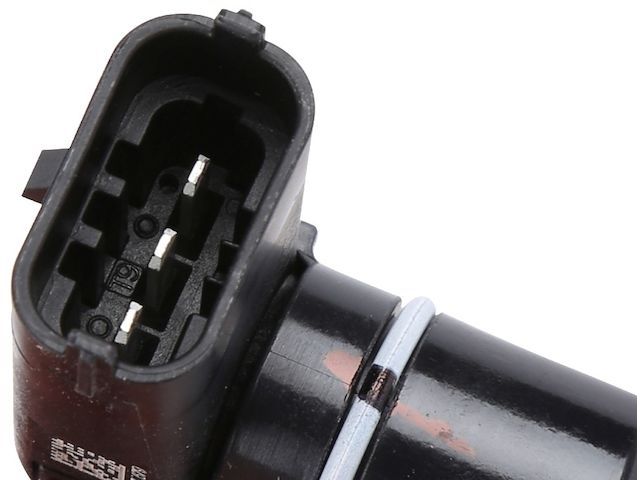
(OEM #12655420 (original), 12679099 / 12681275 (updated))— This is the most common part to fail for this code. It gets clogged with oil debris or fails electrically, preventing proper control of the camshaft phaser. TSB PIP5096C recommends using the updated service part.
Trusted brands: ACDelco, GM Genuine Parts, Delphi
OEM price range: $40-$65
Aftermarket price range: $25-$50 - Timing Chain Kit
(OEM #12651450 (For LLT/early LFX, often superseded, confirm with VIN))— Required if diagnosis confirms the timing chains are stretched, which is a very common major failure on this specific V6 engine platform. A complete kit should be used.
Trusted brands: ACDelco, Cloyes
OEM price range: $400-$600
Aftermarket price range: $250-$400
Related Codes That Often Appear With This One
- P0011 — This is the same fault (Intake Cam Over-Advanced) but for Bank 1. Seeing both P0011 and P0021 together strongly points to a systemic issue like low/dirty oil or a failing primary timing chain.
- P0008 — This code indicates a general engine timing correlation error between the crankshaft and both camshafts on Bank 1. If you see P0021 with P0008, it is a very strong indicator of a stretched timing chain.
- P0300 — A random/multiple cylinder misfire code can be triggered because the incorrect valve timing from P0021 disrupts the air/fuel mixture and combustion process in multiple cylinders.
- P0024 — This is for an over-advanced exhaust camshaft on the same bank (Bank 2). If this code appears after swapping the intake and exhaust solenoids for diagnosis, it confirms the original intake solenoid was faulty.
Technical Service Bulletins (TSBs) & Recalls
- Bulletin #PIP5096C: Addresses vehicles with a Service Engine Soon Malfunction Indicator Lamp on where the technician may find Diagnostic Trouble Codes P0011, P0014, P0021, and or P0024. If no other drivability concerns are found, it instructs technicians to inspect the engine EUN sticker for an (A) before the sequence number to identify specific batches requiring solenoid replacement.
- 11340C: Special Coverage Adjustment extending the warranty for premature timing chain wear to 10 years or 120,000 miles for certain model years. It also included provisions for an ECM reprogram to adjust the oil life monitor.
- PIP3423N: For persistent timing correlation codes (P0008, P0016, etc.) after other repairs, this bulletin points to the rare possibility of a slipped crankshaft position reluctor wheel, which would require crankshaft replacement.
- 12-06-01-009F: A TSB announcing the availability of updated timing chain kits to address the wear issue.
Platform-Specific Known Issues
- Premature Timing Chain Stretch: The 3.0L LF1 and 3.6L LFX V6 engines are known for timing chains stretching far earlier than expected. This was the subject of GM Special Coverage Adjustment 11340C, which extended the warranty to 10 years/120,000 miles. While this coverage is likely expired, it confirms the prevalence of the issue.
- Faulty Original Solenoids: TSB PIP5096C was issued because the original camshaft actuator solenoids had internal clearance issues that could trigger timing codes like P0021. The recommended fix is to replace them with updated service parts and explicitly states "DO NOT JUST SWAP FROM ANOTHER LOCATION."
- Oil Life Monitor (OLM) Calibration: The original OLM calibration was criticized for allowing excessively long oil change intervals, which contributed to oil sludging and accelerated timing chain wear. A dealer could re-flash the ECM to shorten the interval, but most owners should simply change oil more frequently (e.g., every 5,000 miles) regardless of the OLM reading.
Mechanic-Grade Diagnostic Values
- Camshaft Actuator Solenoid Resistance — expected: 6.9 to 13 Ohms. Failure: A reading of 0 Ohms (short), infinite/OL (open), or an unstable reading.
- Scan Tool Live Data: 'Camshaft Position Variance' PID at idle — expected: Less than 4-5 degrees. Failure: A consistent variance greater than 4-5 degrees at a steady idle strongly suggests a stretched timing chain or other mechanical timing fault.
- Solenoid Connector Voltage (Key On, Engine Off) — expected: Battery voltage on one of the two pins.. Failure: No voltage suggests a wiring or ECM power supply issue.
Scan Tool Commands That Help
- GDS2 (GM Global Diagnostic System 2): Camshaft Position Actuator Solenoid Control / Test — Use this bidirectional command to manually activate the Bank 2 intake solenoid. While commanding it on and off, watch for a change in engine idle (it should stumble or run rough) and monitor the 'Desired vs. Actual' camshaft angle PIDs. If the actual angle does not change when commanded, it confirms a fault in the solenoid, its circuit, or a mechanically stuck phaser.
Wiring & Ground Locations
- G105 / G106 — Bolted to the engine block or frame rail at the front of the engine compartment. G105 is often at the left front, while G106 can be on the front center of the frame cross rail under the crank pulley.. These are primary grounds for the Engine Control Module (ECM). A poor or corroded ground connection here can cause the ECM to function incorrectly, leading to a host of unpredictable electrical issues and potentially false codes. Ensuring these grounds are clean and tight is a crucial step in any electrical diagnosis involving engine management codes.
- VVT Solenoid Connector — On the front of the engine (Bank 2), plugged into the top of the camshaft actuator solenoid on the valve cover.. This 2-pin connector provides power and control to the solenoid. The terminals are female, and the connector is often black and gray. Check for oil contamination inside the connector from a leaking solenoid seal, which can disrupt the signal. The pigtail harness can also become brittle from heat and chafe against other components.
OEM Part Supersession History
12628347→12646783, then 12655420, then 12679099, then 12681275— Revisions to improve reliability and address internal clearance issues noted in TSBs.
Heads up: All parts are generally interchangeable, but using the latest available part number (e.g., 12679099 or 12681275) is highly recommended as it contains the most recent design improvements.
Model Year Variations Within This Range
- 2010-2012: These years primarily used the 3.0L LF1 engine and early versions of the 3.6L V6, which were fitted with a timing chain design more prone to premature stretching.
- 2013-2017: These years used the 3.6L LFX engine, which featured an updated and more robust timing chain design, making it less susceptible to the premature stretching issues seen in earlier models. However, they are not immune to failure, especially with poor maintenance.
Diagnostic Flowchart
Used vs. New Parts: Buying Guide for This Vehicle
When a used part is the smart pick: A used VVT solenoid from a low-mileage donor vehicle is a reasonable budget option, as it's an external part that is easy to replace if it fails. Avoid used timing chain components entirely.
Donor-vehicle mileage cap: roughly under 60000 miles for the part to have meaningful remaining life.
What to inspect on the donor part:
- For a VVT solenoid, ensure the connector is not cracked and the mesh screens are intact and clean.
- Verify the donor vehicle's mileage if possible.
- Avoid parts from engines that show heavy oil sludge or varnish when looking into the oil fill cap.
OEM-only on this vehicle (don't cheap out):
- Timing Chain Kit: Given the history of premature failures on this engine, using a high-quality OEM (ACDelco) or top-tier aftermarket (Cloyes, Melling) kit with the latest design updates is critical. Cheap, unbranded kits are a significant risk.
Aftermarket brands forum-validated for this vehicle:
- Cloyes (Timing Chain Kits)
- Melling (Timing Chain Kits & Oil Pumps)
- Delphi (VVT Solenoids)
Brands owners have reported issues with on this vehicle:
- Dorman (for electronics): While Dorman makes some useful problem-solver parts, their electronic components like VVT solenoids have a mixed reputation among mechanics, with some reporting high failure rates shortly after installation.
Real Owner Stories
Aggregated from forums and TSBs cited above. Mileages and costs reflect what owners reported in those sources.
2010-2017 GMC Terrain 3.0L/3.6L V6
Symptoms: Check Engine Light on with code P0021.
What fixed it: Owners often resolve the issue by first performing an oil change. If the code returns, replacing the Bank 2 intake and exhaust solenoids with new ACDelco parts typically fixes the problem.
Source hint: terrainforum.net
2014 GMC Terrain V6
Symptoms: Check Engine Light with codes P0011 and P0016.
What fixed it: The owner was advised by the community that the most likely cause was a stretched timing chain, a common failure for this engine, and that the first and cheapest diagnostic step is to perform an oil change.
Source hint: Reddit - r/MechanicAdvice
Related OBD-II Codes
Frequently Asked Questions
I heard there was a warranty extension for the timing chains on my 2011 Terrain. Is it still active?
My mechanic wants to swap the intake and exhaust solenoids on the front of the engine to diagnose P0021. Is this a good idea?
What specific engine oil should I use to prevent P0021 on my 3.6L V6 Terrain?
My Oil Life Monitor says I have 50% life left, but I have a P0021 code. Should I change the oil anyway?
I have code P0021 and also P0008. What does this combination mean?
Is the P0021 problem common on other GM vehicles besides the GMC Terrain?
Helpful Videos
We Have This Part in Stock


The information in this article is provided for general reference and educational purposes only. Vehicle specifications, procedures, and part compatibility can vary by production date, trim level, and region. Always consult your vehicle's factory service manual and verify part numbers before purchasing or performing repairs. Safety-critical components such as airbags, seat belts, and braking systems should be installed by a qualified professional.
- GMC Terrain:
- 🧭 Diagnostic Flowchart
- 🎬 Helpful Videos
- 🛍️ Shop This Part
- What's Unique About the 2010-2017 GMC Terrain
- Symptoms You May Notice
- Most Likely Causes
- Rare But Worth Checking
- Diagnosis Steps
- Parts You'll Likely Need
- Related Codes That Often Appear With This One
- Technical Service Bulletins (TSBs) & Recalls
- Platform-Specific Known Issues
- Mechanic-Grade Diagnostic Values
- Scan Tool Commands That Help
- Wiring & Ground Locations
- OEM Part Supersession History
- Model Year Variations Within This Range
- Used vs. New Parts: Buying Guide for This Vehicle
- Real Owner Stories
- 2010-2017 GMC Terrain 3.0L/3.6L V6
- 2014 GMC Terrain V6
- Related OBD-II Codes
- Frequently Asked Questions
- 🎟️ Get 5% Off