

P0021 Hyundai Genesis Coupe 2010-2016: 'A' Camshaft Position Timing Over-Advanced (Bank 2) Causes and Fixes
For the 2010-2016 Hyundai Genesis Coupe 3.8L, code P0021 is most often caused by low/dirty engine oil or a faulty Bank 2 (driver's side) intake Oil Control Valve (OCV). An OCV replacement is a common, relatively affordable fix, costing around $60-$120 for the part. Always check oil level and condition first before replacing parts.
- First, check your engine oil. Low or dirty oil is the #1 cause of P0021 on this engine.
- The most likely faulty part is the Bank 2 (driver's side) intake Oil Control Valve (OCV).
- A simple and effective diagnostic is to swap the intake OCVs between the driver's side (Bank 2) and passenger's side (Bank 1) to see if the code follows the part (changes to P0011).
- Always use the correct viscosity full synthetic engine oil to prevent this issue from recurring.
- Replacing the OCV is a DIY-friendly job that can save you significant money on labor costs.
What's Unique About the 2010-2016 Hyundai Genesis Coupe
The Lambda II 3.8L V6 engine in the Genesis Coupe relies heavily on clean oil and proper oil pressure to operate its CVVT system. These engines can be sensitive to oil level and condition, making it a primary suspect for any CVVT-related codes like P0021. Owners have frequently identified the Oil Control Valves (OCVs), also called CVVT solenoids, as a common failure point that can become clogged with sludge or fail electrically, leading to this specific code. The issue appears common to both the earlier MPI (2010-2012) and later GDI (2013-2016) versions of the engine, though some underlying parts like OCV filters may differ.
Generation note: This range covers two generations of the Genesis Coupe, often called the BK1 (2010-2012) and BK2 (2013-2016). The primary difference for this engine is the fuel system: BK1 models use a Multi-Point Injection (MPI) 3.8L V6, while BK2 models use a more powerful Gasoline Direct Injection (GDI) version. While the CVVT system's operating principle is the same, some part numbers for components like the Oil Control Valves may differ between these generations. For example, the BK1 OCV is part number 24355-3C100 (Left/Intake) while the BK2 uses a different design.
Symptoms You May Notice
- Check Engine Light is on
- Rough or unstable idle
- Engine hesitation or stumbling during acceleration
- Noticeable loss of power
- Reduced fuel economy
- Rattling noise from the engine, especially on startup
- Engine stalling when coming to a stop
- Hard starting
- Replacing the camshaft position sensor (CPS) when the root cause is a faulty Oil Control Valve (OCV) or simply low/dirty engine oil.
- Replacing the cam phaser (an expensive repair) before thoroughly testing the much cheaper and more common failure points like the OCV and oil quality.
- Assuming a major timing chain issue before performing an oil change and testing/swapping the OCVs.
Most Likely Causes
- Low or Dirty Engine Oil 🔴 High Probability The CVVT system is hydraulic and highly dependent on oil pressure and cleanliness. Contaminated, low, or incorrect viscosity oil can impede the function of the OCV and cam phaser. Sludge is a primary cause of OCV failure.
How to confirm: Check the engine oil level on the dipstick and inspect its color and consistency. If the level is low or the oil is dark, gritty, or sludgy, it needs to be changed. This is the first and most crucial step.
Typical fix: Perform an engine oil and filter change using a full synthetic oil that meets the manufacturer's specifications (check your owner's manual for the correct viscosity, typically 5W-30).
Est. part cost: $50-$100 - Faulty Bank 2 Intake Oil Control Valve (OCV/VVT Solenoid) 🔴 High Probability → Shop Engine Variable Valve Timing (VVT) Solenoid The OCV is a common failure point across many Hyundai V6 models. It can become clogged with sludge from dirty oil or fail electrically, preventing it from correctly regulating oil flow to the cam phaser.
How to confirm: A simple diagnostic step is to swap the Bank 2 (driver's side) intake OCV with the Bank 1 (passenger's side) intake OCV. Clear the codes and drive the vehicle. If the code changes to P0011 (the Bank 1 equivalent), the OCV is confirmed to be faulty. This is a widely accepted diagnostic method in owner forums.
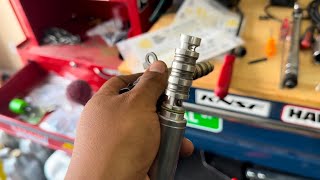
Typical fix: Replace the Bank 2 intake Oil Control Valve. 🎬 See this walkthrough on how to replace the intake solenoid Ensure you purchase the correct part for your BK1 or BK2 model.
Est. part cost: $60-$120 - Faulty Bank 2 Camshaft Position Sensor (CPS) 🟡 Medium Probability → Shop Engine Camshaft Position Sensor The CPS provides the camshaft position data to the ECM. If it sends an inaccurate signal, the ECM may incorrectly flag a timing issue. However, this is often misdiagnosed, and the actual fault usually lies with the OCV or oil.
How to confirm: After ruling out the OCV, you can swap the Bank 2 camshaft position sensor with the one from Bank 1. If the code follows the sensor and changes to a Bank 1 code, the sensor is bad.
Typical fix: Replace the Bank 2 intake camshaft position sensor.
Est. part cost: $40-$90
Rare But Worth Checking
- Stretched Timing Chain or Worn Timing Components: → Shop Engine Timing Chain While less common, significant mileage can lead to a stretched timing chain or worn guides/tensioners, causing a persistent timing deviation that the CVVT system cannot compensate for. This is a known weak spot on higher-mileage Lambda V6 engines and is often preceded by a rattling noise on cold startups. This is a more complex and expensive repair.
- Failing CVVT Cam Phaser/Actuator: → Shop Engine Timing Gear The mechanical actuator on the camshaft itself can get stuck in the advanced position due to internal failure or oil contamination. This usually requires more in-depth diagnosis to confirm and is a more involved repair than an OCV.
- Faulty Alternator / Voltage Regulator: In one documented case on a 2013 3.8L, a faulty alternator causing voltage fluctuations led to multiple CVVT codes (P0011, P0014, P0021, P0024) appearing simultaneously, along with a P0560 (System Voltage Malfunction) code. If multiple timing codes appear at once, the charging system should be inspected.
- Clogged OCV Filter: Some Lambda engines have small, thimble-shaped filters in the oil passages leading to the OCVs. These can become clogged with sludge. While some forum users report BK2 models may not have these filters as the OCVs themselves have screens, it's a potential cause, especially on BK1 models. If replacing an OCV, it's wise to inspect and clean or replace this filter if present.
Diagnosis Steps
- Check Engine Oil: Verify the oil level is full and the oil is clean. If it's low, top it off. If it's old or dirty, perform a complete oil and filter change with the correct viscosity full synthetic oil. This resolves the issue in many cases. Clear the code and see if it returns.
- Inspect OCV Wiring: Check the electrical connector and wiring for the Bank 2 (driver's side) intake OCV for any damage, corrosion, or loose connections.
- Swap the Oil Control Valves: Swap the intake OCV from Bank 2 with the intake OCV from Bank 1. They are typically identical and interchangeable on a given engine model (confirm part numbers). Clear the codes. If the fault moves to Bank 1 and triggers code P0011, you have a bad OCV. This is the most common and effective diagnostic step.
- Swap the Camshaft Position Sensors: If the code did not change after swapping the OCVs, swap the OCVs back to their original positions. Now, swap the intake camshaft position sensors between Bank 1 and Bank 2. If the code moves to Bank 1 (P0011), the sensor is faulty.
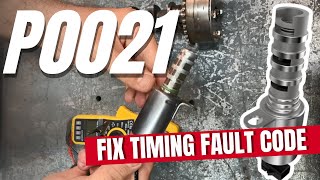
- Test the OCV: If the code remains on Bank 2, you can test the solenoid itself. With the engine running, you can carefully apply 12V power to the OCV terminals; a functioning solenoid will click 🎬 Watch: How to test and fix timing over-advanced codes and cause the engine to stumble or stall. You can also check its internal resistance with a multimeter (typically 6.7-7.7 Ohms for many 2010-era Hyundai models).
- Check for Systemic Issues: If codes for all four cams (P0011, P0021, P0014, P0024) appear at once, suspect a global problem like very low oil pressure, a failing alternator, or an ECU software glitch.
- Advanced Diagnostics: If all the above steps fail to identify the issue, the problem may be mechanical, such as a stretched timing chain or a faulty cam phaser, which requires professional diagnosis with tools like an oscilloscope to compare cam/crank signals.
Parts You'll Likely Need
- Intake Oil Control Valve (CVVT Solenoid), Bank 2
(OEM #BK1 (2010-12): 24355-3C100 (Left/Intake). BK2 (2013-16): 24375-3CGA1 (Verify with VIN))— This is the most common mechanical part to fail for this code. It gets clogged or fails electrically, preventing proper timing adjustment. Part numbers differ between BK1 and BK2 generations.
Trusted brands: Hyundai (OEM), Kia (OEM), Mando, Dorman
OEM price range: $80-$150
Aftermarket price range: $40-$70 - Engine Oil and Filter — Low or contaminated oil is a primary cause of CVVT system faults. An oil change is the first and most important step before replacing any parts.
Related Codes That Often Appear With This One
- P0011 — This is the equivalent code for Bank 1 (passenger side). If you see both P0011 and P0021, it could point to a systemic issue like low oil pressure, dirty oil, or a problem affecting the entire engine, like a faulty alternator.
- P0024 — This code relates to the exhaust camshaft on Bank 2. Seeing it with P0021 could indicate a more widespread timing or oil pressure problem on that specific cylinder bank.
- P1326 — This is a knock sensor-related code that can be triggered by a Hyundai-specific software update (Service Campaign 966) designed to detect engine bearing wear. While not directly related to cam timing, severe engine vibrations from a timing issue could potentially trigger it, or it could indicate a separate, more serious engine problem.
Technical Service Bulletins (TSBs) & Recalls
- While no TSB is specific to P0021 on the Genesis Coupe, Hyundai has issued numerous TSBs and service campaigns for other models related to CVVT operation and engine health. For example, Service Campaign 966 (related TSBs 21-01-023H, 22-01-028H) involves a knock sensor software update to detect bearing noise, which can be a consequence of severe oiling issues that might also cause CVVT codes. This underscores Hyundai's awareness of engine issues stemming from oil pressure and internal wear.
Platform-Specific Known Issues
- BK1 vs BK2 OCV Part Number Difference: The Oil Control Valves are different between the BK1 (2010-2012 MPI) and BK2 (2013-2016 GDI) models. BK1 models use part number 24355-3C100 for the left-hand (Bank 2) intake OCV. BK2 models use a different part number and design. It is critical to order the correct part for your specific model year.
- Simultaneous CVVT Codes (P0011, P0021, etc.): A Reddit user with a 2013 3.8L reported getting all four camshaft timing codes at once (P0011, P0014, P0021, P0024) after hitting a bump. The issue was eventually traced to a faulty alternator causing system-wide voltage issues, which also triggered a P0560 code. This highlights the importance of checking the charging system if multiple, seemingly unrelated timing codes appear together.
Mechanic-Grade Diagnostic Values
- Oil Control Valve (OCV) Coil Resistance — expected: 6.7 - 7.7 Ω at 20°C (68°F) for BK1 models. BK2 models may differ slightly, but should be in a similar range (e.g., some Hyundai exhaust OCVs are 9.4 - 10.4 Ω).. Failure: A reading of infinite resistance (open circuit) or zero resistance (short circuit) indicates a failed solenoid coil.
- Camshaft Position Sensor (CPS) Voltage Test (3-wire Hall effect) — expected: With the ignition ON and sensor connected, backprobing the signal wire should show a digital square wave signal (requires an oscilloscope) as the engine is cranked. A simpler multimeter test involves checking for 5V on the reference wire and a good ground.. Failure: No signal, a weak signal, or an erratic signal from the sensor indicates failure. If the 5V reference or ground is missing, the fault is in the wiring or ECM, not the sensor.
- DTC P0021 Trigger Condition — expected: The ECM expects the actual camshaft angle to follow the target angle. The code is set if the difference between the target angle and the real angle is greater than a specific threshold (e.g., > 20 degrees) for a certain number of times (e.g., > 5 times) under specified engine operating conditions.. Failure: The presence of code P0021 indicates this threshold has been breached.
Scan Tool Commands That Help
- Hyundai GDS (Global Diagnostic System): Actuation Test for CVVT Solenoid (OCV) — This bidirectional command allows a technician to manually activate the Bank 2 intake OCV while the engine is running. A successful test will cause the engine to stumble or run rough, confirming the solenoid is mechanically capable of moving and that the oil passages are not completely blocked. If activating the solenoid has no effect on the engine, it points to a failed solenoid, a blockage, or a wiring issue.
- Hyundai GDS (Global Diagnostic System): Current Data / Live Data Monitoring — Use this to monitor 'Target CVVT Angle' and 'Actual CVVT Angle' for Bank 2 Intake. While driving under various loads, these two values should closely track each other. If the 'Actual' value is stuck, slow to respond, or consistently deviates from the 'Target' value, it confirms a system performance issue.
Wiring & Ground Locations
- ECU Ground Strap — On the 3.8L V6, a key ground strap for the ECU is located on the engine itself, often near the intake manifold or on the front of the timing cover.. The Genesis Coupe is known for having potentially weak factory grounds. A poor ECU ground can cause erratic sensor readings and incorrect solenoid operation, leading to phantom codes. Ensuring this ground point is clean and tight is a crucial, often overlooked, step.
- Engine Mount Ground — There is a pre-existing ground wire on the engine mount, which is a common point for adding supplementary grounding kits.. Poor engine-to-chassis grounding can create electrical noise and voltage drops, affecting the sensitive signals from the camshaft position sensor and the operation of the OCV solenoids. Many enthusiasts add grounding kits to mitigate these issues.
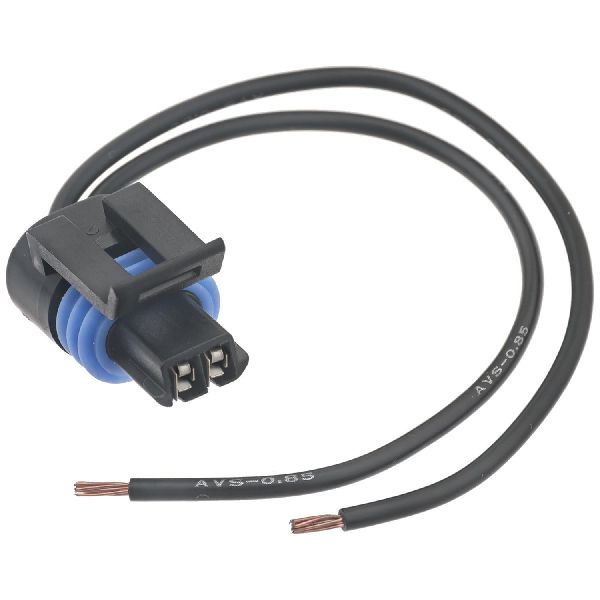
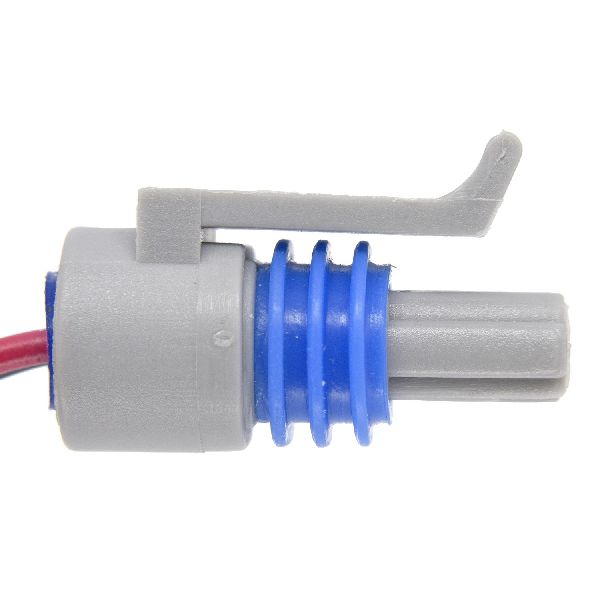
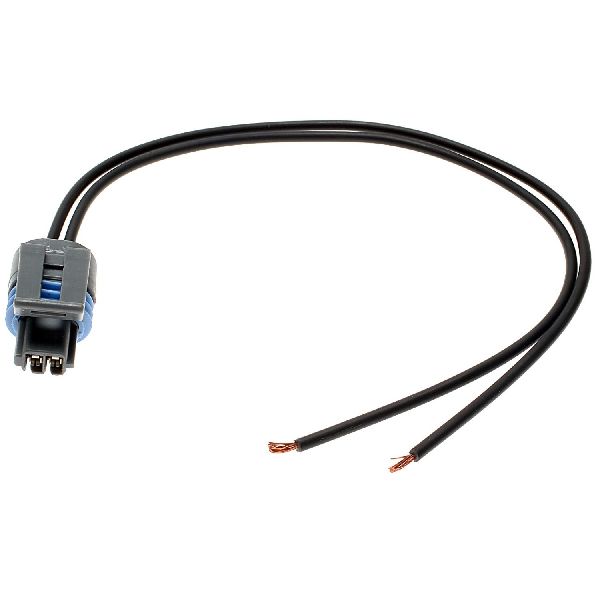
- OCV Connector — The connector plugs directly into the top of the Oil Control Valve solenoid, located on the front of the Bank 2 (driver's side) valve cover.. The OCV receives a 12V power supply on one pin (ignition on) and a pulse-width modulated ground signal from the ECM on the other pin to control its position. Checking for 12V at the connector is a primary electrical diagnostic step.
Real Owner Repair Stories
- Reddit user on r/genesiscoupe (2013 Genesis Coupe 3.8L, ~80k miles) — Mild juddering/shuddering, followed by Check Engine Light with codes P0011, P0014, P0021, and P0024 all appearing at once.
❌ Tried (didn't work) Replacing engine oil and filter., Adding an anti-shudder additive to the transmission fluid.
✅ What actually fixed it The user later received a P0560 (System Voltage Malfunction) code. Testing the alternator revealed it was faulty and causing voltage fluctuations. Replacing the alternator resolved all four CVVT codes, although the juddering issue (likely a separate problem) remained. - NHTSA ODI #11630004 — An owner of a related Hyundai model reported that when the engine light came on, there was a loud clanking sound and low oil; the dealership identified code P0021 and suggested a tune-up to keep the light off.
- NHTSA ODI #11574809 — A report describes a check engine light accompanied by a tapping sound on the passenger side of the engine with codes P0346, P0021, and P0087; the owner noted the power was fine but expressed concern over the tapping noise.
Model Year Variations Within This Range
- 2010-2012 (BK1) vs. 2013-2016 (BK2): The BK2 3.8L engine is a significant revision, featuring Gasoline Direct Injection (GDI) which increased horsepower from 306 to 348. This change involves different heads, pistons, and tuning. While the CVVT system is conceptually the same, part numbers for OCVs and other components are often different and not interchangeable. The BK2 also received an 8-speed automatic transmission option, replacing the 6-speed auto in the BK1.
- 2013+ (BK2): The GDI engine in the BK2 is more susceptible to carbon buildup on the intake valves. While this doesn't directly cause P0021, severe buildup can affect engine breathing and performance, potentially masking or complicating diagnosis of other issues.
Diagnostic Flowchart
Real Owner Stories
Aggregated from forums and TSBs cited above. Mileages and costs reflect what owners reported in those sources.
2013 Hyundai Genesis Coupe 3.8L
Symptoms: Triggered all four camshaft timing codes (P0011, P0014, P0021, and P0024) simultaneously after hitting a bump.
What fixed it: Replaced a faulty alternator that was causing system-wide voltage issues, rather than a mechanical timing problem.
Source hint: Reddit r/MechanicAdvice thread titled '2013 Genesis Coupe 3.8l p0014 p0024 p0011 p0021 codes all at the same time.'
2014 Hyundai Santa Fe V6 (3.3L Lambda)
Symptoms: Check engine light came on with a P0021 code, but the vehicle seemed to run fine with no obvious drivability issues.
What fixed it: Diagnosed by a Hyundai technician as a bad oil control valve or a failing CVVT gear, which are noted as common failure points on the Lambda V6 engine family.
Source hint: Reddit r/Hyundai thread titled 'New P0021 but everything seems fine? (2014 Santa Fe V6)'
Related OBD-II Codes
Frequently Asked Questions
Are the Oil Control Valves the same for all 2010-2016 Genesis Coupe 3.8L models?
I have codes P0011, P0014, P0021, and P0024 all at the same time on my Genesis Coupe. Is my timing chain broken?
How can I easily test if the Bank 2 OCV is causing my P0021 code?
Does Hyundai have any TSBs related to the P0021 code for the Genesis Coupe?
Where is the OCV filter located on my BK2 Genesis Coupe?
What should the internal resistance of the OCV be on my 2010-era Hyundai 3.8L?
Helpful Videos

We Have This Part in Stock


The information in this article is provided for general reference and educational purposes only. Vehicle specifications, procedures, and part compatibility can vary by production date, trim level, and region. Always consult your vehicle's factory service manual and verify part numbers before purchasing or performing repairs. Safety-critical components such as airbags, seat belts, and braking systems should be installed by a qualified professional.
- Hyundai Genesis Coupe:
- 🧭 Diagnostic Flowchart
- 🎬 Helpful Videos
- 🛍️ Shop This Part
- What's Unique About the 2010-2016 Hyundai Genesis Coupe
- Symptoms You May Notice
- Most Likely Causes
- Rare But Worth Checking
- Diagnosis Steps
- Parts You'll Likely Need
- Related Codes That Often Appear With This One
- Technical Service Bulletins (TSBs) & Recalls
- Platform-Specific Known Issues
- Mechanic-Grade Diagnostic Values
- Scan Tool Commands That Help
- Wiring & Ground Locations
- Real Owner Repair Stories
- Model Year Variations Within This Range
- Real Owner Stories
- 2013 Hyundai Genesis Coupe 3.8L
- 2014 Hyundai Santa Fe V6 (3.3L Lambda)
- Related OBD-II Codes
- Frequently Asked Questions
- 🎟️ Get 5% Off