

P0021 on 2007-2009 Lincoln MKX 3.5L: Camshaft Timing Over-Advanced Causes and Fixes
On a 2007-2009 Lincoln MKX, code P0021 is almost always caused by low/dirty engine oil or a faulty Bank 2 intake VCT solenoid. Always check the oil first. If an oil change doesn't fix it, the VCT solenoid on the radiator-side of the engine is the next likely part to replace. The OEM part is Motorcraft AT4Z-6M280-B, costing around $60-$90. This is a common fault across many Ford/Lincoln vehicles with the 3.5L engine.
- First, check your engine oil. Low, old, or dirty oil is the #1 cause of P0021 on the 3.5L V6.
- The most likely failed part is the Bank 2 (radiator side) intake VCT solenoid. You can confirm this by swapping it with the Bank 1 solenoid to see if the code follows (changes to P0011).
- Do not immediately replace the camshaft position sensor; it is almost never the cause of this code.
- Be aware of the potential for a failing internal water pump, a known issue on this engine. If the oil appears milky or you are losing coolant, seek immediate professional service.
What's Unique About the 2007-2009 Lincoln MKX
The 3.5L Cyclone V6 in the first-generation Lincoln MKX is known for having a Variable Camshaft Timing (VCT) system that is highly sensitive to oil quality and maintenance schedules. Ford/Lincoln has issued multiple service bulletins (like SSM 50067) acknowledging that oil debris can cause the VCT solenoids to stick, directly leading to codes like P0021. Furthermore, this engine features an internal, timing-chain-driven water pump; a seal failure can contaminate the oil with coolant, which often first appears as a VCT-related fault code like P0021 before causing catastrophic failure.
Symptoms You May Notice
- Check Engine Light is on
- Rough idle
- Poor acceleration or engine hesitation
- Reduced fuel economy
- Engine stalling
- Rattling noise from the engine, especially on startup
- Replacing the camshaft position sensor. The sensor is reporting the timing issue correctly; it is almost never the cause of an over-advanced code.
Most Likely Causes
- Low, Dirty, or Incorrect Viscosity Engine Oil 🔴 High Probability The VCT system is hydraulic and extremely sensitive to oil pressure and cleanliness. Sludge or debris can easily clog the small passages in the VCT solenoids, causing them to stick.
How to confirm: Check the oil dipstick for low level or a dark, sludgy appearance. Verify the correct oil viscosity (SAE 5W-20 for this engine) was used.
Typical fix: Perform an engine oil and filter change with the manufacturer-recommended oil and a high-quality filter. Clear the code and see if it returns.
Est. part cost: $40-$80 - Failing Variable Camshaft Timing (VCT) Solenoid 🔴 High Probability → Shop Engine Camshaft The solenoid can get stuck in the advanced position due to internal wear or, more commonly, from debris in the engine oil. The internal coil can also fail. Ford TSBs SSM 50067 and 47170 specifically address this failure mode.
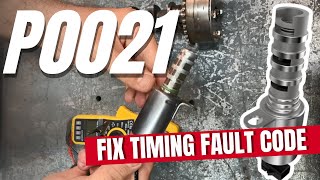
How to confirm: After an oil change, if the code persists, swap the Bank 2 (radiator side) intake VCT solenoid with the Bank 1 (firewall side) intake solenoid. If the code changes to P0011 (Bank 1), the solenoid is faulty. A multimeter can also be used to check the solenoid's internal resistance, which should be between 5 and 14 Ohms.
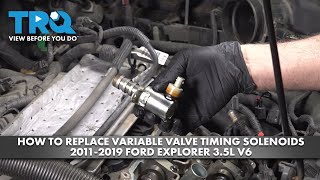
Typical fix: Replace the Bank 2 intake VCT solenoid (OEM Part# AT4Z-6M280-B). 🎬 Watch: Step-by-step guide to replacing the Bank 2 VCT solenoid. Since it's under the valve cover, the valve cover gasket and spark plug tube seals must also be replaced.
Est. part cost: $50-$120 - Worn Camshaft Phaser ⚪ Low Probability → Shop Engine Camshaft At higher mileage, the mechanical phaser gear can wear out or its internal locking pin can fail, causing it to be stuck in an advanced position. This is often accompanied by a distinct startup rattle.
How to confirm: This is difficult to confirm without disassembly. It's usually suspected after replacing the VCT solenoid doesn't fix the issue, especially if a distinct engine rattle is present on startup that lasts 2-5 seconds.
Typical fix: Replace the Bank 2 intake camshaft phaser. This is a complex job that also requires replacing the timing chain and related components.
Est. part cost: $150-$300
Rare But Worth Checking
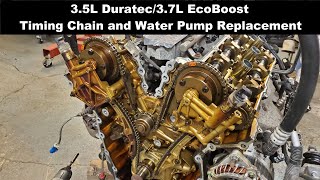
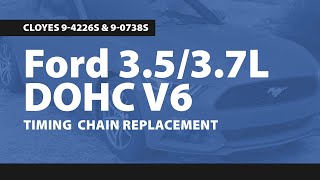
- Failing Internal Water Pump: This is a critical failure point on the 3.5L Cyclone V6. The water pump is inside the timing cover, and a failed seal leaks coolant directly into the engine oil. This oil contamination can cause the VCT solenoid to stick, triggering P0021. Check for milky/foamy oil or coolant residue at the weep hole on the engine block behind the alternator/AC compressor. 🎬 See how to replace the internal water pump and timing chain. This requires immediate professional service to prevent catastrophic engine failure.
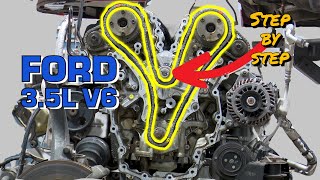
- Stretched Timing Chain or Failed Tensioner: → Shop Engine Timing Chain While less common than oil or solenoid issues, a stretched timing chain can cause the cam/crank correlation to be off, triggering this code, often along with others like P0018. This is more likely on very high-mileage engines or those with a history of poor maintenance.
Diagnosis Steps
- Check Engine Oil: Verify the oil level is full and the oil is clean. If low, top it off, clear the code, and drive. If dirty or overdue for a change, perform an oil and filter change using the correct SAE 5W-20 oil.
- Scan for Other Codes: Check for other related codes that could provide more diagnostic clues, 🎬 Watch: How to test and fix the P0021 fault code. such as P0011, P0018, or P0022.
- Inspect for Coolant Contamination: Check the oil on the dipstick and oil cap for a 'milky' or 'milkshake' appearance. Inspect the water pump weep hole (a small hole on the block behind the alternator/AC compressor) for any signs of dried coolant crust, which indicates a failing internal water pump.
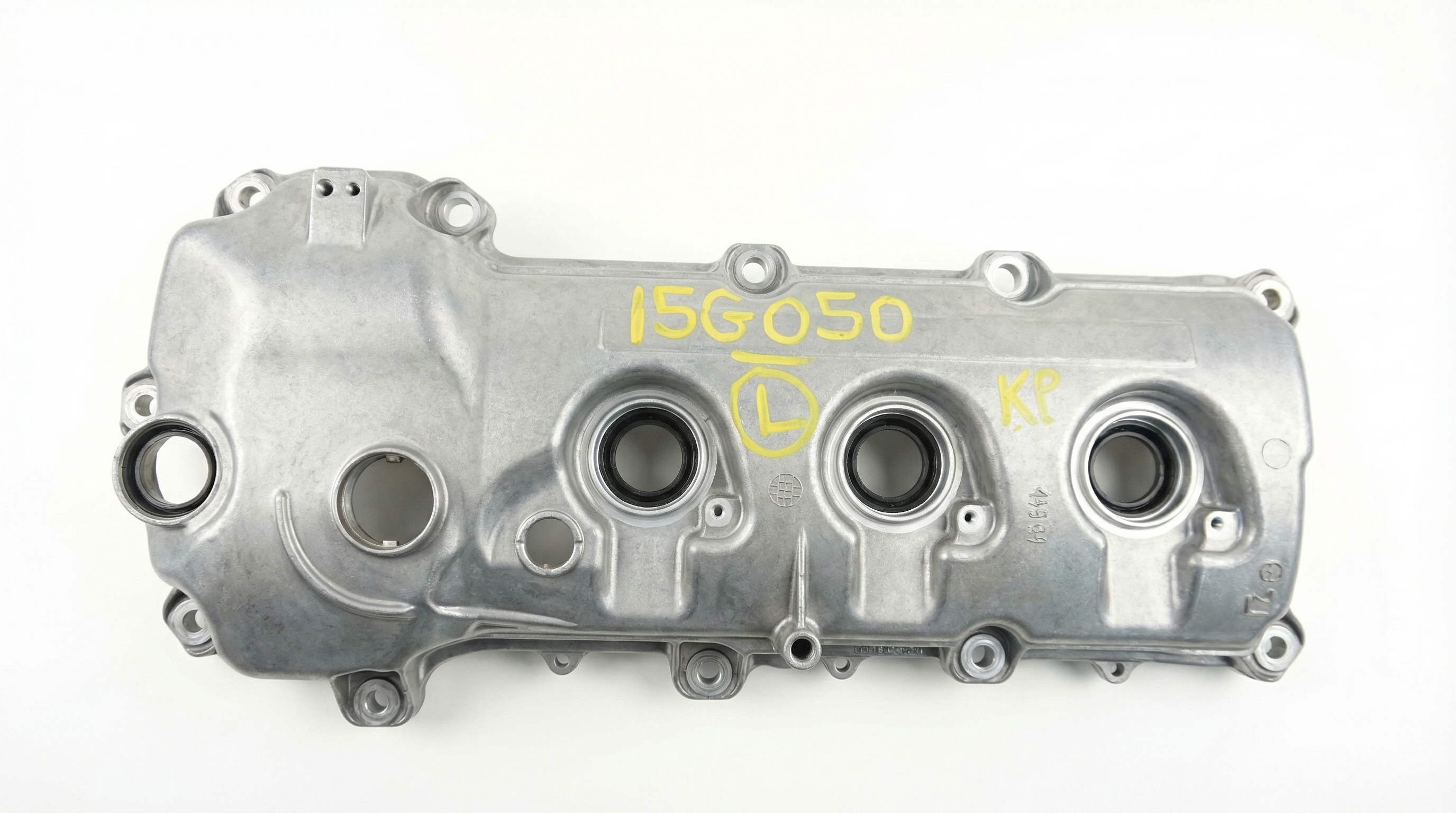
- Swap VCT Solenoids: If the oil is good, swap the Bank 2 (radiator side) intake VCT solenoid with the Bank 1 (firewall side) intake solenoid. This requires removing both valve covers and replacing the gaskets. Clear the codes and drive the vehicle.
- Re-scan for Codes: If the code returns as P0011, the solenoid you moved is faulty and must be replaced. If P0021 returns, the problem lies elsewhere (e.g., phaser, wiring, or timing chain).
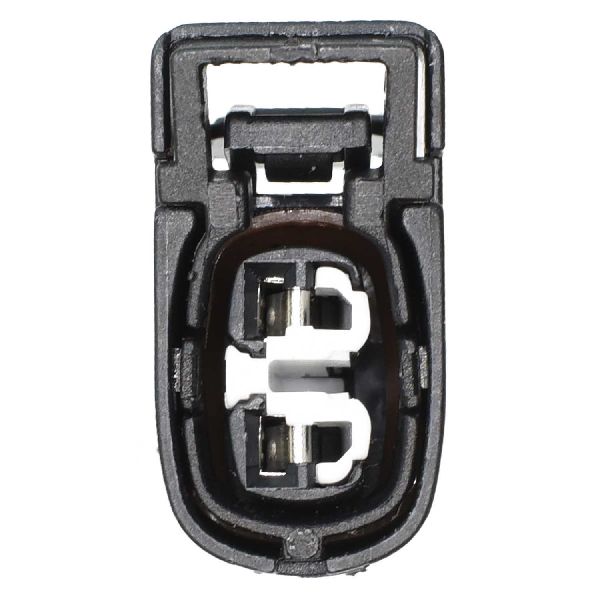
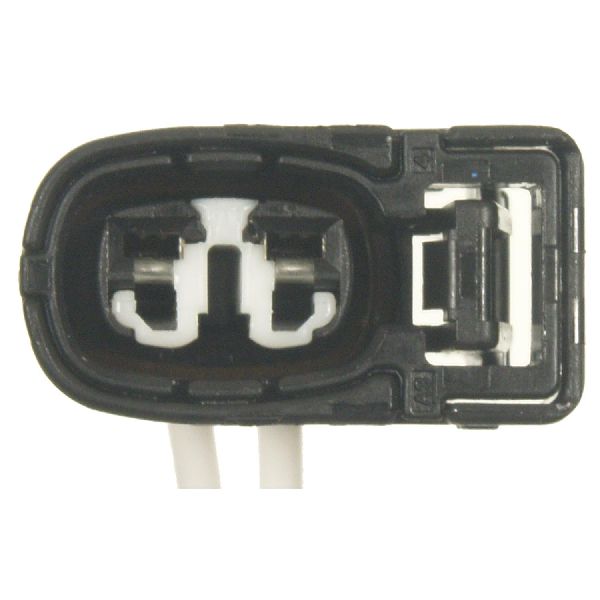
- Inspect Wiring: Check the wiring harness and connector to the Bank 2 VCT solenoid for any damage, corrosion, or oil contamination inside the connector.
- Advanced Diagnosis: If the issue persists, the problem is likely mechanical, such as a failing camshaft phaser or a stretched timing chain. This requires more in-depth professional diagnosis, which may include checking cam phaser operation with a scan tool and performing an engine oil pressure test.
Parts You'll Likely Need
- Engine VVT Solenoid (Bank 2 Intake)
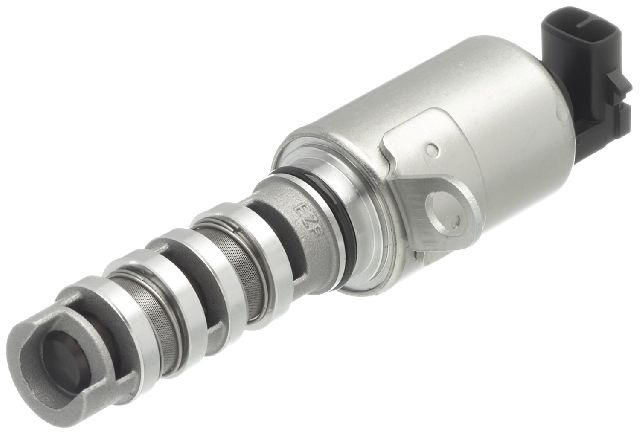
(OEM #AT4Z-6M280-B)— This solenoid is the most common part to fail for code P0021, typically by sticking due to oil contamination.
Trusted brands: Motorcraft, Dorman, Unique Bargains
OEM price range: $60-$90
Aftermarket price range: $30-$60 - Valve Cover Gasket (Bank 2)
(OEM #BR3Z-6584-C)— This is required for replacing the VCT solenoid, as it is located under the valve cover. The gasket is a one-time use item and must be replaced to prevent oil leaks.
Trusted brands: Motorcraft, Fel-Pro
OEM price range: $30-$50
Aftermarket price range: $20-$40 - Engine Oil and Filter — Incorrect or dirty oil is the leading cause of VCT system faults. Using the correct SAE 5W-20 oil is the first and most important step.
Trusted brands: Motorcraft
OEM price range: $40-$60
Aftermarket price range: $30-$50
Related Codes That Often Appear With This One
- P0011 — This is the equivalent code for Bank 1. If both appear, it strongly suggests a systemic problem like very low/dirty oil affecting the entire engine.
- P0022 — This is the 'over-retarded' code for the same camshaft. Seeing both P0021 and P0022 intermittently can point to a VCT solenoid that is sticking erratically.
- P0018 — This is a crankshaft-to-camshaft correlation error for Bank 2. Seeing it with P0021 can point to a stretched timing chain, but Ford TSBs (like 16-0038) note it can also be caused by a faulty VCT solenoid on its own.
Technical Service Bulletins (TSBs) & Recalls
- SSM 50067 / SSM 47170: Advise using a scan tool to cycle the VCT solenoid (10 times) to dislodge debris before replacing the part. This indicates it's a known issue caused by oil contamination.
- TSB 16-0038: Points to a faulty VCT solenoid as the likely cause when P0021 is seen with P0018, especially on low-mileage engines, advising against immediately suspecting a larger timing issue.
- TSB 10-9-9: While related to the 6F50 transmission, it shows a pattern of documented issues for this vehicle platform.
Platform-Specific Known Issues
- Internal Water Pump Failure: The 3.5L Cyclone V6 features a timing-chain-driven water pump located inside the timing cover. A seal failure can cause coolant to leak directly into the engine oil, which can cause VCT system faults and lead to catastrophic engine failure if not addressed. Check for coolant residue at the weep hole behind the alternator.
- VCT System Sensitivity: This engine's VCT system is highly dependent on oil pressure and cleanliness. Delayed oil changes or using the incorrect oil viscosity are very common triggers for code P0021.
Mechanic-Grade Diagnostic Values
- VCT Solenoid Internal Resistance — expected: 5.0 to 14.0 Ohms (general); 6.9 to 7.9 Ohms at ~68°F/20°C (platform specific).. Failure: A reading of 0 Ohms (short), OL/infinite (open), or significantly outside the specified range.
- VCT Solenoid Connector Voltage (KOEO) — expected: Approximately 12V (Battery Voltage) on the power supply pin.. Failure: Voltage below 10.5V suggests a wiring, fuse, or PCM power relay issue.
- Engine Oil Pressure (Hot Idle) — expected: Minimum 10-15 PSI (69–103 kPa).. Failure: Pressure below the minimum threshold will starve the VCT system, causing timing codes.
- Engine Oil Pressure (Hot, at 1500 RPM) — expected: Minimum 30 PSI.. Failure: Pressure below this indicates potential oil pump wear or excessive internal bleed-off, affecting VCT operation.
- Scan Tool PID: VCT Advance Error (VCT_ADV_ERR or VCT_INT_DIF2) — expected: Should hover around 0° (+/- 5°) at idle and during steady-state driving.. Failure: A consistent, non-zero value, especially +6 degrees or greater than desired at idle, indicates the PCM cannot achieve the commanded cam angle.
Scan Tool Commands That Help
- Ford IDS / FORScan: VCT Solenoid Actuator Test / Output State Control (Pinpoint Test HK11) — As per Ford TSB SSM 50067, this command should be used after an oil change but before replacing parts. It cycles the solenoid rapidly (e.g., 10 times) to dislodge small debris that may be causing it to stick, which can sometimes fix the problem without any part replacement.
- Ford IDS / FORScan: Graph VCT PIDs (e.g., VCT_INT2_DSD vs. VCT_INT_ACT2) — For real-time monitoring of the PCM's desired cam angle versus the actual reported angle to confirm the over-advanced condition is happening and under what engine load/RPM.
Real Owner Repair Stories
- YouTube video by 'Just Better Cars' (Lincoln MKS 3.5L/3.7L (same engine family)) — Crank no-start, multiple codes including P0021, P0011, P0018, P0300.
❌ Tried (didn't work) Initial diagnosis pointed towards common VCT issues.
✅ What actually fixed it The timing chains on both banks were found to be 'super loose'. The ultimate fix was a complete timing job including new chains, tensioners, and guides. - Reddit user in r/f150 (2018 Ford Expedition 3.5L (similar engine family)) — Persistent P0021 code, intermittent rough idle, almost stalling.
❌ Tried (didn't work) First cam phaser replacement ($3700), Tearing down engine to adjust timing chain, Second cam phaser replacement
✅ What actually fixed it The story highlights a case of extreme diagnostic difficulty. After three phaser replacements over 14 months, the issue was still not resolved, indicating a deeper, hard-to-find root cause beyond the most common parts, possibly related to oil pressure delivery or PCM logic.
OEM Part Supersession History
AT4Z-6M280-A→AT4Z-6M280-B— Manufacturer revision or update. The -B version is the current recommended replacement part.
Heads up: While the -A version may still be found, it is best practice to use the latest -B revision to ensure any design or material improvements are included.
Model Year Variations Within This Range
- 2007-2009: There are no significant mechanical or powertrain differences within the 2007-2009 model year range for the Lincoln MKX that would affect the diagnosis or repair of a P0021 code. All models in this range use the same 3.5L Cyclone V6 engine.
Diagnostic Flowchart
Other Known Issues on This Vehicle
Issues unrelated to this code that are worth knowing about as an owner of this generation:
- Internal Water Pump Failure 🔴 High — A widely documented critical failure point for the 3.5L Cyclone V6, often occurring between 80,000 and 150,000 miles. Failure leads to coolant mixing with engine oil, requiring a major timing-area repair to prevent catastrophic engine damage.
- Power Transfer Unit (PTU) Failure 🔴 High — Common on AWD models. The PTU is located near the hot exhaust, which cooks the 'lifetime' fluid, leading to seal leaks, fluid loss, and eventual gear/bearing failure. Symptoms include a burning gear oil smell and whining/grinding noises. (Ref: TSB 19-2017 (for later models, but describes the same leak))
- 6F50 Transmission Problems 🟠 Medium — Early models can experience harsh shifting, slipping, or delayed engagement due to failures in the valve body or speed sensors (TSS/OSS). (Ref: TSB 10-9-9, TSB 11-12-10)
- Brake Booster Failure 🔴 High — A known issue where the brake booster can fail, leading to a hard brake pedal and significantly increased stopping distance. There was a recall for this on some related Ford models. (Ref: NHTSA Action Number: PE16012 (Investigation))
- Axle Seal / PTU Cover Seal Leaks 🟡 Low — Commonly reported issue where axle seals or the PTU cover seal leak, causing transmission fluid (red) or PTU fluid (brown) to drip from the vehicle.
Used vs. New Parts: Buying Guide for This Vehicle
When a used part is the smart pick: For this specific repair, using used parts is strongly discouraged. The primary failure components (VCT solenoids, cam phasers) are highly sensitive to oil quality, contamination, and wear. A used part from a salvage yard carries a high risk of being clogged, worn, or electrically failed, potentially causing the same code to return.
What to inspect on the donor part:
- Not applicable, as used parts are not recommended for the VCT system.
OEM-only on this vehicle (don't cheap out):
- VCT Solenoid
- Camshaft Phaser
- Timing Chain and Tensioners
Aftermarket brands forum-validated for this vehicle:
- Fel-Pro (for valve cover gaskets)
Brands owners have reported issues with on this vehicle:
- Unbranded or generic 'white-box' solenoids from online marketplaces (e.g., 'Unique Bargains') are a significant gamble and often lead to premature failure or incorrect operation.
Real Owner Stories
Aggregated from forums and TSBs cited above. Mileages and costs reflect what owners reported in those sources.
2011 Ford Edge 3.5L V6
Symptoms: Rough idle and trouble codes P0018 and P0021.
What fixed it: The issue was identified as a VCT-related timing fault, often requiring solenoid inspection or replacement as per TSB 16-0038.
Source hint: Ford Edge Forum - "Rough Idle and trouble codes P0018 and P0021"
2008 Ford Edge 3.5L V6 — 70000 miles
Symptoms: Reported P0021, P0022, and P0018 together, indicating a complex timing issue.
What fixed it: Diagnosis of the VCT system and timing components.
Source hint: Ford Edge Forum - "2008 Edge DTCs P0018 P0021 P0022 for Valve Timing Issues"
2009 Lincoln MKX 3.5L V6 — ~115000 miles
Symptoms: Coolant mixing with engine oil, leading to VCT system faults and potential catastrophic engine failure.
What fixed it: Major timing-area repair to replace the internal timing-chain-driven water pump.
Source hint: vehicle_specific_issues: Internal Water Pump Failure
Related OBD-II Codes
Frequently Asked Questions
My 2008 Lincoln MKX has a rough idle and code P0021; does Ford have a specific service bulletin for this?
I'm seeing P0021 and P0018 together on my 3.5L Cyclone engine. Should I be worried about the timing chain?
What specific oil should I use in my 2007-2009 MKX to prevent VCT solenoid sticking?
Is there a way to test if the Bank 2 VCT solenoid is actually bad before I buy a new one?
I have a rattling noise on startup along with P0021. What does that indicate for the 3.5L engine?
Could a coolant leak cause my P0021 code?
Helpful Videos
Used OEM Parts in Stock
New Aftermarket Parts Available


The information in this article is provided for general reference and educational purposes only. Vehicle specifications, procedures, and part compatibility can vary by production date, trim level, and region. Always consult your vehicle's factory service manual and verify part numbers before purchasing or performing repairs. Safety-critical components such as airbags, seat belts, and braking systems should be installed by a qualified professional.
- Lincoln MKX:
- 🧭 Diagnostic Flowchart
- 🎬 Helpful Videos
- 🛍️ Shop This Part
- What's Unique About the 2007-2009 Lincoln MKX
- Symptoms You May Notice
- Most Likely Causes
- Rare But Worth Checking
- Diagnosis Steps
- Parts You'll Likely Need
- Related Codes That Often Appear With This One
- Technical Service Bulletins (TSBs) & Recalls
- Platform-Specific Known Issues
- Mechanic-Grade Diagnostic Values
- Scan Tool Commands That Help
- Real Owner Repair Stories
- OEM Part Supersession History
- Model Year Variations Within This Range
- Other Known Issues on This Vehicle
- Used vs. New Parts: Buying Guide for This Vehicle
- Real Owner Stories
- 2011 Ford Edge 3.5L V6
- 2008 Ford Edge 3.5L V6 — 70000 miles
- 2009 Lincoln MKX 3.5L V6 — ~115000 miles
- Related OBD-II Codes
- Frequently Asked Questions
- 🎟️ Get 5% Off