

P0021 on 2015-2018 Lincoln MKX: Causes and Fixes for Over-Advanced Cam Timing
P0021 on a 2015-2018 Lincoln MKX most often points to a problem with the Variable Camshaft Timing (VCT) system, usually caused by low/dirty engine oil or a failing VCT solenoid on Bank 2. An oil change and replacing the Bank 2 intake VCT solenoid is the most common fix. Bank 2 is the cylinder bank closer to the firewall on the 3.7L V6 and closer to the radiator on the 2.7L EcoBoost V6.
- P0021 means the intake camshaft on Bank 2 (firewall side) is too far advanced.
- Before buying any parts, check your engine oil. Low, old, or incorrect oil is a very common cause.
- The most likely failed part is the Bank 2 intake VCT solenoid, which gets stuck from oil debris.
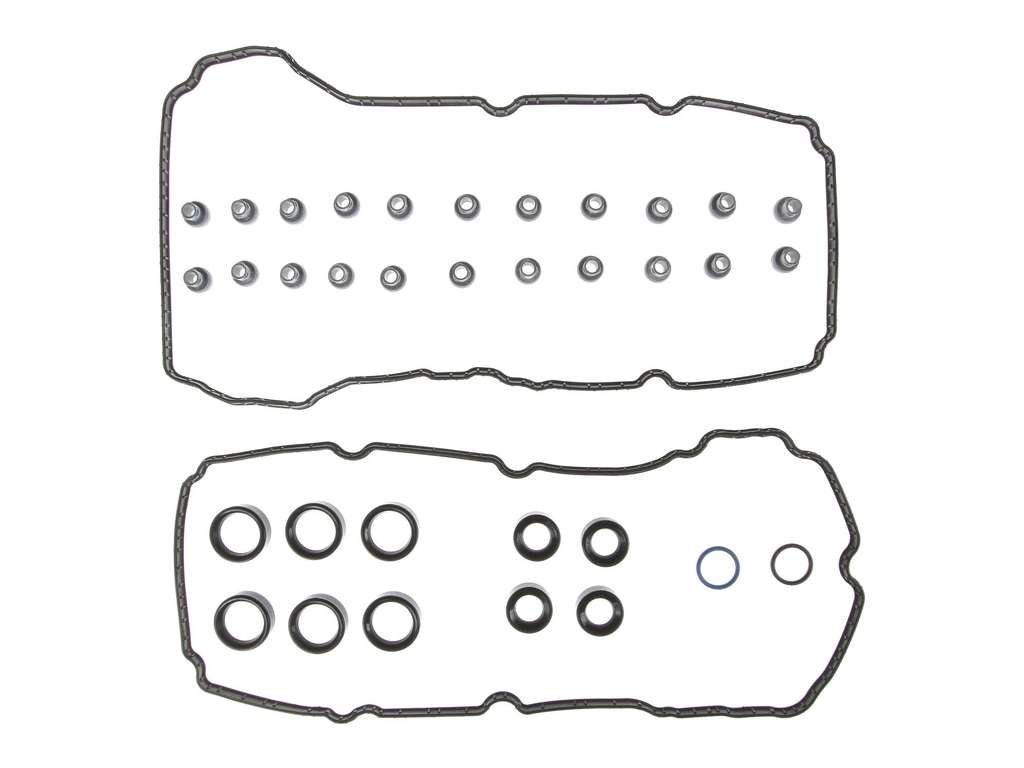
- Replacing the VCT solenoid requires removing the valve cover, so you must also replace the valve cover gasket.
- This is a moderately difficult DIY job due to the location of the components, especially on the firewall side of the engine.
What's Unique About the 2015-2018 Lincoln MKX
On these Lincoln engines, the Variable Camshaft Timing (VCT) system is known to be sensitive to oil quality and level. Ford and Lincoln have issued multiple Technical Service Bulletins (TSBs), including SSM 47170 and SSM 50067, acknowledging that P0021 and related codes can be triggered by small debris in the oil causing the VCT solenoids to stick. These TSBs specifically advise against immediate component replacement, instead recommending a diagnostic procedure (Pinpoint Test HK11 or HK12) where a scan tool is used to cycle the affected solenoid multiple times to dislodge debris before condemning the part.
Diagnostic Flowchart
Tap your situation to follow the diagnostic path that matches what you're seeing on this vehicle.
Generation note: The 2015 model year is the final year of the first-generation MKX, which primarily used the 3.7L V6 engine. The 2016-2018 models are the second generation and were available with either the standard 3.7L V6 or the optional 2.7L EcoBoost V6. The P0021 code applies to both engines, as both use a similar Ti-VCT (Twin Independent Variable Camshaft Timing) system, but part numbers and specific repair procedures, such as VCT solenoid accessibility, vary significantly between them.
Symptoms You May Notice
- Check Engine Light is on
- Rough or unstable idle
- Engine hesitation or stumbling on acceleration
- Stalling at low speeds or when stopping
- Reduced fuel economy
- Rattling or knocking noise from the engine
- Hard starting
- Replacing the camshaft position sensor when the actual fault is with the VCT solenoid or oil quality.
- Replacing the timing chain and phasers before properly diagnosing a much cheaper and simpler VCT solenoid failure.
Most Likely Causes
- Low, Dirty, or Incorrect Viscosity Engine Oil 🔴 High Probability The VCT system uses oil pressure to adjust cam timing. Passages in the solenoids are narrow and can be easily clogged by sludge or debris from old oil, or if the oil is too thick. Ford TSBs directly cite this as a primary cause.
How to confirm: Check the oil level on the dipstick and inspect its color and consistency. If the oil is dark, gritty, or below the 'add' line, this is the first suspect. Ensure the oil viscosity matches the manufacturer's specification (check owner's manual).
Typical fix: Perform an engine oil and filter change using the manufacturer-recommended oil viscosity (typically SAE 5W-30 for the 3.7L and SAE 5W-30 for the 2.7L EcoBoost) and a quality filter.
Est. part cost: $40-$80 - Failing Variable Camshaft Timing (VCT) Solenoid 🔴 High Probability → Shop Engine Camshaft As noted in manufacturer TSBs (SSM 47170, SSM 50067), these solenoids can stick due to small debris in the oil, causing them to respond slowly or not at all to the PCM's commands. The internal screens can become clogged with varnish and sludge.
How to confirm: After checking the oil, a good diagnostic step is to swap the Bank 2 intake solenoid with the Bank 1 intake solenoid. Clear the codes and drive the vehicle. If the code changes to P0011 (the Bank 1 equivalent), the solenoid is faulty. A scan tool can also command the solenoid to activate while monitoring camshaft angle, as described in TSBs.
Typical fix: Replace the Bank 2 intake VCT solenoid. It is often recommended to replace them in pairs (intake and exhaust) on the same bank, or even all four on the engine if they are original and high-mileage.
Est. part cost: $30-$90 - Wiring or Connector Issue 🟡 Medium Probability
How to confirm: Visually inspect the wiring harness and connector for the Bank 2 VCT solenoid and camshaft position sensor for any signs of damage, corrosion, or loose connections. Use a multimeter to check for proper voltage and ground at the solenoid connector. A damaged wire was found to be the cause in a similar VCT-related code scenario.
Typical fix: Repair the damaged wiring or clean/replace the connector.
Est. part cost: $5-$50 - Failed Camshaft Phaser ⚪ Low Probability → Shop Engine Camshaft While less common than oil/solenoid issues, the phaser itself can fail mechanically, becoming stuck in the advanced position. This is a more significant repair.
How to confirm: This is usually diagnosed after ruling out oil and solenoid issues. Diagnosis typically involves using a professional scan tool to monitor desired vs. actual cam angle and listening for distinct rattling noises from the front of the engine, especially on startup.
Typical fix: Replace the camshaft phaser, which is a labor-intensive job that also requires replacing the timing chain, tensioners, and guides.
Est. part cost: $400-$800 for a full timing kit - Stretched Timing Chain or Worn Guide/Tensioner ⚪ Low Probability → Shop Engine Timing Chain While less common than oil or solenoid issues, high mileage can lead to timing chain stretch, which can cause the base timing to be off and trigger this code. A user on a Ford F-150 forum with a related engine experienced P0021 due to timing chain issues. A video of a Lincoln MKS with a related engine showed a severely stretched chain as the cause for P0021 and other codes.
How to confirm: This requires removing the valve cover or timing cover to physically inspect the chain for slack and check the tensioner's extension. This is an advanced diagnostic step.
Typical fix: Replace the timing chain, tensioners, and guides.
Est. part cost: $400-$800 for a full timing kit
Rare But Worth Checking
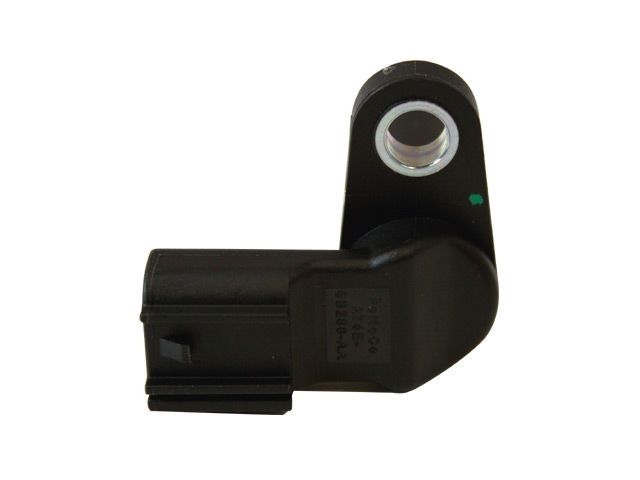
- Faulty Camshaft Position Sensor: → Shop Engine Camshaft Position Sensor This is rare because a failing sensor will usually trigger its own specific trouble code (e.g., P0345, P0349) in addition to or instead of P0021.
- Failing Powertrain Control Module (PCM): → Shop Engine Control Module (ECM) This is extremely rare and should only be considered after all other possibilities have been exhaustively ruled out.
- Clogged Oil Passages in Cylinder Head: In rare cases, particularly if oil changes have been severely neglected, sludge can block the oil galleys that feed the VCT phaser and solenoid. This can cause persistent codes even after replacing solenoids and timing components.
Diagnosis Steps
- Check the engine oil level and condition. Top off or change the oil and filter if necessary, using the correct viscosity oil. Clear codes and test drive.
- Scan the PCM for any other trouble codes to get a complete picture of the issue.
- Inspect the electrical connector and wiring for the Bank 2 intake VCT solenoid for any visible damage, corrosion, or loose pins.
- Using a scan tool, monitor the desired versus actual camshaft position for Bank 2. Per TSBs SSM 47170/50067, use the scan tool's functional tests to command the solenoid on and off (cycle it ~10 times) to see if the timing changes and if the action potentially clears debris.
- If the solenoid is accessible, swap the Bank 2 intake VCT solenoid with the Bank 1 intake VCT solenoid. Clear the codes and drive the vehicle. If the code returns as P0011, the solenoid is confirmed to be faulty.
- If the solenoid is confirmed bad, replace it. On the 3.7L V6, this requires removing the valve cover. On the 2.7L EcoBoost, the solenoids are more accessible on top of the engine.
- If solenoids and oil are good, the next step is to inspect the timing components (chain, phaser, guides) for wear or damage. This is an advanced, labor-intensive step.
Parts You'll Likely Need
- Variable Camshaft Timing (VCT) Solenoid
(OEM #3.7L: AT4Z-6M280-B / 2.7L: FT4Z-6M280-B)— This part directly controls the oil flow to the cam phaser. It is the most common point of failure for this code, often due to internal sticking or clogging, as cited in manufacturer TSBs.
Trusted brands: Motorcraft, Standard Motor Products, Dorman, Gates
OEM price range: $60-$100
Aftermarket price range: $30-$70 - Valve Cover Gasket Kit
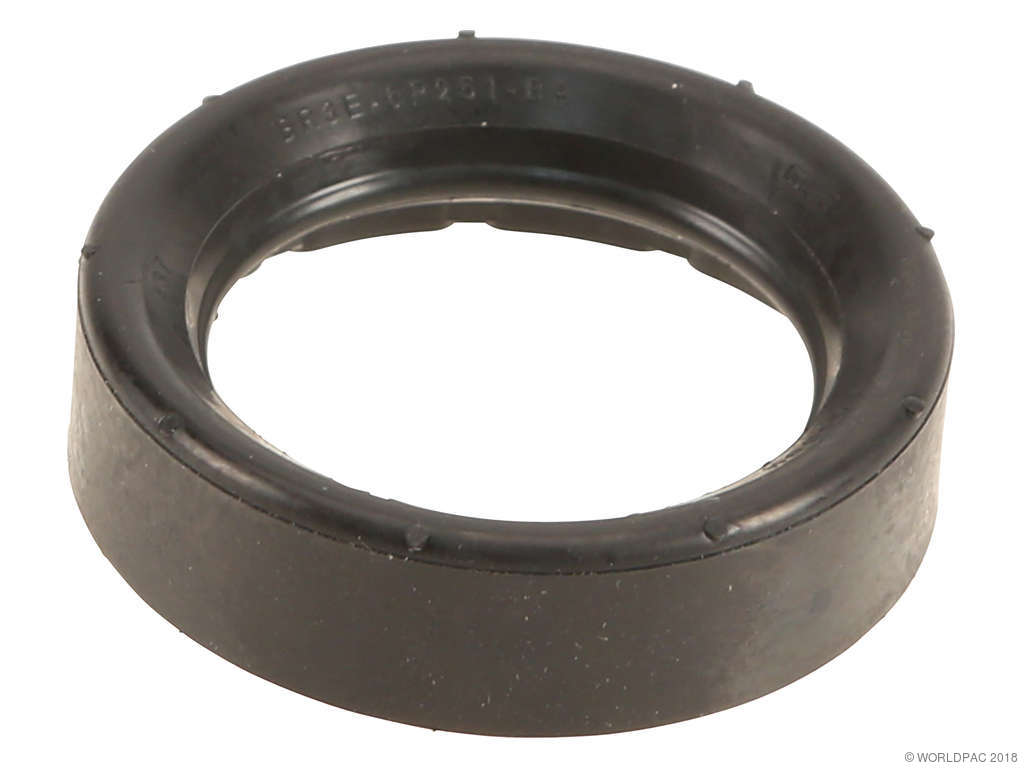
(OEM #3.7L (Bank 2/Firewall Side): BR3Z-6584-C / 2.7L (Bank 2/Radiator Side): FT4Z-6584-A)— On the 3.7L V6, the VCT solenoids are located under the valve covers, making gasket replacement mandatory for the repair. On the 2.7L, this is not required as the solenoids are accessible from the top of the engine.
Related Codes That Often Appear With This One
- P0011 — This is the equivalent code for Bank 1. If both P0011 and P0021 are present, it strongly points to a systemic issue like low oil level/pressure or incorrect oil viscosity affecting both banks.
- P0022 — This is for an over-retarded timing condition on the same camshaft (Bank 2 Intake). Seeing both may indicate an erratic VCT solenoid or phaser that is sticking intermittently.
- P0300, P0302, P0304, P0306 — These are random or specific misfire codes for Bank 2. Incorrect camshaft timing can disrupt the air/fuel mixture and ignition, leading to misfires on the affected cylinders.
- P0018 — This is a crankshaft/camshaft correlation error for Bank 2. It often appears with P0021 when the timing is significantly off, and can point towards a stuck VCT solenoid or a more serious mechanical timing issue.
Technical Service Bulletins (TSBs) & Recalls
- SSM 54366
- SSM 50067
- SSM 47170
- TSB 23-2049 (related, for 2.7L VCT unit noise)
- TSB 23-2338 (related, for 2.7L oil pan leaks)
Platform-Specific Known Issues
- TSB SSM 50067: States that 2015-2021 Ford and Lincoln vehicles may exhibit P0021 (and other VCT codes) due to small debris causing the VCT solenoid to stick. It advises against immediate replacement and instead recommends using scan tool diagnostics (Pinpoint Test HK12) to cycle the solenoid to attempt to clear it.
- TSB SSM 47170: An earlier version of the above TSB with the same guidance, indicating this is a long-standing known issue. It refers to Pinpoint Test HK11.
- Accessibility Difference (3.7L vs 2.7L): On the 3.7L V6, replacing the VCT solenoids is a more involved job as they are located underneath the valve covers, requiring removal of the intake plenum and valve cover. On the 2.7L EcoBoost, the solenoids are located on the top of the engine and are significantly easier to access and replace.
Mechanic-Grade Diagnostic Values
- VCT Solenoid Internal Resistance — expected: 5 - 15 Ohms. Failure: A reading of 0 Ohms (short), OL/infinity (open), or significantly outside the expected range.
- VCT Solenoid Connector Voltage (Key On, Engine Off) — expected: Battery Voltage (approx. 12V, should be >10.5V). Failure: Voltage below 10.5V or no voltage indicates a wiring issue, blown fuse, or problem with the PCM power relay.
- Scan Tool PID: VCT Advance Error — expected: Close to 0 degrees (+/- 5 degrees) at stable idle.. Failure: A large, persistent deviation between desired and actual cam angle, or a value that is stuck and does not respond to engine speed changes.
- Engine Oil Pressure (at normal operating temp) — expected: Minimum 15-25 PSI at hot idle.. Failure: Pressure below this minimum indicates an oiling system problem that will prevent the VCT system from functioning correctly.
Hidden / Shadow Codes Worth Checking
- Mode 6, Test IDs $80-$84: On CAN-bus Ford vehicles, these test IDs store non-continuous monitor data for misfires on each cylinder. While not a VCT code, this can help diagnose related misfire codes (P030x) that often accompany P0021 without a persistent misfire CEL. (see via An advanced scan tool capable of displaying OBD-II Mode $06 data. The tool may translate these IDs into plain language like 'Misfire Cylinder 1 Data'.)
Scan Tool Commands That Help
- Ford IDS, FORScan, or equivalent professional scanner: VCT Solenoid On/Off Control / Functional Test — This is a primary diagnostic step recommended in Ford TSBs (SSM 47170, 50067). The command cycles the solenoid on and off ~10 times to dislodge small debris that may be causing it to stick. A change in idle quality or an audible click from the solenoid indicates it is responding.
- Ford IDS, FORScan, or equivalent professional scanner: Power Balance Test — While observing the power balance graph, manually activating the suspect VCT solenoid should cause a noticeable dip or roughness in the engine, confirming the cam phaser is mechanically capable of moving when oil pressure is applied.
Wiring & Ground Locations
- VCT Solenoid Connector — On the 2.7L EcoBoost, the four VCT solenoids are on top of the engine, easily accessible after removing the engine cover. On the 3.7L V6, they are located under the valve covers, requiring removal of the cover for access.. This 2-pin connector provides power and control to the solenoid. Pin 1 is typically the power supply (VPWR) and Pin 2 is the ground-side control from the PCM. Damage or corrosion here will cause a loss of control and trigger timing codes.
- Ground Point G104 (example) — Various key ground points are located on the engine block, chassis, and near the PCM. An official wiring diagram is required to pinpoint the exact location for the VCT circuits.. A poor ground connection for the PCM or sensor circuits can introduce electrical noise or voltage drops, leading to incorrect readings and false timing codes.
Real Owner Repair Stories
- YouTube channel '2 Quick Tech' (Lincoln MKS with 3.5L/3.7L engine (mechanically similar to MKX 3.7L)) — Crank-no-start condition with codes P0011, P0018, P0021, and P0300.
❌ Tried (didn't work) The video implies that simpler diagnostics were insufficient, leading to engine disassembly.
✅ What actually fixed it The primary timing chain was found to be 'super loose' and stretched. The ultimate fix was a complete timing job, replacing the primary and secondary chains, all plastic guides, tensioners, and the internal water pump.
"I Checked Everything" — The Actual Cause
- The equivalent for this code is 'oil is clean and solenoids test good, but the code persists.' In these cases, the root cause is often mechanical. A documented case on a related engine showed that after exhausting simpler diagnoses, the actual cause was a severely stretched timing chain, which created enough slack to cause a correlation error that the VCT system could not compensate for. This requires a labor-intensive timing cover removal to verify.
OEM Part Supersession History
FT4Z-6M280-A→FT4Z-6M280-B— Part revision by the manufacturer.
Heads up: Applies to the 2.7L EcoBoost V6. The newer -B revision should be used for all repairs.AT4Z-6M280-A→AT4Z-6M280-B— Part revision for specific camshaft positions.
Heads up: Applies to the 3.7L V6. TSB 16-0038 specifies using AT4Z-6M280-B for a Bank 2 intake solenoid fault (P0021). Using the wrong position-specific solenoid can cause issues.
Model Year Variations Within This Range
- 2015-2018: The accessibility of the VCT solenoids differs significantly between engines. On the 2.7L EcoBoost V6 (2016-2018), the solenoids are on top of the engine and easy to replace. On the 3.7L V6 (all years), the solenoids are located underneath the valve covers, making replacement a much more labor-intensive job that requires new valve cover gaskets.
Used OEM Parts in Stock
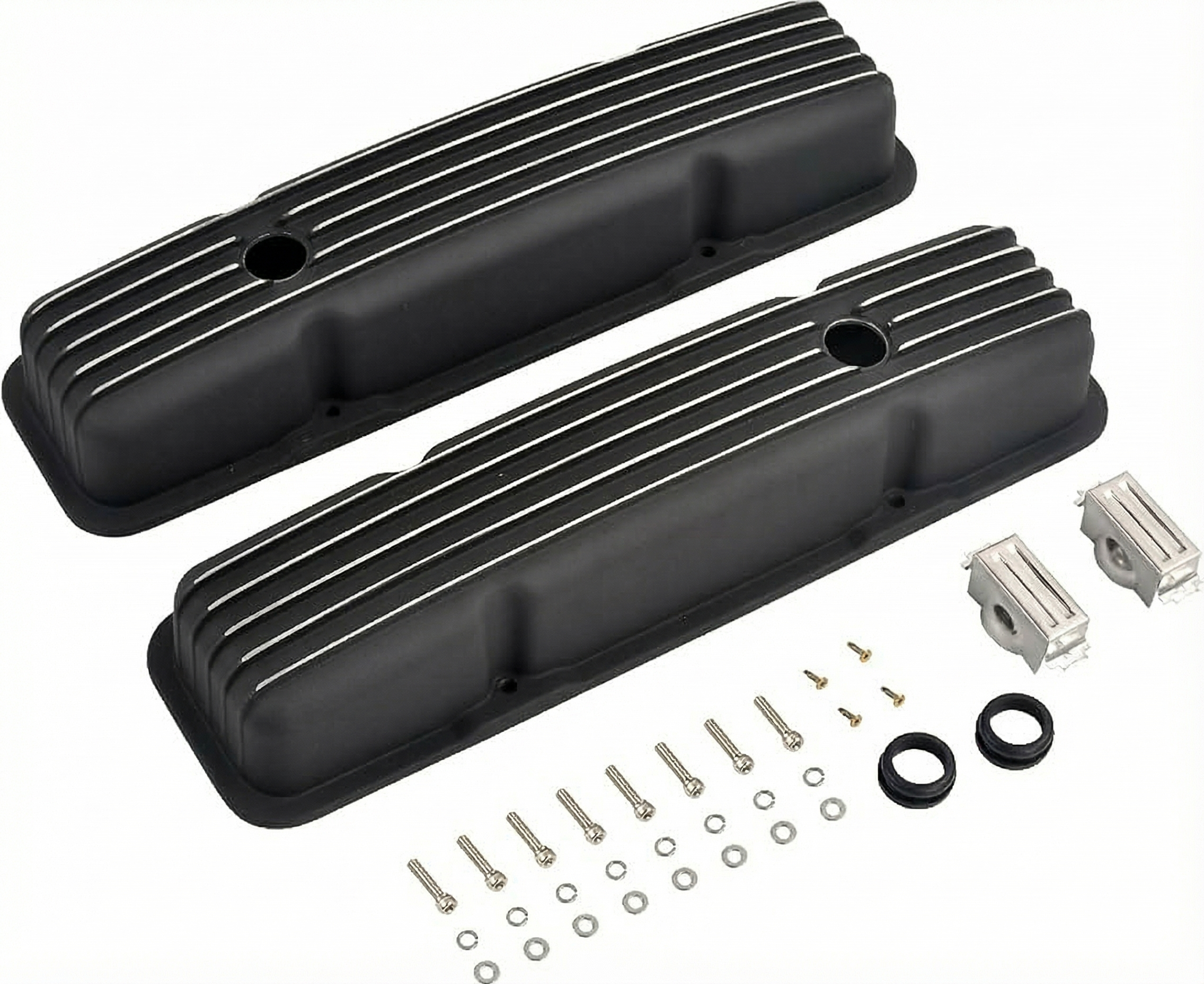
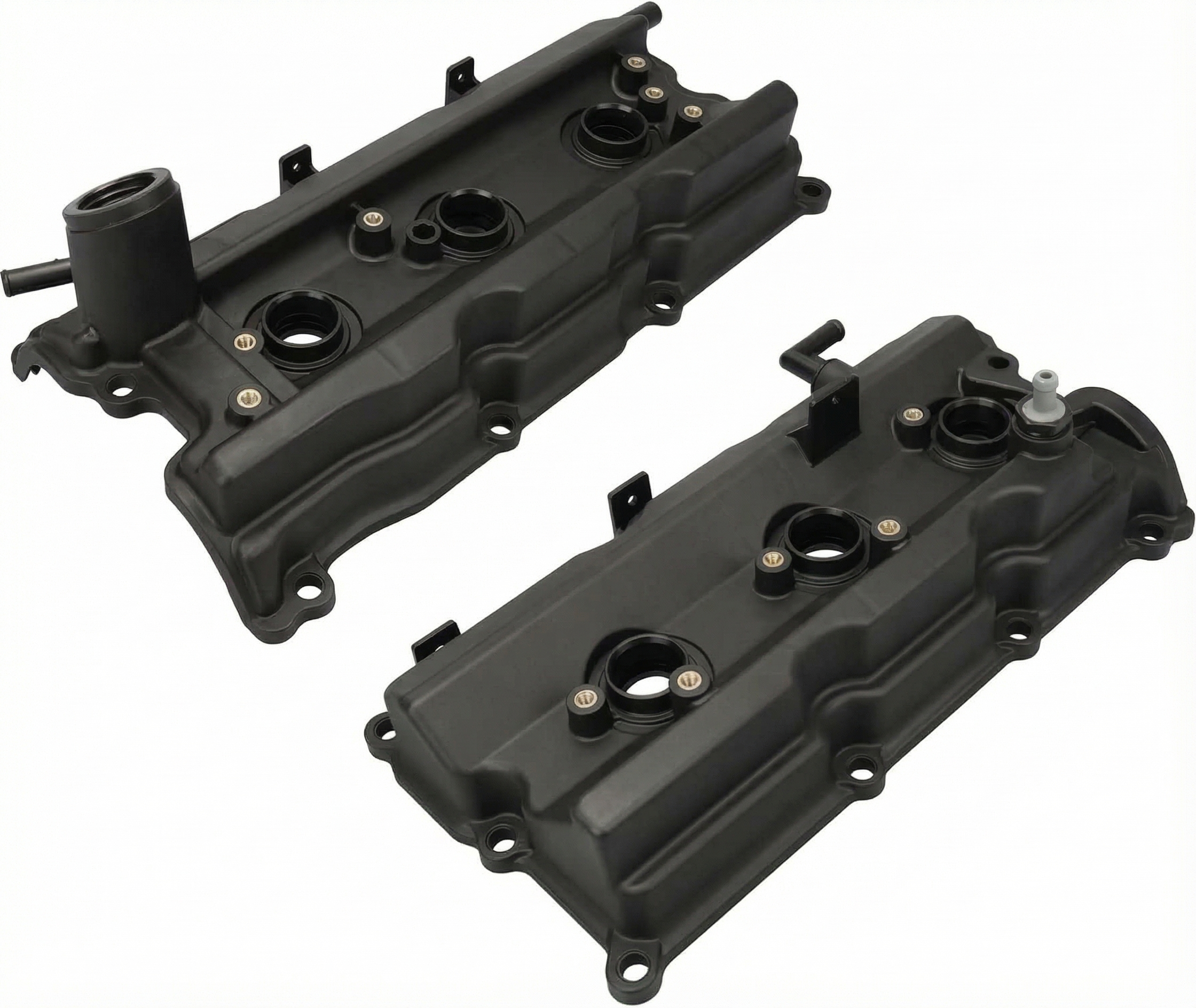
New Aftermarket Parts Available

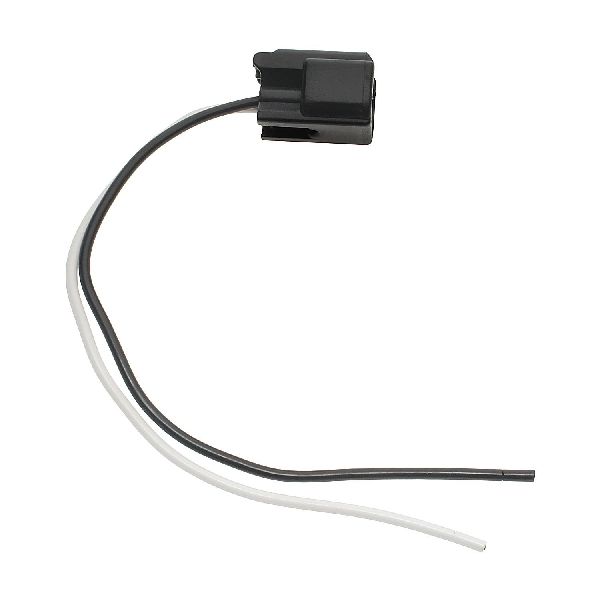
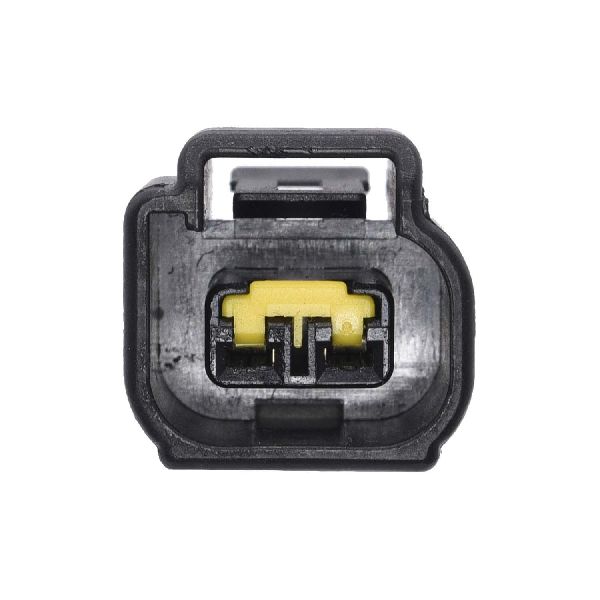

The information in this article is provided for general reference and educational purposes only. Vehicle specifications, procedures, and part compatibility can vary by production date, trim level, and region. Always consult your vehicle's factory service manual and verify part numbers before purchasing or performing repairs. Safety-critical components such as airbags, seat belts, and braking systems should be installed by a qualified professional.
- Lincoln MKX:
- 🧭 Diagnostic Flowchart
- 🛍️ Shop This Part
- What's Unique About the 2015-2018 Lincoln MKX
- Symptoms You May Notice
- Most Likely Causes
- Rare But Worth Checking
- Diagnosis Steps
- Parts You'll Likely Need
- Related Codes That Often Appear With This One
- Technical Service Bulletins (TSBs) & Recalls
- Platform-Specific Known Issues
- Mechanic-Grade Diagnostic Values
- Hidden / Shadow Codes Worth Checking
- Scan Tool Commands That Help
- Wiring & Ground Locations
- Real Owner Repair Stories
- "I Checked Everything" — The Actual Cause
- OEM Part Supersession History
- Model Year Variations Within This Range
- 🎟️ Get 5% Off