

P0021 on 2005-2014 Lincoln Navigator 5.4L: VCT Solenoid, Phaser, and Timing Fixes
On a 5.4L 3v Navigator, P0021 is almost always caused by low/dirty oil or a failing VCT solenoid on the driver's side (Bank 2). Start by checking your oil and replacing the VCT solenoid (approx. $50-$90 for the Motorcraft part 8L3Z-6M280-B). If a diesel-like rattle is present, especially when the engine is warm and at idle, expect a more costly timing job to replace cam phasers, timing chains, and tensioners.
- Always start your diagnosis by checking the engine oil. The 5.4L 3v VCT system is extremely sensitive to oil level, condition, and using the correct 5W-20 viscosity.
- The most common and easiest part to replace is the driver's side VCT solenoid (part #8L3Z-6M280-B). Swapping solenoids between banks is a free and effective way to confirm a failure.
- A 'diesel-like' rattle, especially at hot idle, is a classic symptom of failing cam phasers or low oil pressure from bad tensioners, indicating a much more expensive and complex repair is needed.
- For any VCT system repair on this engine, from solenoids to a full timing job, using high-quality OEM (Motorcraft) parts is critical to prevent recurring issues.
- Be aware of your model year: on 2007-2014 Navigators, replacing the VCT solenoid is a more involved job that requires removing the valve cover.
What's Unique About the 2005-2014 Lincoln Navigator
The 5.4L 3v Triton V8 engine, used in this entire generation of Navigator, is infamous for its complex and often troublesome Variable Camshaft Timing (VCT) system. Unlike many engines where this code is a simple sensor or solenoid fix, on the 5.4L 3v it is often the first sign of a cascade of failures stemming from a design that is highly sensitive to oil pressure. Key weaknesses include plastic timing chain tensioners with seals that blow out, causing a critical loss of oil pressure, and cam phasers that fail internally. These issues starve the VCT system of the oil pressure it needs to function, making P0021 a frequent and potentially serious issue for owners.
Generation note: The 2005-2014 range covers the second generation (2003-2006) and third generation (2007-2017) of the Lincoln Navigator. While the engine is the same 5.4L 3v, a key difference exists for this repair: on 2007-2014 models, the valve cover must be removed to access and replace the VCT solenoids, making the job more complex and labor-intensive than on 2005-2006 models where they can be accessed externally.
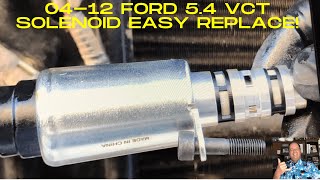
🎬 See how easy it is to replace solenoids on early models.Symptoms You May Notice
- Rough, unstable idle, especially when warm
- Engine stalling, especially at low RPM or when coming to a stop
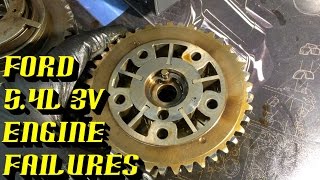
- A noticeable 'diesel-like' rattling or ticking noise from the engine, especially when warm at idle. This is the classic sign of failing cam phasers. 🎬 Watch: Hear the difference between normal phaser oscillation and knocking.
- Poor acceleration and loss of power
- Reduced fuel economy
- Check Engine Light illuminated
- Hard starting
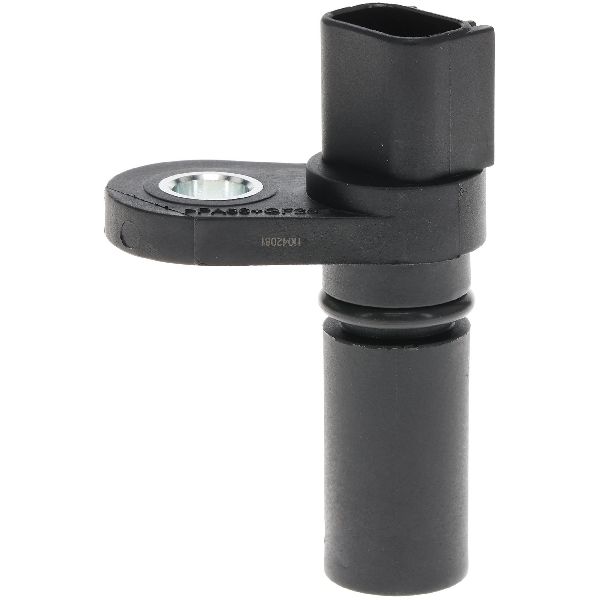
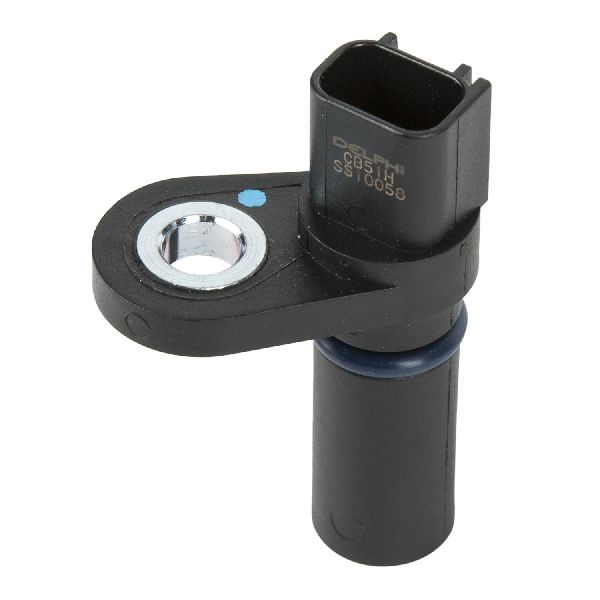
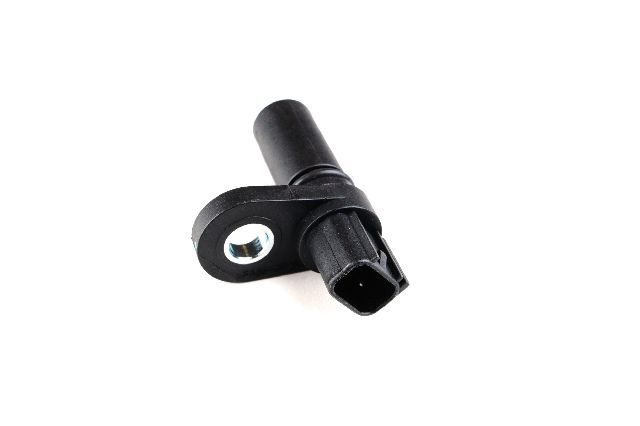
- Replacing the Camshaft Position Sensor (CPS). The CPS is usually just reporting the timing error that it sees; it is rarely the cause of the problem. The code P0021 is a mechanical timing issue, not a sensor circuit issue (which would typically set a P0345 or P0349 code).
Most Likely Causes
- Low, Dirty, or Incorrect Viscosity Engine Oil 🔴 High Probability The VCT system is entirely operated by oil pressure. The 5.4L 3v is known to be extremely sensitive to oil quality, level, and viscosity. Using anything other than the specified 5W-20 oil can cause the system to malfunction. The narrow oil passages are easily restricted by sludge or debris.
How to confirm: Check the oil dipstick for level and inspect the oil's condition. If it is dark, gritty, below the 'full' mark, or past its service interval, this is the most likely cause.
Typical fix: Change the engine oil and filter. Use a quality 5W-20 synthetic blend or full synthetic oil and a high-quality filter with a silicone anti-drainback valve. The Motorcraft FL-820-S is highly recommended for this application.
Est. part cost: $40-$80 - Faulty VCT Solenoid (Bank 2) 🔴 High Probability → Shop Engine Variable Valve Timing (VVT) Solenoid The solenoids (also called VVT solenoids) control oil flow to the cam phasers. They have fine mesh screens that can get clogged with sludge or debris from infrequent oil changes, causing them to stick open or closed and disrupt oil flow.
How to confirm: Unplug the Bank 2 (driver's side) VCT solenoid connector. If the rough idle improves, the solenoid is likely stuck. A more definitive test is to swap the Bank 2 solenoid with the Bank 1 (passenger side) solenoid. Clear the codes and drive. If the code changes to P0011 (the Bank 1 equivalent), the solenoid is confirmed faulty.
Typical fix: Replace the Bank 2 VCT solenoid and its seal. It is highly recommended to use Motorcraft parts (OEM Part #8L3Z-6M280-B) and replace both solenoids (Bank 1 and 2) at the same time.
Est. part cost: $50-$90 per solenoid - Worn or Failing Cam Phaser (Bank 2) 🟡 Medium Probability → Shop Engine Timing Gear The cam phasers are a known major weak point on the 5.4L 3v. The internal locking pin can fail or wear its bore, causing a loud knocking sound at hot idle. The internal vanes can also wear, causing them to fail to hold the correct timing position, especially at low oil pressure.
How to confirm: This is typically diagnosed after replacing the VCT solenoid does not fix the issue. A prominent rattling or diesel-like noise from the driver's side valve cover area at hot idle is a strong indicator of a failed phaser. A diagnostic test involves unplugging both VCT solenoids; if the noise continues at an RPM where it previously disappeared, the phasers are likely bad.
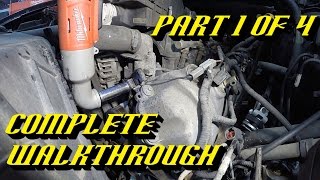
Typical fix: This is a major repair that involves removing the valve cover and timing cover to replace the cam phaser. It is almost always done as part of a full timing job. 🎬 Watch this walkthrough on how to access the timing components. Some owners opt for 'cam phaser lockout kits' which permanently fix the phaser's position, but this requires a custom ECU tune.
Est. part cost: $150-$300 per phaser - Failed Timing Chain Tensioners and Guides 🟡 Medium Probability → Shop Engine Timing Chain The original plastic timing chain tensioners have gasket seals on the back that are notorious for blowing out. This causes a significant loss of oil pressure directly at the front of the engine, starving the VCT system and leading to phaser and solenoid issues. The plastic guides also become brittle and break, with pieces falling into the oil pan and potentially clogging the oil pump pickup tube.
How to confirm: A mechanical oil pressure test is the best confirmation. If hot idle oil pressure is below Ford's minimum spec of 15 PSI (healthy engines are often 25+ PSI), worn tensioners are a very likely cause. Finding broken pieces of the plastic guides in the oil pan during an oil change is another definitive sign.
Typical fix: Replace the timing chains, tensioners, and guides. This is a labor-intensive job. Many owners and technicians upgrade to the more robust cast iron tensioners from older 2-valve engines or install a high-volume oil pump (like the Melling M340HV) at the same time to ensure adequate oil pressure for the VCT system.
Est. part cost: $300-$600 for a full timing kit
Rare But Worth Checking
- Clogged Oil Passages in Cylinder Head: If the engine has a history of infrequent oil changes, sludge can build up and block the small oil passages leading to the VCT solenoid and phaser. This can prevent even new parts from working correctly and may require extensive cleaning or cylinder head removal.
- Failing Oil Pump: While less common than tensioner failure, a worn-out stock oil pump can cause system-wide low oil pressure, triggering VCT codes. This is usually confirmed with a mechanical oil pressure test showing less than 15-20 PSI at hot idle. Many specialists recommend upgrading to a Melling high-volume pump (M340HV) during any timing job as a preventative measure.
Diagnosis Steps
- Check Engine Oil: Verify the oil level is full and the oil is clean and of the correct 5W-20 viscosity. If in doubt, perform an oil and filter change using a Motorcraft FL-820-S filter.
- Scan for Other Codes: Check for other codes that may provide more context, such as P0011 (both banks affected), P0022 (erratic operation), or P0020 (electrical fault).
- Inspect VCT Solenoid Connector: Check the wiring and connector for the Bank 2 (driver's side) VCT solenoid for any damage, corrosion, or oil contamination.
- Swap VCT Solenoids: Swap the driver's side (Bank 2) and passenger's side (Bank 1) VCT solenoids. Clear the codes and drive the vehicle. If the code returns as P0011, the solenoid you moved is faulty and needs to be replaced. This is a very reliable diagnostic step.
- Test Oil Pressure: If new solenoids do not resolve the issue, perform a mechanical oil pressure test. At hot idle (oil temp > 160°F), pressure should be above 15-20 PSI (healthy is 25+ PSI). Low pressure indicates a more serious internal engine problem like worn tensioner seals.
- Inspect Timing Components: If oil pressure is low or a distinct diesel-like rattle is present at hot idle, the next step is to remove the valve and timing covers to inspect the cam phasers, timing chain tensioners, and guides for wear or damage. Look for broken plastic guide pieces in the oil pan.
Parts You'll Likely Need
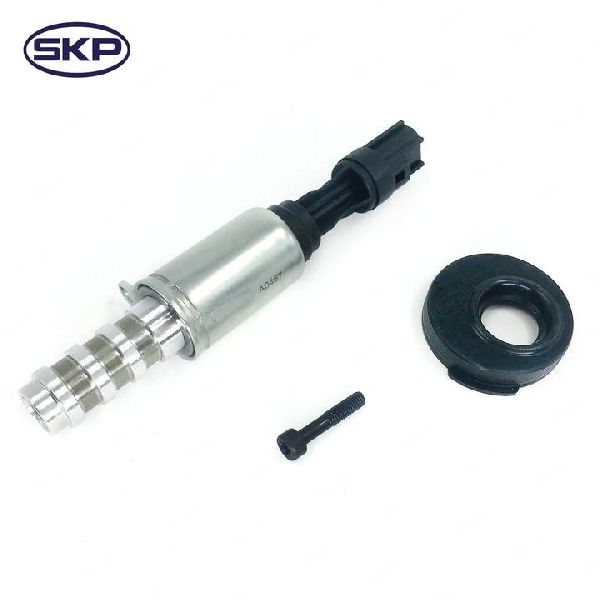
- Variable Camshaft Timing (VCT) Solenoid
(OEM #8L3Z-6M280-B)— This is the most common failure point after low/dirty oil. It gets clogged with debris and sticks, causing the timing to be over-advanced. Using the Motorcraft part is highly recommended. - VCT Solenoid Seal
(OEM #3L3Z-6C535-AA (for 2005-2006) or 7L1Z-6C535-AA (for 2007+))— This seal is required when replacing the solenoid and is different depending on the year, corresponding to whether the valve cover must be removed. - Engine Oil Filter
(OEM #FL-820-S)— A quality oil filter is critical. The Motorcraft filter has a well-regarded silicone anti-drainback valve that helps maintain oil pressure in the heads on startup, protecting the VCT system. - Complete Timing Chain Kit
(OEM #Varies by kit manufacturer)— If diagnosis points to phasers or tensioners, a complete kit including phasers, chains, guides, and tensioners is the standard repair. Ford OEM parts are strongly recommended.
Related Codes That Often Appear With This One
- P0011 — This is the same over-advanced code for Bank 1 (passenger side). If both codes appear together, it strongly points to a systemic oil pressure problem affecting the entire engine, such as failed tensioner seals, a failing oil pump, or severe oil sludging.
- P0022 — This is the 'over-retarded' code for the same bank (Bank 2). Seeing P0021 and P0022 together can indicate a VCT solenoid that is erratically sticking, a cam phaser that cannot hold its position at all, or a wiring issue to the solenoid.
- P0345 — This code indicates a fault in the Bank 2 Camshaft Position Sensor circuit. It can appear alongside P0021 if the timing is so erratic that the PCM flags the sensor's signal as unreliable, or if there is a wiring issue affecting both components.
- P0020 — This code points to an electrical fault in the VCT solenoid's circuit (Bank 2). Seeing it with P0021 strongly suggests the problem is the solenoid itself (internal short), its wiring, or its connector, rather than a deeper mechanical issue.
Technical Service Bulletins (TSBs) & Recalls
- Describes how to diagnose ticking, knocking, or startup rattle noises on 4.6L and 5.4L 3V engines. It helps technicians differentiate normal injector sounds from problematic cam phaser or lash adjuster noise, which are directly related to the causes of P0021.
Platform-Specific Known Issues
- A TSB was issued for 2005-2013 Navigators with the 5.4L 3v engine for an intermittent rattle and codes like P0021/P0022, recommending the replacement of the VCT solenoids.
- The VCT solenoid replacement procedure is notably different between model years. On 2005-2006 models, the solenoids can be accessed directly. On 2007-2014 models, the valve covers must be removed, significantly increasing labor time.
Mechanic-Grade Diagnostic Values
- VCT Solenoid Internal Resistance — expected: 5-15 Ohms, with a more precise specification of 6.9 - 7.9 Ohms at 68°F (20°C).. Failure: A reading of 0 Ohms (short), infinity (open circuit), or significantly outside the expected range.
- Engine Oil Pressure at Hot Idle — expected: Greater than 25 PSI is considered healthy. Ford's official minimum specification is 15 PSI.. Failure: Pressure below 20-25 PSI can starve the VCT system. Readings near or below 15 PSI strongly indicate severe internal wear, such as blown timing chain tensioner seals.
- Scan Tool PID: VCT_ERROR (or CAMERRR) — expected: Should hover around 0° at idle and during steady-state driving.. Failure: A sustained deviation of more than +/- 5 degrees for several seconds will trigger the fault code. This indicates the actual cam position does not match the PCM's requested position.
- Scan Tool PID: VCT Solenoid Duty Cycle (VCT_DC or VCTDCR) — expected: Should be 0% at idle. The PCM will increase the duty cycle to command cam retard under load.. Failure: A high duty cycle (e.g., 90%+) combined with a large VCT_ERROR value suggests the system is trying to move the phaser, but it is not responding, likely due to low oil pressure or a stuck phaser.
Scan Tool Commands That Help
- Ford IDS (Integrated Diagnostic System) or equivalent (FORScan, high-end Autel/Snap-on): VCT Solenoid On/Off Test or Duty Cycle Control — This bidirectional control allows a technician to command the VCT solenoid on and off while the engine is running at idle. A functioning solenoid will cause a noticeable change in idle quality or may even stall the engine. This directly tests the solenoid's ability to actuate and control oil flow, helping to distinguish between an electrical/solenoid issue and a mechanical phaser or oil pressure problem.
- Ford IDS (Integrated Diagnostic System): Power Balance Test — While not a direct VCT test, if the P0021 code is accompanied by rough running or misfire symptoms, the power balance test can identify which cylinder(s) are contributing least. This can help confirm that the issue is isolated to Bank 2, which is consistent with a P0021 code.
Wiring & Ground Locations
- VCT Solenoid Connector (Bank 2) — On the front of the driver's side valve cover. On 2005-2006 models, it's accessible externally. On 2007-2014 models, it is under the valve cover.. This is the primary electrical connection for the component that controls the cam timing on Bank 2. The connector and wiring are common points of failure due to heat, vibration, and oil contamination. A P0020 (circuit fault) code often accompanies P0021 if there is a wiring issue.
- VCT Solenoid Power Wire — Pin 1 (Blue/Green wire) at the VCT solenoid connector.. This wire supplies 12V+ power to the solenoid from the PCM power relay via a fuse. A voltage drop or open circuit on this wire will prevent the solenoid from actuating, leading to timing control issues. It should show battery voltage with the key on.
- VCT Solenoid Control Wire — Pin 2 at the VCT solenoid connector. This wire leads back to the PCM.. The PCM provides a pulsed ground on this wire to control the solenoid's duty cycle. A break or short in this wire will cause a loss of control over the solenoid, resulting in either a circuit code (P0020) or a performance code (P0021/P0022).
Real Owner Repair Stories
- F150forum.com user 'redfishtd' (2004 Ford F-150 5.4L 3V with 235,000 miles) — P0021 code, engine runs very rough and lacks power after about 5 minutes from startup.
❌ Tried (didn't work) Replacing the VCT solenoids.
✅ What actually fixed it The user had previously performed a timing job 35,000 miles prior using aftermarket (Dorman) cam phasers. The consensus from other forum members was that the aftermarket phasers had failed prematurely, which is a very common occurrence. The recommendation was to re-do the job using only OEM Motorcraft phasers. - F150forum.com user 'Braptor_28' (Ford F-150 5.4L 3v with a fresh engine rebuild) — P0011 and P0021 codes appearing under load, very low oil pressure (11-12 PSI) at hot idle in gear.
❌ Tried (didn't work) The engine was fully rebuilt with all new OEM Ford timing components, including phasers, solenoids, chains, and guides. A new Melling standard pressure oil pump was also installed.
✅ What actually fixed it The root cause was determined to be critically low oil pressure, even with all new components. The diagnosis pointed to leaking seals on the new plastic tensioners, starving the VCT system of the pressure needed to retard the cams under load. The ultimate fix is to replace the tensioners (again) and upgrade to a high-volume oil pump (Melling M340HV) to overcome potential internal leaks. - F150online.com user (2008 Ford F-150 5.4L 3V) — P0011 and P0021 codes appeared immediately after a complete timing job.
❌ Tried (didn't work) A complete OEM timing job was performed with a Melling high-volume oil pump., Initially used aftermarket VCT solenoids which were suspected to be the cause.
✅ What actually fixed it After swapping the aftermarket VCT solenoids for OEM Motorcraft solenoids, the problem persisted. The final resolution was discovering the engine was mistimed by one tooth during the timing job. Retiming the engine correctly resolved the codes.
OEM Part Supersession History
3L3Z-6M280-EA, 8L3Z-6M280-A→8L3Z-6M280-B— Ford updated the VCT solenoid design to improve reliability and potentially operate with lower oil pressures.
Heads up: The newest part number (8L3Z-6M280-B) is the correct and recommended replacement for all 5.4L 3v applications within this year range.3L3Z-6256-DA, 3L3Z-6256-EA, 3R2Z-6A257-AA→3R2Z-6A257-DA— The cam phaser design was revised multiple times to improve the durability of the internal locking pin and vanes to prevent premature failure and rattling. Early versions were also side-specific (left/right), while the latest revision is universal and fits both banks.
Heads up: Always use the latest revision (3R2Z-6A257-DA) and replace in pairs. Using older stock or mixing revisions is not recommended.
Model Year Variations Within This Range
- 2007-2014: The valve covers were redesigned, and the VCT solenoids are located underneath them. This makes replacing the solenoids a much more labor-intensive job, requiring valve cover removal, compared to the 2005-2006 models where they are accessible from the front of the engine externally.
- 2009-2014: Later model year engines received incrementally improved timing components from the factory, including better seals on the plastic tensioners and revised phasers. However, they are still considered a weak point of the engine.
Diagnostic Flowchart
Other Known Issues on This Vehicle
Issues unrelated to this code that are worth knowing about as an owner of this generation:
- Two-Piece Spark Plug Breakage 🔴 High — Extremely common on engines built before late 2007. A carbon buildup ring causes the lower portion of the spark plug to seize in the cylinder head and break off during removal. (Ref: TSB 08-7-6)
- Air Suspension Leaks / Failure 🔴 High — Very common. The rubber air springs develop dry rot and cracks, causing leaks. This overworks and burns out the air compressor, leading to a sagging suspension and a 'Check Air Suspension' warning.
- Fuel Pump Driver Module (FPDM) Failure 🟠 Medium — Common issue. The module is mounted to the frame and its aluminum backplate corrodes from contact with the steel frame, allowing moisture to destroy the circuit board. This can cause no-start or stalling conditions.
- Ignition Coil Failure 🟠 Medium — Fairly common. The coil-on-plug units are exposed to high heat, which can cause the epoxy to crack and lead to misfires (e.g., P030x codes).
Used vs. New Parts: Buying Guide for This Vehicle
When a used part is the smart pick: For this specific repair, using used parts is strongly discouraged. The primary failure components (VCT solenoids, cam phasers, timing chains, guides, tensioners) are all wear items with known design flaws. A used part from a junkyard carries the same risk of failure as the part being replaced.
What to inspect on the donor part:
- Not applicable, as used parts are not recommended for this repair.
OEM-only on this vehicle (don't cheap out):
- Cam Phasers: This is the most critical part to buy OEM (Motorcraft). Aftermarket phasers, particularly from Dorman, are notorious for high rates of premature failure, often within a few thousand miles, causing the user to have to repeat the entire labor-intensive timing job.
- VCT Solenoids: While some aftermarket solenoids may work, the cost difference is minimal, and OEM Motorcraft solenoids (part #8L3Z-6M280-B) are proven to be the most reliable option.
Aftermarket brands forum-validated for this vehicle:
- Melling: Widely regarded as the go-to for oil pumps. The Melling M340HV (high volume) or M360HV pump is a highly recommended upgrade during any timing job to provide extra oil pressure to the VCT system.
- Cloyes: For timing chains, guides, and tensioners, Cloyes is a well-respected aftermarket alternative to OEM. Many kits from Cloyes include the desirable cast-iron tensioners as an upgrade over the failure-prone OEM plastic ones.
Brands owners have reported issues with on this vehicle:
- Dorman (for Cam Phasers): Multiple owner forums and technician accounts cite extremely high failure rates for Dorman cam phasers on the 5.4L 3v engine. While Dorman claims to have an 'OE Fix', the community consensus is to avoid them for this specific part.
Real Owner Stories
Aggregated from forums and TSBs cited above. Mileages and costs reflect what owners reported in those sources.
2005-2014 Lincoln Navigator 5.4L 3v
Symptoms: The owner experienced an over-retarded code (P0022) followed quickly by an over-advanced code (P0021) on the same bank.
What fixed it: The issue was identified as either an erratic electrical connection to the VCT solenoid or a mechanical phaser/solenoid that was sticking unpredictably.
Source hint: Lincoln vs Cadillac forums thread titled 'P0022 then P0021'
2004-2010 Ford F-150 (5.4L 3v Triton V8)
Symptoms: P0011 and P0021 codes appearing on a freshly rebuilt engine; owner monitored data logs of VCT parameters and oil pressure readings.
What fixed it: The diagnosis pointed towards a low oil pressure issue despite the installation of a new standard oil pump.
Source hint: F150forum.com thread titled '5.4L 3V P0011 P0021 on fresh rebuild!'
Related OBD-II Codes
Frequently Asked Questions
Is there a specific Technical Service Bulletin for the P0021 code on my Lincoln Navigator?
How difficult is it to replace the VCT solenoid on a 2008 Lincoln Navigator compared to a 2005 model?
What specific oil filter should I use for my 5.4L 3v Triton to prevent VCT issues?
Can I use a different oil viscosity than 5W-20 in my Navigator?
What is the minimum oil pressure required for the VCT system on the 5.4L 3v engine?
Is there a specific VCT solenoid part number recommended for the Bank 2 repair?
Helpful Videos
We Have This Part in Stock


The information in this article is provided for general reference and educational purposes only. Vehicle specifications, procedures, and part compatibility can vary by production date, trim level, and region. Always consult your vehicle's factory service manual and verify part numbers before purchasing or performing repairs. Safety-critical components such as airbags, seat belts, and braking systems should be installed by a qualified professional.
- Lincoln Navigator:
- 🧭 Diagnostic Flowchart
- 🎬 Helpful Videos
- 🛍️ Shop This Part
- What's Unique About the 2005-2014 Lincoln Navigator
- Symptoms You May Notice
- Most Likely Causes
- Rare But Worth Checking
- Diagnosis Steps
- Parts You'll Likely Need
- Related Codes That Often Appear With This One
- Technical Service Bulletins (TSBs) & Recalls
- Platform-Specific Known Issues
- Mechanic-Grade Diagnostic Values
- Scan Tool Commands That Help
- Wiring & Ground Locations
- Real Owner Repair Stories
- OEM Part Supersession History
- Model Year Variations Within This Range
- Other Known Issues on This Vehicle
- Used vs. New Parts: Buying Guide for This Vehicle
- Real Owner Stories
- 2005-2014 Lincoln Navigator 5.4L 3v
- 2004-2010 Ford F-150 (5.4L 3v Triton V8)
- Related OBD-II Codes
- Frequently Asked Questions
- 🎟️ Get 5% Off