

P0021 on 2016 Lincoln Navigator 3.5L EcoBoost: Causes and Fixes for Over-Advanced Timing
On a 2016 Lincoln Navigator, P0021 is most often caused by low/dirty engine oil or a faulty Bank 2 (driver's side) intake VCT solenoid. Always check your oil level and condition first; an oil change can sometimes fix it. If not, the VCT solenoid is the next likely culprit. TSB 16-0093 was issued for this specific model year for premature solenoid failure. Replacing the solenoid costs around $60-$90 for the part.
- Code P0021 on your 2016 Navigator means the driver's side intake camshaft timing is stuck in an over-advanced position.
- Before buying any parts, check your engine oil. Low, old, or incorrect oil is a primary cause. An oil change with full synthetic 5W-30 is the correct first step.
- The most likely failed part is the Bank 2 (driver's side) intake VCT solenoid. It's a common failure and a relatively straightforward, though labor-intensive, replacement.
- If you hear a loud rattling noise from the engine for a few seconds when starting it cold, the problem could be more serious, such as worn cam phasers or a stretched timing chain.
- Do not immediately replace the camshaft position sensor; it is rarely the cause of this specific code.
What's Unique About the 2016-2016 Lincoln Navigator
The 3.5L EcoBoost V6 engine in the Navigator is known for being highly sensitive to oil quality and maintenance schedules. The VCT system's oil-driven actuators have very fine passages that can be easily clogged by old oil or debris, making regular, high-quality oil changes crucial. Ford has issued multiple service bulletins (like SSM 50067 and TSB 16-0093) acknowledging that sticking VCT solenoids due to oil debris are a pattern failure for this engine family. Furthermore, this engine family has a documented history of timing component issues, including VCT solenoids, cam phasers, and timing chains, which can all lead to code P0021.
Symptoms You May Notice
- Check Engine Light is on
- Rough, unstable idle
- Hesitation or stalling, especially during acceleration or when stopping
- Noticeable loss of engine power
- Decreased fuel economy
- Engine may be hard to start
- Rattling or knocking noise from the engine on startup, lasting 2-5 seconds
- Replacing the camshaft position sensor. This sensor reads the camshaft's position; it rarely causes an over-advanced condition. A faulty sensor usually triggers a specific sensor circuit code (e.g., P0345, P0349).
- Replacing the timing chain and phasers before diagnosing the VCT solenoids. A sticking solenoid is a much more common, cheaper, and easier fix and should always be ruled out first, even if a startup rattle is present.
Most Likely Causes
- Low, Dirty, or Incorrect Viscosity Engine Oil 🔴 High Probability The VCT system is operated by oil pressure. Infrequent oil changes (beyond 5,000 miles is often cited as a risk) can lead to sludge and debris that clog the fine mesh screens and passages in the VCT solenoids and phasers.
How to confirm: Check the oil level on the dipstick and examine its color and condition. If it's low, dark black, or past the recommended change interval, it needs service. Ensure SAE 5W-30 full synthetic or synthetic blend oil is being used.
Typical fix: Perform an engine oil and filter change using a high-quality full synthetic SAE 5W-30 oil (meeting Ford spec WSS-M2C961-A1) and a new filter (e.g., Motorcraft FL-500S). Clear the codes and see if P0021 returns.
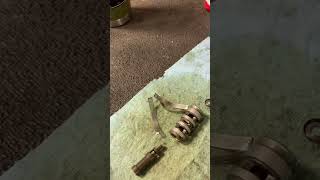
Est. part cost: $40-$80 - Sticking or Failed VCT Solenoid (Oil Control Valve) 🔴 High Probability → Shop Engine Variable Valve Timing (VVT) Solenoid This is a well-documented failure item on the 3.5L EcoBoost. The solenoid can get stuck from small debris in the oil or fail electronically. TSB 16-0093 was issued for 2016 Navigator models with low mileage exhibiting this code, recommending solenoid replacement. Later Special Service Messages like SSM 50067 also note that debris can cause the solenoid to stick. 🎬 Watch: See how a failed VCT solenoid behaves on the 3.5L EcoBoost.
How to confirm: A common diagnostic step is to swap the Bank 2 intake solenoid with the Bank 1 intake solenoid. Clear the codes and drive. If the code changes to P0011 (Bank 1 Over-Advanced), the solenoid is confirmed faulty. A scan tool can also be used to command the solenoid and monitor its response.
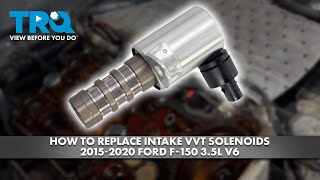
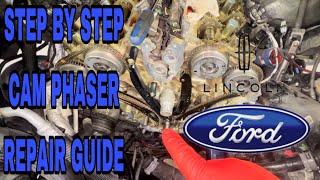
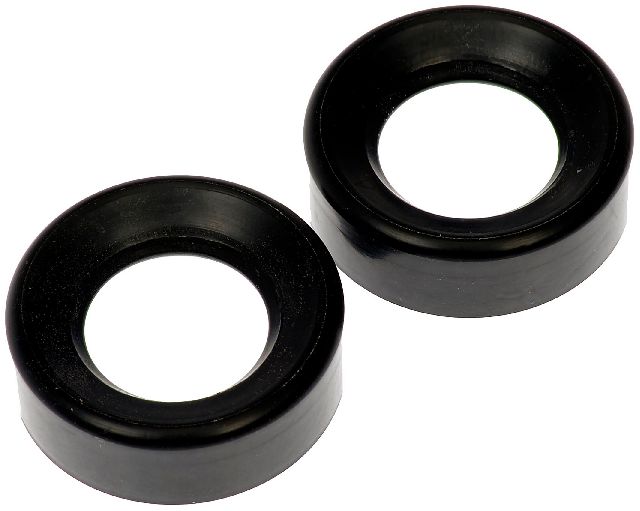
Typical fix: Replace the Bank 2 (driver's side) intake VCT solenoid. The valve cover must be removed for access, so the valve cover gasket 🎬 Watch: This step-by-step walkthrough shows you how to replace the solenoid. and solenoid seals should be replaced simultaneously.
Est. part cost: $60-$90 - Worn Camshaft Phaser 🟡 Medium Probability → Shop Engine Camshaft While more notorious on the 2nd generation (2017+) EcoBoost, phaser failure can still occur on 2016 models. A failed internal locking pin can cause a loud rattle on cold starts and allow the camshaft to be in an incorrect position.
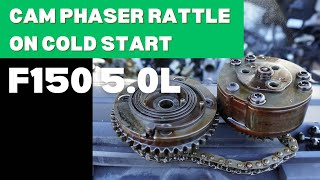
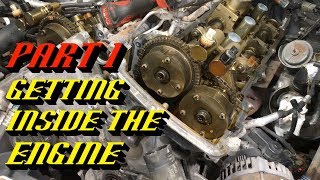
How to confirm: Listen for a distinct rattle from the front of the engine for 2-5 seconds on a cold start. 🎬 Watch: Hear the cam phaser rattle and see the replacement process. A scan tool can monitor desired vs. actual cam angle, where a large deviation or slow response can indicate a phaser problem. A sticking VCT solenoid can sometimes cause a similar noise, so it should be ruled out first.
Typical fix: Replace the faulty cam phaser. This is a labor-intensive job that can cost $3,500-$4,500 at a dealer. It is often recommended to replace all four phasers, the timing chain, and tensioners at the same time.
Est. part cost: $200-$400 for a set of phasers - Stretched Timing Chain or Worn Guides/Tensioners ⚪ Low Probability → Shop Engine Timing Chain The first-generation 3.5L EcoBoost uses a long primary timing chain that is susceptible to stretching over time, which can cause the base timing to be off and trigger VCT codes. This was a more significant issue on earlier (pre-2015) versions of the engine but can still occur.
How to confirm: This is typically diagnosed after ruling out oil and solenoid issues. A persistent rattle and the presence of correlation codes like P0018 can point to a stretched chain. Confirmation requires significant disassembly to check timing marks and chain slack.
Typical fix: Replace the timing chain, guides, and tensioners. This is a major repair and should include replacement of the water pump, phasers, and VCT solenoids while the engine is apart.
Est. part cost: $400-$700 for a full timing kit
Rare But Worth Checking
- Wiring Harness or Connector Issue:
Diagnosis Steps
- Verify the Check Engine Light is on and scan for P0021 and any other codes. Note any accompanying codes like P0018.
- Check the engine oil level and condition. If the oil is low, dirty, or past its change interval, perform an oil and filter change using full synthetic SAE 5W-30 oil and a Motorcraft FL-500S filter. Clear the codes and test drive.
- If the code returns, use a capable scan tool (like FORScan) to monitor PIDs for desired vs. actual cam angle (e.g., RCAM_DSD vs RCAM) and the cam error percentage (VCT_INT_DIF2). A large, persistent error confirms a VCT system fault.
- For a definitive test, swap the Bank 2 intake VCT solenoid with the Bank 1 intake solenoid. They are located under the valve covers. Clear codes and drive. If the code changes to P0011, the solenoid is confirmed faulty.
- As an alternative diagnostic step suggested by Ford SSM 50067, use a scan tool to command the VCT solenoid on and off (cycle it 10 times) to see if the action can dislodge debris and restore function before replacing the part.
- Manufacturer bulletin SSM 54366 further recommends performing Pinpoint test HK in the Powertrain Control and Emissions Diagnosis (PC/ED) manual to isolate the cause of P0021 and related timing codes.
- If the code P0021 returns after the swap and cycling test, the issue is not the solenoid. Inspect the wiring and connector for the Bank 2 VCT solenoid for any damage, corrosion, or loose connections.
- If solenoids and wiring are good, the focus shifts to mechanical timing. Listen for a cold start rattle, which points towards cam phasers or a timing chain. This level of diagnosis is complex and may require a professional.
- A professional technician would use a scan tool to command the VCT solenoids and observe the engine's response, and may need to perform an oil pressure test to rule out pressure issues.
Parts You'll Likely Need
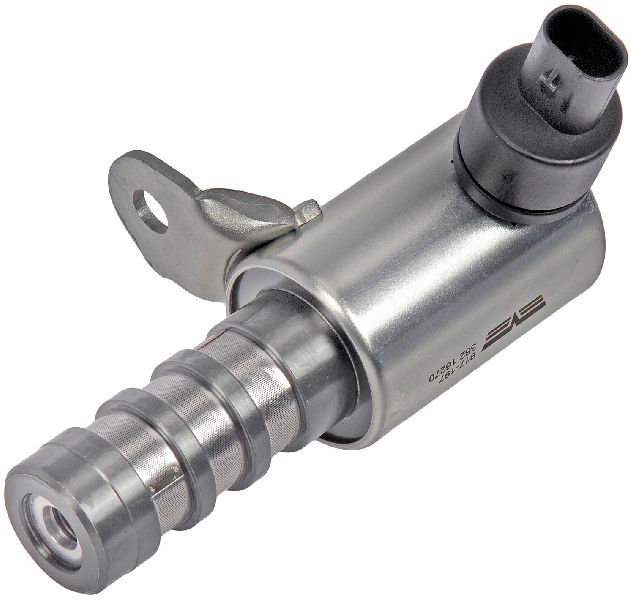
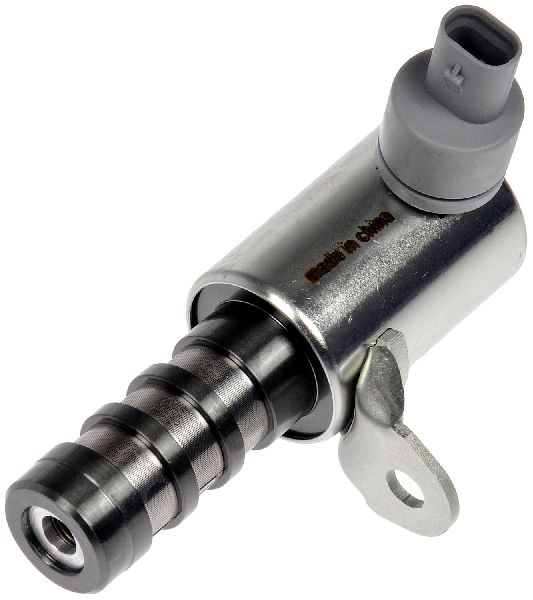
- Engine VCT Solenoid (Bank 2 Intake)
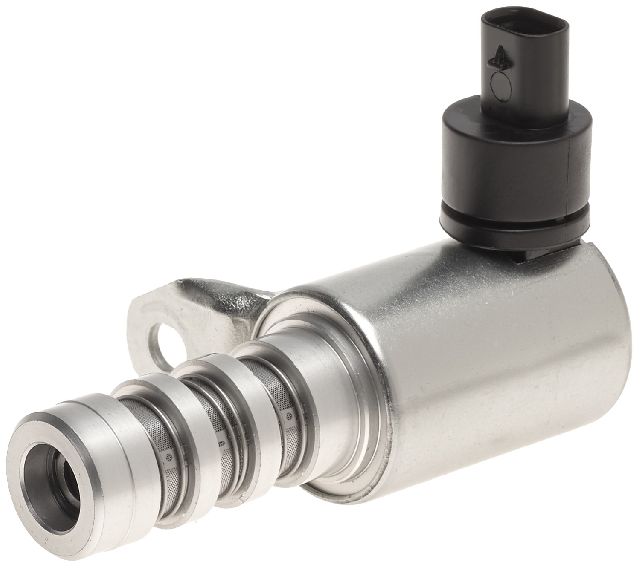
(OEM #AT4Z-6M280-B)— This is the most common part to fail for code P0021. It gets stuck from oil debris or fails electronically, preventing correct camshaft timing adjustment. TSB 16-0093 specifically calls for its replacement on low-mileage 2016 models with this code.
Trusted brands: Motorcraft, Dorman, Standard Motor Products (SMP)
OEM price range: $60-$86
Aftermarket price range: $35-$75 - Valve Cover Gasket Kit (Bank 2 / Left Side)
(OEM #BL3Z-6584-A)— The valve cover must be removed to access the VCT solenoids. The gasket is a one-time-use item and must be replaced to prevent oil
Related Codes That Often Appear With This One
- P0011 — This is the same over-advanced code but for Bank 1. If seen with P0021, it points to a systemic issue like extremely low/dirty oil affecting the whole engine. It will also appear if you swap a bad Bank 2 solenoid to Bank 1 for diagnosis.
- P0018 — This is a Crankshaft/Camshaft Position Correlation error for Bank 2. If it appears with P0021, it increases the likelihood of a mechanical timing issue like a stretched timing chain or failed cam phaser. However, TSB 16-0038 and TSB 16-0093 note that for low-mileage 2016 models, this code combination specifically points to a faulty VCT solenoid.
Technical Service Bulletins (TSBs) & Recalls
- TSB 16-0093: Issued June 29, 2016, for 2016 Navigator/F-150/Expedition and others with the 3.5L GTDI engine. For vehicles with under 2,000 miles exhibiting codes like P0021, it directs technicians to replace the affected VCT solenoid. For P0021, this is the Bank 2 intake solenoid (AT4Z-6M280-B).
- TSB 16-0038: A predecessor to 16-0093, this TSB also advised replacing the Bank 2 intake VCT solenoid on low-mileage 2016 3.5L GTDI engines if codes P0018 and P0021 were found together.
- SSM 50067: A Special Service Message applicable to many 2015-2021 Ford/Lincoln vehicles. It notes that VCT codes like P0021 can be caused by small debris making the solenoid stick and advises using a scan tool to cycle the solenoid multiple times to try and clear it before replacement.
- SSM 54366: This bulletin notes that Lincoln vehicles may exhibit an illuminated MIL with DTC P0021 and directs technicians to Pinpoint test HK in the PC/ED or Section 303-14 of the Workshop Manual.
- Bulletin #TSB160038: Confirms that 2016 models with the 3.5L GTDI engine under 2,000 miles may exhibit P0021 and related correlation codes.
Platform-Specific Known Issues
- TSB 16-0093 was issued for some 2016 Navigator models with less than 2,000 miles that exhibited P0021, recommending replacement of the affected VCT solenoid.
- While many TSBs for cam phaser rattle (e.g., TSB 23-2143) are for 2017+ models with the Gen 2 engine, the underlying design principles and failure modes are relevant and show a pattern of VCT system weakness in the 3.5L EcoBoost family.
Mechanic-Grade Diagnostic Values
- VCT Solenoid Internal Resistance — expected: 6.9 - 7.9 Ohms at 68°F (20°C). Some sources cite a wider but acceptable range of 5-15 Ohms.. Failure: A reading of 0 Ohms (short), infinite/O.L. (open circuit), or a value significantly outside the specified range indicates a faulty solenoid coil.
- Scan Tool PID: VCT_INT_DIF2 (Bank 2 Intake Camshaft Position Difference) — expected: Should be close to 0 degrees at warm idle. A variance of +/- 5 degrees is generally acceptable.. Failure: A large, persistent non-zero value, especially one that deviates significantly from the desired angle (RCAM_DSD), confirms an over-advanced or retarded condition.
- Engine Oil Pressure (at hot idle) — expected: Minimum of 15 PSI, with 25 PSI or higher being ideal for proper VCT function.. Failure: Pressure below 15 PSI at hot idle can cause erratic VCT operation and trigger various timing codes, including P0021.
- VCT Solenoid Connector Voltage (Key On, Engine Off) — expected: Battery voltage (approx. 12V) on the power supply pin.. Failure: No voltage at the connector points to a wiring issue (e.g., open in the VPWR circuit) or a PCM problem, not a faulty solenoid.
Scan Tool Commands That Help
- Ford IDS or FORScan: VCT Solenoid On/Off State or Duty Cycle Command — With the engine idling, commanding the Bank 2 intake solenoid ON should cause the engine to run rough or stall. If there is no change in idle quality, it confirms a problem with a stuck solenoid, clogged oil passages, or the phaser itself. This is a primary test before swapping parts.
- Ford IDS or FORScan: VCT Solenoid Cycle Test (Pinpoint Test HK) — As suggested in Ford TSBs like SSM 50067, this command cycles the solenoid up to 10 times. It's used to attempt to dislodge small debris that may be causing the solenoid to stick, which can sometimes resolve the code without part replacement.
- Ford IDS or FORScan: Electrically Disconnect VCT Solenoids (via software or physically unplugging) — If a startup rattle or other engine noise is present, disconnecting the VCT solenoids forces the phasers into their locked (base timing) position. If a road test confirms the noise is gone, it strongly suggests the issue is within the VCT system (solenoids/phasers) and not a different base engine problem.
Wiring & Ground Locations
- PCM Connector C175B — The Powertrain Control Module (PCM) is located on the passenger-side firewall. C175B is one of the three main connectors.. The control circuit for the Bank 2 VCT solenoid runs to a specific pin on this connector. When diagnosing a suspected wiring fault (open or short), testing for continuity from the solenoid connector back to this PCM pin is the definitive test.
- G104 (Ground) — Located on the left (driver's) side of the engine compartment.. While not directly for the VCT solenoid (which is PCM-grounded), a poor engine or chassis ground can cause electrical noise and erratic behavior in various sensors and actuators, including the VCT system. Ensuring this ground is clean and tight is a fundamental step in diagnosing any electrical issue.
Real Owner Repair Stories
- F150forum.com user 'billyboymr2' (2018 Ford F-150 3.5L EcoBoost with 75k miles) — Loss of power while towing, no Check Engine Light initially, but scanner showed P0018 and P0021. Had to clear codes multiple times on a long trip.
❌ Tried (didn't work) Replacing spark plugs., Returning the engine tune to stock., Dealer could not replicate or find the issue.
✅ What actually fixed it The user did not post a final resolution, but the symptoms and combination of codes (P0018 and P0021) strongly point to either a failing Bank 2 VCT solenoid (as noted in TSBs) or a more significant mechanical timing issue like a stretched chain or failing phaser, which the dealer was hesitant to diagnose without consistent symptoms. - YouTube channel 'Truck Lab' (2019 Ford F-150 3.5L EcoBoost) — Check engine light with codes P0018 and P0021, occasional loss of power, and a cold start rattle.
❌ Tried (didn't work) The owner was running long oil change intervals (10,000 miles), which likely caused the component failure.
✅ What actually fixed it Replacement of the faulty Bank 2 VCT solenoid resolved the trouble codes and symptoms. This highlights that even with a startup rattle, the solenoid should be the first part replaced before assuming a full timing job is needed.
OEM Part Supersession History
AT4Z-6M280-A→AT4Z-6M280-B— Likely an internal revision for improved durability or resistance to debris, a common failure mode for the original part.
Heads up: The -A and -B revisions are generally interchangeable, but using the latest -B revision is highly recommended for reliability.
Diagnostic Flowchart
Other Known Issues on This Vehicle
Issues unrelated to this code that are worth knowing about as an owner of this generation:
- Turbocharger Coolant Line Leak 🟠 Medium — Common issue, especially as mileage exceeds 70k. The OEM slip-fit O-ring fittings on the turbo coolant lines degrade and leak coolant.
- Cam Phaser Cold Start Rattle 🔴 High → Shop Engine Timing Gear — A very well-documented issue on the 3.5L EcoBoost family. A loud rattle for 2-5 seconds on cold starts indicates worn cam phasers. Can occur at various mileages, sometimes as low as 30k-50k miles. (Ref: TSB 15-0131 (for F-150, but describes the same issue))
- Intake Valve Carbon Buildup 🟠 Medium — As a direct-injection engine, fuel does not wash over the intake valves. Over time (typically 60k-100k miles), carbon deposits can build up, leading to reduced performance and potential misfires.
- Stretched Timing Chain 🟠 Medium → Shop Engine Timing Chain — More common on earlier (pre-2015) 3.5L EcoBoost engines but can still affect 2016 models, especially with extended oil change intervals. Symptoms include startup rattle and timing-related codes.
Used vs. New Parts: Buying Guide for This Vehicle
When a used part is the smart pick: For this repair, using a used part is generally not recommended. The key failure components (VCT solenoids, cam phasers, timing chains) are all wear items that are highly sensitive to the previous owner's oil change habits. The cost savings of a used part do not outweigh the high risk of premature failure.
Donor-vehicle mileage cap: roughly under 30000 miles for the part to have meaningful remaining life.
What to inspect on the donor part:
- If considering a used VCT solenoid, insist on seeing the donor vehicle's maintenance records to verify frequent oil changes.
- Inspect the solenoid's mesh screens. If they are torn, clogged with sludge, or missing, do not buy the part.
- For any used timing component, there is no reliable way to visually inspect for remaining life. It is a high-risk purchase.
OEM-only on this vehicle (don't cheap out):
- Cam Phasers: Aftermarket phasers for the 3.5L EcoBoost have a poor reputation. Many owners and technicians report that non-OEM phasers fail quickly, sometimes within months, leading to a repeat of a very expensive labor job. Stick with genuine Ford parts with the latest part numbers.
- Timing Chain: The timing chain is a critical component where OEM quality is paramount to ensure longevity. Given the labor involved, using a cheaper aftermarket chain is a significant risk.
Aftermarket brands forum-validated for this vehicle:
- Motorcraft (OEM): The most recommended brand for all timing-related components on this engine.
- Standard Motor Products (SMP): Generally considered a reliable alternative for VCT solenoids if Motorcraft is unavailable.
Brands owners have reported issues with on this vehicle:
- Unbranded/White-Box Cam Phasers: Avoid generic, low-cost cam phaser kits from online marketplaces. They are a common source of premature failure.
- Fram Oil Filters (disputed): Some owners report that the anti-drainback valve in certain aftermarket oil filters can fail, leading to oil drain-down and startup rattle, which can stress timing components. Using the OEM Motorcraft FL-500S filter is a safer choice.
Real Owner Stories
Aggregated from forums and TSBs cited above. Mileages and costs reflect what owners reported in those sources.
2016 Lincoln Navigator 3.5L GTDI — ~1500 miles
Symptoms: Vehicle exhibiting code P0021 with very low mileage on the odometer.
What fixed it: Replacement of the Bank 2 intake VCT solenoid (AT4Z-6M280-B) as directed by TSB 16-0093.
Source hint: TSB 16-0093
2018 Lincoln Navigator — 10000 miles
Symptoms: Classic 2-3 second cold start rattle.
What fixed it: The source identifies this as a hallmark symptom of cam phaser issues often associated with VCT codes.
Source hint: Lincoln Navigator Forum thread titled 'cam phaser rattel'
2018 Ford F-150 3.5L EcoBoost
Symptoms: Significant power loss while towing, occurring with codes P0018 and P0021 together.
What fixed it: The diagnostic process discussed potential causes ranging from VCT solenoids to stretched timing chains.
Source hint: Ford F150 Forum thread titled '2018 3.5 EB issues, codes P0018 and P0021'
2019 Ford F-150 3.5L EcoBoost
Symptoms: P0021 and P0018 codes appeared almost immediately after purchase (6 days of ownership).
What fixed it: Diagnostic focus on VCT system concerns like oil contamination or a stuck solenoid.
Source hint: Ford F150 Forum thread titled '6 Days of Ownership.. P0021 and P0018'
Related OBD-II Codes
Frequently Asked Questions
Does TSB 16-0093 apply to my 2016 Lincoln Navigator with the 3.5L EcoBoost?
What specific oil should I use for my 2016 Navigator to prevent VCT issues?
I have a loud rattle for about 3 seconds when I start my Navigator cold; is this related to P0021?
Can I fix a sticking VCT solenoid without replacing it immediately?
Is there a specific diagnostic test to confirm the Bank 2 solenoid is the problem?
How often should I change my oil to avoid P0021 on the 3.5L EcoBoost?
Helpful Videos
We Have This Part in Stock


The information in this article is provided for general reference and educational purposes only. Vehicle specifications, procedures, and part compatibility can vary by production date, trim level, and region. Always consult your vehicle's factory service manual and verify part numbers before purchasing or performing repairs. Safety-critical components such as airbags, seat belts, and braking systems should be installed by a qualified professional.
- Lincoln Navigator:
- 🧭 Diagnostic Flowchart
- 🎬 Helpful Videos
- 🛍️ Shop This Part
- What's Unique About the 2016-2016 Lincoln Navigator
- Symptoms You May Notice
- Most Likely Causes
- Rare But Worth Checking
- Diagnosis Steps
- Parts You'll Likely Need
- Related Codes That Often Appear With This One
- Technical Service Bulletins (TSBs) & Recalls
- Platform-Specific Known Issues
- Mechanic-Grade Diagnostic Values
- Scan Tool Commands That Help
- Wiring & Ground Locations
- Real Owner Repair Stories
- OEM Part Supersession History
- Other Known Issues on This Vehicle
- Used vs. New Parts: Buying Guide for This Vehicle
- Real Owner Stories
- 2016 Lincoln Navigator 3.5L GTDI — ~1500 miles
- 2018 Lincoln Navigator — 10000 miles
- 2018 Ford F-150 3.5L EcoBoost
- 2019 Ford F-150 3.5L EcoBoost
- Related OBD-II Codes
- Frequently Asked Questions
- 🎟️ Get 5% Off