

P0021 on 2009-2013 Mazda 6 3.7L: Over-Advanced Camshaft Timing Causes and Fixes
On the Mazda 6 with the 3.7L V6, P0021 is most often caused by low/dirty engine oil or a failing Bank 2 VVT solenoid. However, it can be an early warning of a failing internal water pump leaking coolant into the oil, a critical issue for this engine. Always check oil condition first; if it appears 'milky,' stop driving immediately. A VVT solenoid costs ~$40-$100.
- P0021 on the Mazda 6 3.7L indicates the front (radiator side) intake camshaft timing is stuck in an advanced position.
- ALWAYS check the engine oil first. Lo
What's Unique About the 2009-2013 Mazda 6
The MZI 3.7L V6 in the Mazda 6 is a Ford Cyclone engine, shared with many Ford and Lincoln vehicles. This engine family has a critical design characteristic: the water pump is located inside the engine and is driven by the timing chain. A common failure of the water pump seal causes coolant to leak directly into the engine oil. This contamination quickly turns the oil into sludge, which clogs the VVT system and damages timing components, directly causing codes like P0021. 🎬 Watch: P0021 code causes and easy diagnosis explained Therefore, this code must be treated with high urgency as it can be the first symptom of a potential catastrophic engine failure.
Symptoms You May Notice
- Check Engine Light is on
- Rough or unstable idle
- Engine hesitation or stalling, especially during acceleration
- Reduced engine power
- Decreased fuel economy
- Rattling noise from the engine on cold starts (can indicate timing chain issues)
- Replacing the camshaft position sensor. The sensor reads the camshaft's position; it rarely causes the camshaft to be in the wrong position. The fault is almost always related to the oil-controlled VVT system or the mechanical timing components.
- Replacing the VVT solenoid without changing the oil. If dirty or contaminated oil caused the original solenoid to fail, it will quickly damage the new part as well.
Most Likely Causes
- Low, Dirty, or Incorrect Viscosity Engine Oil 🔴 High Probability The VVT system is hydraulically operated and extremely sensitive to oil pressure, volume, and cleanliness. Debris or sludge is a primary cause of VVT solenoid issues, a fact noted in multiple Ford TSBs for this engine family.
How to confirm: Check the engine oil dipstick. Verify the oil is at the full mark, is not excessively dark or sludgy, and does not have a 'milky' or coffee-like appearance (which indicates coolant).
Typical fix: Perform an engine oil and filter change using the manufacturer-recommended 5W-20 viscosity oil. In many cases, this alone will resolve the code. 🎬 Watch: Step-by-step guide to fixing a P0021 or P0011 code
Est. part cost: $30-$70 - Failing VVT Solenoid (Oil Control Valve - OCV) 🟡 Medium Probability The solenoid can become clogged with debris from dirty or contaminated oil, or it can fail electronically, causing it to get stuck. This is a very common failure point noted in Ford TSBs.
How to confirm: Swap the Bank 2 (front/radiator side) intake VVT solenoid with the Bank 1 (rear/firewall side) intake solenoid. Clear the codes and drive. If the code returns as P0011 (the same fault for Bank 1), the solenoid is confirmed to be faulty. A user on the Mazdas247 forum confirmed this diagnostic step worked perfectly for a similar P0022 code on a CX-9 with the same engine.
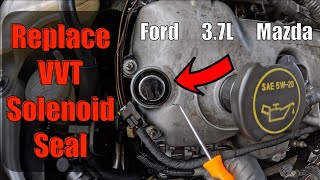
Typical fix: Replace the faulty VVT solenoid. It is located on the valve cover for Bank 2.
Est. part cost: $40-$100
Rare But Worth Checking
- Failing Internal Water Pump & Stretched Timing Chain: → Shop Engine Timing Chain This is a critical failure point for the 3.7L V6. The water pump seal fails, leaking coolant into the oil. This contaminates the oil, creating a 'chocolate milkshake' consistency that destroys the oil's lubricating properties, causing the timing chain to stretch and VVT components to fail. A milky appearance in the oil is the key symptom. 🎬 Watch: How to spot a failing internal water pump leak This requires immediate, extensive professional repair including replacement of the water pump, timing chain, tensioners, and guides, often costing thousands of dollars.
- Failed Camshaft Phaser: → Shop Engine Camshaft The phaser itself, which is the gear on the end of the camshaft, can get stuck in the advanced position due to internal damage or oil contamination. This is less common than a solenoid failure but is often associated with timing chain issues or finding metal debris on the VVT solenoid screens.
Diagnosis Steps
- Check Engine Oil: Before any other step, inspect the oil level and condition. Look for low oil, dark/sludgy oil, or a milky/frothy appearance indicating coolant contamination. If oil is low or dirty, perform an oil and filter change with 5W-20 oil, clear the code, and re-test.
- Inspect for Coolant Contamination: If the oil looks milky, stop immediately. This indicates a likely water pump failure, and the vehicle needs professional diagnosis to avoid catastrophic engine damage.
- Scan for Other Codes: Check for any other related DTCs that could point to a larger issue (e.g., P0018, P0022).
- Swap VVT Solenoids: Locate the intake VVT solenoids on both valve covers. Bank 2 is on the front (radiator side) of the engine. Swap the Bank 2 intake solenoid with the Bank 1 (firewall side) intake solenoid.
- Clear Codes and Drive: After the swap, clear the DTCs and drive the vehicle. If the code returns as P0011, the solenoid you moved is faulty and needs to be replaced. If P0021 returns, the issue is not the solenoid.
- Test Solenoid Circuit: If the solenoid is not the issue, check the wiring and connector to the Bank 2 solenoid for damage or corrosion. A multimeter can be used to check the solenoid's internal resistance, which should be between 6.9 and 7.9 Ohms.
- Seek Professional Diagnosis: If the above steps do not resolve the issue, the problem is likely more severe, such as a clogged oil passage, a failing camshaft phaser, or a stretched timing chain. This requires professional tools and expertise to diagnose oil pressure and inspect the timing components.
Parts You'll Likely Need
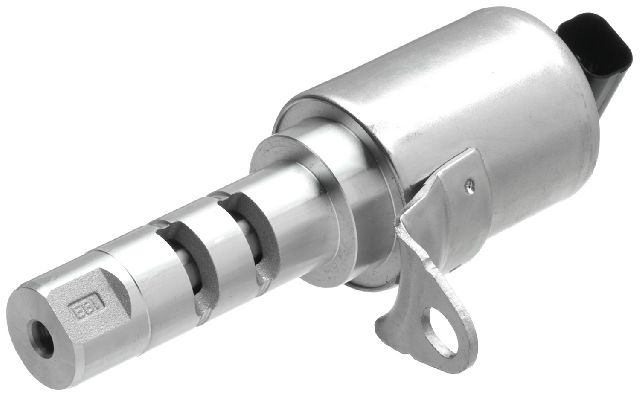
- Engine VVT Solenoid (Bank 2 Intake)
(OEM #AT4Z-6M280-A)— This solenoid is the most common component to fail, typically by sticking due to debris or sludge in the engine oil. The part number AT4Z-6M280-A is a common Ford OEM part used for this application.
Trusted brands: Motorcraft, Dorman, Hitachi
OEM price range: $70-$120
Aftermarket price range: $40-$80 - Valve Cover Gasket (Bank 2)
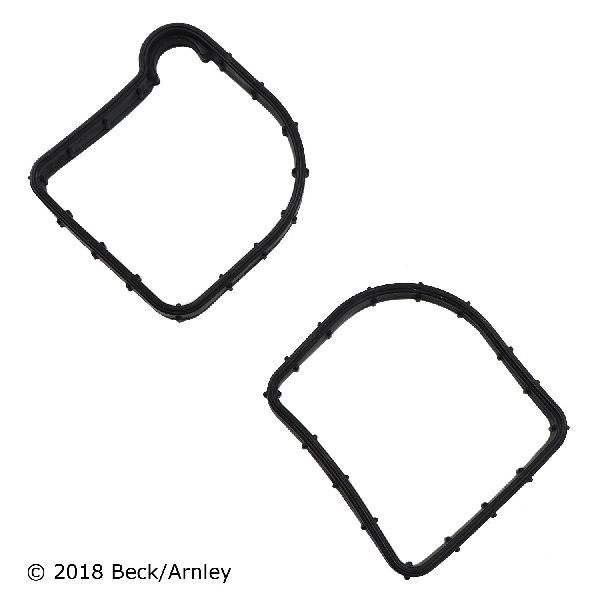
(OEM #ZZJ1-10-235)— The VVT solenoid is located under the valve cover on this engine. The gasket should be replaced whenever the cover is removed to prevent oil leaks.
Trusted brands: Fel-Pro, Mahle, Victor Reinz
OEM price range: $40-$60
Aftermarket price range: $20-$40 - Engine Oil and Filter — Clean, correct-viscosity (5W-20) oil is essential for VVT system operation and is the first step in troubleshooting and repair.
Trusted brands: Motorcraft, Mobil 1, Castrol
OEM price range: $50-$80
Aftermarket price range: $30-$60
Related Codes That Often Appear With This One
- P0011 — This is the same over-advanced timing code but for Bank 1. If you swap a faulty Bank 2 solenoid to Bank 1 for diagnosis, this code will appear, confirming the solenoid is bad. Seeing both codes together could indicate a systemic oil pressure or quality issue.
- P0018 — This is a crankshaft-camshaft correlation error for Bank 2. Its presence with P0021 can point to a more significant mechanical timing issue, like a stretched timing chain. However, Ford TSB 16-0038 notes that this specific code combination often points directly to a faulty Bank 2 intake VVT solenoid.
- P0022 — This is the 'over-retarded' code for the same camshaft. Seeing both P0021 and P0022 intermittently can indicate a VVT solenoid that is sticking erratically or a fluctuating oil pressure problem.
Technical Service Bulletins (TSBs) & Recalls
- Ford TSB SSM 50067 / 47170: While not Mazda-specific, these Ford TSBs for the same engine family acknowledge that VVT solenoids can fail or stick due to debris in the oil, causing timing-related codes. They advise diagnosis and attempting to cycle the solenoid with a scan tool before replacement.
- Ford TSB 16-0038: Notes that a combination of codes including P0018 and P0021 can often be resolved by replacing only the Bank 2 intake VCT solenoid, highlighting it as a common failure point and a diagnostic shortcut.
- Ford TSB 11-6-1: An older bulletin for 2007-2009 vehicles with the 3.5L/3.7L engine concerning various VCT codes, including P0021, related to faulty cam phasers on early production engines.
Platform-Specific Known Issues
- Internal Water Pump Failure: The 3.7L V6 features a timing-chain-driven water pump located inside the engine. A common failure of the pump's seal allows coolant to leak directly into the engine oil pan. This contamination destroys the oil's lubricating properties, leading to rapid wear of the timing chain, tensioners, and VVT phasers, which will set codes like P0021. This is a widely known, catastrophic design flaw that was the subject of a class-action lawsuit for the same engine in the Mazda CX-9.
Mechanic-Grade Diagnostic Values
- VVT Solenoid (OCV) Coil Resistance — expected: 6.9 to 7.9 Ohms at 68°F (20°C).. Failure: A reading of 0 Ohms (short), OL/infinite (open circuit), or being significantly outside the expected range.
- VVT Solenoid Connector Voltage (Key On, Engine Off) — expected: Battery voltage (approx. 12V) on the power supply pin.. Failure: Voltage below 10.5V suggests a problem in the wiring, fuse, or PCM power relay, not the solenoid itself.
- Scan Tool Live Data: Bank 2 Cam Timing Advance (VCTADV2) — expected: Near 0° at warm idle (below 800 RPM).. Failure: A reading significantly different from 0° at idle indicates the phaser is stuck or not returning to its base position.
- Scan Tool Live Data: Bank 2 Cam Timing Error (VCTADVERR2) — expected: Should hover close to 0 degrees during normal operation.. Failure: A consistent, large error value indicates a deviation between the commanded and actual cam position.
Hidden / Shadow Codes Worth Checking
- Mode 6, TID $84: This Test ID often corresponds to VCT advance and retard performance monitoring. A failing value here can indicate a marginal component or a problem that hasn't yet met the threshold to set a hard code like P0021. (see via A scan tool capable of displaying Mode 6 test results, such as FORScan or a professional-grade scanner.)
Scan Tool Commands That Help
- Mazda IDS (Integrated Diagnostic System) or FORScan: VCT Solenoid Duty Cycle Command / Output State Control — This allows a technician to manually command the VCT solenoid to cycle, often multiple times. Per Ford TSBs, this can sometimes dislodge small debris causing the solenoid to stick, confirming a contamination issue and potentially avoiding an immediate replacement. A lack of audible clicking during the test points to a failed solenoid or circuit issue.
Wiring & Ground Locations
- G3 (or G2) — Left side of the engine compartment.. This is a primary engine compartment ground. A poor connection here can cause erratic behavior in various engine sensors and actuators, including the VVT solenoids and camshaft position sensors, leading to intermittent timing codes.
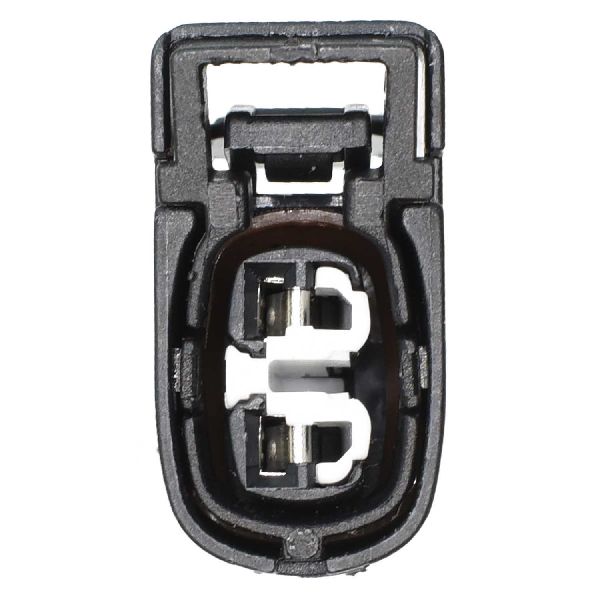
- VCT Solenoid Connector (Bank 2) — On the front (radiator side) valve cover.. This is the primary connector to test for power (Pin 1, ~12V with key on) and the PCM's control signal (Pin 2, ground-side switched). Damage, corrosion, or oil contamination in this connector will directly cause P0021.
Real Owner Repair Stories
- F150Forum.com user (Ford F-150 with 3.7L V6 (same engine family)) — Persistent P0011/P0021 codes.
❌ Tried (didn't work) Full timing job (chains, phasers, guides, tensioners)
✅ What actually fixed it The user reported that after the full timing job failed to fix the codes, the root cause was suspected to be clogged oil passages or galley plugs in the cylinder head that were not cleared during the repair.
OEM Part Supersession History
AT4Z-6M280-A→No direct supersession found, this part number remains current for the application.— N/A
Heads up: The part number AT4Z-6M280-A is widely used across Ford, Lincoln, and Mazda vehicles with the 3.3L, 3.5L, and 3.7L V6 engines from roughly 2011-2023. Be cautious of part number PE01-14-420A, which is a Mazda VVT solenoid for later Skyactiv engines and is not compatible with the 3.7L MZI V6.
Diagnostic Flowchart
Other Known Issues on This Vehicle
Issues unrelated to this code that are worth knowing about as an owner of this generation:
- Electronic Throttle Body Failure 🟠 Medium — Can occur at various mileages, leading to rough/high idle, stalling, hesitation, or the vehicle entering 'limp mode'.
- Harsh Shifting / Transmission Issues (Aisin AW6A-EL) 🟠 Medium — Owners report harsh shifts, hesitation from a stop, and occasional slipping. Sometimes addressed with a PCM software update, but can also indicate internal valve body or solenoid issues. (Ref: TSB #05-002-13-2777A notes the importance of using the correct ATF to avoid shift quality complaints.)
- Power Steering Pump Leaks 🟡 Low — The power steering pump and/or lines can develop leaks over time, leading to a whining noise and loss of power steering assist if fluid becomes low.
- Melting/Sticky Dashboard 🟡 Low — Common in vehicles exposed to high heat and sun, the dashboard material can become sticky or melt. Mazda issued a warranty extension program (SSP A0) to cover this. (Ref: Mazda Special Service Program (SSP) A0)
Used vs. New Parts: Buying Guide for This Vehicle
When a used part is the smart pick: Due to the low cost of new aftermarket VVT solenoids and the high risk of them being clogged with debris from the donor vehicle's oil, using a used solenoid is generally not recommended. It is not a smart choice for this repair.
Donor-vehicle mileage cap: roughly under 50000 miles for the part to have meaningful remaining life.
What to inspect on the donor part:
- If considering a used solenoid, insist on inspecting the screens for any metallic debris or heavy sludge.
- Verify the resistance with a multimeter before purchase (should be 6.9-7.9 Ohms).
- Ask for the donor vehicle's history to avoid parts from an engine that suffered a catastrophic failure or water pump leak.
OEM-only on this vehicle (don't cheap out):
- Timing Chain
- Camshaft Phasers
- Internal Water Pump
Aftermarket brands forum-validated for this vehicle:
- Dorman (for VVT Solenoids)
- Hitachi (for VVT Solenoids)
- Fel-Pro (for Valve Cover Gaskets)
Brands owners have reported issues with on this vehicle:
- No-name, unbranded VVT solenoids from online marketplaces are a gamble, as their internal coil quality and screen filtration can be poor, leading to premature failure.
Real Owner Stories
Aggregated from forums and TSBs cited above. Mileages and costs reflect what owners reported in those sources.
2007-2015 Mazda CX-9 3.7L V6
Symptoms: The owner documented getting both P0021 and P0022 codes simultaneously.
What fixed it: Replacing both oil control valves (VVT solenoids) resolved the issue and restored the vehicle's performance.
Source hint: Mazdas247.com thread titled 'CX-9 ODB Code P0022'
2011 Ford Edge 3.5L V6
Symptoms: Rough idle and trouble codes P0018 and P0021.
What fixed it: The owner experienced the exact code combination, demonstrating the cross-platform nature of the VVT system issues on this engine family.
Source hint: FordEdgeForum.com thread titled 'Rough Idle and trouble codes P0018 and P0021'
Related OBD-II Codes
Frequently Asked Questions
Can I use a used VVT solenoid from a salvage yard for my 2009-2013 Mazda 6 3.7L?
Does Ford TSB 16-0038 apply to my Mazda 6 P0021 code?
What oil viscosity should I use to prevent VVT issues on the MZI 3.7L V6?
My oil looks milky and I have a P0021 code; is this just a bad solenoid?
How can I test if the Bank 2 VVT solenoid is electronically failing?
Is there a specific TSB for early production 3.7L engines regarding cam phasers?
Helpful Videos
We Have This Part in Stock


The information in this article is provided for general reference and educational purposes only. Vehicle specifications, procedures, and part compatibility can vary by production date, trim level, and region. Always consult your vehicle's factory service manual and verify part numbers before purchasing or performing repairs. Safety-critical components such as airbags, seat belts, and braking systems should be installed by a qualified professional.
- Mazda 6:
- 🧭 Diagnostic Flowchart
- 🎬 Helpful Videos
- 🛍️ Shop This Part
- What's Unique About the 2009-2013 Mazda 6
- Symptoms You May Notice
- Most Likely Causes
- Rare But Worth Checking
- Diagnosis Steps
- Parts You'll Likely Need
- Related Codes That Often Appear With This One
- Technical Service Bulletins (TSBs) & Recalls
- Platform-Specific Known Issues
- Mechanic-Grade Diagnostic Values
- Hidden / Shadow Codes Worth Checking
- Scan Tool Commands That Help
- Wiring & Ground Locations
- Real Owner Repair Stories
- OEM Part Supersession History
- Other Known Issues on This Vehicle
- Used vs. New Parts: Buying Guide for This Vehicle
- Real Owner Stories
- 2007-2015 Mazda CX-9 3.7L V6
- 2011 Ford Edge 3.5L V6
- Related OBD-II Codes
- Frequently Asked Questions
- 🎟️ Get 5% Off