

P0021 on 2008-2009 Pontiac G8 3.6L V6: Causes for Over-Advanced Timing
On a 2008-2009 Pontiac G8 with the 3.6L V6, code P0021 is most often a sign of stretched timing chains, a notorious issue for this engine. While a faulty camshaft actuator solenoid is a possible and cheaper fix, prepare for a timing chain replacement, which can cost $1,800-$2,800. Diagnosis via a scan tool showing cam deviation over 4-5 degrees strongly points to the chains.
- P0021 on a 2008-2009 Pontiac G8 V6 is a serious code that very often points to stretched timing chains.
- Do not immediately replace sensors. A faulty camshaft actuator solenoid is a possibility; test it by swapping it with the one from the other bank.
- The root cause of the timing chain issue is often linked to oil quality. Use high-quality full-synthetic 5W-30 oil and shorten change intervals to 5,000 miles to prolong engine life.
- Timing chain replacement is an expensive, professional-level job. Expect shop costs to be in the $1,800 to $2,800 range.
What's Unique About the 2008-2009 Pontiac G8
The GM 3.6L V6 engine (both the LY7 in 2008 and LLT in 2009) used in the Pontiac G8 is infamous for premature timing chain failure. This issue was so widespread that GM issued multiple Technical Service Bulletins (TSBs) and a special warranty extension program, Special Coverage Adjustment #11340C. The problem was often linked to the original oil life monitor calibration, which allowed for overly long oil change intervals (10,000+ miles), leading to oil degradation and accelerated wear on the chains and tensioners. Therefore, unlike on many other vehicles where P0021 might be a simple sensor or solenoid issue, on this specific platform, it is a very strong indicator of a serious underlying mechanical problem requiring a full timing chain job.
Symptoms You May Notice
- Check Engine Light is on
- Rough or unstable idle, may fluctuate between 600 and 900 rpm.
- Loss of engine power and poor acceleration
- Rattling or whining noise from the front of the engine, especially on cold starts, that may last for 2-5 seconds.
- Reduced fuel economy, potentially by 5-10%.
- Engine may stall when coming to a stop.
- Hard starting or extended cranking time
- Replacing the camshaft position sensor without first confirming the timing chains are in good condition.
- Replacing the crankshaft position sensor.
- Assuming an oil change will fix the code after significant mechanical wear (chain stretch) has already occurred.
- Replacing only the VVT solenoid without checking for deeper mechanical issues like chain stretch or low oil pressure.
Most Likely Causes
- Stretched Timing Chains 🔴 High Probability → Shop Engine Timing Chain The original timing chains on the 3.6L V6 were prone to premature wear, a problem acknowledged by GM through TSBs (#12-06-01-009F) and a special coverage program (#11340C). Long oil change intervals recommended by the factory's Oil Life Monitor exacerbated the issue by allowing oil to degrade and lose its lubricating properties.
How to confirm: A mechanic can use a scan tool to observe 'Camshaft Position Variance' or a similar PID. A consistent deviation of more than 4-5 degrees between the commanded and actual angle on Bank 2 at idle strongly indicates chain stretch. A definitive diagnosis requires removing the timing cover to physically inspect the chains for slack. A rattling noise from the front of the engine upon startup is also a strong indicator.
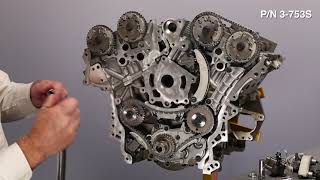
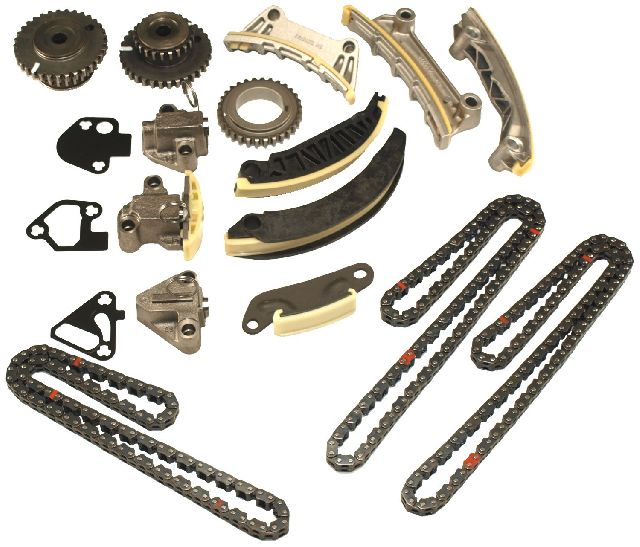
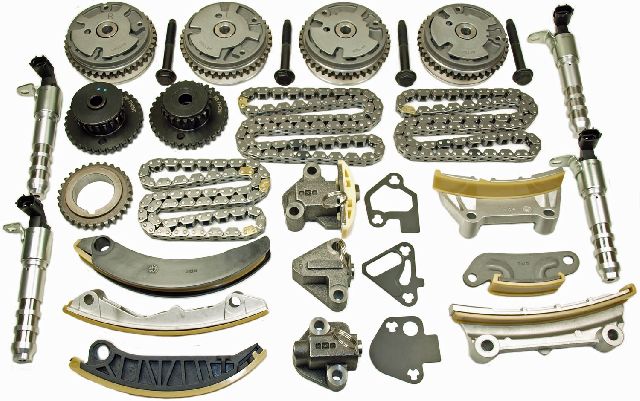
Typical fix: Replace all three timing chains, all tensioners, and all guides with an updated kit. 🎬 Watch: Professional installation tips for the Melling timing chain kit. It is also highly recommended to replace the water pump, front crankshaft seal, and VVT solenoids at the same time.
Est. part cost: $300-$600 - Faulty Camshaft Position Actuator Solenoid (VVT Solenoid) 🟡 Medium Probability → Shop Engine Camshaft These solenoids operate using engine oil and can become clogged with sludge or debris, especially if oil changes are neglected. They can also fail electrically, getting stuck in one position.
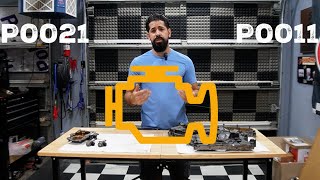
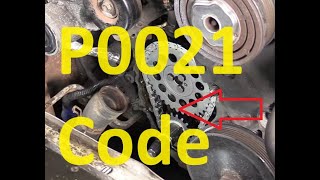
How to confirm: Swap the Bank 2 intake solenoid with the Bank 1 intake solenoid (passenger side). Clear the codes and drive the vehicle. If the code changes to P0011 (for Bank 1), the solenoid is faulty. 🎬 See this video for a walkthrough on fixing P0021 codes. You can also test the solenoid's resistance with a multimeter (typically 8-12 Ohms) or apply 12V power to see if the internal pintle actuates.
Typical fix: Replace the Bank 2 intake camshaft position actuator solenoid. It is often recommended to replace them in pairs (both intake or all four).
Est. part cost: $40-$100 - Low or Dirty Engine Oil 🟡 Medium Probability The entire VVT system, including the cam phasers and chain tensioners, is hydraulically operated by engine oil pressure. Low levels or degraded, sludgy oil will prevent the system from operating correctly and is a primary contributor to accelerated wear on the timing chains.
How to confirm: Check the oil level on the dipstick and inspect the oil's condition. If it is low, excessively black, or sludgy, this is a likely contributor to the problem.
Typical fix: Perform an oil and filter change using a high-quality full-synthetic 5W-30 oil that meets GM's Dexos specification. This may resolve the issue if it's caught very early, but often the mechanical wear has already occurred and this will not fix the code.
Est. part cost: $50-$100 - Excessive Camshaft End Play ⚪ Low Probability → Shop Engine Camshaft GM issued a specific TSB (08-06-01-011K) for this issue on the G8 and other vehicles with the 3.6L engine. It notes that excessive end play in the camshafts can move the reluctor wheel out of alignment with the sensor, triggering this and other timing codes.
How to confirm: A technician must remove the Bank 2 camshaft cover and use a feeler gauge or dial indicator to measure the end play of the camshafts, following the procedure in the TSB. End play equal to or over 0.40 mm (0.016 in) is considered excessive.
Typical fix: Install a special camshaft thrust washer (GM Part #12632859 or #12630941) to correct the excessive play, as detailed in the service bulletin.
Est. part cost: $10-$50
Rare But Worth Checking
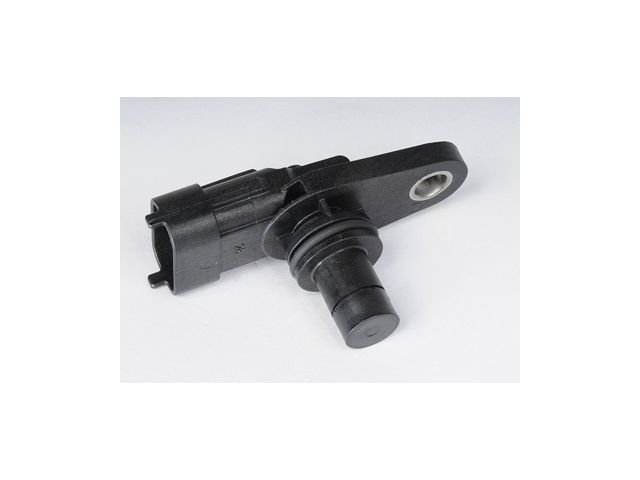
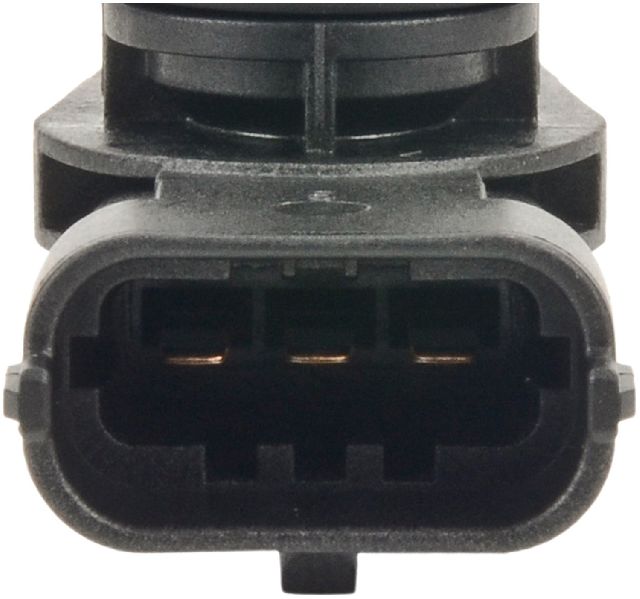
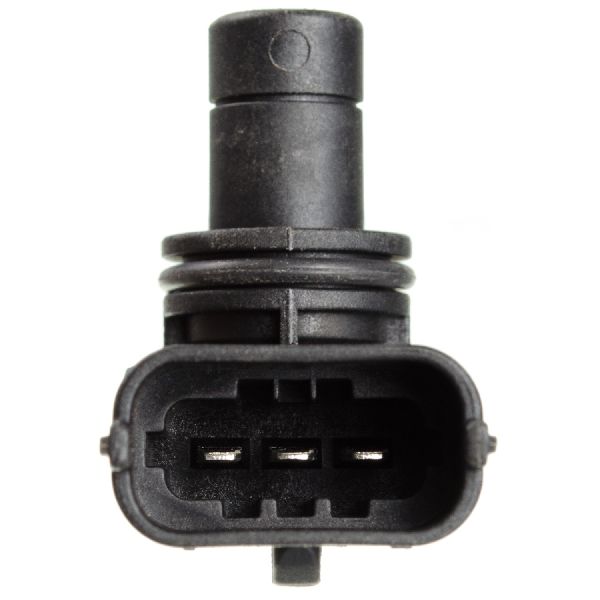
- Faulty Camshaft Position Sensor: → Shop Engine Camshaft Position Sensor This is a common misdiagnosis. While the sensor can fail, the root cause is far more likely to be mechanical (timing chain). Always swap sensors between banks to confirm a sensor failure before replacing it. Many owners have replaced sensors only to have the code return.
- Clogged Oil Passage or VVT Filter Screen: Small filter screens protect the VVT solenoids from debris. If one becomes clogged with engine sludge, it can starve the solenoid and phaser of oil pressure, causing a timing fault. These are often cleaned or replaced during a VVT solenoid service.
Diagnosis Steps
- Check the engine oil level and condition. If low or dirty, perform an oil and filter change with full-synthetic 5W-30 oil meeting the Dexos spec, clear the code, and see if it returns.
- Use an advanced scan tool to monitor live data. Observe the commanded vs. actual camshaft position for Bank 2 Intake. If the actual angle is consistently off by more than 4-5 degrees, a timing chain issue is highly likely.
- Scan for any other stored trouble codes. Multiple timing codes (P0008, P0017, P0018, etc.) point strongly toward a timing chain issue.
- Locate the Bank 2 (driver's side) intake and exhaust camshaft actuator solenoids. Swap the intake solenoid with the identical one from Bank 1 (passenger side).
- Clear the codes and drive the vehicle. If the code returns as P0011 (Bank 1 Intake Over-Advanced), the solenoid you moved is bad and needs to be replaced.
- If the code remains P0021, the problem is not the solenoid. The next step is to check for excessive camshaft end play per GM TSB 08-06-01-011K.
- If end play is within spec (less than 0.40 mm), the final diagnosis is almost certainly stretched timing chains. This requires engine disassembly for physical inspection and replacement.
Parts You'll Likely Need
- Timing Chain Kit
(OEM #12700436 (ACDelco kit, supersedes previous versions))— This is the most probable cause of P0021 on the 3.6L V6. A complete kit should include all three chains, tensioners, and guides to replace all wear items with updated parts.
Trusted brands: ACDelco, Cloyes (p/n 9-0753S is a popular aftermarket choice), Melling
OEM price range: $400-$600
Aftermarket price range: $250-$450 - Camshaft Position Actuator Solenoid (Bank 2 Intake)
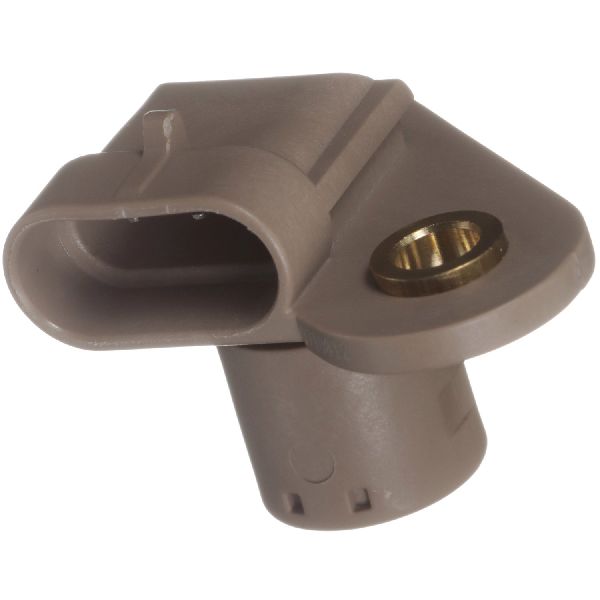
(OEM #12655420 (Superseded by 12681275 or 12636175, check VIN))— This is the second most common failure. It can get stuck or clogged, causing the camshaft to be in the wrong position. It's a relatively easy part to replace as a diagnostic step.
Trusted brands: ACDelco, Delphi, Dorman, Standard Motor Products (SMP)
OEM price range: $60-$90
Aftermarket price range: $30-$60 - Camshaft Thrust Washer
(OEM #12632859)— Needed only if excessive camshaft end play is diagnosed per TSB 08-06-01-011K.
Trusted brands: ACDelco (OEM)
OEM price range: $10-$50
Related Codes That Often Appear With This One
- P0008 — This code indicates a general engine position system performance error and is often the first to appear as the timing chains begin to stretch, affecting both banks.
- P0011, P0014, P0024 — These are related VVT codes for the other camshafts (Bank 1 Intake, Bank 1 Exhaust, Bank 2 Exhaust). The presence of multiple timing codes strongly suggests a base timing issue, like a stretched primary timing chain affecting the whole engine.
- P0017, P0018, P0019 — These are crank-cam correlation codes for other banks/positions. Their presence alongside P0021 makes a timing chain problem almost certain.
Technical Service Bulletins (TSBs) & Recalls
- 12-06-01-009F: Details the timing chain wear issue, lists affected vehicles including the 2008-2009 Pontiac G8, and specifies the availability of updated replacement kits.
- 08-06-01-011K: Addresses P0011, P0014, P0021, P0024 and other codes caused by excessive camshaft end play and provides the diagnostic procedure (measuring end play) and the repair (installing a thrust washer).
- 11340C: This was a 'Special Coverage Adjustment' program, not a standard TSB, that extended the warranty on the timing chains to 10 years or 120,000 miles for many affected 3.6L vehicles due to the high failure rate.
Platform-Specific Known Issues
- Premature timing chain stretch is a well-documented factory issue on the 2008-2009 G8 3.6L V6, leading GM to issue TSBs (12-06-01-009F) and a special coverage program (#11340C, now expired).
- Excessive camshaft end play, as documented in TSB 08-06-01-011K, can also trigger this code and requires a specific fix (installing a thrust washer).
- The original Oil Life Monitor (OLM) software calibration contributed to the problem by allowing oil to degrade, a factor GM later addressed with a software update to shorten the recommended intervals.
Mechanic-Grade Diagnostic Values
- Camshaft Position (CMP) Actuator Solenoid Resistance — expected: 8 to 12 Ohms. Failure: A reading outside this range, or an open/short circuit, indicates a faulty solenoid coil.
- Camshaft Position (CMP) Sensor Power Supply Voltage — expected: 4.8 to 5.2 Volts (with Key On, Engine Off). Failure: Voltage outside this range points to a wiring or ECM issue, not necessarily the sensor itself.
- Engine Oil Pressure — expected: Minimum 20 psi at 2,000 RPM. Failure: Pressure below this specification can starve the hydraulic tensioners and VVT phasers of oil, causing timing codes.
Scan Tool Commands That Help
- GDS2 / Tech2: Camshaft Position Actuator Solenoid Control — This bidirectional command allows a technician to manually activate and deactivate the solenoid while the engine is running to see if it responds and affects engine timing. This helps isolate a stuck or slow-to-respond solenoid without having to remove it first.
Wiring & Ground Locations
- G107 (3.6L) — On the right (passenger) side of the engine block, near the middle.. This is a primary engine block ground. A poor connection here can cause erratic behavior from various engine sensors, including the camshaft and crankshaft position sensors.
- G108 / G109 — G108 is on the right rear of the engine block; G109 is on the left middle of the engine block (2009 model).. These are main grounds for the engine harness. The ECM and its sensors rely on these grounds for accurate readings. A loose or corroded ground can introduce electrical noise that may trigger false timing codes.
- Bank 2 Intake Camshaft Position Actuator Solenoid Connector — On the front of the left (driver's side) cylinder bank.. This is the connector for the specific solenoid implicated by code P0021. Technicians need to access its pins to test for voltage from the ECM and check the solenoid's internal resistance.
Real Owner Repair Stories
- BobIsTheOilGuy forum, user 'clinebarger' (2010 Buick Enclave, 3.6L LLT V6 with 140,xxx miles (same engine family and common failure as G8)) — P0017 & P0008 codes with noise from the timing cover.
❌ Tried (didn't work) The user, a professional mechanic, went straight for the full timing job, implying that simpler fixes are often a waste of time when these specific codes appear on a high-mileage 3.6L.
✅ What actually fixed it A complete replacement of all timing components with GM OE parts: all 3 chains, guides, tensioners, both idler gears, the crank gear, and all 4 VVT actuators (cam phasers). The VVT solenoids were cleaned during the job. The mechanic noted that using 100% GM OE updated parts was crucial.
OEM Part Supersession History
12655420→12679099— GM updated the design of the VVT solenoid to improve reliability and resistance to oil contamination.
Heads up: The new part is a direct replacement for the old one. Other related part numbers in the history include 12628347 and 12646783. Always verify the latest part number with a dealer using the vehicle's VIN.
Model Year Variations Within This Range
- 2008 vs 2009: The 2008 G8 V6 uses the LY7 engine with port fuel injection. The 2009 G8 V6 uses the LLT engine with direct injection (GDI). While both suffer from the same fundamental timing chain issues, the LLT engine has a high-pressure fuel pump (HPFP) driven by the Bank 1 exhaust camshaft. This adds a layer of complexity to any major engine work, like a timing chain replacement, on the 2009 model.
Diagnostic Flowchart
Used vs. New Parts: Buying Guide for This Vehicle
When a used part is the smart pick: A low-mileage used OEM VVT solenoid can be a cost-effective part for diagnosis (by swapping) or a temporary fix. Used engine wiring harnesses or control modules (ECM) are also viable if the original is damaged, as new ones can be unavailable.
Donor-vehicle mileage cap: roughly under 80000 miles for the part to have meaningful remaining life.
What to inspect on the donor part:
- For solenoids, inspect the mesh screens for any metallic debris or heavy sludge.
- Ensure plastic connector housings are not brittle or cracked.
- Ask for the VIN of the donor car to verify its year and mileage.
OEM-only on this vehicle (don't cheap out):
- Timing Chain Kit (Chains, Tensioners, Guides)
- Camshaft Phasers (VVT Actuators)
Aftermarket brands forum-validated for this vehicle:
- Cloyes (for timing kits, though some professionals express concern about declining quality vs. older products)
- Melling (for timing kits and oil pumps)
- Dorman (for solenoids and valve covers)
Brands owners have reported issues with on this vehicle:
- Unbranded, low-cost timing chain kits from online marketplaces. The labor for this job is too high to risk using parts of unknown quality and origin.
Real Owner Stories
Aggregated from forums and TSBs cited above. Mileages and costs reflect what owners reported in those sources.
2008-2009 Pontiac G8 3.6L V6 — 50000 miles
Symptoms: Owner was diagnosed by a dealer with stretched timing chains.
What fixed it: The diagnosis pointed to a required replacement of the timing chains, tensioners, and guides with an updated kit.
Source hint: GRRRR8.net - Pontiac G8 Forum thread titled 'Timing Chains at 50k - GRRRR8.net - Pontiac G8 Forum'
Related OBD-II Codes
Frequently Asked Questions
I heard GM had a special program for timing chains on the 2008-2009 G8. Is my car still covered?
My mechanic mentioned TSB 12-06-01-009F. What does that mean for my P0021 code?
Could my long oil change intervals have caused this problem?
What is 'camshaft end play' and could it be the cause instead of the timing chains?
Is it possible that just a bad VVT solenoid is causing my P0021 code?
If I do need to replace the timing chains, what other parts should I replace at the same time?
Helpful Videos
We Have This Part in Stock

The information in this article is provided for general reference and educational purposes only. Vehicle specifications, procedures, and part compatibility can vary by production date, trim level, and region. Always consult your vehicle's factory service manual and verify part numbers before purchasing or performing repairs. Safety-critical components such as airbags, seat belts, and braking systems should be installed by a qualified professional.
- Pontiac G8:
- 🧭 Diagnostic Flowchart
- 🎬 Helpful Videos
- 🛍️ Shop This Part
- What's Unique About the 2008-2009 Pontiac G8
- Symptoms You May Notice
- Most Likely Causes
- Rare But Worth Checking
- Diagnosis Steps
- Parts You'll Likely Need
- Related Codes That Often Appear With This One
- Technical Service Bulletins (TSBs) & Recalls
- Platform-Specific Known Issues
- Mechanic-Grade Diagnostic Values
- Scan Tool Commands That Help
- Wiring & Ground Locations
- Real Owner Repair Stories
- OEM Part Supersession History
- Model Year Variations Within This Range
- Used vs. New Parts: Buying Guide for This Vehicle
- Real Owner Stories
- 2008-2009 Pontiac G8 3.6L V6 — 50000 miles
- Related OBD-II Codes
- Frequently Asked Questions
- 🎟️ Get 5% Off