

P0021 on 2011-2018 Porsche Cayenne: VarioCam Timing Causes and Fixes
On a 2011-2018 Porsche Cayenne, P0021 is often caused by low/dirty engine oil or a failing camshaft adjuster solenoid. For 2011-2012 V8 models, a sheared camshaft adjuster bolt is a very common and serious cause. A solenoid replacement costs around $150-$250, while the bolt repair is a major, multi-thousand-dollar job.
- First, check your engine oil. Low or dirty oil is a simple fix that causes this code.
- For V8 engines, especially 2011-2012, P0021 is a strong indicator of potentially sheared camshaft adjuster bolts, a critical and expensive repair.
- A common and cost-effective diagnostic step is to swap the Bank 2 intake adjuster solenoid with the one from Bank 1 to see if the problem follows.
- Do not ignore this code. While the car may seem to drive okay, you risk poor performance, bad fuel economy, and severe engine damage if the underlying cause is mechanical.
What's Unique About the 2011-2018 Porsche Cayenne
For the 4.8L V8 engines in this generation Cayenne (958), particularly from 2011-2012, this code is frequently a symptom of a severe underlying issue: sheared camshaft adjuster bolts. Porsche originally used aluminum bolts that were prone to breaking, causing a sudden loss of camshaft control and potentially catastrophic engine failure. While V6 models and later V8s can get this code from more common issues like oil problems or bad solenoids, a 2011-2012 V8 owner must immediately consider the possibility of this well-documented bolt failure. This issue is also shared with the Porsche Panamera equipped with the same engine.
Symptoms You May Notice
- Check Engine Light is on
- Rough, lumpy, or unstable idle
- Engine hesitation or lack of power during acceleration
- Increased fuel consumption
- Engine stalling, especially when coming to a stop
- Hard starting
- Rattling, ticking, or knocking noises from the top of the engine, especially on startup
- Multiple warning lights on the dash, such as PSM failure, ABS, and Start/Stop deactivated, if a bolt shears while driving
- Replacing the camshaft position sensor without testing it first. The solenoid is a more likely electrical culprit.
- Assuming the timing chain has stretched on a low-mileage V8 without first investigating the much more common camshaft adjuster bolt issue.
- Clearing the code and hoping it goes away. While sometimes a soft code, on the V8 models it can be a precursor to catastrophic failure.
Most Likely Causes
- Low or Dirty Engine Oil 🔴 High Probability The VarioCam system is highly dependent on clean oil at the correct pressure to function. Sludge or low levels can easily disrupt its operation by clogging the small passages in the camshaft adjuster solenoids.
How to confirm: Check the engine oil level and inspect its condition. If it's low, dark, or sludgy, this is your likely starting point. A Rennlist user reported P0011 and P0021 codes returning until they performed an oil change with Porsche-spec oil.
Typical fix: Perform an oil and filter change using a Porsche-approved oil of the correct viscosity (e.g., Porsche C30 or C40 spec). Clear the code and see if it returns.
Est. part cost: $100-$200 - Faulty Camshaft Adjuster Solenoid (VVT Solenoid) 🟡 Medium Probability → Shop Engine Camshaft
How to confirm: Swap the Bank 2 (driver's side) intake solenoid with the Bank 1 (passenger's side) intake solenoid. If the code changes to P0011 (Bank 1), the solenoid is bad. You can also test its resistance with a multimeter; it should be between 6.9 and 7.9 ohms at 68°F (20°C). You can also attempt to clean it, as shown in some DIY videos.
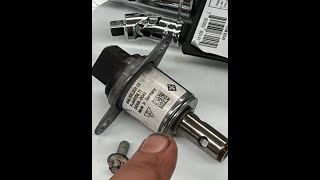
Typical fix: Replace the faulty solenoid. On V8 engines, this requires removing the valve cover. 🎬 Watch: Step-by-step guide to replacing the VVT solenoid On V6 engines, access may be slightly easier.
Est. part cost: $150-$370 per solenoid, depending on brand (Genuine Porsche, Pierburg, Bosch). - Sheared Camshaft Adjuster Bolts (V8 Engines, esp. 2011-2012) 🔴 High Probability → Shop Engine Camshaft Porsche used aluminum bolts in early 958 V8s that were prone to shearing. A service campaign (WC-22, later a recall AH08 in some markets) was issued to replace them with steel bolts. This is a widely documented failure.
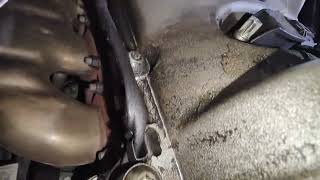
How to confirm: A visual inspection is needed. The updated steel bolts are darker and magnetic, while the original aluminum ones are not. This may require removing the valve cover for a clear view, 🎬 See how to remove the cam cover and check timing although sometimes they can be seen through the oil filler cap. The ultimate confirmation is finding broken bolt heads in the cylinder head or oil pan.
Typical fix: This is a major repair costing upwards of $5,000-$10,000, and in one extreme case, a dealer quoted over $35,000 for an engine replacement after a failure. The valve covers and timing covers must be removed. All broken bolt pieces must be found and accounted for. The old bolts are drilled out and replaced with the updated steel versions, and the engine is re-timed. If bolt fragments cannot be found, engine replacement is often recommended to avoid future catastrophic failure.
Est. part cost: $40-$80 for the bolts themselves, but labor is extremely high (20-40 hours). - Stretched Timing Chain ⚪ Low Probability → Shop Engine Timing Chain Over high mileage (100k+ miles), timing chains can elongate slightly. Porsche's engine management is very precise, and this 'stretch' can be enough to cause the actual cam position to deviate from the target, triggering the code.
How to confirm: Requires measuring camshaft deviation values with an advanced scan tool like a PIWIS or Durametric. If values are consistently out of spec (e.g., more than +/- 6 degrees) and other causes are ruled out, chain stretch is likely.
Typical fix: Replace the timing chain, tensioners, and guides. This is a labor-intensive, engine-out job.
Est. part cost: $800-$1500
Rare But Worth Checking
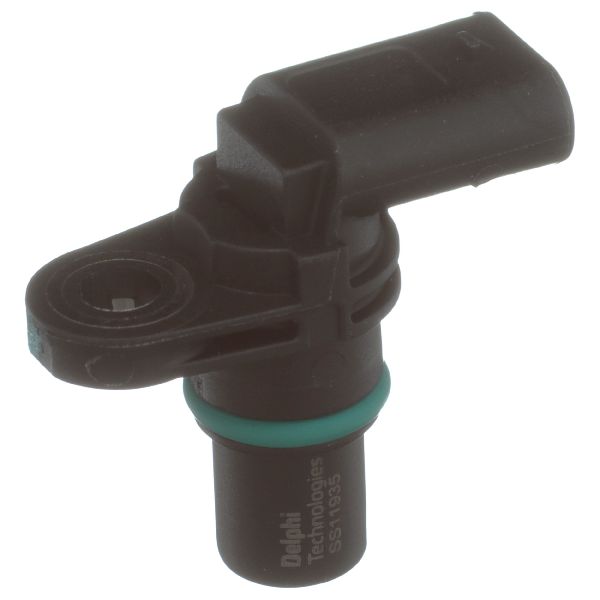
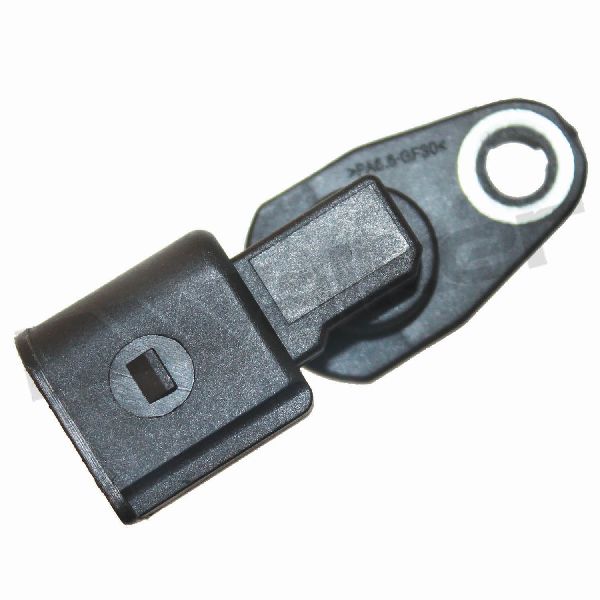
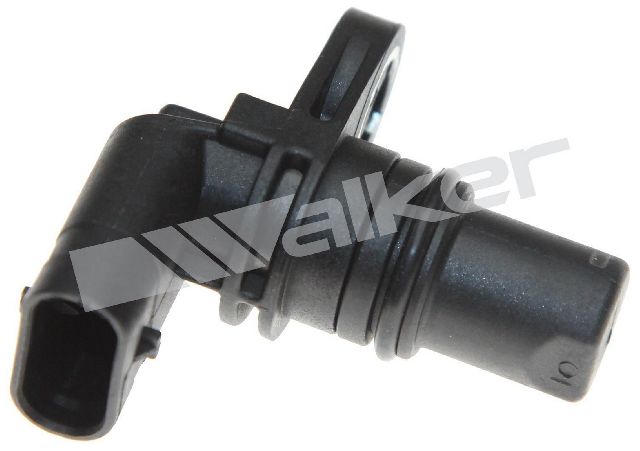
- Faulty Camshaft Position Sensor: → Shop Engine Camshaft Position Sensor This is less common than a solenoid failure. A good diagnostic step is to swap the Bank 1 and Bank 2 sensors to see if the fault code moves to P0011. If it does, the sensor is bad. A user on Reddit reported multiple camshaft-related codes, including P0010, which were ultimately traced back to sensors or actuators.
- Mechanical Failure of Camshaft Adjuster (Phaser): → Shop Engine Camshaft The adjuster unit itself can fail internally, with worn seals or blocked oil passages. In some cases, the sleeve inside the camshaft can spin, causing a persistent P0021 code, as documented by a Rennlist user with a 997 Turbo. This is an expensive repair requiring significant labor.
Diagnosis Steps
- Verify engine oil level and condition. Top up or perform an oil change if necessary with Porsche-spec oil.
- Use a Porsche-specific scan tool (PIWIS, Durametric, iCarSoft) to read camshaft deviation values and freeze frame data. Note the values for Bank 1 and Bank 2 at idle and under load. A deviation greater than 5-6 degrees from the target value can trigger the fault.
- Clear the codes and test drive to see if P0021 returns immediately.
- Swap the intake camshaft position sensors between Bank 1 and Bank 2. Clear codes and see if the fault changes to P0011. If it does, replace the sensor.
- If the code remains P0021, swap the intake camshaft adjuster solenoids between Bank 1 and Bank 2. If the fault changes to P0011, replace the solenoid. This requires removing the valve cover on V8 models.
- For V8 models (especially 2011-2012), carefully inspect the camshaft adjuster bolts through the oil filler cap if possible, or by removing the valve cover. Look for the heads of the bolts on the adjuster sprocket. If they are bright aluminum color, missing, or non-magnetic, suspect sheared or original-style bolts.
- If the above steps do not resolve the issue, perform an engine oil pressure test to rule out a failing oil pump or internal blockages.
- If all else fails, the next step is mechanical inspection of the timing chain, guides, tensioners, and the camshaft adjuster (phaser) itself, which requires significant engine disassembly.
Parts You'll Likely Need
- Camshaft Adjuster Solenoid (VVT Solenoid)
(OEM #94810530307 (V8), 03H906455 (V6))— This solenoid controls oil flow to the adjuster and is a common failure point due to clogging or electrical issues.
Trusted brands: Genuine Porsche, Pierburg, Bosch
OEM price range: $200-$370
Aftermarket price range: $120-$180 - Camshaft Adjuster Bolts (Steel Upgrade)
(OEM #94810505123 (Full Adjuster Unit))— The original aluminum bolts on 2011-2012 V8 engines are a known major failure point, shearing off and causing this code. The bolts themselves are not sold separately by Porsche; the entire adjuster unit must be purchased.
Trusted brands: Genuine Porsche
OEM price range: $500+ per
Related Codes That Often Appear With This One
- P0300, P0305, P0306, P0307, P0308 — Misfire codes for Bank 2 cylinders (5, 6, 7, 8) can occur because the incorrect camshaft timing disrupts the combustion process on that bank.
- P0011 — If you also see P0011 (Bank 1 timing over-advanced), it could point to a systemic issue like very low/dirty oil or low oil pressure affecting both banks, rather than a single component failure.
- P0016, P0018 — Crankshaft Position - Camshaft Position Correlation codes are often seen alongside P0021 when the camshaft adjuster bolts have failed, indicating a severe mechanical timing discrepancy.
Technical Service Bulletins (TSBs) & Recalls
- WC-22: A service campaign issued by Porsche to address the failing aluminum camshaft adjuster bolts on some 2011-2012 V8 models by replacing them with updated adjuster units containing steel bolts.
- AH08: A formal recall in some markets for the same camshaft adjuster bolt issue, covering certain 2011-2012 Cayenne and Panamera V8 models.
- TSB Bulletin #122-S3R8H-06: This manufacturer bulletin notes that P0021 (Camshaft adjustment) can occur on Cayenne S and Turbo models (92A) alongside other faults like cylinder misfires (P0300) and fuel pressure issues.
Platform-Specific Known Issues
- A widely documented issue on 2011-2012 Cayenne and Panamera models with the 4.8L V8 is the failure of aluminum camshaft adjuster bolts. The heads shear off, causing the timing sprocket to lose its precise alignment, triggering timing codes like P0021. Porsche issued a service campaign (WC-22) and a recall (AH08) to replace these with stronger steel bolts, but not all vehicles were covered or had the service performed. Failure can be catastrophic, requiring engine replacement if all bolt fragments are not recovered. One owner on Rennlist reported a $35,199 quote for engine replacement after a failure.
Mechanic-Grade Diagnostic Values
- Camshaft Adjuster Solenoid (VVT Solenoid) Resistance — expected: 6.9 - 7.9 Ohms at 68°F (20°C). Failure: A reading outside this range, or an open circuit (infinite resistance), indicates a faulty solenoid.
- Camshaft Deviation / Phase Angle (Scan Tool) — expected: Close to 0 degrees at idle. A Porsche technical document notes the fault triggers if the actual value varies from the target by 5° to 14° for 2 to 5 seconds.. Failure: A consistent deviation on one bank that does not mirror the other. One user noted a value of -3.94 degrees which was considered high but still within limits before further issues arose.
- Diagnostic Trigger Conditions — expected: Engine speed between 600-1200 RPM, engine temperature > 40°C, and no other faults present for camshaft sensors or adjusters.. Failure: The fault code P0021 is stored when these conditions are met and the timing is out of specification.
Hidden / Shadow Codes Worth Checking
- Shadow Fault Codes: Some Porsche diagnostic tools like Durametric can read and clear 'Shadow Fault Codes' which may not illuminate the Check Engine Light but are stored in the control unit's memory. While no specific shadow codes are universally linked to P0021, clearing them after a repair is a good practice. (see via Porsche-specific scan tools like Durametric or PIWIS.)
Scan Tool Commands That Help
- PIWIS Tester: Reset adaptation values — After performing repairs like an oil change or solenoid replacement to clear learned values that may be out of tolerance. A Porsche TSB suggests this for similar camshaft timing faults caused by dirt in the system. The path is: DME -> Maintenance/repairs -> Reset adaptation values.
- Durametric: Log Target vs. Actual Camshaft Position — This is a primary diagnostic step. Graphing the requested vs. actual angle for both intake camshafts while blipping the throttle can visually show if the Bank 2 cam is lagging, sticking, or not responding correctly compared to Bank 1.
- Durametric / PIWIS: Clear Faults in All Modules — On a Cayenne, faults in non-engine systems can sometimes cause unexpected issues. After a repair, clearing faults globally can help ensure a clean slate, especially if the battery was disconnected.
Wiring & Ground Locations
- Main Body Ground Point — On the 958.2, a main ground strap is reportedly located under a plastic flap in the cowl area (plenum) on the passenger side, near the firewall.. A poor engine ground can cause erratic sensor readings and unpredictable behavior from electronically controlled components like the VVT solenoids. Verifying the main grounds are clean and tight is a crucial step in diagnosing any electrical fault.
Real Owner Repair Stories
- 6SpeedOnline forum user (Porsche 997 Turbo (similar VarioCam technology)) — Intermittent P0021 code that became more frequent, sluggish low-end torque.
❌ Tried (didn't work) Clearing the code (it would return within a few hundred miles)., Changing the engine oil.
✅ What actually fixed it A mechanic suggested replacing the solenoid on the faulting bank. This fixed the code, but 300 miles later the code for the *other* bank (P0011) appeared. Replacing the second solenoid finally resolved all issues. The mechanic's theory was that replacing the one worn solenoid allowed the system to function at a higher performance level, which then revealed the weakness in the second, older solenoid. - Rennlist forum user (2009 Porsche 997 Turbo) — Initial noisy timing chain sound, followed by a P0021 CEL after a separate, botched repair by a dealership.
❌ Tried (didn't work) The dealership initially misdiagnosed and caused further damage during a tensioner replacement.
✅ What actually fixed it After the P0021 code appeared, the engine had to be dropped again. The root cause was discovered to be a spun sleeve inside the Bank 2 camshaft, which was blocking the oil passage for the VarioCam adjuster. This is a purely mechanical failure that cannot be fixed with sensor or solenoid replacement. The fix required pinning the camshaft sleeve back into its correct position.
"I Checked Everything" — The Actual Cause
- In cases where P0021 persists after solenoid swaps and oil changes, and a smoke test reveals no vacuum leaks, the cause is often purely mechanical and internal to the timing system. One of the most severe examples is a spun sleeve inside the camshaft itself, which partially blocks the oil passage to the adjuster. This fault won't be found with a smoke test or basic electrical checks and requires engine disassembly to identify.
When the Usual Fixes Don't Work
- A user on a Rennlist forum with a rebuilt engine experienced a recurring P0021 code even after replacing the Bank 2 solenoid with a new part. Their scan tool showed camshaft deviation was high (-3.94 degrees) but still considered within the acceptable range by some metrics. This demonstrates that simply replacing the most common part (the solenoid) is not always the fix, and that underlying mechanical timing or adaptation issues can mimic a solenoid failure.
OEM Part Supersession History
Camshaft Adjuster with Aluminum Bolts→Camshaft Adjuster Unit P/N 948.105.051.22 (or higher index)— The original aluminum bolts were found to be prone to shearing, leading to catastrophic engine failure. The updated part uses stronger steel bolts.
Heads up: While some vendors sell the steel bolts (P/N N91042802) separately, Porsche's official procedure is to replace the entire camshaft controller assembly.
Model Year Variations Within This Range
- 2015-2018 (958.2 Facelift): The Cayenne S and GTS models switched from the 4.8L V8 to a 3.6L twin-turbo V6 engine. Therefore, the V8-specific camshaft adjuster bolt failure is not a concern for these specific trims in these years. The P0021 code can still occur on the V6, but the diagnosis would focus on oil, solenoids, or timing chain stretch, not the infamous bolt issue. The Turbo and Turbo S models retained the 4.8L V8 throughout the entire 2011-2018 generation.
- 2011-2012 (Early 958.1): These model years, particularly the V8s, are most susceptible to the aluminum camshaft adjuster bolt failure. While a workshop campaign (WC-22) and later a recall (AH08) were issued, they were VIN-specific and may not have covered all affected vehicles.
Diagnostic Flowchart
Used vs. New Parts: Buying Guide for This Vehicle
When a used part is the smart pick: For this repair, a used part is only advisable for the camshaft adjuster solenoid (VVT solenoid), provided it comes from a reputable dismantler with a known low-mileage donor vehicle. Other external components like engine covers or brackets are also safe to source used.
Donor-vehicle mileage cap: roughly under 60000 miles for the part to have meaningful remaining life.
What to inspect on the donor part:
- For a solenoid, inspect the mesh screens for any metallic debris or sludge.
- Ensure the electrical connector is free of corrosion or damage.
- Ask for the VIN of the donor car to verify its mileage and model year.
OEM-only on this vehicle (don't cheap out):
- Camshaft Adjuster Units (Phasers)
- Camshaft Adjuster Bolts (use only the updated OEM steel bolts)
- Timing Chains and Tensioners
Aftermarket brands forum-validated for this vehicle:
- Pierburg (often the OEM supplier for solenoids)
- Bosch (often the OEM supplier for sensors and solenoids)
Brands owners have reported issues with on this vehicle:
- No-name, unbranded solenoids or sensors from online marketplaces are highly discouraged due to inconsistent quality control and high failure rates.
Real Owner Stories
Aggregated from forums and TSBs cited above. Mileages and costs reflect what owners reported in those sources.
2011 Porsche Cayenne Turbo V8
Symptoms: Catastrophic engine failure due to sheared camshaft bolts.
What fixed it: The dealer quoted a full engine replacement as the necessary repair.
Cost: $35199-$35199
Source hint: Rennlist: PORSCHE CAYENNE TURBO 2011 CAMSHAFT BOLT FAILURE $35199.00
2011-2012 Porsche Cayenne V8
Symptoms: Multiple warning lights appeared on the dashboard while driving, including PSM failure, ABS, and Start/Stop deactivated.
What fixed it: The underlying cause was a sheared camshaft adjuster bolt, which required replacement of the original aluminum bolts with the updated steel versions.
Source hint: 6SpeedOnline: Snapped Camshaft Adjuster Bolt = Engine & Brake Hydraulics Failure ?
2015 Porsche Cayenne S
Symptoms: Experienced a camshaft adjuster bolt failure, triggering a Check Engine Light.
What fixed it: The fix involved replacing the failed camshaft adjuster bolts, demonstrating the issue is not limited to just 2011-2012 models.
Source hint: Rennlist: 2015 Cayenne Cam Adjuster Bolts Failure
Porsche Cayenne (V6/V8)
Symptoms: Check Engine Light with codes P0011 and P0021 would consistently return after being cleared.
What fixed it: The codes stopped returning after performing an oil and filter change using the correct Porsche-specification oil.
Source hint: Rennlist user report cited in article context
Related OBD-II Codes
Frequently Asked Questions
My Cayenne is a 2011 V8 and has a P0021 code. Is this related to the camshaft bolt recall I've heard about?
I have a 2015 Cayenne S, so am I safe from the sheared camshaft bolt problem?
What is the very first thing I should check if my Cayenne shows a P0021 code?
How can I tell if my V8 Cayenne has the original aluminum bolts or the updated steel ones?
My mechanic wants to swap the camshaft solenoids between engine banks. Is this a valid diagnostic step for this code?
A shop quoted me over $8,000 to fix sheared camshaft bolts. Is this a normal price?
Helpful Videos
Used OEM Parts in Stock
New Aftermarket Parts Available



The information in this article is provided for general reference and educational purposes only. Vehicle specifications, procedures, and part compatibility can vary by production date, trim level, and region. Always consult your vehicle's factory service manual and verify part numbers before purchasing or performing repairs. Safety-critical components such as airbags, seat belts, and braking systems should be installed by a qualified professional.
- Porsche Cayenne:
- 🧭 Diagnostic Flowchart
- 🎬 Helpful Videos
- 🛍️ Shop This Part
- What's Unique About the 2011-2018 Porsche Cayenne
- Symptoms You May Notice
- Most Likely Causes
- Rare But Worth Checking
- Diagnosis Steps
- Parts You'll Likely Need
- Related Codes That Often Appear With This One
- Technical Service Bulletins (TSBs) & Recalls
- Platform-Specific Known Issues
- Mechanic-Grade Diagnostic Values
- Hidden / Shadow Codes Worth Checking
- Scan Tool Commands That Help
- Wiring & Ground Locations
- Real Owner Repair Stories
- "I Checked Everything" — The Actual Cause
- When the Usual Fixes Don't Work
- OEM Part Supersession History
- Model Year Variations Within This Range
- Used vs. New Parts: Buying Guide for This Vehicle
- Real Owner Stories
- 2011 Porsche Cayenne Turbo V8
- 2011-2012 Porsche Cayenne V8
- 2015 Porsche Cayenne S
- Porsche Cayenne (V6/V8)
- Related OBD-II Codes
- Frequently Asked Questions
- 🎟️ Get 5% Off