

P0021 on 2005-2015 Toyota Tacoma 4.0L V6: Causes and Fixes for Over-Advanced Timing
On the 4.0L V6 Tacoma, P0021 is almost always caused by low/dirty engine oil or a failing driver's side (Bank 2) Oil Control Valve (OCV). Start with an oil change using 5W-30 synthetic oil; if the code returns, replacing the Bank 2 OCV is the next logical step. An aftermarket OCV costs around $40-$80, while an OEM part is about $140-$190. Also, consider inspecting the small OCV filter screen located below the valve, as it can get clogged with sludge.
- Before buying any parts for a P0021 code, check your oil. An oil and filter change using full-synthetic 5W-30 is the cheapest and often most effective first step.
- P0021 refers to Bank 2, which is the DRIVER'S side of the 4.0L V6 engine.
- The most reliable way to diagnose a bad Oil Control Valve (OCV) is to swap it with the passenger side OCV. If the code follows the part and changes to P0011, you have found the problem.
- Always check the small OCV filter screen located below the OCV; it can get clogged with sludge and is a cheap part to replace.
What's Unique About the 2005-2015 Toyota Tacoma
The 1GR-FE engine in the second-generation Tacoma is known for its durability, but its VVT-i system is particularly sensitive to engine oil maintenance. Unlike on some other vehicles where timing codes might suggest immediate, complex mechanical failure, P0021 on this Tacoma is very frequently linked to simple issues like a past-due oil change, low oil level, or a failing Oil Control Valve (OCV) that gets clogged with sludge. Owner forums are filled with cases where one of these simple fixes resolves the code without needing to touch the timing chain or other major components. The diagnostic procedure of swapping the identical Bank 1 and Bank 2 OCVs is a well-documented and highly effective way to confirm a failed solenoid on this engine.
Symptoms You May Notice
- Check Engine Light is on
- TRAC OFF light may also illuminate
- Rough or unstable idle, especially at a stop
- Poor acceleration or engine hesitation
- Engine stalling, especially when coming to a stop
- Reduced fuel economy
- Rattling or knocking noise from the engine on startup or during operation
- Replacing the camshaft position sensor. While related, a failing sensor will typically throw its own specific codes (e.g., P0345, P0348). P0021 is a timing *performance* code, not a sensor circuit code.
Most Likely Causes
- Low, Dirty, or Incorrect Viscosity Engine Oil 🔴 High Probability The VVT-i system is hydraulic and highly dependent on clean oil with the correct viscosity (5W-30) to function. Sludge from extended oil change intervals or low oil levels can restrict oil flow or prevent the system from building enough pressure to adjust timing correctly.
How to confirm: Check the engine oil level on the dipstick and examine its condition. If the level is low, or the oil is dark, gritty, or well past its 5,000-mile change interval, this is the most likely cause.
Typical fix: Perform an engine oil and filter change using a quality, full-synthetic 5W-30 oil and a new OEM-spec filter.
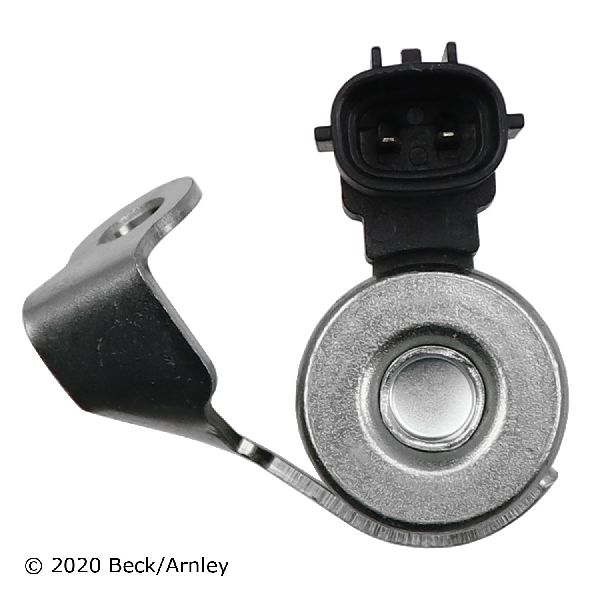
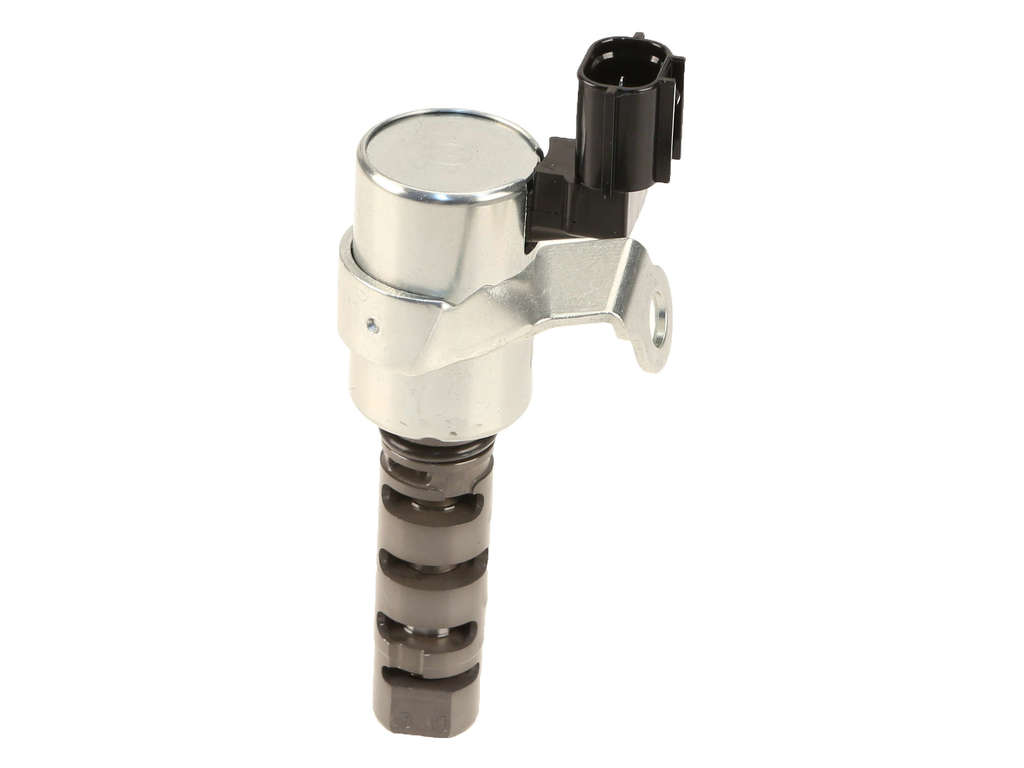
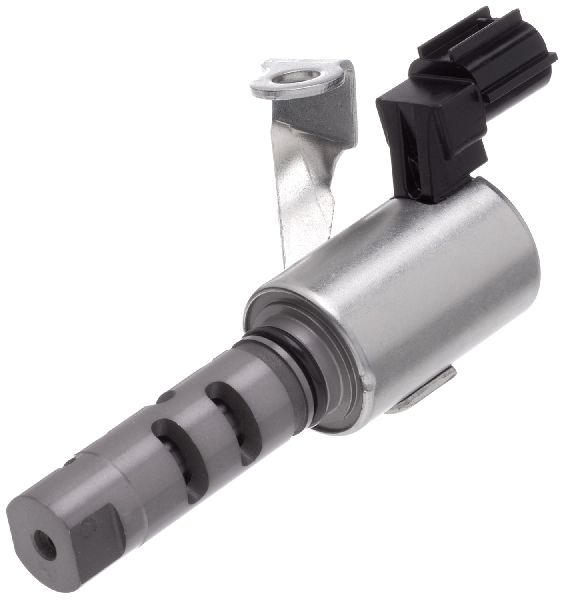
Est. part cost: $40-$80 - Faulty Bank 2 (Driver's Side) Oil Control Valve (OCV) / VVT Solenoid 🔴 High Probability → Shop Engine Variable Valve Timing (VVT) Solenoid This solenoid controls the flow of oil to the VVT actuator. It is a common failure point, often getting clogged with sludge or failing electronically, causing it to stick in one position. It is exposed to engine heat and constant cycling, leading to eventual failure.
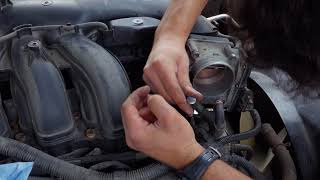
How to confirm: Swap the Bank 1 (passenger side) and Bank 2 (driver side) OCVs. They are identical and easily accessible on the front of each cylinder head. Clear the codes and drive. If code P0021 returns, the OCV is not the issue. If the code changes to P0011 (the Bank 1 equivalent), the OCV you moved to Bank 1 is faulty. Resistance can also be tested with a multimeter; it should be between 6.9 and 7.9 ohms at 68°F.
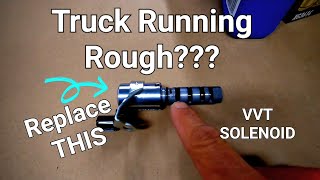
Typical fix: Replace the faulty Oil Control Valve. 🎬 Watch: Step-by-step guide to replacing the V6 VVT solenoid. It is recommended to use an OEM (Denso) or OEM-quality (Aisin) part for longevity.
Est. part cost: $40-$190 - Clogged Bank 2 OCV Filter Screen 🟡 Medium Probability A tiny mesh filter screen sits in the oil passage below each OCV to protect it from debris. If oil changes are neglected, this screen can become completely clogged with sludge, starving the OCV of oil and preventing the VVT system from operating. Many dealership parts departments are reportedly unaware of this part's existence.
How to confirm: After removing the OCV, use a hex socket to remove the plug bolt below it to access and inspect the filter. If it is clogged with dark, thick sludge, it is restricting flow.
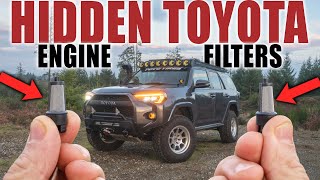
Typical fix: Replace the filter screen. 🎬 See how to locate and replace these hidden OCV filters. They are inexpensive, and cleaning is often difficult and not recommended. Always use a new gasket for the plug bolt to prevent leaks.
Est. part cost: $5-$15
Rare But Worth Checking
- Stretched Timing Chain: → Shop Engine Timing Chain While the 1GR-FE has a durable timing chain, on very high-mileage engines (200k+ miles) that have seen infrequent oil changes, the chain can stretch enough to cause timing correlation issues. This is usually a last resort after all other causes are ruled out and is often accompanied by rattling noises.
- Failed VVT-i Camshaft Actuator/Phaser: → Shop Engine Camshaft The actuator is the gear on the end of the camshaft that actually rotates to change timing. It can fail mechanically or get stuck, but this is much less common than an OCV failure. This is a significantly more expensive and labor-intensive repair requiring removal of the timing cover.
- Wiring Harness or Connector Issue: Damage to the wiring leading to the Bank 2 OCV, or corrosion within its connector, can cause an open or short circuit, preventing the ECM from controlling the solenoid. This may also set a P0020 circuit code.
Diagnosis Steps
- Check Engine Oil: Verify the oil level is full and the oil's condition is good. If low or dirty, perform an oil and filter change with 5W-30 synthetic oil, clear the code, and drive to see if it returns.
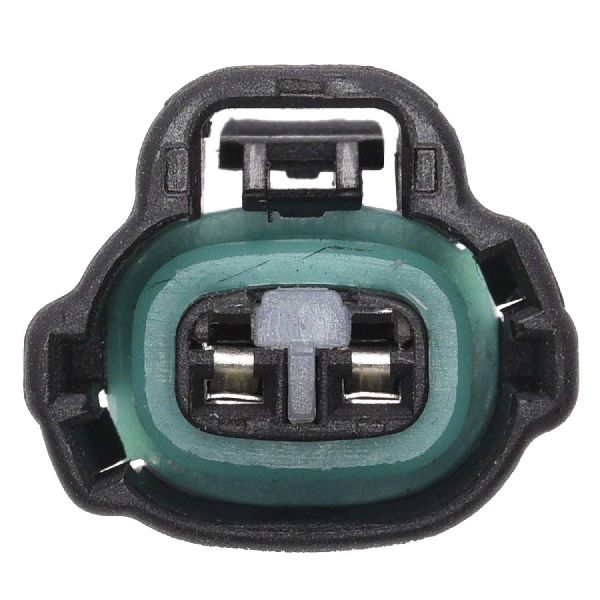
- Inspect OCV Connector: Check the electrical connector on the Bank 2 (driver's side) OCV for damage, corrosion, or loose wiring. Ensure it is fully seated.
- Swap OCVs: Swap the Bank 2 (driver's side) and Bank 1 (passenger's side) OCVs. They are identical. Clear the codes and drive the vehicle.
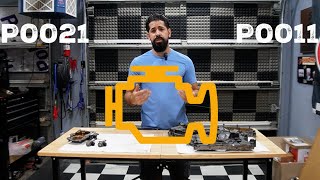
- Analyze Results: 🎬 Watch this video to help diagnose P0021 and P0011 codes. If the code changes to P0011 (Bank 1), the OCV is confirmed to be faulty and should be replaced. If P0021 returns, the OCV is likely not the problem.
- Inspect OCV Filter: If the OCV is not the cause, remove the Bank 2 OCV again and inspect the small filter screen located in the cylinder head just below it. If it's clogged with sludge, replace it and its gasket.
- Further Mechanical Diagnosis: If all of the above steps do not resolve the issue, the problem may be more serious, such as a stretched timing chain or a faulty VVT actuator, and may require professional diagnosis.
Parts You'll Likely Need
- Engine Oil Control Valve (OCV) / VVT Solenoid (Bank 2, Left)
(OEM #15340-0P010 (supersedes 15340-31010))— This is the most common part to fail, causing the P0021 code. It gets stuck or clogged, preventing proper oil flow to the VVT actuator.
Trusted brands: Toyota (OEM), Denso (OEM Manufacturer), Aisin
OEM price range: $140-$190
Aftermarket price range: $40-$80 - Oil Control Valve Filter Screen (Bank 2)
(OEM #15678-31010)— This small filter protects the OCV. It can become clogged with sludge from infrequent oil changes, blocking oil flow and causing the timing code.
Trusted brands: Toyota (OEM)
OEM price range: $5-$15
Aftermarket price range: $3-$10 - OCV Filter Plug Gasket
(OEM #90430-16007)— This is a single-use crush washer for the bolt that covers the OCV filter. It must be replaced to prevent oil leaks.
Trusted brands: Toyota (OEM)
OEM price range: $2-$5
Aftermarket price range: $1-$3
Related Codes That Often Appear With This One
- P0011 — This is the equivalent code for Bank 1 (passenger side). Seeing both P0011 and P0021 together often points to a systemic issue like severe oil sludging, very low oil level, or low oil pressure affecting both banks.
- P0022 — This is for an over-retarded timing condition on the same bank. Seeing both over-advanced and over-retarded codes can indicate a very sticky OCV or a failing VVT actuator that is moving erratically.
- P0020 — This is an OCV/VVT solenoid circuit malfunction code for Bank 2. If you see this alongside P0021, it strongly suggests an electrical problem with the OCV itself or its wiring, rather than an oil flow issue.
Platform-Specific Known Issues
- source — A user on TacomaWorld reported getting a P0021 code immediately after replacing both VVT solenoids to fix P0012/P0022 codes. The issue turned out to be a poorly seated electrical connector on the new Bank 2 OCV, which then caused a P0020 (circuit code) before being properly connected and triggering the P0021. This highlights the importance of checking simple connections after any repair.
Mechanic-Grade Diagnostic Values
- Oil Control Valve (OCV) / VVT Solenoid Resistance — expected: 6.9 to 7.9 Ohms at 68°F (20°C). Failure: A reading outside this range, or an open/infinite reading, indicates a failed solenoid coil.
- Engine Oil Pressure at Idle — expected: Approximately 60-70 PSI. Failure: Significantly lower oil pressure can indicate systemic issues like a clogged pickup tube or failing oil pump, which would starve the VVT system and cause timing codes.
- Voltage at OCV Connector — expected: 12V (Battery Voltage) with ignition ON. Failure: No voltage indicates a wiring issue, blown fuse, or problem with the ECM driver circuit.
Hidden / Shadow Codes Worth Checking
- Mode $06 Data: While not a 'shadow code' in the traditional sense, Toyota's Mode $06 data, accessible via a professional scan tool like Techstream, contains monitor results for non-continuous tests. A technician can review the test results for the VVT system to see if it is passing or failing its self-test, sometimes before a full-blown DTC is set. (see via Professional scan tool (e.g., Toyota Techstream) under the 'CHECKING MONITOR STATUS' or similar menu.)
Scan Tool Commands That Help
- Toyota Techstream: Active Test: VVT CTRL B1 / VVT CTRL B2 — This bidirectional command allows a technician to manually activate the Bank 2 (or Bank 1) OCV while the engine is idling. A functional system will cause the engine to run rough or stall when the OCV is commanded ON. If there is no change in engine operation, it confirms a fault in the OCV, its oil supply (clogged filter), or the VVT actuator itself.
Wiring & Ground Locations
- EF — Rear side of the left bank (driver's side) cylinder block.. This is a primary ground point for the engine block on the same side as the Bank 2 VVT components. A poor ground here could cause erratic electrical behavior for sensors and solenoids on that bank.
- EB — Front left (driver's side) fender.. This serves as a major chassis ground point for wiring harnesses in the engine bay on the driver's side. A loose or corroded connection here can affect the entire engine control system.
- IA / IC / IE — Located in the cabin at the left kick panel, instrument panel brace, and right kick panel respectively.. These are primary interior ground points. While less likely to be the direct cause, they provide the ground path for the ECM and other interior modules that control the engine. A problem here could cause a wide variety of difficult-to-diagnose electronic issues.
Real Owner Repair Stories
- Reddit user on r/XTerra (similar VQ engine, but identical code and system principles) (2007 Nissan Xterra, 140k miles) — P0011 and P0021 codes appeared immediately after having the timing chain and guides replaced.
❌ Tried (didn't work) The codes were present despite the engine running strong with no noticeable loss of power.
✅ What actually fixed it The user removed both VVT solenoids and found the driver's side was almost completely clogged with debris, likely dislodged during the timing chain service. Cleaning the solenoids and replacing the gaskets was the immediate next step, with full replacement planned. This highlights that other major engine work can introduce debris into the oil passages and clog the VVT system.
OEM Part Supersession History
15340-31010→15340-0P010— Standard part revision and improvement by the manufacturer.
Model Year Variations Within This Range
- 2005-2015: The 1GR-FE engine and its single VVT-i system were used consistently throughout the entire second generation of the Tacoma. Unlike other Toyota models which received a Dual VVT-i version of the 1GR-FE, the Tacoma's system remained unchanged, meaning the causes and fixes for P0021 are highly consistent across this entire model year range.
Diagnostic Flowchart
Other Known Issues on This Vehicle
Issues unrelated to this code that are worth knowing about as an owner of this generation:
- Frame Rust/Perforation 🔴 High — Very common, especially on vehicles from cold climates with high road salt usage. Affects 2005-2017 models. (Ref: Multiple Warranty Enhancement Programs (e.g., ZH6, ZKA) and Limited Service Campaigns (e.g., K0D) were issued, offering inspection, corrosion-resistant compound application, or full frame replacement depending on severity and model year.)
- Rear Leaf Spring Breakage 🟠 Medium — Common on 2005-2011 models with the 3-leaf spring pack. Springs can corrode and fracture. (Ref: A recall was issued because a broken leaf could potentially puncture the fuel tank or a brake line.)
- Head Gasket Failure (Early Models) 🔴 High — Primarily affects 2005-2006 model year 1GR-FE engines, often failing around cylinder 6. Less common on later models after a revised gasket design. (Ref: No official recall, but it is a widely documented issue in owner forums.)
- Secondary Air Injection Pump Failure 🟠 Medium — Common on later models of this generation (approx. 2012-2015). The pump or its valves can fail, leading to a check engine light and the vehicle entering limp mode. (Ref: A Warranty Enhancement (ZE6) was issued for some vehicles, extending coverage for this specific issue.)
- Accelerator Pedal Entrapment by Floor Mat 🔴 High — Affected a wide range of Toyota vehicles, including the Tacoma. The original floor mat design could trap the accelerator pedal. (Ref: A major safety recall was issued to replace the floor mats and in some cases modify the accelerator pedal and floor surface.)
- Melting/Bubbling Daytime Running Light Lens 🟡 Low — Common on early models of the generation (approx. 2005-2011). The plastic lens for the DRL/turn signal can bubble, crack, or melt from the bulb's heat. (Ref: No recall, but updated headlight assemblies were made available that resolved the issue.)
Used vs. New Parts: Buying Guide for This Vehicle
When a used part is the smart pick: For this repair, buying a used Oil Control Valve (OCV) is generally not recommended. The part is prone to failure from internal sludge and electronic wear, which are impossible to assess visually. A used part should only be considered if it is from a documented, very low-mileage donor vehicle and the price is significantly lower than a new OEM-equivalent part.
Donor-vehicle mileage cap: roughly under 50000 miles for the part to have meaningful remaining life.
What to inspect on the donor part:
- Verify donor vehicle mileage with a VIN history report.
- Inspect the donor vehicle's oil filler cap for any signs of milky residue (coolant) or thick, black sludge.
- If possible, ask for service records to confirm a history of regular oil changes.
OEM-only on this vehicle (don't cheap out):
- Oil Control Valve Filter Screen (Part # 15678-31010)
- OCV Filter Plug Gasket (Part # 90430-16007)
Aftermarket brands forum-validated for this vehicle:
- Denso (the original equipment manufacturer)
- Aisin (another Toyota OEM supplier with a strong reputation)
Brands owners have reported issues with on this vehicle:
- Unbranded, low-cost solenoids from online marketplaces (e.g., Amazon, eBay) are frequently reported on forums to have high premature failure rates. While a specific brand name is not consistently cited, sticking to Denso or Aisin is the safest choice for longevity.
Real Owner Stories
Aggregated from forums and TSBs cited above. Mileages and costs reflect what owners reported in those sources.
2007 Toyota Tacoma 4.0L V6
Symptoms: The owner experienced P0021 immediately after replacing both VVT solenoids to address previous P0012/P0022 codes. A P0020 circuit code also appeared briefly.
What fixed it: The issue was a poorly seated electrical connector on the new Bank 2 OCV. Properly connecting the plug resolved the code.
Source hint: TacomaWorld - 'P0021 - 2007 Toyota Tacoma 4.0L' (https://www.tacomaworld.com/threads/p0021-2007-toyota-tacoma-4-0l.662193/)
Related OBD-II Codes
Frequently Asked Questions
What is the correct oil viscosity for my 4.0L 1GR-FE to prevent P0021?
I replaced my Bank 2 OCV but the P0021 code is still there. What should I check next?
Are the Bank 1 and Bank 2 Oil Control Valves interchangeable for troubleshooting?
Is there a TSB or recall for the frame rust I noticed while diagnosing my engine codes?
What are the resistance specifications for testing the VVT solenoid with a multimeter?
Could my P0021 code be related to the secondary air injection pump warranty extension?
Helpful Videos
We Have This Part in Stock


The information in this article is provided for general reference and educational purposes only. Vehicle specifications, procedures, and part compatibility can vary by production date, trim level, and region. Always consult your vehicle's factory service manual and verify part numbers before purchasing or performing repairs. Safety-critical components such as airbags, seat belts, and braking systems should be installed by a qualified professional.
- Toyota Tacoma:
- 🧭 Diagnostic Flowchart
- 🎬 Helpful Videos
- 🛍️ Shop This Part
- What's Unique About the 2005-2015 Toyota Tacoma
- Symptoms You May Notice
- Most Likely Causes
- Rare But Worth Checking
- Diagnosis Steps
- Parts You'll Likely Need
- Related Codes That Often Appear With This One
- Platform-Specific Known Issues
- Mechanic-Grade Diagnostic Values
- Hidden / Shadow Codes Worth Checking
- Scan Tool Commands That Help
- Wiring & Ground Locations
- Real Owner Repair Stories
- OEM Part Supersession History
- Model Year Variations Within This Range
- Other Known Issues on This Vehicle
- Used vs. New Parts: Buying Guide for This Vehicle
- Real Owner Stories
- 2007 Toyota Tacoma 4.0L V6
- Related OBD-II Codes
- Frequently Asked Questions
- 🎟️ Get 5% Off