

P0022 on 2015-2018 Ford Edge 3.5L: Causes and Fixes for Over-Retarded Camshaft Timing
On a 2015-2018 Ford Edge with the 3.5L V6, code P0022 is most often caused by low or dirty engine oil, or a sticking Bank 2 intake VCT solenoid. An oil change is the first step; if that doesn't work, replacing the VCT solenoid (approx. $30-$90 for the part) is the most common fix.
- Always check the engine oil level and condition first. A simple oil change with the correct 5W-20 full synthetic oil is the cheapest and often effective first step.
- The most common failed part for P0022 is the Bank 2 (front/radiator side) intake VCT solenoid.
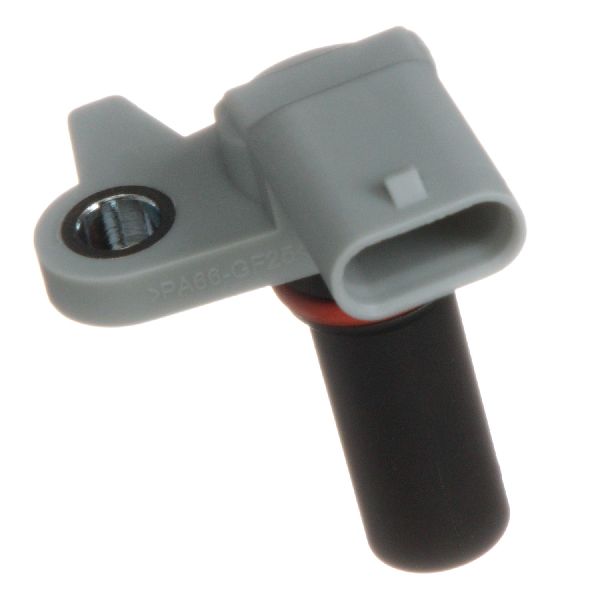
- Do not immediately replace the camshaft position sensor; it is almost never the cause of this mechanical timing code.
- If you hear a rattling noise on cold starts, the problem may be more serious, pointing towards failing camshaft phasers.
- If the engine oil appears milky or contaminated, the internal water pump may have failed, which requires immediate professional attention to avoid catastrophic engine damage.
What's Unique About the 2015-2018 Ford Edge
The 3.5L Cyclone V6 engine family is known for its Variable Camshaft Timing (VCT) system being highly sensitive to engine oil quality and pressure. The VCT solenoids, which use oil pressure to adjust cam timing, have fine internal screens prone to clogging from oil sludge or debris, often from delayed oil changes. Ford has issued multiple service bulletins (like SSM 50067) acknowledging that debris can cause the VCT solenoids to stick, leading to codes like P0022. A critical issue for this engine platform is the internal, timing-chain-driven water pump; a failure can leak coolant directly into the oil. This contamination creates a thick, milky sludge that quickly clogs the VCT system's narrow oil passages and solenoid screens, leading to timing codes and, if not addressed, catastrophic engine failure.
Symptoms You May Notice
- Check Engine Light is on
- Rough idle or engine running rough
- Engine stalling or hesitating, especially at stops
- Loss of engine power and poor acceleration
- Decreased fuel economy
- Hard starting
- Rattling or knocking noise from the engine, particularly on cold starts
- Replacing the camshaft position sensor. This sensor is accurately reporting the timing issue; it is almost never the cause of it. The code P0022 indicates a mechanical timing problem, not a sensor failure.
Most Likely Causes
- Low or Dirty Engine Oil 🔴 High Probability The VCT system is operated by oil pressure, and the solenoids have fine screens that are easily clogged by contaminants or sludge from old oil. This is the number one cause of VCT-related codes on this engine.
How to confirm: Check the oil level on the dipstick and inspect the oil's condition. If the level is low, the oil is dark, gritty, or has a 'milkshake' appearance (coolant contamination), this is the likely starting point. A milky appearance is a critical sign of internal water pump failure.
Typical fix: Perform an engine oil and filter change using the manufacturer-specified full synthetic 5W-20 oil and a quality filter like Motorcraft. Clear the code and drive to see if it returns. A Reddit user with a similar engine reported a P0022 code was fixed with a simple oil change after 8,000 miles.
Est. part cost: $40-$80 - Sticking/Failed VCT Solenoid (Bank 2 Intake) 🔴 High Probability → Shop Engine Variable Valve Timing (VVT) Solenoid This is a very common failure point acknowledged in multiple Ford Technical Service Bulletins (TSBs). Debris in the oil causes the solenoid to stick, preventing correct oil flow to the cam phaser. An owner on the Ford Edge Forum with a similar 3.7L engine noted their solenoids were 'covered in varnish' with 'partially clogged' screens, and replacement fixed the issue.
How to confirm: After verifying oil is clean and full, swap the Bank 2 intake VCT solenoid with the Bank 1 intake solenoid. Clear the codes and drive. If the code changes to P0012 (Bank 1 over-retarded), the solenoid is confirmed faulty. A scan tool can also be used to command the solenoid on and off to check for response; its resistance should be between 6.9 and 7.9 Ohms.
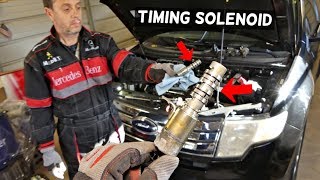
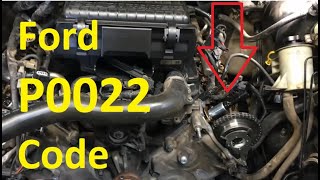
Typical fix: Replace the Bank 2 intake VCT solenoid. On the 3.5L Edge, Bank 2 is the front bank, so the valve cover does not need to be removed for access, making it a relatively simple DIY job. 🎬 Watch: How to locate and replace the VVT solenoids. The OEM part number is often AT4Z-6M280-B or 7T4Z-6M280-C, but always verify with VIN.
Est. part cost: $30-$90 - Failing Camshaft Phaser 🟡 Medium Probability → Shop Engine Camshaft The phasers can become worn or damaged from mileage or poor oil quality, getting stuck in the retarded position. This is often accompanied by a distinct rattling noise on cold starts that lasts for 2-5 seconds.
How to confirm: This is typically diagnosed after replacing the VCT solenoid does not solve the issue. A mechanic can use a scan tool to monitor desired vs. actual cam angle to confirm the phaser is not responding to commands. The cold-start rattle is a strong indicator. 🎬 See what a failing cam phaser rattle sounds like.
Typical fix: Replace the camshaft phaser. This is an invasive and expensive repair that involves removing the timing cover and re-timing the engine. It is highly recommended to replace the timing chain, guides, and tensioners at the same time.
Est. part cost: $100-$300
Rare But Worth Checking
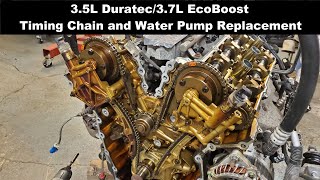
- Failing Internal Water Pump: The 3.5L Cyclone V6 has a timing-chain-driven water pump. If its seal fails, it leaks coolant directly into the engine oil. This creates a thick sludge that clogs oil passages and the VCT system, causing timing codes. If the oil is milky, this is the likely cause and requires immediate, extensive repair to avoid engine seizure. 🎬 Watch: A walkthrough of the complex water pump replacement. This is a known weak point of the Cyclone engine family.
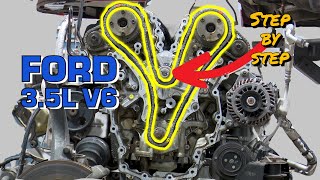
- Stretched Timing Chain or Worn Guides/Tensioner: → Shop Engine Timing Chain Over time, especially past 100,000 miles, the timing chain can stretch, or the guides and tensioners can wear out. This causes slack in the system and leads to incorrect camshaft timing that the VCT system cannot compensate for. This is a major repair and is usually suspected if phasers and solenoids are ruled out or if a persistent startup rattle is present.
Diagnosis Steps
- Check the engine oil level and condition. If low, dirty, or contaminated, perform an oil and filter change with the correct SAE 5W-20 full synthetic oil, clear the code, and re-test.
- Scan for other DTCs. Address any circuit-related codes (like P0020) or other sensor codes first.
- Inspect the wiring and connector for the Bank 2 intake VCT solenoid for any damage or corrosion.
- Use a bidirectional scan tool to command the Bank 2 intake VCT solenoid on and off 10 times to try and clear any internal debris, as recommended by Ford TSBs SSM 47170 and SSM 50067.
- If the code persists, swap the Bank 2 intake VCT solenoid with the Bank 1 intake solenoid. Clear codes and drive the vehicle. If the code returns as P0012, the solenoid is faulty and must be replaced.
- If the code remains P0022 after the swap, the issue is likely more severe, such as a clogged oil passage in the cylinder head, a failing camshaft phaser, or a stretched timing chain. This level of diagnosis typically requires professional service.
Parts You'll Likely Need
- Variable Camshaft Timing (VCT) Solenoid
(OEM #7T4Z-6M280-C (supersedes AT4Z-6M280-A, AT4Z-6M280-B))— This part is the most common point of failure for code P0022 on this engine, as it gets stuck or clogged with oil debris, preventing proper camshaft adjustment.
Trusted brands: Motorcraft, Dorman
OEM price range: $50-$90
Aftermarket price range: $30-$60 - Valve Cover Gasket Set
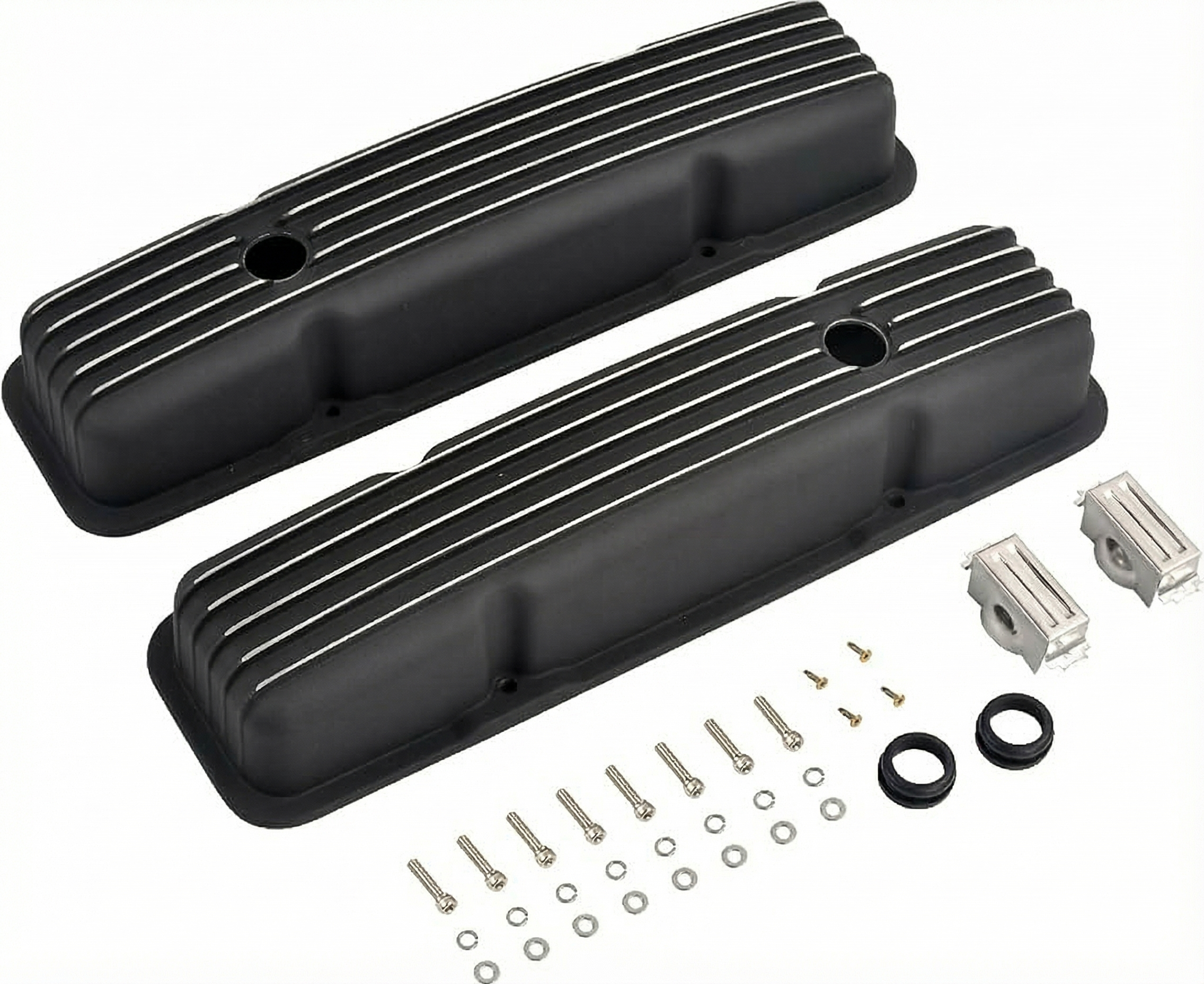
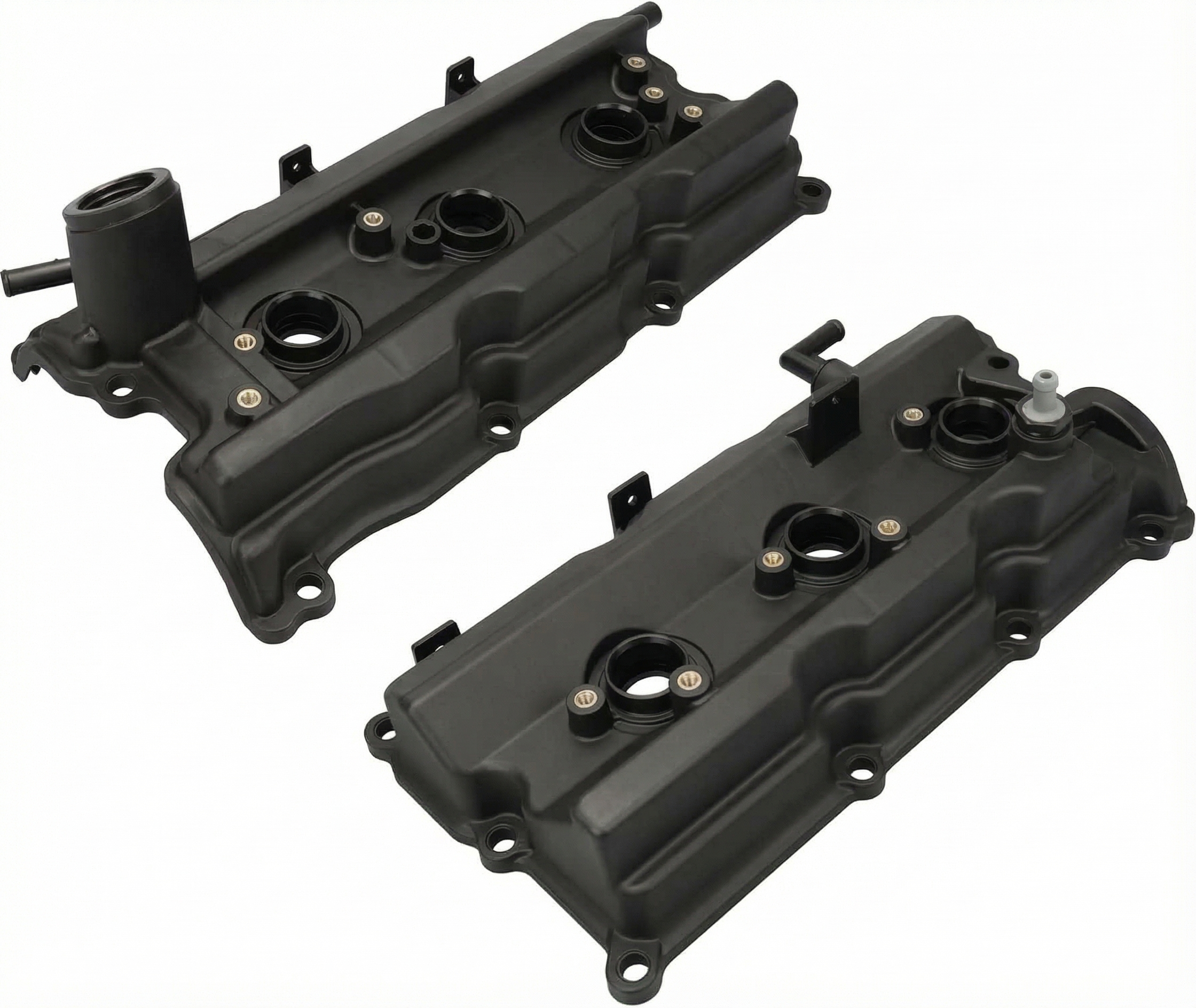
(OEM #BR3Z-6584-C (Example, verify for specific bank))— On the 3.5L V6, the VCT solenoids for Bank 1 (firewall side) are located under the valve cover. While not needed for the more accessible Bank 2 solenoid, this gasket must be replaced if accessing the Bank 1 solenoids for swapping or replacement.
Trusted brands: Motorcraft, Fel-Pro
OEM price range: $40-$70
Aftermarket price range: $20-$50
Related Codes That Often Appear With This One
- P0012 — This is the same over-retarded code for Bank 1. Seeing both P0012 and P0022 together strongly suggests a systemic issue like very low/dirty oil or low oil pressure from a failing pump affecting the entire engine.
- P0021 — This is for an 'over-advanced' condition on the same bank (Bank 2). Seeing both codes intermittently can point to a VCT solenoid or phaser that is failing erratically and moving uncontrollably.
Technical Service Bulletins (TSBs) & Recalls
- SSM 50067: Notes that P0011, P0012, P0021, P0022 and other VCT codes on 2015-2021 Ford/Lincoln vehicles may be due to small debris causing the VCT solenoid to stick. Recommends using a scan tool to cycle the solenoid 10 times to attempt to clear it before replacement.
- SSM 47170: An earlier bulletin with the same guidance as SSM 50067, indicating a persistent issue across many models.
- TSB 11-6-1: An older TSB for 2007-2009 models that addresses various VCT codes, including P0022, related to incorrect cam phaser part numbers from the factory, requiring phaser replacement.
- SSM 49821: A 2021 bulletin that reiterates the same issue for 2015-2021 vehicles, grouping P0022 with a wide range of other VCT codes caused by sticking solenoids.
Platform-Specific Known Issues
- Ford has issued multiple Technical Service Bulletins (e.g., SSM 50067, SSM 47170, SSM 49821) noting that VCT codes like P0022 are often due to small debris causing the solenoid to stick. The bulletins recommend attempting to clear the solenoid with a scan tool before replacement.
- The internal, timing-chain-driven water pump is a known potential failure point. A failed pump can contaminate the engine oil with coolant, leading to widespread VCT system problems and codes like P0022.
Mechanic-Grade Diagnostic Values
- VCT Solenoid (Oil Control Valve) Resistance — expected: 6.9 to 7.9 Ohms at 68°F (20°C).. Failure: A reading of 0 Ohms (short), infinity/OL (open circuit), or a value significantly outside the specified range.
- VCT Solenoid Connector Voltage (Key On, Engine Off) — expected: Battery voltage (approx. 12.6V) at the power supply pin (Pin 1).. Failure: Voltage less than 10V suggests a wiring or fuse issue in the VPWR circuit.
- Engine Oil Pressure (Warm Idle) — expected: Minimum of 15-25 PSI. A healthy engine should show 25 PSI or more.. Failure: Pressure consistently below 15 PSI at hot idle is insufficient for proper VCT operation and points to a systemic issue like a worn oil pump, not just a solenoid.
- Scan Tool PID: VCT_ADV_ERR (VCT Advance Error) — expected: Should hover around 0° (+/- 5°) at stable idle or cruise.. Failure: A persistent, large deviation from 0° confirms the camshaft is not reaching its commanded position.
Hidden / Shadow Codes Worth Checking
- Mode $06, TID $81: This is not a separate trouble code, but a test result within the PCM's Mode 6 data. It monitors the VCT position for Bank 2. A failing result here can precede the Check Engine Light and confirm a mechanical timing issue before the P0022 code becomes persistent. (see via A professional scan tool capable of reading Mode 6 diagnostic data.)
Scan Tool Commands That Help
- Ford IDS (or FORScan, high-end Autel/Snap-on): VCT Solenoid On/Off Test / Cycle Command (Pinpoint Test HK11) — As recommended by Ford TSBs (SSM 50067), this function rapidly cycles the solenoid about 10 times. It is used to attempt to dislodge small debris causing the solenoid to stick. If the code clears and performance improves after running this test, it confirms the issue was likely minor oil contamination and may not require immediate part replacement.
- Ford IDS: Datalogger with VCT_ADV_ERR PID and Histogram Mode — To diagnose intermittent issues. By logging the VCT error PID while driving (including wide-open throttle), a technician can use the histogram to see if the error values spike or deviate significantly under specific conditions, which helps differentiate a failing phaser from a sticking solenoid.
Wiring & Ground Locations
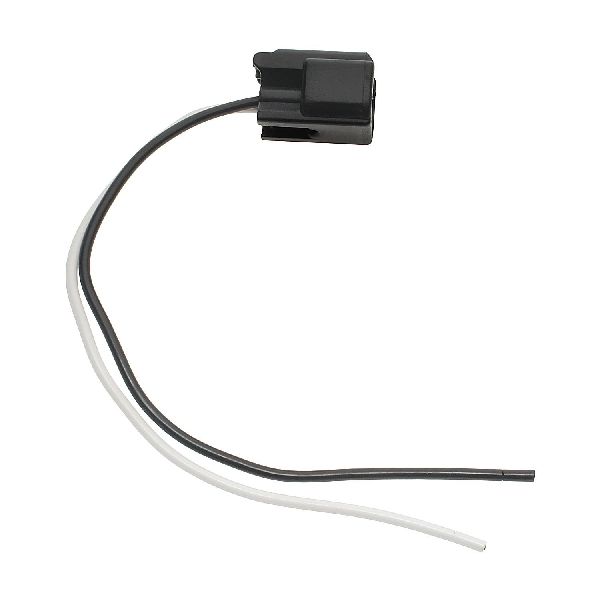
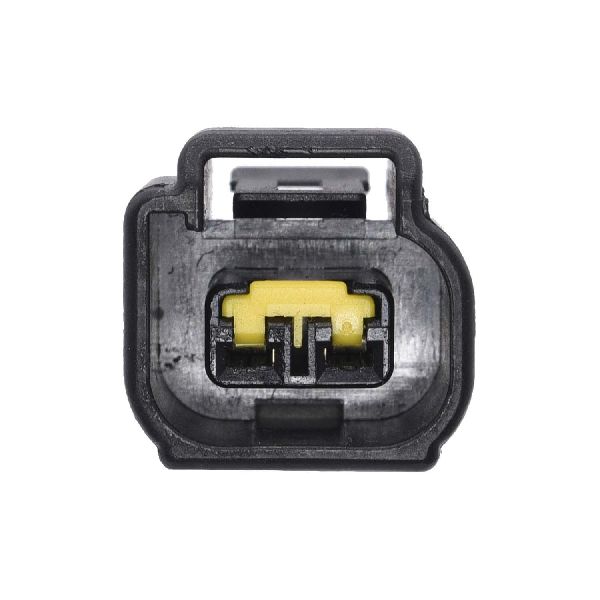
- VCT Solenoid Connector (C139 for Bank 2 Intake) — On the front (radiator side) of the engine, plugging directly into the VCT solenoid which is seated in the valve cover.. This is the primary connection to test for power and signal. Pin 1 should have battery voltage (VPWR) with key on, and Pin 2 is the control signal (ground-side switched) from the PCM. A lack of voltage on Pin 1 points to a fuse or wiring issue, not a failed solenoid.
- Engine Block Ground — A primary ground wire bolts directly to the side of the engine block, often accessible after removing the battery.. A poor engine ground can cause a host of electrical issues, including erratic sensor readings and incorrect solenoid operation. While not a primary cause for a single VCT code, it should be checked if multiple electrical-related codes are present.
- Front Chassis Grounds — After removing the front bumper cover, there are two easily accessible ground points on the chassis, one on each side, where main harnesses connect.. These grounds are crucial for the PCM and other engine control components. Corrosion or looseness here can cause intermittent and hard-to-diagnose electrical faults that could potentially affect the VCT system.
Real Owner Repair Stories
- Truck owner posting to 2CarPros forum (Ford Truck with 88,000 miles (engine family similar to Edge 3.5L)) — Hesitation, shutting off at stop signs, P0022 code.
❌ Tried (didn't work) Replaced both VCT solenoids.
✅ What actually fixed it The issue was diagnosed by the dealer as scored camshaft journals causing a loss of oil pressure directly at the cam. This prevented the phasers from operating correctly even with new solenoids. The ultimate required fix was a complete engine replacement due to the internal damage. - YouTube video by 'Ford Tech Makuloco' (paraphrased common knowledge) (Various Ford 3.5L/3.7L engines) — Persistent P0022 or other VCT codes after solenoid replacement.
❌ Tried (didn't work) Replacing the VCT solenoid(s) multiple times.
✅ What actually fixed it The root cause was found to be clogged oil passages within the cylinder head itself. After removing the valve cover and VCT solenoid, a pick or small tool was used to manually clean out hardened sludge from the small oil feed galleys leading to the solenoid port. This restored proper oil flow to the new solenoid and phaser, resolving the code.
OEM Part Supersession History
AT4Z-6M280-A, AT4Z-6M280-B→7T4Z-6M280-C— Ford often updates VCT solenoids to improve resistance to debris and oil varnish. Later revisions may have improved screen materials or different internal orifice sizes to optimize oil flow and prevent sticking. Forum users have noted physical differences in orifice size between old and new parts.
Heads up: While older part numbers may physically fit, using the latest revision (e.g., 7T4Z-6M280-C) is highly recommended to benefit from design improvements. Some parts have different color connectors (e.g., blue vs. gray) to denote intake vs. exhaust or updated designs, so matching the application is critical.
Diagnostic Flowchart
Other Known Issues on This Vehicle
Issues unrelated to this code that are worth knowing about as an owner of this generation:
- Failing Power Transfer Unit (PTU) on AWD Models 🔴 High — Common issue, especially on vehicles over 60,000 miles. The unit's fluid overheats and degrades, leading to seal failure, leaks, and eventual gear failure. Ford claimed it was a 'lifetime' fluid, but it requires regular changes (every 20-30k miles recommended by owners) to prevent failure.
- Failing Electronic Throttle Body 🔴 High — A widespread, well-documented failure point. The throttle body can fail electronically, causing the vehicle to suddenly enter 'limp mode' with a severe loss of power, which is a major safety hazard. This was subject to Customer Satisfaction Program 13N03, which has since expired. (Ref: Customer Satisfaction Program 13N03 (Expired))
- Cracked or Leaking Panoramic Vista Roof 🟠 Medium — The large panoramic sunroof is prone to issues including the tracks binding, causing it to fail to close, drain tubes clogging and causing water leaks into the cabin, and spontaneous stress fractures in the glass panel itself.
- Shift Cable Bushing Detachment 🔴 High — The bushing that connects the shifter cable to the transmission can degrade and detach, preventing the vehicle from shifting into the intended gear or causing it to roll away after being placed in Park. (Ref: Recall 22S43)
- Cracked Flexplate (EcoBoost Models) 🔴 High — Primarily affects the 2.0L and 2.7L EcoBoost engines, but a known issue for the 2015-2018 model years. The flexplate can develop cracks, leading to a rattling noise and eventually a total loss of power transfer to the transmission.
Used vs. New Parts: Buying Guide for This Vehicle
When a used part is the smart pick: For this specific repair, using used parts is generally not recommended for the electronic or hydraulic components. A used valve cover (if needed for a Bank 1 repair) or engine wiring harness connectors from a junkyard are acceptable if the primary failure is physical damage.
Donor-vehicle mileage cap: roughly under 50000 miles for the part to have meaningful remaining life.
What to inspect on the donor part:
- For VCT Solenoids: NEVER buy used. The risk of receiving a part clogged with sludge from the donor vehicle is extremely high.
- For Cam Phasers: NEVER buy used. Phasers are a wear item and installing a used one is asking for the problem to return.
- For Timing Components: NEVER buy used. Chains, guides, and tensioners are wear items and should always be replaced with new parts.
- For Valve Covers: Inspect for cracks or warping. Ensure all mounting points are intact. The condition of the old gasket is irrelevant as it must be replaced.
OEM-only on this vehicle (don't cheap out):
- Camshaft Phasers: Aftermarket phasers for Ford V6 engines have a notoriously high failure rate. Many professional technicians and forums strongly advise using only Motorcraft (OEM) phasers to avoid having to repeat this labor-intensive job.
- Timing Chain Kit: Similar to phasers, the quality and longevity of OEM timing components are considered superior and critical for this interference engine.
Aftermarket brands forum-validated for this vehicle:
- Dorman (for VCT Solenoid): Dorman is a widely available aftermarket option that is generally considered a reliable alternative to OEM for this specific part.
- Fel-Pro (for Gaskets): Fel-Pro is a well-regarded brand for valve cover and timing cover gaskets.
Brands owners have reported issues with on this vehicle:
- No-name/white-box eBay/Amazon phasers: Avoid unbranded, exceptionally cheap camshaft phasers. These are frequently cited on forums as failing within months of installation, leading to catastrophic engine damage.
Real Owner Stories
Aggregated from forums and TSBs cited above. Mileages and costs reflect what owners reported in those sources.
2013 Ford Edge 3.5L
Symptoms: The vehicle felt sluggish and threw multiple codes including P0012, P0014, P0022, and P0024 after sitting for several months.
What fixed it: The community diagnosed the issue as sludgy oil and sticking VCT solenoids, recommending an oil change and solenoid inspection.
Source hint: Ford Edge Forum - 'Sluggish New to me 2013 Edge - Code P0012, P0014, P0022 and P0024'
Ford Edge 3.7L
Symptoms: The VCT solenoids were found to be covered in varnish with partially clogged screens.
What fixed it: Replacement of the VCT solenoids fixed the issue.
Source hint: Ford Edge Forum owner report cited in common_causes
Ford 3.5L Cyclone V6 — 8000 miles
Symptoms: P0022 code triggered after an extended oil change interval.
What fixed it: A simple oil change.
Source hint: Reddit user report cited in common_causes
Related OBD-II Codes
Frequently Asked Questions
I have a 2015 Ford Edge with a P0022 code; does Ford have a specific service bulletin for this?
Can I fix the P0022 code on my 3.5L Edge by just changing the oil?
Is the Bank 2 intake VCT solenoid difficult to reach on the 2015-2018 Edge 3.5L?
What specific oil should I use for my 2015-2018 Ford Edge 3.5L to prevent VCT issues?
My Edge has a P0022 and the oil looks like a 'milkshake.' What does this mean?
How can I tell if my P0022 code is a bad VCT solenoid or a bad cam phaser?
Helpful Videos

Used OEM Parts in Stock
New Aftermarket Parts Available


The information in this article is provided for general reference and educational purposes only. Vehicle specifications, procedures, and part compatibility can vary by production date, trim level, and region. Always consult your vehicle's factory service manual and verify part numbers before purchasing or performing repairs. Safety-critical components such as airbags, seat belts, and braking systems should be installed by a qualified professional.
- Ford Edge:
- 🧭 Diagnostic Flowchart
- 🎬 Helpful Videos
- 🛍️ Shop This Part
- What's Unique About the 2015-2018 Ford Edge
- Symptoms You May Notice
- Most Likely Causes
- Rare But Worth Checking
- Diagnosis Steps
- Parts You'll Likely Need
- Related Codes That Often Appear With This One
- Technical Service Bulletins (TSBs) & Recalls
- Platform-Specific Known Issues
- Mechanic-Grade Diagnostic Values
- Hidden / Shadow Codes Worth Checking
- Scan Tool Commands That Help
- Wiring & Ground Locations
- Real Owner Repair Stories
- OEM Part Supersession History
- Other Known Issues on This Vehicle
- Used vs. New Parts: Buying Guide for This Vehicle
- Real Owner Stories
- 2013 Ford Edge 3.5L
- Ford Edge 3.7L
- Ford 3.5L Cyclone V6 — 8000 miles
- Related OBD-II Codes
- Frequently Asked Questions
- 🎟️ Get 5% Off